
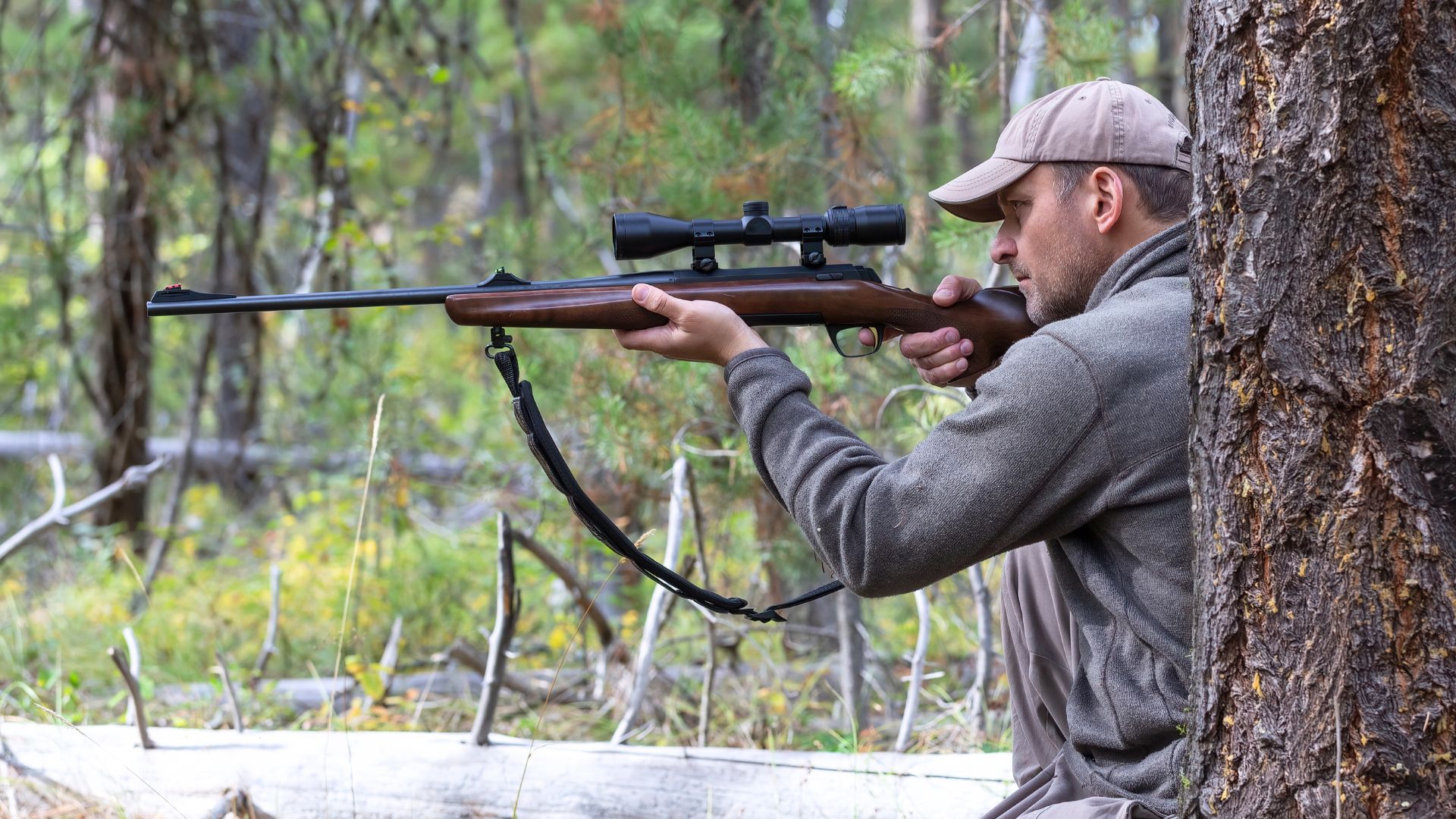
Photo credit: Alexey Spehalski/Shutterstock.com
A hunter on Reddit said he had just bought a piece of land and was still getting a feel for it when his trail camera showed him something he was not expecting. In the post, he explained that the property had changed hands recently, and then a camera image revealed another man moving around on it. The sighting immediately raised the question a lot of new landowners end up facing sooner than they want to: was this someone who genuinely did not know the property had sold, or someone who already knew and just did not care?
What gave the story its edge was how early it happened. He was not posting after years of dealing with the same neighbor or after some long-running feud had already boiled over. He had barely taken over the land, and already there was a stranger on camera. That kind of timing changes the feel of everything. Instead of settling into the property and figuring out how he wants to hunt it, he was suddenly trying to decide how hard to push back against someone who may have been treating the place like theirs before he ever arrived.
The replies mostly pushed him toward a calm first move, but not a passive one. One of the clearest responses said to leave the man a note explaining that the property had been sold. The same commenter also said to paint the boundaries with purple paint and make sure the lines and gates were clearly marked. That advice landed because it recognized both possibilities at once. Maybe the guy really had not realized ownership changed. But if he came back after a warning and better markings, then the situation would look a whole lot less innocent.
Other comments pushed the same idea a little farther. People told him to get to know the local sheriff, constable, or game warden, not because one camera sighting guaranteed an immediate case, but because that relationship matters once a warning has already been given. In that version of the story, the first encounter is the courtesy. The second becomes the problem. That seemed to be the line a lot of hunters in the thread drew. Somebody wandering onto ground they used to hunt is frustrating. Somebody coming back after being told it is no longer theirs is something else.
What makes the story work is that it sits right at that uneasy point before everything gets louder. There is no rifle pointed at anyone, no stand torn down, no big confrontation at the gate. Just a trail-cam image and a new landowner trying to decide what kind of tone to set. Too soft, and maybe the trespasser keeps coming. Too hard, and maybe he turns an old misunderstanding into a feud before he has to. That tension is the whole story.
So the thread became less about one man on one camera and more about that first moment a property owner realizes the land they just bought may already come with habits, assumptions, and unwanted visitors attached to it. The camera did not show a huge crime scene. It showed the beginning of a choice. He could ignore it, warn the guy, or start building a paper trail right away. Most of the replies made it sound like the smart move was the middle one: make it absolutely clear the land has changed hands and see who still shows up afterward.


