Photo credit: Pearce Brothers Gear Guide/YouTube
Some pistols pick up loyal followings for reasons that have little to do with real performance. Maybe someone’s dad carried one, or maybe a certain gun shop clerk pushed it hard for years. Over time, they build a reputation that doesn’t match how they actually shoot. When you get them on the range, you start seeing the corners these designs cut—mushy triggers, unreliable feeding, heavy recoil, or accuracy that falls apart once you push past typical defensive distances.
You still meet shooters who praise these pistols endlessly, but when you put rounds downrange, the truth shows fast. These are the underperforming handguns that somehow keep their fan clubs anyway.
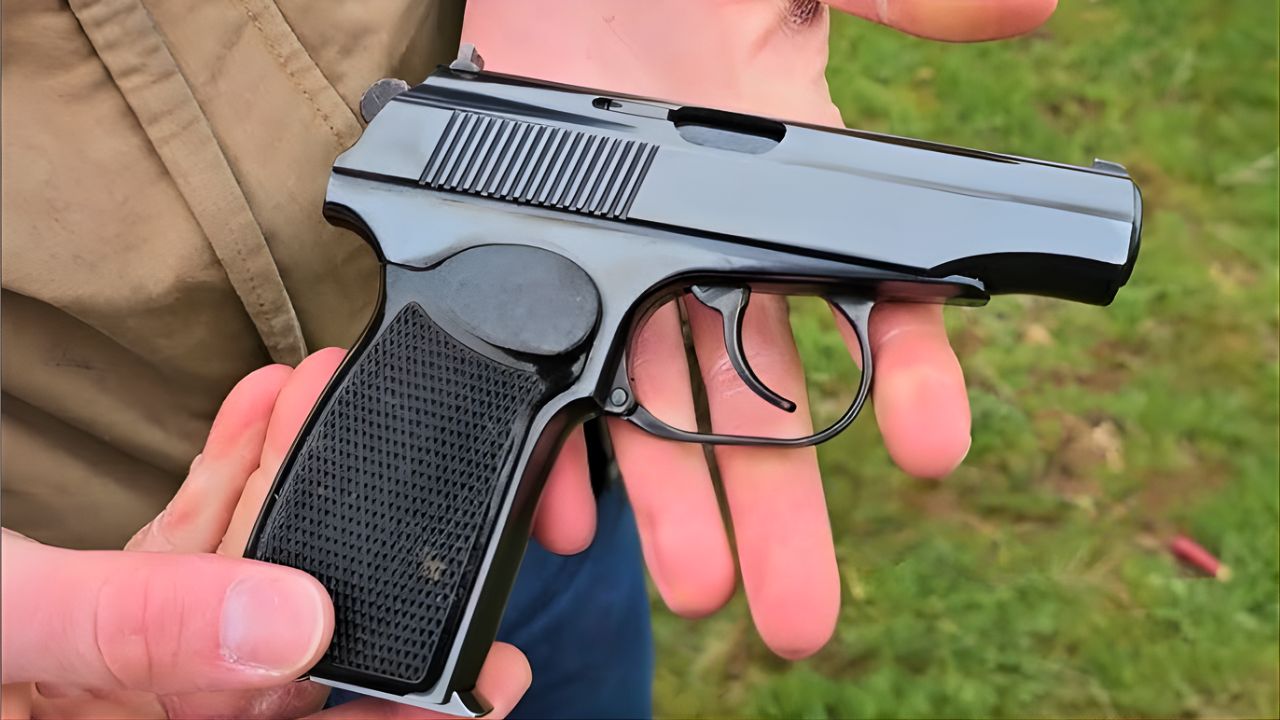
Makarov PM

The Makarov PM has a devoted following, but a lot of that praise comes from nostalgia rather than performance. The pistol is tough, but the 9×18 cartridge offers limited power and drops off quickly past close range. You’ll notice the heavy double-action trigger and simple sights make accurate shooting feel like work.
The gun runs reliably with good ammo, but accuracy and ergonomics lag behind more modern designs. Many shooters love the history behind it, but once you compare it to today’s compact 9mms, it becomes clear the Makarov earns most of its reputation from sentiment instead of results.
Hi-Point C9
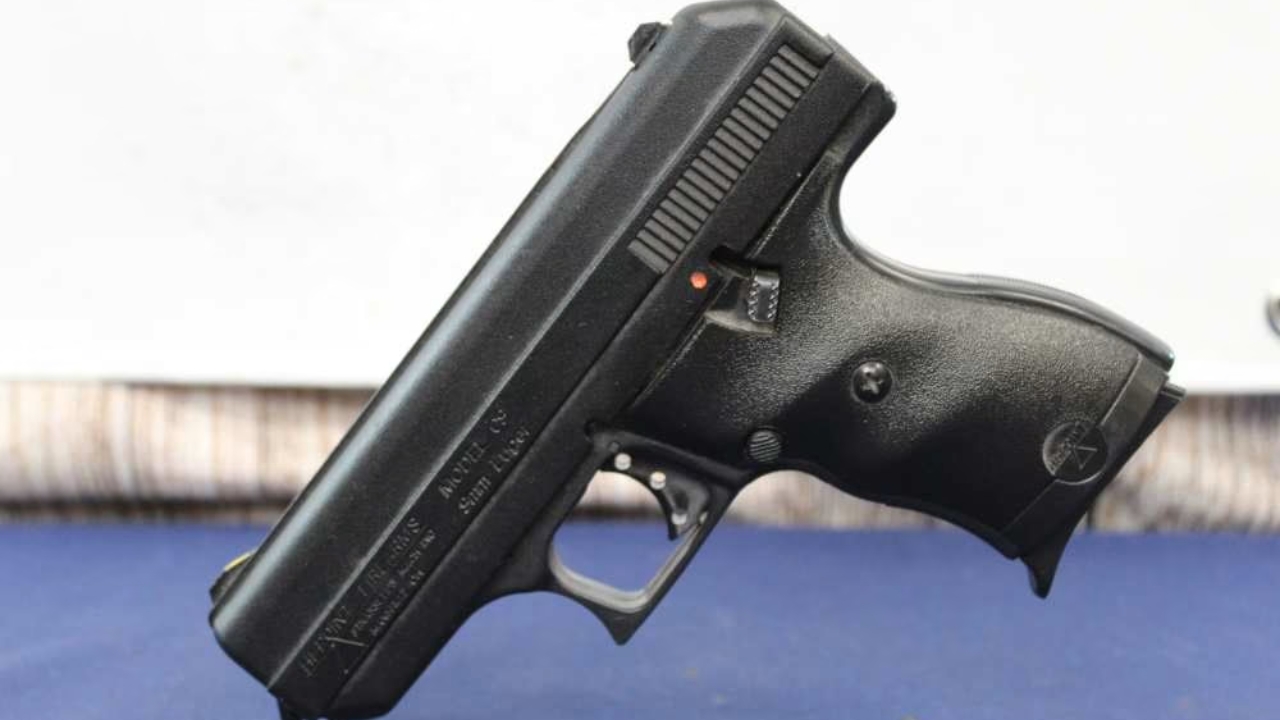
Plenty of shooters defend the C9 by pointing out that it’s cheap and tends to function, but once you take it past casual plinking, the shortcomings stack up. The pistol is heavy for its size, the trigger feels stiff, and the sights make precise shooting difficult.
You’ll also notice that the slide mass gives it a sluggish feel that slows down follow-up shots. While the gun can work reliably, it doesn’t offer the consistency or confidence people expect from a defensive pistol. Its fan base praises the value, but performance is nowhere near the standards of more refined handguns.
SIG Sauer Mosquito

The Mosquito found early popularity as a rimfire trainer, but most shooters eventually realized it only runs well with specific ammunition. Bulk .22 LR causes frequent failures, and that defeats the entire purpose of owning a rimfire pistol.
The trigger feels heavy, which doesn’t help accuracy, and the slide can be finicky with certain magazines. Many shooters still defend it because they bought one early on, but once you shoot modern rimfires that cycle anything, the Mosquito feels outdated and frustrating.
Beretta Nano

The Nano looks streamlined and modern, but it comes up short when you start pushing it. Its simple design lacks external controls that help clear malfunctions quickly, and many shooters experience cycling issues with lighter ammo.
You’ll also notice the trigger is stiff enough to make slow, deliberate shooting feel more comfortable than anything rapid. Fans still praise its sleek profile, but compared to today’s micro-compacts, the Nano feels outclassed in both reliability and shootability.
KelTec PF-9

The PF-9 earned early praise for being thin and light, but most shooters discover the harsh recoil and narrow grip make it tough to shoot well. Even experienced shooters find the snappy impulse fatiguing after a few magazines.
Reliability varies depending on ammo and individual pistols, which is a dealbreaker for many. People still defend it because it fills a niche for deep carry, but once you shoot it beside newer compact 9mms, the PF-9 feels like a carry gun you tolerate instead of one you trust.
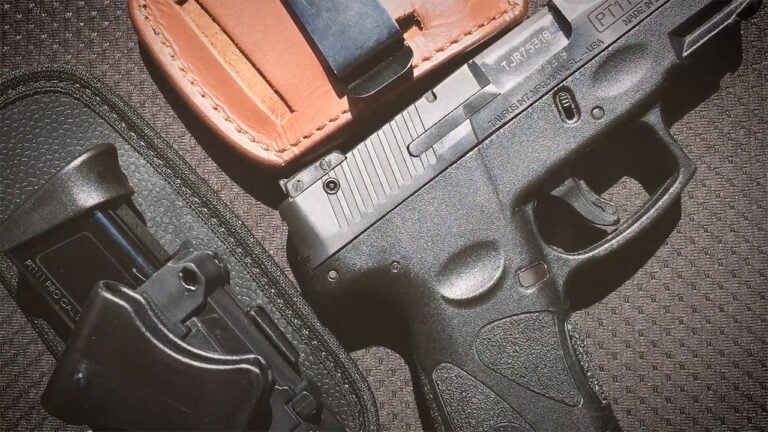
Taurus PT111 Millennium
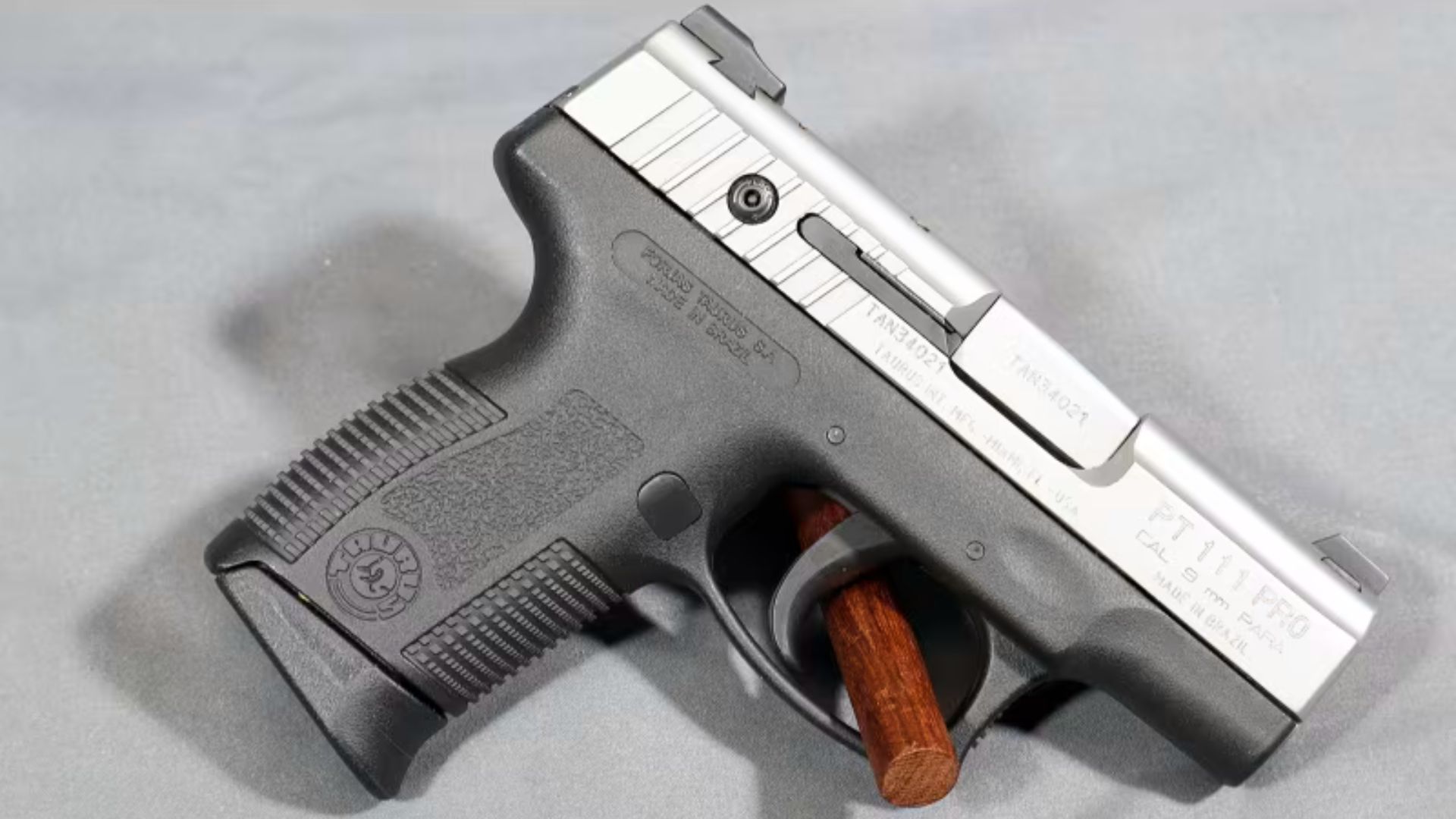
Before the G2 series, the original Millennium pistols developed a rough reputation for inconsistent triggers and questionable long-term reliability. Some shooters had decent luck with them, but many others ran into cycling or striker issues.
Despite that, the pistol still has fans who remember it fondly because it was affordable. Once you compare it to modern Taurus models—which have improved dramatically—the original PT111 feels underpowered in terms of overall performance and refinement.
Bersa Thunder .380

The Thunder .380 gets praised as a budget-friendly, metal-framed carry pistol, but performance can be hit-or-miss. The DA/SA trigger takes time to master, and some shooters find the grip shape difficult to control under faster strings.
Accuracy is fine at short range, but it falls off quickly. The .380 chambering also limits penetration compared to compact 9mms. Fans love the price and feel, but the pistol doesn’t keep up with today’s lightweight polymer options that offer better capacity and reliability.
CZ-82
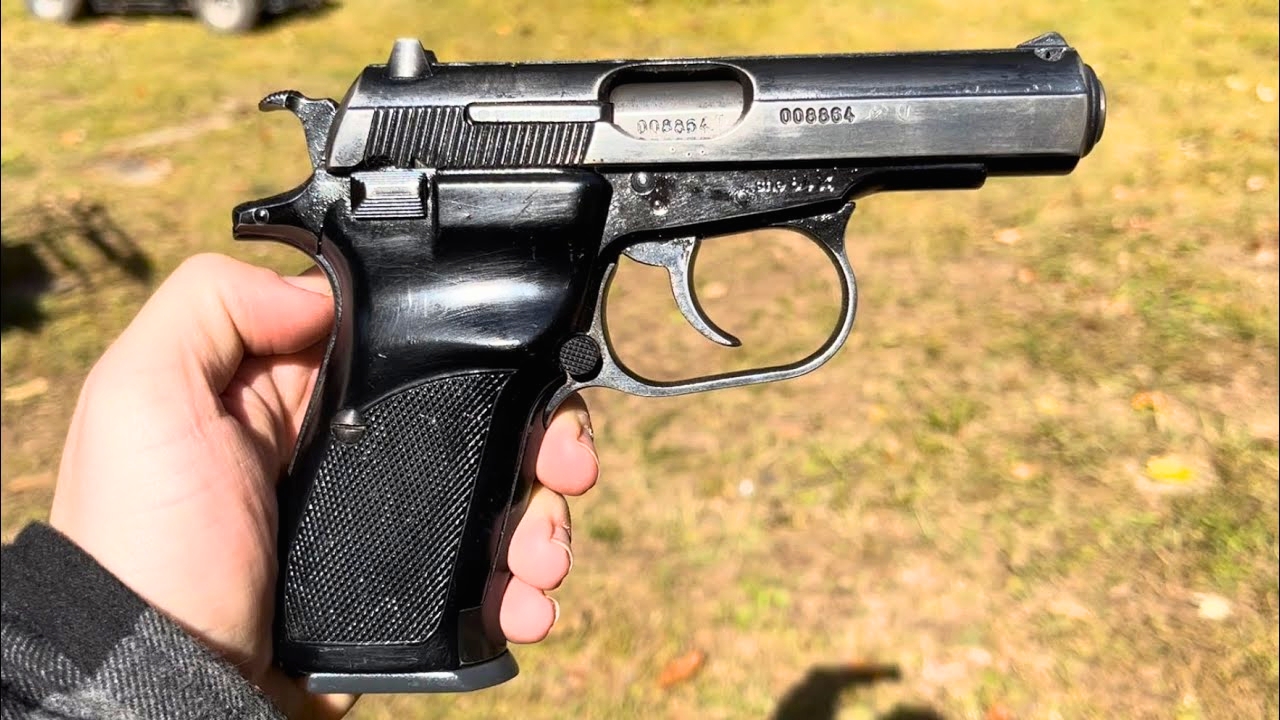
The CZ-82 has a strong following thanks to its surplus availability and comfortable ergonomics, but the 9×18 round limits its capability. Many shooters expect more accuracy than the pistol consistently delivers, and the fixed-barrel design doesn’t always translate to tight groups.
The heavy trigger in DA and worn surplus magazines add additional challenges. People praise it because it’s unique and affordable, but compared side by side with modern compacts, the CZ-82 falls behind in both power and consistency.
Smith & Wesson Bodyguard .380 (Original)

The original Bodyguard .380 gained attention for its built-in laser, but the trigger made accurate shooting tough. It’s long and heavy, and many shooters found the narrow grip uncomfortable under recoil.
Reliability was also inconsistent depending on ammunition. While it’s small and easy to conceal, control and confidence were never its strengths. Fans often defend it for its size, but newer .380s shoot smoother and run more reliably.
Ruger LC380
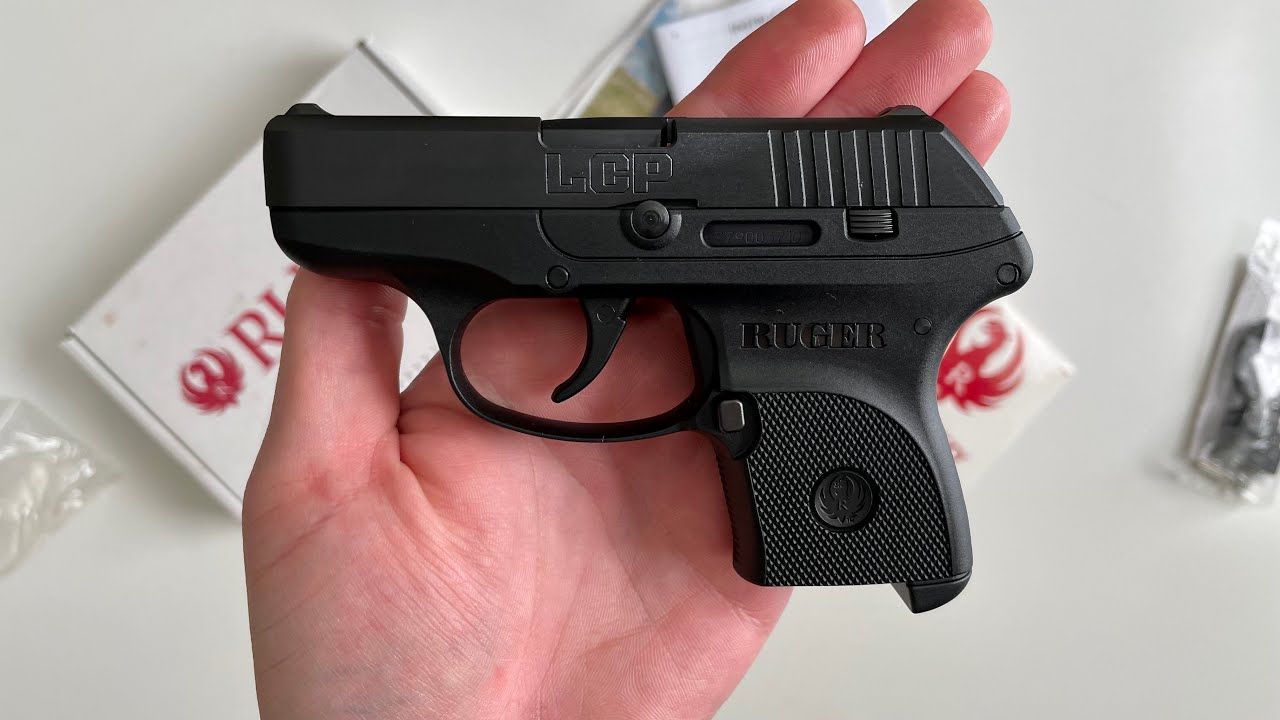
The LC380 softens recoil thanks to its size and weight, but the original trigger system borrowed from the LC9 holds it back. You’ll feel the long, dragging pull every time you try to shoot accurately at a steady pace.
It functions well enough, but accuracy suffers and follow-up shots feel slow. Many shooters keep praising it as a “comfortable shooter,” but the performance doesn’t match the praise once you stretch the distance or speed up your cadence.
Walther P22
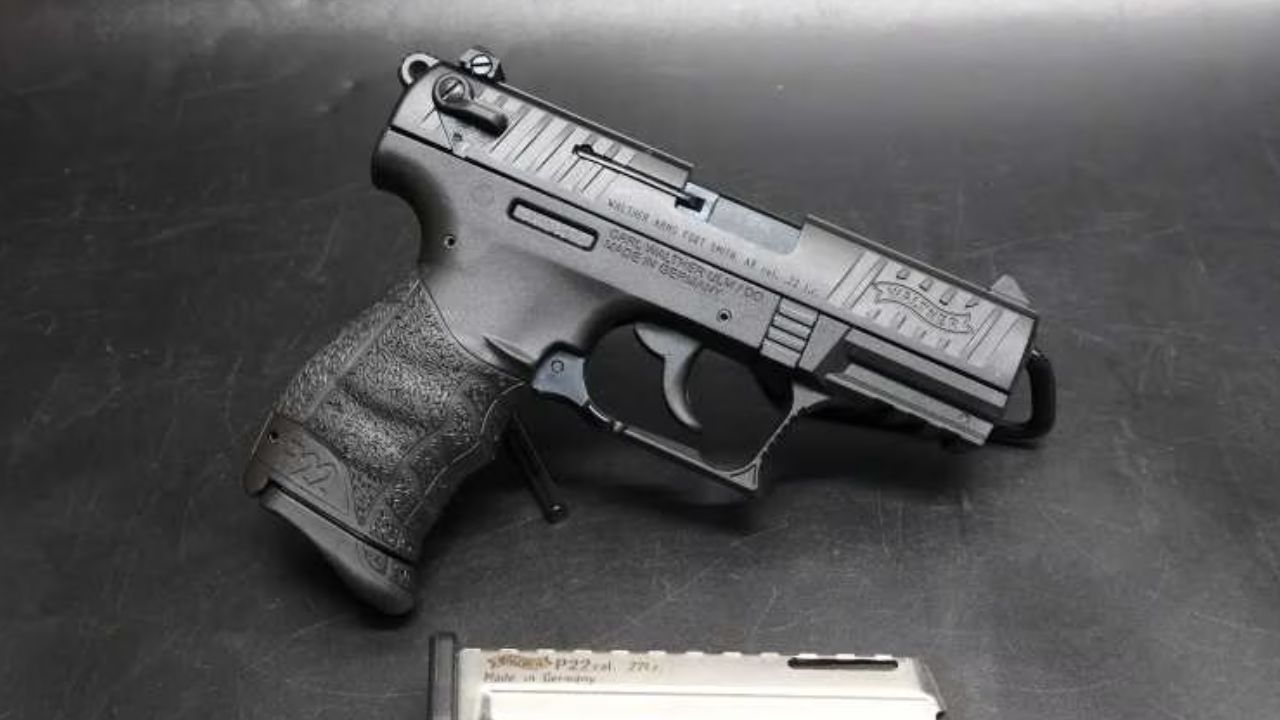
The P22 became popular because it looks like a scaled-down duty pistol, but it can be finicky with bulk rimfire ammo. Feeding and ejection issues pop up regularly, especially as the pistol starts to get dirty.
Accuracy is acceptable at plinking distances, but it never feels as consistent as competitors in the same category. Fans still praise it because it’s fun to shoot, but performance isn’t strong enough to justify the hype.
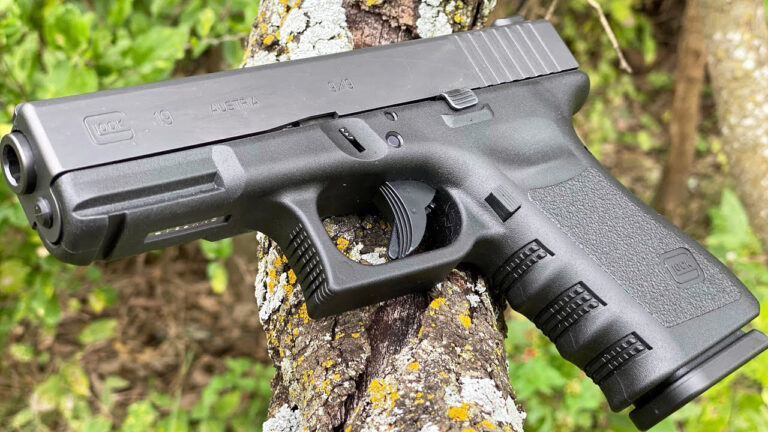
Glock 36

The Glock 36 appealed to shooters wanting a slim .45 ACP, but the single-stack design introduced reliability quirks that Glock fans didn’t expect. Some owners experienced feeding issues with certain defensive loads, and the recoil felt sharper than other Glock models.
The limited capacity also turned off many shooters once they realized how much they were giving up for minimal size savings. While hardcore fans praise it endlessly, the G36 doesn’t offer the stability or consistency most people expect from a Glock.
SIG Sauer P250

The P250 still has supporters who swear by its modularity, but the long DAO trigger holds it back. Accuracy suffers until you spend serious time learning the pull, and rapid shots are difficult for most shooters.
While the pistol is reliable, the shooting experience feels dated. Fans often focus on the modular design, but performance-wise, the P250 can’t match modern striker-fired pistols that deliver cleaner breaks and shorter resets.
Kahr CW9

The CW9 is slim and easy to carry, but the long, rolling trigger makes quick shooting feel slow and deliberate. Some shooters appreciate it, but many find the lack of a defined wall affects their accuracy.
The gun is reliable, but the shooting experience keeps it from matching the praise it often receives. Compared with newer micro-compacts offering better triggers and higher capacity, the CW9 feels held back by its dated design.
M&P Shield .40 (Original)

The original Shield in .40 S&W gained fans quickly, but the recoil was sharper than many shooters expected from a pistol that small. Accuracy fell off once you pushed the pace, and long sessions became tiring.
While reliable, the harsher impulse made it tough to shoot well under stress. Some shooters still praise it because it was their first carry pistol, but most ended up switching to the 9mm version or moving away from .40 entirely once they experienced the difference.
Like The Avid Outdoorsman’s content? Be sure to follow us.
Here’s more from us: