Photo credit: French Army/Wiki Commons
You know the drill: you put miles on a rifle or mags through a pistol, you test loads, torque the rings, and still see flyers that look personal instead of mechanical. Some guns are predictable; others behave like they’re allergic to consistency. This piece calls out models that, for a chunk of owners, turn accuracy into a guessing game — not because every example is junk, but because real-world issues crop up often enough that you’ll find yourself double-checking everything before you shoot. I’m including both rifles and pistols, and I’ll tell you what usually goes wrong: finicky bedding, odd harmonics, sensitive gas systems, or tolerances that punish any change. Read these like honest field reports: you can love a gun and still accept that sometimes the next shot is a roll of the dice.
Blaser R8
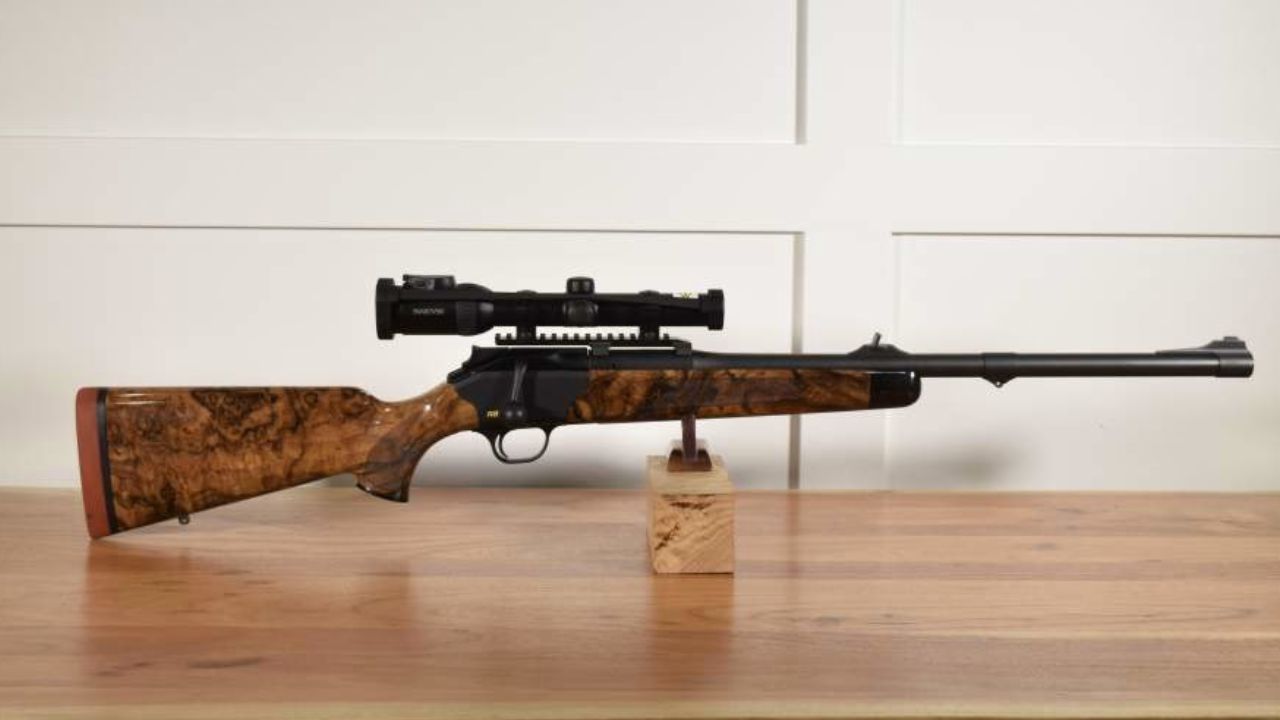
The Blaser R8 is a clever, modular hunting rifle with a quick-change barrel system that looks like engineering poetry. The problem in real use is that the interface that makes barrels and calibers swap so smoothly can be fussy about torque, cleanliness, and seating. Hunters who baby their R8s still report point-of-impact shifts after repeated barrel swaps or if the action faces pick up grit in the field. That tolerance that makes the system precise also makes it sensitive to tiny variables, and when you’re hunting, tiny variables are everywhere.
Another wrinkle is barrel harmonics. The R8’s lightweight profiles and hunting contours can exhibit a different “sweet spot” for seating depth and load choice than a traditional press-fit barrel. Load up with factory ammo that worked in one barrel and change to a different barrel or seating depth and your groups can move. You’ll hear owners say it shoots miracles when everything is correct — and that’s the rub. It will shoot miracles, but getting to that consistent miracle sometimes takes more bench work than a true field-ready rifle should demand.
Merkel Helix
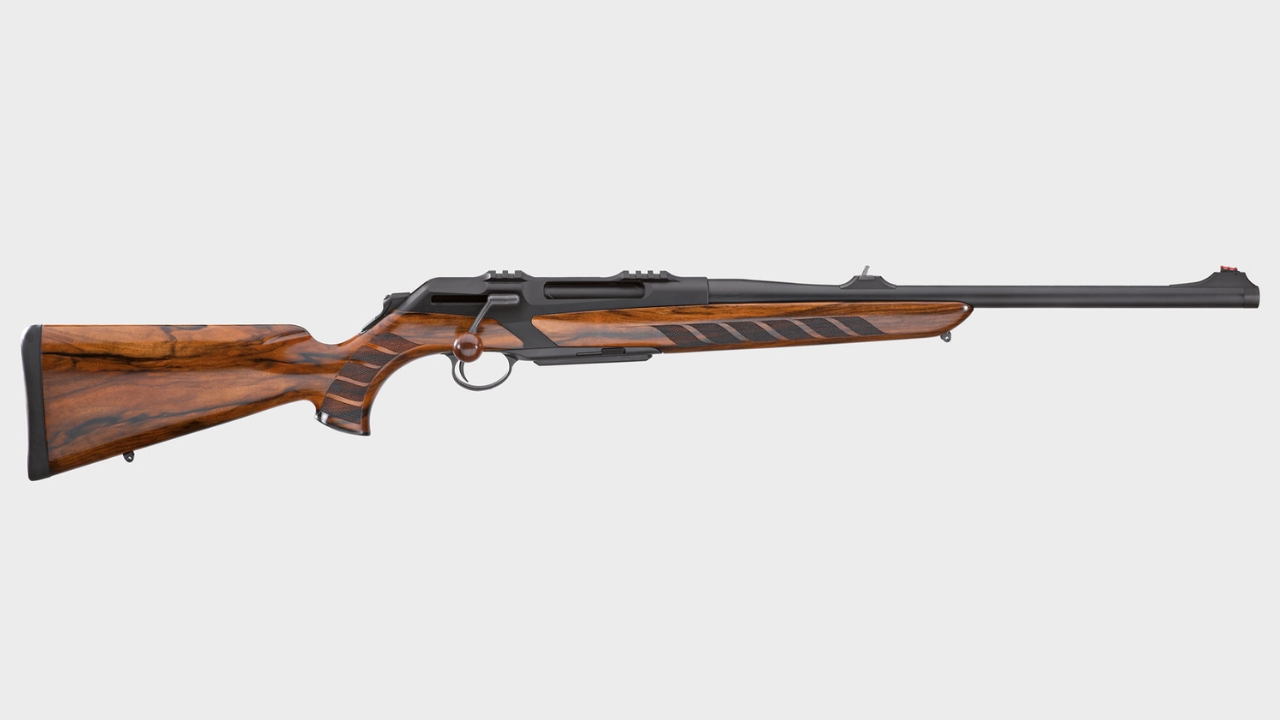
The Merkel Helix has fans for its fast, linear bolt and stylish lines, but that unique action is less tolerant of sloppy bedding and mismatched headspace than many classic bolts. Hunters who baby a Helix—keep it spotless, torqued, and oil-fresh—still find some rifles wander after a few shots or after a hot day. Because the Helix uses a different locking and camming geometry, tiny changes at the action-to-stock interface show up as POI moves faster than on a conventional push-feed bolt.
Another factor is stock design on certain Helix variants: light, slim profiles built to shave ounces can flex under night-sling use or a heavy scope, subtly altering how the barrel vibrates. You can get brilliant groups from a Helix, but you’ll be happiest if you commit to a single load, verify torque specs every trip, and accept that on some hunts a quick confirmation string is a must. It’s a refined rifle, but one that asks for more maintenance discipline than many hunters want.
Sauer 101
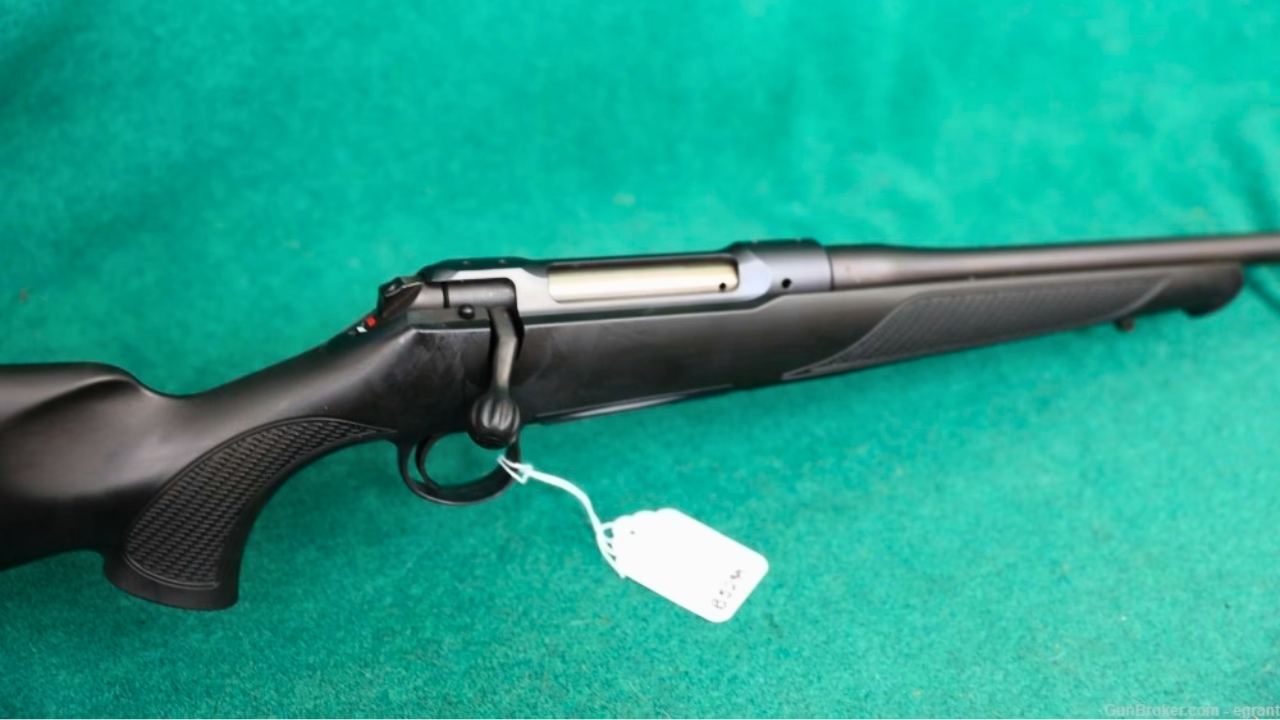
Sauer’s 101 is a modern, fine-crafted bolt gun that rewards thoughtful load development — and that’s exactly where it trips up owners who expect plug-and-play. The action and bedding are precise, but in some production runs hunters report sensitivity to seating depth and even to which muzzle device is attached. Small changes that other rifles shrug off sometimes nudge the 101’s POI enough to make you question the group. That’s a sign of a rifle with a narrow accuracy envelope: great when you’re inside it, maddening when you aren’t.
Another recurring theme is stock material and contour pairing. Some 101s shipped in lightweight sporter stocks that don’t resist pressure or heat transfer well, and that makes them vulnerable to drift after a long string of shots or when the barrel heats unevenly. It’s fixable — bedding and load work usually help — but the practical result is the same: you’ll baby it and still want to confirm it before that one-shot moment.
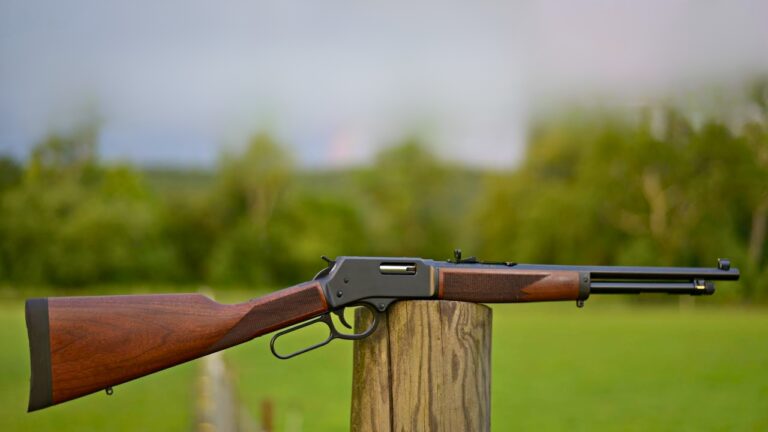
Henry Big Boy
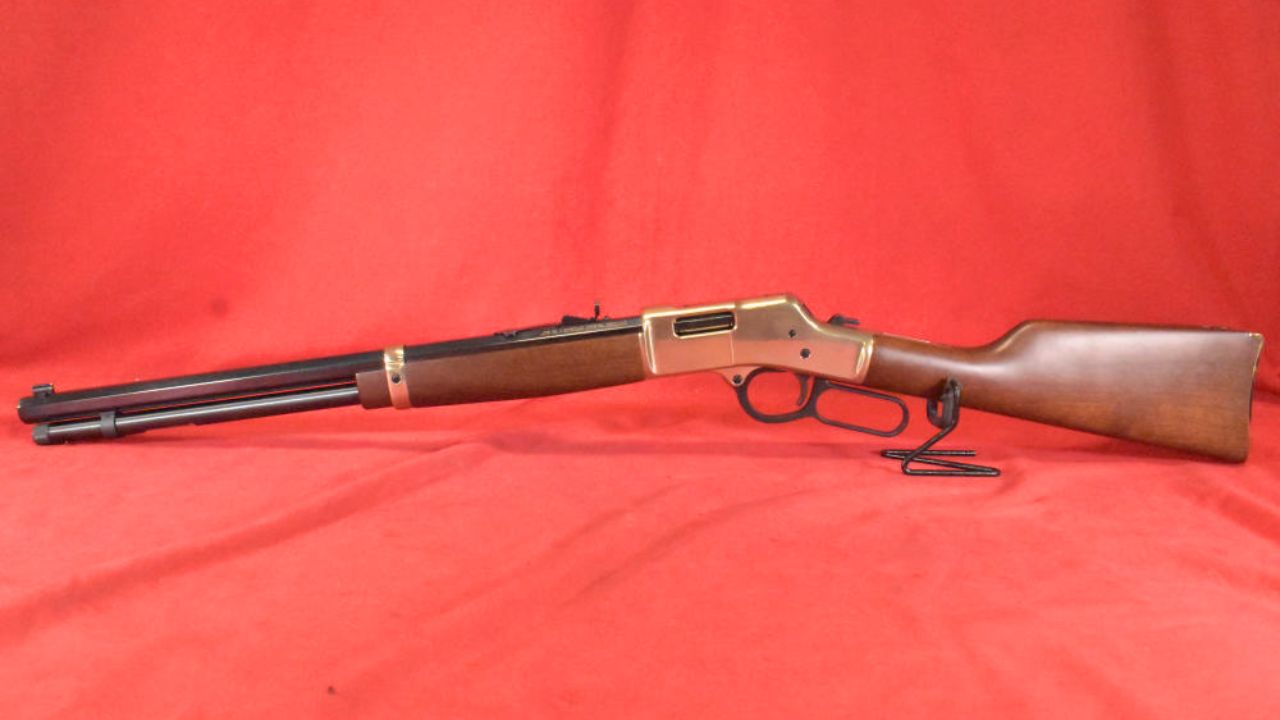
Henry’s Big Boy lever guns are great for short-range brush work, but when chambered in stout calibers or paired with light sporter stocks they can show surprising point-of-impact movement after several hard shots or a heavy day in the saddle. The lever action’s inherent camming forces and the way the stock absorbs recoil mean bedding nuances matter more than you’d think. Hunters who caress one and keep it immaculate still report flyers that aren’t down to flinching; sometimes it’s simply how the lever and stock settle.
Also, many Big Boys run with slender barrels and traditional sights; when you add modern optics and heavier bridges, balance changes and so do the harmonics. You’ll get dependable performance inside 100–150 yards, but push the range or toss in a heavy scope and you can end up re-checking zero mid-hunt. It’s charming and reliable for close work, but not always the last word in repeatable, long-range accuracy.
Blaser R93 Var.

Older Blaser R93 straight-pull rifles were revolutionary when introduced, but their unique locking and barrel/bolt interfaces make some examples more sensitive than a conventional bolt. Owners who treat an R93 like an heirloom still report occasional unexplained shifts after repeated disassembly, barrel changes, or even after carrying with creams or oils on the bedding. The tolerances that enable rapid takedown also mean those tolerances have to be pristine to hold repeatable POI in the field.
Another snag is that early R93s have a learning curve for headspace practice and torque technique that many hunters don’t account for. It’s not a bad rifle; far from it. But it’s one that will produce miracle groups when everything aligns and frustrating scatter when something small is off. If you buy one, plan on careful maintenance and a conservative approach to swapping parts in the field.
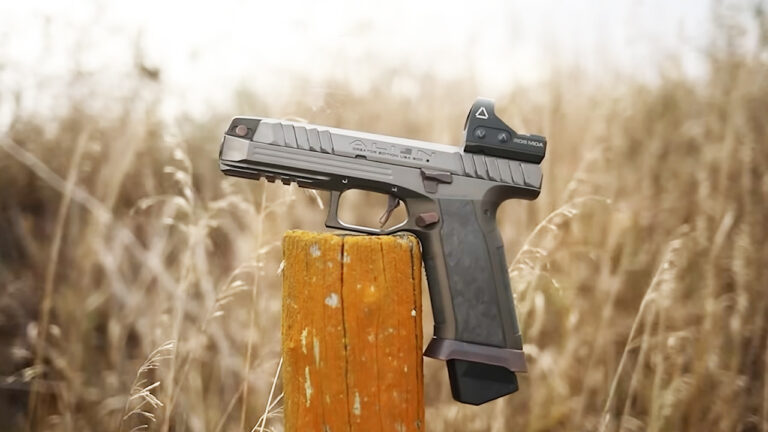
Walther PPQ

The Walther PPQ is a modern polymer striker pistol praised for trigger and ergonomics, but some users find accuracy inconsistent due to grip variability and sight radius on compact models. It’s a pistol that rewards a uniform two-handed hold; change your grip or limp-wrist it and groups open faster than with some other designs. Owners who train on a consistent stance often get excellent results, but casual shooters notice one-hand or off-hand strings that look unpredictable.
Another factor: aftermarket sights and suppressor-height setups can alter the PPQ’s naturally balanced recoil impulse, changing follow-up patterns and perceived accuracy. It’s not that the PPQ is unreliable; it’s that its performance depends on consistent hold and sighting conditions. For carry and duty use it’s excellent, but expect to confirm your zero and practice your grip if you want repeatable small groups.
CZ P-10

The CZ P-10 series shoots well for many, yet it can be touchy about magazine fit and grip pressure—variables that impact accuracy more than you’d expect. Small tolerances in the feed ramp area can produce odd flyers when mags are worn, and a slightly off-center grip or weak support hand will show in group cohesion. Bench it and it’s tidy; fight it from unusual positions and it can surprise you with a wandering shot.
Barrel harmonics also show up on P-10s with threaded barrels or suppressors—you’ll notice a particular load that prints tight groups on a bare barrel then opens when you add weight at the muzzle. That sensitivity means the gun’s accuracy is consistent if you keep the setup constant, and a guessing game when you don’t.
Staccato P

Staccato 2011-style pistols (formerly STI) are built for speed and match performance. They deliver incredible follow-ups, yet when used as everyday carry or in rough environments some owners find them fussy about ammunition and grip pressure. These pistols reward an exact grip and a precise thumb position; deviate and your groups can look like a different gun fired. That makes them brilliant for competition and less forgiving for every-day variable-stance shooting.
Add match-grade springs, tuned slides, and light recoil enhancers, and you’ll see stellar groups—until you swap magazines or change ammo to a different pressure curve. Staccato pistols shine when everything is controlled; they make accuracy a guessing game when variables sneak in. If you run one, keep your load and magazines consistent and accept that odd results usually trace back to setup changes, not the mechanical core.
H&K VP9

The VP9 has an excellent trigger and ergonomics, but its modular grip and sporty ergonomics mean that slight changes in hand placement alter group points. Hunters and serious shooters who baby a VP9 in a particular setup will get repeatable results, but share the pistol between shooters or change the insert package and you’ll see POI movement. It’s a pistol that rewards human consistency.
Another quirk some owners note is that aftermarket sights or tall suppressor-height sights affect the perceived sight picture and follow-up timing differently than on flat-top factory sights. Accurate shooting on the VP9 comes down to consistent cheek and grip habit; without that, groups can look random rather than mechanical.
Browning T-Bolt
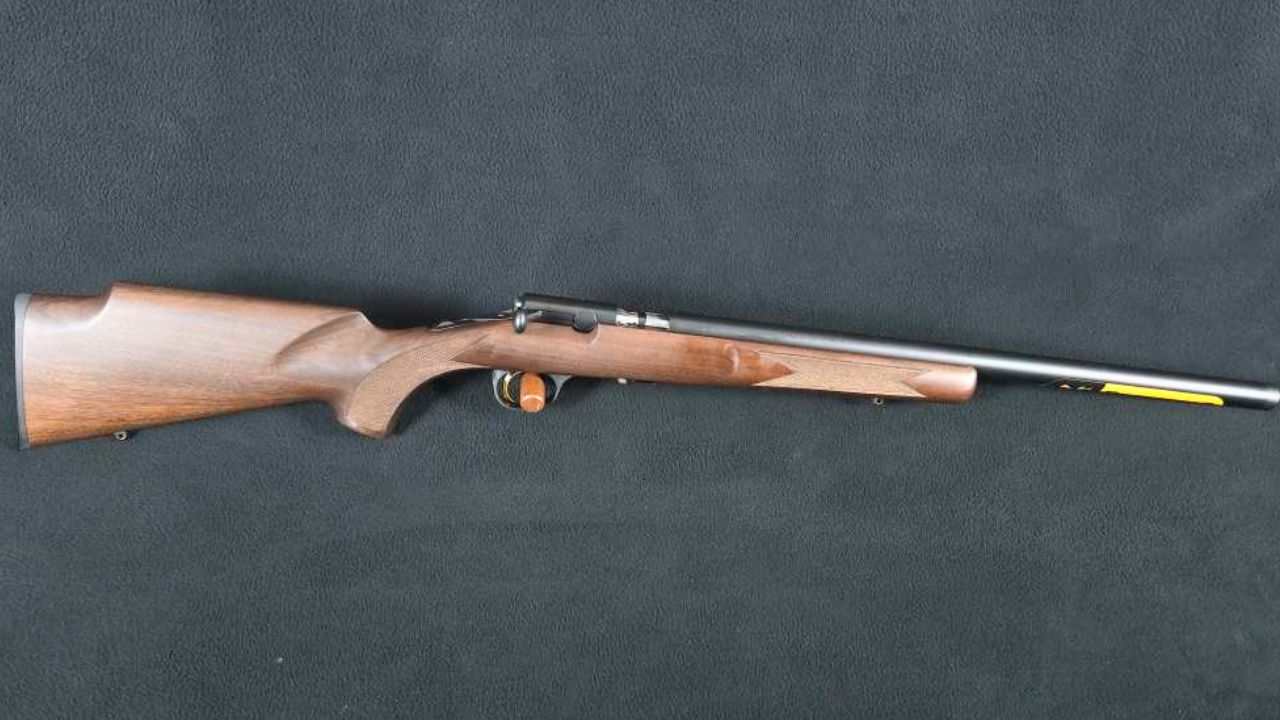
The Browning T-Bolt is a straight-pull rimfire that promises a fast cycle and good accuracy. Problem is, rimfires can be finicky about fouling and thumb pressure, and the T-Bolt’s slim stock and light weight make those issues louder. Hunters who treat their T-Bolts like fine instruments still report that a dirty chamber, varied ammo, or a different hand position turns tidy groups into a guessing game.
The barrel and action are excellent, but rimfire priming inconsistencies and tiny variations in seating pressure on the bolt face matter more here than on centerfire rifles. If you’re using one as a brush gun, test your chosen ammo thoroughly and accept that inconsistent rimfire lots can make accuracy feel like roll-call luck.
Sako TRG
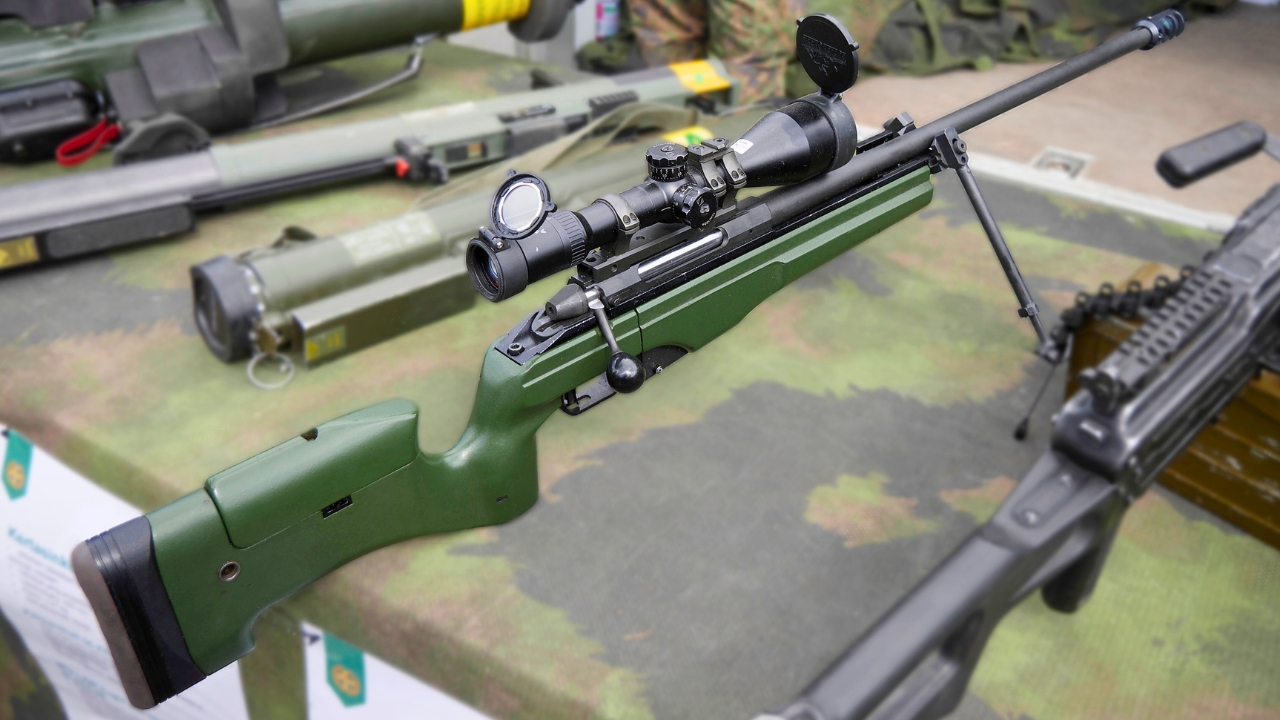
The Sako TRG family is a high-end precision rifle line, and they reward meticulous setup — and punish casual assumptions. Owners who baby a TRG usually do so because the rifle’s accuracy envelope is tight: change seating depth a fraction, swap muzzle devices, or move the scope a touch and the groups tell you immediately. That’s normal for the class, but it feels like a guessing game to anyone who expects bolt-gun tolerance.
Temperature, bedding, and torque matter. In return you get match-grade performance when you’re willing to dial in loads and hardware. Treat a TRG like a precision tool and it will behave like one; treat it like a truck gun and you’ll spend time wondering why the groups moved.
FN SCAR 17S

The SCAR 17S is a fantastic semi-auto for hard use, but some hunters who tried it for precision hunting found grouping inconsistent compared with bolt guns. The semi-auto action introduces variables in timing and barrel harmonics, and when you pair heavy optics or change mounts the POI can shift more than on a fixed-barrel bolt rifle. Owners who baby their SCARs note that a particular load, mount, and optic combo will be tight — but change any of those and you’re back to testing.
The tradeoff is obvious: if you need rapid follow-ups and a semi-auto platform that’s reliable under stress, the SCAR is hard to beat. If you want bolt-gun-like repeatability without constant confirmation, prepare for some bench time to find the one combination that behaves.
*This article was developed with AI-powered tools and has been carefully reviewed by our editors.