Photo credit: Dallasetta/Shutterstock.com
You can polish a rifle until it shines and still end up staring at a target wondering what went wrong. Some guns reward that obsessive care—others punish it. The rifles below are ones hunters tell me they treat like glass: wiped after every trip, wrapped in silicone sheets, checked for torque before dawn—and still won’t inspire real confidence when it matters. I’m not saying these guns are universally bad. I’m saying they have quirks that show up in the field despite careful handling: balance that ruins quick shots, bedding that moves with humidity, or tolerances so tight they’re sensitive to a single bump. Read this like a field note from someone who’s seen the worst and wants you to avoid it. If you own one of these, I’ll also point out what usually fixes the issue — or at least what to expect.
Winchester Model 70
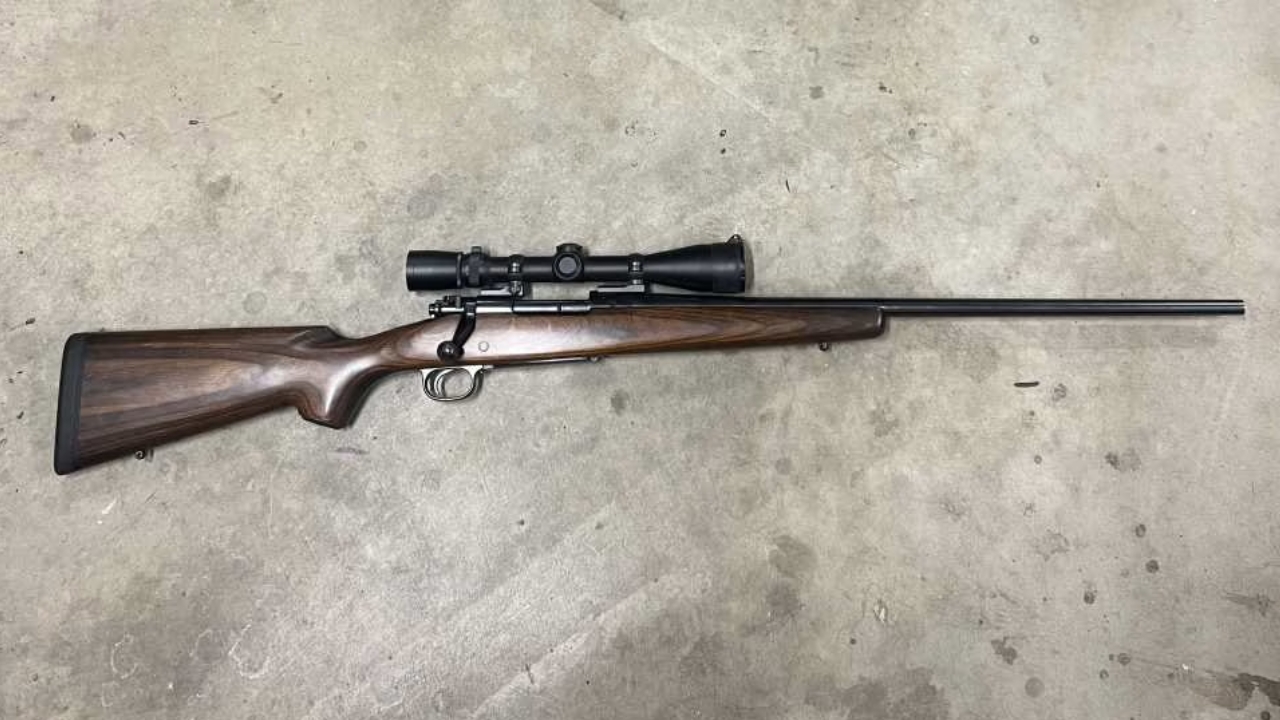
The Model 70 name carries weight, but some of the more recent production runs have given hunters pause. Owners who baby these rifles—cleaning obsessively and storing them in climate-controlled safes—still report occasional point-of-impact shifts between days. The causes aren’t mystical: modern manufacturing batches sometimes left imperfect action-to-stock contact or inconsistent torque specs from the factory. That tiny variable shows up as a wandering zero when you’re sitting on a buck at first light.
You can make a Model 70 trustworthy—many bolt guns are—but it’s not always plug-and-play. Bedding the action, installing pillars, and settling on a torque routine will stabilize it. The painful truth is that if you’re spending your time fretting over bedding on a rifle you thought was done at the counter, you’ll likely reach for something proven in the field instead. For some hunters, the Model 70 repays the extra work. For others, that extra work becomes one more reason to park it during season.
Marlin 1895
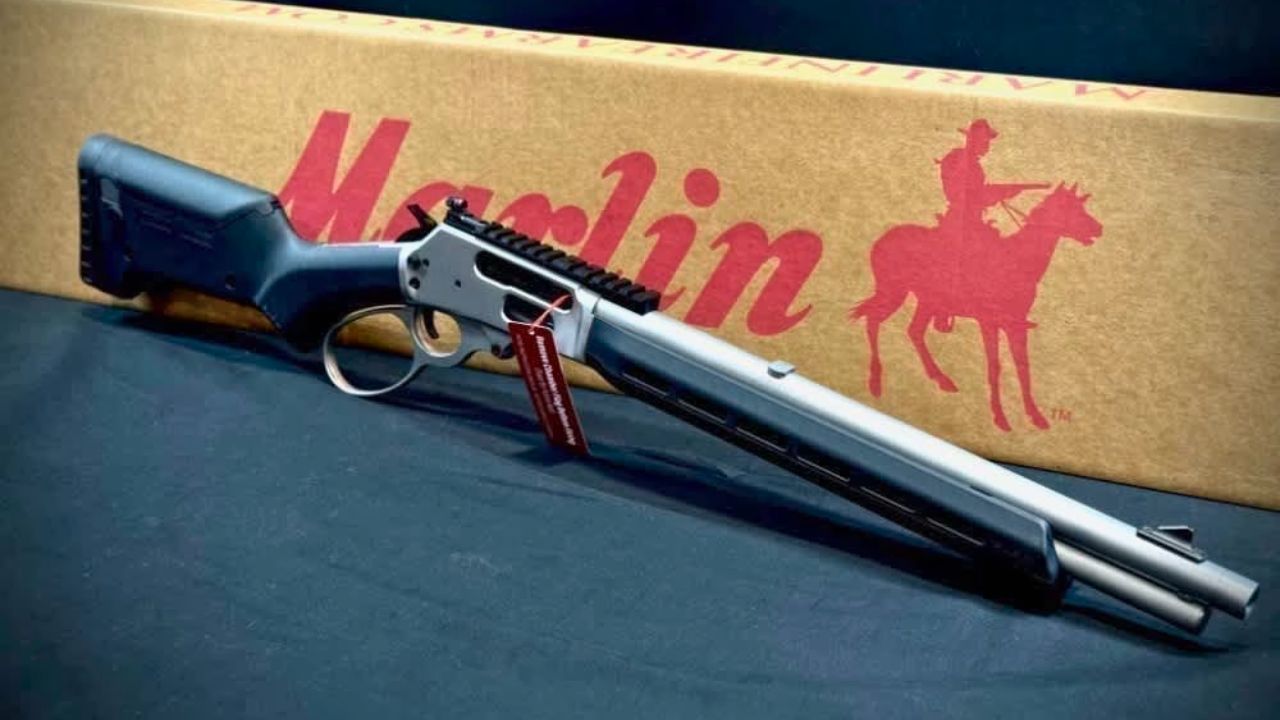
The Marlin 1895 is a classic lever gun in big-bore calibers, and a lot of buyers baby these rifles because they’re intended for heavy work. Even so, hunters report issues tied to how the rifle handles recoil and how the stock absorbs it. In lighter synthetic or thin-profile stocks, the heavy .45-70 and similar cartridges can produce torque and bedding shifts that change point of impact after a few rounds. You can polish the wood, keep the action oiled, and still come back to wandering impacts after a day of hard shooting.
Some hunters fix it by moving to heavier-profile barrels or swapping to beefier stocks that spread the recoil impulse more evenly. Others decide the lever action’s charm isn’t worth the mid-hunt adjustments. If you’re packing a Marlin 1895 into thick country, expect to check zero more than once—especially if you’ve done anything to lighten the rifle for the hike.
Ruger M77 Hawkeye
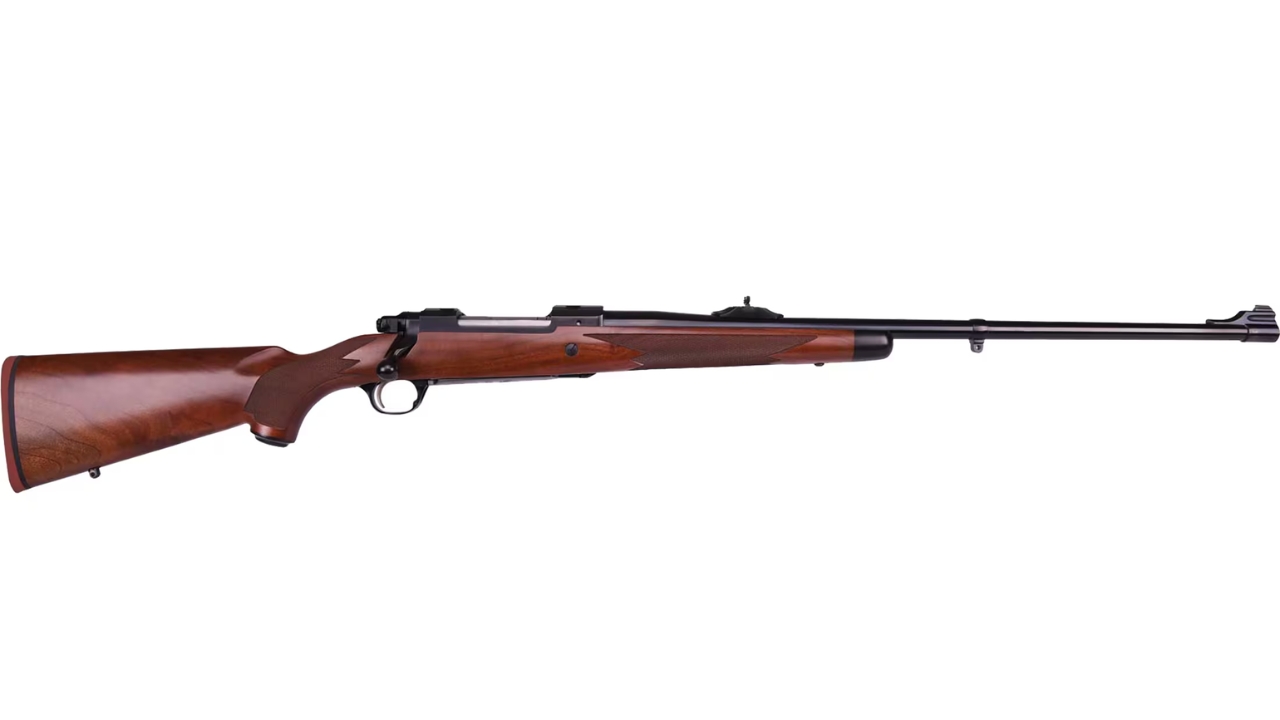
The M77 Hawkeye looks like a no-nonsense hunting rifle, but a number of owners who baby theirs report temperamental accuracy tied to action bedding. In some production batches the bedding wasn’t as consistent as it should be, which creates subtle shifts in how the barrel harmonics behave as the rifle heats up. That shows up as flyers or strings that open after a few rounds—exactly the kind of thing that ruins a single-shot opportunity.
A gunsmith’s bedding job usually calms the issue, but that turns what you thought was a ready-to-go rifle into a project. If you’re the sort of hunter who wants something that behaves straight out of the box, the M77 in these affected runs can be a disappointment. If you’re willing to invest in bedding and load development, it’ll usually respond—just know the work’s often required.
Browning BLR
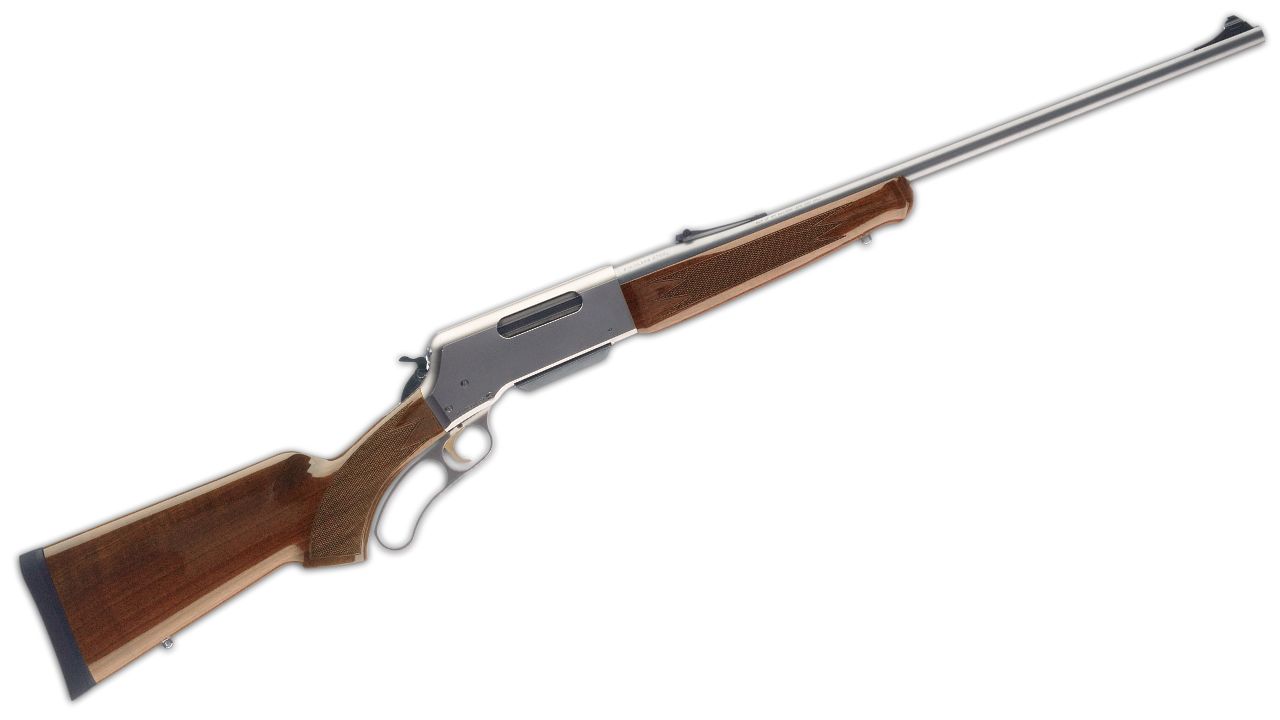
The BLR’s quick-handling lever action appeals to hunters who value a fast follow-up. Yet some lightweight variants—thin stocks, carbon-wrapped barrels, or short-forend contours—end up feeling unsettled on the shoulder after a long day. Hunters who baby these BLRs still complain about inconsistent swings and a tendency to throw a flyer after a hard pack-out or a knock on the trail. The rifle’s accuracy isn’t usually the issue; it’s the balance and how the stock transfers recoil into the shooter’s frame.
Swap to a heavier forend, or add a sling position that promotes a repeatable mount, and you’ll fix most of the problem. But if you want a rifle you can trust on day one without fiddling, some BLR configurations demand more attention than hunters expect.
Sako 85

Sako 85 rifles are adored for their barrels and triggers, and a lot of owners baby them like heirlooms. Still, a minority find that the rifles can be picky about bedding and ammunition. You’ll see stunning groups at the range when everything is perfect, then a strange flyer at a hunt when a humidity change or a different seating depth comes into play. That sensitivity is real—these rifles reward precision in both ammo and bedding, and they don’t forgive sloppy setup.
The fix is straightforward—consistent load development, glass bedding, and exact torque figures—but it’s work. For guides who expect trouble-free behavior in varying conditions, a Sako 85 that demands exacting setup can feel like a rifle you baby and still can’t fully trust on opening day.
Ruger Precision Rifle

The RPR made its name as a long-range platform, and many hunters baby these as lightweight rigs for mountain work. Yet the chassis-style design and modularity mean balance can swing wildly depending on optic weight and accessory layout. A carefully babied RPR in a light trim can still feel muzzle-heavy with a big scope and bipod—enough to make rapid shots clumsy or to change how you mount the rifle. Hunters report that a gun you thought was dialed for quick shots becomes awkward when the loadout changes.
You can fix that by tuning your setup—lighter glass, different rings, repositioning the bipod—but that’s work. If you want a rifle that behaves every time you shoulder it, plan on testing configurations thoroughly; otherwise you’ll be babysitting balance instead of hunting.
Winchester Model 94

The Model 94 is a beloved lever gun, and when hunters baby older, nicer examples they expect reliability. But put heavy or modern hot loads in a lightweight sporter stock and you can see swings in point of impact and even faster wear in the action. Some hunters report a rifle that shoots beautifully with classic loads yet becomes finicky with modern, high-pressure rounds—an issue that shows up despite careful maintenance.
If you love the Model 94, stick to loadings the action was designed around and inspect headspace regularly. Many problems come from pushing a classic design outside its comfort zone. Babying helps—cleaning, oiling, and storing carefully—but it doesn’t eliminate mechanical limits.
Steyr Mannlicher Pro Hunter
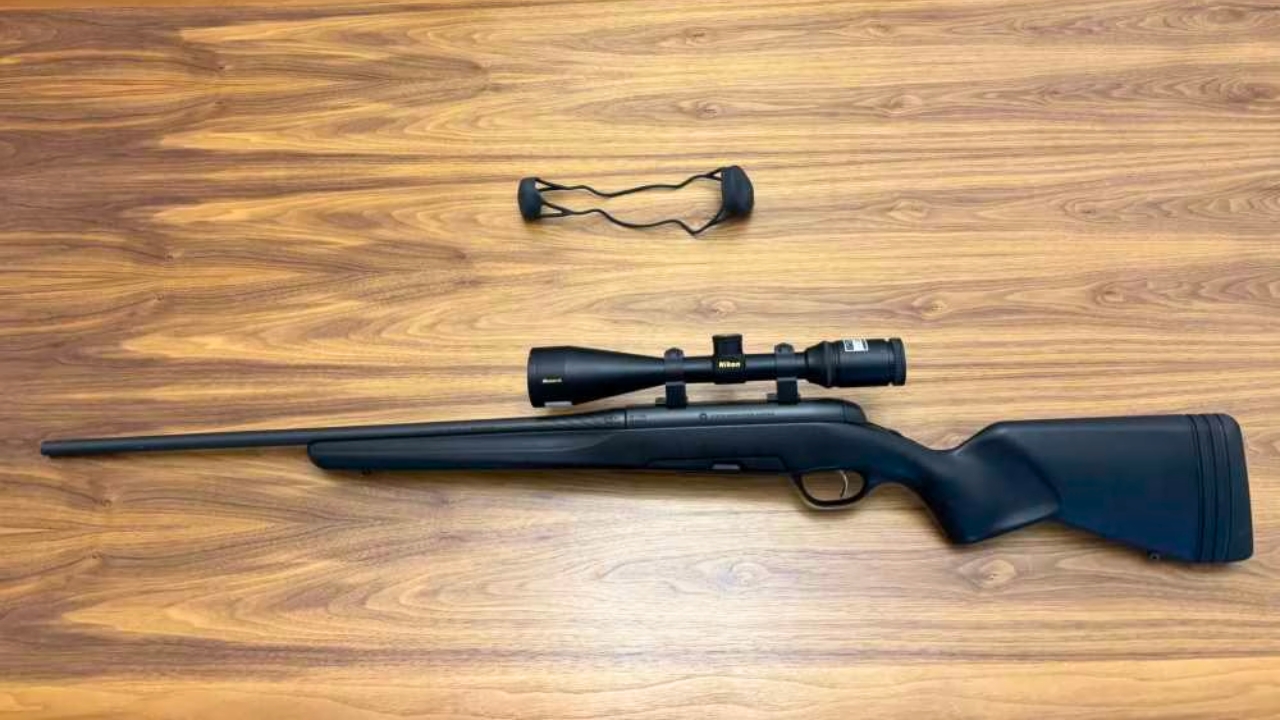
The Pro Hunter is a sleek rifle with excellent lines, and owners treat them like prized tools. Still, several hunters note that the stock geometry and short length of pull on some variants don’t play well with heavy layers or pack straps, producing an inconsistent cheek weld and shifting point of aim in cold conditions. You can clean and oil it religiously, but that ergonomic mismatch remains.
A cheek riser or stock swap usually settles the rifle, but that again turns a ready-out-of-the-box gun into a modified project. If you’re hunting in unpredictable climates where you add layers quickly, know the Pro Hunter may require adjustments to give you the repeatable mount you need.
Browning BAR

The Browning BAR is a popular semi-auto hunting rifle that many hunters baby because they expect the convenience of an auto-loader to be paired with near-bolt precision. Some owners report magazines or gas systems that are sensitive to load choice and fouling—issues that show up only after you’ve treated the gun carefully and expected flawless behavior. A rifle that chokes on premium match loads or starts drifting after a long day of shots is maddening when you’ve cleaned it constantly.
Regular maintenance and matching ammo to the gun’s preferred pressure curve usually fix the issue, but the point is this: a BAR can look like a “no-maintenance” solution until you actually push it in the field, and then you realize it needs more babysitting than you’d assumed.
Mauser M03
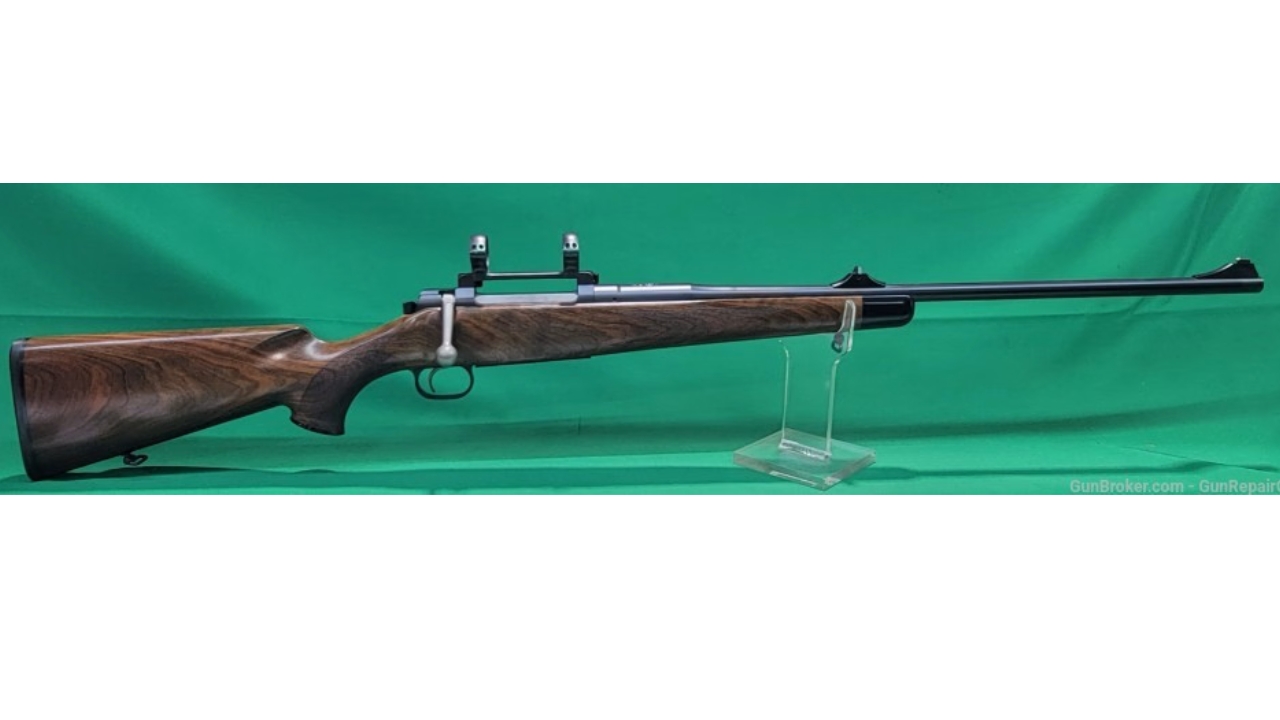
The Mauser M03 is an elegant rifle with tight German tolerances, which is part of what makes it accurate — and part of what makes it sensitive. Hunters who pamper one and run identical factory loads often see brilliance; change bullet profiles or seating depth for a different hunt and groups can open unpredictably. That sensitivity to ammo and setup makes the M03 a rifle you’ll baby and still hesitate to trust in a one-shot scenario without recent confirmation firing.
A methodical approach—dedicated hunting load, careful torque checks, and pre-hunt confirmations—makes it dependable. But if you want a rifle that tolerates quick changes, the M03’s finicky nature will bug you.
Henry Long Ranger
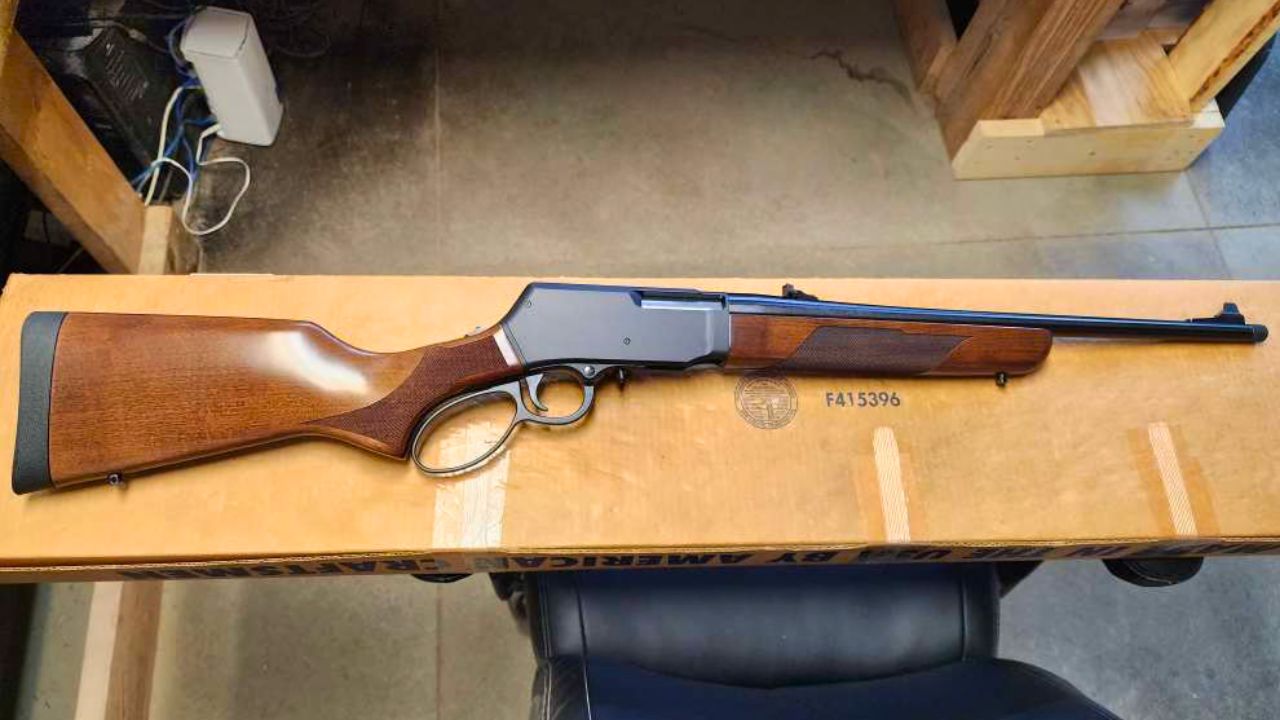
The Henry Long Ranger is marketed as a lightweight, fast-handling lever rifle, and many owners cherish and carefully preserve theirs. The downside shows up when you push heavy rounds in rough country: the light stock and slim forend can transfer recoil oddly, and hunters report that a once-precise sight picture feels inconsistent after a long day of carrying or a thumping bump in the pack. You can clean and oil the gun religiously, but the handling quirk remains.
Recoil pads, heavier barrels, or modified sling mounts help, but those are add-ons rather than fixes out of the box. For hunters who want a “grab-and-go” trusted rifle without tinkering, the Long Ranger’s tradeoffs sometimes make it one they baby—and still don’t trust implicitly.
Howa 1500

Howa 1500 actions are solid, but some lightweight target or sporter configurations end up temperamental in the field. Shooters who pamper these rifles still see point-of-impact shifts tied to stock flex or loose bedding under repeated carrying and temperature swings. The action is fine; the problem is the way manufacturers paired it with very light stocks and thin barrels to chase weight savings.
The cure is familiar—pillar bedding, heavier contour barrels, or a sturdier stock—but those steps turn a “field-ready” rifle into a custom setup. If you don’t want to do that work, you’ll be babying the rifle and still reaching for something simpler on a serious hunt.
Winchester Model 88

The Model 88 has a loyal following, and many owners treat them like antiques. Recent sporterized or lightweight versions, though, have shown sensitivity to headspacing and feeding when used with modern ammo. Hunters who meticulously care for these rifles sometimes find that a slight change in ammo brand or a single day of rain will reveal feeding or POI inconsistencies. That fragility shows up even if the rifle’s been babied since purchase.
For some, the remedy is sticking to one load and checking zero daily. For most hunters who want to keep things simple, those constraints turn a Model 88 into a gun they polish and preserve rather than trust in the wild.
*This article was developed with AI-powered tools and has been carefully reviewed by our editors.