Photo credit: Browning Europe EN/YouTube
Ask any hunting guide what rifles or pistols clients show up with, and you’ll see them smile—then sigh. After years of leading hunters through rain, snow, and brush, guides have learned what works and what doesn’t. They’ve seen too many brand-new rifles fail, too many bargain scopes lose zero, and too many “custom” guns jam when it matters most. These are the firearms that look great on paper but make professionals quietly groan the moment they pull them from a case.
A guide’s job is hard enough without fighting unreliable gear, finicky actions, or mismatched calibers. When you show up with one of these, you’re not just gambling your hunt—you’re testing your guide’s patience.
Remington 742 Woodsmaster
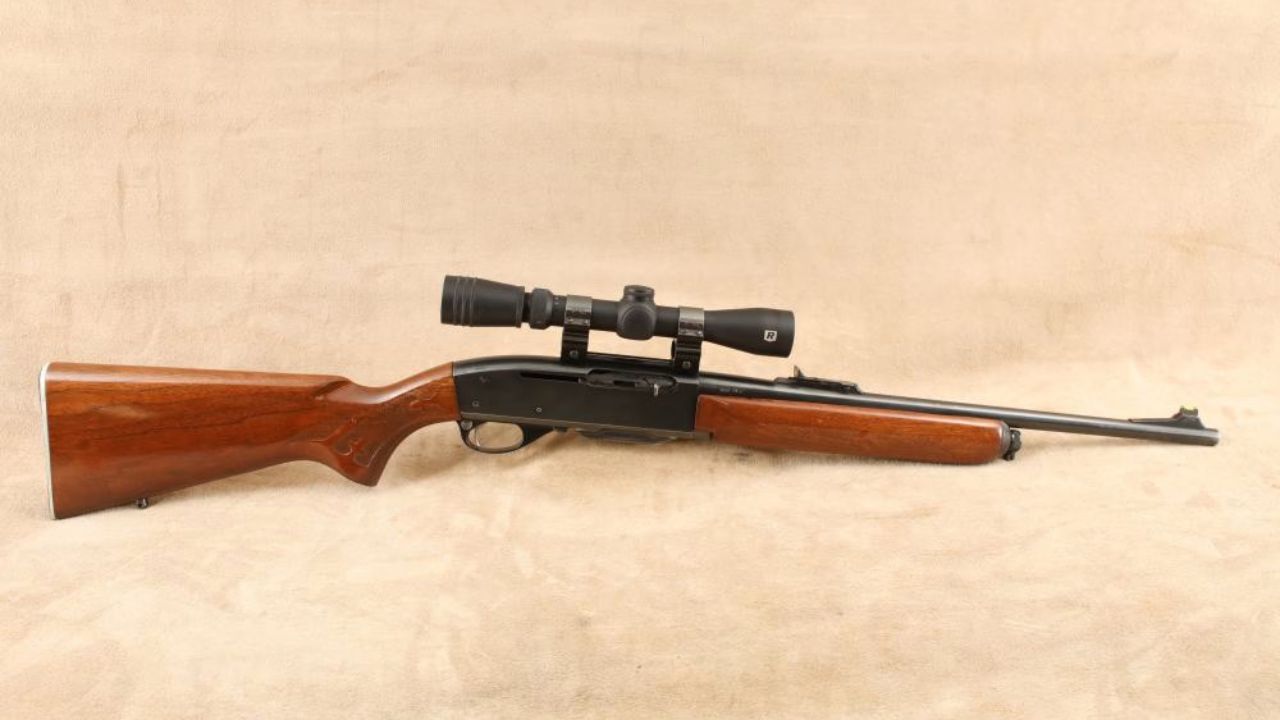
If you bring a Remington 742 into camp, your guide already knows what’s coming: extraction issues. The 742’s semi-auto action gums up fast, and once the chamber starts pitting, cases stick like glue. You might get a few shots off clean, but after that, things start to seize.
Many 742s have been handed down through generations, which means they’ve seen years of neglect and minimal cleaning. Guides have watched hunters bang bolts open with pocket knives more times than they can count. The Woodsmaster had good intentions, but in the field, it’s one of those rifles that creates more headaches than it solves.
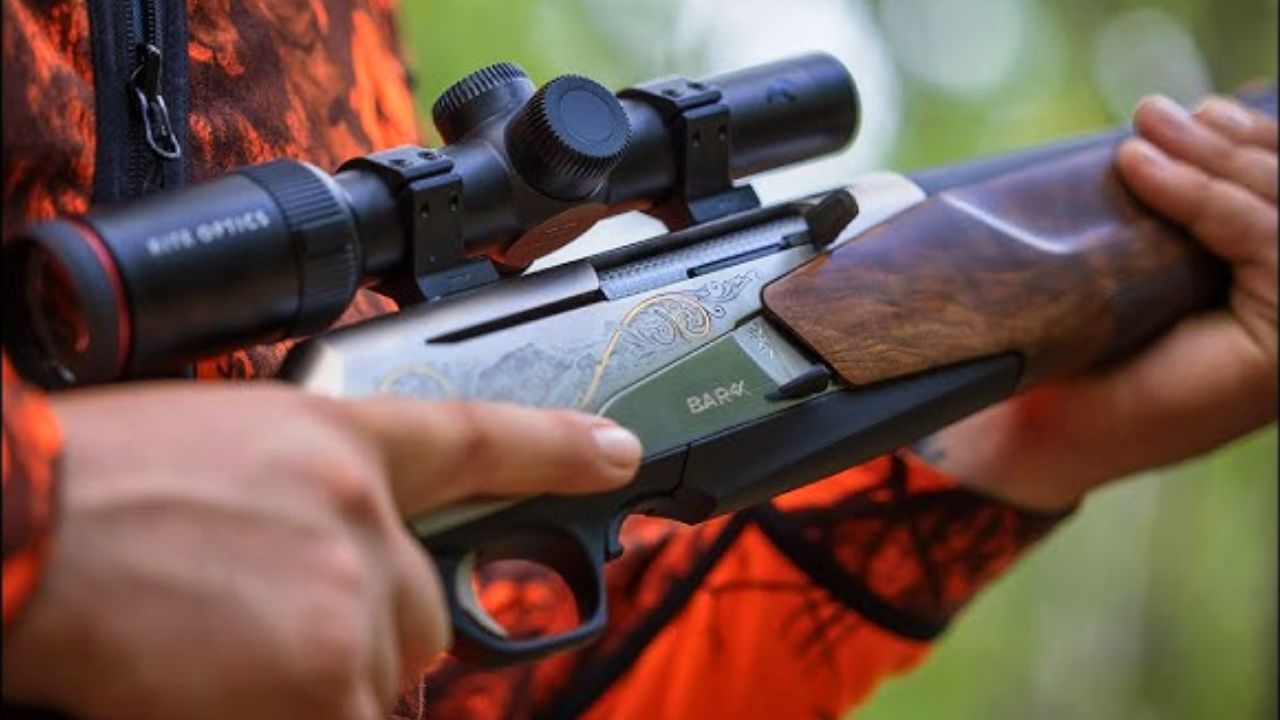
Browning BAR (Older Models)
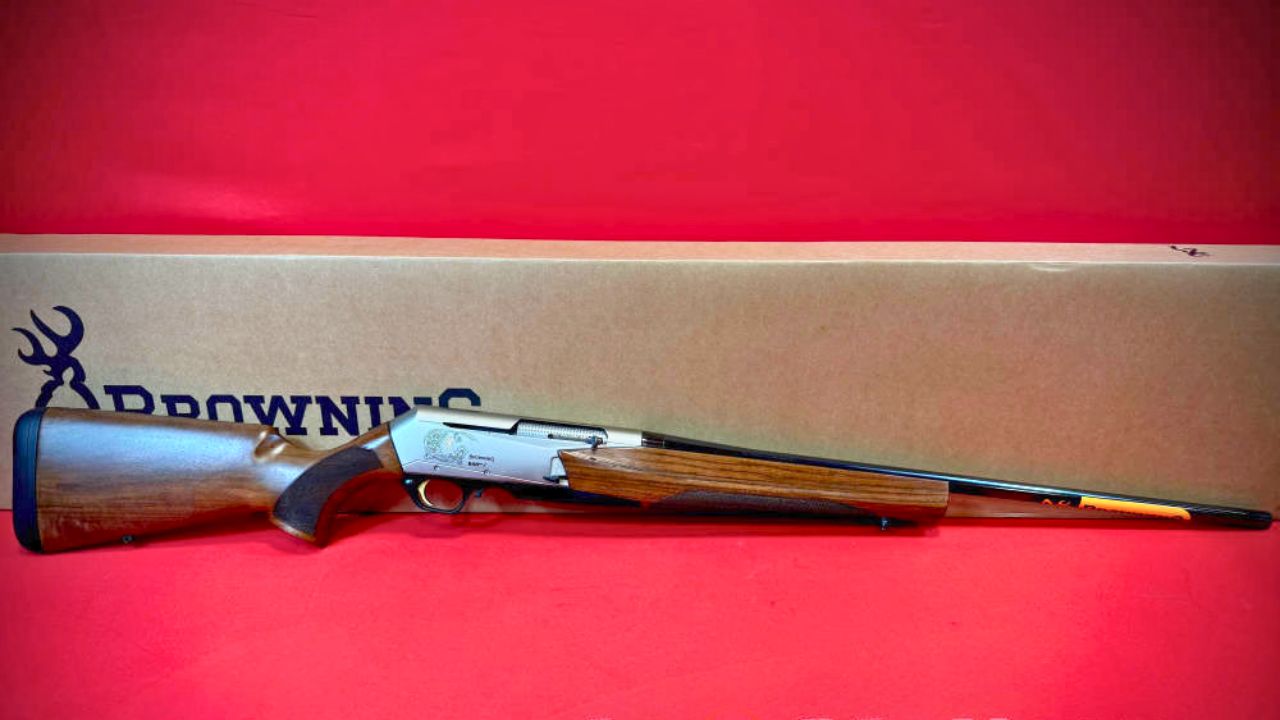
The Browning BAR can shoot well, but older models tend to lose reliability when fouled or cold. Guides have watched them freeze up in subzero hunts or refuse to cycle after a few dusty miles. It’s not a terrible rifle—but it’s picky.
Most hunters don’t clean gas systems properly, and the result is sluggish cycling and light ejection. Add a cheap scope on top, and you’ve got a recipe for missed shots and frustration. Guides have no problem with semi-autos when they’re maintained, but an old, unserviced BAR will make them cringe before the hunt even starts.
Weatherby Mark V (Heavy Magnums)

Guides love Weatherbys for their accuracy, but they’ve seen too many clients show up overgunned and underprepared. The Mark V in .300 Weatherby or .340 Weatherby Magnum has brutal recoil, and most shooters can’t handle it when adrenaline hits.
A rifle that bucks and flinches its way through a shot isn’t doing anyone favors. Guides see the same story: missed animals, bruised shoulders, and scope cuts that ruin confidence. The rifle itself is excellent—it’s the mismatch between man and magnum that makes pros roll their eyes. They’d rather see a steady .30-06 than a cannon someone’s afraid to shoot.
Savage 99 (Worn Actions)

The Savage 99 is a classic, but many still floating around the woods are worn beyond their prime. Guides recognize the look: sloppy levers, worn extractors, and cloudy scopes older than the hunter. They appreciate the nostalgia, but they know the odds of something going wrong are high.
It’s a fine rifle when tight and tuned, but decades of hunting abuse have taken their toll. The rotary magazine gums up, the safety feels mushy, and cold mornings reveal every bit of neglect. Guides don’t hate the 99—they hate what time has done to most of them.
Remington Model 710

Few rifles draw more collective groans from guides than the Remington 710. It was marketed as an affordable bolt-action, but the build quality was questionable from day one. Plastic components, rough bolts, and loose tolerances make it unpredictable in the field.
Guides have seen bolts jam, extractors fail, and scopes loosen after a handful of rounds. Hunters show up thinking they’ve got a dependable budget rifle, only to watch it fail on the first opportunity. The 710 might serve for range time, but when there’s a tag on the line, it’s the wrong tool.
Ruger Mini-14
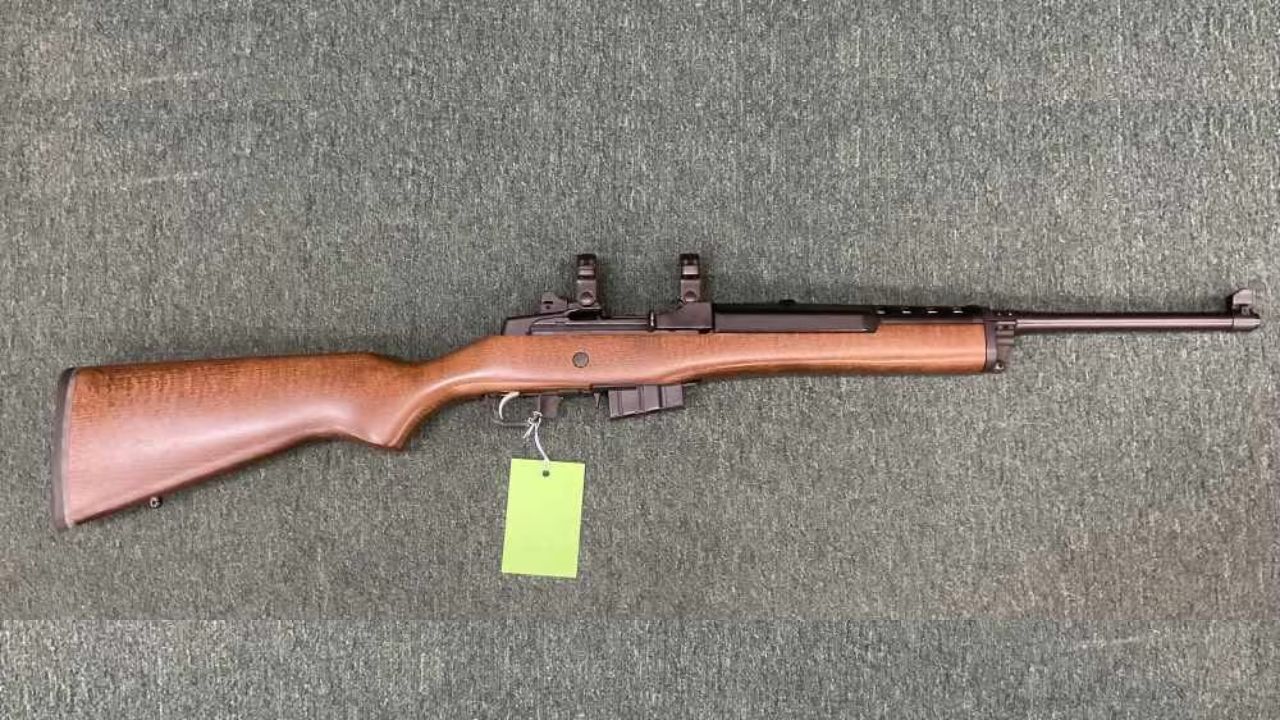
The Mini-14 looks like a handy little ranch rifle, but guides shake their heads when hunters bring it for serious work. Accuracy is inconsistent, and the light barrel heats up fast, throwing groups wide after a few shots.
In predator or hog country, the Mini-14 can be fun—but on a paid hunt, guides prefer something that prints tighter groups. Too many times they’ve watched clients miss broadside shots because the rifle scattered rounds across the hillside. It’s reliable enough to feed, but not accurate enough for precision.
Thompson/Center Encore
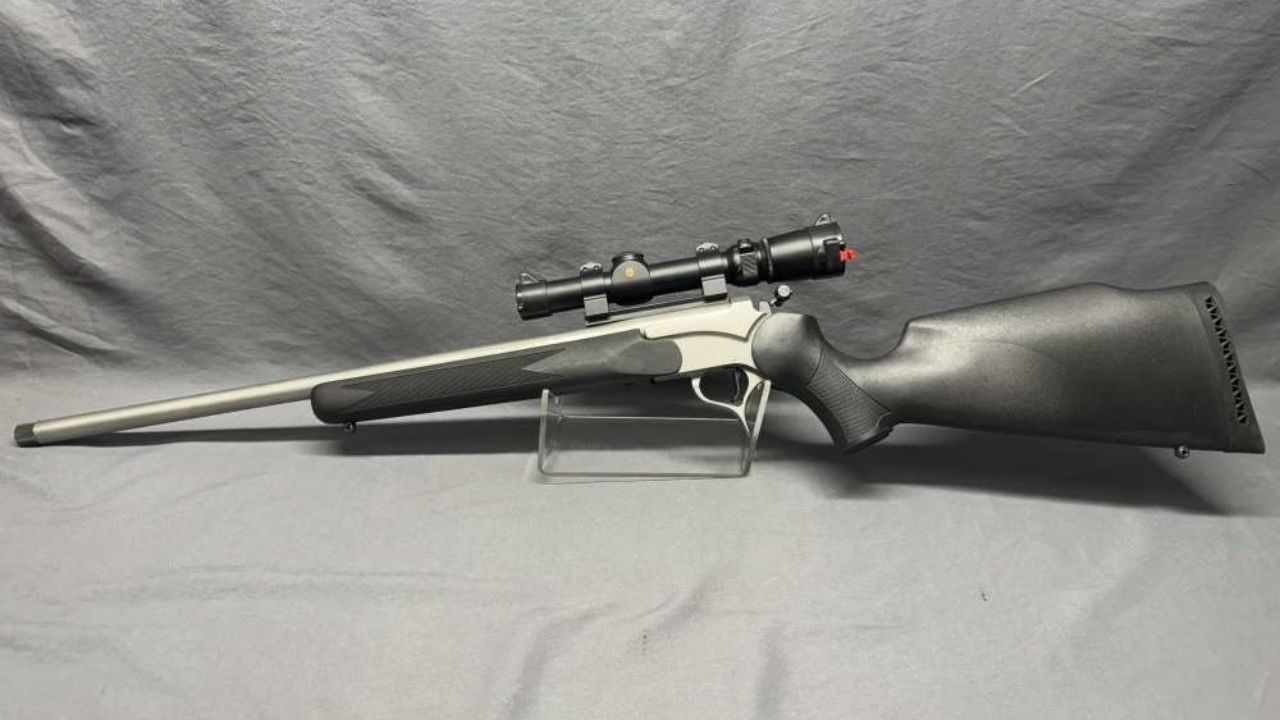
Single-shot rifles have their place, but the Thompson/Center Encore tends to test everyone’s patience. The break-action design makes quick follow-ups impossible, and guides have seen more than a few blown opportunities while hunters fumbled for a reload.
It’s not unreliable—it’s just slow. Many hunters underestimate how fast game moves after the first shot. In bear country or on elk hunts, that pause between shots can be the difference between filling a tag or watching an animal vanish over the ridge. Guides prefer hunters who bring something that can get a second round out fast.
Remington R25

Remington’s R25 promised AR-style performance for hunters, but it turned out to be temperamental in the field. Guides have seen these rifles jam up after a bit of dirt or rain, especially when running heavier calibers like .308. The platform isn’t inherently bad—it just needs constant cleaning and careful ammo selection.
On the range, the R25 feels smooth. But after a day in dusty backcountry or wet brush, reliability starts to slip. When you’re miles from camp, that’s not what anyone wants to deal with. Guides have learned that fancy rifles with tight tolerances don’t always survive real hunts.
Winchester Model 100

The Winchester Model 100 earned a bad reputation for one reason—its firing pin recall. Too many hunters ignored it, and guides still see unsafe examples show up. On top of that, it’s another semi-auto that hates neglect.
In clean, dry weather, it runs fine. But introduce moisture or carbon buildup, and it starts failing to feed or extract. Guides have seen more than one hunter show up proud of a family heirloom, only for it to jam halfway through sight-in. It’s a sentimental favorite, but guides would rather see something modern and proven.
Browning A-Bolt (Early Versions)
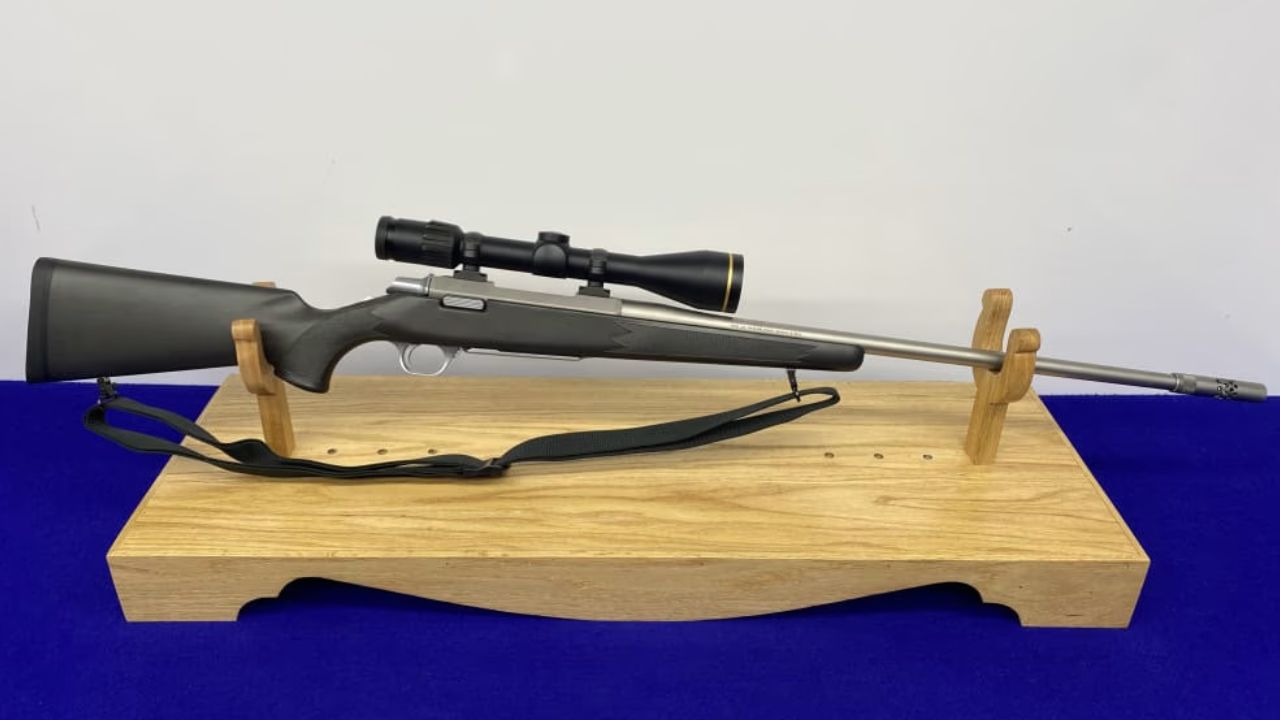
The early Browning A-Bolts had some slick designs but weren’t known for consistency. Some had extraction issues or sticky bolts in the cold. Guides who’ve spent weeks in subzero weather know which rifles cycle smooth and which ones seize up.
The A-Bolt can be accurate, but when a guide sees one, they usually expect delays and fiddling. Later models improved things, but older A-Bolts still make them wary. Guides prefer rifles that can handle grime, cold, and recoil without complaint—and the early A-Bolts sometimes couldn’t.
Marlin X7
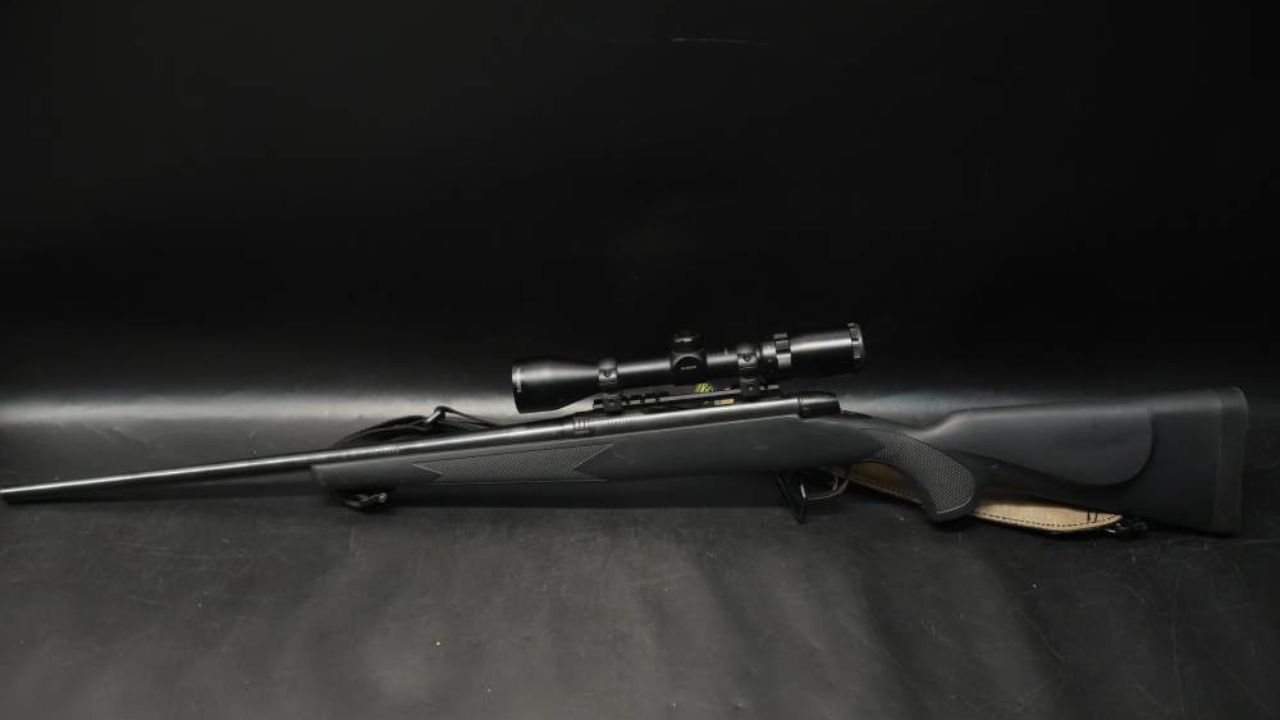
The Marlin X7 tried to compete with Savage’s budget line but never quite earned trust. The action feels rough, and bolt lift gets stiff when fouled or cold. Guides who’ve seen them in the field know they’re not bad rifles—but they’re not built for abuse either.
After a few days in the rain, the action starts feeling sticky, and accuracy drops off as the bedding loosens. Many guides have watched clients fight their bolt after a few hours of mountain dust. They won’t stop you from bringing one, but they’ll quietly hope you packed a backup.
Remington 597
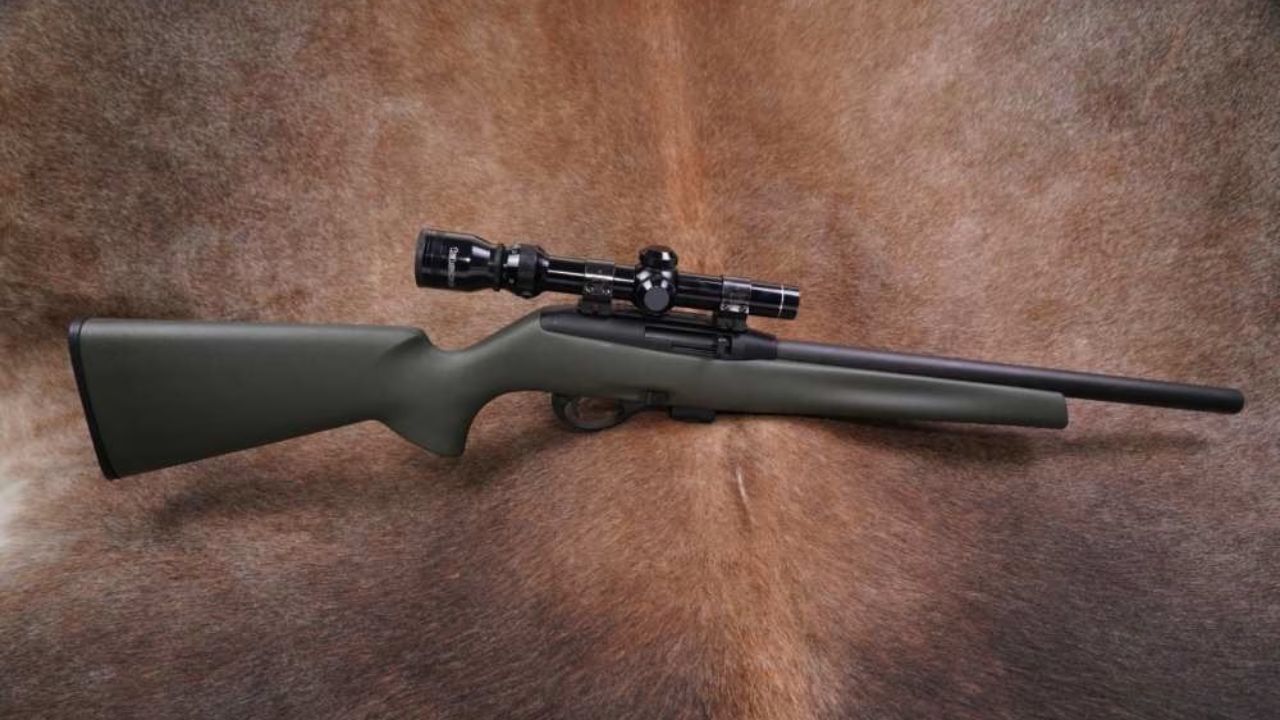
The Remington 597 is a .22 that seems harmless enough, but guides see more feeding and extraction issues with it than almost any rimfire. The magazines are notorious for causing jams, and even when they work, the action gets dirty fast.
For small-game or varmint hunts, that’s a headache. Guides who rely on rimfires for quick dispatch work learned long ago to bring a Ruger or CZ instead. The 597 can be accurate, but reliability trumps everything when you’re in the field—and this rifle rarely keeps up.
HK SL8

The HK SL8 looks tactical, but guides groan the second it comes out of a case. It’s bulky, awkward to handle, and nearly impossible to pack comfortably. The stock geometry makes it hard to shoot offhand, and cleaning it in camp is a chore.
It’s accurate, sure—but hunting rifles need to be practical, not futuristic puzzles. Most guides who’ve seen one in camp know the story: the hunter wanted something “different,” and they got it—just not in a good way. It’s one of those rifles that looks like it belongs in a catalog, not a treestand.
Savage 340
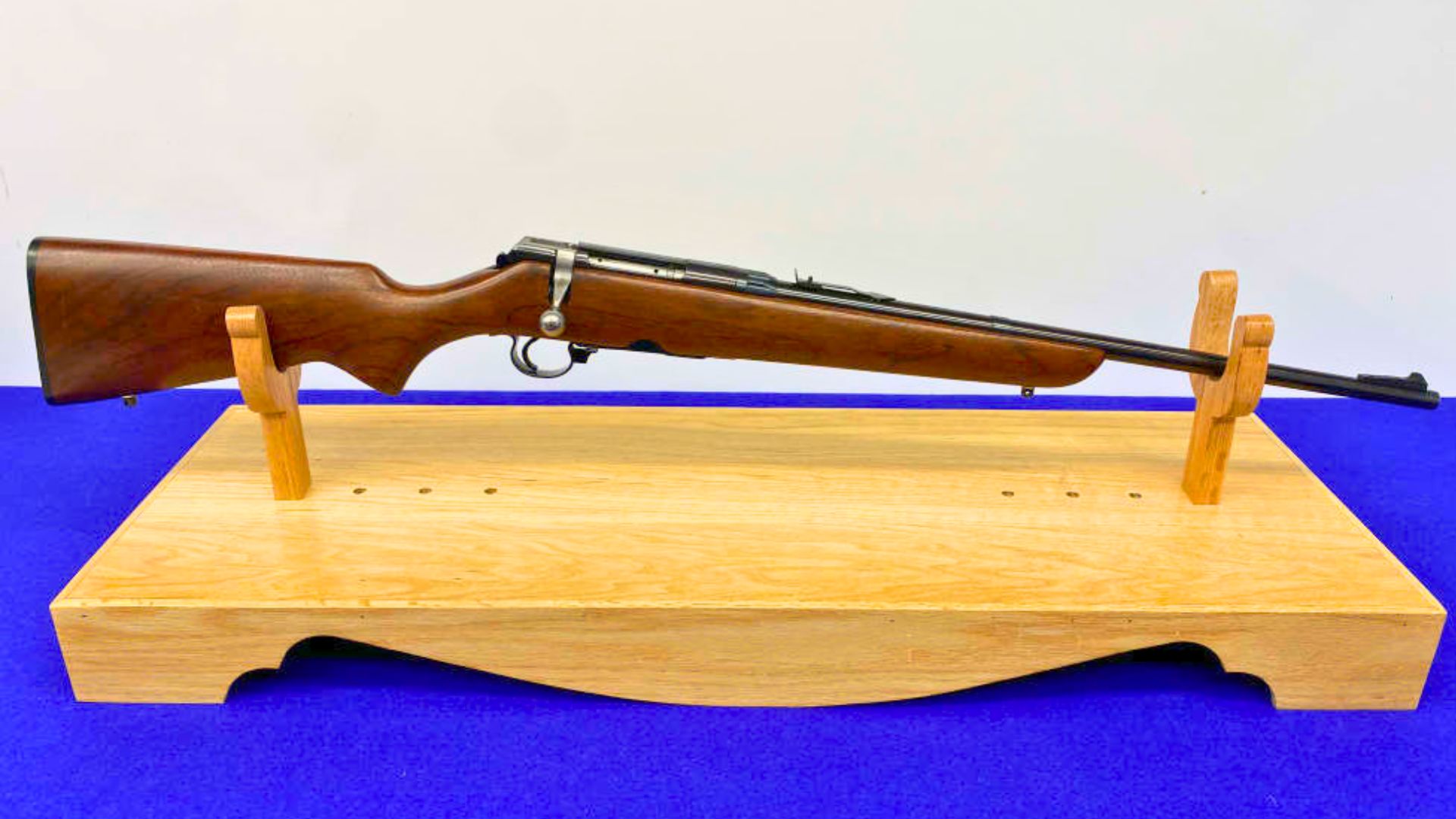
The Savage 340 was meant to be an affordable bolt-action, and it is—but guides still cringe when they see one. The magazine fit is loose, the trigger feels unpredictable, and the extraction can get rough when dirty. It might get the job done, but barely.
For guides, it’s a signal that the client didn’t prioritize reliability. These rifles can shoot straight enough at close range, but everything about them feels delicate. A little dirt or moisture, and the 340 starts acting like it wants to retire. It’s one of those guns that reminds guides why simplicity only works if it’s built well.
Remington Nylon 66

The Remington Nylon 66 is lightweight, nostalgic, and surprisingly accurate—but it’s also a pain in the field. Guides who see one know it’ll jam once dust or debris get inside the action. Disassembly is tricky, and few hunters remember how to service it properly.
The rifle runs fine for plinking, but harsh conditions make it temperamental. Guides don’t hate the Nylon 66—it’s fun and historically important—but they know it’s a fair-weather friend. Bring it to camp, and you’ll probably get a polite smile and a quiet sigh from the person guiding your hunt.
Like The Avid Outdoorsman’s content? Subscribe to our newsletter so you never miss an article.
Here’s more from us: