
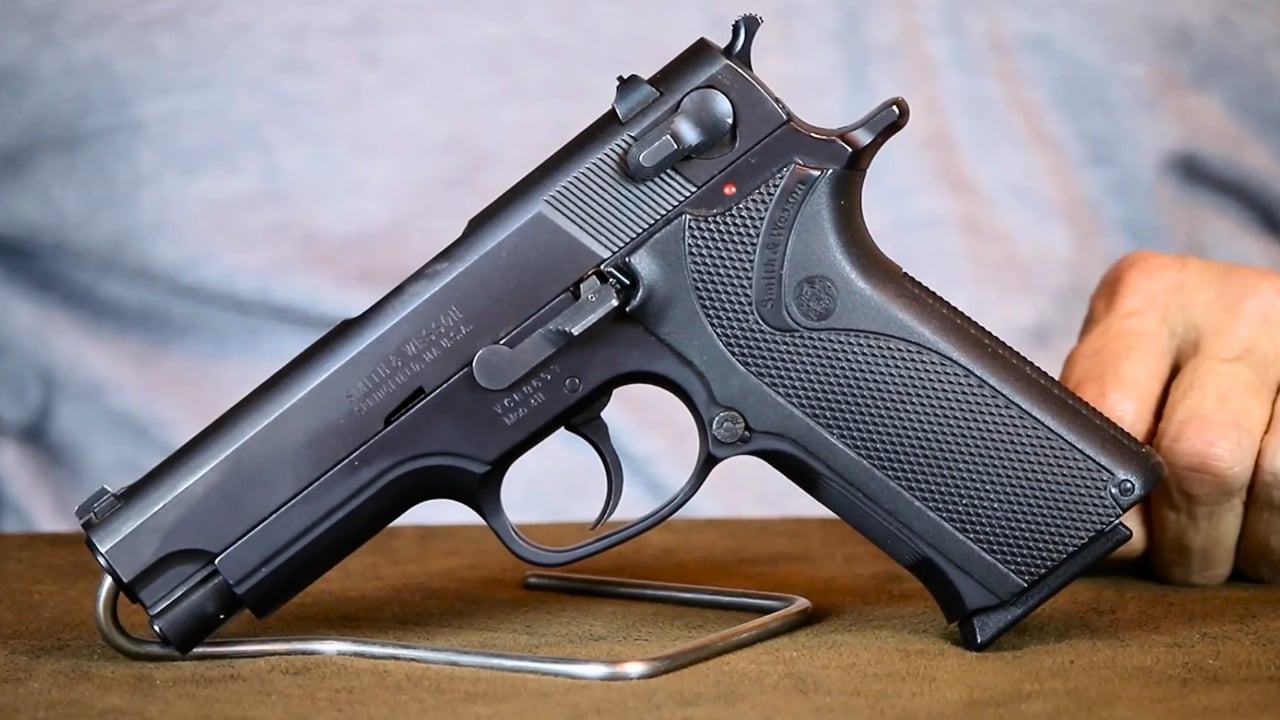
Photo credit: Icarryone/YouTube
Price and shooting quality are not always closely connected. Some expensive pistols earn their premium with excellent machining, hand fitting, and refined triggers, but plenty of more modestly priced handguns deliver a surprisingly similar experience once ammunition starts going downrange.
The best values are usually the guns that put money into the parts you actually notice while shooting. A well-shaped grip, predictable trigger, stable frame, and good barrel fit can matter far more than expensive finishes or elaborate packaging. Some of the pistols below are older designs that remain bargains on the used market, while others simply never developed the prestige pricing their performance could justify. These 20 handguns are the kind that make shooters check the price tag twice after the first magazine.
Arcus 94

The Arcus 94 is one of the better examples of a pistol being underestimated because of its country of origin and relatively low profile in the American market. The design follows the general Hi-Power pattern, giving you an all-steel frame, familiar grip angle, and single-action trigger in a pistol that often costs far less than better-known guns built around the same basic idea. It feels substantial in the hand without being unnecessarily bulky, and the low slide keeps the bore close to the firing hand.
Once you start shooting, the value becomes much easier to understand. The steel frame absorbs 9mm recoil beautifully, the grip points naturally, and the single-action trigger makes accurate shooting straightforward. Fit and finish may not equal a premium Belgian pistol, but the practical shooting difference is often much smaller than the price gap.
Zastava CZ99
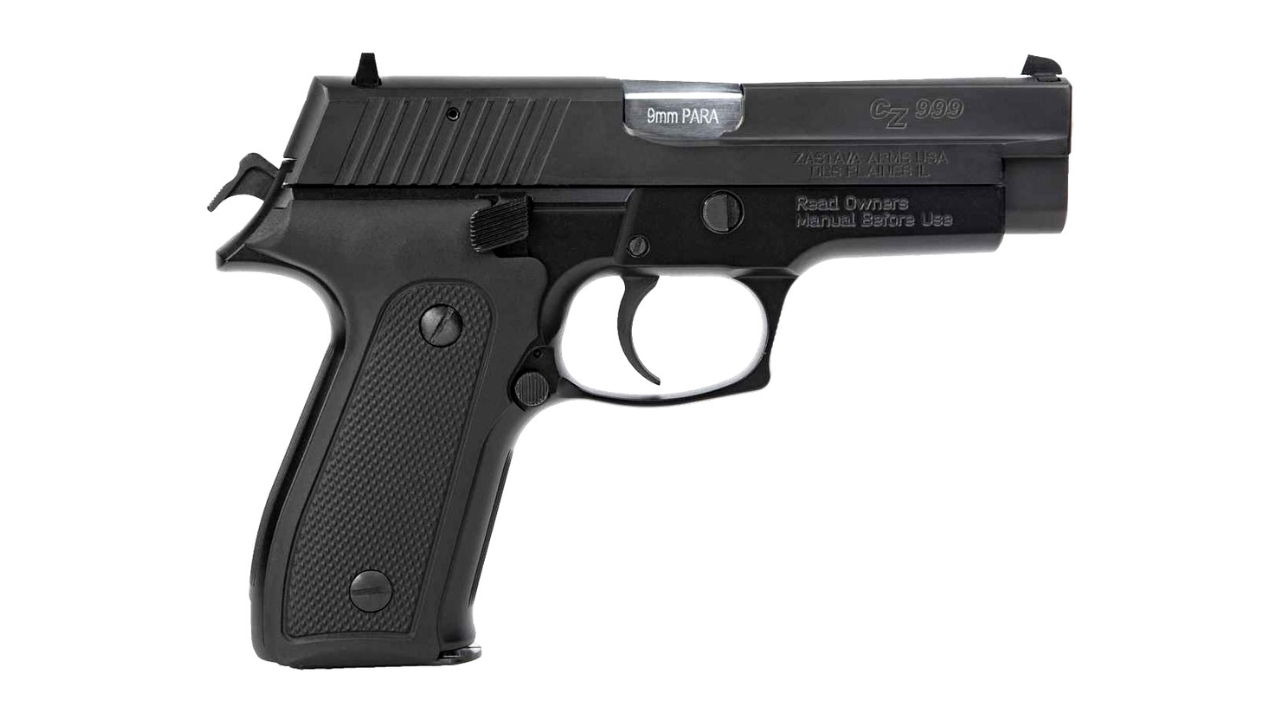
The CZ99 is a large, metal-framed service pistol that tends to get overlooked because it arrived in a market already dominated by SIG, Beretta, and Smith & Wesson. Mechanically, though, it has a lot going for it. The aluminum frame keeps the weight reasonable, the controls are large and easy to use, and the DA/SA trigger system gives the pistol a familiar service-gun feel.
Its real strength is how composed it feels during live fire. The full-size grip gives you plenty of leverage, recoil is mild, and the pistol settles back onto target naturally. The trigger may not have the polish of a premium European gun, but the basic shooting experience is far better than the modest used prices would suggest. For a big service 9mm, it can be a remarkable bargain.
Jericho 941F Police Surplus
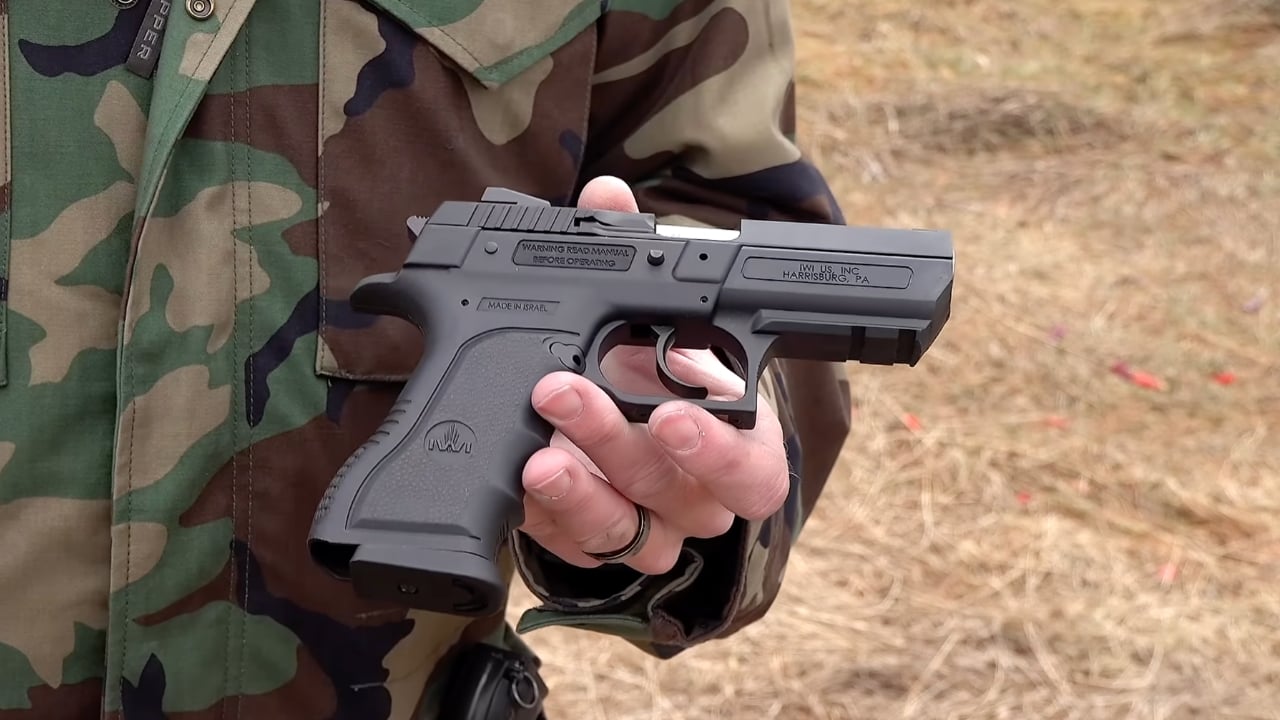
Older surplus Jericho 941F pistols can be some of the most satisfying value guns on the used market. The all-steel construction gives them a dense, planted feel, while the CZ-inspired ergonomics make the grip far more comfortable than the blocky appearance might suggest. Many examples show finish wear, but that cosmetic wear often hides a gun that is mechanically just getting broken in.
At the range, the weight works entirely in your favor. Recoil is extremely mild, the slide tracks smoothly, and the single-action trigger can be surprisingly clean after years of use. A worn surplus Jericho may look inexpensive, but it can shoot with the kind of stability and precision associated with much pricier metal-framed pistols.
Star Model 30PK
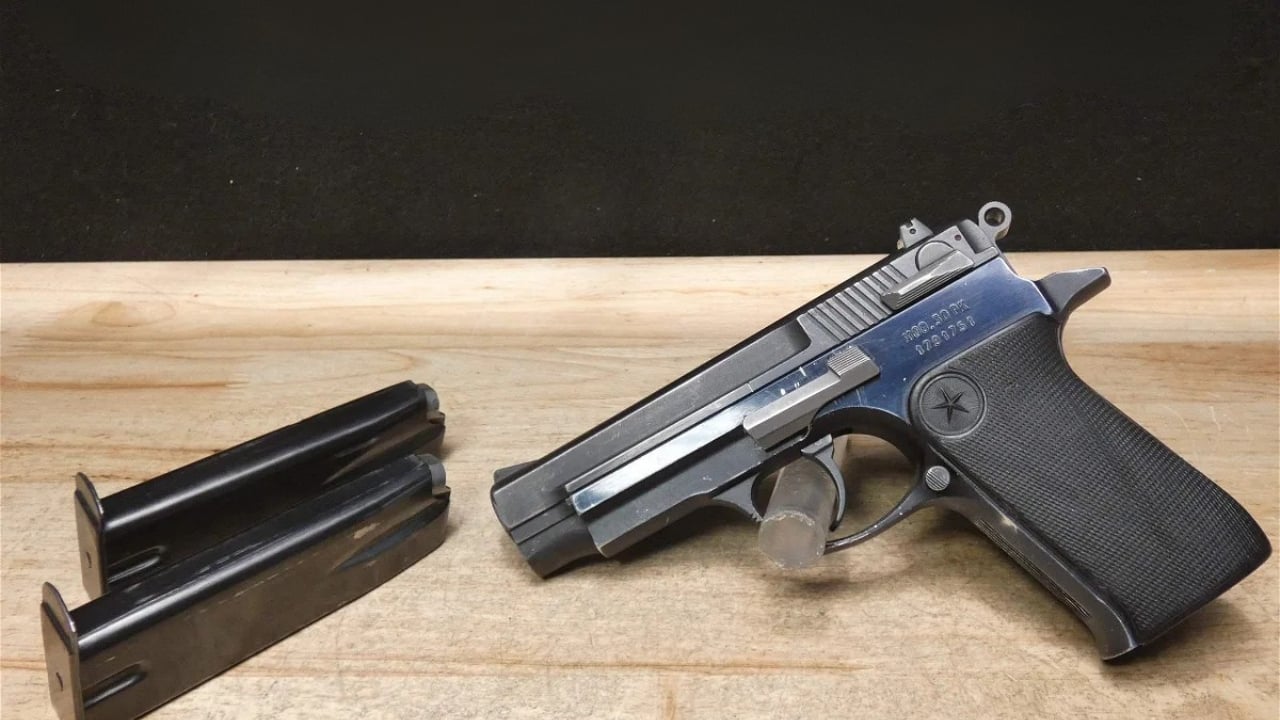
The 30PK was Star’s more compact aluminum-framed service pistol, and it never developed the recognition of comparable SIG or Smith & Wesson designs. That makes it especially interesting today. The pistol has a solid DA/SA trigger system, useful capacity, and a grip that feels more ergonomic than many service guns from the same period.
It also shoots exceptionally well for what used examples can cost. The frame provides enough mass to keep recoil easy to manage, while the compact dimensions never make the pistol feel overly snappy. The trigger smooths out nicely in single action, and the gun has a balanced feel that is difficult to appreciate until you actually fire it. It is a sleeper in the best sense.
Daewoo DP51C
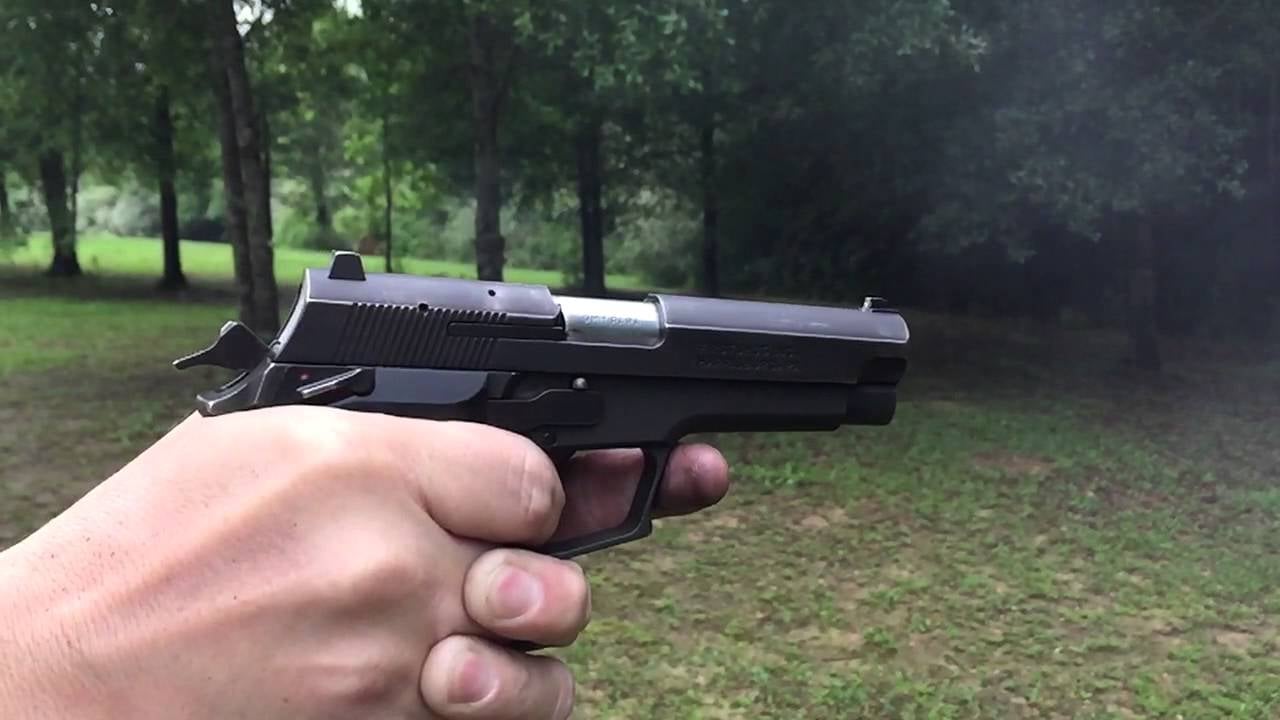
The compact DP51C takes the already unusual Daewoo trigger system and packages it into a smaller handgun. The Tri-Action system allows the hammer to be manually pushed forward while retaining a shortened trigger stroke, giving the shooter an operating mode that few other pistols offer. On paper, that sounds complicated. In practice, it can be remarkably smooth.
The pistol also benefits from a metal frame and a low, comfortable grip. Recoil is mild, and the gun points naturally enough that the odd trigger system becomes less intimidating after a few magazines. Parts support is not ideal, but the shooting quality is excellent for a pistol that has never commanded premium money. It feels much more sophisticated than its obscurity suggests.
Beretta 92S

The 92S is an older member of the Beretta 92 family and often appears at much lower prices than newer variants. The biggest difference is the heel-mounted magazine release, which many modern shooters consider outdated. That one feature, however, can create a tremendous value opportunity.
Mechanically, you are still getting the broad, soft-shooting Beretta experience. The aluminum frame, open-top slide, and full-size dimensions make 9mm recoil feel extremely mild. The trigger is smooth enough, the sights are serviceable, and the gun is remarkably stable during rapid fire. If you can live with the magazine release location, a surplus 92S can shoot like a far more expensive pistol.
Ruger P90
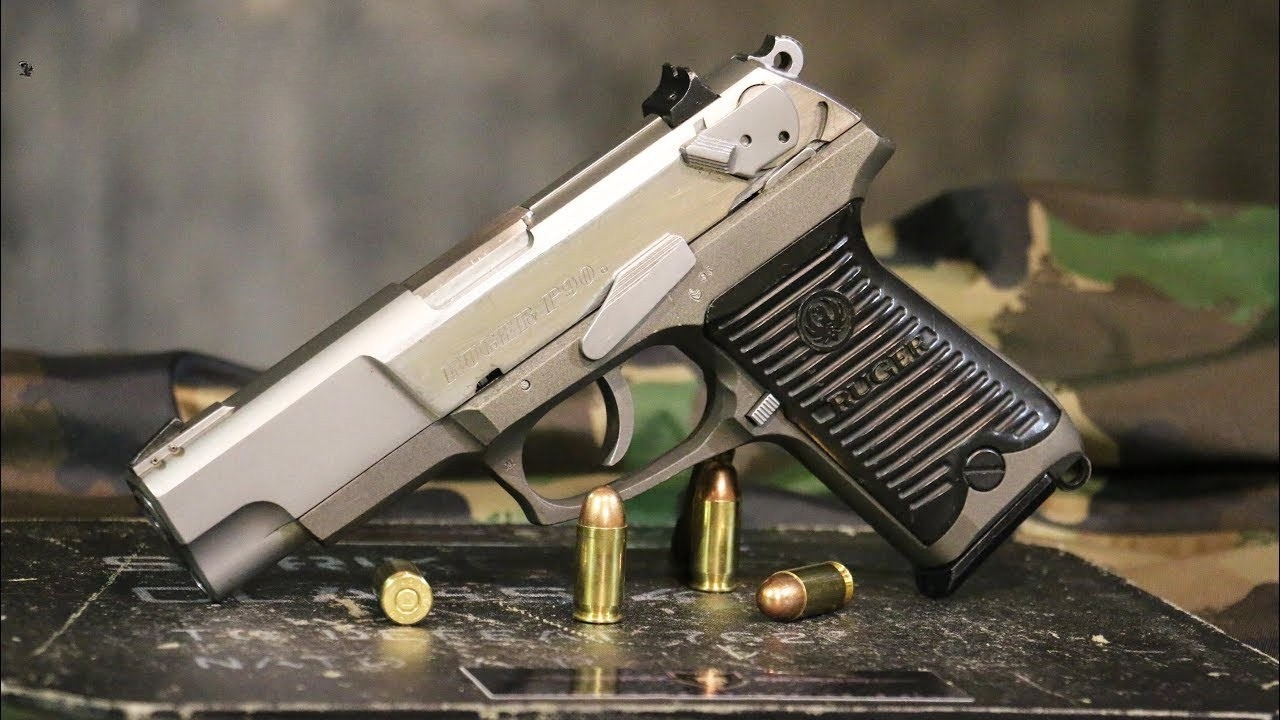
The P90 is not elegant. It is large, blocky, and unmistakably built during Ruger’s overbuilt service-pistol era. That appearance can make people assume the shooting experience will be equally crude.
It usually is not. The .45 ACP chambering works extremely well with the gun’s substantial frame and slide mass, producing a broad, manageable recoil impulse. The grip is large but comfortable for medium-to-large hands, and the single-action trigger can be surprisingly pleasant. These pistols often sell for modest used prices despite being exceptionally durable and very easy to shoot well. It is a classic case of ugly packaging hiding excellent range manners.
Smith & Wesson Model 915
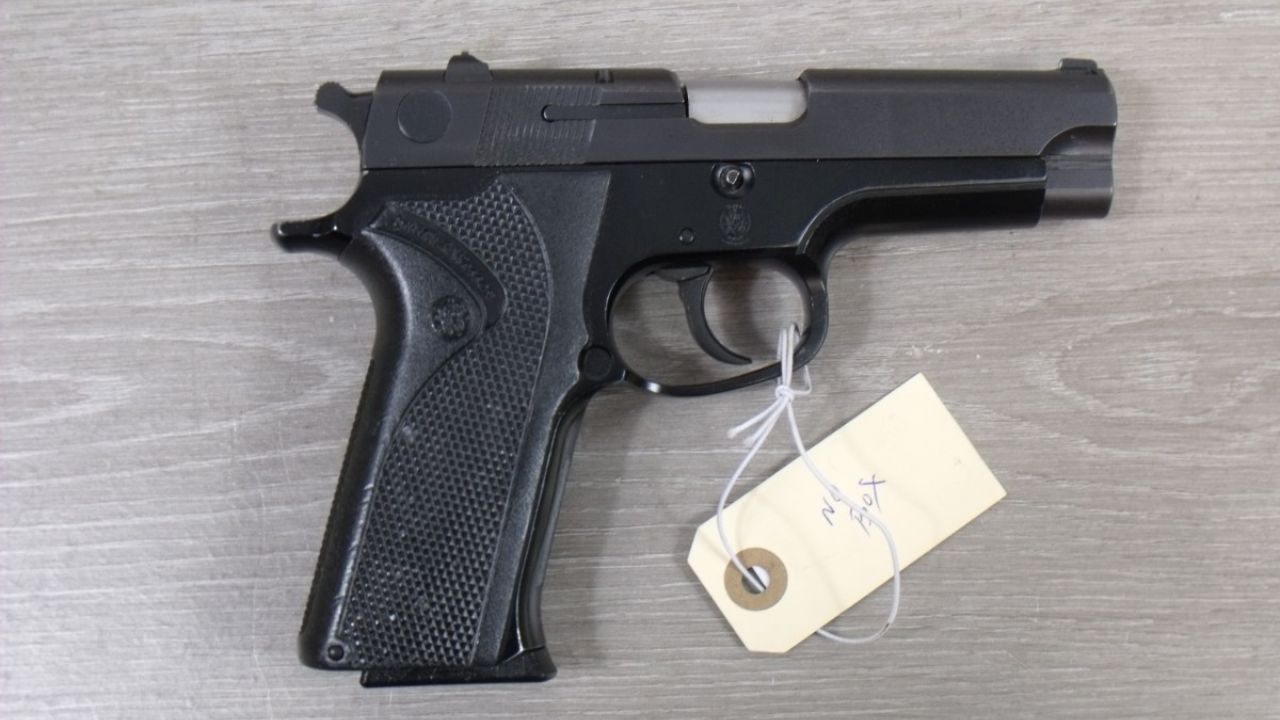
The Model 915 was essentially a cost-conscious version of Smith & Wesson’s third-generation service pistols. The company simplified some cosmetic details and features to lower the price, but the basic mechanical foundation remained strong.
That makes the 915 particularly interesting today. The aluminum frame keeps weight manageable, the full-size grip gives you excellent control, and the DA/SA trigger becomes very pleasant once the gun is in single action. Recoil is mild, and the pistol has the kind of stable shooting character that newer lightweight polymer guns often lack. Used prices can remain reasonable because the model lacks the collector following of more famous third-generation Smiths.
Tanfoglio Force 99
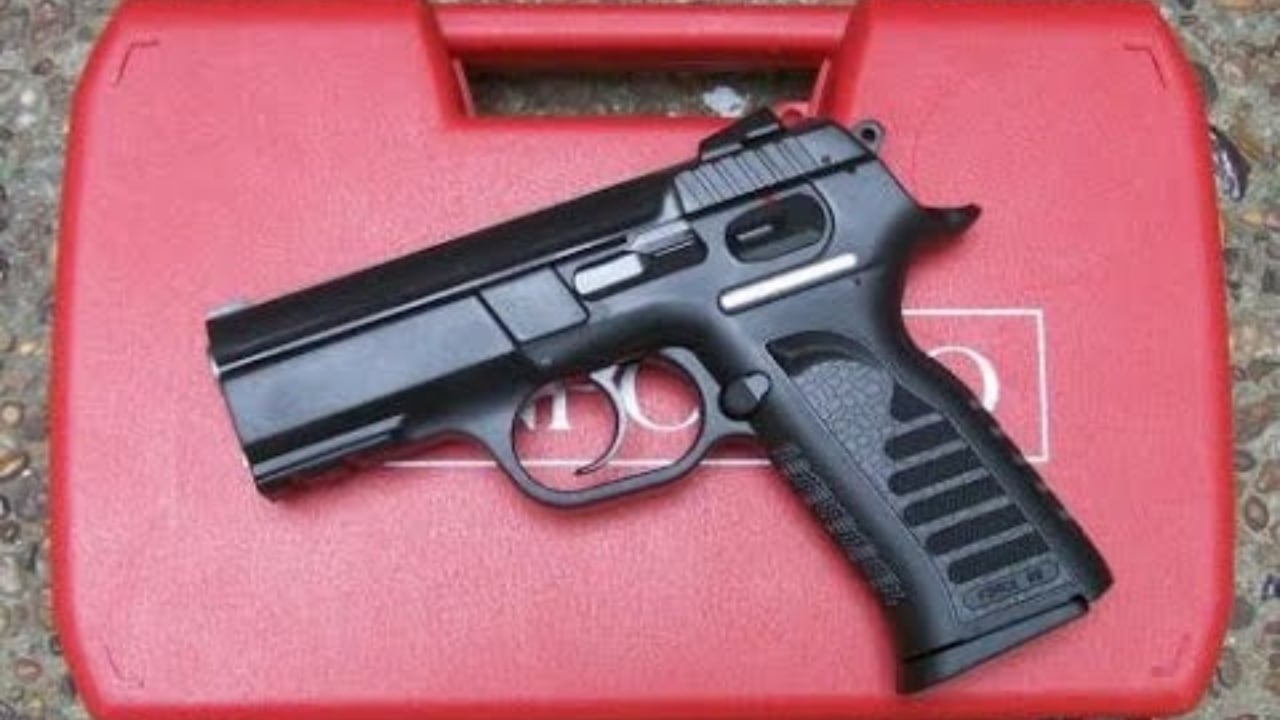
The Force 99 does not have the steel-frame heft of Tanfoglio’s competition pistols, but it keeps much of the CZ-inspired grip geometry while using a lighter polymer frame. That combination makes the pistol inexpensive without stripping away the basic ergonomics that help shooters perform well.
The gun sits naturally in the hand, the bore rides relatively low, and the hammer-fired trigger gives you a crisp single-action break after the first shot. It may not look premium, but the shooting dynamics are far better than many similarly priced service pistols. If you care more about how the gun tracks and points than what name is on the slide, the Force 99 is an easy pistol to underestimate.
Browning Pro-9
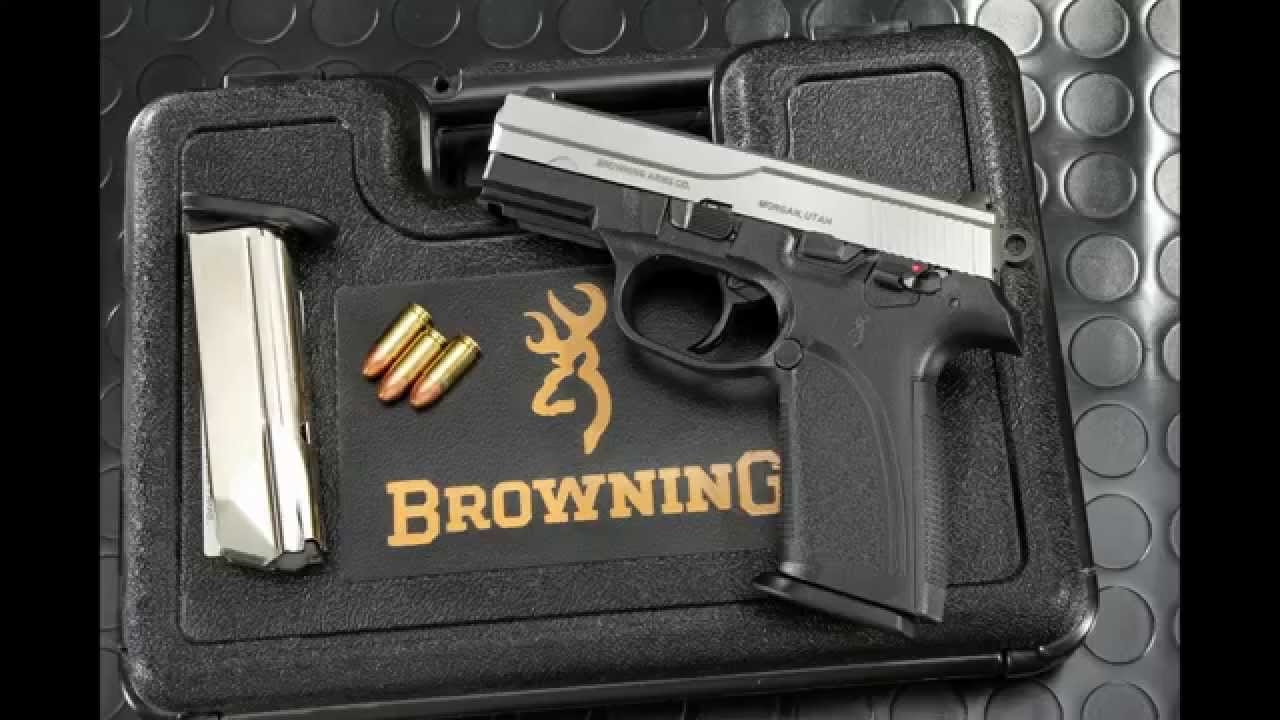
The Pro-9 was one of Browning’s less successful attempts at entering the modern service-pistol market, but poor sales do not mean poor shooting. Built around a polymer frame and traditional hammer-fired action, the pistol combined familiar controls with surprisingly good ergonomics.
The grip is particularly comfortable, and the full-size dimensions keep recoil very manageable. The trigger is predictable, the pistol settles quickly after each shot, and there is very little about the range experience that feels inexpensive. Because the model never became popular, used prices can be much lower than the actual quality would suggest. That makes it a strong candidate for someone who enjoys obscure but capable service pistols.
EAA Witness P Match Pro
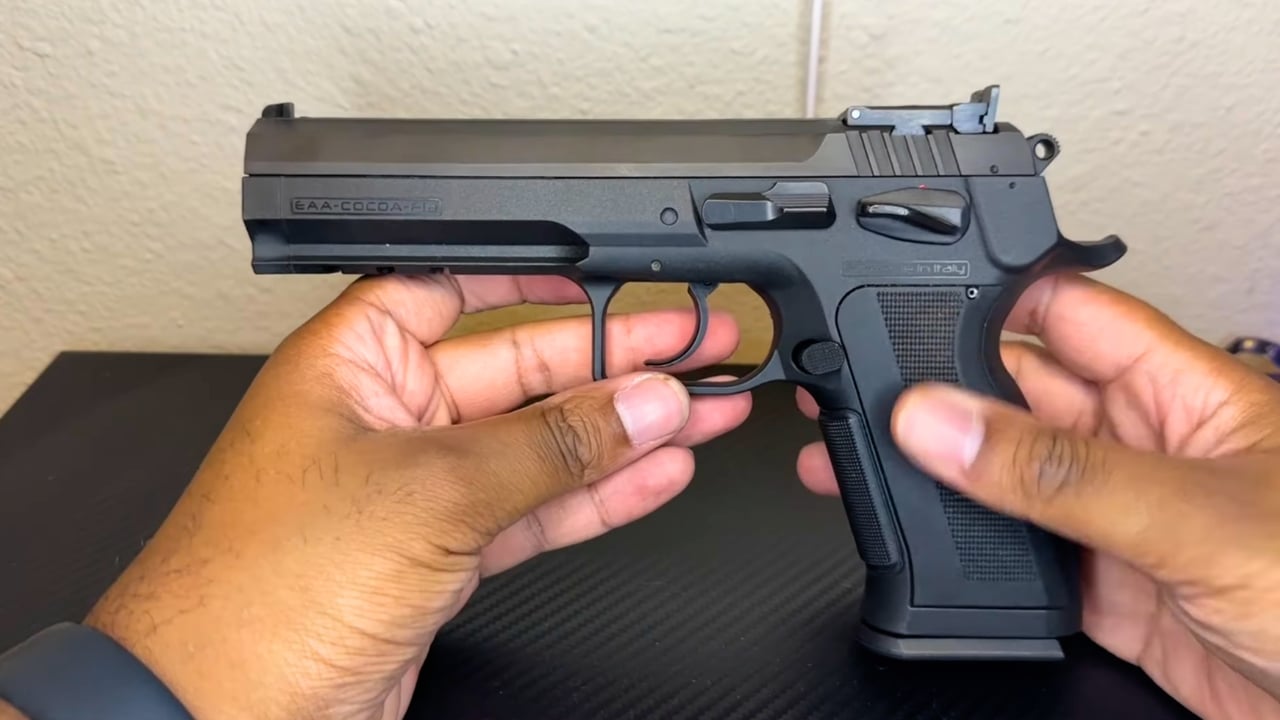
The P Match Pro gives you a competition-influenced Tanfoglio design without forcing you into the much higher prices associated with all-steel race pistols. The polymer frame keeps the cost and weight down, but the long slide, improved trigger, and generous grip still give it a serious range-oriented feel.
The result is a pistol that shoots much flatter than the price would lead you to expect. The long sight radius helps with precision, the trigger is considerably better than a basic service gun, and the ergonomics make rapid strings easy to control. It is not built like a hand-fitted competition pistol, but on target the difference can be surprisingly small.
Free for gun owners: If something happened to you tomorrow, would your family know where the guns are, who has the safe combination, or what to do first? Our free Gun Owner’s Family Checklist walks them through it. It takes about 15 minutes to fill out. Get your free copy here.
Grand Power K100 Mk12
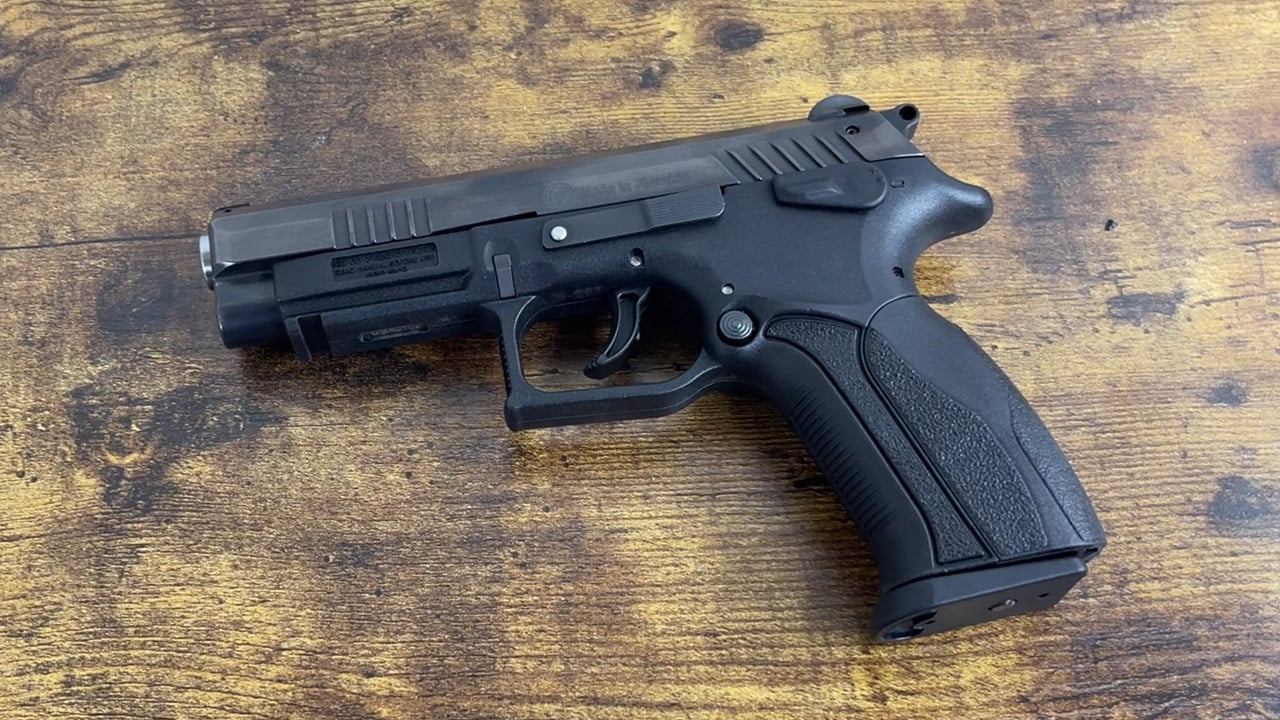
The K100 Mk12 is unusual enough that many shooters never give it serious consideration. Its rotating-barrel action sets it apart from the familiar tilting-barrel systems used by most modern pistols, and that mechanism produces a recoil impulse that feels noticeably smoother.
The hammer-fired trigger is another strong point. In single action, it is crisp and predictable, while the grip shape gives you excellent control during fast shooting. The pistol is not expensive compared with premium European service guns, yet it can feel every bit as refined under recoil. Its biggest weakness is the smaller accessory ecosystem, not the way it shoots.
SAR K2P
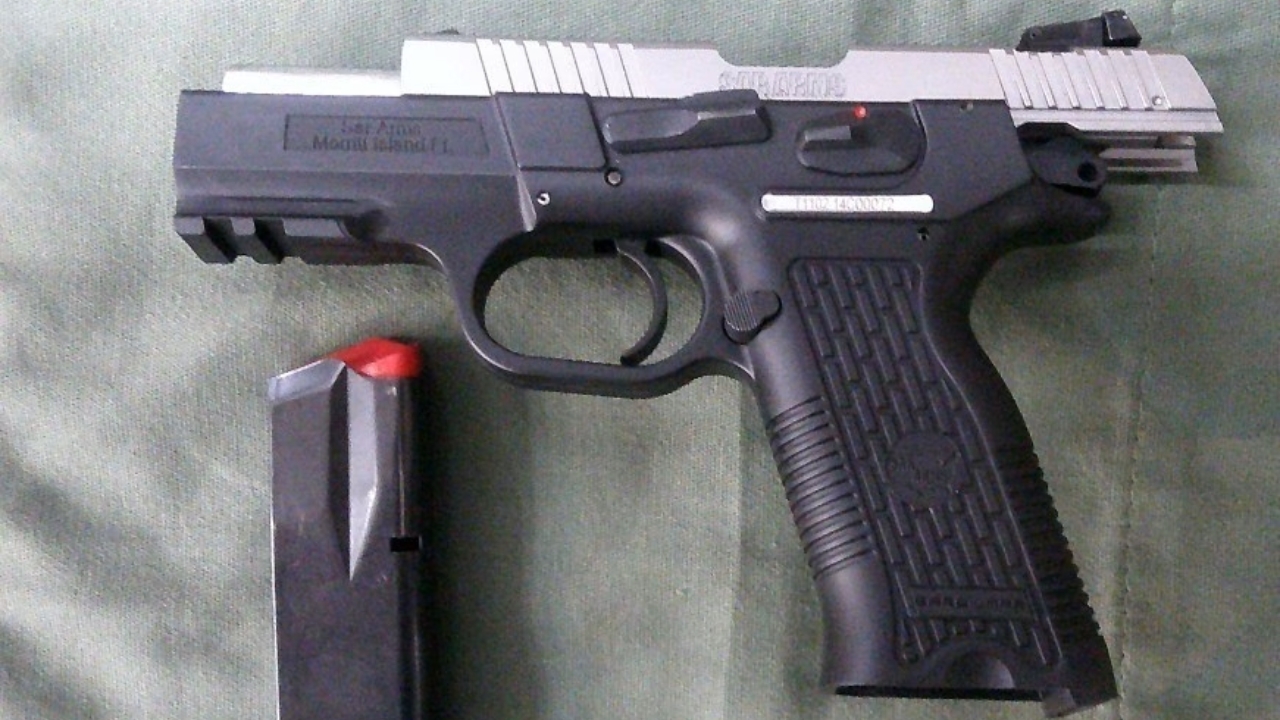
The K2P takes the basic CZ-inspired formula and puts it into a polymer-framed package. That gives the pistol a comfortable grip shape and traditional hammer-fired operation without the weight or cost of the full-steel K2 series.
At the range, the gun is surprisingly composed. The grip gives you plenty of leverage, the trigger improves dramatically in single action, and the recoil impulse remains smooth despite the lighter frame. The finish and controls may not look premium, but the pistol does not feel cheap once you start shooting it. For a straightforward hammer-fired range gun, it offers much more than its price suggests.
Smith & Wesson Model 411
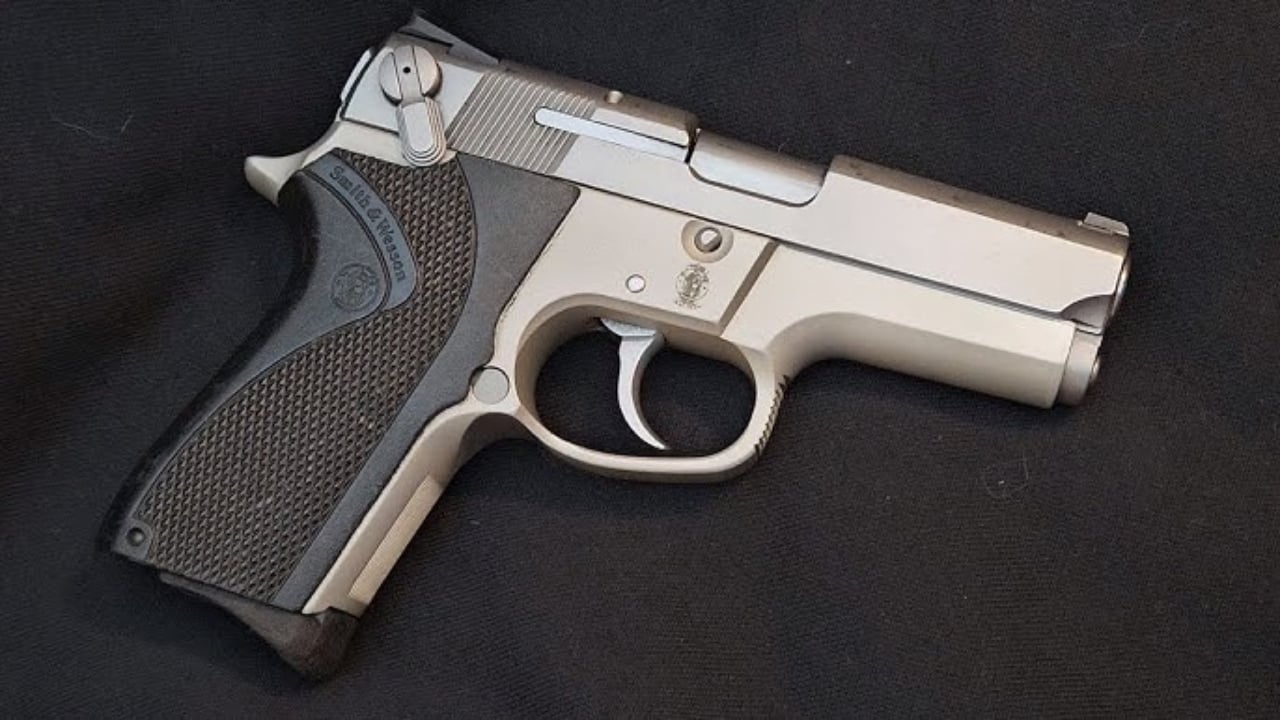
The Model 411 was intended as a more economical .40-caliber service pistol, but it inherited much of the mechanical strength of Smith & Wesson’s third-generation designs. The aluminum frame, full-size grip, and substantial slide make it far more comfortable to shoot than many compact .40s.
The biggest surprise is how stable the pistol feels. The weight distribution keeps recoil from becoming abrupt, and the single-action trigger is good enough for practical accuracy. Because the 411 lacks the prestige of models like the 4006, it often sells for less despite offering much of the same basic shooting experience. It is exactly the kind of gun that performs above its market value.
Beretta 8000 Cougar L
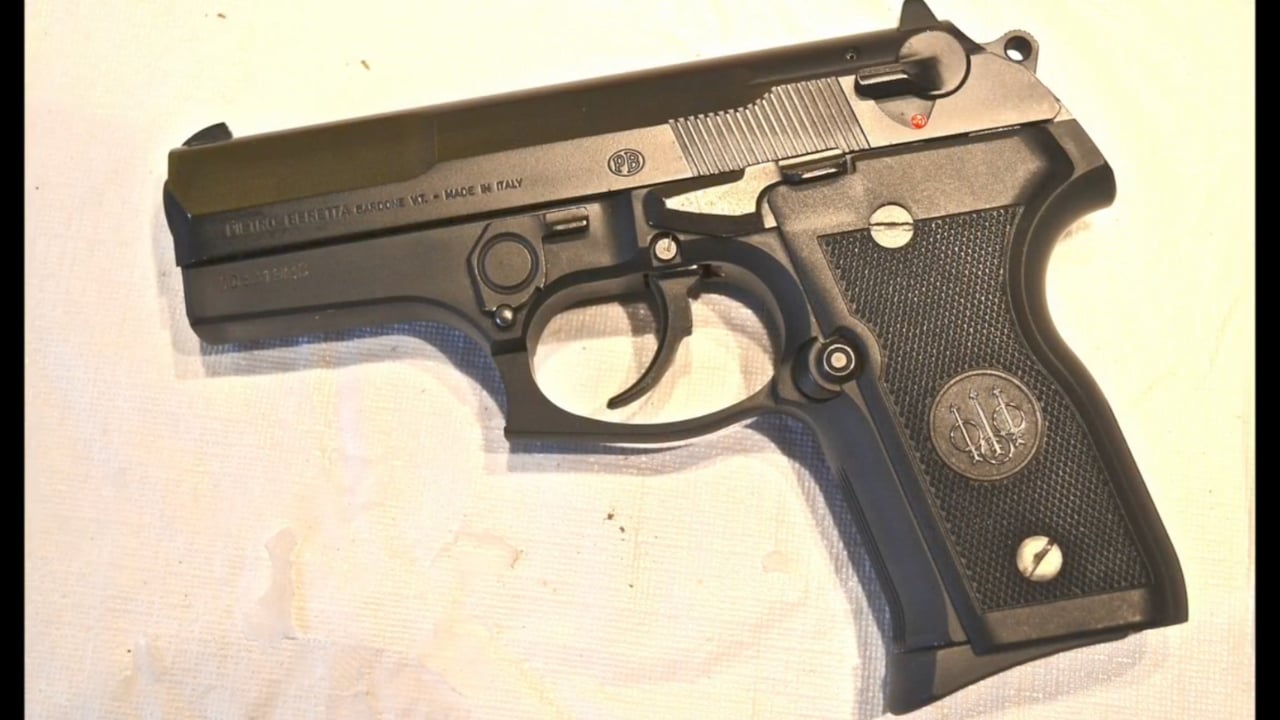
The Cougar L variants are lighter versions of the already smooth-shooting Beretta Cougar platform. The rotating-barrel action remains the defining feature, while the lighter frame makes the gun easier to carry without completely sacrificing stability.
The result is a pistol that feels unusually refined for something that often flies under the radar. Recoil remains smooth, the trigger is familiar Beretta DA/SA, and the gun balances well even with the reduced weight. Because the Cougar never achieved the cultural status of the 92, used examples can be surprisingly affordable. The range experience, however, feels anything but bargain-grade.
Walther P99 AS

The P99 AS is one of the most interesting striker-fired pistols of its era because it combines a striker system with a true double-action/single-action-style trigger arrangement. The Anti-Stress trigger allows for a long first-stage take-up with a relatively light break, followed by a shorter reset for subsequent shots.
Once you understand the system, the pistol can be extremely easy to shoot well. The grip is excellent, the trigger is far more nuanced than most striker designs, and recoil is predictable. Used examples sometimes cost less than newer Walther models despite offering a very distinctive and refined shooting experience. It is one of the few striker pistols that genuinely feels mechanically different.
FN Forty-Nine

The FN Forty-Nine was never a commercial hit, partly because its double-action-only trigger arrived just as the market was moving hard toward shorter striker triggers. That overshadowed the fact that the pistol itself was sturdy, comfortable, and surprisingly easy to control.
The trigger is long, but it is consistent. Once a shooter learns to keep the sights steady through the stroke, the gun becomes much more accurate than first impressions suggest. The polymer frame is robust, recoil is manageable, and used prices can be extremely modest. It is not fashionable, but the actual range performance can be far better than the market value implies.
Ruger P944
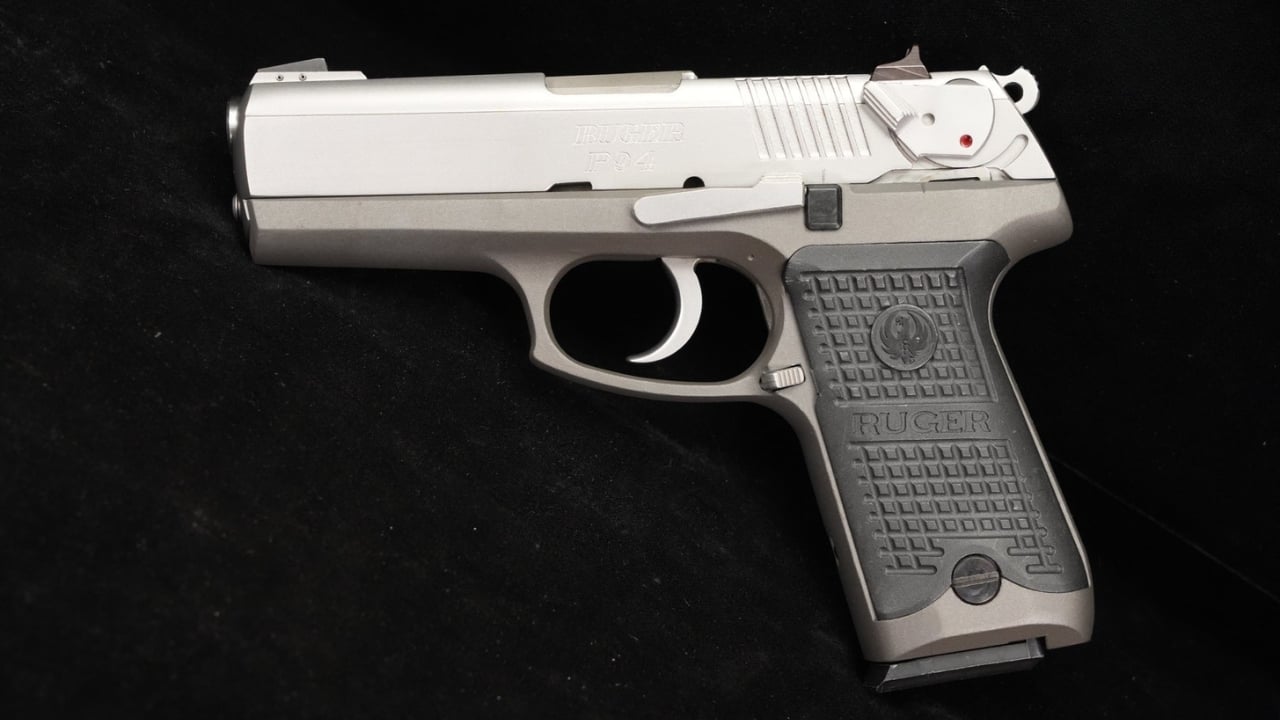
The P944 takes Ruger’s famously overbuilt P-series construction and applies it to .40 S&W. The pistol is big, thick, and unapologetically utilitarian, but those traits become advantages when the shooting starts.
The large frame and heavy slide make .40 recoil much softer than it is in compact polymer pistols. The trigger is perfectly usable, the grip gives you plenty to hold onto, and the entire gun feels exceptionally stable. It is not a pistol anyone buys for elegance, but its low used price can be misleading. On the range, it behaves like a much more expensive all-metal service pistol.
Bersa Thunder 9 Ultra Compact Pro
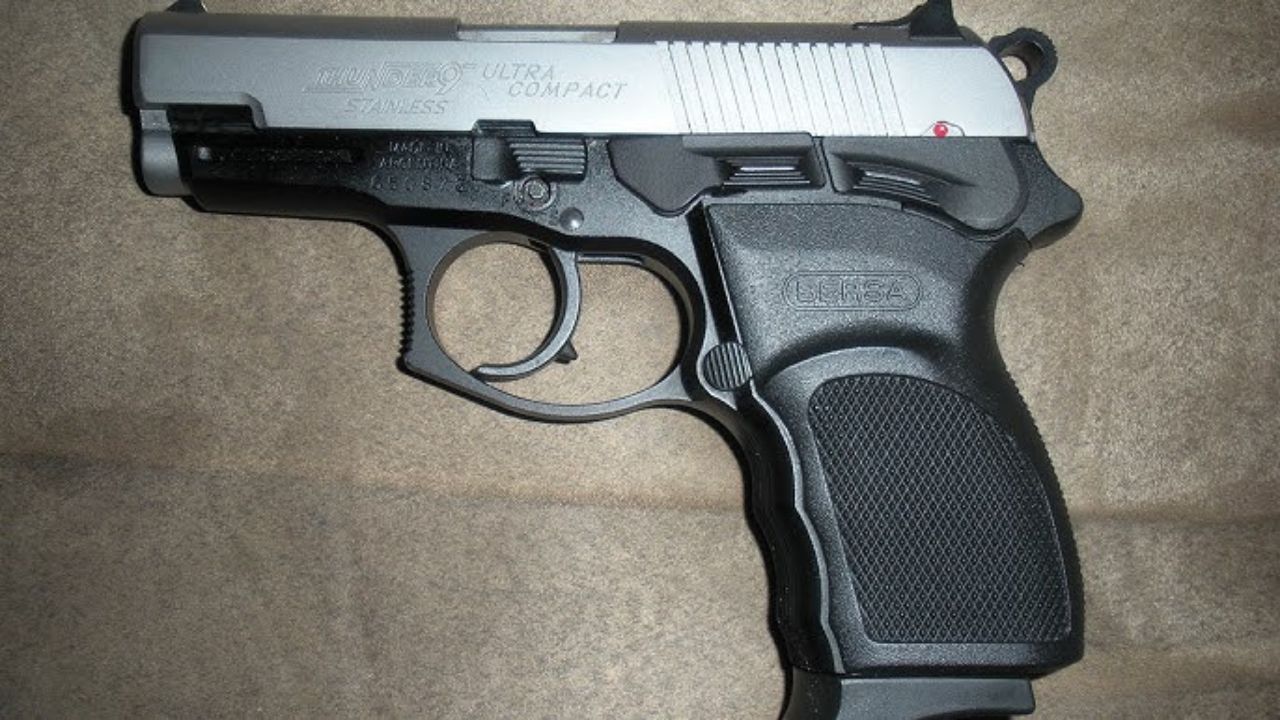
The Ultra Compact Pro gives you a shortened metal-frame DA/SA pistol without shrinking the grip and controls into something difficult to use. The aluminum frame keeps weight under control while still giving the pistol enough substance to handle recoil smoothly.
The trigger system is also better than many buyers expect. The double-action pull is manageable, the single-action break is clean, and the compact gun remains surprisingly easy to shoot quickly. Bersa’s reputation as a budget brand keeps prices down, but this model feels much more serious than the name might imply. It is one of those pistols that becomes much easier to respect after a full range session.
Like The Avid Outdoorsman’s content? Subscribe to our newsletter so you never miss an article.
Here’s more from us:


