Photo credit: Iraqveteran8888/YouTube
You ever shoot a pistol that feels good in your hands, lines up nicely, and then completely misses where you aimed? Yeah, me too. Some handguns are built with specs that never seem to match real-world performance. Whether it’s poor barrel-to-slide lockup, off-center sights from the factory, or sloppy tolerances in the machining, these pistols always seem to wander—no matter how well you do your part. And it’s not just you. When everyone on the line ends up low-left or chasing the POI with different ammo, there’s probably something wrong with the gun, not the shooter.
KelTec P11

The P11 was meant to be a compact carry option, and it certainly carries small. But once you start sending rounds downrange, you notice quickly that accuracy isn’t its strength. The long, heavy trigger doesn’t help, and the sights aren’t anything to brag about either.
You’ll try to adjust for the wandering groups, but they keep drifting no matter what load you feed it. Even slow fire at short distances leaves you second-guessing your fundamentals. Some guns have character. This one has commitment issues—with the point of aim. It might be small and light, but that doesn’t mean it knows where it’s pointing.
Taurus PT111 Millennium G2
This one got popular fast, especially with budget-conscious carry folks. And to be fair, the grip texture and size make it feel like a good fit. But when it comes to accuracy, results vary wildly between individual guns. Some PT111s print decent groups. Others can’t seem to hit paper consistently.
The factory sights are often off-center or misaligned out of the box. And even when you drift them, the impact doesn’t track the adjustment. You end up spending more time guessing than shooting. When your point of impact keeps shifting for no clear reason, it stops being a tool and starts being a liability.
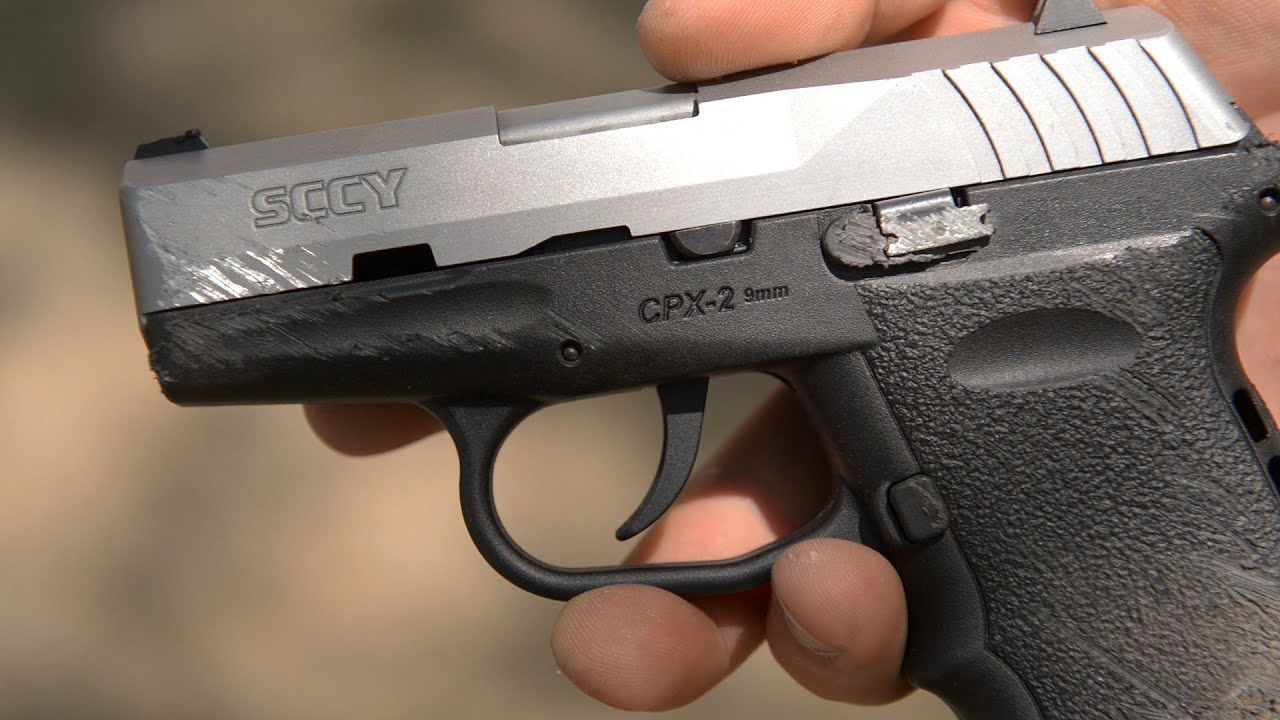
SCCY CPX-2

This pistol has always looked like it’s trying hard to be taken seriously, but accuracy has never been its strong suit. The CPX-2 has a heavy double-action-only trigger that’s long enough to ruin any kind of precision shooting. You squeeze and squeeze, and when it finally breaks, your sight picture’s already moved.
Even slow, deliberate shooting can leave you scratching your head. Hits land all over the place. You’ll question your grip, your stance, your ammo—and eventually the gun itself. For a pistol that’s meant to be carried, it doesn’t do much to inspire confidence when the target starts looking like buckshot landed on it.
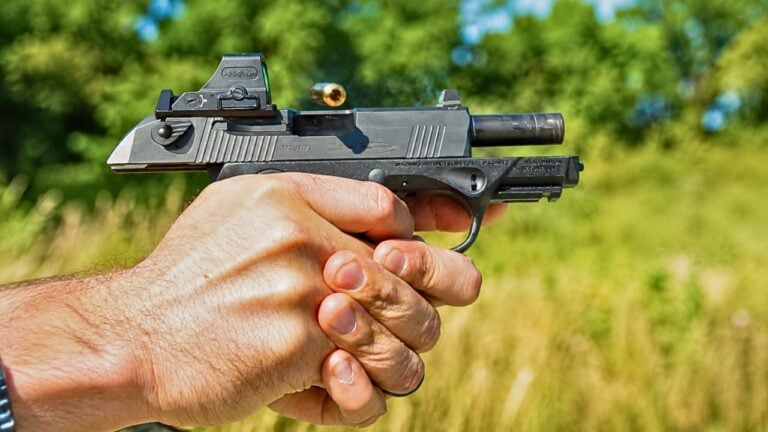
Beretta Nano
Beretta’s Nano had clean lines, snag-free design, and looked ready for deep concealment duty. Unfortunately, many shooters found that it consistently shot off target, often low and left. And we’re not talking about shooter error—it’s a recurring issue that followed this model from the beginning.
The trigger isn’t the worst you’ll find, but the reset is sluggish and the break is vague. Combine that with a bore axis that doesn’t sit well and inconsistent factory sights, and you’ve got a recipe for fliers. Even after careful sight adjustment and ammo testing, it tends to drift. You might get close, but consistent hits are another story.
Remington R51

This gun came back from the dead with big promises, but follow-up reviews and user experience showed it had some real problems. The R51 has a strange felt recoil impulse, vague trigger response, and accuracy issues that show up even in slow fire.
The sight picture feels clean, but rounds land off-center or scatter more than you’d expect. It’s the kind of gun you keep adjusting your grip for, thinking maybe it’s you—until everyone else on the bench starts having the same trouble. When a pistol consistently fails to group where it’s aimed, you stop worrying about accuracy drills and start looking for trade-in value.
Walther PPS (First Gen)
Now, this one’s controversial. Some early PPS pistols were incredibly accurate—but others weren’t. First-generation PPS models often came with sights that weren’t quite dialed in, and the long trigger reset didn’t help things either. Some units shot way high or low, regardless of ammo.
You’d bench it, adjust sights, and still walk your rounds all around the bull. Even when the gun was mechanically accurate, the combination of a mushy break and unpredictable POI left shooters second-guessing their target work. Later generations fixed a lot of this, but the early ones left a reputation that hasn’t entirely faded.
Kahr CW9

Kahr pistols are known for sleek profiles and smooth triggers. But the CW9 has always been a bit of a wild card when it comes to where it actually hits. You line up the sights, press through the long trigger stroke, and watch the round land inches from where you thought it’d go.
Some of that is shooter adjustment—but with the CW9, it’s often the pistol. There’s enough variation in lockup and slide timing to throw things off. It doesn’t always recover well between shots either. It looks like it should print clean, but once you actually run a box of ammo through it, you’ll probably be aiming with hope, not certainty.
Like The Avid Outdoorsman’s content? Be sure to follow us.
Here’s more from us:
The worst deer rifles money can buy
Sidearms That Belong in the Safe — Not Your Belt
*This article was developed with AI-powered tools and has been carefully reviewed by our editors.