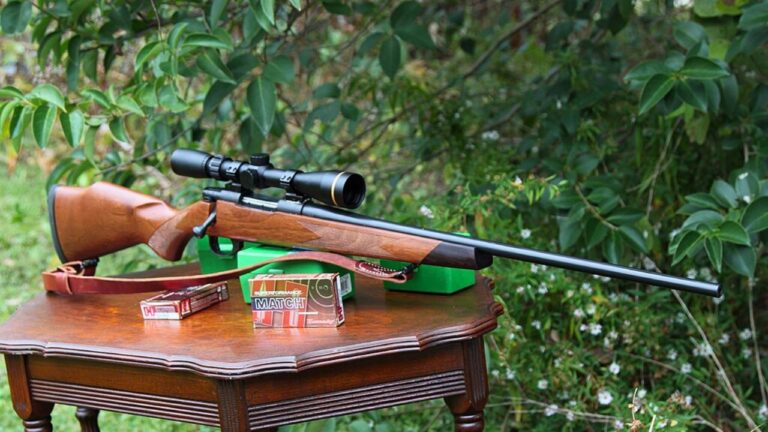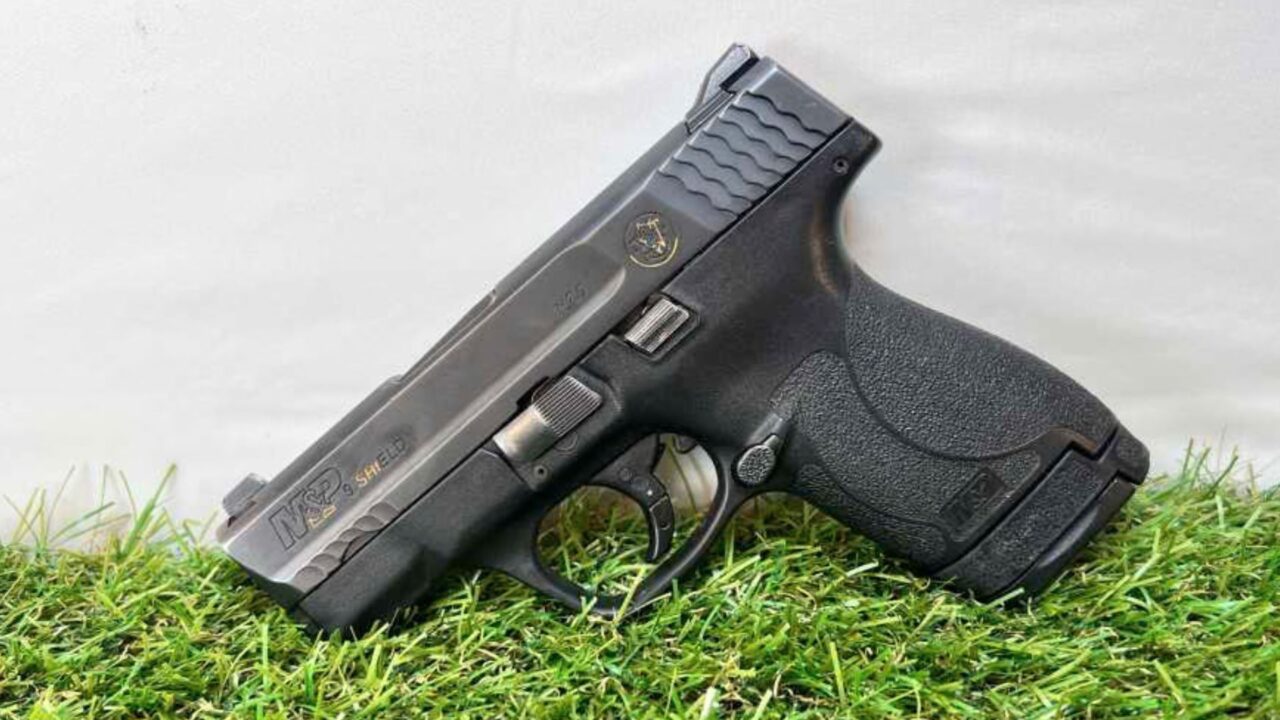
Photo credit: superiorpawn_VB/GunBroker
The Smith & Wesson M&P9 is one of those pistols that can get overshadowed by flashier carry guns, even though it has been one of the most important polymer service-pistol lines in the U.S. for nearly two decades. Smith & Wesson launched the modern M&P pistol line in December 2005, began shipping the M&P9 in May 2006, and built the whole series around military and law-enforcement standards from the start.
What makes the M&P9 especially interesting is that it was never just “Smith’s Glock competitor.” It became a full platform with duty guns, compacts, Shields, metal-frame variants, optics-ready models and the M2.0 family, all while carrying a brand name that actually goes back far more than 100 years. Here are 15 things most people don’t know about the Smith & Wesson M&P9.
1. The M&P name is much older than the pistol

A lot of shooters assume “M&P” started with the polymer pistols, but Smith & Wesson’s own history says the Military & Police name goes back more than a century and was originally tied to its service revolvers. Shooting Illustrated says the moniker dates back more than 100 years to the company’s K-frame .38 Special duty revolvers.
That matters because the modern M&P9 was not just a fresh marketing label slapped onto a striker-fired gun. Smith was reviving one of the most important duty-gun names it already had and moving it into the polymer era.
2. The modern M&P pistol line launched in 2005, but the M&P9 started shipping in 2006
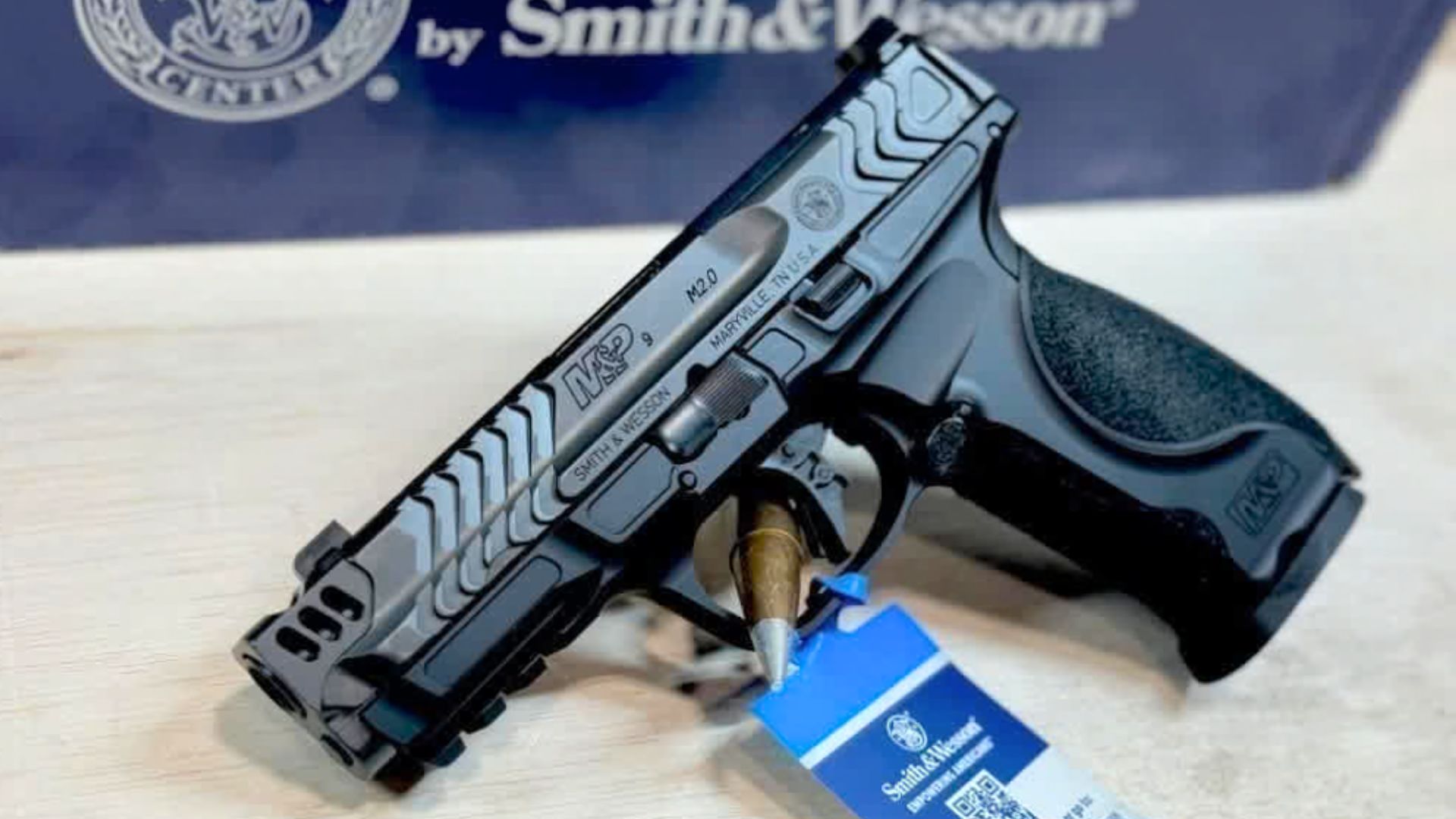
People often blur the dates together, but the rollout happened in stages. Smith & Wesson’s investor-release history says the M&P pistol line launched in December 2005, and the company specifically announced it began shipping the M&P9 on May 2, 2006.
That is a useful distinction because it shows the M&P9 was one of the early key models that helped turn the whole M&P concept from a launch announcement into a real service-pistol family.
3. The M&P9 was built first as a duty pistol, not a civilian carry gun

Smith & Wesson’s 2006 release says the line was engineered to the standards of global law enforcement and military personnel. American Rifleman’s M2.0 retrospective also frames the original M&P as Smith & Wesson’s striker-fired entry into the service-pistol market.
That helps explain the size, controls and overall feel of the original M&P9. It was never meant to be a tiny concealment-first pistol. It was meant to be a working duty gun that could later branch into other roles.
4. It was Smith & Wesson’s big answer to the polymer striker-fired pistol market
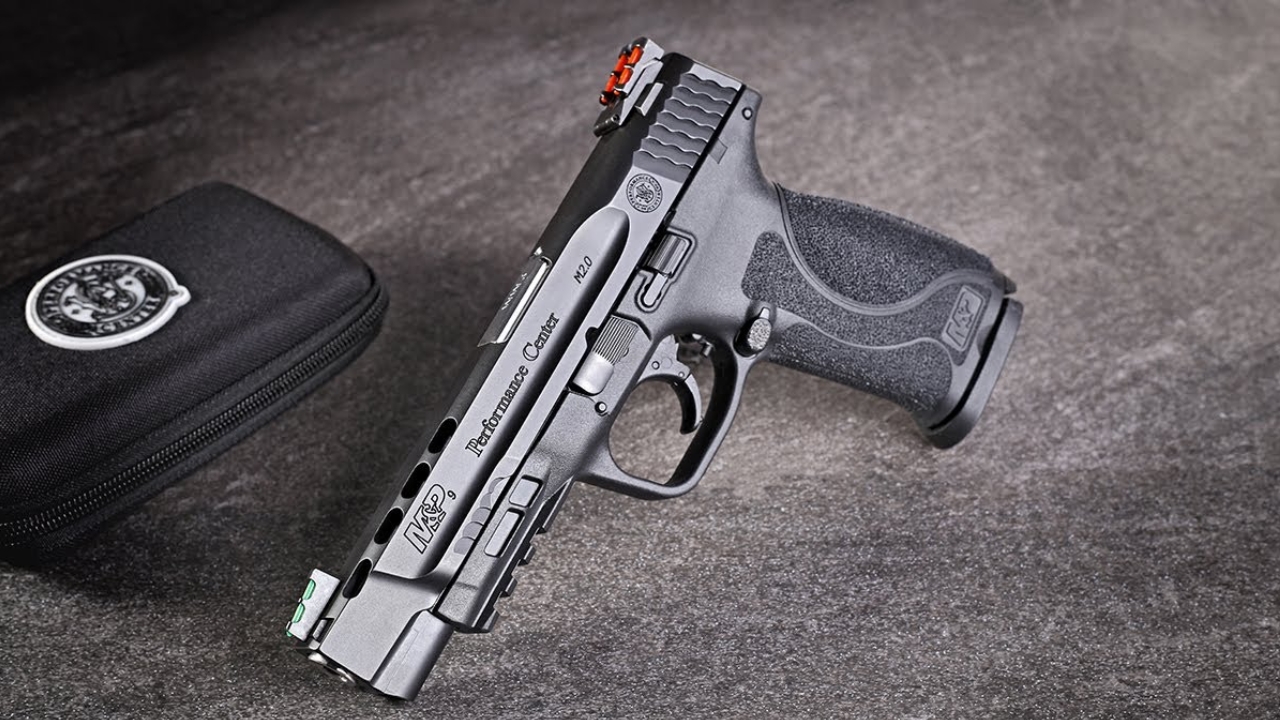
By 2005 and 2006, the striker-fired polymer market was already well established. American Rifleman’s 2017 M2.0 coverage says Smith & Wesson entered that market in 2006 with the M&P, which means the company was deliberately moving into a category already dominated by major players.
That is why the M&P9 matters historically. It was not an experimental side project. It was Smith & Wesson deciding it needed a serious modern duty pistol that could compete in the biggest handgun segment of the time.
5. The M&P brand expanded into rifles almost immediately

American Rifleman’s 2020 factory piece says the M&P brand was reborn in 2005 with the polymer pistols and grew to include rifles the following year.
That matters because it shows Smith & Wesson did not see the M&P9 as one standalone handgun. It saw the M&P name as a broader tactical and defensive brand family almost from the beginning.
6. The original M&P9 quickly gained law-enforcement momentum
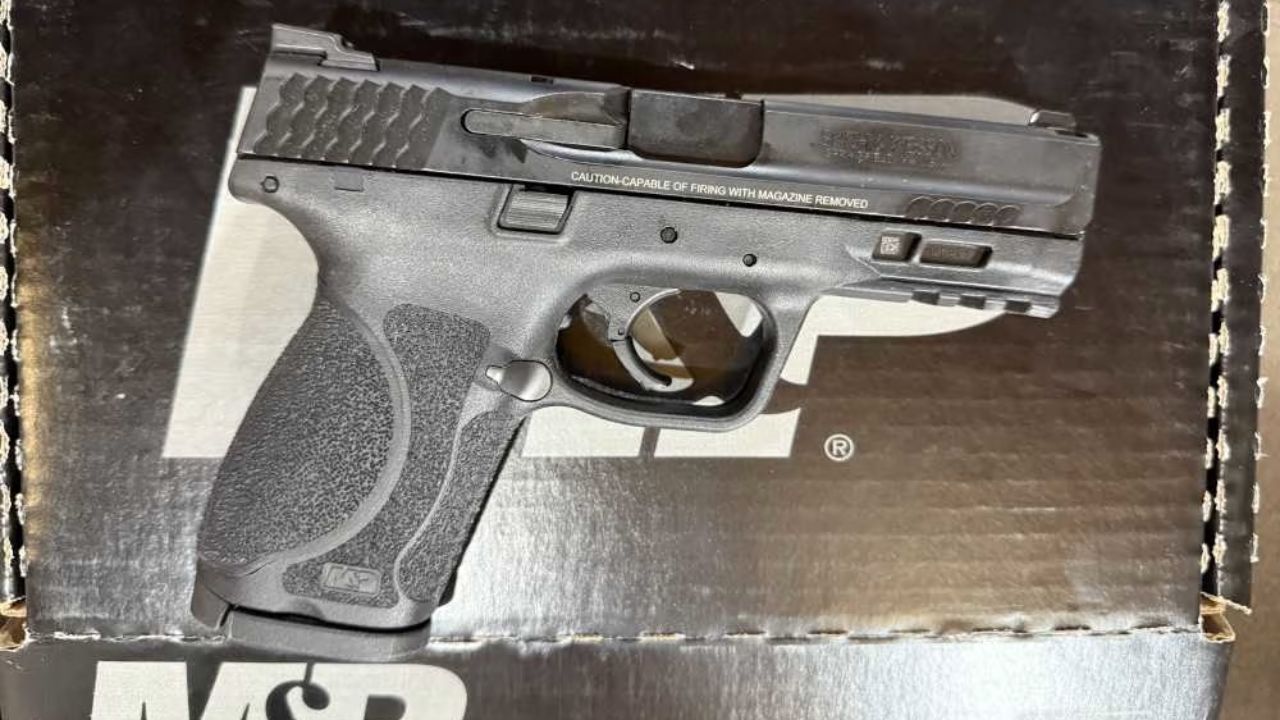
Smith & Wesson’s 2006 order announcement said that since the M&P series launched in December 2005, it had received very positive feedback from multiple law-enforcement agencies, and specifically noted agency interest in the M&P9.
That is important because it shows the pistol was not just finding civilian buyers. Early on, the M&P9 was doing the exact job Smith wanted it to do: getting accepted in duty circles where reliability, ergonomics and institutional trust mattered most.
7. The M&P9’s original success created room for the Shield later

American Rifleman’s 2021 Shield coverage says the first polymer-framed M&P pistol launched in 2005 and was a huge success, but its size and capacity reflected the duty focus implied by the “Military & Police” name. That same piece says the later Shield was developed because the carry market wanted something less bulky.
That is a good reminder that the M&P9 came first as the big-duty anchor. The smaller concealed-carry branch of the M&P family grew out of that success rather than replacing it.
8. The M2.0 was a major revision, not just a cosmetic update
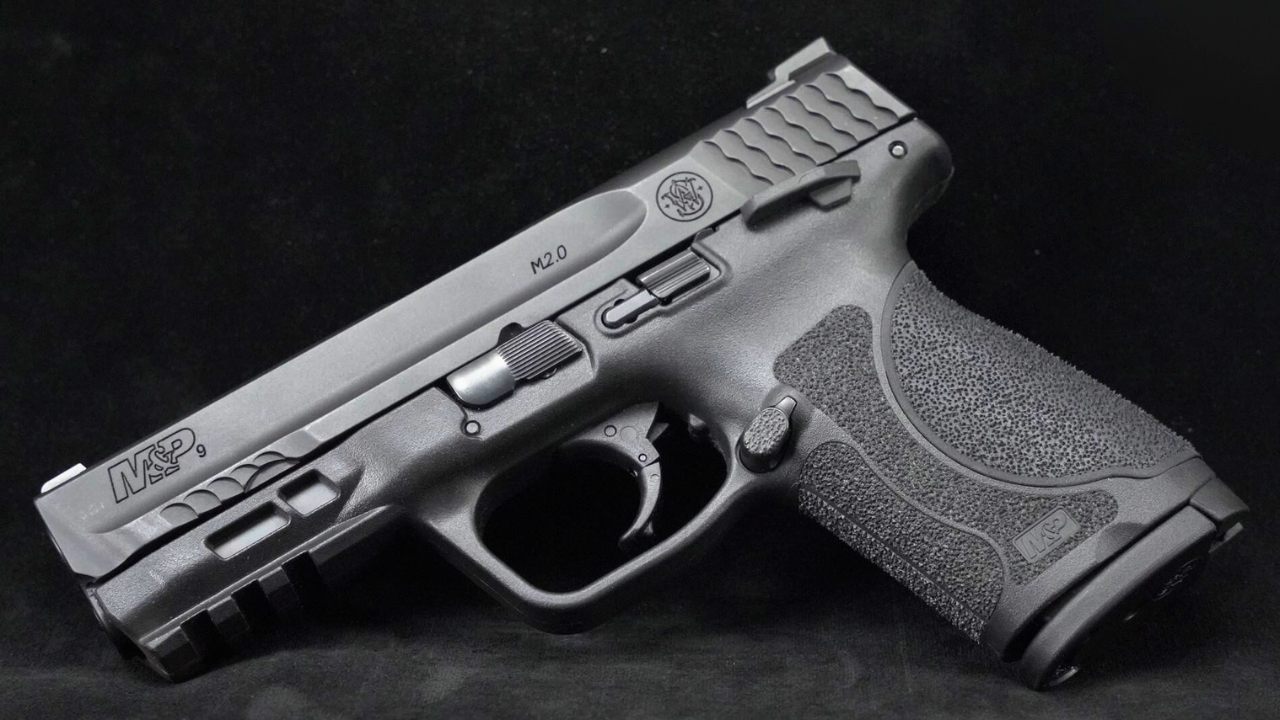
When Smith & Wesson launched the M&P M2.0 in 2017, American Rifleman called it a significant revision of the striker-fired service-pistol line, and Shooting Illustrated’s launch coverage said it was the company’s next-generation model. Smith’s own current M2.0 page says it addressed critiques through ongoing improvement.
That matters because “M2.0” was not just a branding refresh. It marked Smith’s effort to sharpen the trigger, improve texture, refine handling and keep the platform competitive as the striker-fired market got more crowded and more demanding.
9. The M2.0 arrived about a decade after the original pistol

American Rifleman’s 2017 editors’ pick says Smith & Wesson entered the polymer striker market in 2006 and then, a decade later, introduced the second generation of the line.
That ten-year gap is useful context because it shows Smith did not rush the second generation out immediately. The company let the original M&P9 establish itself, then came back with a more substantial refinement once the market had evolved and buyer expectations had changed.
10. Ambidextrous controls were part of the line’s appeal

American Rifleman’s review of the M&P9L Pro Series C.O.R.E. says the pistol family featured bilateral fire controls, with slide stops on both sides and a reversible magazine release.
That is one of those practical details people forget because it feels normal once you are used to the platform. But on a service pistol, ambidextrous-friendly controls are a real selling point, especially for institutional users and left-handed shooters.
11. The M&P9 family moved into optics-ready territory as the market changed

Smith & Wesson’s current M&P9 M2.0 full-size series page emphasizes optics-ready options, and Shooting Illustrated’s 2025 carry article notes that when the M&P series launched in 2005, pistol red dots were still uncommon.
That matters because it shows how much the platform has had to evolve. The original M&P9 came from a pre-red-dot duty-pistol world; the modern M&P9 has been adapted for a market where optics-ready is no longer a niche feature.
12. The Compact line grew into multiple sizes, not just one “mid-size” gun

Shooting Illustrated’s 2018 announcement for the M&P M2.0 Compact 3.6-Inch says Smith had already launched the 4-inch Compact in 2017 and was expanding from there.
That is a useful reminder that the M&P9 family turned into a size ladder, not just a full-size duty gun with one chopped-down option. Smith kept building around the same basic platform to cover more carry and service roles.
13. The line grew far beyond polymer with the M&P9 M2.0 Metal

For years the M&P identity was tightly tied to polymer frames, but that changed when Smith launched the M&P9 M2.0 Metal. American Rifleman’s 2023 review says the metal pistol was essentially the same size and layout as its polymer counterpart, while Shooting Illustrated covered it as an all-metal extension of the line.
That matters because it shows the M&P9 platform had become strong enough that Smith could stretch it into a metal-frame offering without confusing buyers about what family it belonged to. The name had grown beyond one material and one original format.
14. The M&P9 line helped carry an old service-gun name into a completely modern era

Smith & Wesson’s “History of M&P” page says the modern M&P polymer frame pistol line came to be in 2005, reviving the old M&P banner for today’s handgun world.
That is one of the most interesting things about the M&P9 if you step back from the specs. It is a very modern striker-fired service pistol, but it also serves as the bridge between Smith & Wesson’s old Military & Police revolver heritage and its modern duty-pistol identity.
15. The biggest thing most people miss is that the M&P9 became a platform, not just a pistol

The original M&P9 mattered, but the bigger story is what it turned into. Smith & Wesson’s current site and its historical summaries show a family that now includes full-size guns, compacts, Shields, EZ models, 2.0 variants, optics-ready pistols and metal-frame versions.
That is probably the most important hidden fact of all. The M&P9 was not just Smith & Wesson’s answer to the striker-fired duty market. It became one of the company’s core handgun ecosystems, and that is why it still matters even when newer carry pistols get more attention.
Like The Avid Outdoorsman’s content? Be sure to follow us.
Here’s more from us: