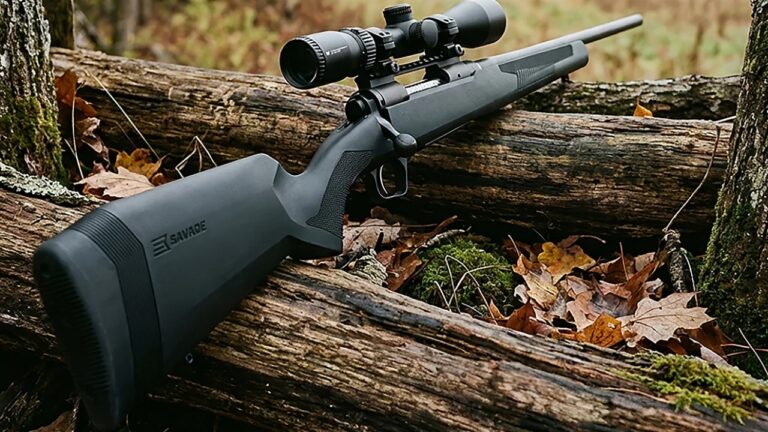
Photo credit: NRApubs/YouTube
There’s a difference between a gun that can shoot and a gun that hits what you’re aiming at when the pressure’s on. You know the kind of rifle I’m talking about—the one that looks fine at the range, maybe even groups alright off a bench, but goes squirrelly once you’re standing in wet leaves with your heart pounding. A lot of deer slip away every season not because the hunter lacked skill, but because the rifle didn’t hold up when it mattered. Some miss because of triggers that creep, others because of mushy optics or barrels that heat up and start walking. And then there are guns that feel like they were never meant to leave a showroom. If you’ve hunted long enough, chances are one of these rifles has cost you a deer or two.
Remington 770
The Remington 770 is notorious among budget bolt-actions, and not for good reasons. Sure, it found its way into a lot of deer camps because of the price tag, but it’s also been behind more clean misses than you’ll ever hear folks admit to. The factory scope is part of the issue—it fogs, it drifts, and it doesn’t hold zero well after a ride in the back of a truck. Add in the gritty bolt throw and a trigger that breaks like a tree branch, and you’ve got a recipe for frustration. It might be okay for punching paper at 50 yards, but try threading a shot through brush at 125 and see how confident you feel.
Winchester 94 in .32 Win Special

There’s no denying the nostalgia behind a Model 94 in .32 Win Special, but nostalgia doesn’t fill the freezer. The round itself was meant to bridge the gap between .30-30 and .35 Rem, but the reality is it never offered much over either. You get limited range, fussy bullet selection, and a trajectory that drops faster than most expect. In low light or thick timber, those old iron sights don’t help much either. Hunters who grew up with one often stick with it out of loyalty, but that doesn’t change how many deer keep running after a clean miss with a .32 Win. It might hit hard when it hits—but too often, it doesn’t.
CVA Hunter in .35 Remington
The CVA Hunter in .35 Rem looks like a good deal on paper. It’s light, it’s cheap, and it shoots a cartridge that’s taken plenty of deer. But the single-shot break-action design can throw new hunters off their rhythm, especially in pressured situations. Add to that a heavy trigger and mediocre accuracy past 100 yards, and you’ve got a rifle that’s missed its fair share. Some models shoot fine with handloads, but factory ammo performance varies wildly. If you’re trying to connect on a buck that won’t give you a second chance, this rifle’s limitations show themselves fast.
Marlin Model 336C in .35 Rem

The Marlin 336 in .35 Rem is a beloved classic—at least until you start missing deer with it. The issue often lies in the micro-groove barrels that came out in certain production years. They don’t always stabilize modern factory ammo well, especially with heavier bullets. Combine that with worn iron sights or cheap aftermarket scopes and you’ve got a gun that feels great in hand but doesn’t always land where it should. In thick cover, where shots are fast and close, it’s easy to overestimate how well this rifle is dialed in. And once a buck turns, that opportunity’s gone.
Mossberg Patriot in 7mm-08
The Mossberg Patriot in 7mm-08 had a lot going for it at launch—attractive price, decent stock ergonomics, threaded barrel. But in real-world hunting, it’s earned a reputation for being inconsistent. Triggers are often spongy, and accuracy can vary drastically between rifles. I’ve seen some shoot fine with one brand of ammo and pattern like a shotgun with the next. The synthetic stocks on the lower-end models also tend to flex under pressure, especially on a bipod or rest, which throws off point of impact. All that adds up to a rifle that misses more often than it should.
Ruger American Ranch in .450 Bushmaster

The Ruger American Ranch in .450 Bushmaster was the “go-to” option when straight-wall hunting laws opened up in the Midwest. It’s compact, powerful, and surprisingly accurate—until it isn’t. The stiff recoil paired with the light weight of the rifle makes it tough for some hunters to stay on target. And follow-up shots? Good luck. The bolt lift is stiff enough that you’ll fumble it when adrenaline kicks in. Add to that the rainbow trajectory of the .450 Bushmaster past 125 yards, and you’ve got a setup that punishes any misjudgment in range or holdover. A lot of deer have walked away while the shooter blinked and reset.
Thompson/Center Compass in .243 Win
The .243 Win has long been the “perfect” youth deer caliber, and the T/C Compass rode that wave with bargain-bin appeal. But once you get past the marketing, you’ll find more than a few missed opportunities tied to this rifle. The factory barrel might shoot well for the first few boxes, but accuracy degrades fast without proper cleaning and barrel break-in. The trigger leaves plenty to be desired, and the synthetic stock can warp under pressure. Add in lightweight recoil that encourages flinching rather than confidence, and you’ve got a setup that seems forgiving but isn’t. Plenty of missed deer started here.
Like The Avid Outdoorsman’s content? Be sure to follow us.
Here’s more from us:
The worst deer rifles money can buy
Sidearms That Belong in the Safe — Not Your Belt
*This article was developed with AI-powered tools and has been carefully reviewed by our editors.