Photo credit: WHO_TEE_WHO/YouTube
Some rifles win you over the second you shoulder them. Others never do. They look awkward, plain, overbuilt, dated, or just plain ugly, and yet they keep filling tags, surviving weather, and putting rounds where they need to go. Those are the rifles a lot of hunters and shooters learn to respect the slow way. You do not buy them for glamour. You buy them because you eventually figure out that pretty does not matter much when the rifle keeps showing up and doing its job.
That lesson has humbled a lot of people over the years. Plenty of rifles that got mocked for their looks ended up earning harder trust than the sleeker, more photogenic options beside them. These are the rifles that never had much visual charm but kept proving that hard use, bad weather, and real hunting conditions do not care about beauty contests.
Remington 7600

The Remington 7600 was never the rifle people bought because it looked sharp in the rack. It had that pump-gun profile that always seemed a little clunky, a little plain, and a little too practical to inspire much romance. Next to a slick bolt gun or a handsome lever action, the 7600 usually looked like the rifle of a guy who cared more about filling a tag than impressing anybody at camp. That kept plenty of people from appreciating it until they saw one in the woods.
Then the hard work started speaking for itself. In thick country, on fast follow-up shots, and in regions where hunters trusted what they knew, the 7600 kept earning its place. It carried well enough, handled quickly, and put meat on the ground year after year. It was never glamorous, but there is a reason so many ugly old pump rifles stayed in families instead of getting traded off.
Ruger American

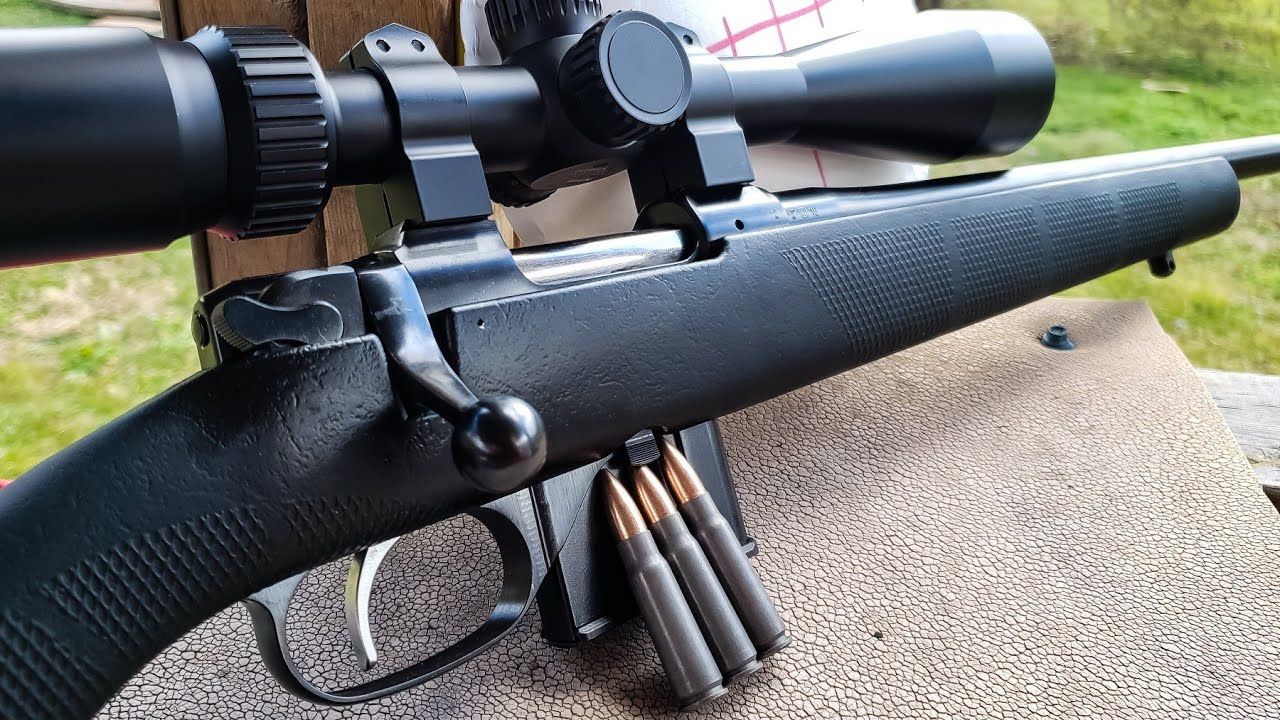
The Ruger American looked like a tool from the day it showed up. Nobody was confusing it with a classic walnut-stock hunting rifle, and nobody was admiring the lines the way they would on a Model 70 or a prettier old Browning. The stock looked cheap, the styling felt blunt, and the whole rifle gave off the kind of no-frills vibe that makes traditionalists wrinkle their nose before they even shoot it.
Then hunters started actually using them. That is where the American built its reputation. It shot better than a lot of people expected, handled rough weather without drama, and kept doing dependable work at a price point that made it easy to dismiss. It is still not a rifle most people would call handsome, but plenty of owners stopped caring the minute it started stacking up real field results.
Savage 110 package rifles

Older Savage 110 package rifles were never much to look at. They often wore bland synthetic stocks, budget glass, and all the visual charm of farm equipment. At the gun counter, they were the rifles people bought because they needed something that would work, not because they fell in love with the design. There was nothing elegant about them, and a lot of shooters treated that plainness like proof they were somehow lesser rifles.
That turned out to be a bad read. Plenty of those rifles shot extremely well, held zero, and spent years riding in trucks, blinds, and muddy deer camps without complaint. They became the rifles that kept making flashier buyers look silly when opening morning came and the “cheap ugly Savage” did exactly what it was supposed to do again. That kind of hard-earned reputation lasts longer than looks.
Winchester Model 100
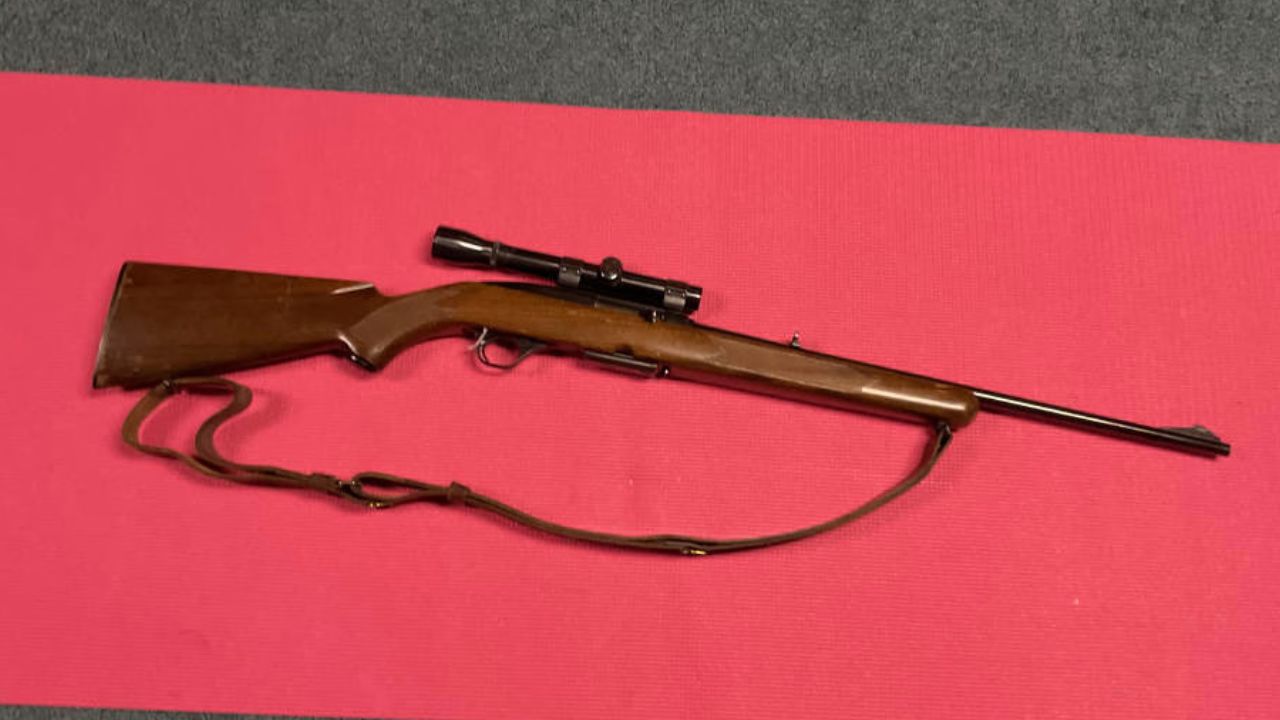
The Winchester Model 100 never had the visual pull of the company’s lever guns or classic bolt actions. It looked a little too modern for some old-school hunters and a little too plain for people wanting something with real character. It sat in an awkward middle ground for years, which is often where useful rifles get underestimated. A lot of hunters respected it, but not many ever described it as beautiful.
Still, it kept working. As a handy semi-auto deer rifle, it offered practical speed and real field usefulness in a package that made sense to hunters who cared more about results than image. The Model 100 spent a lot of years doing the hard work while prettier rifles got more of the attention. That is usually how these things go. The handsome rifles get admired first. The dependable ugly ones get remembered later.
Marlin X7
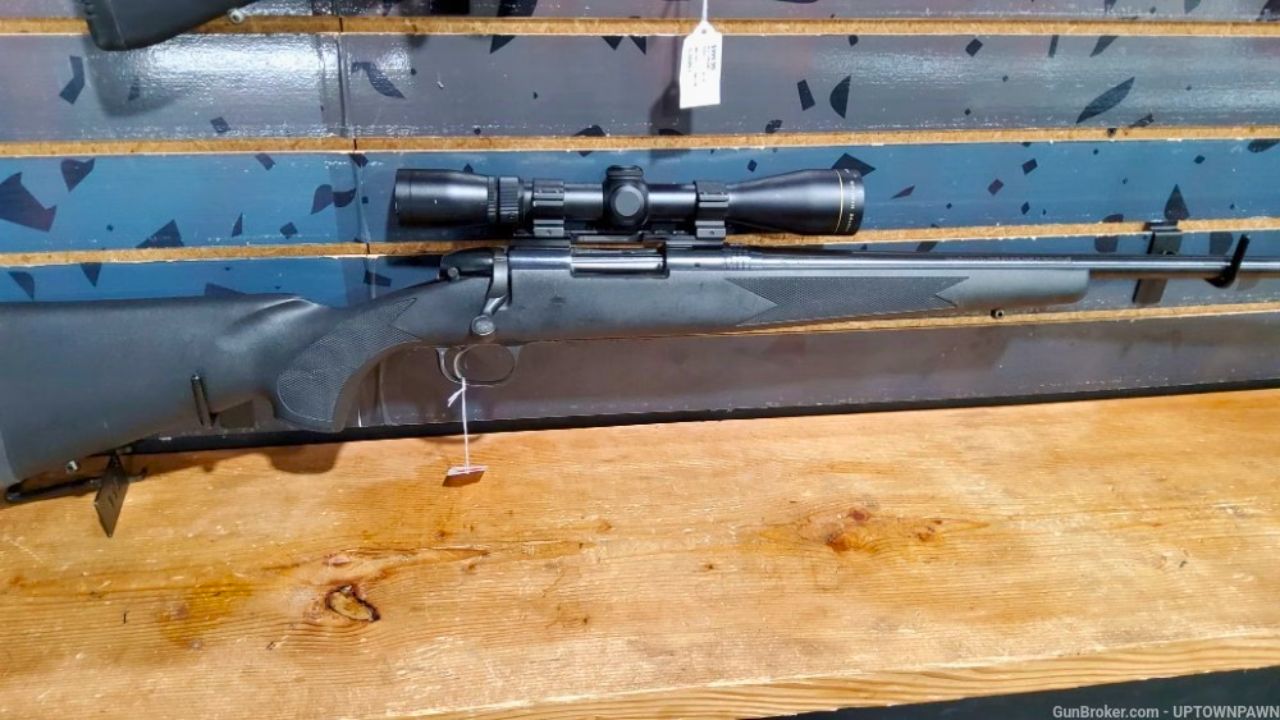
The Marlin X7 was never going to win a beauty contest. It looked like exactly what it was: a budget bolt gun built for hunters who wanted function more than flair. The lines were ordinary, the stock did not inspire much love, and the whole rifle carried that plain-box-store look that makes people assume it cannot possibly be anything special. It was easy to walk past without a second glance.
But once hunters started shooting them, the story got better fast. The X7 had a reputation for surprising accuracy, decent triggers, and honest performance in the field. It did not ask for admiration. It just kept showing up, getting zeroed, and killing deer. Rifles like that remind you how often looks get overvalued at the exact moment performance is being underrated.
Ruger Gunsite Scout

The Ruger Gunsite Scout always had a chunky, awkward sort of look that split people right down the middle. Some loved the concept, but plenty of shooters thought it looked nose-heavy, busy, and almost deliberately unattractive. It had that utilitarian “built for a purpose” shape that rarely photographs well and rarely wins over people who like clean rifle lines. It looked more serious than elegant from the start.
That awkwardness mattered less once people started running them hard. The Scout offered practical handling, rugged reliability, and the kind of all-conditions usefulness that makes cosmetic complaints sound softer over time. It was not the prettiest rifle on the rack, but it made sense in the hand and in the field. A lot of rifles look better standing still than they do working. The Gunsite Scout was usually the opposite.
Remington 788

The Remington 788 always looked a little cheap because, in some ways, that was the point. It was built to be a practical rifle, not a showpiece, and the plain stock and stripped-down appearance never did much to stir up admiration. Plenty of buyers looked at the 788 and saw a budget rifle with the visual charm of a hardware-store tool. That first impression kept some people from ever taking it seriously enough.
Then they shot one. That changed everything for a lot of people. The 788 built its following the hard way, through accuracy and real hunting performance rather than beauty or prestige. It became one of those rifles owners talked about with a grin because they knew it outperformed the way it looked. Ugly rifles that shoot that well tend to earn a kind of loyalty pretty rifles sometimes never touch.
Mossberg MVP

The Mossberg MVP had one of those looks that made plenty of shooters suspicious before they ever handled it. It felt like a rifle assembled from ideas rather than elegance, and the styling never came together in a way most people would call attractive. It looked awkward, a little crude, and more functional than refined. That made it easy for traditional rifle buyers to shrug it off without much thought.
But practical rifles do not care about hurt feelings. The MVP carved out respect by doing useful work, especially for people who liked the magazine setup, wanted a capable utility rifle, and valued function over appearance. It was never the kind of rifle you bought because it stirred your soul. It was the kind you bought because it solved problems and kept doing what you needed after the pretty factor wore off elsewhere.
Howa 1500 Hogue package rifles
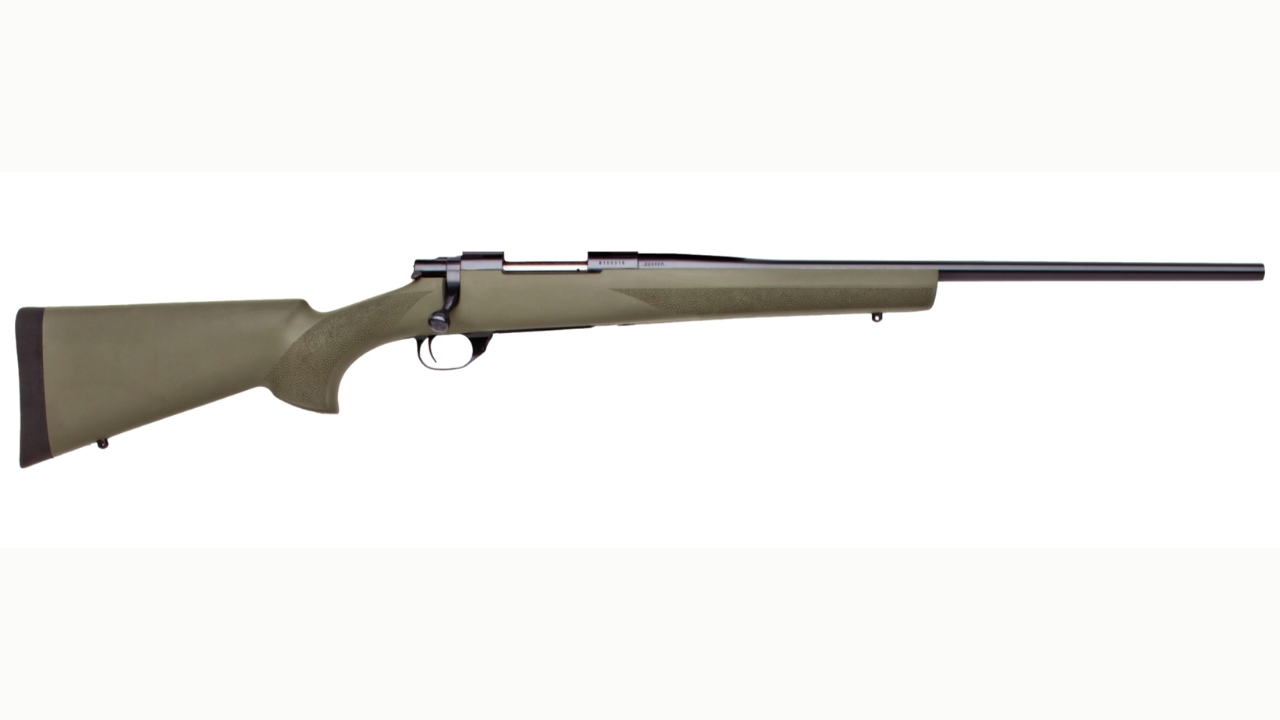
The Howa 1500 in the Hogue overmolded stock never looked like a rifle that would inspire much poetry. The stock always had that swollen, rubbery, overbuilt look that made the whole package seem heavier and clumsier than more traditional hunting rifles. A lot of shooters dismissed them at first glance because they looked more like practical weather gear than something you would ever be proud to pose with.
Then they spent time behind one and started changing their tune. Those rifles had a habit of shooting well, holding up in rough conditions, and giving owners a sturdy, dependable field setup without much drama. The looks never really improved, but the reputation did. That is how a lot of ugly rifles survive criticism. They keep making the owner happier than the pictures ever suggested they would.
Ruger M77 Hawkeye All-Weather

The Ruger M77 Hawkeye All-Weather was never a romance rifle. Stainless steel and synthetic furniture can be useful, but they rarely stir up the same reaction as blue steel and walnut. On the rack, the All-Weather models often looked blunt and cold, like rifles built by people who had no interest in winning style points. Some hunters loved that seriousness. Others thought they looked almost stubbornly plain.
In the field, that plainness became a strength. These rifles were built to deal with rain, mud, rough travel, and the kind of abuse pretty rifles make owners nervous about. The Hawkeye All-Weather earned trust the hard way, through seasons of honest use and steady performance. Nobody had to baby it, and nobody had to worry much about scratches. That freedom tends to matter more than looks once the weather turns ugly.
Savage 99E

The Savage 99E never had the flash of the fancier Model 99 variants, and that hurt it in the eyes of buyers who judged with their eyes first. It often looked like the plain working cousin in a family that included much prettier rifles. That made it easy to underrate, especially when hunters were standing there comparing wood, finish, and overall polish instead of thinking about what the rifle would actually do in the deer woods.
But the 99E still had the bones that mattered. It carried the same practical design, the same hunting usefulness, and the same ability to keep doing real work year after year. It may not have been the one people showed off first, but it was absolutely one of the ones that kept earning its place the old-fashioned way. Ugly or plain versions of good rifles tend to age better than people expect.
Steyr Scout

The Steyr Scout looked weird from the jump. There is no point dancing around that. It had a shape and setup that made sense to some users, but to plenty of rifle guys it looked too futuristic in the wrong way, too lean in odd places, and too divorced from traditional ideas of what a good-looking rifle ought to be. It was one of those rifles that almost dared people to dislike it visually.
Then it started doing what it was built to do. Carried hard, used seriously, and judged by function rather than tradition, the Scout made a lot more sense. It was handy, smartly laid out, and useful in ways many better-looking rifles were not. It never became universally loved, but it absolutely earned respect. Some rifles need a second look. The Steyr Scout usually needed actual use before people understood it.
Browning BAR Stalker

The Browning BAR Stalker always lived in the shadow of prettier sporting rifles. Synthetic-stock BARs never had the visual warmth of the older walnut versions, and the rifle’s semi-auto profile was already more workmanlike than elegant. To some hunters, it looked bulky and plain, almost like a practical compromise instead of something you would be excited to own. That kept it from winning much beauty-based praise.
In the field, though, the Stalker kept proving why looks are cheap. It offered fast follow-up capability, dependable hunting performance, and the kind of weather-ready toughness that real users notice more than polished lines. It was a rifle built to be used, not admired from across a room. Plenty of hunters who never loved the way it looked still kept reaching for it when they wanted the job done cleanly.
CZ 527 Carbine

The CZ 527 Carbine was not exactly ugly in the traditional sense, but it definitely looked odd enough to turn some buyers off. The short barrel, compact dimensions, and old-world styling made it seem quirky rather than handsome to people expecting something more conventionally balanced. It had a slightly awkward visual profile that made some shooters underestimate it, especially if they were only giving it a quick once-over in the rack.
That odd little rifle earned its keep anyway. In the right chamberings, it handled beautifully, carried easily, and did real field work in a way that made its unusual looks feel a lot less important. Rifles like the 527 Carbine often get appreciated late because people need time to realize that what looked strange at first actually works extremely well once you stop judging it like a catalog photo.
Remington Model Seven Synthetic

The synthetic-stock Remington Model Seven was never the rifle people wrote home about for beauty. It looked plain, compact, and a little too stripped down to stir much passion, especially compared with the more classic bolt guns surrounding it. A lot of hunters liked the idea of a short, handy rifle, but the synthetic Model Seven often came off like a rifle chosen for practical reasons and little else.
That was exactly why it kept doing the hard work. It carried well in tight woods, handled fast, and made a lot of sense for hunters who wanted something light and useful without a lot of unnecessary bulk. The Model Seven Synthetic did not need to charm people visually. It just needed to keep showing up season after season and doing what compact hunting rifles are supposed to do, which it did very well.
Tikka T3 Lite Stainless Synthetic

The Tikka T3 Lite Stainless Synthetic has always had fans, but very few of them would pretend it is a beautiful rifle. It looks clean in a plain, modern way, but there is not much soul in the styling. To a lot of traditional hunters, it has all the personality of a tool case. The stock is simple, the lines are spare, and the whole package seems designed to skip emotion and get straight to the job.
That is also why it became so trusted. The T3 Lite Stainless Synthetic kept doing exactly what hard-use hunters wanted: light carry weight, reliable function, very good accuracy, and weather resistance. Nobody cared much that it lacked old-school visual charm once it started delivering in the field. It is one of the best examples of a rifle that never tried to look romantic and still earned deep respect anyway.
Like The Avid Outdoorsman’s content? Subscribe to our newsletter so you never miss an article.
Here’s more from us: