Photo credit: © Tomas Castelazo, www.tomascastelazo.com / Wikimedia Commons, CC BY-SA 4.0/Wiki Commons
Some guns are picky. They don’t like to run dirty, and they sure don’t like rough spots in the action. While some firearms will shoot dirty all season long, others need a little extra care to keep working right. Polishing doesn’t always mean mirror-finishing every part, but if you don’t keep certain surfaces slick and carbon-free, you start seeing failures. It could be feed ramps, bolt faces, extractor grooves, or slide rails. A little grime, a little burr, and the whole system starts acting up. Here are the guns that seem to run fine until you skip the polish and start chasing malfunctions.
Kimber 1911s

Kimber 1911s are known for tight tolerances, and while that makes them accurate, it also makes them finicky. A little fouling or drag on the slide rails can start causing failures to return to battery. You end up riding the slide forward, tapping the back of it, or wondering why your brand-new gun is acting like it’s already worn out.
These pistols often benefit from a bit of polishing in key areas—the feed ramp, slide rails, and disconnector track. You don’t have to go crazy, but they do best when kept clean and lightly lubed. Some owners spend more time cleaning than shooting because the gun gets sluggish when it starts getting dirty. If you want yours to run like it should, you’ll need to treat it like a showpiece and keep it polished.
Desert Eagle

Desert Eagles are impressive, but they’re also picky eaters with high maintenance habits. The massive slide and gas system demand smooth surfaces to function consistently. A little carbon buildup in the gas port or rough spots on the bolt can cause malfunctions, especially with underpowered ammo or inconsistent cleaning.
These guns benefit from frequent polishing of the bolt face, rails, and feed ramp. If you don’t, you start seeing feeding issues and short-stroking. Many folks try to treat a Desert Eagle like a range toy and neglect the upkeep, then get frustrated when it jams. Truth is, this gun needs more TLC than most, and polishing is part of the package. If you want it to run right, you’re gonna have to put in the elbow grease.
Beretta 92FS

The 92FS is usually reliable, but older models or those that haven’t been cared for often need some polishing attention to stay smooth. The locking block design and long slide rails can start to drag if there’s any grit or burrs.
Polishing the feed ramp and smoothing out the rail contact points can bring life back to a gun that feels sluggish. Also, carbon buildup under the locking block causes issues over time. Keep those contact points clean and lightly polished and the action returns to the butter-smooth feel these pistols are known for. If you pick one up used, expect to spend some time shining things up before it behaves the way people say it should.
Taurus PT92
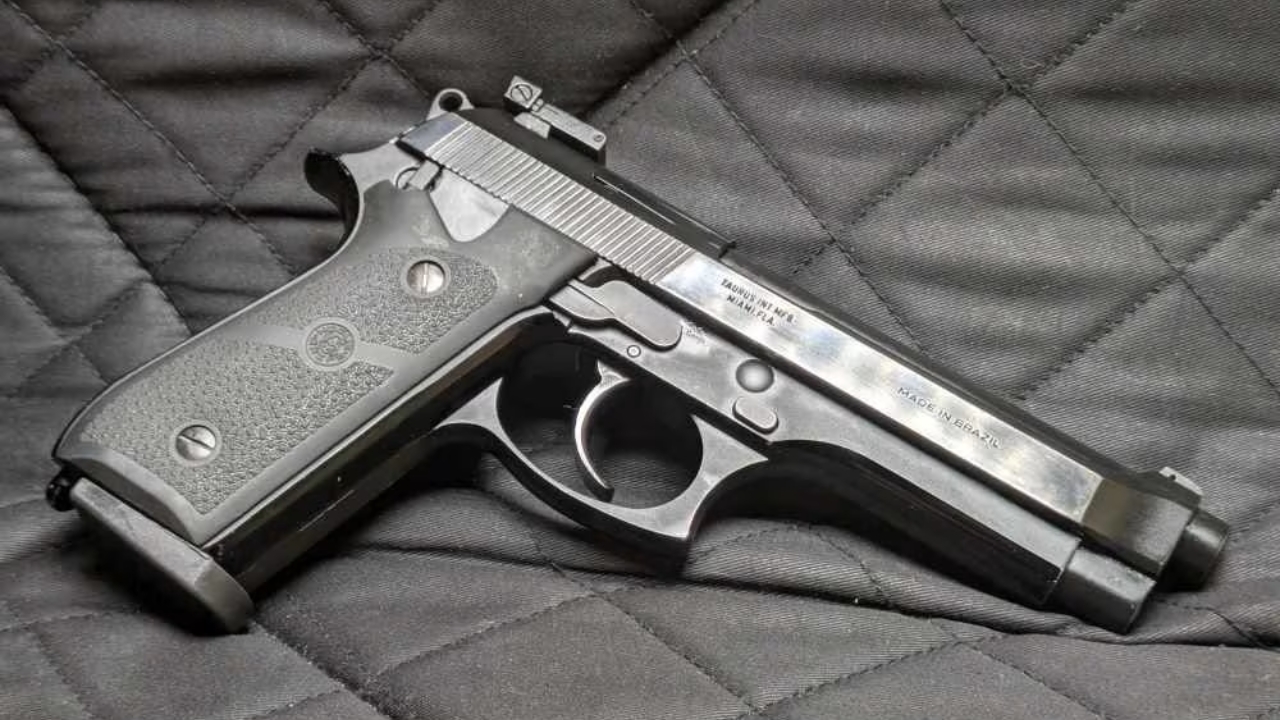
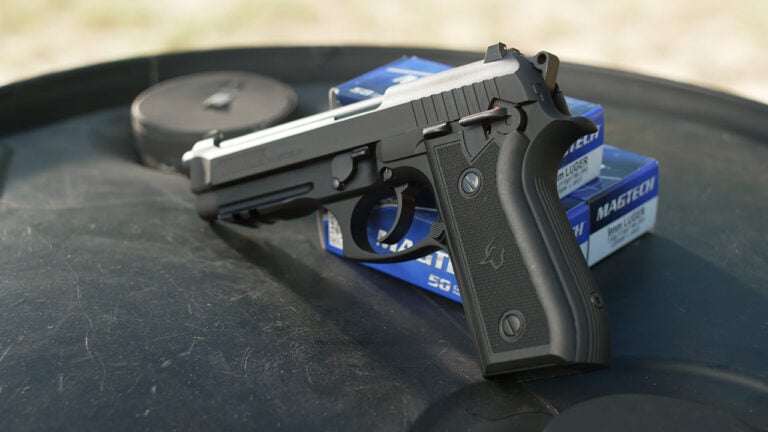
The PT92 looks like a Beretta, but it doesn’t always behave like one. The machining isn’t as refined, so you get more friction on the rails and feed ramp. Without polishing, you’ll likely run into failures to feed or stovepipes as the rougher surfaces slow the slide down.
Taking the time to polish the feed ramp, extractor groove, and slide rails makes a huge difference in reliability. This gun runs best when you smooth out those contact points and keep it well-oiled. Some owners report night-and-day performance after polishing and a few hundred rounds of break-in. If you’re expecting it to be plug-and-play like its Italian cousin, you’re going to need to do some prep work first.
Kahr CW9

Kahr pistols are known for long, smooth trigger pulls—and also for being picky until they’re broken in. The CW9 in particular often benefits from polishing the feed ramp and slide contact points. From the factory, some of the machining can be a little rough.
The result? Failure to feed, sluggish cycling, or slide drag until you put in some rounds and smooth things over. But a little polish up front speeds that process up and saves a lot of frustration. It doesn’t take much—just a bit of attention with a felt wheel or a polishing cloth in the right spots. Once broken in and kept clean, these pistols can be very reliable. But you’ll earn it up front.
Walther PPK/S

The PPK/S has been around forever and still has some of that old-school fitment where things wear in more than they come finished. You’ll often see sharp edges on the feed ramp, breech face, or slide rails that can cause reliability problems right out of the box.
A little polishing goes a long way. Smoothing the ramp and breech face especially helps with feeding hollow points, which these pistols are notorious for disliking. If you’ve ever had one that refused to run anything but FMJs, polishing those spots is your first fix. It’s a classy gun with some picky habits, but once you smooth out the rough edges, it usually settles into something more dependable.
KelTec Sub2000

The Sub2000 is a cool concept, but out of the box, the build quality can be a little rough. The bolt and feed ramp areas in particular benefit from polishing. Without it, feeding issues and stovepipes show up more than they should.
It doesn’t take much work—a little polishing on the feed ramp and bolt rails can help cycling dramatically. Some folks even go as far as polishing the inside of the mag well and the extractor claw. It’s a blowback gun that’s easy to take apart, so polishing is doable for most folks. Once you shine it up and keep it clean, the function improves noticeably. You can make this gun run smoother—but only if you’re willing to do the extra work.
Norinco 1911

The Norinco 1911 is built like a tank, but it’s not winning any awards for out-of-the-box fit and finish. The steel is tough, but the machining is crude. That means you’ve got to do some polishing if you want it to run like a proper 1911.
Start with the feed ramp, breech face, and rails. You’ll find rough edges and tool marks that slow things down. Once polished, these guns often become incredibly reliable—and because the steel is hard, you won’t wear anything out by smoothing it. If you’re into DIY projects and don’t mind some hands-on work, this is one of the better 1911s to shine up and enjoy.
Hi-Point C9

The Hi-Point C9 is cheap and heavy, and it works surprisingly well if you keep it clean and polished. The feed ramp is the first thing to look at. Out of the box, it often has machining marks or paint that needs to be smoothed out.
Polishing the ramp and making sure the chamber area is free of burrs can prevent many common feeding problems. Add in some work on the slide rails and bolt face and you’ll get more consistent ejection and feeding. It’s not a high-end gun, and you’ll spend more time maintaining it than shooting it—but with regular polish and care, it will keep plugging away.
AMT Backup

The AMT Backup is a stainless steel pocket pistol with a reputation for being temperamental. Part of that is the rough machining. If you want it to run reliably, you’re going to need to polish the feed ramp, extractor, and rails.
Most of these guns won’t cycle hollow points well without some smoothing. Even with FMJ, the slide can hang up if there’s too much drag. A little polishing and the right lube help a lot, but it’s not a one-time fix. Because of the tight fit and heavy stainless parts, the gun needs to stay polished and clean to work right. Skip the maintenance, and it becomes a jam machine.
Rock Island Armory 1911s

These budget-friendly 1911s are built to be solid and affordable, but they often ship with rough internals that need some attention. The feed ramp, barrel throat, and slide rails usually benefit from polishing.
Before the polishing, you might see failures to feed, hiccups on the first round from a full mag, or inconsistent slide travel. Afterward, things tend to smooth out nicely. Once broken in and cleaned up, they run well. But that break-in period takes some effort. If you’re used to 1911s that run slick out of the box, these will feel stiff until you put in the work.
Beretta Tomcat
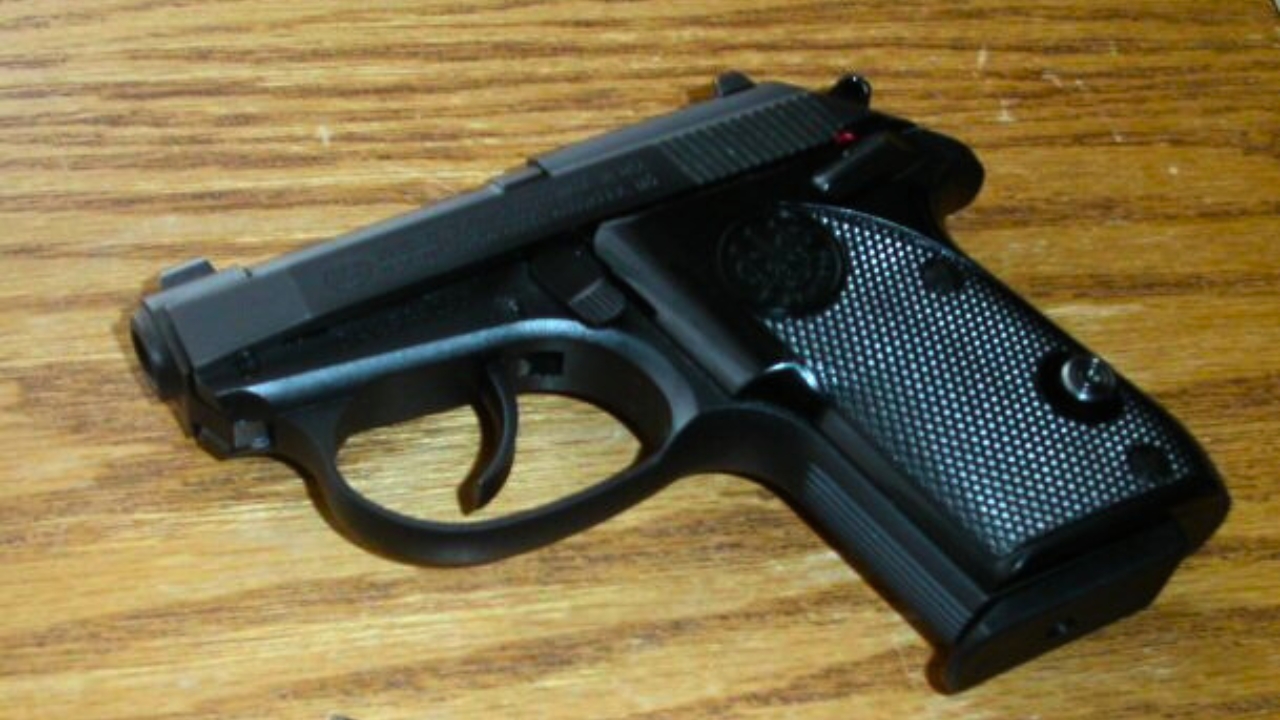
The Tomcat is tiny and convenient, but it’s also known for being ammo-sensitive and picky about cleanliness. It doesn’t like fouling, and it doesn’t like rough spots. The feed ramp, extractor claw, and slide rails need to be polished if you want it to run consistently.
Because the gun is so small, every little imperfection gets amplified. A little grime or a sharp edge can throw off the whole system. Keep it polished, and it behaves better. But it’s not a maintenance-free gun. You’ll need to stay on top of cleaning and inspect key areas often if you want it to stay reliable.
Remington R51

The R51 had a rocky launch, and a lot of that came down to reliability issues tied to rough internals. Even with Gen 2 models, shooters often report failures to feed or extract. A big part of the fix comes from polishing the feed ramp, chamber, and bolt contact points.
The locking system is unique and sensitive to drag, so any roughness throws off timing. If you own one, expect to do some polishing before it runs right—and keep up with it if you want it to stay consistent. It’s one of those guns that performs fine with effort but won’t tolerate neglect.
Springfield XD Sub-Compact (early models)

Early XD Sub-Compact pistols were solid, but the shorter slide and tight internals meant they needed extra care. Polishing the feed ramp and breech face helps reduce nosedives and slide drag, especially with hollow points.
As the gun breaks in, things get smoother, but skipping polish can lead to frustrating malfunctions early on. Once the internals are cleaned up and smoothed over, the pistol tends to behave. But out of the box, it may need more than just a basic wipe-down. If you’re running one of the earlier models, some polishing will likely save you a headache at the range.
IWI Jericho 941 (steel frame)

The steel-frame Jericho pistols are built like tanks, but the internals can be a little gritty out of the box. Polish the feed ramp and rails, and you’ll feel the difference. The trigger breaks cleaner, the slide glides instead of drags, and feeding improves.
They’re solid guns, but they reward attention to detail. If yours feels a little sluggish or rough, spend some time smoothing out the high-contact surfaces. The more you polish and shoot it, the better it feels. But don’t expect it to run its best until you do.
*This article was developed with AI-powered tools and has been carefully reviewed by our editors.