
Photo credit: Dmitri T/Shutterstock.com
On paper, upgrades sound great. Lighter triggers, modular rails, optics-ready slides, fancy finishes—who wouldn’t want all the bells and whistles? But if you’ve been around guns long enough, you know there’s a point where “upgraded” starts meaning overcomplicated, or worse, unreliable. More moving parts, more proprietary pieces, and more stuff to break doesn’t always make a better shooter.
Some of these guns looked promising in the catalog. They boasted all the right marketing terms, had the tactical crowd buzzing, and showed up at every trade show. But when you hit the range, the reality set in. They either fixed something that wasn’t broken or created problems that weren’t there to begin with.
This article isn’t about bashing progress. It’s about calling out firearms that prove newer isn’t always better. Whether it’s a Gen 2 that ruined a solid design or a modernized throwback that lost its soul, these are the guns that remind you to be careful what you wish for. Every “upgrade” comes with trade-offs, and some are far from worth it.
Glock 44
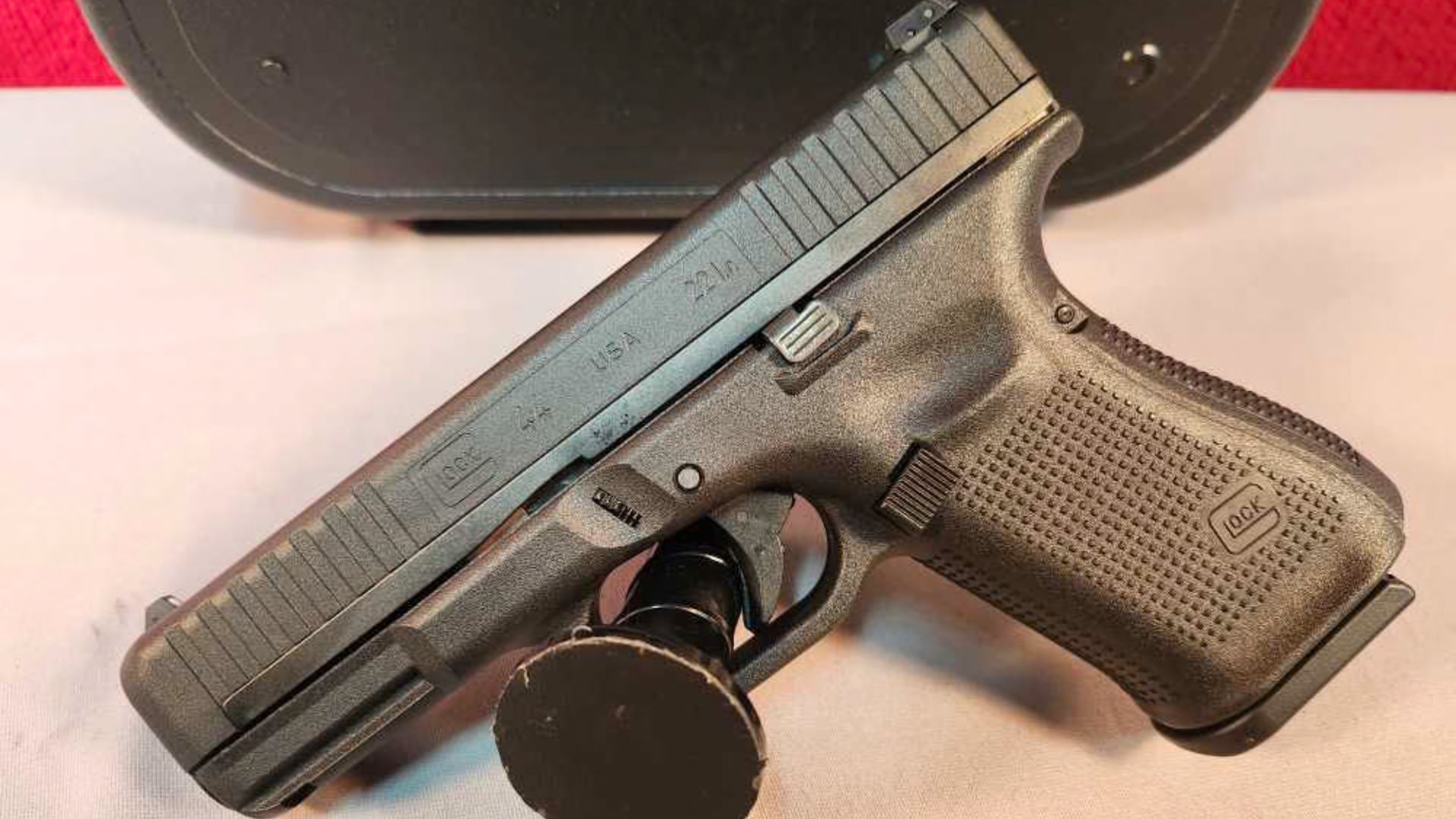
The Glock 44 was supposed to be the perfect trainer. A .22 LR Glock that looked and felt like a G19? It made a lot of sense—until you started shooting it. The lightweight hybrid slide helped with cycling low-velocity .22s, but it also made the gun feel more like a toy than a trainer. That might sound nitpicky, but the whole point was to replicate the centerfire Glock experience for cheap reps. It didn’t deliver.
Then came the reliability issues. It was picky with ammo, struggled with feeding, and had more malfunctions than you’d ever tolerate in a serious pistol. Glock fans expected typical Glock reliability, but this wasn’t that. Add to that the price—usually over $400—and it started to look less like a great deal and more like a questionable investment. If you really want to train on the cheap, there are better .22s, and if you want to train with a Glock, dry fire your real one. The G44 tried to fill a niche but ended up proving that not every idea needs to be executed.
Remington V3 Tactical
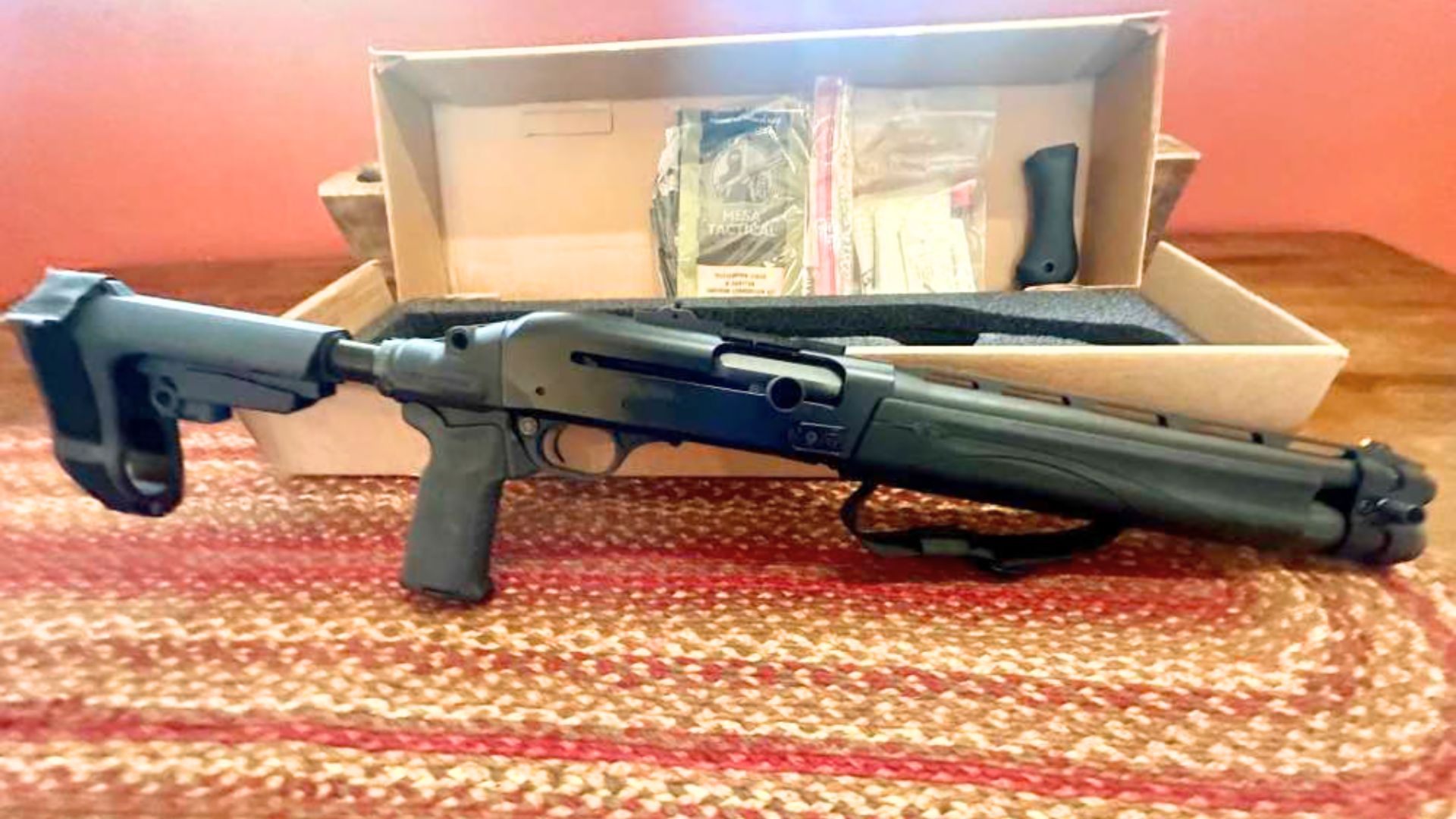
Remington’s V3 was built on the bones of a gas-driven field gun that worked. It was soft shooting, ran clean, and balanced well. Then came the tactical version, and that’s where things got weird. The V3 Tactical wasn’t awful, but it sure wasn’t the fighting shotgun it claimed to be. It had clunky controls, weird ergonomics, and the factory extension tube looked like an afterthought.
Even worse, the loading port was tight, the lifter didn’t play nice with gloves, and the entire gun felt like it was stuck between being a competition gun and a home-defense tool. Reliability was decent, but the cycling speed didn’t keep up with other shotguns in its class. Then the aftermarket dried up once Remington hit hard times, leaving you with few upgrade paths. For a gun that claimed to be ready out of the box, it really wasn’t. You’re better off with a Beretta 1301 or a tricked-out Mossberg 590. The V3 Tactical took a good field shotgun and complicated it in all the wrong ways.
Ruger SR1911 Officer
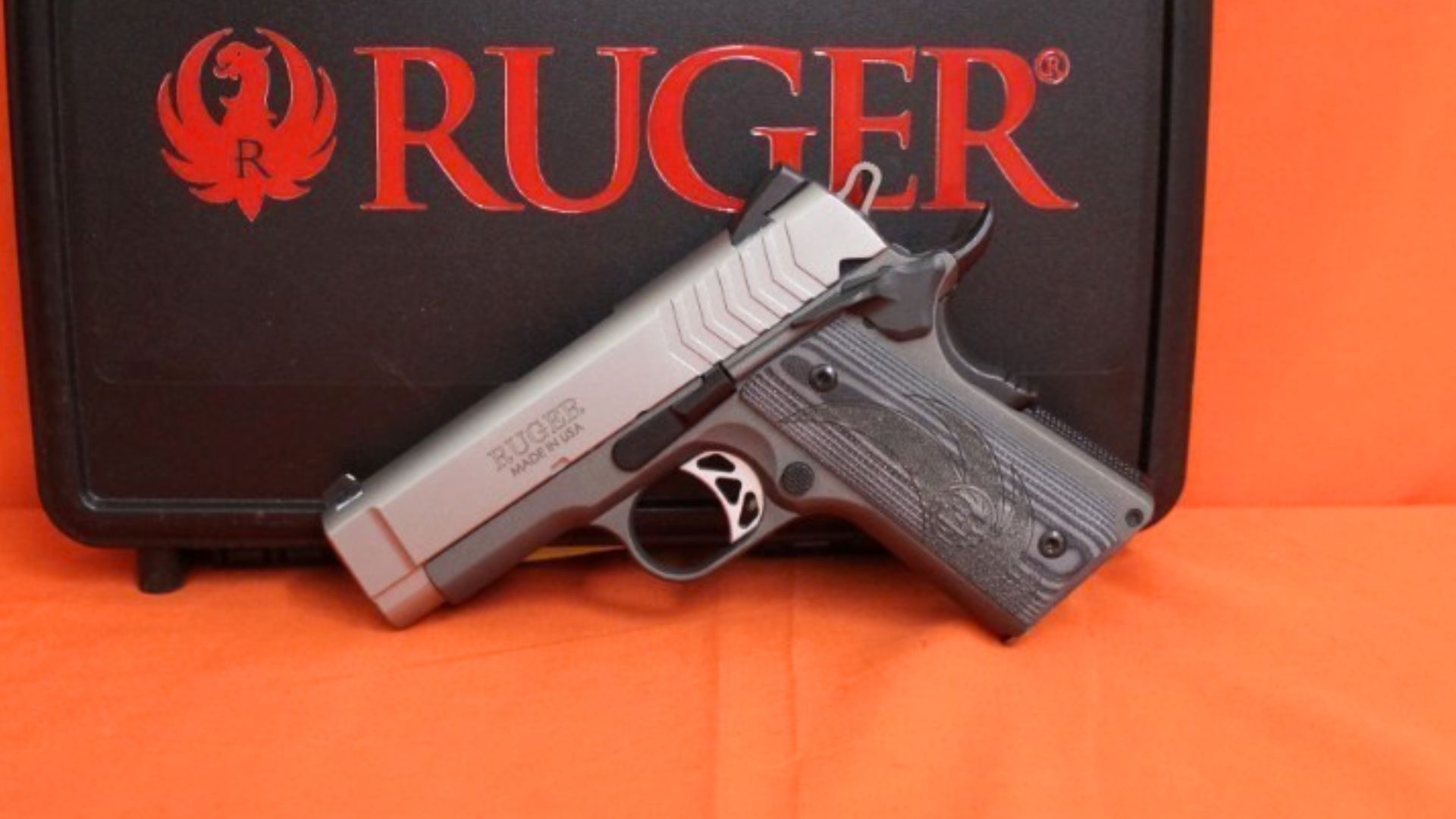
Ruger makes solid guns, and their full-size SR1911s are usually great for the money. But the Officer-size model turned out to be one of those downsizing jobs that lost too much in translation. The shorter slide and grip made it easier to carry, sure, but the reliability took a hit, especially with hollow points. Compact 1911s have always been finicky, and Ruger’s version proved no exception.
Then there’s the recoil. With a shortened slide and light frame, the snappiness became noticeable. That crisp trigger didn’t feel so crisp once you were managing all that snap in a smaller package. It also didn’t play well with extended shooting sessions—something a full-size 1911 handles with ease. Ruger tried to make a carry-friendly 1911, but like so many “Officer” models, the trade-offs in shootability and dependability outweigh the benefits. If you want a small 1911, be ready to spend on a tuned-up version, or skip the format altogether. The SR1911 Officer proves that not every 1911 needs to shrink.
Smith & Wesson M&P9 M2.0 Metal
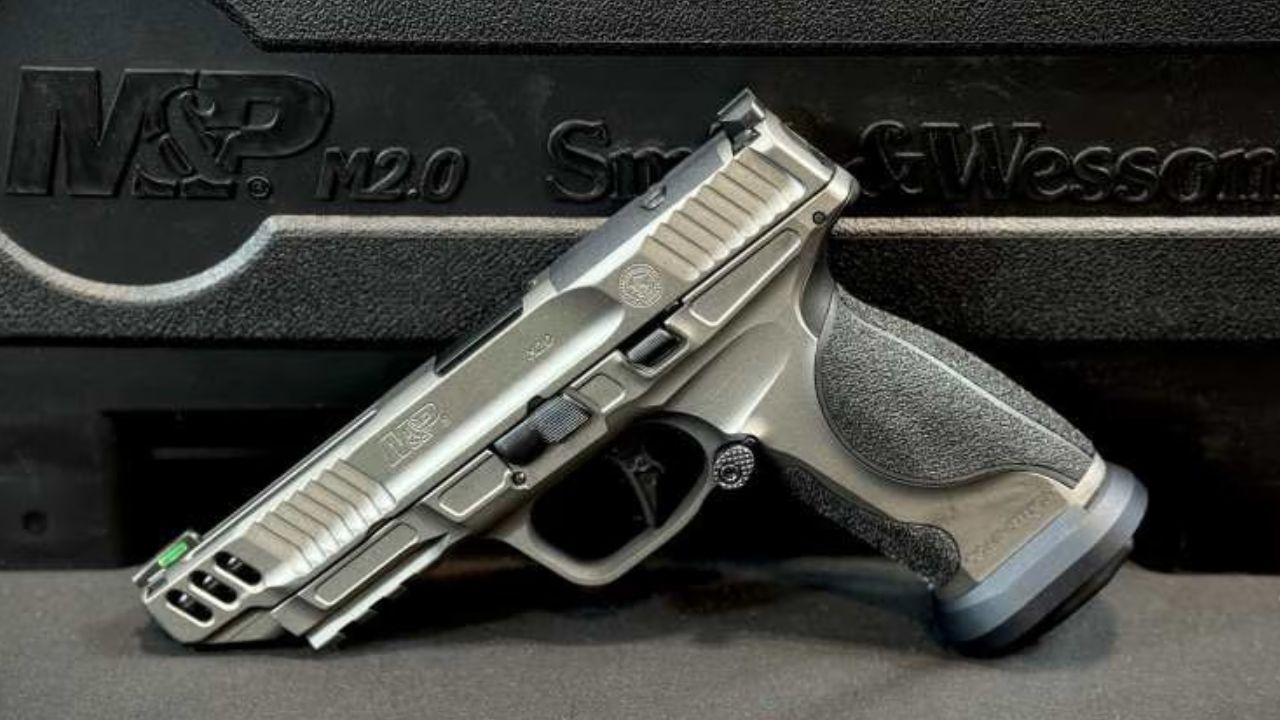
People had been begging for a metal-framed M&P for years, and S&W finally delivered. The M2.0 Metal has all the looks—CNC aluminum frame, upgraded feel, nice finish. But in real-world use, it didn’t exactly blow anyone away. It’s heavier, sure, but not heavy enough to radically change how it shoots. The price bump, though, was significant. And the trigger still felt like a standard M&P trigger.
Functionally, the gun didn’t bring much new to the table. Accuracy and reliability were on par with the polymer M2.0s, and holster compatibility started getting tricky with the slightly different dimensions. So now you’re paying more for a gun that doesn’t do much more—and in some cases, complicates your gear setup. It’s not a bad pistol, but it didn’t fix anything major. The M&P9 M2.0 Metal shows that slapping a metal frame on a polymer design doesn’t automatically make it better.
Beretta 92X RDO Full Size
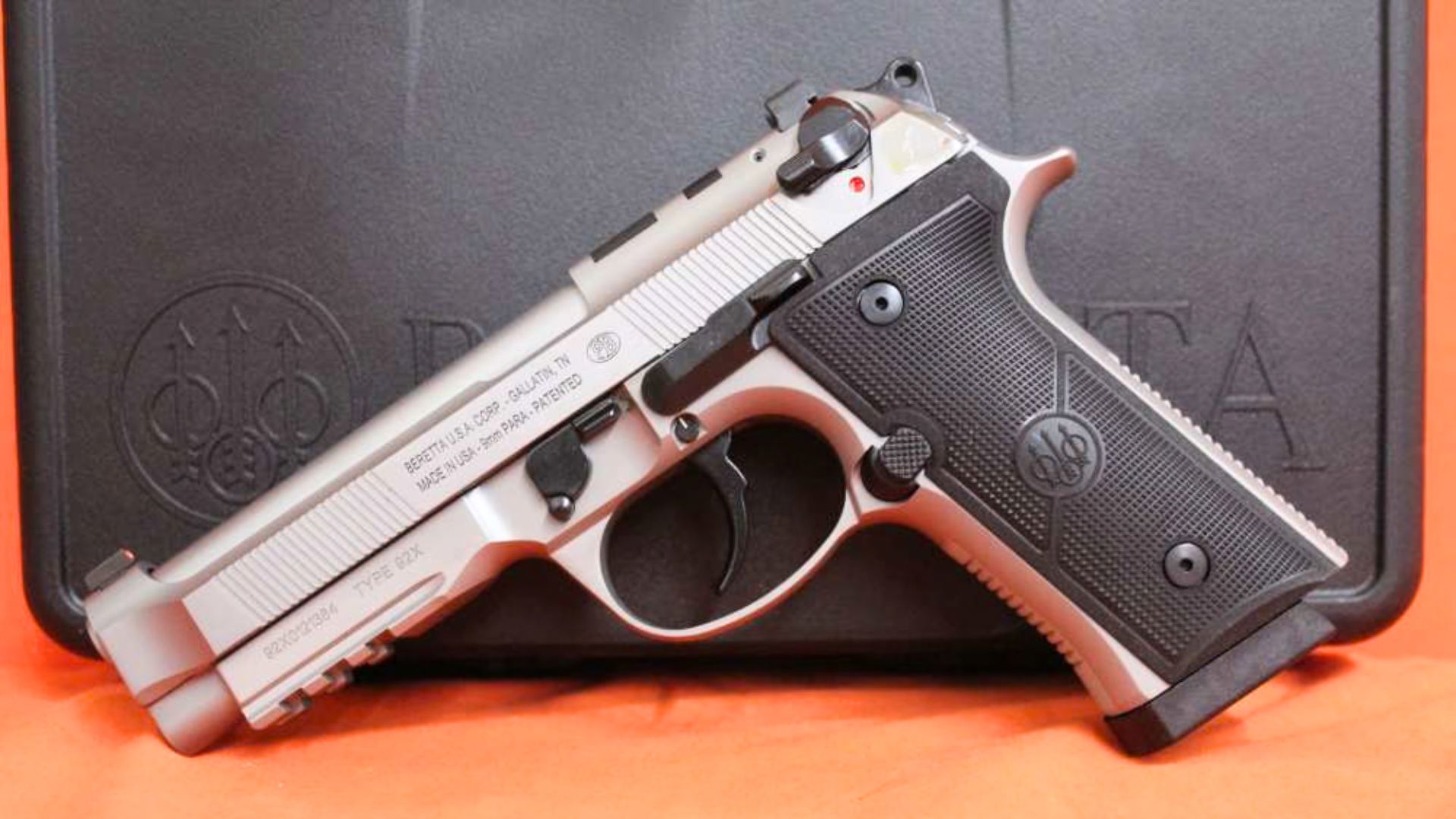
The 92X RDO looked like a smart evolution. Beretta finally brought red dot compatibility to the classic 92 platform, added a rail, improved grip texture, and changed the slide profile to a more G-style decocker-only setup. But once in hand, a few things didn’t feel quite right. The new grip shape is more vertical, and if you’re used to the classic 92 feel, it throws off your index. Then there’s the optic plate system—it’s overly complicated, with long screws and limited compatibility out of the box.
The weight didn’t change, and neither did the somewhat high bore axis. And if you liked the classic 92’s smooth lines, this one felt boxier and less refined. Plenty of shooters who loved the original found themselves missing that old-school balance. The upgrades were fine in theory, but they changed enough to alienate longtime users without doing enough to win over new ones. If you liked the 92FS, you might not like what the 92X RDO did to it.
Remington 870 Express Tactical
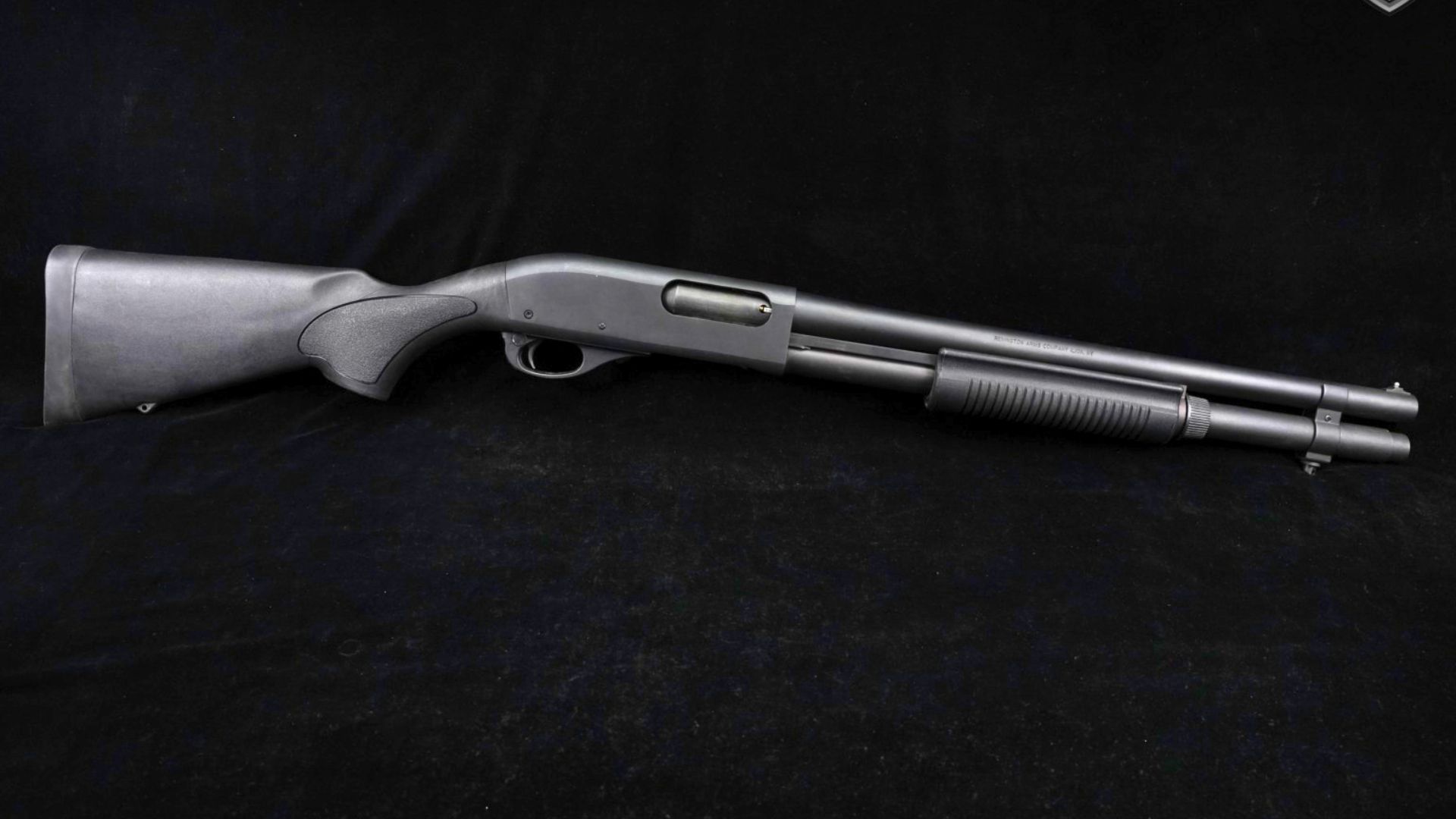
The Remington 870 used to be a no-brainer. But once the Tactical line started rolling out, things got shaky. That extended magazine tube and breacher muzzle looked aggressive, sure—but they didn’t always feed right, and some users found the newer extractors and MIM internals weren’t as solid as the old-school steel parts. The rough finish didn’t hold up well either.
Instead of making it tougher, the Tactical model ended up less reliable in real-world use. If you’re clearing rooms for a living, maybe it fits. But for home defense or field work, most folks find themselves reaching for a basic 870 Wingmaster or an older Express. The original formula worked for a reason. Trying to make it “tactical” only added weight, complexity, and reliability issues. Some upgrades are better left on paper.
FNX-45 Tactical with RDS

On paper, the FNX-45 Tactical checks a lot of boxes—threaded barrel, optics-ready slide, and 15-round .45 ACP magazines. But once you start adding optics and suppressors, the gun gets unwieldy in a hurry. That tall slide combined with a big red dot throws off the balance and makes the thing feel like a boat anchor on your hip.
Plenty of shooters who picked one up for the bells and whistles ended up going back to a lighter, simpler setup. The double-action/single-action trigger doesn’t always play well with the red dot either. You’re managing trigger transitions, dot tracking, and slide height all at once. The idea of putting everything on one pistol sounds great—until you shoot it fast under pressure. Sometimes, simpler really is smoother.
SIG P320 with X-Series Grip Modules
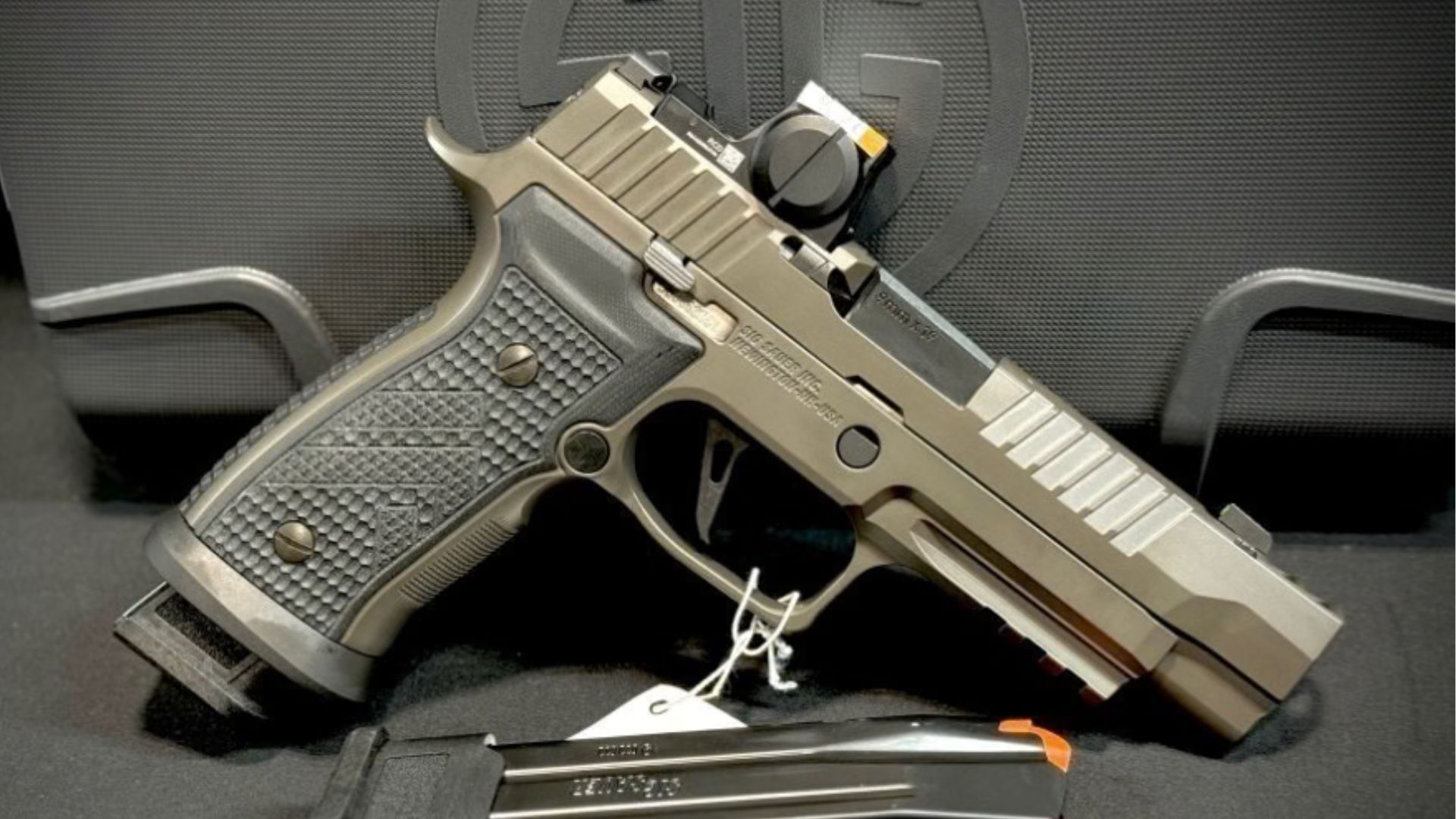
SIG’s P320 was meant to be modular—and it is. But the newer X-Series grip modules, while popular, don’t always feel like an upgrade. They change the angle, weight distribution, and texture enough to throw off folks who got used to the standard grip. For a gun that’s supposed to be consistent across setups, that’s a problem.
Add to that the fact that some of the extended mag wells or tungsten-infused grips make holster fitment and draw angles trickier. Sure, you might get more control in a match setting, but for everyday carry or duty use, you’re trading familiarity for feel. Plenty of folks go back to the vanilla frame after trying the upgrades. It’s a reminder that just because you can change something doesn’t mean you should.
Ruger Precision Rifle Gen 3
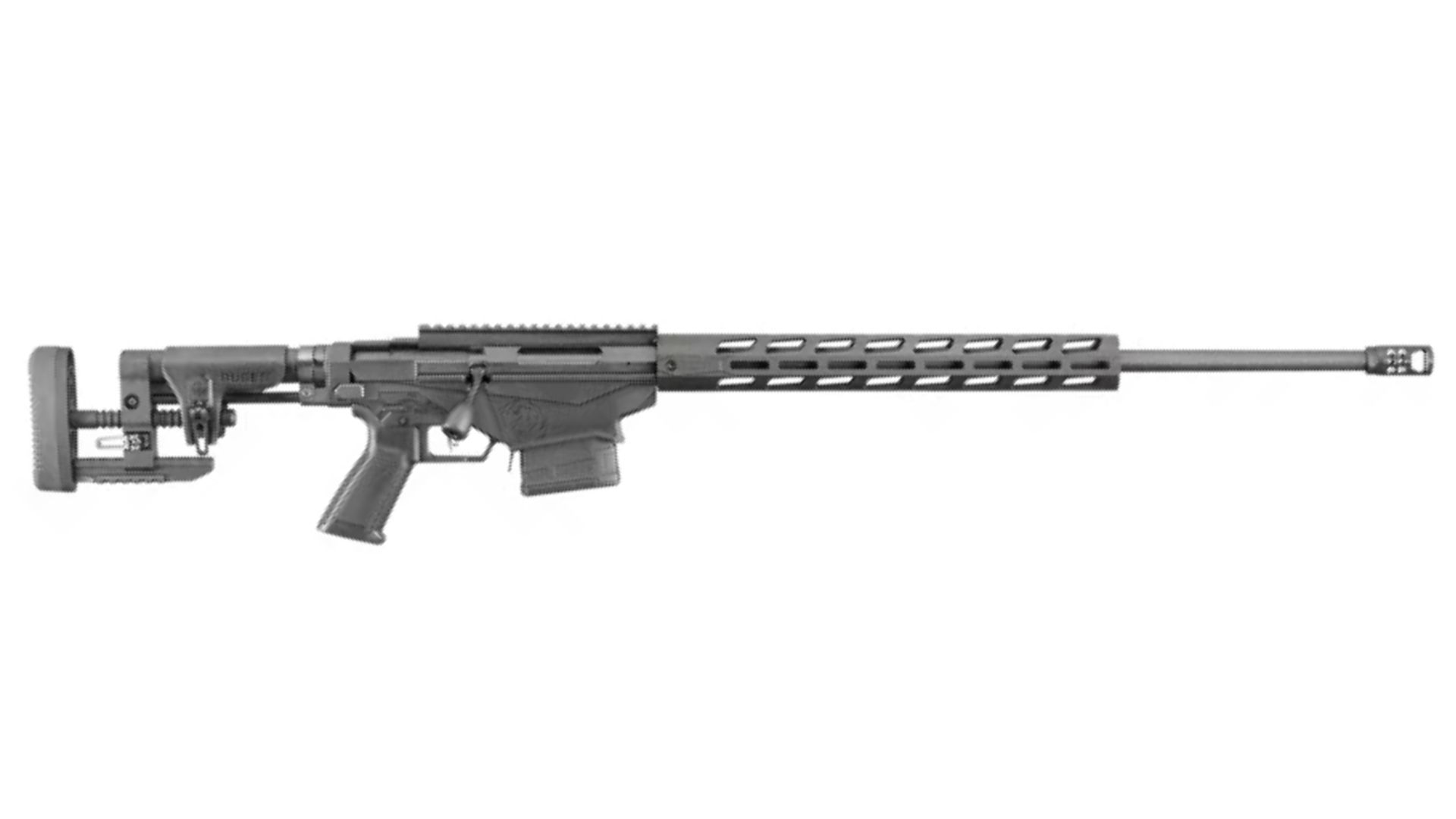
The Ruger Precision Rifle changed the game when it launched. But by the third generation, not all the tweaks landed well. The newer handguard felt bulkier, the stock got more finicky, and the overall weight kept creeping up. For a gun that used to feel agile and adjustable, the Gen 3 version feels a little overbuilt.
The folding stock mechanism—while cool—can introduce wobble. The adjustable parts are more complicated than most folks need, and the updated grip feels like an afterthought. A lot of long-range shooters actually preferred the older, simpler models for consistent cheek welds and ease of use. The Gen 3 isn’t bad—but in trying to be “better,” it lost some of what made it shine in the first place.
KelTec Sub2000 Gen 2

The Sub2000 has always been a quirky little carbine with a cult following. When the Gen 2 came out, it looked like an improvement—more rails, more compatibility, more “modern” touches. But many found the ergonomics took a hit. The sharp edges on the handguard, stiffer locking latch, and added bulk didn’t always translate into better performance.
The original was simple, light, and easy to stash. The Gen 2 turned it into something less pleasant to shoot for extended periods. Even with aftermarket upgrades, you’re fighting design quirks that weren’t fully solved by the refresh. Sometimes, streamlining beats accessorizing. The Gen 2 tried to do more and ended up compromising the little things that made the Sub2000 useful.
Springfield Armory XD-M Elite

The XD-M line was already pushing the size limits for a carry gun. The Elite models took it further—longer slides, flared magwells, enhanced triggers. Sounds good on paper. But in the hand, many shooters found them bulky, top-heavy, and hard to manage for anything outside of competition use.
The “Match Enhanced Trigger Assembly” has a strange wall and break compared to other striker-fired pistols. The grip safety remains divisive. And the slide serrations look aggressive but don’t necessarily improve manipulation. Springfield tried to push the XD platform into premium territory, but most shooters still grab a Glock, SIG, or Walther when they want a high-performance polymer gun. Sometimes, the upgrade path leads to a dead end.
CZ Scorpion EVO 3 S1 Pistol
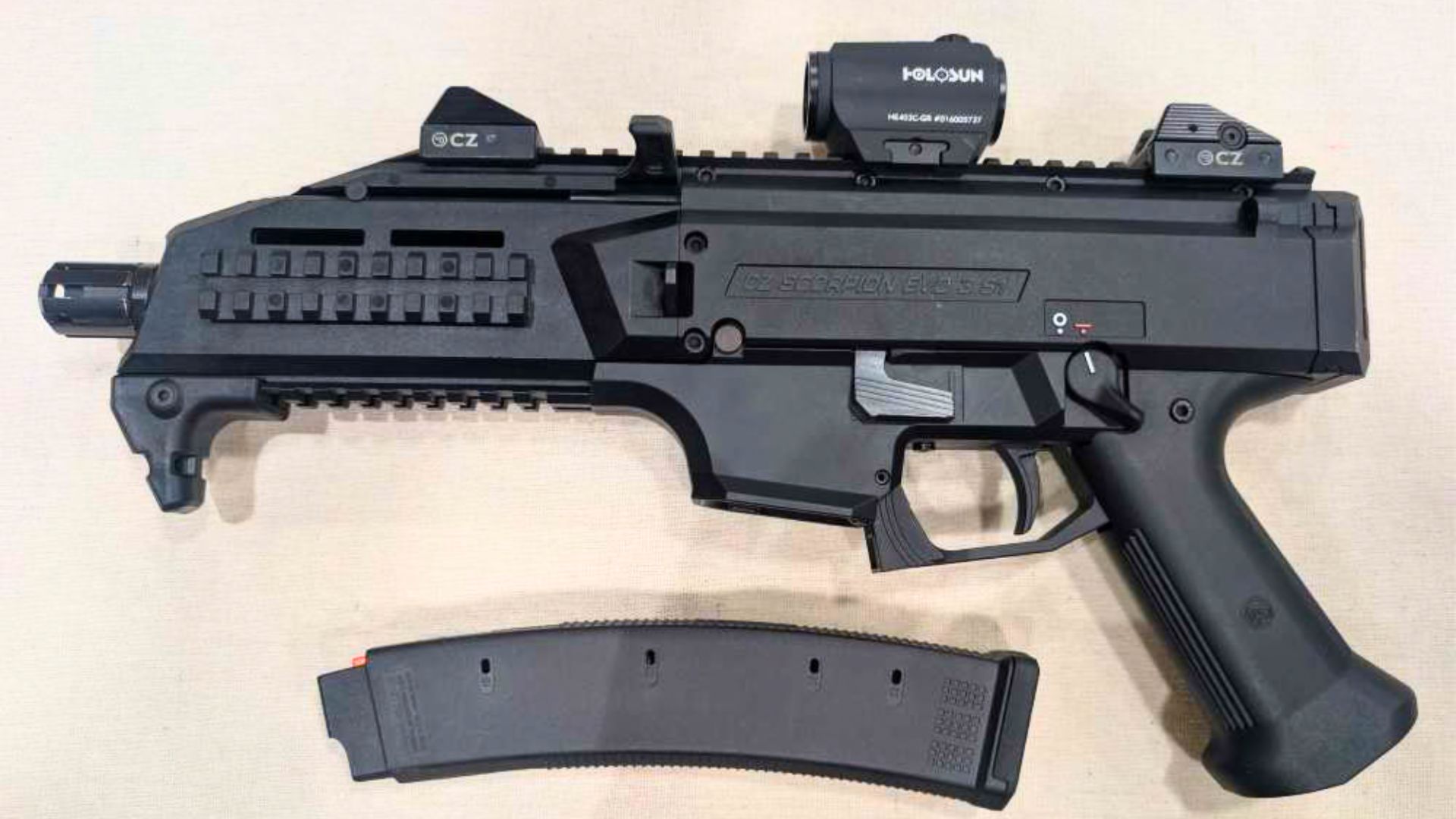
The CZ Scorpion pistol version was hyped as a go-to PDW. Then came brace options, extended controls, and aftermarket triggers. Trouble is, those additions can introduce new problems. Some braces flex or interfere with the charging handle. Ambi safety levers dig into your hand. And the upgraded triggers aren’t always drop-safe without extra care.
What was once a simple, reliable 9mm platform turns into a parts-bin experiment if you’re not careful. It’s easy to spend more than the gun’s worth trying to make it something it’s not. Plenty of owners end up stripping it back down or replacing it entirely. The core gun wasn’t broken—but the upgrades sure made it harder to live with.
HK VP9 Optics-Ready Models

The VP9 is one of HK’s better polymer pistols—great trigger, excellent ergonomics. Then came the optics-ready versions, and with them, a whole new set of headaches. The mounting system isn’t universal, and the plates are expensive and often hard to find. Combine that with a slide that’s already a bit chunky, and you start running into balance and draw issues.
The raised sights can be distracting for some shooters. And that clean sight picture HK was known for? It gets cluttered fast. While red dots are all the rage, not every pistol benefits from one. Some VP9 owners find the optic-ready version more trouble than it’s worth—and end up going back to irons. Sometimes, the “modern” version just muddies what was already working well.
Beretta M9A3

The M9A3 looked like the fix to everything folks didn’t like about the original M9. Threaded barrel, rail, slimmer grip, better sights—it was packed with upgrades. But not all of them paid off. The frame changes meant some holsters stopped working. The taller sights could snag. And the decocker-only setup threw off shooters used to the standard safety.
For all its improvements, the M9A3 feels like a different pistol. Some found the slide more top-heavy. Others didn’t like the changes to the grip texture or trigger pull. You expect refinement—but what you get is a pistol that feels like it’s trying to compete with modern designs while dragging a 1980s blueprint behind it. You don’t always get progress with parts swaps.
S&W M&P Shield Plus Performance Center
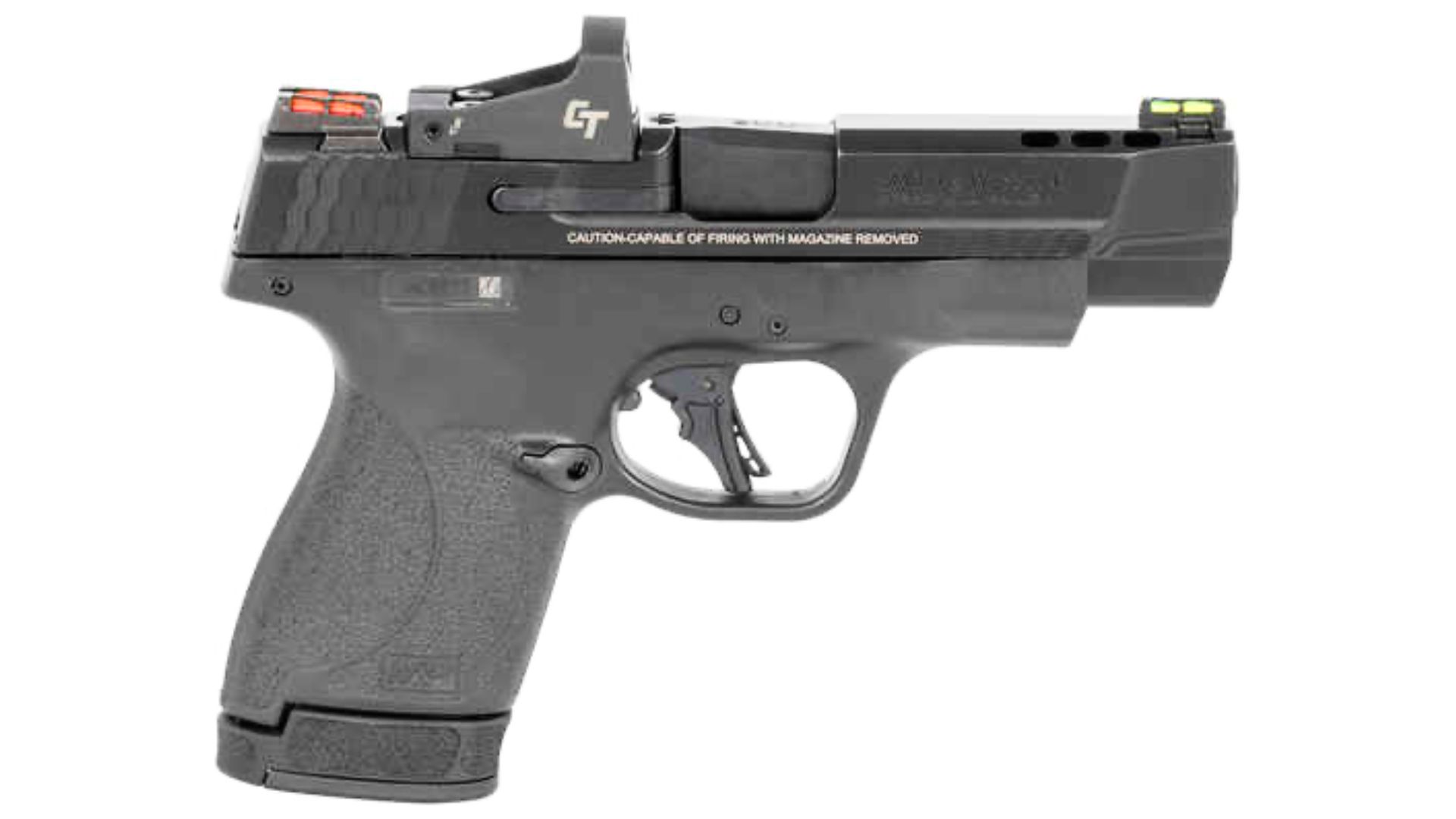
The Shield Plus brought welcome upgrades to S&W’s single-stack favorite. But the Performance Center version crammed in ported barrels, enhanced triggers, and slide cuts that not everyone asked for. Those ports might reduce muzzle flip, but they also blow gas upward—bad news if you’re shooting from retention or in low light.
Some shooters report reliability hiccups with certain loads, especially in the fancier models. And while the red-dot ready option sounds nice, it adds cost and complexity to what was once a dead-simple carry gun. The original Shield was all about balance and reliability. The newer Performance Center variants try to be everything at once—and for many users, they’re just harder to trust.
Like The Avid Outdoorsman’s content? Be sure to follow us.
Here’s more from us:


