Photo credit: Freeograph/Shutterstock.com
Hunters love arguing about calibers that never actually see the light of day in the field. You hear these rounds hyped in camp, debated online, and tossed around at gun counters like they’re the cure for every hunting problem. But when it comes time to buy ammunition, sight in a rifle, and head into the woods, most folks stick with what works.
A caliber can spark endless debate without ever earning real trust. These are the rounds hunters talk circles around—yet somehow never choose when the season opens and the stakes get real.
.257 Weatherby Magnum
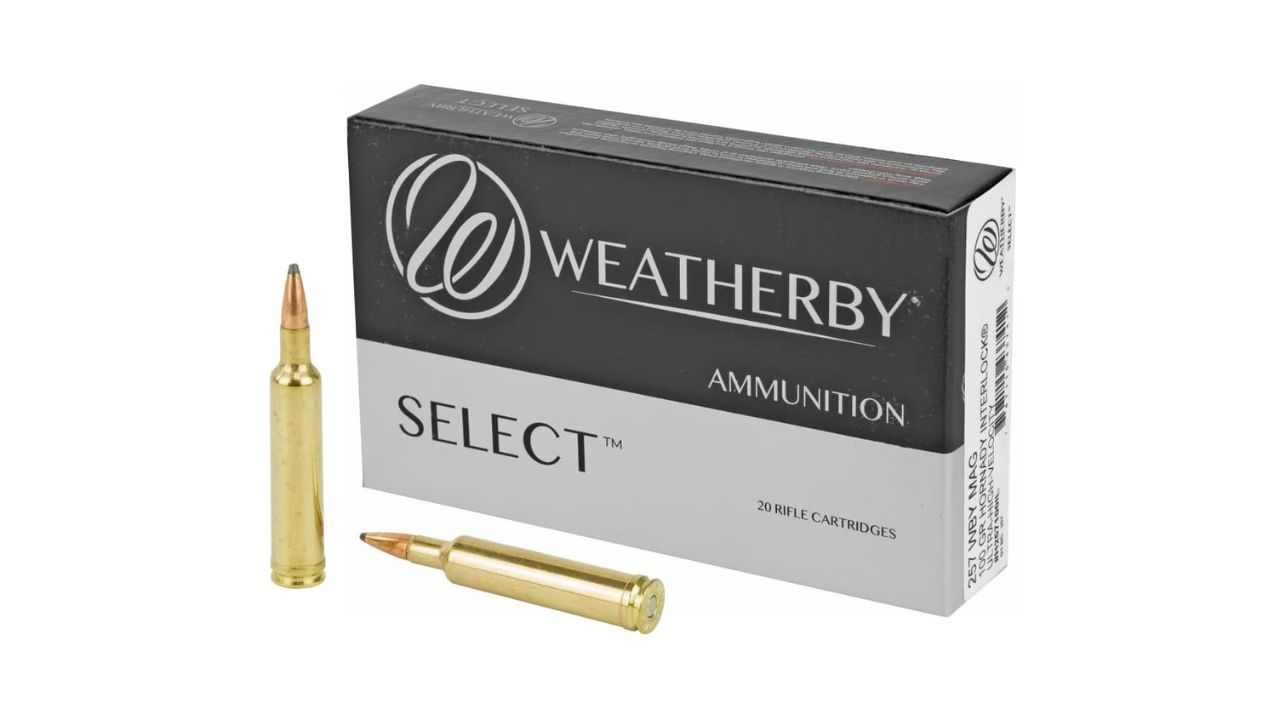
The .257 Weatherby Magnum is one of the most polarizing rounds in deer and antelope camp. Hunters praise its flat trajectory and speed, but the conversation ends quickly when you mention barrel life or price. The round is scorching fast, and that heat comes with accelerated wear and inconsistent performance from budget barrels.
Ammunition cost and availability also keep most hunters away. When you’re choosing a round for real hunts, you want to practice often and stay consistent. The .257 Weatherby demands a commitment most shooters skip, which is why you hear about it far more than you ever see it in the field.
.264 Winchester Magnum

The .264 Winchester Magnum has been debated for decades, mostly because it arrived early and faded quickly. Hunters who love ballistics charts point to its impressive velocity and sleek bullets. But once you take brass availability, recoil, and barrel life into account, interest drops fast.
The biggest issue is practical performance. While it can shoot flat, load selection is limited, and rifles chambered for it aren’t common. Hunters like the idea of a fast 6.5, but they usually grab a .270, 6.5 Creedmoor, or .308 when it’s time to head out. So the debate lives on, but field use rarely follows.
.280 Ackley Improved

The .280 Ackley Improved creates heated debates without winning the popularity contest. It performs well on game, but the logistical hurdles keep it sidelined for most hunters. Factory ammo isn’t always easy to find, and the price tag makes practice expensive. That alone pushes new hunters toward more accessible rounds.
The other issue is redundancy. Many shooters already own rifles in .270 Winchester or .30-06, and upgrading to something that only marginally improves performance doesn’t feel necessary. So the .280 AI becomes a round hunters admire on paper but leave sitting on the shelf when making real-world decisions.
.35 Whelen

Talk to older hunters and you’ll hear endless praise for the .35 Whelen. It’s powerful, proven, and effective on big game. Yet despite all that enthusiasm, it’s rarely chosen for modern hunts. The reason is simple: ammunition options are limited, and recoil isn’t mild for newer shooters.
Most hunters today lean toward cartridges with wider factory support and better bullet availability. Even though the .35 Whelen still holds its own, the practical side of owning one keeps it in conversation but out of most rifle racks.
.300 Remington Ultra Magnum

The .300 RUM impresses anyone who looks at pure velocity numbers, and that’s usually where the conversation starts—and ends. Hunters love discussing its power, but when you bring up recoil, ammo prices, or rifle weight, interest evaporates.
It’s more power than most people need, and shooting it well requires commitment. Fewer hunters want to spend their weekends absorbing heavy recoil while burning through expensive ammo. So while the .300 RUM shows up in camp talk, few hunters choose to carry one through a long season.
.220 Swift
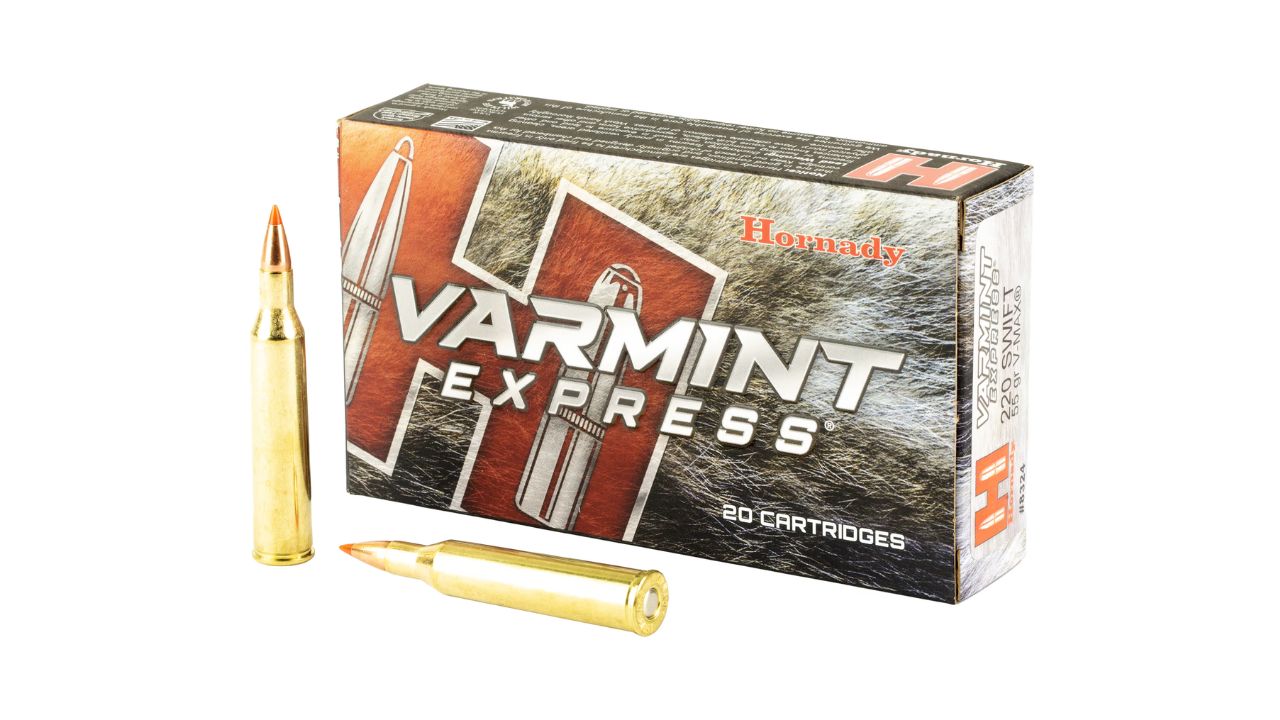
The .220 Swift still inspires debate among varmint hunters. Its speed and accuracy are legendary, but barrel wear and picky load development give many shooters pause. With modern .22 centerfires offering great performance without the Swift’s baggage, the round’s real-world use has dwindled.
It remains a favorite topic because of its history and velocity records, not because it’s the go-to choice today. When it’s time to buy a practical predator rifle, most hunters walk out with a .223 or .22-250 instead.
.30-378 Weatherby Magnum

The .30-378 Weatherby Magnum is a powerhouse, but it’s also one of the most impractical cartridges you’ll encounter. Hunters love debating its performance at extreme distances, but almost no one is willing to deal with the recoil, barrel heat, and cost associated with it.
The truth is simple: it’s too much rifle for typical hunting ranges. Most hunters eventually realize they don’t want to carry a rifle that heavy or invest in ammunition that expensive. So the cartridge stays popular in camp arguments while staying rare in the field.
.338 Federal

The .338 Federal seems like it should have taken off. It offers solid energy in a compact package, and it works well in shorter barrels. But ammunition availability has always been inconsistent, and that alone keeps hunters from committing.
Many shooters also hesitate because it sits in an odd space between popular deer cartridges and heavier elk rounds. It’s capable, but it doesn’t clearly outshine the options already in most gun safes. That’s why you hear people defend it passionately but almost never see it used.
.25-06 Remington

The .25-06 Remington is one of those cartridges hunters talk about every season. It’s fast, accurate, and effective. But it doesn’t get chosen often anymore because newer rounds like the 6.5 Creedmoor and .243 Winchester cover most of the same use cases with far broader ammo availability.
For many hunters, owning a .25-06 feels redundant. It’s a good cartridge, but the practical reasons to pick one over more common options aren’t strong enough. So it stays a topic of admiration—not selection.
7mm Remington Ultra Magnum
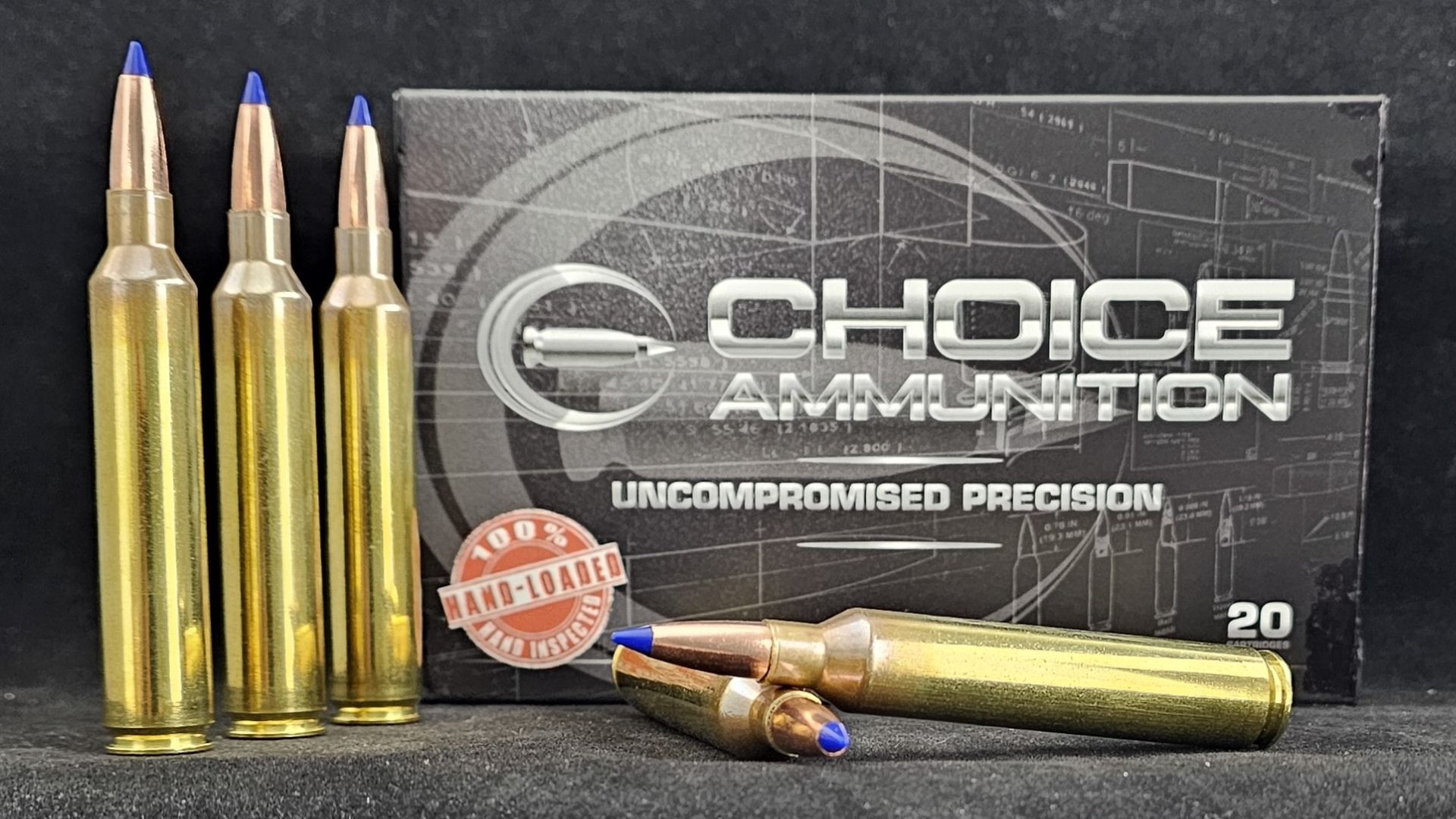
The 7mm RUM has all the ballistic power you could ever ask for, but most hunters don’t want to handle the recoil or expense. It burns powder aggressively, wears barrels quickly, and requires careful load selection to shine.
Hunters who love long-range performance talk about it often, but when they’re grabbing a rifle for elk or mule deer, they usually reach for something more manageable. That’s why the 7mm RUM stays a favorite in debates but rarely makes it to the trailhead.
.264 Remington Hunter (Short-Lived Release)
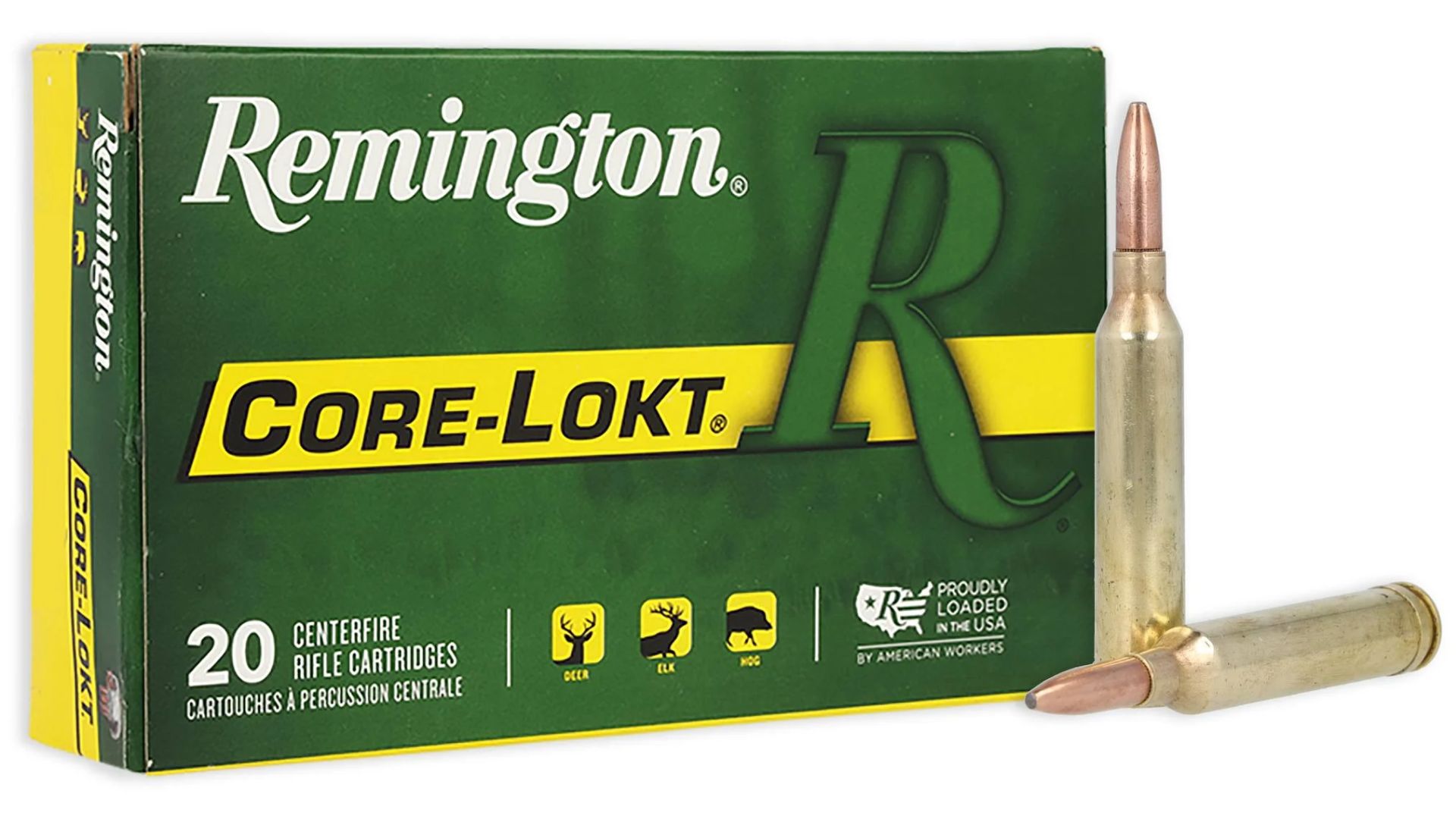
The short-lived .264 Rem Hunter cartridge sparked brief interest because it filled a theoretical niche. But ammo availability never materialized, and rifles chambered for it were limited. That alone doomed it for real-world use.
Hunters still bring it up when discussing obscure rounds or “what could’ve been,” but nobody chooses it when buying a reliable hunting rifle. It’s a cartridge better suited for arguments than actual hunts.
.416 Rigby
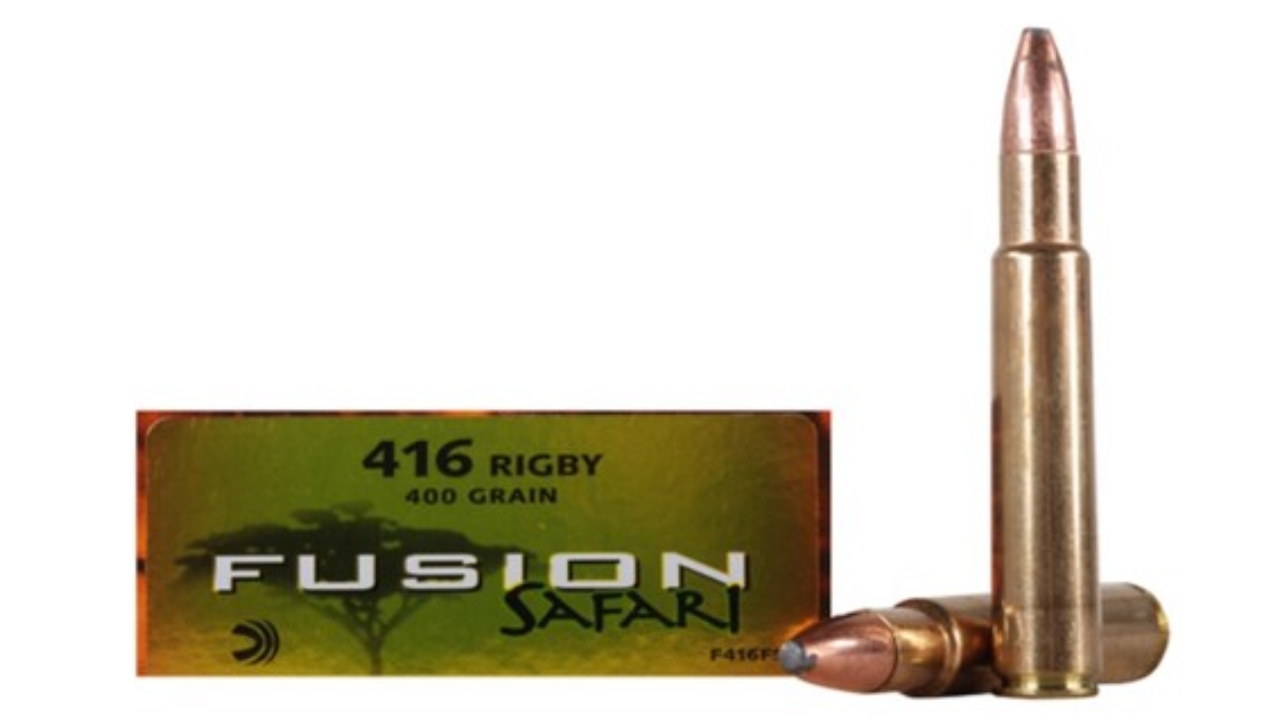
The .416 Rigby is a cartridge hunters love to name-drop because of its history, power, and connection to dangerous-game hunting. But very few people actually buy or hunt with one today. It’s expensive to shoot, requires heavy rifles, and is far more cartridge than North American hunting demands.
It stays relevant because it’s iconic, not because it’s practical. Hunters debate it for the fun of it, then grab their .308 or .30-06 when it’s time to hit the woods.
.257 Roberts +P

The .257 Roberts has a loyal following, and its +P version sparks even more debate among handloaders. But factory ammo options are limited, and finding a rifle chambered for it isn’t easy. A round may be capable, but without accessible ammunition, hunters rarely commit.
It finds its way into countless conversations each season, yet very few hunters actually carry it. Nostalgia drives the debate more than practicality.
6.8 Remington SPC

The 6.8 SPC always gets discussed as a middle ground between .223 and larger hunting rounds. But when hunters start comparing real-world performance, ammunition cost, and rifle availability, the interest fades.
The round never fully delivered on its early promise, especially with modern .223 loads and the rise of 6.5 Grendel. Hunters still argue its merits online, but most skip it when choosing a practical caliber for deer or hogs.
.300 H&H Magnum

The .300 H&H has history, elegance, and plenty of hunting success behind it. But those qualities don’t translate to modern use. Rifles are scarce, ammo is specialized, and newer .30-caliber magnums outshine it in cost and convenience.
Hunters still bring it up out of respect for its legacy, but very few choose it for today’s seasons. It’s a caliber that belongs to conversations more than rifle racks.
Like The Avid Outdoorsman’s content? Subscribe to our newsletter so you never miss an article.
Here’s more from us: