
Photo credit: Olde English Outfitters/YouTube
Some guns look solid at first glance—decent price, good ergonomics, and decent accuracy on the range. But after a little hard use, problems start showing up. One of the biggest letdowns is when internal parts, especially plastic pins, just don’t hold up. A few hundred rounds in and suddenly things crack, shift, or fall apart. These guns tend to lure people in with good first impressions, but those plastic internals can turn a reliable shooter into a frustrating mess fast. Here are fifteen that commonly run into this problem.
KelTec Sub2000

The KelTec Sub2000 folds up nicely and handles well, but it doesn’t take long before the plastic pins become a problem. They’re known to shear or wallow out with regular shooting, especially under rapid fire. The rifle is lightweight, but it sacrifices durability where it counts. People like the folding design, but reliability takes a big hit once those pins start loosening or breaking. It’s a fun gun—but not something you want to trust for hard use.
Ruger SR22

The Ruger SR22 feels great in the hand and shoots smoothly—until the internals start wearing. The takedown assembly uses small plastic parts and pins that have been known to shear after extended use. Frequent range time can lead to loose frames or jamming issues as things shift around. While it’s easy to shoot and reliable at first, long-term durability suffers, especially if you run thousands of rounds through it. Many owners end up dealing with premature failures.
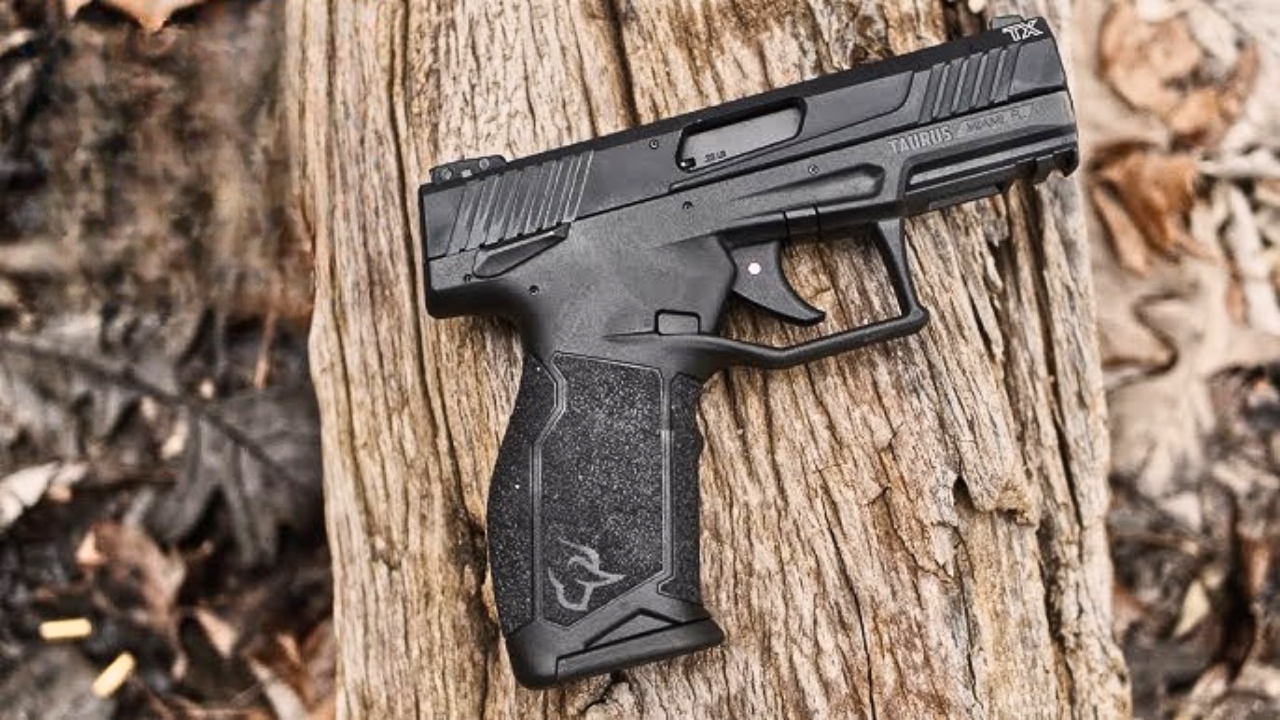
Taurus TX22

The Taurus TX22 is a solid-shooting .22 with a great trigger, but it’s held back by weak plastic internals. Owners have reported cracked frames and sheared pins after extended use, especially around the rear slide assembly. The pistol feels great when new and cycles reliably with various ammo, but the plastic components just don’t hold up well with heavy range use. It’s a budget-friendly pistol, but those savings sometimes show up sooner than expected.
Beretta APX Carry

The Beretta APX Carry offers a clean trigger and nice ergonomics, but the internals rely on a fair amount of polymer. Pins and frame rails have shown signs of wear earlier than expected, especially in higher round count guns. It shoots soft for its size, but the long-term durability just doesn’t compare to other options. The gun’s slim size makes it appealing for concealed carry, but extended range time has a tendency to expose the weak points quickly.
Glock 44

The Glock 44 promised to be a rimfire practice option for Glock fans, but it came with its share of issues. One common complaint involves the plastic slide and internal parts that wear out prematurely. Some users report pins shearing or cracking with regular use, especially when running hotter .22LR loads. While it mirrors the feel of a Glock 19, it doesn’t quite hold up when you put it through regular, high-volume shooting sessions.
SCCY CPX Series

SCCY pistols draw attention for their price point, but many shooters have experienced problems with frame pins shifting or shearing. After moderate use, it’s common to see excessive play in the frame and slide assembly. The internals use a lot of plastic, and under pressure, they tend to wear unevenly. It’s fine for occasional range trips, but extended use brings out some frustrating mechanical issues that remind you why it’s priced where it is.
Walther P22

The Walther P22 is lightweight and fun to shoot, but it’s built with a lot of plastic where it shouldn’t be. Barrel sleeves and frame pins are known to shear or shift out of place after extended use. People love it as a beginner-friendly option, but high round counts tend to break down the internals faster than expected. It’s a great little plinker for casual use, but definitely not built for heavy, sustained shooting.
Remington R51

The Remington R51 is already known for its rocky rollout, but internal durability is another weak point. The gun uses polymer inserts and plastic components that have been known to break down quickly, especially with defensive loads. Early adopters reported frame cracking and pins shearing within the first few hundred rounds. Even after revisions, the R51 continues to struggle with parts durability under real shooting conditions.
SIG Sauer Mosquito

The SIG Mosquito promised SIG ergonomics in a .22 package, but plastic internals didn’t hold up. It’s known for inconsistent reliability, but part of the problem comes from internal components breaking down quickly. Frame inserts and small plastic pins tend to shear, especially with regular use. It’s a great trainer in theory, but in practice, the plastic pieces make it prone to jamming and inconsistent accuracy after extended range time.
Smith & Wesson M&P22 Compact
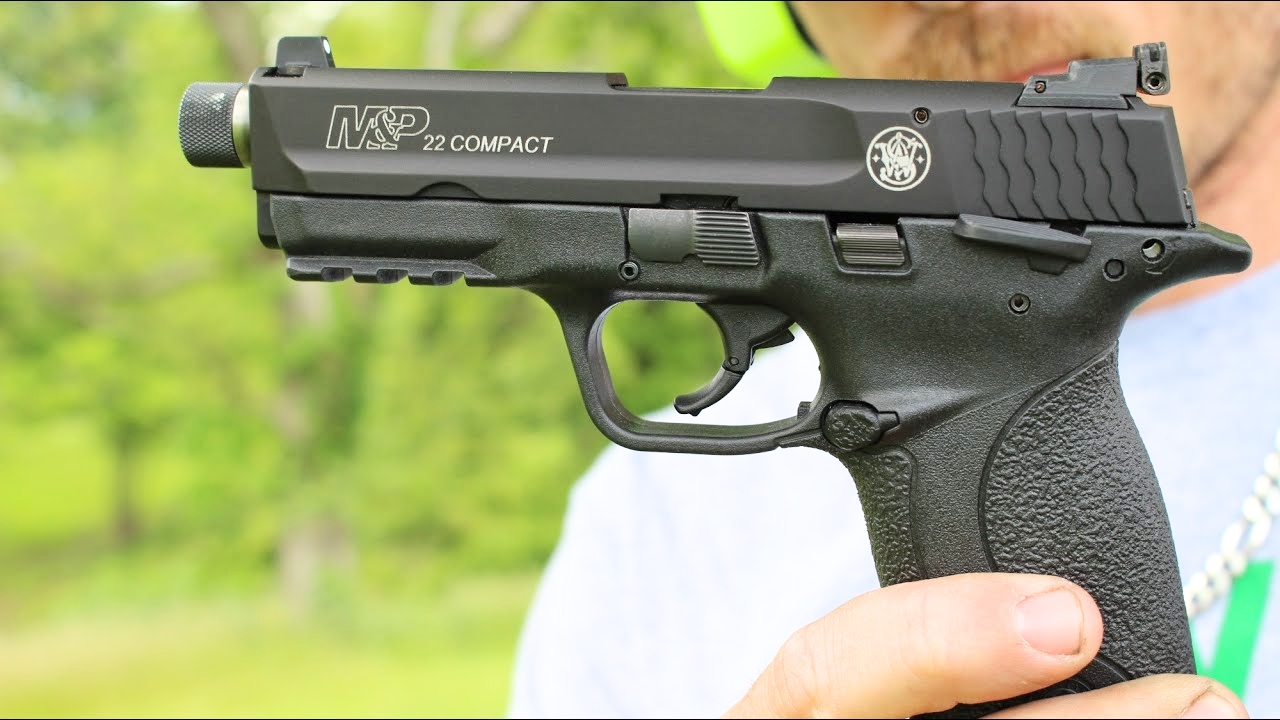
The M&P22 Compact is a fun trainer that mimics the feel of a service pistol, but it leans heavily on polymer internals. Many owners have reported takedown pins and slide stop components wearing or cracking over time. It shoots well when new, but after several thousand rounds, the wear on the plastic parts starts to show. It’s easy to maintain and fun to shoot, but the internals can’t quite keep up with high-volume shooters.
ATI GSG Firefly

The GSG Firefly (formerly SIG Mosquito) comes with a lot of the same problems as its predecessor. Plastic frame parts and guide rods are known to crack or shear after enough rounds. It looks and feels solid at first, but reliability often dips as internal wear builds up. Many owners report needing to replace small parts well before hitting high round counts. It’s fun when new but struggles to keep up in the long term.
Charter Arms Pitbull

The Charter Arms Pitbull offers a unique revolver design for semi-auto cartridges, but the internal parts haven’t proven especially durable. Plastic recoil components and retention parts are known to wear or fail after moderate use. While it’s a fun concept, many shooters report durability issues well before hitting a thousand rounds. The unique design doesn’t quite make up for the early failures tied to its less robust internal materials.
Rossi RS22

The Rossi RS22 offers a very affordable semi-auto .22 rifle, but it uses plenty of plastic where you wouldn’t expect it. Trigger group components and receiver parts have been known to shear or crack after steady use. For casual plinking, it holds up fine, but anyone pushing higher round counts often runs into premature wear. It’s light, handy, and accurate at first—but heavy range use quickly shows the limits of its build quality.
Heritage Rough Rider Rimfire Revolver

The Heritage Rough Rider is well-liked for its price point, but it’s not immune to issues with plastic internals. The cylinder pin retention system and some small trigger group parts use plastic components that can shear under stress. While it’s affordable and simple to run, many shooters report needing replacements after extended plinking sessions. It’s a fun range toy but not something built for abuse or high round counts.
Chiappa M9-22
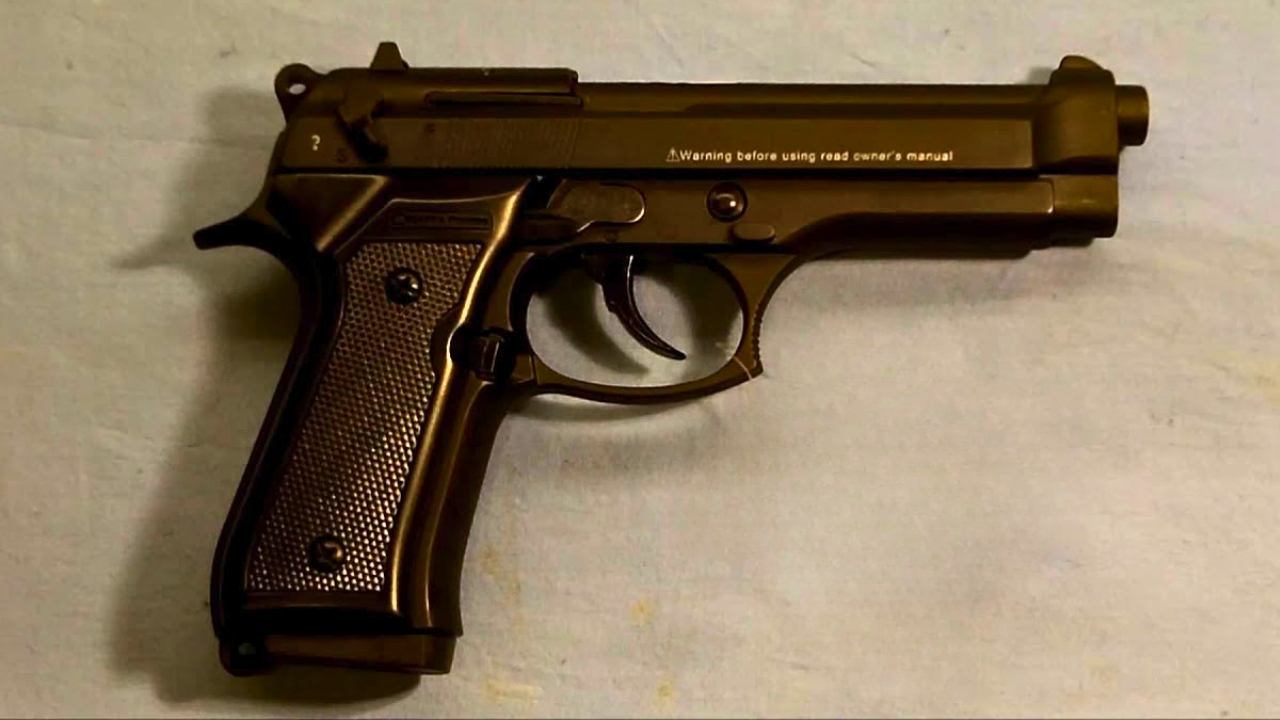
The Chiappa M9-22 copies the Beretta 92 profile but swaps steel parts for plastic ones in key areas. Frame components and slide internals show wear quickly, with pins sometimes shearing after just a few thousand rounds. The controls feel familiar, but the durability isn’t in the same league as the real thing. It’s a cheaper option for Beretta fans, but the long-term reliability takes a hit thanks to the overuse of plastic inside.
*This article was developed with AI-powered tools and has been carefully reviewed by our editors.


