Photo credit: Militarist/Shutterstock.com
Hunters tend to form loyalties, and nothing shows that more than the sidearms they carry into the woods. Plenty of folks stick a handgun on their belt because it’s what they’ve always carried, or because it once solved a problem years ago. But experience doesn’t always equal performance, and some of these long-trusted sidearms simply don’t offer the capability, shootability, or reliability modern hunters could benefit from today.
You’ve probably seen these pistols at every deer camp in the country. They still work, but today’s options outperform them in nearly every meaningful way. Habit keeps them alive more than anything else.
Smith & Wesson Model 36

The Model 36 earned its place decades ago, but carrying a five-shot .38 Special in the woods today is more nostalgia than practicality. Its small frame makes it easy to tote, yet the short sight radius and stiff recoil for its size make accurate shooting tough under stress. Hunters often keep it around out of comfort and familiarity rather than capability.
While it’s reliable and simple, modern compact pistols offer far better control and capacity. The Model 36 still works, but it’s carried more out of tradition than performance in the field.
Ruger P89

The P89 is one of those pistols hunters hold onto because it’s built like a tank and refuses to die. But its bulky grip, heavy slide, and dated ergonomics make it less than ideal for real defensive use outdoors. It’s also not the quickest pistol to run with gloves on, and its accuracy, while acceptable, doesn’t shine compared to modern 9mm options.
Hunters often keep it holstered simply because it’s familiar and already paid for. Better choices exist for capacity, shootability, and weight, but habit is a powerful thing.
Taurus Model 85
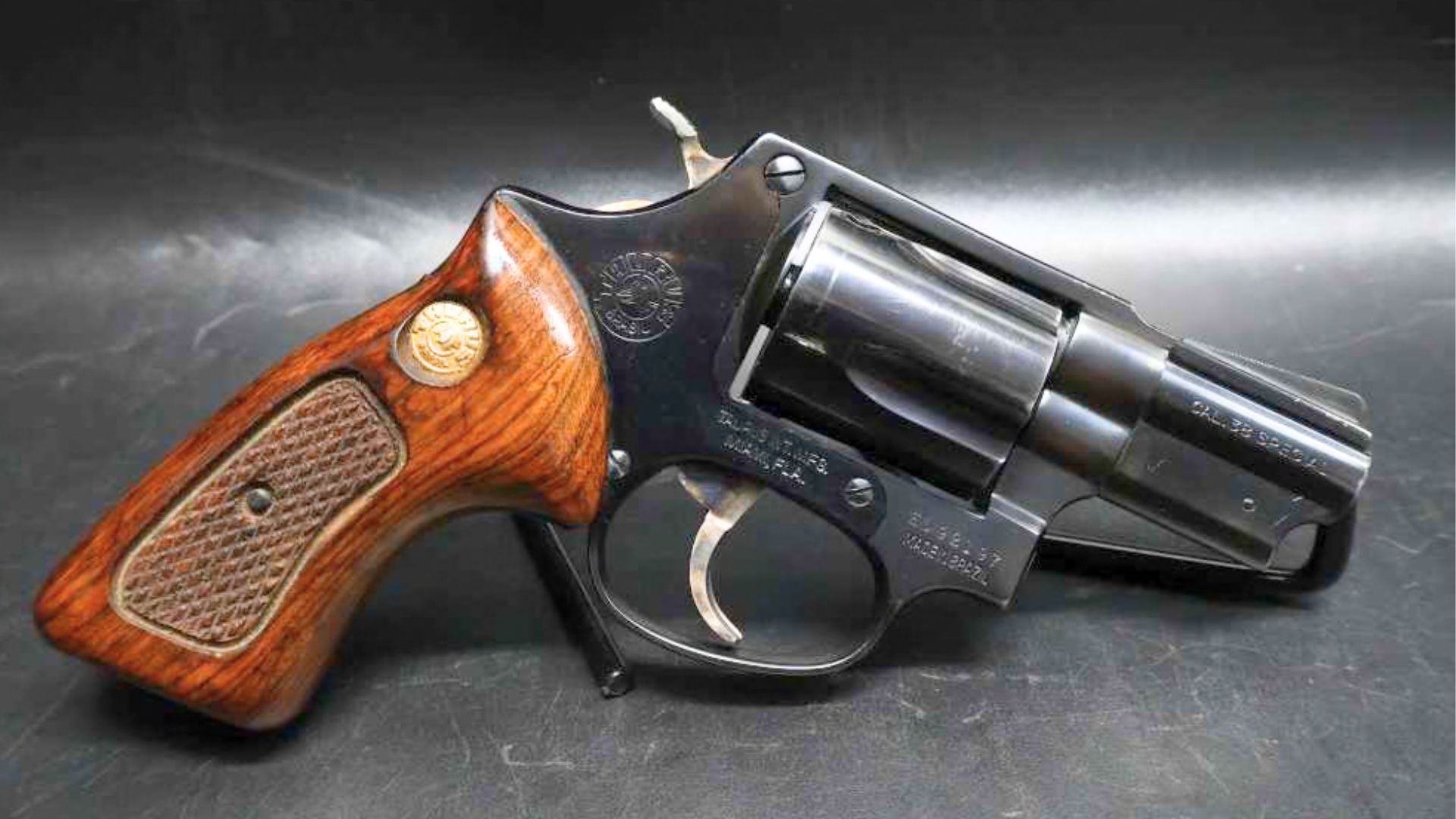
Plenty of hunters drop a Taurus 85 into a pocket or pack, largely because it’s small and has been around forever. But lightweight snub-nose revolvers aren’t exactly user-friendly when shooting heavy defensive loads. The recoil is sharp, the sights are minimal, and effective follow-up shots take real discipline.
The gun works, but its limitations show fast when accuracy matters. Hunters keep carrying it because it’s convenient, not because it’s a standout performer in the woods.
Glock 23 (Gen3/Gen4)

The Glock 23 was once the go-to compact pistol for many outdoorsmen, but its snappy recoil and .40 S&W chambering make it a tougher gun to shoot well than people remember. Many hunters hang onto theirs because it’s what they’ve always carried, even though modern 9mm pistols now outperform it in capacity, control, and ammo availability.
The platform is reliable, but for practical field use, the 23’s characteristics feel dated. It still fills a role, but hunters often choose it out of habit rather than any performance advantage.
Smith & Wesson 642
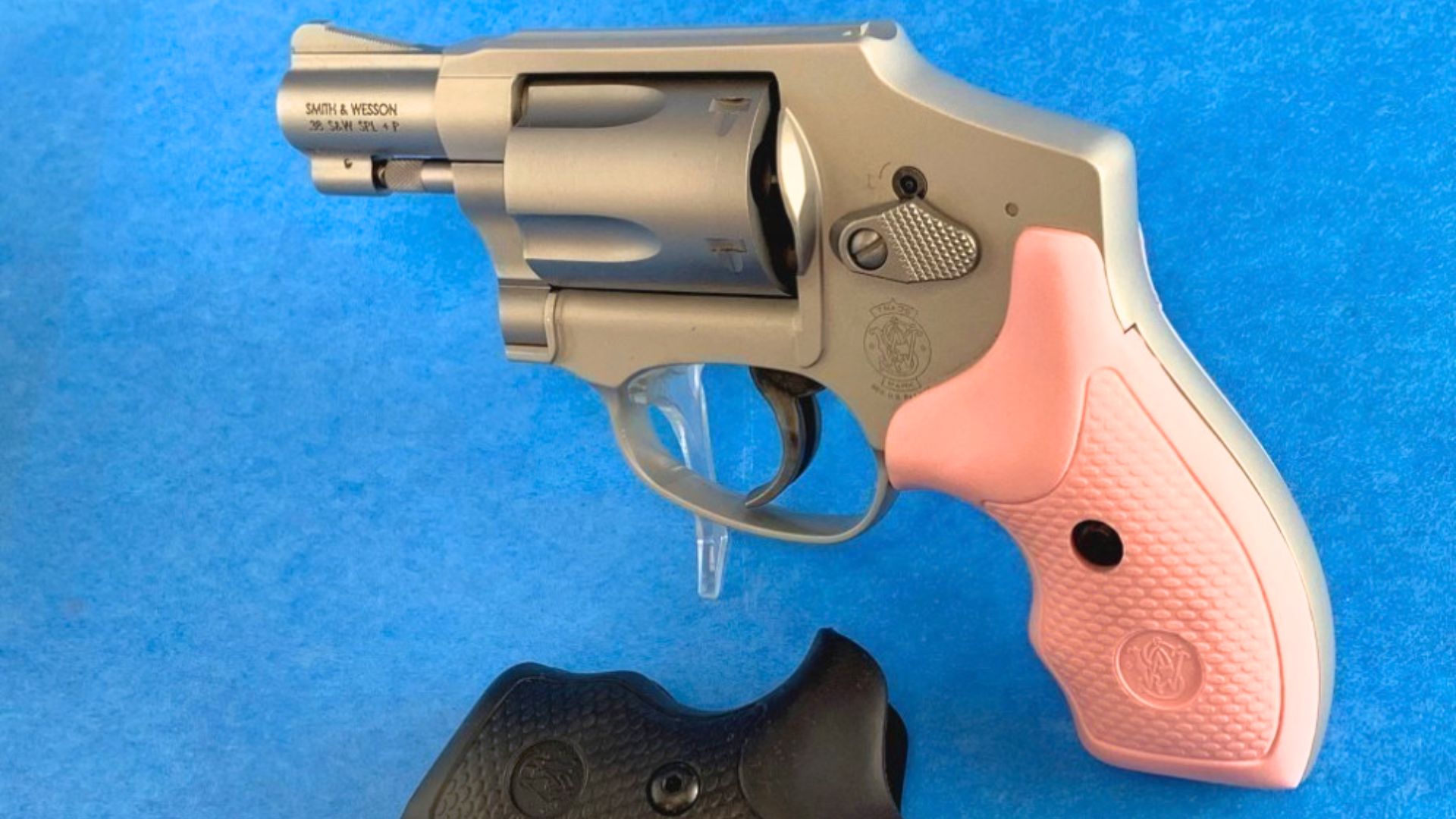
The 642 is another lightweight snub that hunters reflexively carry, even though it punishes poor form with harsh recoil and minimal sighting capability. Many holster it simply because it disappears on the belt. But its long, heavy trigger and short barrel make accurate shooting difficult without serious training.
It’s reliable, yes, but it’s not forgiving. Hunters keep carrying it because it’s always been there—not because it’s the best choice when a quick, accurate shot matters.
Ruger Security Six
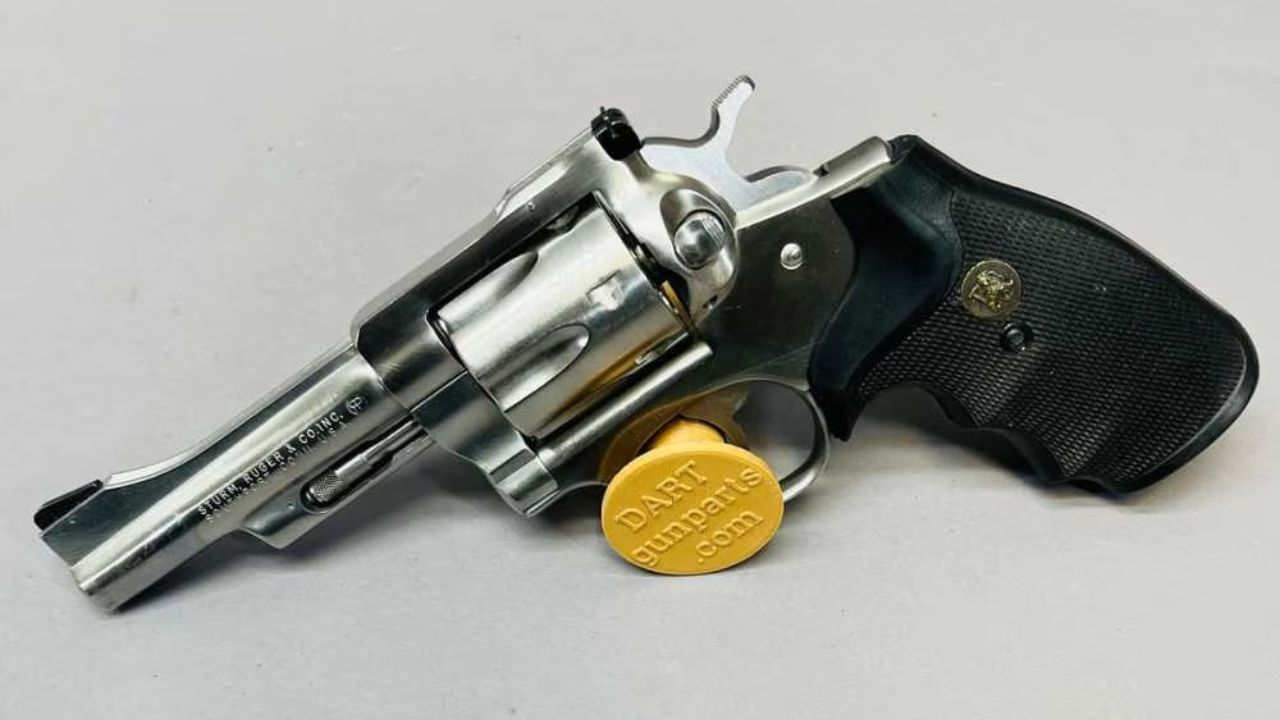
The Security Six was a fantastic revolver in its day, and many hunters still trust theirs implicitly. But its bulk, weight, and old-school sights don’t compete well with today’s more ergonomic and controllable options. It’s sturdy, but it’s also dated in both feel and shootability.
Hunters keep carrying it because it has history and sentimental value. While it’s still serviceable, there are smoother, lighter, and more accurate sidearms available now.
Beretta 92FS
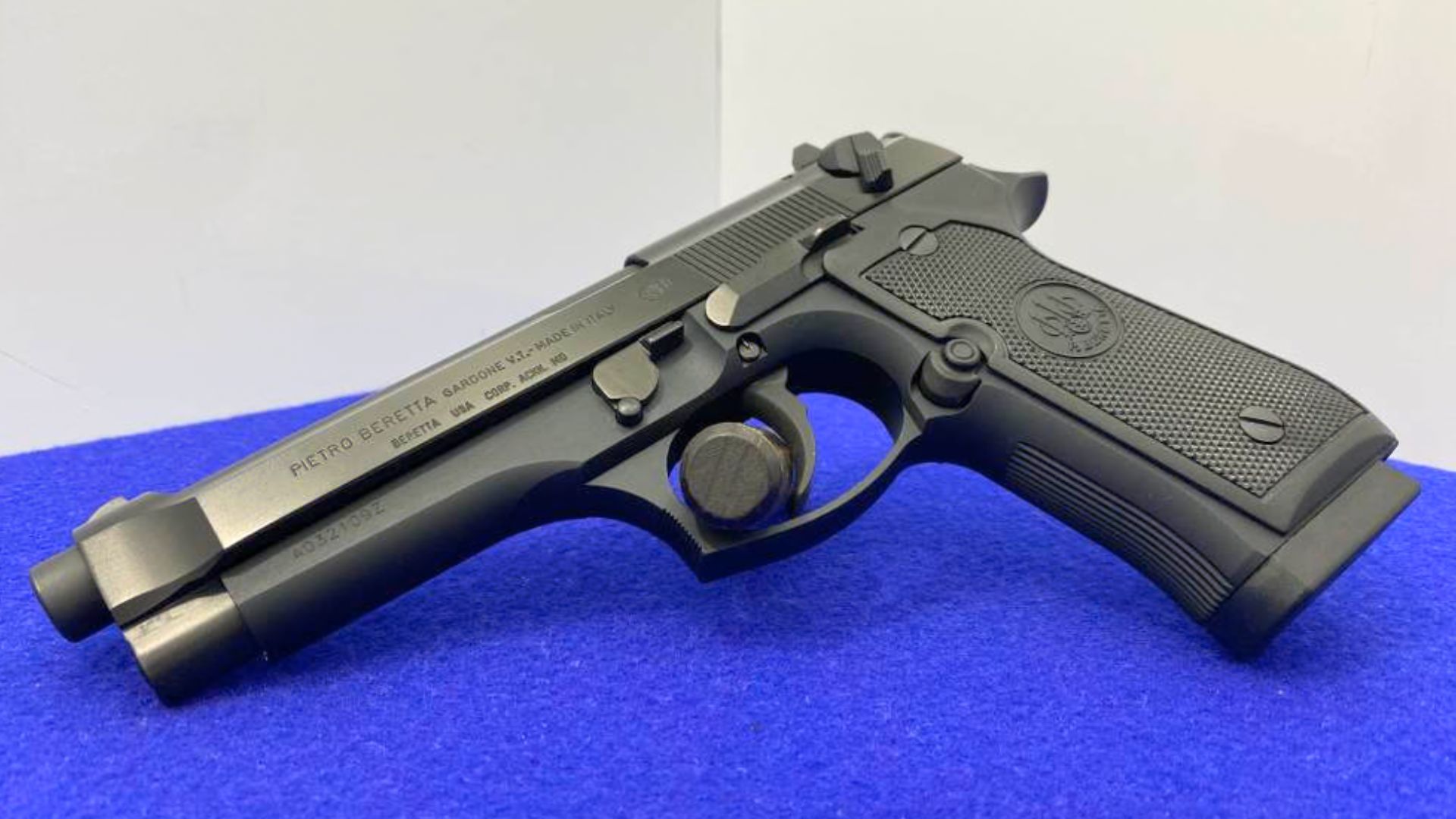
The 92FS is iconic, but hunters often carry it simply because it’s what they bought decades ago. Its size and weight make it more cumbersome than necessary for a field pistol, and its double-action trigger takes work to run well under pressure. While the gun is reliable, it’s not the most practical match for most hunting environments.
Shooters stick with it because they know it inside and out. But compact, modern options usually offer equal reliability with far easier handling.
Ruger Blackhawk in .357 Magnum

The Blackhawk is a classic, and hunters love how rugged it feels. But as a carry sidearm, its weight, single-action design, and slow reloads can be limiting. Many hunters keep packing it simply because that’s what they’ve always used while scouting or slipping through thick woods.
It’s accurate and dependable, but it’s not the quickest or most versatile pistol for unpredictable scenarios. Habit keeps it on the hip more than anything else.
Walther PPK/S
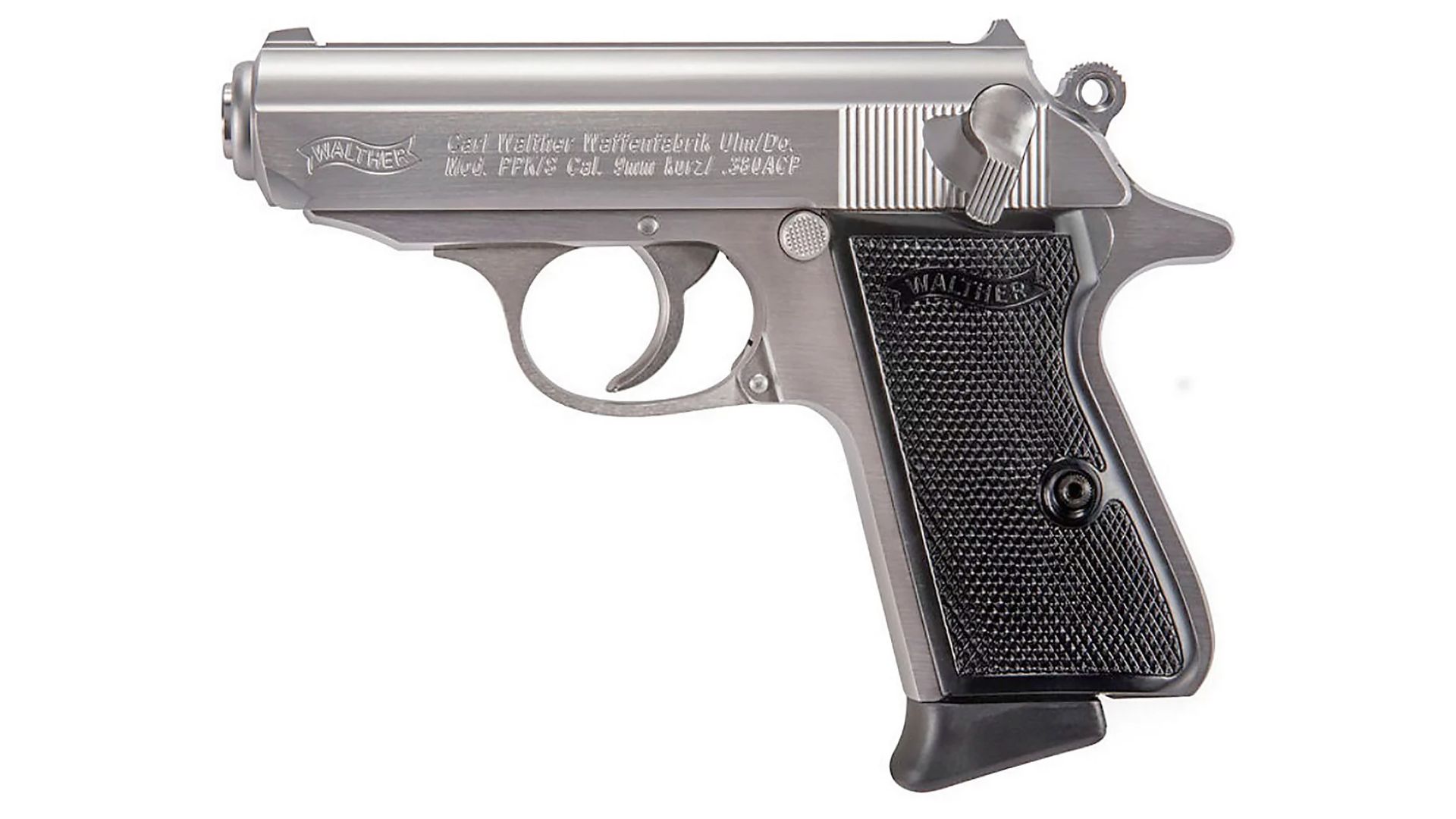
Some hunters still drop a PPK/S into a jacket pocket out of old habits, but the .380 ACP chambering and heavy trigger don’t offer the performance today’s compact pistols do. The gun’s small sights and bite-prone slide also make it less forgiving under stress.
It has charm and history, but modern designs outperform it in nearly every way. Hunters keep carrying it because it feels familiar and refined, not because it excels in the field.
Colt Detective Special
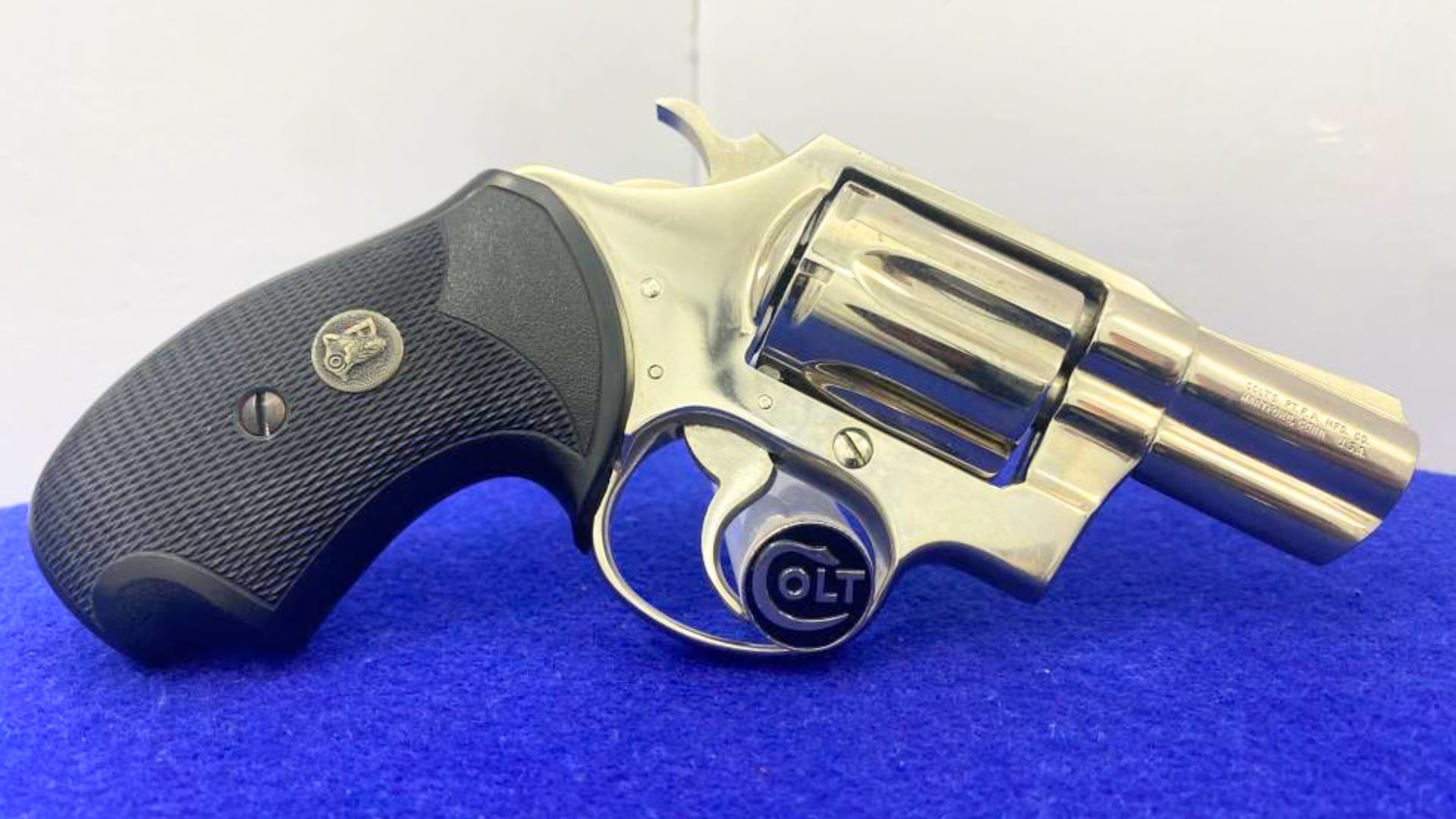
The Detective Special offers six rounds in a compact revolver, which was impressive decades ago. Today, hunters carry it mostly because of its classic appeal. Its weight, old-school sights, and stiff trigger limit its usefulness compared to newer handguns designed for faster, more controlled shooting.
It still works, but it’s carried more as a nostalgic companion than a top-tier field tool.
Springfield XD Subcompact
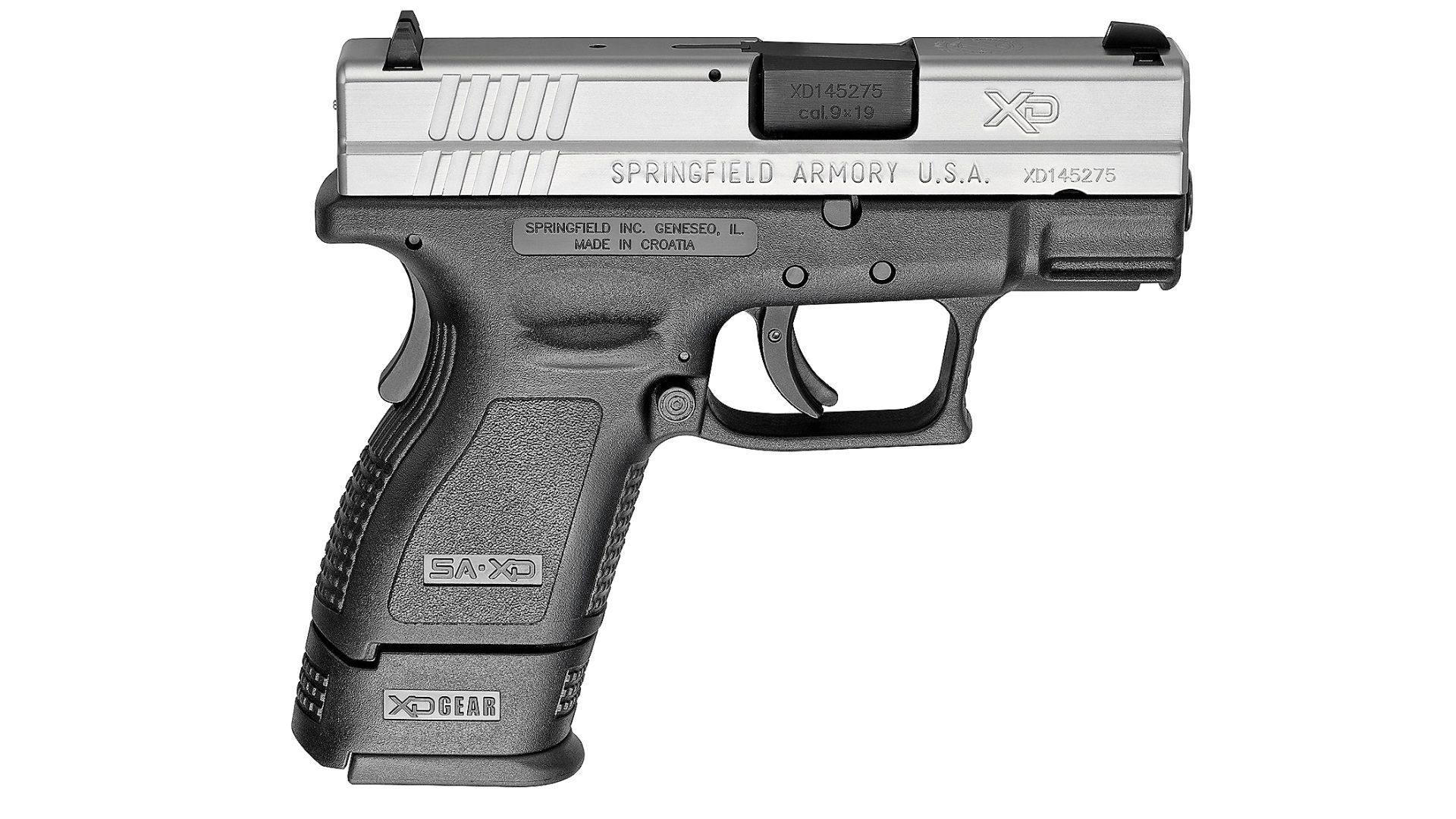
Many hunters bought the XD Subcompact during its popularity spike, and it still gets carried simply because it lives in the gun safe. But its tall slide, heavy feel, and somewhat clunky trigger don’t give it the same shootability newer designs offer.
It’s reliable, but its performance feels dated. Hunters stick with it because it’s familiar rather than because it gives them a real advantage in the woods.
Ruger GP100 (4-inch)
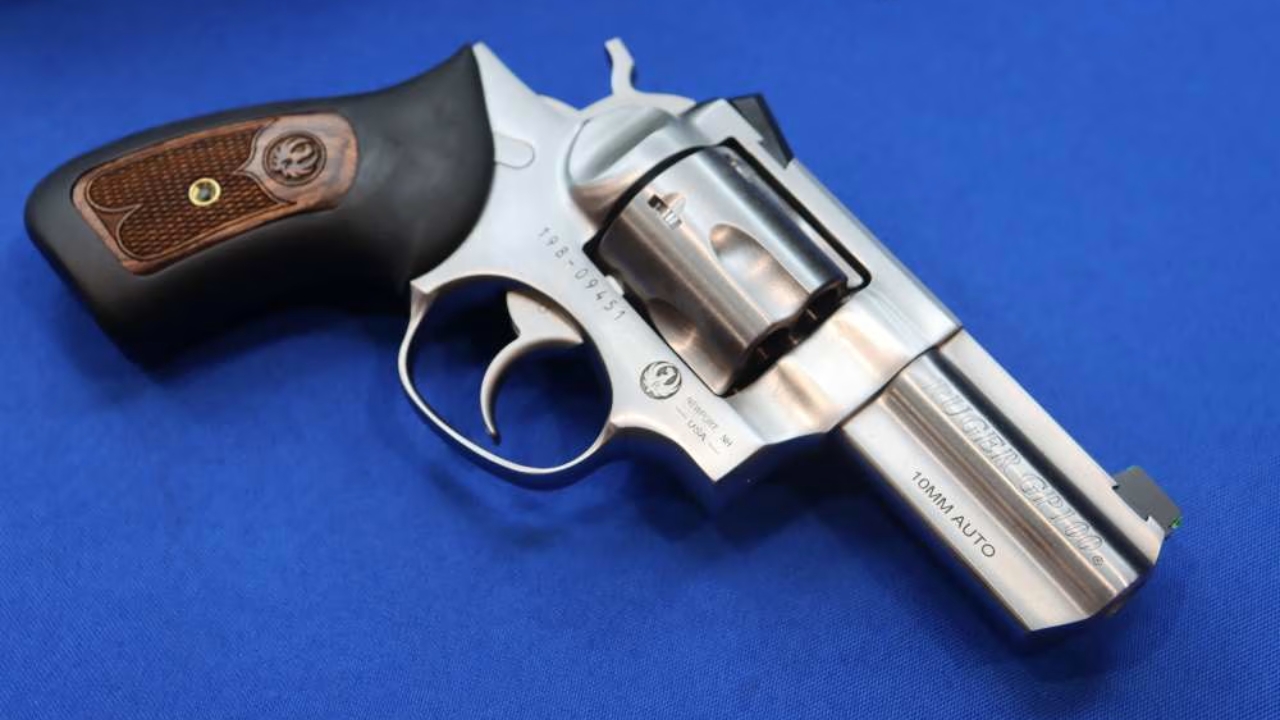
The GP100 is a solid revolver, but some hunters carry it out of habit rather than practicality. Its weight makes it more of a burden on long hikes, and shooting heavy .357 loads from it can be slower and harder than most people expect.
The gun will last forever, but it’s not the most efficient choice for someone who wants fast, accurate defensive shots. Hunters keep it because it feels indestructible.
Smith & Wesson Model 10

The Model 10 has been on hunters’ belts for generations. But today, its fixed sights, moderate capacity, and full-size frame offer little advantage compared to modern mid-size pistols. It’s still reliable, but not especially capable for quick work.
Hunters who grew up with it often refuse to give it up—it’s a comfort gun more than a performance tool.
Glock 27

The Glock 27 is tiny, powerful, and brutally snappy. Many hunters still carry it simply because they’ve had it for years. But its recoil makes fast, accurate shooting tough, and the .40 caliber’s disadvantages are well understood today.
Hunters stick with it because it’s easy to carry, not because it’s easy to shoot well.
Ruger LCP

The LCP finds its way into pockets all over camp, mostly because it’s light enough to forget. But its minimal sights, short grip, and harsh recoil for its size make accurate shooting a real challenge. As a last-ditch option it works—but it’s far from ideal for the kinds of problems hunters might face outdoors.
Hunters often keep carrying it because it disappears, not because it performs.
Like The Avid Outdoorsman’s content? Subscribe to our newsletter so you never miss an article.
Here’s more from us: