Photo credit: Bryant Ridge
Every gun maker dreams of releasing something new—something that pushes the market forward. But sometimes, those ideas should’ve stayed on the drawing board. Over the years, we’ve seen firearms that looked promising in press releases and trade shows, only to fall apart—literally or figuratively—once they hit the hands of real shooters. Whether it was poor reliability, fragile materials, or design quirks that made no practical sense, these guns never lived up to their promise. Some were quickly discontinued, others stubbornly kept alive for a few years longer than they deserved. Either way, these are the guns that remind us why good engineering and field testing matter more than flashy concepts.
Remington R51
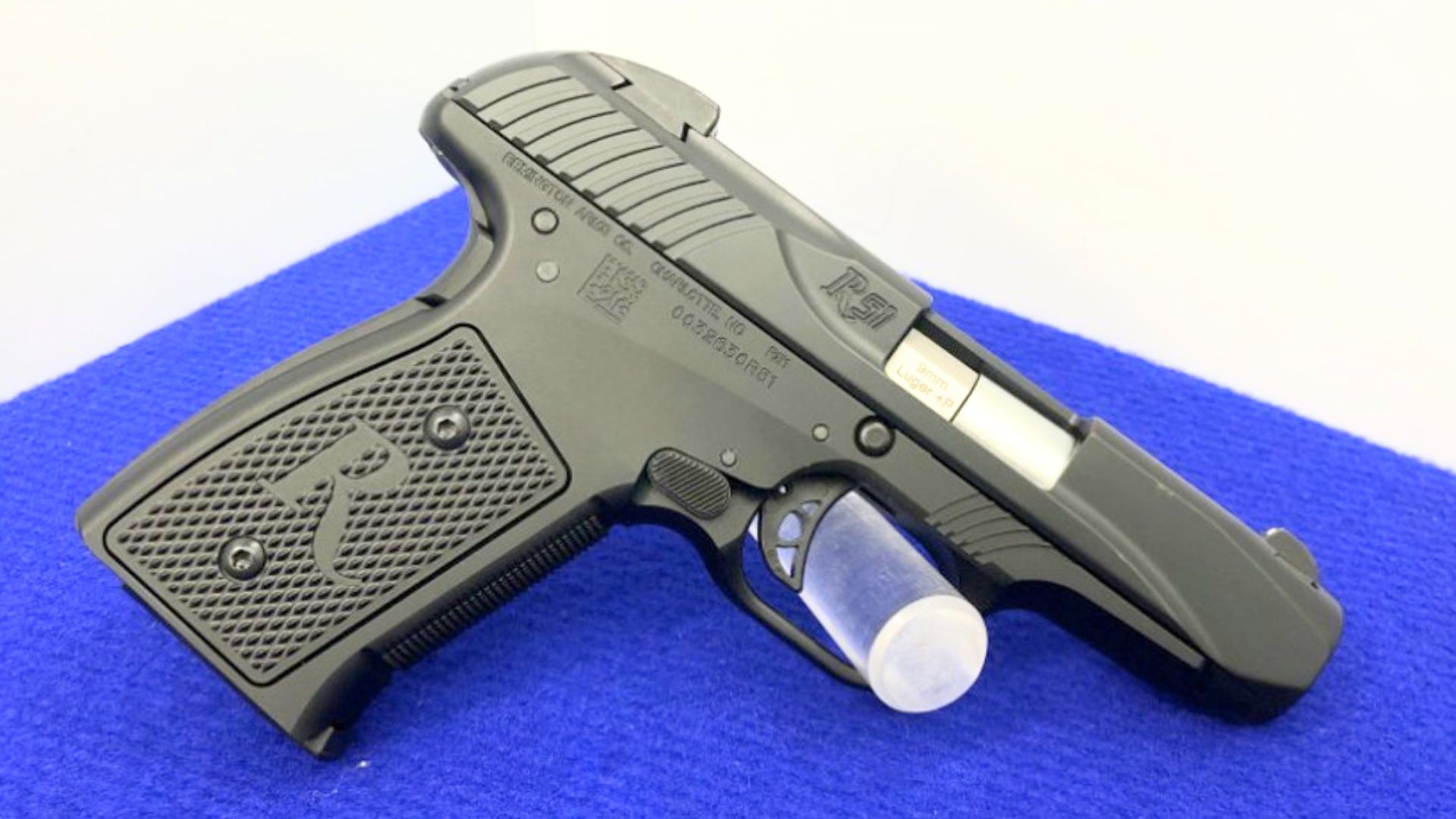
The Remington R51 looked like a throwback done right—a modern update of the old Pedersen design with sleek lines and manageable recoil. But once it hit shelves, the problems started stacking up fast. Failures to feed, premature wear, and safety issues turned what could’ve been a classic into a disaster.
Early models jammed so often that Remington pulled them from production and issued replacements. Even the updated version couldn’t shake the reputation. The hesitation-lock action was too finicky, and the machining too inconsistent. It’s a prime example of a gun that never should’ve made it past prototype testing. On paper, it was clever. In reality, it was a nightmare.
Colt All American 2000
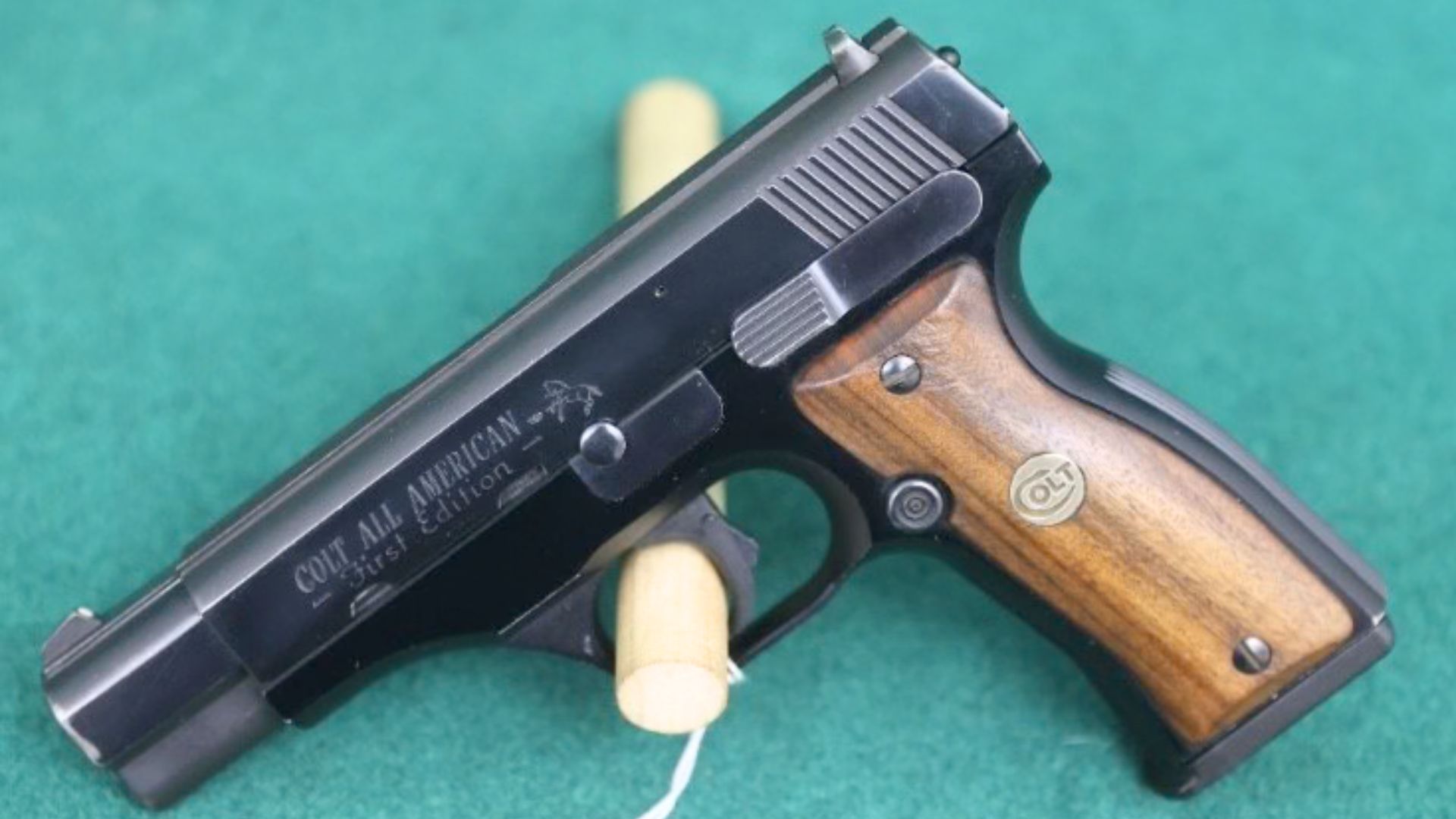
The Colt All American 2000 was supposed to bring Colt into the modern polymer pistol world. Instead, it nearly sank them further. The rotating-barrel design and strange ergonomics made it both awkward and unreliable. Shooters reported light primer strikes, feeding issues, and accuracy that fell apart fast.
It was a product of over-engineering at a time when simpler, striker-fired designs were winning. Colt spent years and millions developing it, but it still hit the market half-baked. Today, it’s mostly remembered as one of Colt’s biggest misses—a gun that might have impressed engineers in theory but never stood a chance in real-world conditions.
Armatix iP1
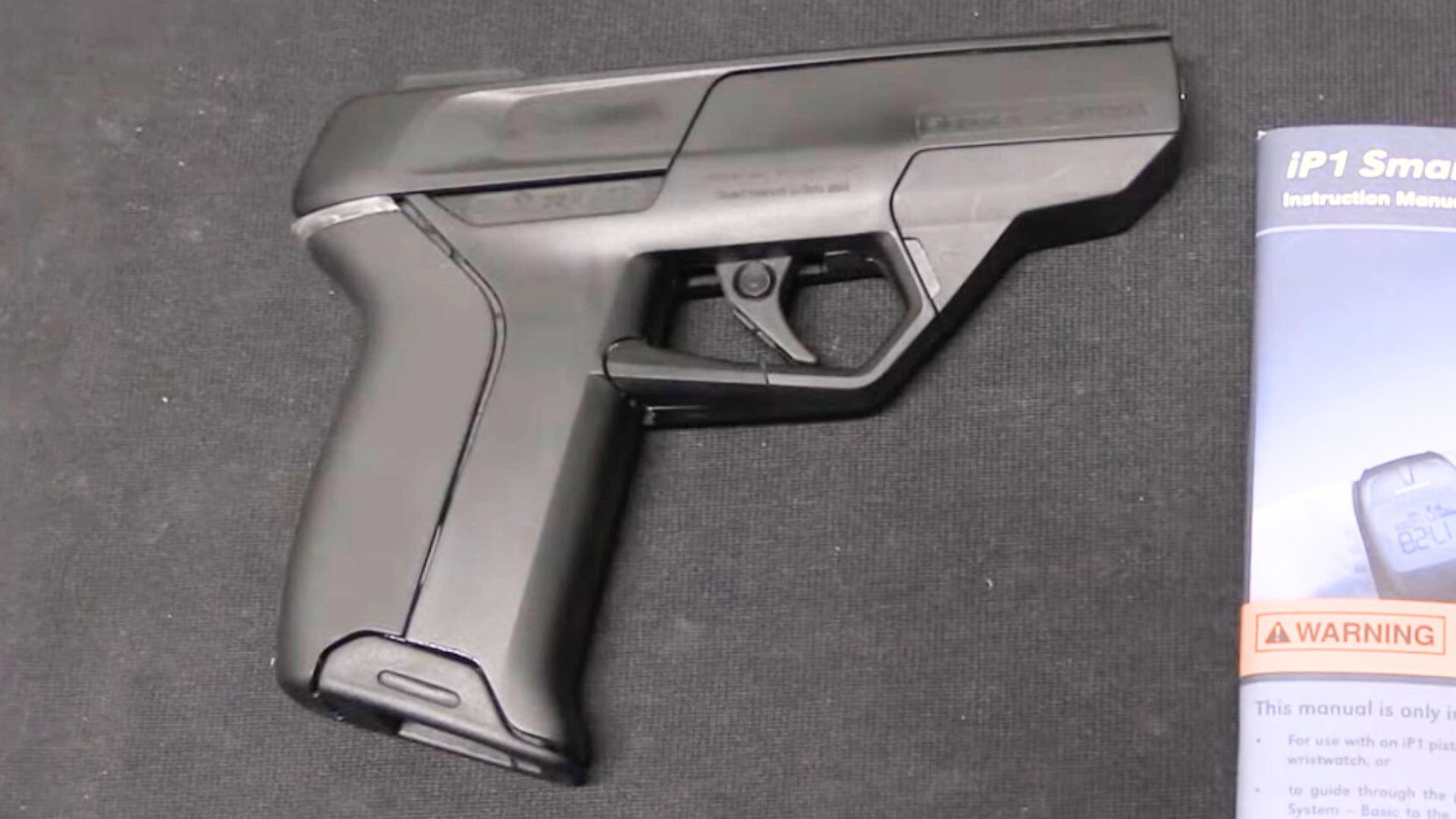
The Armatix iP1 made headlines as a “smart gun,” pairing a .22 LR pistol with a watch that allowed it to fire only when worn by the authorized user. Sounds futuristic—until you realize it often failed to recognize the user or fired when it shouldn’t.
Battery issues, connection delays, and terrible reliability made it unfit for anything beyond a lab demo. The gun’s performance was so bad it became a symbol of why electronic firearms don’t belong in serious hands. It was more gimmick than gun, and if there was ever a firearm that belonged on a prototype bench instead of a store shelf, this was it.
Winchester Model 1911SL
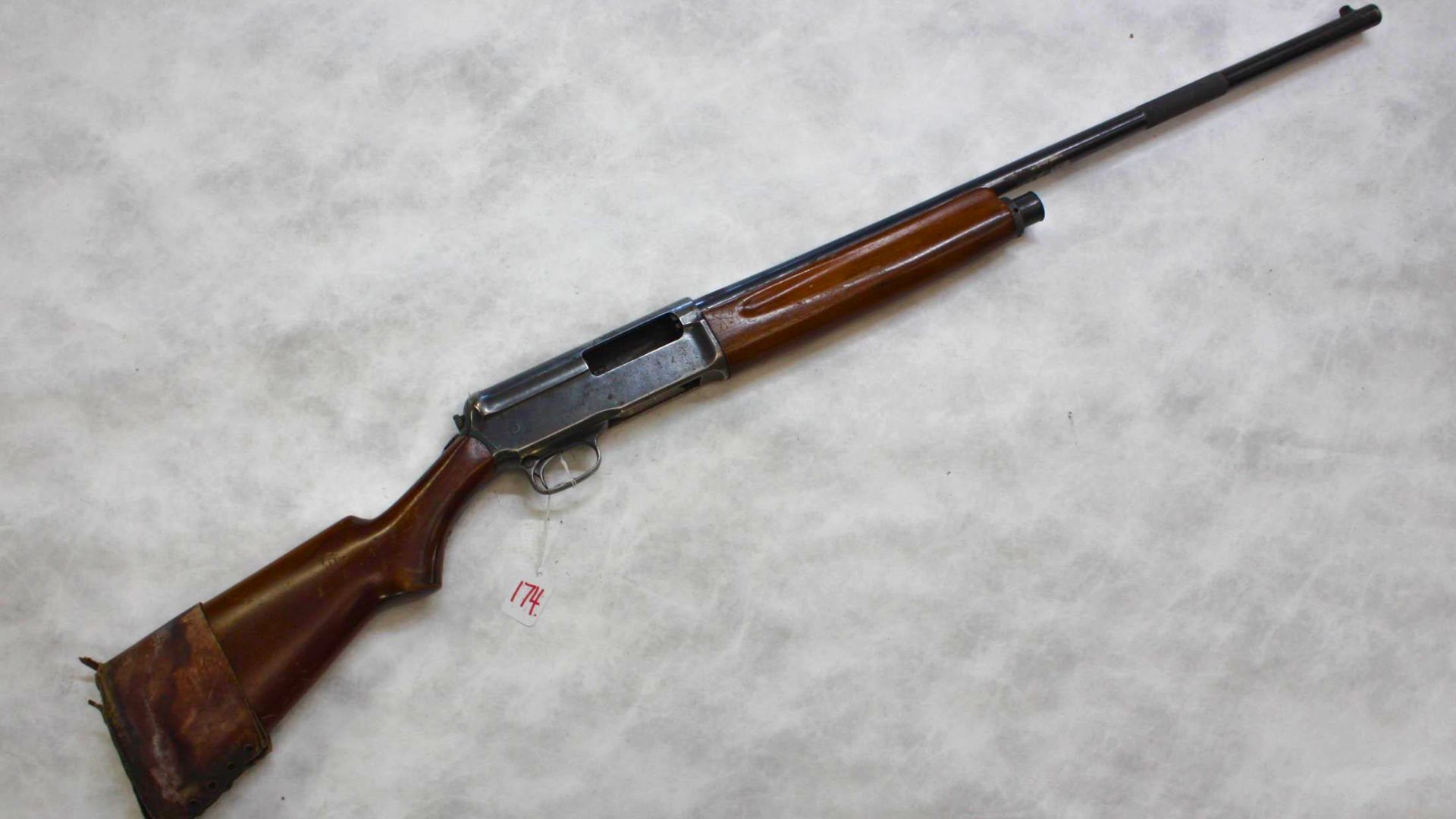
Known sarcastically as the “Widowmaker,” the Winchester 1911SL earned its reputation through a catastrophic design flaw. Without a charging handle, shooters had to push the barrel down to chamber a round—something that led to countless accidents when muzzles were pointed in unsafe directions.
Even beyond that, the recoil-operated shotgun was finicky and prone to wear. It was an attempt to compete with Browning’s Auto-5 without infringing on patents, but the compromises made it unsafe and unreliable. Winchester eventually dropped it, but not before plenty of owners learned firsthand that some shortcuts aren’t worth taking.
Mossberg MC1sc

When Mossberg reentered the handgun market with the MC1sc, many shooters hoped it would rival the Glock 43 or SIG P365. Instead, it landed flat. The trigger felt gritty, the ergonomics were awkward, and the takedown method—requiring trigger housing removal—was widely disliked.
It wasn’t terrible, but it also wasn’t competitive. Reliability was hit or miss depending on ammo, and the overall design felt like something that skipped a few rounds of field testing. Mossberg quickly shifted focus elsewhere, and the MC1sc quietly faded away. It’s a good reminder that not every company should chase the compact 9mm market.
Remington RP9
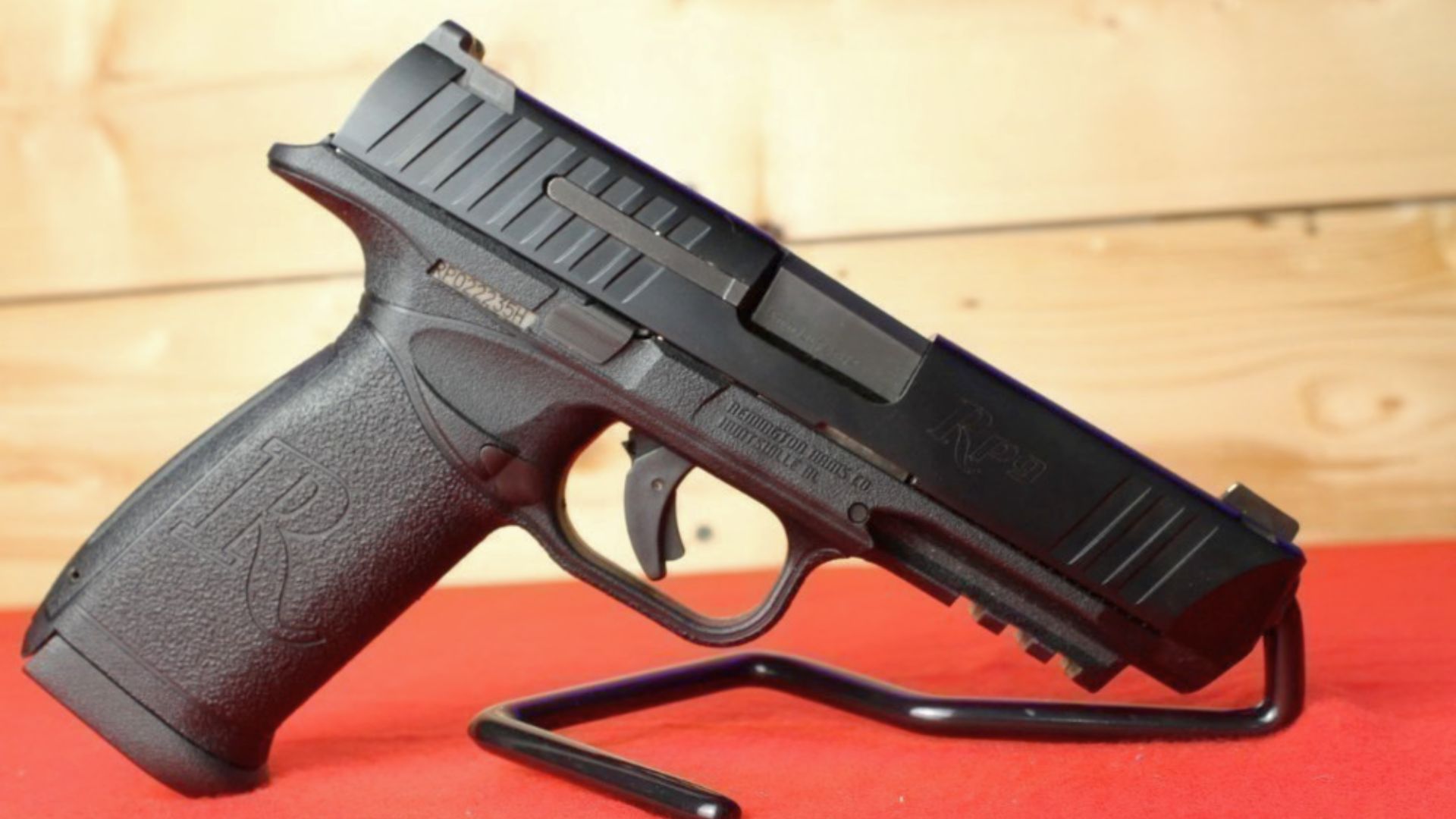
The Remington RP9 was supposed to be the company’s modern duty pistol, but it arrived feeling unfinished. The oversized grip, mushy trigger, and frequent feed failures turned buyers off immediately. Even police departments that tested it moved on after reliability reports came back poor.
The gun had potential, but the execution was awful. Some models suffered from inconsistent tolerances and poor magazine fit, making malfunctions common. It was discontinued shortly after Remington’s collapse, leaving behind a lesson every gun maker should know: get it right before shipping it.
Taurus Spectrum
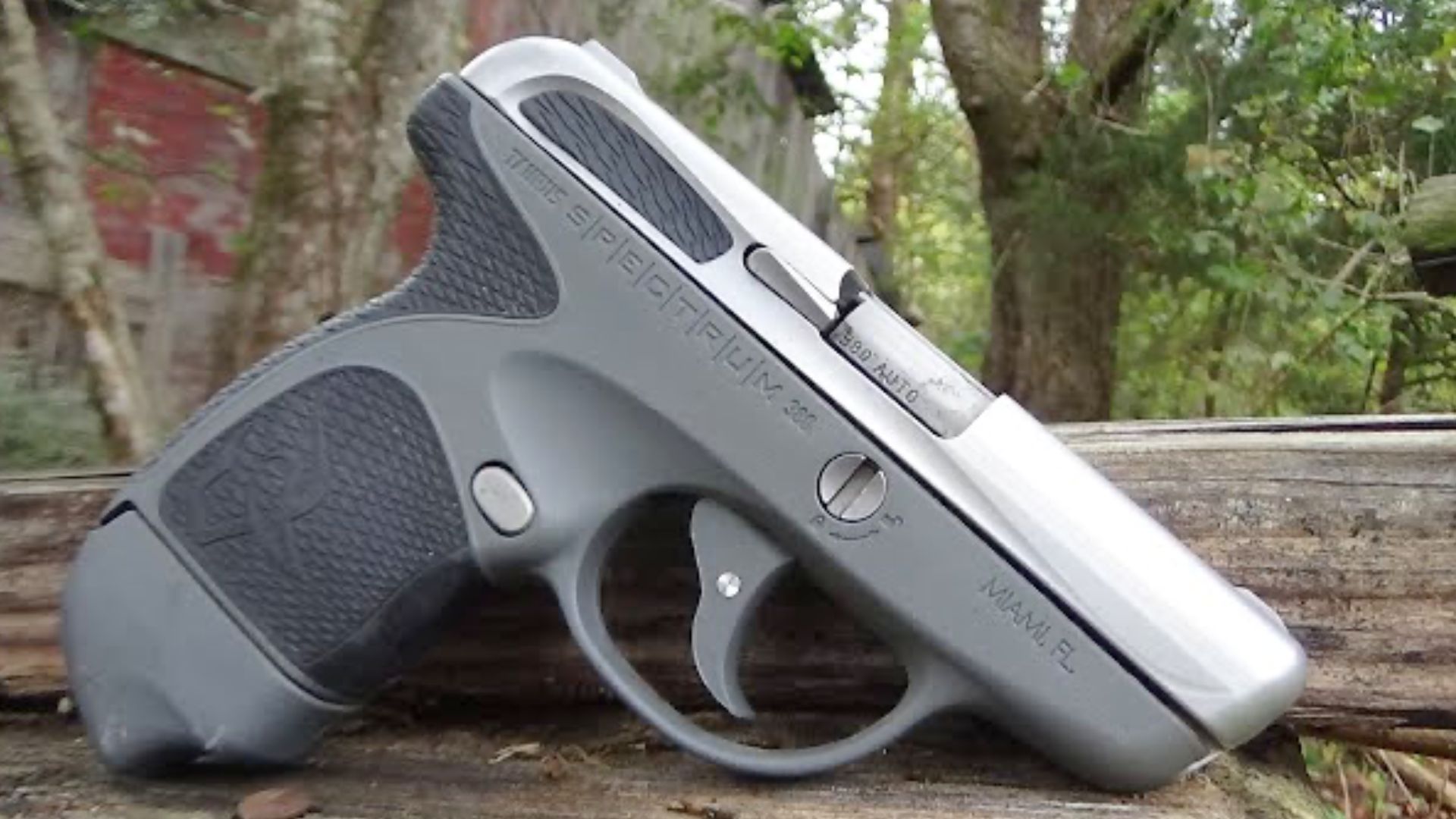
The Taurus Spectrum was marketed as a soft-recoiling, colorful .380 for concealed carry. What buyers got was a gun that rarely made it through a box of ammo without a malfunction. Weak ejection, light primer strikes, and inconsistent triggers plagued nearly every example.
Its design, full of plastic “accents,” seemed more fashion statement than firearm. Even after Taurus tried to fix production issues, the gun’s reputation never recovered. It might’ve looked futuristic, but it performed like something that skipped half the testing process. Some ideas belong in a prototype lab, and this one definitely did.
Beretta U22 Neos
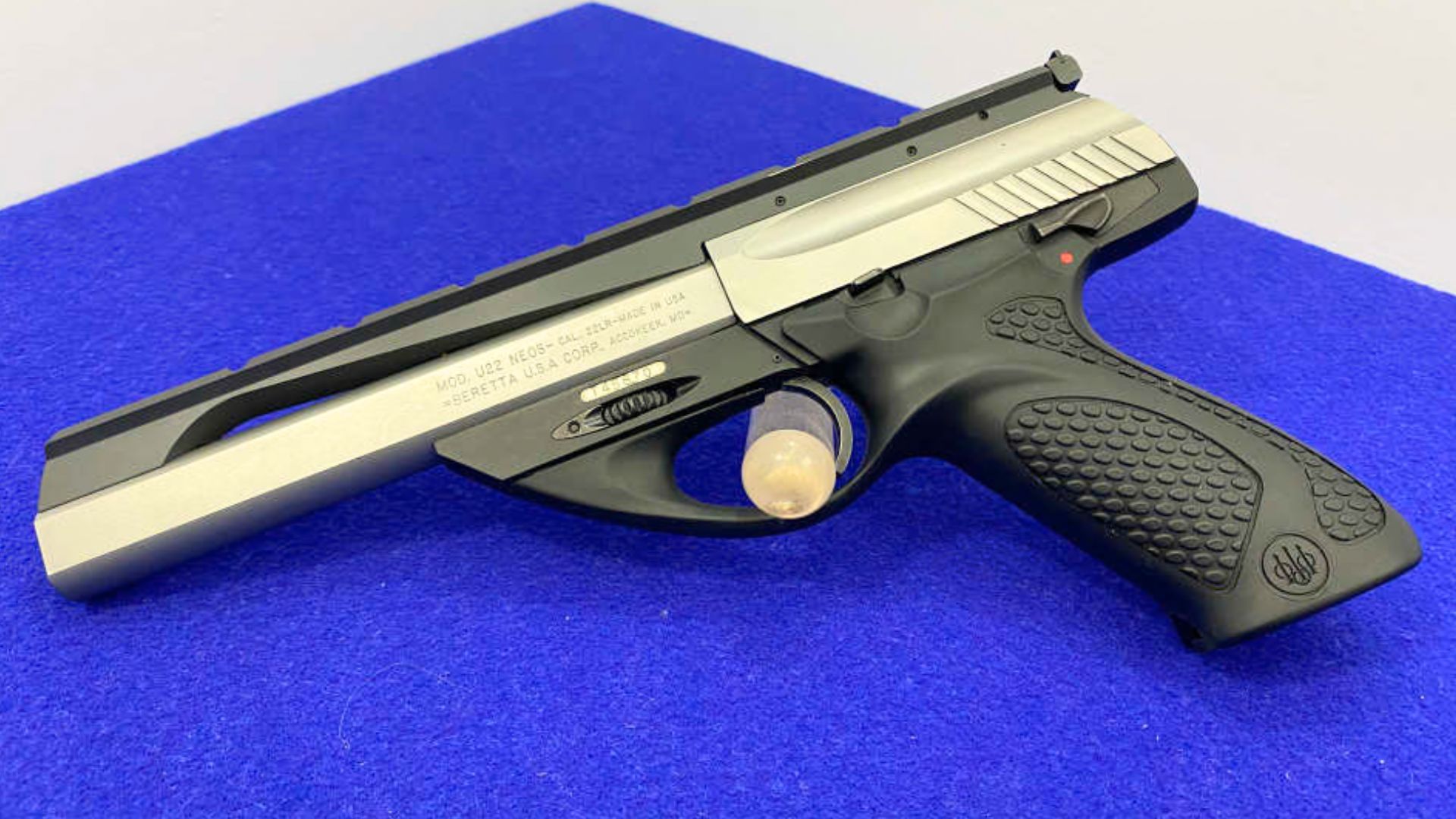
The Beretta U22 Neos looked sleek and futuristic, but it was plagued with problems. From barrel alignment issues to feeding problems with common ammo, the pistol never lived up to the Beretta name. Even worse, safety recalls followed soon after.
The design wasn’t terrible in concept—it was modular, lightweight, and affordable—but execution fell short. Shooters found it awkward to handle, and reliability was hit or miss depending on ammunition type. It’s one of those guns that proved looks don’t count for much if the fundamentals aren’t right.
KelTec RFB
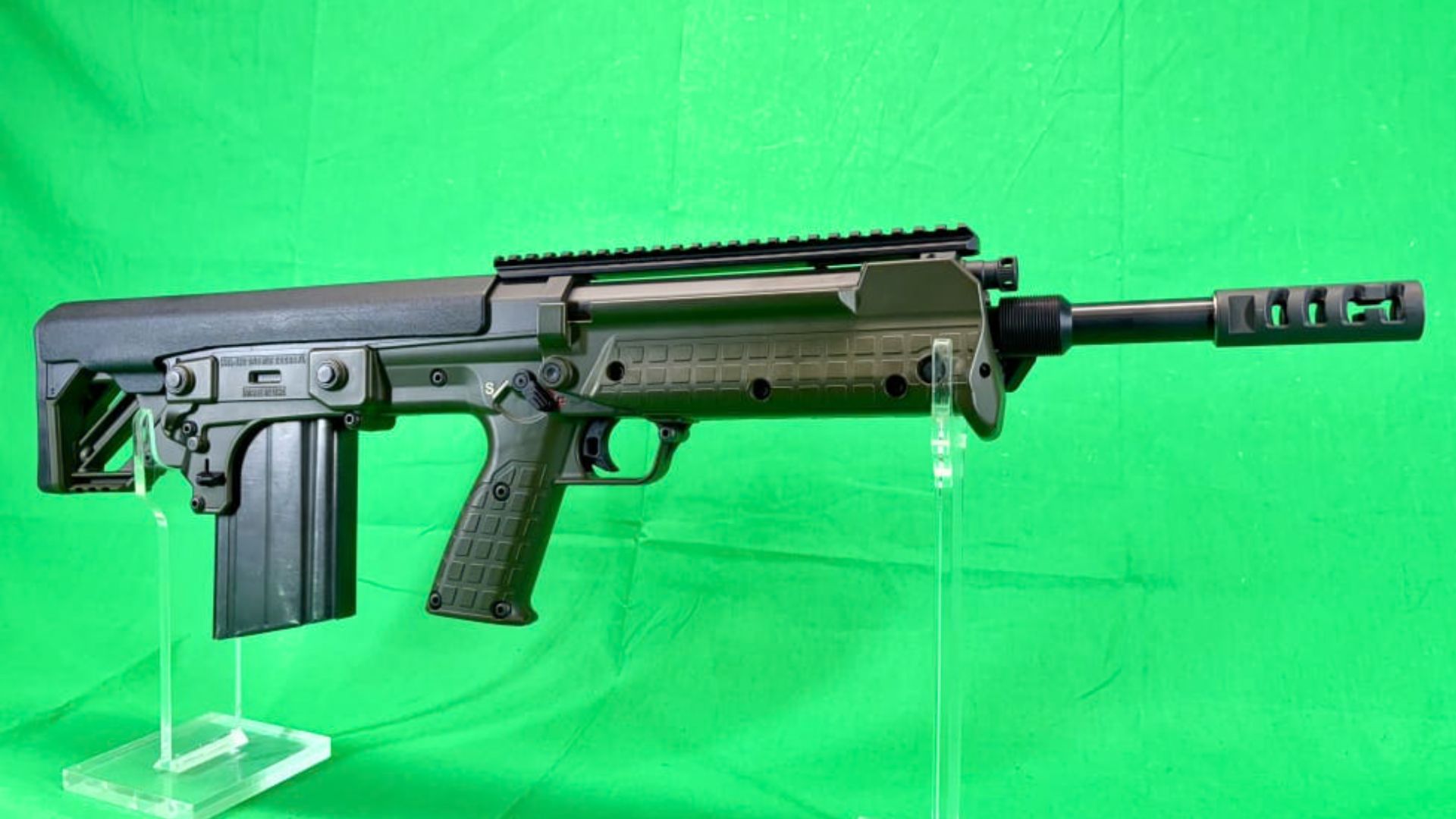
KelTec’s RFB had a bold concept: a compact, forward-ejecting .308 bullpup. On paper, it was revolutionary. In practice, it was unreliable and a nightmare to maintain. Ejection issues, gas regulation problems, and heat buildup turned it into a range-only curiosity.
The forward-ejecting design was clever, but once carbon fouled the chute, stoppages were frequent. Cleaning it required a full teardown, and the rifle’s weight distribution made it awkward in the field. The RFB showed promise but fell apart when pushed. It’s the kind of gun that should’ve stayed in prototype form until it worked flawlessly.
HK G11
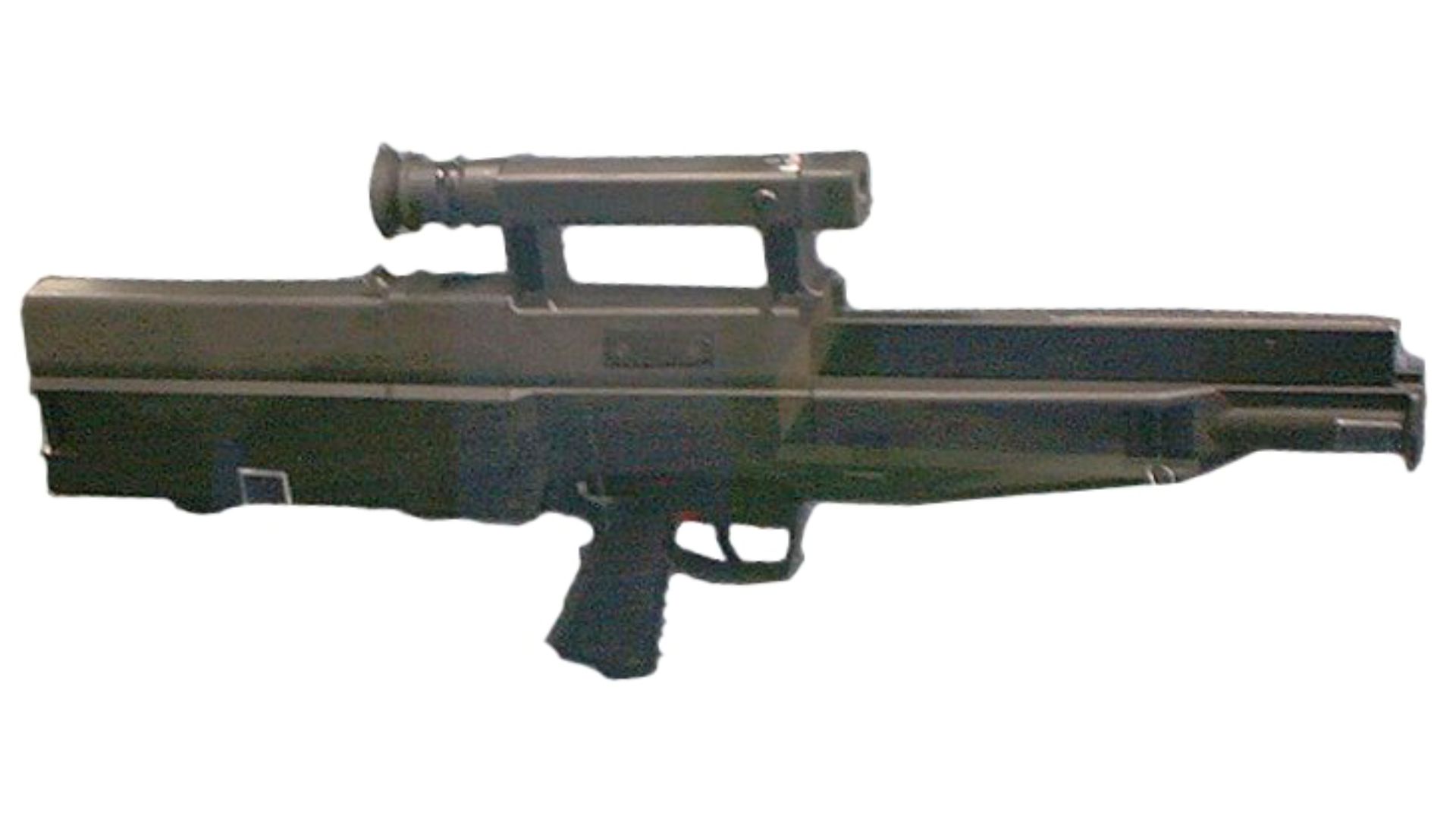
The HK G11 remains one of the most ambitious rifles ever built—and one of the best examples of why some ideas don’t translate to production. The caseless ammo, complex feeding mechanism, and astronomical cost made it more science project than battlefield weapon.
While it functioned impressively under controlled testing, field use would’ve been a disaster. The ammo was fragile, temperature-sensitive, and impossible to mass-produce efficiently. HK spent years refining it, but it was too far ahead of its time to ever be practical. The G11 belongs in museums, not armories.
Colt 2000 Defender Carbine
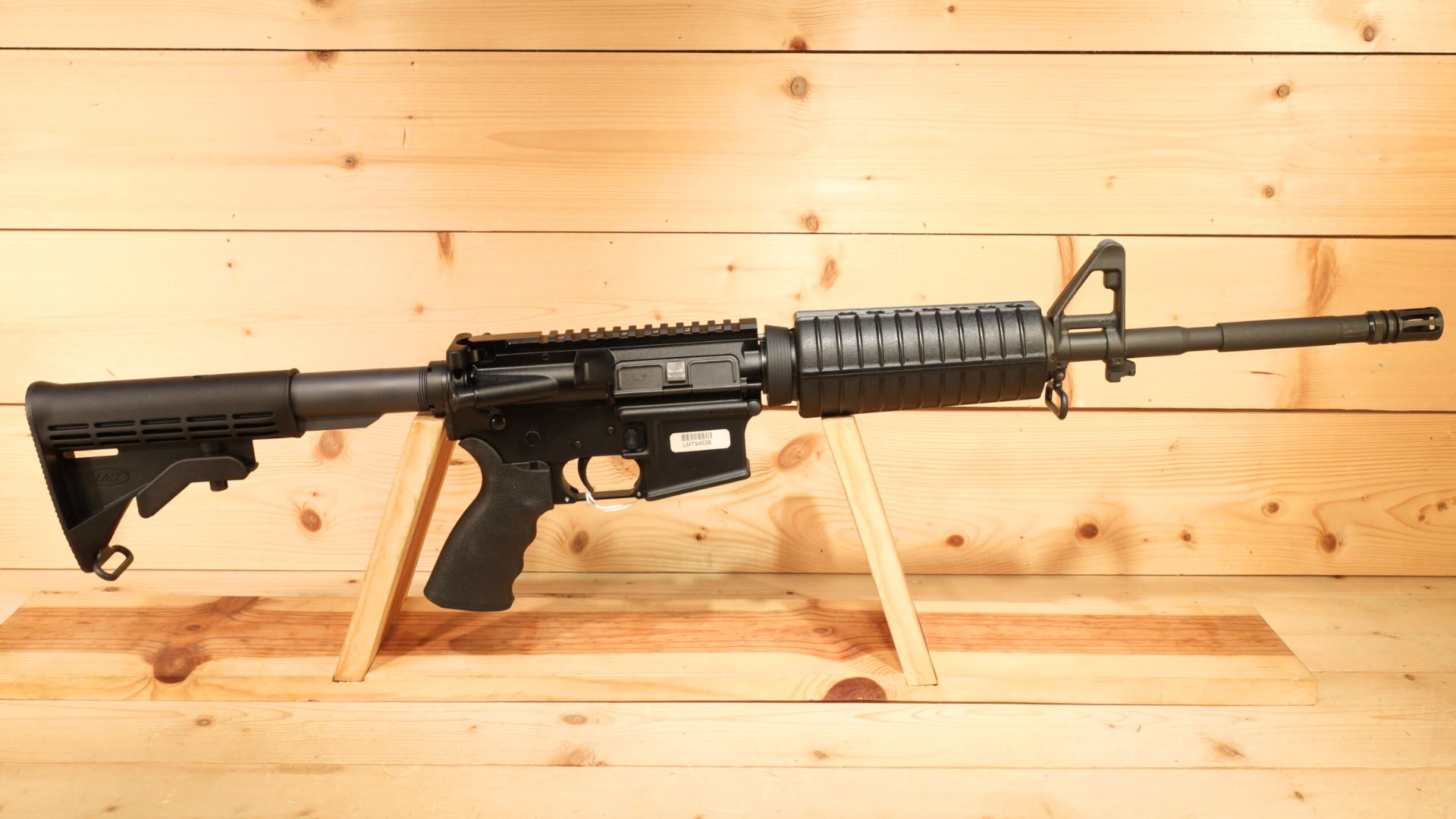
Colt’s 2000 Defender Carbine was meant to bridge the gap between rifles and subguns, but it fell flat in every way. The build felt cheap, the ergonomics awkward, and reliability was marginal at best. It tried to be too many things and ended up being none of them well.
Even Colt fans quickly abandoned it once they realized it couldn’t match the performance or reliability of AR-based designs. Today, it’s more a curiosity for collectors than a usable firearm. It’s another Colt experiment that probably shouldn’t have left the prototype bench.
Magpul FMG-9

The Magpul FMG-9 created a huge buzz when it was shown off as a folding subgun concept—but that’s all it ever should’ve been: a concept. While it looked like something out of a spy movie, the design was awkward and structurally weak when unfolded.
It used Glock components, but the folding mechanism compromised durability and practicality. It never went into full production for good reason. While Magpul’s creativity deserves credit, the FMG-9 was more novelty than necessity. It was fun to watch at SHOT Show, but no one really wanted to carry one into the real world.
Remington V3 Tac-13
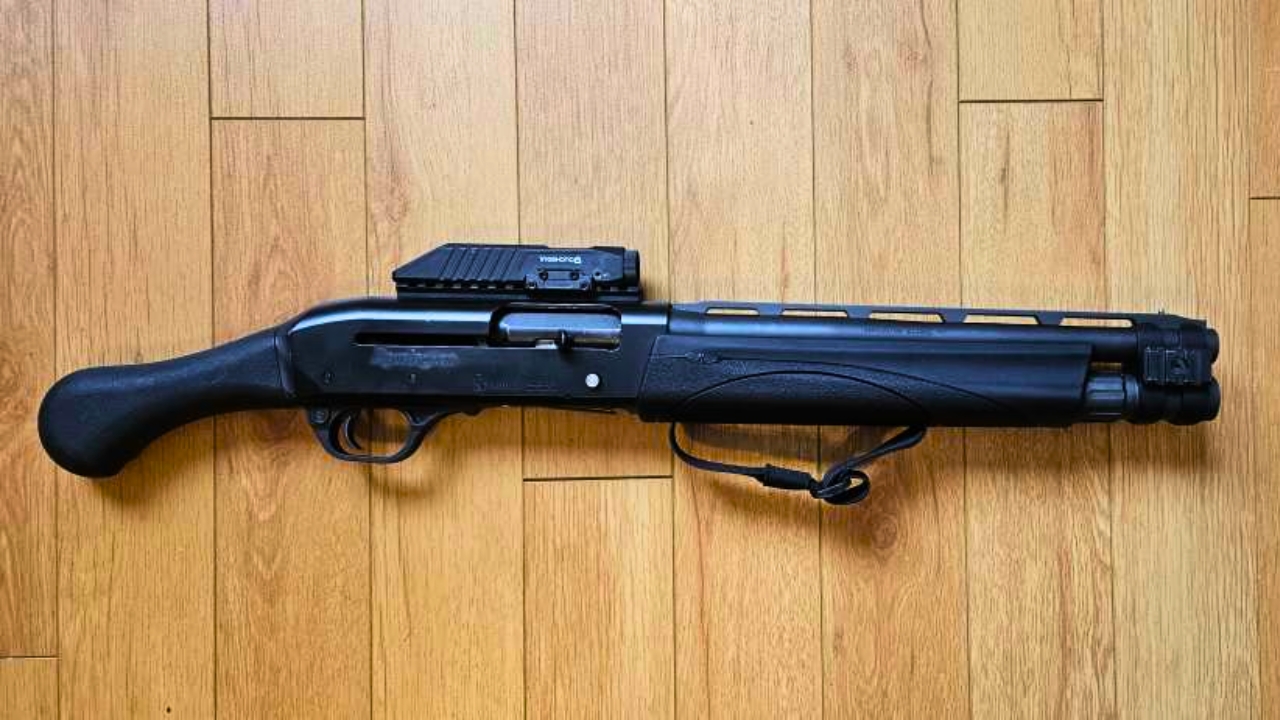
The Remington V3 Tac-13 seemed like a great idea—a compact, semi-auto 12-gauge for personal defense. In reality, it kicked like a mule, jammed often, and proved far less practical than a pump. Its short gas system struggled to cycle lighter loads, making it finicky in the field.
It found a small audience, but most shooters discovered it required near-constant maintenance to stay reliable. The design tried to combine modern ergonomics with a “shockwave” style layout but ended up being awkward to use and expensive to maintain. It’s an interesting idea that probably should’ve stayed in prototype testing.
Steyr M9 (First Generation)

The first-generation Steyr M9 had some great ideas—low bore axis, trapezoid sights, and a crisp trigger—but it launched before the bugs were ironed out. The early guns suffered from light primer strikes, extraction issues, and fragile trigger components.
Steyr eventually refined the design, but those first runs left a bad taste for many buyers. The gun felt promising, but it wasn’t ready for real-world abuse. It’s another example of a firearm rushed out the door when another six months of testing could’ve made all the difference.
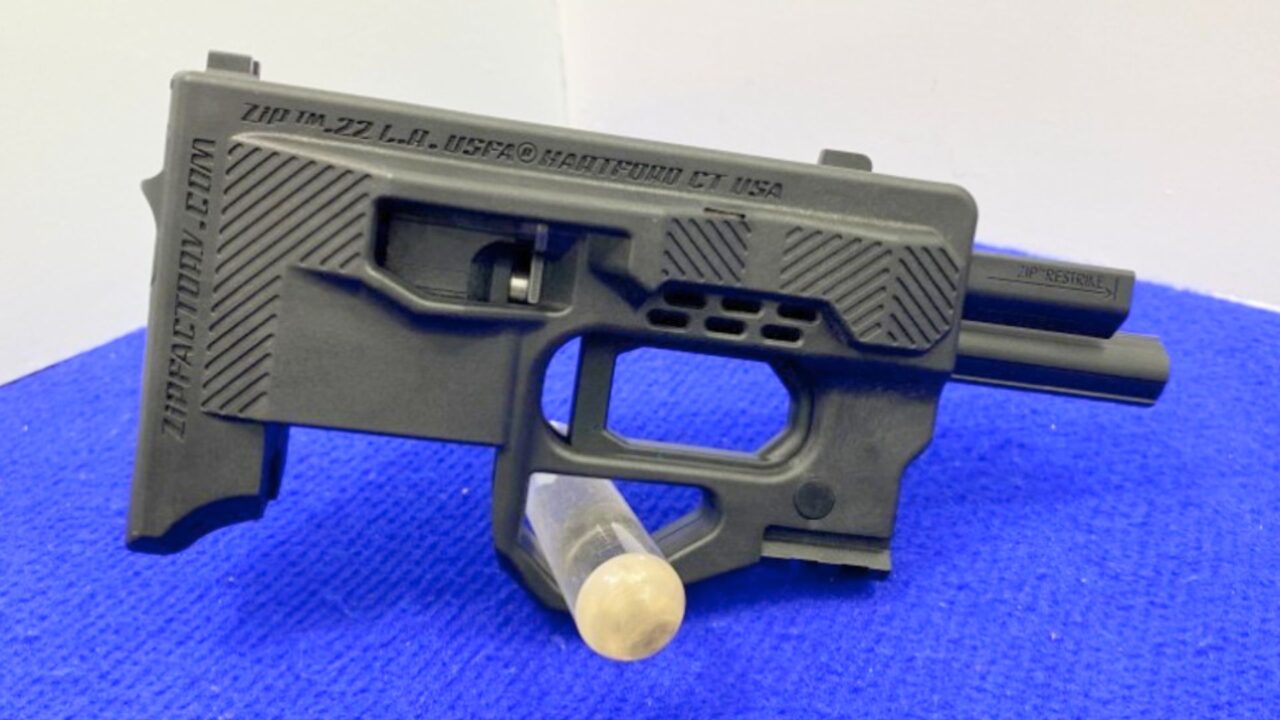
USFA ZIP .22
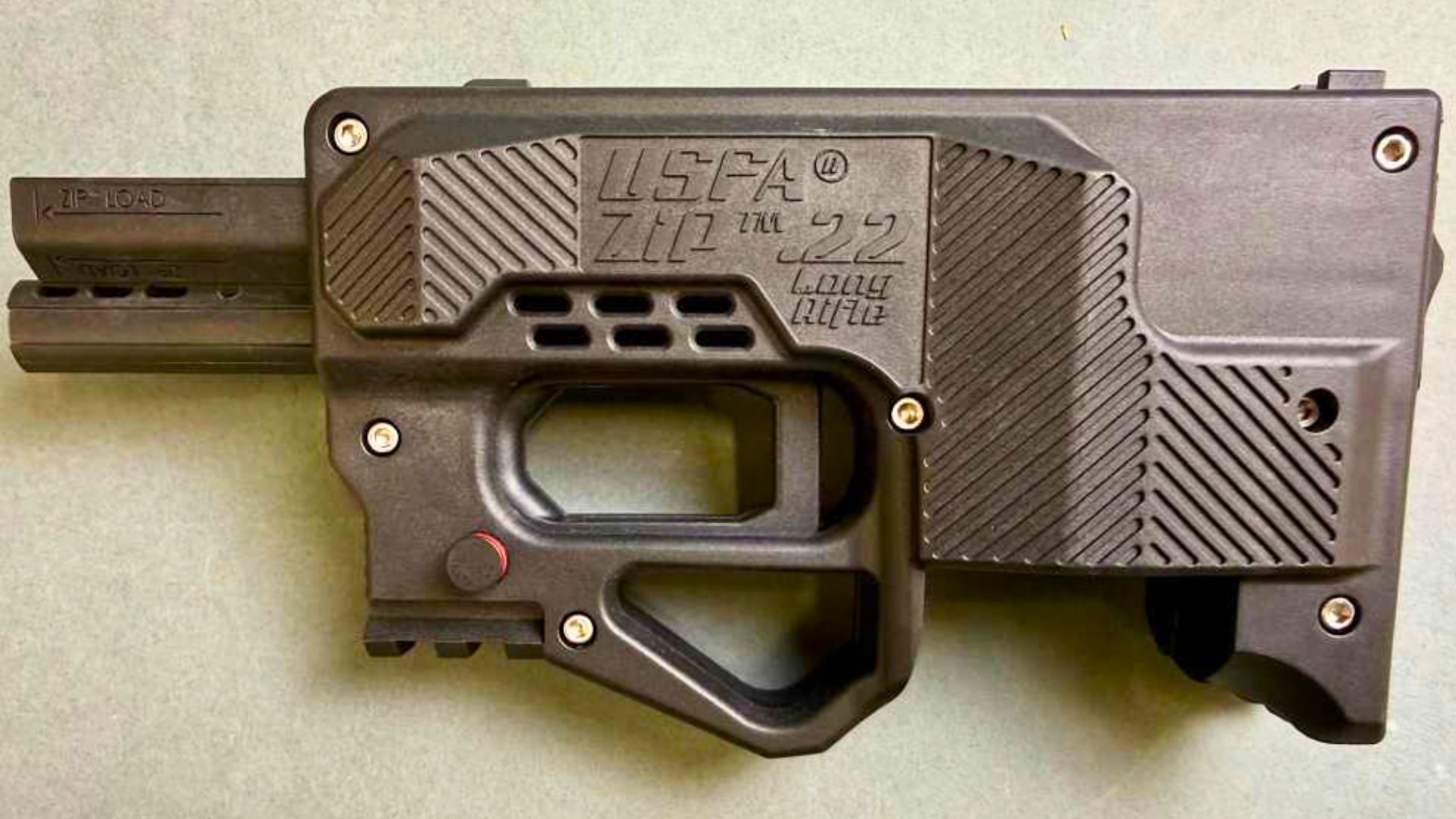
No list like this would be complete without the USFA ZIP .22. It was billed as a modular, futuristic plinker that could even mount under an AR. Instead, it became one of the most unreliable .22s ever made. Feeding failures, light strikes, and fragile parts made it practically unusable.
Even basic range trips turned into frustration as shooters struggled to get through a full magazine without a malfunction. It was supposed to be the future of rimfire pistols—what it became was a warning to engineers everywhere. The ZIP .22 might be the poster child for guns that should’ve stayed in the prototype phase.
Like The Avid Outdoorsman’s content? Be sure to follow us.
Here’s more from us:
The worst deer rifles money can buy
Sidearms That Belong in the Safe — Not Your Belt
*This article was developed with AI-powered tools and has been carefully reviewed by our editors.