Photo credit: Elliott Delp/YouTube
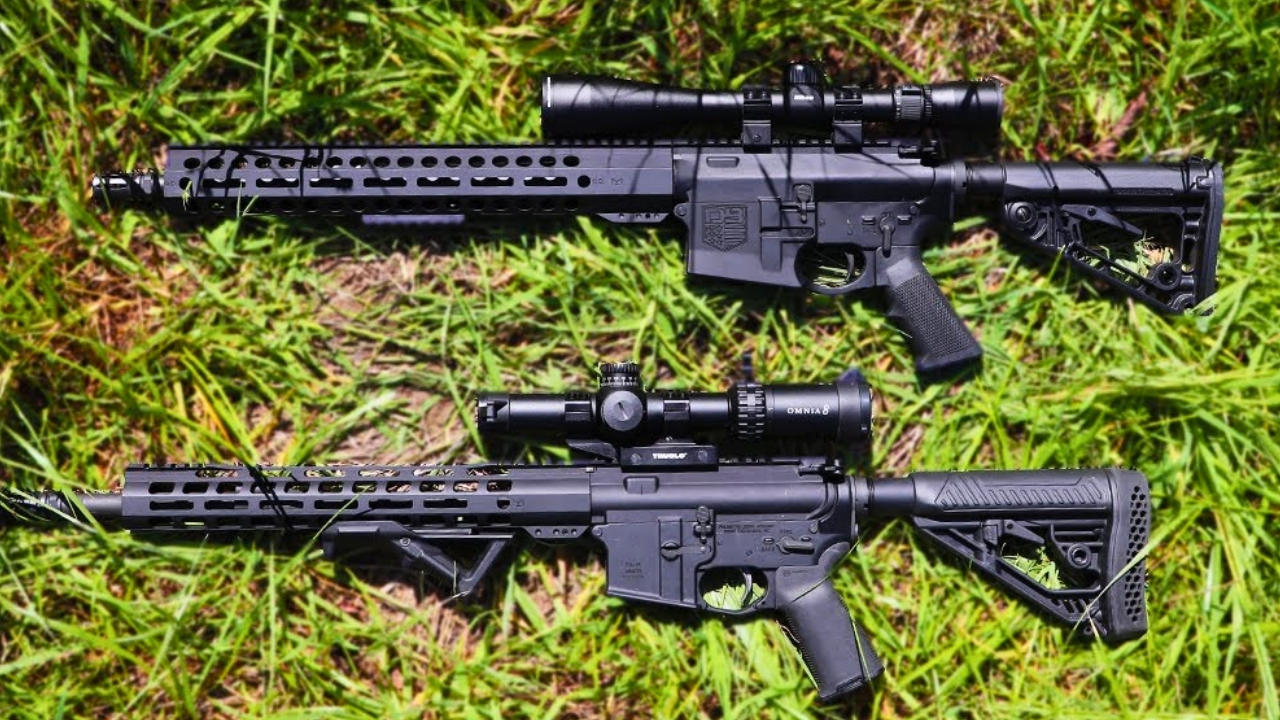
Spend any real time around shooters, and this debate always comes up: the AR-10 or the AR-15—which one really pulls its weight? They share the same bloodline, but they were born for different jobs. The AR-15 is lighter, faster, and built around the 5.56 NATO, a round that’s easy to feed and soft to shoot. The AR-10, chambered in .308 or similar calibers, trades speed for authority—it hits harder, but you pay for it in recoil, weight, and cost. Both rifles can serve well in the field or on the range, but the one that “earns its keep” depends on how you use it. Experience, not theory, separates these two.
Power versus practicality
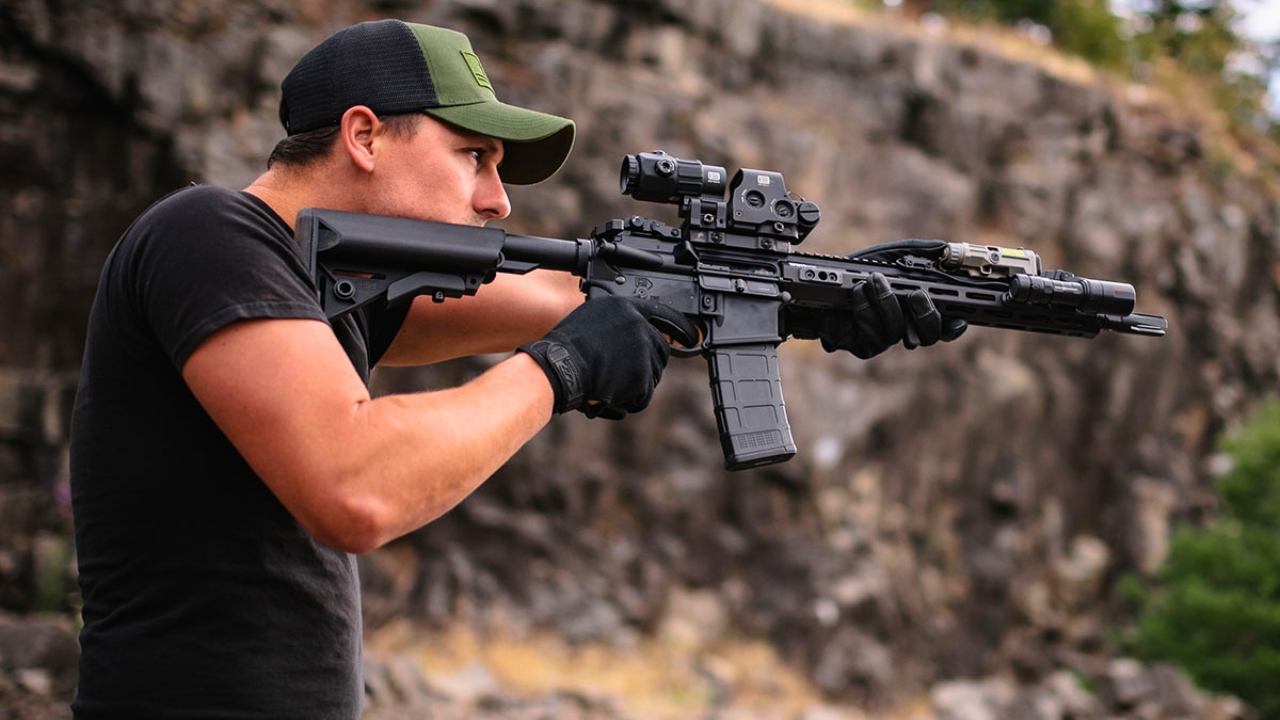
The AR-10 hits like a hammer. It’s meant for distance, power, and hunting-sized game that the AR-15 might struggle with. A .308 round carries more weight, better energy retention, and far more terminal performance when you’re shooting past 200 yards. That makes it ideal for hogs, deer, or anything else where punch matters.
The AR-15, though, wins on versatility. Its lighter 5.56 or .223 loads are perfect for small game, predators, and range training. You can carry twice the ammo at half the fatigue. The AR-10’s strength is undeniable, but if your day-to-day shooting doesn’t demand that power, the AR-15 makes a lot more sense.
Weight makes the difference

You notice the extra weight of an AR-10 the moment you pick it up. Even before you load a magazine, it feels like a rifle built for deliberate work, not long hikes. Add optics and a full mag of .308, and you’re carrying a lot more mass than a comparable AR-15 setup.
That extra heft does help with recoil, but it also slows you down. The AR-15, in contrast, feels nimble and fast—easy to shoulder, quick to transition, and less tiring to hold on target. When you’re on the move or shooting from awkward positions, the AR-15 earns its keep through agility alone.
Range and reach

There’s no question the AR-10 stretches farther. Its .308 and related calibers hold accuracy and energy past 600 yards, making it a better long-range performer. You can take ethical shots on larger game or ring steel at serious distances with confidence.
The AR-15, while accurate, is limited by its cartridge. Beyond 400 yards, wind drift and drop become serious factors. That doesn’t make it ineffective—it’s still deadly accurate inside its comfort zone. Experience shows that if you shoot inside 300 yards most of the time, you won’t gain much from the AR-10’s reach except a heavier loadout.
Ammo availability and cost

The AR-15 wins this category without breaking a sweat. 5.56 and .223 ammo are cheap, plentiful, and available everywhere. That means more range time, more training, and less hesitation to shoot. You’ll find it at every big-box store and almost every rural hardware shop.
The AR-10’s .308 isn’t rare, but it’s expensive. Every range trip costs more, and you’ll feel it over time. If you reload, it softens the blow a bit, but factory ammo prices still add up fast. The AR-10 rewards you with power, but the AR-15 rewards you with practice—and that might matter more in the long run.
Recoil and control

The AR-15’s low recoil makes it approachable for nearly any shooter. You can stay on target for follow-up shots, teach new shooters easily, and shoot all afternoon without fatigue. The rifle’s gas system and light cartridge work together beautifully.
The AR-10 isn’t punishing, but it’s a different experience. The heavier recoil can pull you off target and slow your rhythm. In hunting or tactical use, that second shot can matter. With time and proper stance, you can manage it well—but side by side, the AR-15 is easier to live with.
Maintenance and parts

The AR-15 platform benefits from sheer popularity. Every part, spring, and accessory you could imagine exists for it. You can replace or upgrade almost anything with a quick online search. Its design has been refined through decades of use, and that makes maintenance easy.
The AR-10, while similar, suffers from inconsistency. There’s no true standard across manufacturers, and parts don’t always cross-fit between brands. Cleaning is straightforward, but sourcing components can be frustrating. If you like tinkering and customizing, the AR-15 is the friendlier rifle.
Hunting versus defense
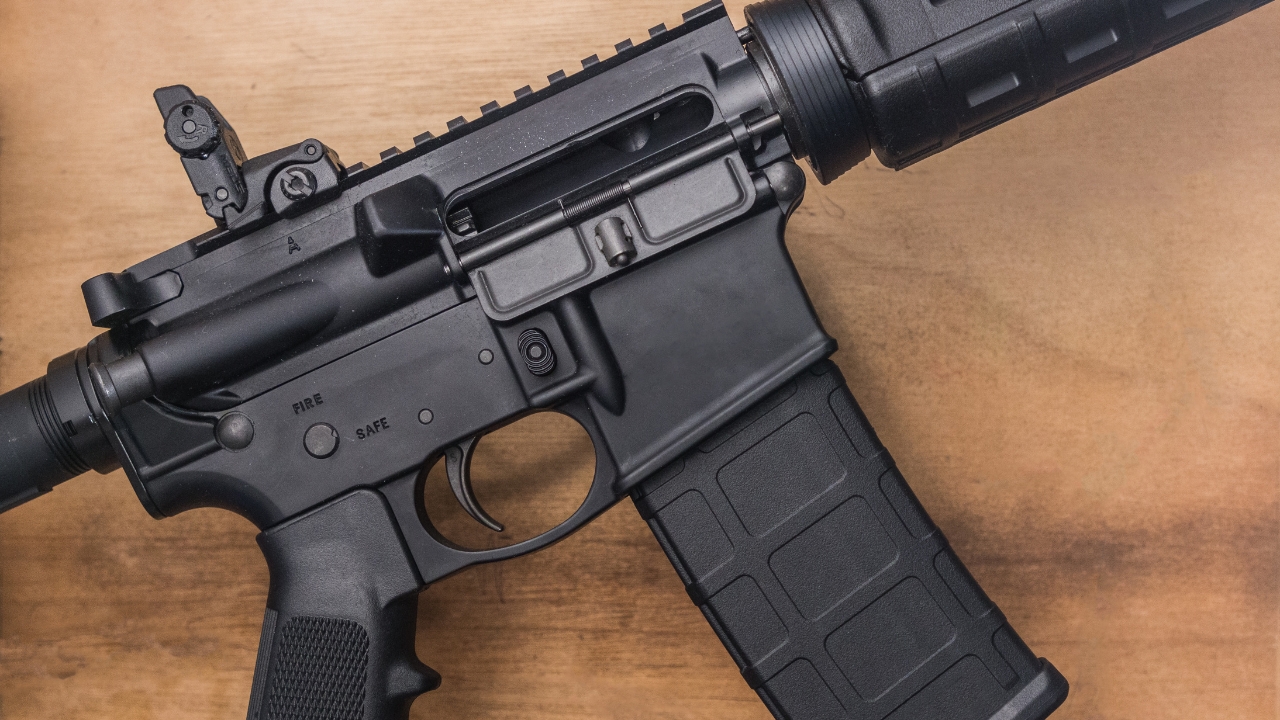
If you’re hunting big game or need more energy on impact, the AR-10 is hard to beat. It carries the authority of traditional hunting calibers in a modern semi-auto platform. Many hunters use it successfully for deer, elk, and hogs.
For defense or general-purpose use, the AR-15 wins by practicality. It’s lighter, faster, and easier to maneuver in tight spaces. With proper ammunition, it’s more than capable of handling defensive roles without overpenetration concerns. Both rifles work—but one’s a hunter’s tool, the other a defender’s companion.
Accuracy potential

Both rifles can be impressively accurate, but the AR-10 tends to edge out at distance thanks to its heavier bullets and longer barrels. The .308’s ballistic stability gives it a clear advantage past 500 yards, especially in wind.
However, the AR-15’s mild recoil and lighter setup make it easier to shoot well for most people. You’re less likely to flinch or fight the rifle, and that translates to more consistent hits at shorter ranges. Experience proves that accuracy isn’t always about the gun—it’s about what you can manage behind it.
Customization options

The AR-15 is the most customizable rifle on earth. You can build one from scratch with nothing but a bench, a few tools, and a weekend. Everything from triggers to rails to barrels is standardized and affordable. That freedom keeps shooters experimenting and upgrading without breaking the bank.
The AR-10, though customizable, has far fewer compatible parts. Its variations—DPMS, Armalite, and others—don’t always play well together. You can make it fit your needs, but you’ll spend more doing it. The AR-15 wins here, plain and simple.
What experience proves

After years behind both rifles, you realize they’re not rivals—they’re siblings with different strengths. The AR-15 earns its keep through versatility, ease of use, and affordability. It’s the rifle you grab when you need something that just works, anywhere.
The AR-10, on the other hand, proves its worth when power and reach matter more than comfort. It’s the rifle for deliberate shots, long distances, and serious game. Experience doesn’t pick one over the other—it shows you that both serve their purpose. The real question is whether you want to carry strength or speed.
Like The Avid Outdoorsman’s content? Be sure to follow us.
Here’s more from us:
The worst deer rifles money can buy
Sidearms That Belong in the Safe — Not Your Belt
*This article was developed with AI-powered tools and has been carefully reviewed by our editors.