Photo credit: MADMAN REVIEW/YouTube
A lot of what you “know” about calibers is really just repetition. You hear a line enough times—too small, too slow, too old, too fast—and it starts sounding like fact. Then you actually hunt with a round, or watch what it does on animals, or see what it does to accuracy under pressure, and you realize the truth is usually more boring and more practical than the advice you were handed.
The calibers that make you question everything aren’t magic. They’re the ones that don’t fit the story people tell about them. Some hit harder than they look. Some penetrate better than their recoil suggests. Some “big” rounds disappoint, and some “little” rounds keep stacking clean kills. If you stay honest about range, bullets, and shot placement, these are the cartridges that tend to rewrite a few rules.
6.5 Creedmoor
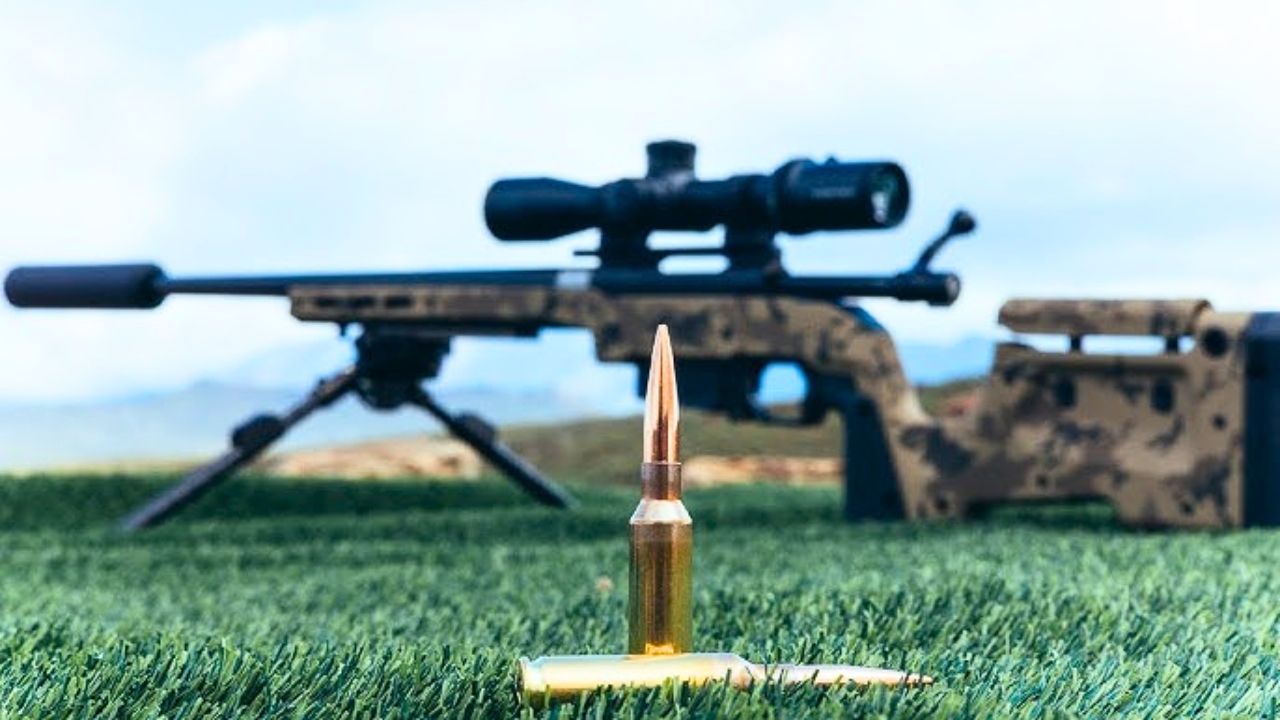
You were probably told it’s a “target round” that hunters adopted for bragging rights. Then you watch it put deer down fast with good bullets, and you start wondering why you ever acted like it was fragile. The recoil is mild enough that you shoot better, which is the part nobody wants to admit matters most.
The other surprise is penetration. With the right hunting bullet, it gets through shoulders and holds together better than the internet jokes would have you believe. It doesn’t turn every hit into a tracking job, and it doesn’t require a perfect rifle to shoot tight. It’s not a moose hammer at bad angles, but inside sane ranges, it works so consistently that it makes a lot of “you need more gun” advice sound like ego.
.243 Winchester
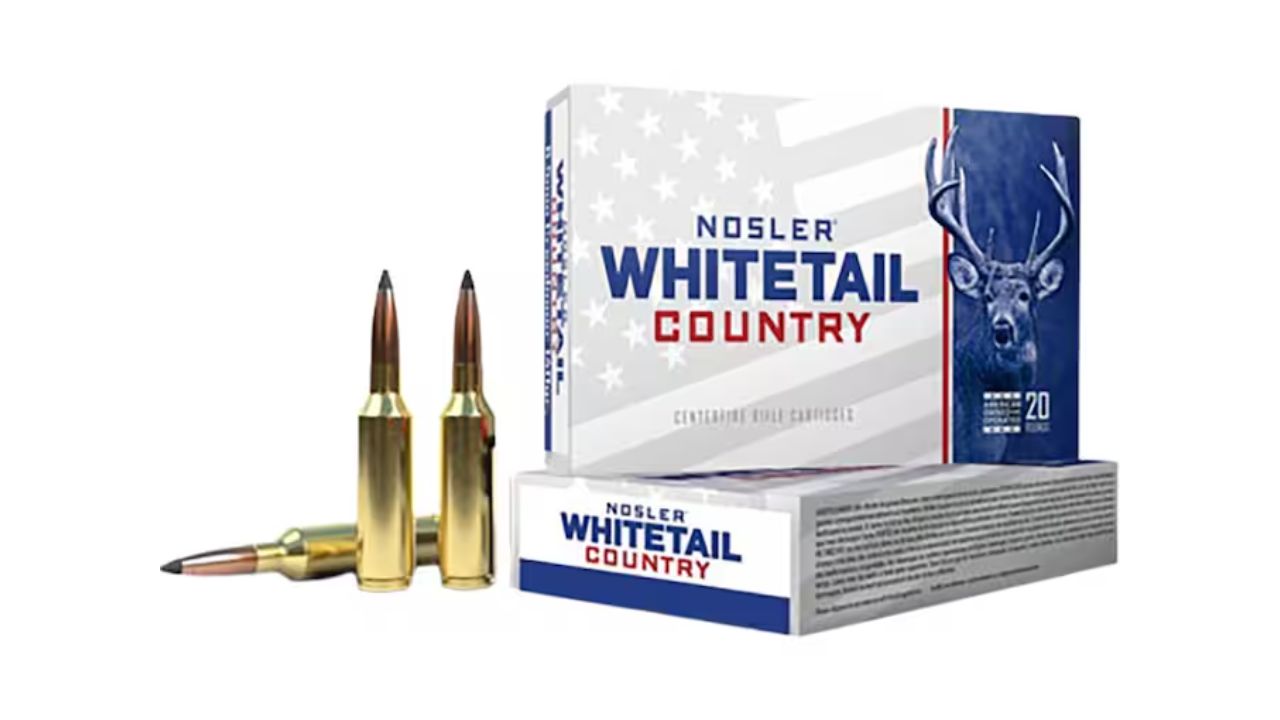
People love to call it “too small,” right up until you see how cleanly it kills deer when you use real hunting bullets and put them where they belong. The .243 is a reminder that accuracy and confidence aren’t side benefits—they’re the whole game. When recoil is light, you don’t flinch, and you don’t rush the trigger.
It also teaches you that bullet choice matters more than caliber bragging. A tough 95- to 105-grain hunting bullet behaves very differently than a fragile varmint pill. Inside normal deer ranges, it can be downright surgical. It’s not a free pass for bad angles or big-bodied game in tough conditions, but it’s enough gun for a lot of hunting. And once you see that, you start questioning how much of “caliber wisdom” was fear.
7mm-08 Remington

A lot of guys treat 7mm-08 like it’s only for kids or recoil-shy shooters. Then they shoot it well—really well—and see what a 140-grain bullet does on deer and hogs. It’s a cartridge that quietly punches above its reputation because it’s efficient and easy to run.
The surprise is how complete it feels. It shoots flat enough for normal hunting, hits with real authority, and it doesn’t punish you on the bench. That last part matters because it keeps you practicing. It also tends to be accurate in a wide range of rifles, so you’re not constantly chasing loads to make it behave. Once you hunt with it, you start wondering why you ever thought you needed a belted magnum for 200-yard work.
.30-30 Winchester
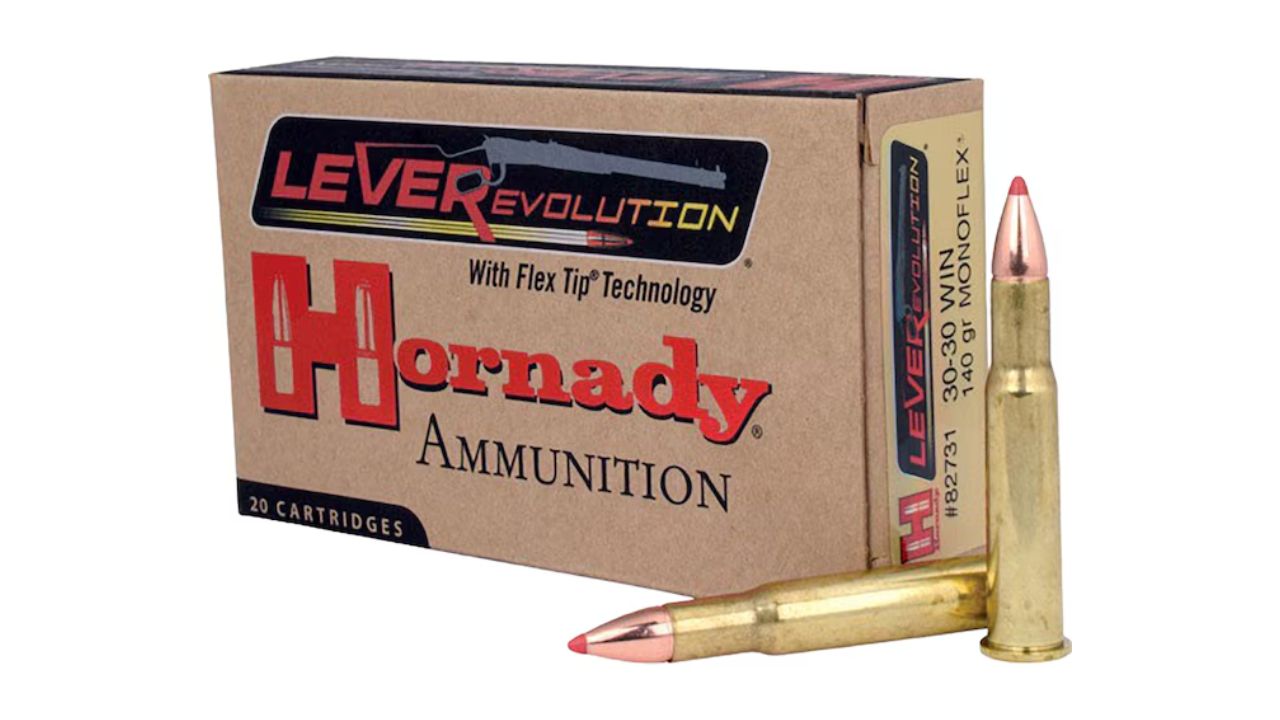
You were probably told .30-30 is outdated and only good for close timber shots. Then you hunt with modern loads and realize it’s still one of the most practical deer rounds ever made. In real woods, a fast-handling rifle and a predictable cartridge beat “flat trajectory” on paper.
The caliber also reminds you that impact matters more than velocity numbers. It makes a convincing hole, penetrates well with the right bullet, and it doesn’t turn practice into a punishment. You do have to respect drop, but the trajectory is honest and repeatable. The biggest lesson is that most deer aren’t shot at 400 yards, and most hunters don’t need a cartridge built for that. .30-30 forces you to admit that simple, effective, and shootable is still the winning combo.
.45-70 Government

Some folks talk about .45-70 like it’s a novelty that only belongs in history books. Then you see what a big, heavy bullet does on hogs or black bear inside normal ranges, and the “slow and obsolete” label starts sounding pretty silly. It hits with a kind of authority you don’t have to explain.
The real lesson is that speed isn’t the only way to get clean kills. With the right load, it penetrates deep and leaves a wound channel you can respect. It’s also more versatile than people think, because not every load is a shoulder-bruiser. The trajectory isn’t flat, but it’s predictable if you do your homework. Once you see how well it performs where most hunting actually happens, you start questioning why “modern” always gets treated like a synonym for “better.”
7.62x39mm
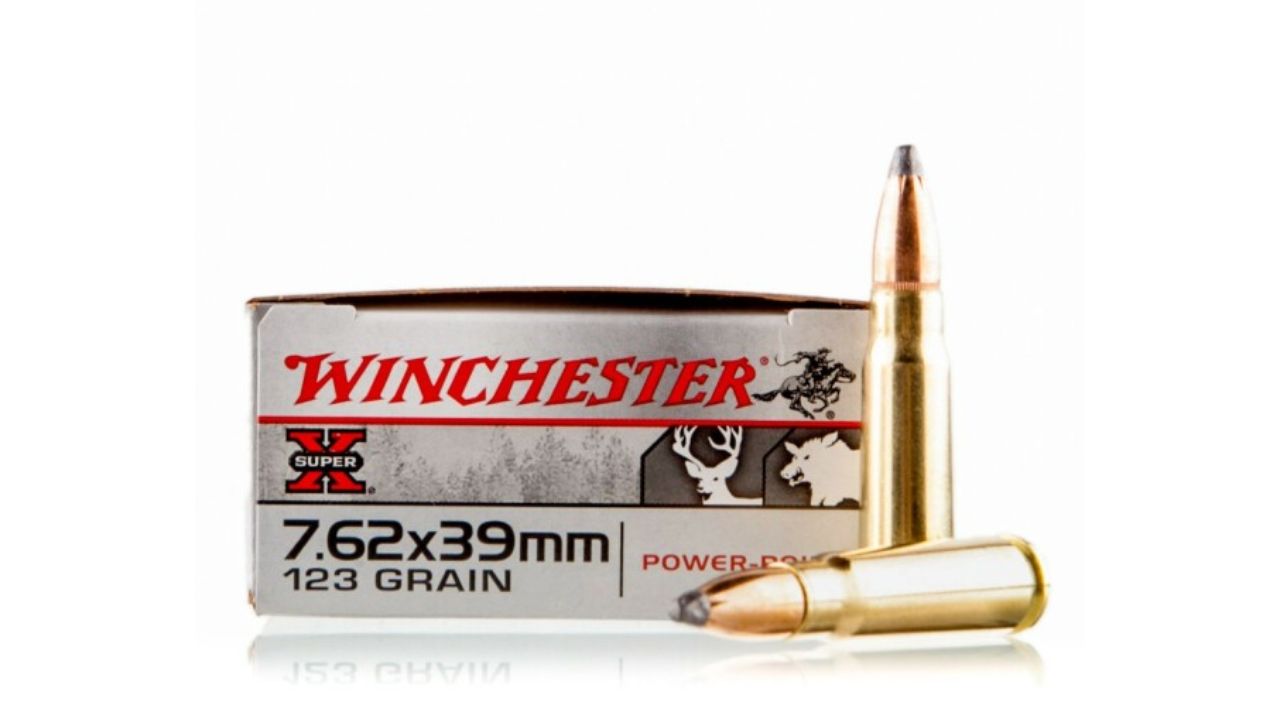
A lot of shooters file 7.62×39 under “cheap ammo” and stop thinking. Then they hunt with proper soft points and realize it’s a legit woods cartridge on deer and hogs inside sensible distances. It’s not glamorous, but it works, and it works more often than people want to admit.
The surprise is how controllable it is. Low recoil means quick, accurate follow-up shots, and many rifles chambered for it handle fast in brush. The key is staying honest about range and using real hunting loads, not whatever was cheapest. When you do, you get penetration and a respectable wound channel. It’s a caliber that makes you question how much of your opinion was shaped by the ammo aisle and not by actual performance on game.
.350 Legend

Some folks dismiss straight-wall cartridges as “legal loophole rounds” with no real advantage. Then you shoot .350 Legend and realize it’s mild, accurate, and very effective on deer at normal distances. It fills a practical role without beating you up, and that makes it more useful than a lot of louder, faster options.
The lesson here is that efficiency matters. You don’t need a fire-breathing rifle to kill whitetails clean. With good bullets, .350 Legend penetrates well and expands reliably at the distances it was built for. It also tends to be easy to shoot well, which shows up in the field when your heart is hammering and your breath is loud in your ears. Once you see how cleanly it does the job, you start questioning why recoil and muzzle blast ever got treated like proof of effectiveness.
.25-06 Remington
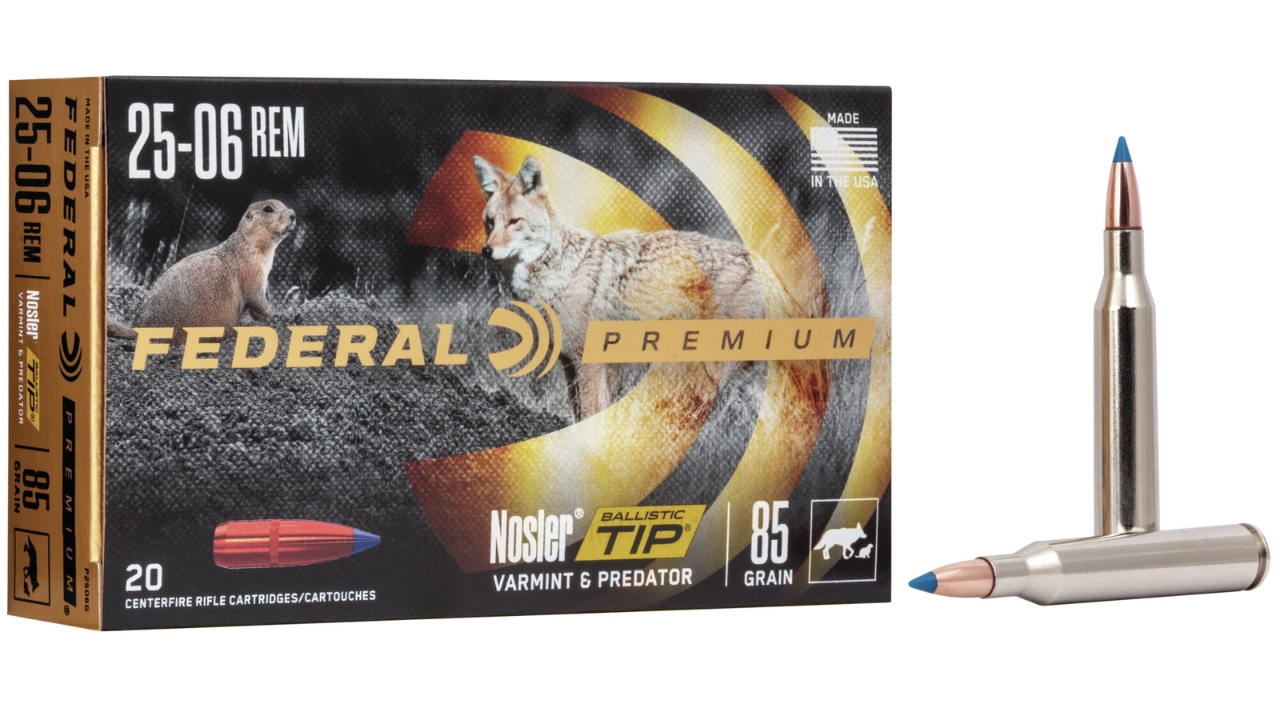
You might’ve been told .25-06 is “too light” or “too fast” to be a serious big-game option. Then you hunt deer and pronghorn with it and realize it’s one of the cleanest cartridges for the job. It shoots flat, it hits with more authority than people expect, and it doesn’t beat you up.
The surprise is how well it threads the needle between speed and bullet weight when you choose the right load. With 100- to 120-grain hunting bullets, it delivers excellent performance inside normal ranges without needing heavy recoil to do it. It also tends to shoot accurately, which makes you more confident when the shot isn’t perfect. It won’t replace a true elk cartridge in tough conditions, but for most of the hunting most people do, .25-06 quietly makes a lot of “bigger is always better” talk sound like habit.
.257 Roberts

The .257 Roberts is one of those calibers people forget exists until they shoot one. Then it makes you rethink the idea that you need modern velocity to be effective. It’s smooth, accurate, and deadly on deer with the right bullets. It doesn’t get the hype, but it gets results.
The bigger lesson is that comfort equals accuracy. When a cartridge is pleasant to shoot, you practice more and you stay relaxed behind the rifle. That shows up on game. With 117-grain hunting loads, the Roberts performs like a “real” deer round, because it is one. It’s not a marketing darling, so people assume it’s obsolete. But when you see how cleanly it kills inside normal ranges, you start questioning whether “obsolete” was ever about performance—or if it was just about what got talked about.
.280 Remington

The .280 Remington often gets treated like a “why bother” cartridge because it sits in the shadow of .270 and .30-06. Then you hunt with it and realize it’s one of the best all-around rounds in that whole class. It shoots flat, it hits hard, and it handles heavier bullets well without turning recoil into a problem.
What it teaches you is that popularity isn’t the same as capability. With 140- to 160-grain hunting loads, .280 gives you excellent downrange performance inside hunting distances with reliable penetration. It’s also a cartridge that tends to shoot accurately when the rifle is set up right. The irony is that its biggest weakness has always been marketing, not field performance. Once you see what it does on deer and elk inside sane ranges, you start wondering how many “standard picks” are standard mainly because that’s what everyone else said.
.260 Remington

You hear .260 described as “a Creedmoor before Creedmoor,” and that’s not wrong—but it undersells how effective it is. It throws 6.5 bullets that penetrate well and expand reliably with the right design, and it does it with low recoil. Inside normal hunting ranges, it’s a calm, confident performer.
The lesson here is that efficiency wins. You don’t need a giant case to get consistent accuracy and terminal performance. With 120- to 140-grain hunting loads, .260 handles deer, hogs, and similar-sized game cleanly, and it stays easy on your shoulder. It’s also a cartridge that rewards good shooting habits, because it doesn’t punish you for practicing. Once you run it for a season, you start questioning why so many people chase horsepower first and shot placement second.
.35 Remington

Some guys write off .35 Remington as an old lever-gun round that can’t hang with modern cartridges. Then they see what a heavier, bigger-diameter bullet does in the woods, and suddenly “old” doesn’t sound like an insult. It hits with authority, penetrates well, and it tends to leave honest sign when the shot is good.
The bigger point is that hunting isn’t always about flat trajectory. In thick cover, you’re often shooting through narrow lanes at reasonable distances, and you want a cartridge that behaves predictably when it connects. .35 Remington does that. It’s not a long-range showoff, but it doesn’t pretend to be. It’s a caliber that makes you question how many “better” cartridges are only better on paper, while the old woods rounds keep filling tags without fanfare.
.44 Magnum (from a carbine)

A lot of people think .44 Magnum is strictly a handgun round. Then you shoot it from a carbine and realize it becomes a different tool. You get more velocity, better control, and a cartridge that hits hard inside typical woods ranges. On hogs and deer, it can be surprisingly decisive.
The lesson is that platform matters. A cartridge that feels snappy in a revolver can feel very manageable in a rifle, and the performance changes with barrel length. With good hunting bullets, you get penetration and a wound channel that makes tracking straightforward when you do your part. You do have to stay honest about range, because it’s not a flat shooter, but inside the distances many hunters actually face, it works. And it makes you question how many “rifle-only” opinions were built on assumptions.
.22 Hornet

You were probably told the .22 Hornet is too weak to matter, or that it’s only for nostalgia. Then you see how effective it can be on varmints and small predators when you put the bullet where it belongs, and you realize “weak” isn’t always the right word. It’s mild, accurate, and it does its job without the blast of larger centerfires.
The bigger lesson is that not every hunt calls for maximum speed and noise. The Hornet can be practical in places where you want less report, less recoil, and enough performance for coyotes and similar-sized nuisance work at modest distances. It’s also a cartridge that teaches discipline, because you can’t fake shot placement. When you use it within its limits, it performs in a way that makes a lot of bigger-is-better talk sound like people solving problems they don’t actually have.
.300 Savage

The .300 Savage is another cartridge people tend to dismiss as “old” without really understanding what it does. Inside normal hunting ranges, it delivers performance that can feel surprisingly close to more modern .30-caliber standards. On deer, it hits with convincing authority, and it does it without the extra recoil and blast some shooters associate with bigger .30s.
The lesson is that the deer woods don’t grade your cartridge on a timeline. They grade it on what happens after the shot. With proper hunting bullets, .300 Savage penetrates well and puts animals down cleanly at sane distances. It also reminds you that “obsolete” often means “not currently marketed hard,” not “ineffective.” When you see one work in the field, it makes you question how many opinions were built on what’s on the shelf today instead of what’s proven over decades.
Like The Avid Outdoorsman’s content? Subscribe to our newsletter so you never miss an article.
Here’s more from us: