Photo credit: james "jrwilwest" west/YouTube
Some guns used to sit in pawn shop racks long enough to collect dust. They were common, affordable, and easy to overlook because nobody thought they were going anywhere. You could handle one, think about it, and walk out assuming another would be there next month.
Then the market changed. Collectors got interested, old production dried up, certain models developed a following, and clean examples stopped being casual finds. These guns went from “I’ll grab one later” to “Why didn’t I buy that when it was cheap?”
Ruger Police Carbine
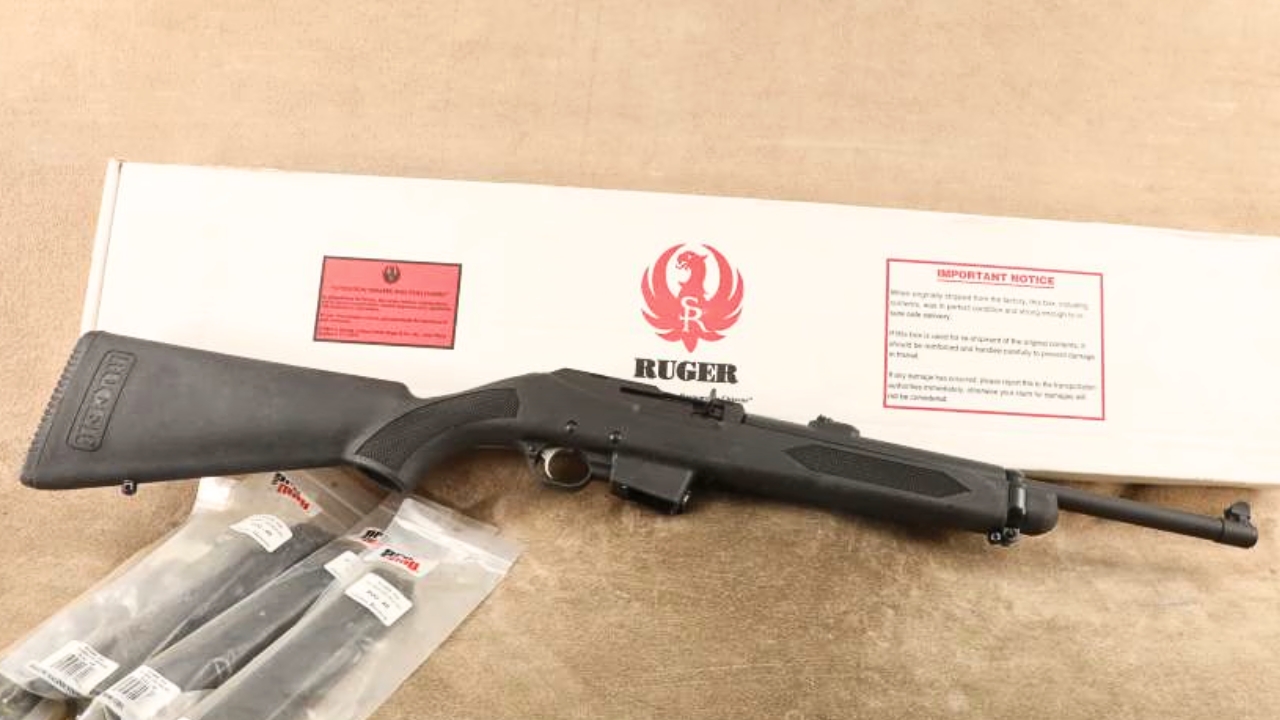
The Ruger Police Carbine used to show up as a plain, practical pistol-caliber carbine that many buyers walked past. It was not sleek, tactical, or exciting. It looked like an overbuilt Ruger meant for utility, not internet attention.
That is exactly why people miss them now. Chambered in 9mm or .40 S&W and using Ruger pistol magazines, it made sense before pistol-caliber carbines became trendy again. Today, a clean Police Carbine feels harder to replace because it has that sturdy old Ruger feel without all the modern PCC clutter.
Marlin Camp 9
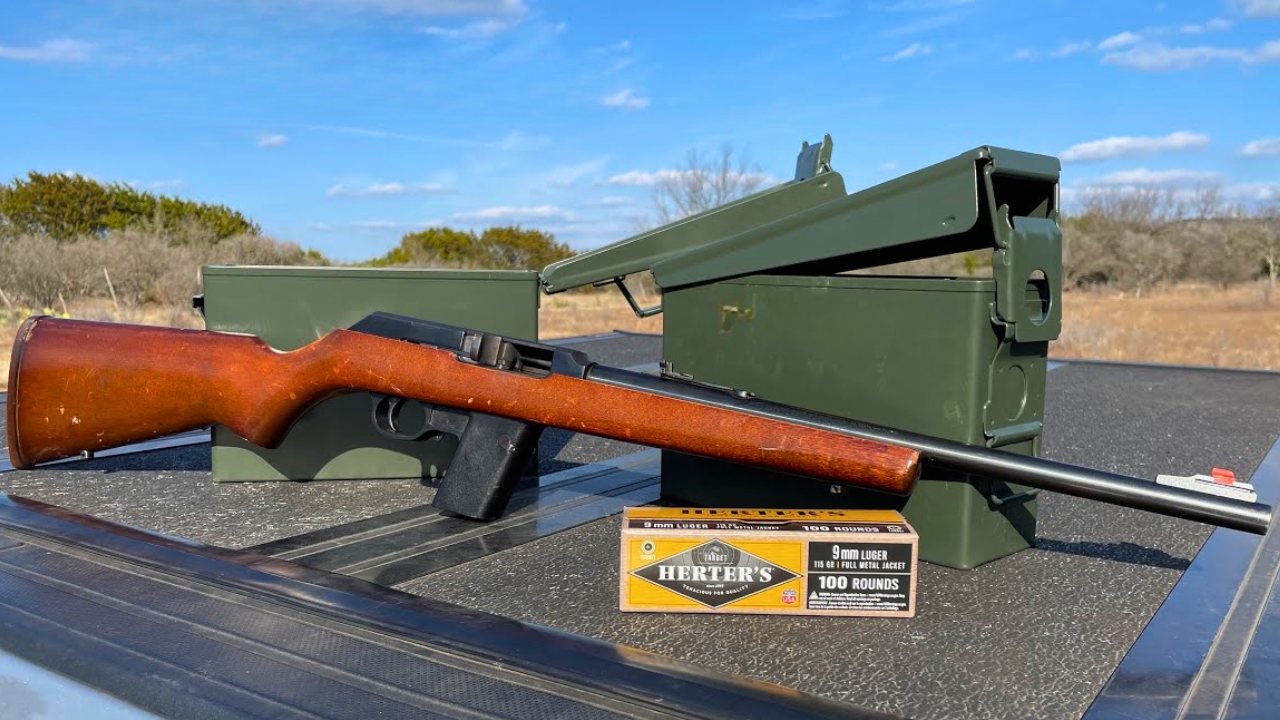
The Marlin Camp 9 was once the kind of carbine you could find tucked between deer rifles and old shotguns. It was simple, handy, and not treated like anything special for a long time. A lot of people passed because it looked like a casual range gun.
Now that pistol-caliber carbines are popular again, the Camp 9 makes more sense than ever. It has a plain sporting look, mild recoil, and a practical size that modern tactical PCCs do not always match. Buyers who ignored them at pawn shop prices are not seeing those deals much anymore.
Smith & Wesson Model 915
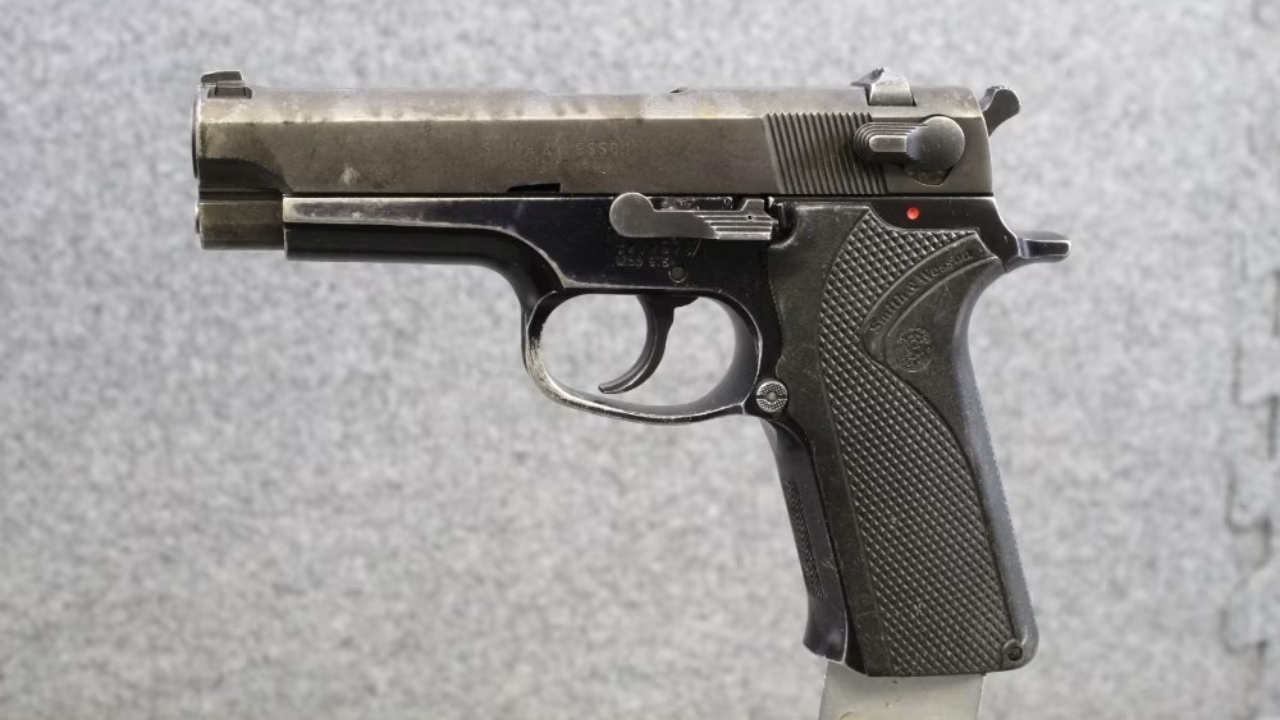
The Smith & Wesson Model 915 spent years as a less glamorous third-generation Smith auto. It did not have the stainless shine of the 5906 or the compact appeal of the 6906, so plenty of buyers treated it like the budget sibling.
That attitude has changed. Shooters started realizing the 915 still gives you that old Smith service-pistol feel, real 9mm capacity, and dependable function without the collector spotlight getting too bright. Clean examples are not impossible to find, but they are no longer the ignored pawn shop pistols they used to be.
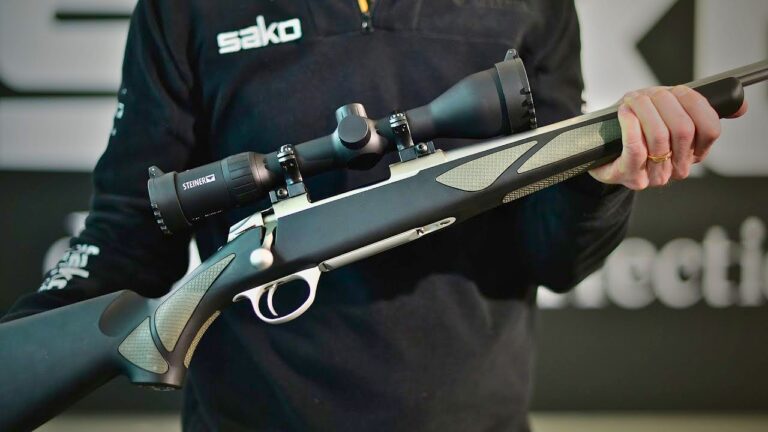
Remington 788
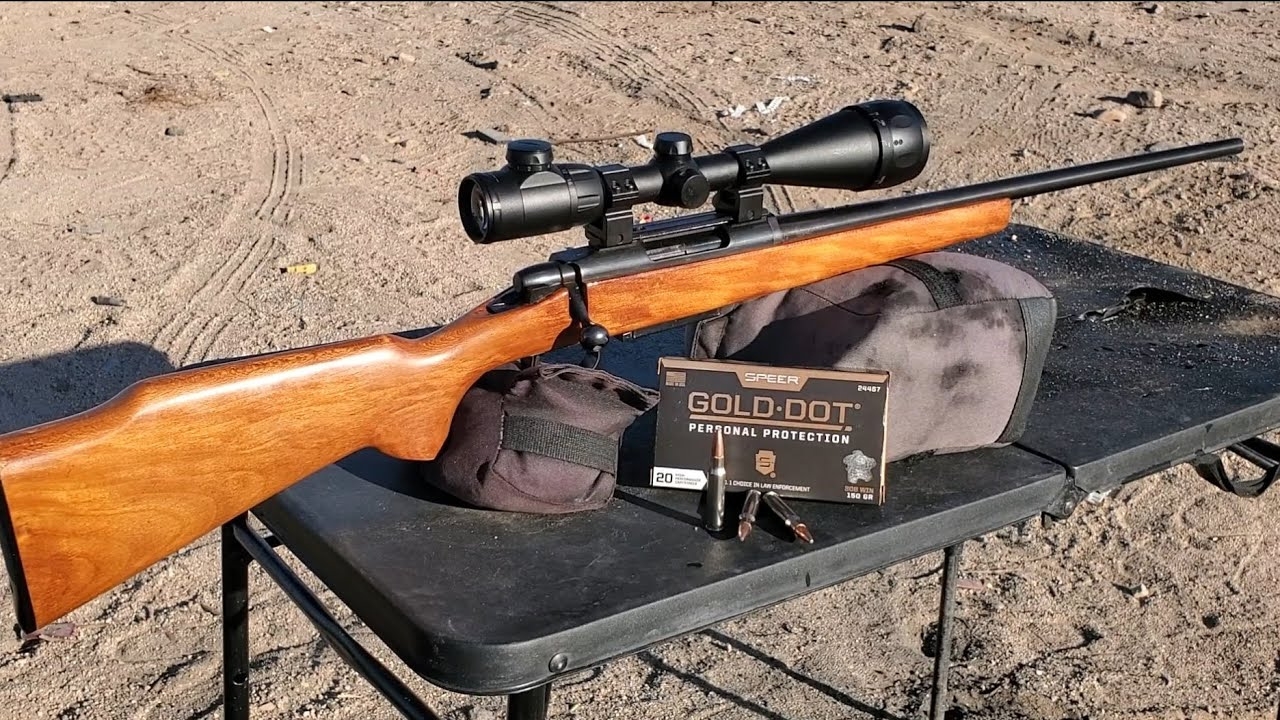
The Remington 788 was once just the cheaper Remington bolt gun. It looked plain, felt utilitarian, and did not have the reputation or polish of the Model 700. That made it easy to overlook when it sat in used racks.
Then people started paying attention to how well many of them shot. The 788 built a following because accuracy matters, especially in chamberings hunters and varmint shooters still like. Now a clean 788 in the right caliber gets noticed fast. What used to look like a budget rifle now looks like a sleeper people should have bought sooner.
Mossberg 500A
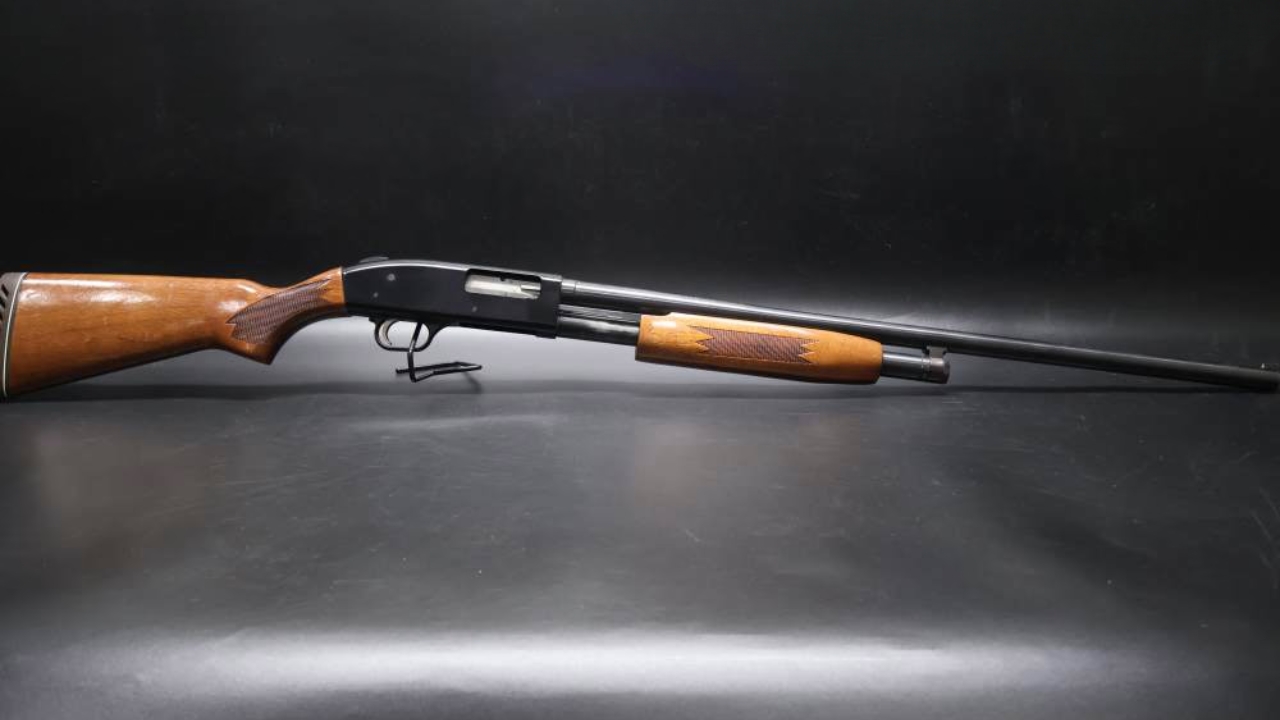
The Mossberg 500A used to be everywhere. Pawn shops, closets, trucks, duck camps, and deer leases all had them. Because they were so common, people treated them like basic working shotguns instead of anything worth chasing.
That is still partly true, but clean older examples with good barrels and honest condition have become more appreciated. The 500A is light, practical, easy to maintain, and backed by decades of real use. It is not rare, but finding a good old one at giveaway pricing is a lot harder than it used to be.
Star Model B

The Star Model B was once a cheap surplus-style 9mm that many shooters dismissed because it was not a true 1911 and did not come from a fashionable brand. It looked familiar enough to be interesting, but not enough to make everyone stop.
Now it has real appeal among people who like old steel pistols. The Model B is fun to shoot, has classic lines, and feels more substantial than its old prices suggested. It is not a modern carry gun, but it does not need to be. The days of ignoring clean examples are mostly gone.
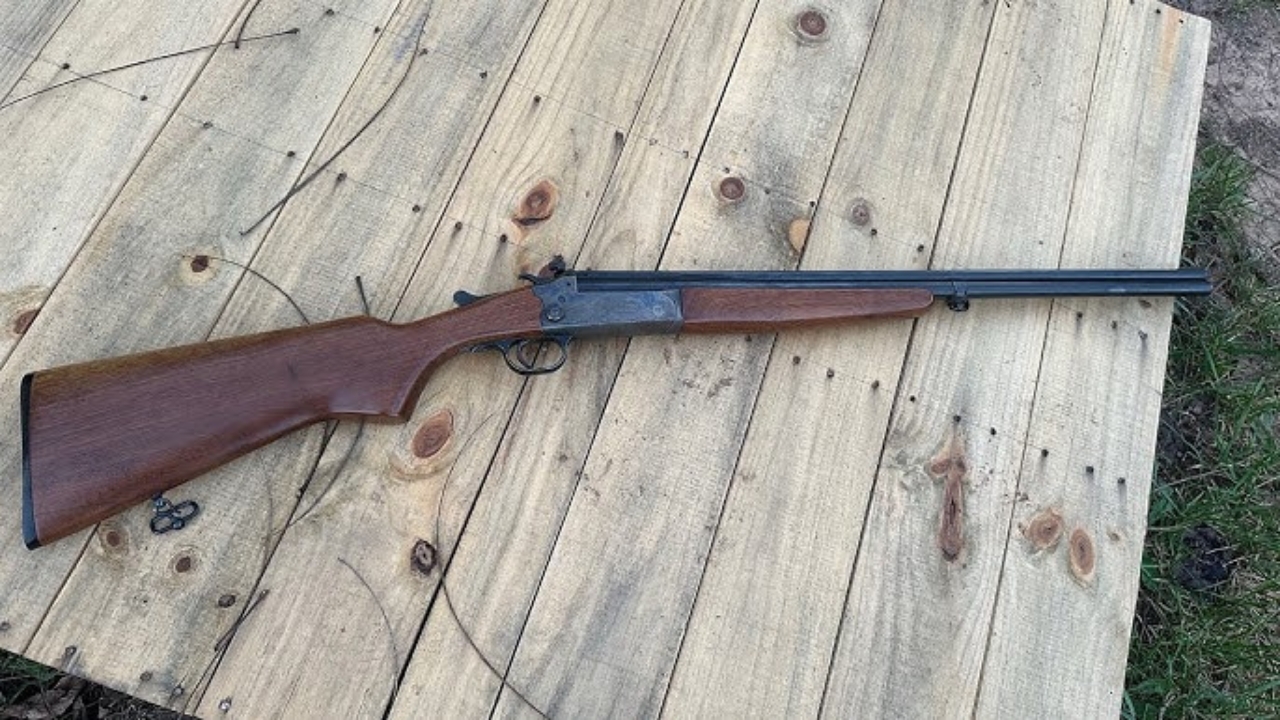
Savage 24
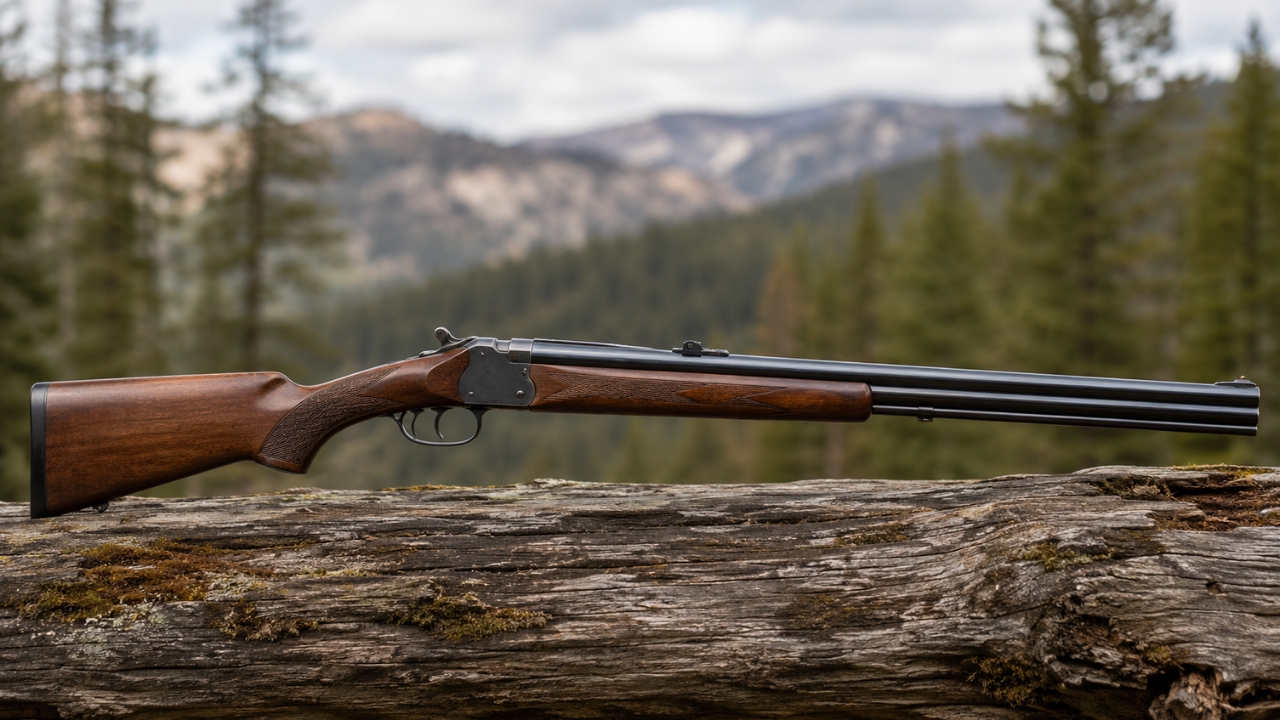
The Savage 24 used to be a practical combo gun that showed up in pawn shops with scratches, old sling swivels, and plenty of field wear. A rifle barrel over a shotgun barrel made sense for farm use, small game, and woods walking, but it was not flashy.
Now that combination is exactly why people want them. Modern guns are usually more specialized, while the Savage 24 does two simple jobs in one package. Clean examples in useful chamberings have become harder to find because owners finally realized nobody is making quite the same thing anymore.
Winchester Model 190
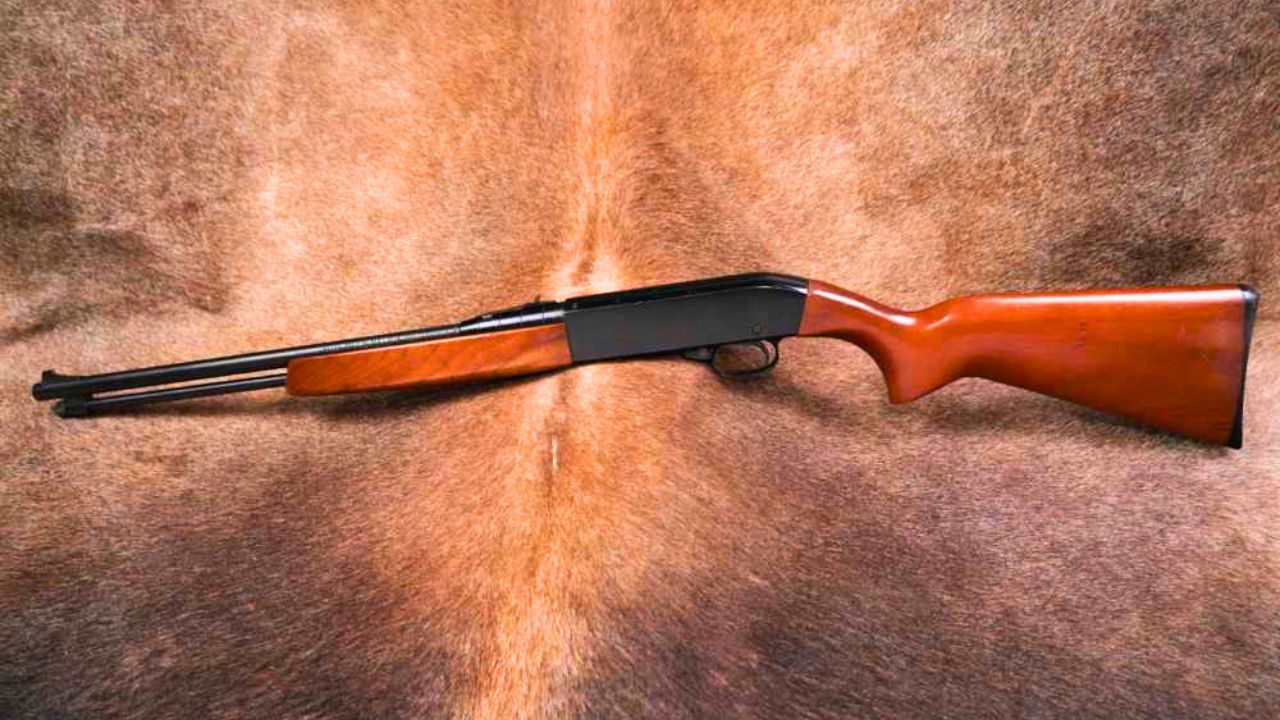
The Winchester Model 190 was once a basic semi-auto .22 that did not draw much excitement. It was affordable, common, and often treated like a kid’s rifle or casual plinker. That made it easy to pass over.
Today, shooters who grew up with them or want old-school rimfire character give them a second look. The Model 190 is not fancy, but it has nostalgia, a classic tube-fed layout, and enough Winchester appeal to keep clean examples moving. It went from forgettable pawn shop .22 to a rifle people buy because it reminds them of simpler range days.
Rossi Model 92

The Rossi Model 92 used to be the affordable lever gun people bought when they could not or would not pay Winchester money. For years, that kept it in the “cheap but useful” category. Pawn shops often treated them like basic truck guns.
Then pistol-caliber lever guns got hot. Suddenly, a handy .357 or .44 Magnum lever-action carbine looked a lot more attractive. The Rossi 92 still is not a luxury rifle, but clean older examples with smooth actions and good wood are not ignored like they once were. The market caught up with the usefulness.
Smith & Wesson Model 64

The Smith & Wesson Model 64 was once a plain stainless .38 service revolver that did not get people excited. It lacked the glamour of magnum K-frames and the deep-blue finish collectors love. That made it a regular in used cases and police trade-in batches.
Now shooters appreciate what it offers. The Model 64 is durable, simple, smooth, and practical. A stainless K-frame .38 may not sound dramatic, but it is easy to shoot well and hard not to respect. Clean examples are getting more attention from people who used to walk past them.
H&R Handi-Rifle
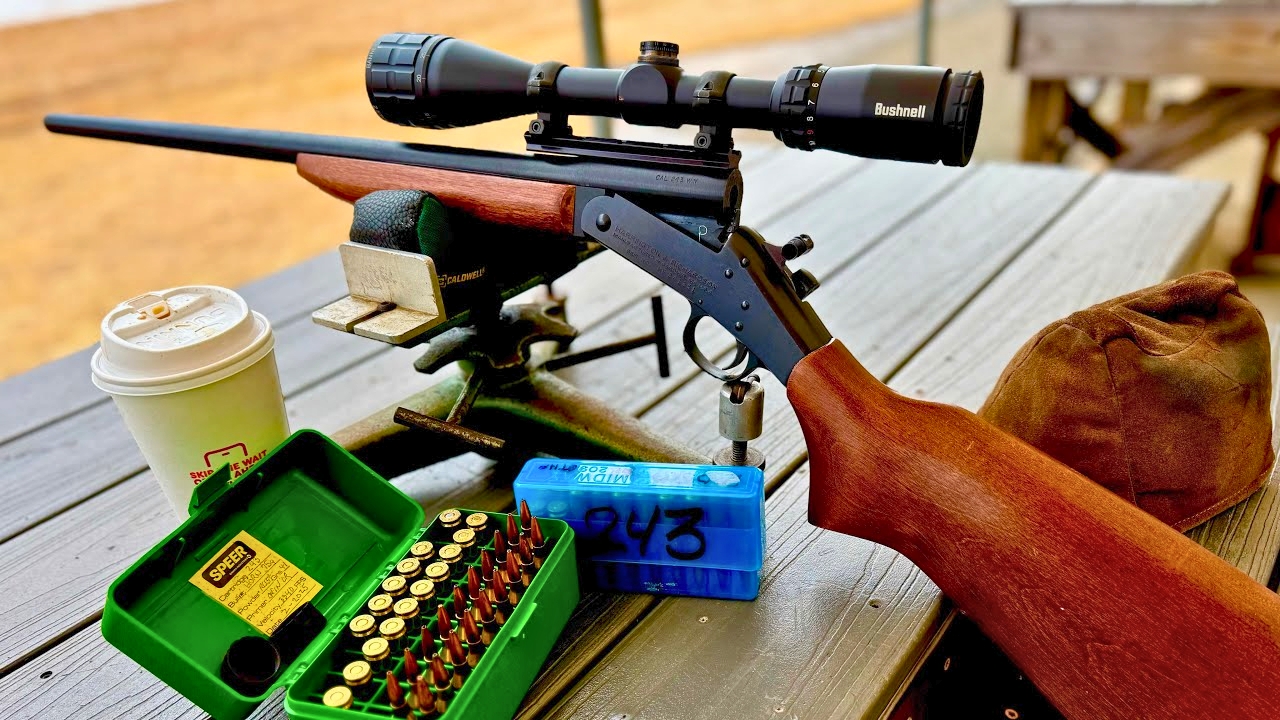
The H&R Handi-Rifle was once the definition of a simple pawn shop gun. Single shot, break action, affordable, and available in a pile of chamberings. People bought them for kids, deer stands, truck use, and rough conditions.
Now that they are gone, the appeal is clearer. A cheap, simple, safe, easy-to-teach rifle has real value, especially in useful calibers. Certain chamberings have become surprisingly sought after. The Handi-Rifle was never fancy, but it quietly became one of those guns people miss because it did one honest job well.
Beretta Model 81

The Beretta Model 81 used to be an odd little .32 ACP that many American buyers ignored. It was well-made, but the caliber and size made people question the point. When surplus examples showed up, they were easy to underestimate.
Then people started shooting them and realized how pleasant they were. The Model 81 has classic Beretta style, mild recoil, good capacity for the caliber, and excellent range manners. It is not a powerhouse, but it is charming in a way modern pocket pistols rarely are. Clean ones do not sit around ignored like they used to.
Remington Model 1100
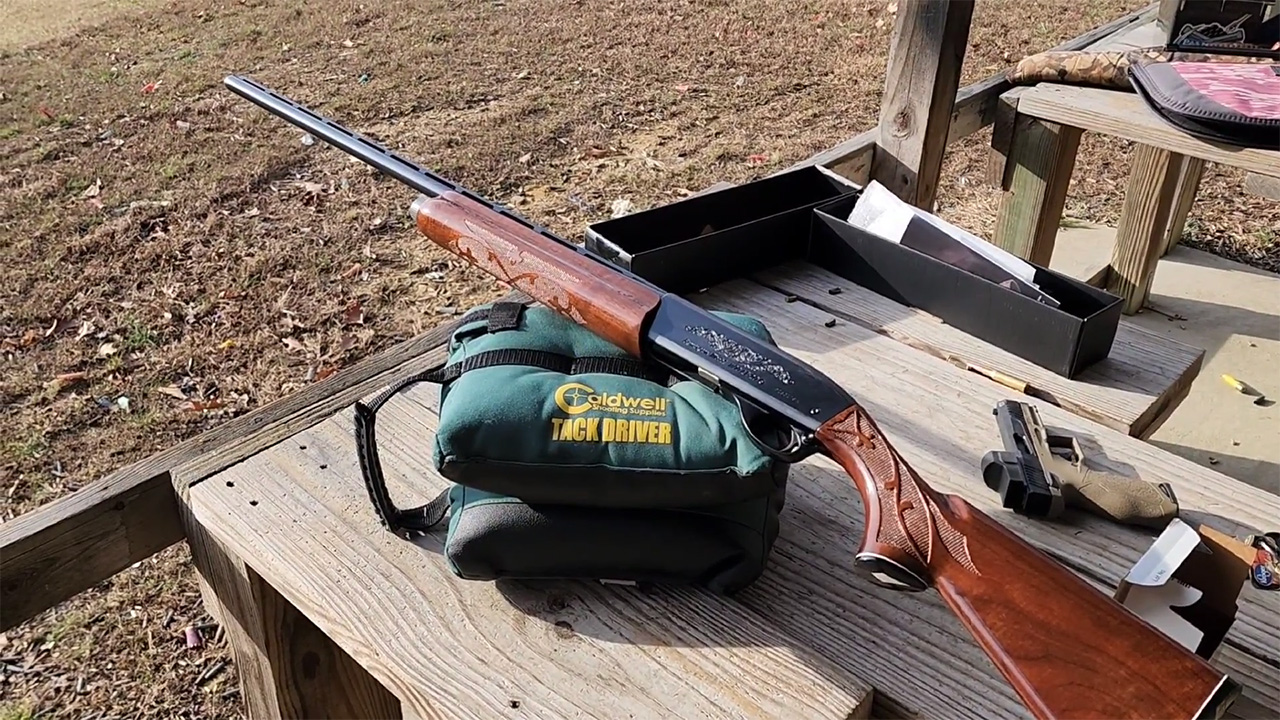
The Remington 1100 was once so common that people forgot how good it was. Pawn shops and used racks regularly had them because generations of hunters and clay shooters owned them. To many buyers, it was just another old semi-auto shotgun.
That has changed as clean older examples get harder to find in good condition. The 1100 is soft-shooting, smooth, and still one of the most pleasant gas guns to spend a long day with. Worn-out beaters still exist, but nice ones have become favorites instead of afterthoughts.
Ruger Security-Six
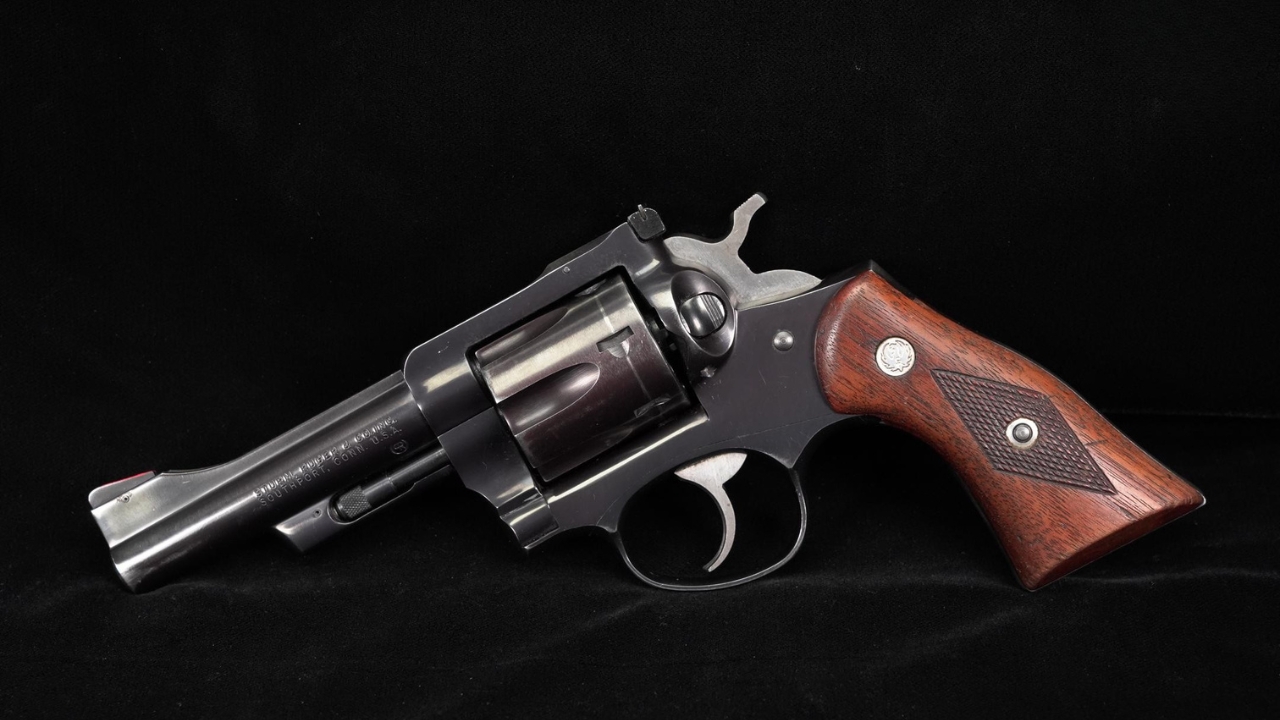
The Ruger Security-Six used to be the workingman’s .357. It was strong, practical, and usually cheaper than the Smiths and Colts that got more collector attention. That made it a regular pawn shop revolver for years.
Now people understand how good they were. The Security-Six is handier than the GP100, tougher than its size suggests, and still a great shooter. It has become one of those Rugers people regret ignoring when prices were soft. Clean examples are getting harder to find because owners know exactly what they have.
Marlin Model 60
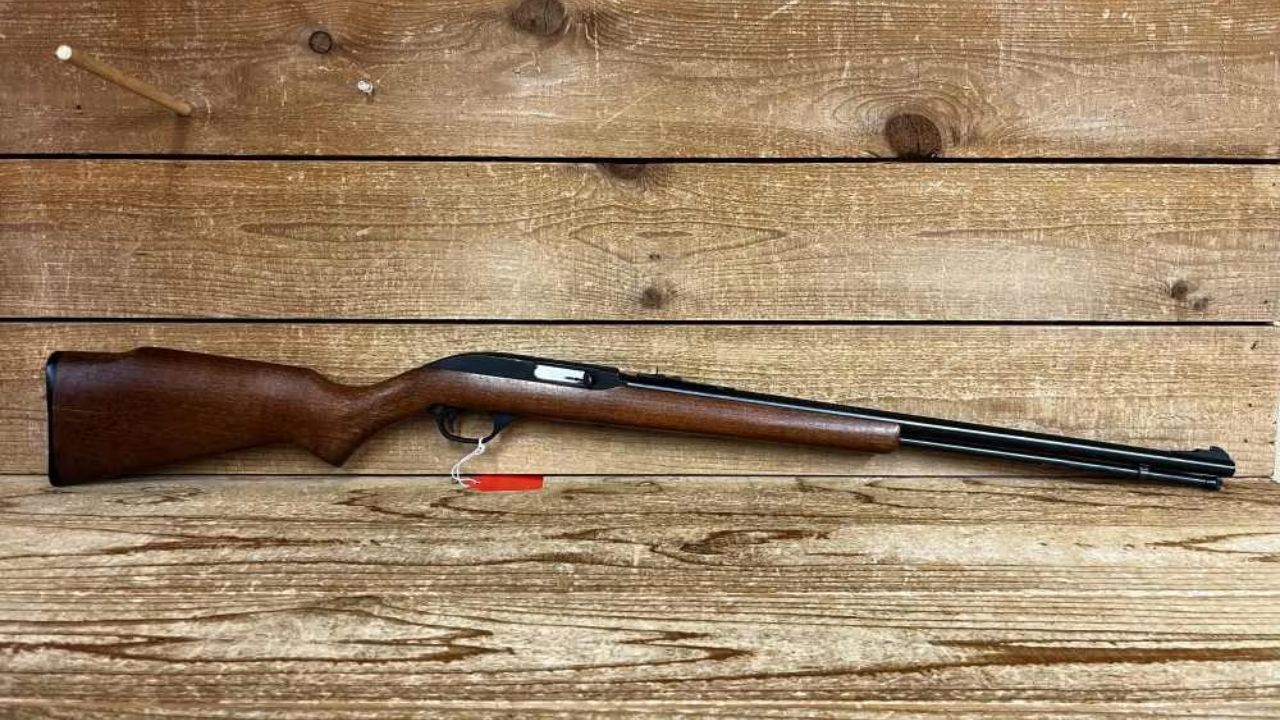
The Marlin Model 60 used to be everywhere. It was affordable, accurate, tube-fed, and common enough that many shooters treated it like background noise. Pawn shops had them all the time, often with scratched stocks and cheap scopes.
Good ones still exist, but clean older examples are not dismissed like they once were. The Model 60 earned its following by being a simple, accurate rimfire that generations learned on. It may never have been fancy, but it became a favorite because it worked. Now people look twice before passing one up.
Like The Avid Outdoorsman’s content? Subscribe to our newsletter so you never miss an article.
Here’s more from us: