Photo credit: dotshock/Shutterstock.com
At 7–15 yards, a lot of pistols can look “accurate.” Big targets, fast pace, and the shooter not needing to be perfect can hide problems. Past 15 yards, small sights, short sight radiuses, heavy triggers, inconsistent lockup, and snappy recoil start showing up. And sometimes the gun is mechanically capable, but it’s so hard to shoot well that the shooter thinks the gun is inaccurate.
Ruger LCP
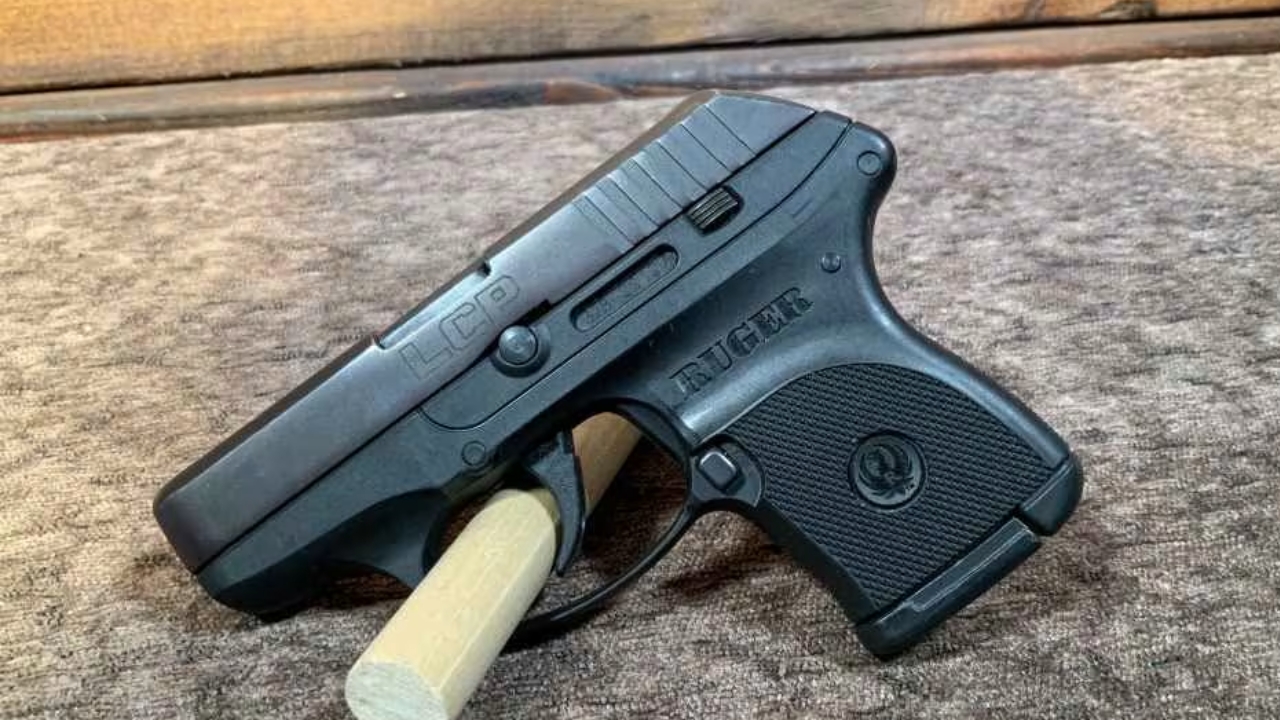
Up close, the LCP can put rounds where you want, mostly because the target is forgiving and you’re just trying to keep it centered. Past 15 yards, the tiny sights and long trigger make it tough to be consistent. The gun is so small that any slight trigger slap or grip change moves the muzzle, and you see that instantly at distance. Many shooters blame the barrel or the gun, but the real issue is that the platform demands perfect technique for results it was never designed to prioritize. The LCP is a close-range carry tool. Trying to make it a 25-yard pistol usually turns into frustration.
Smith & Wesson Bodyguard .380
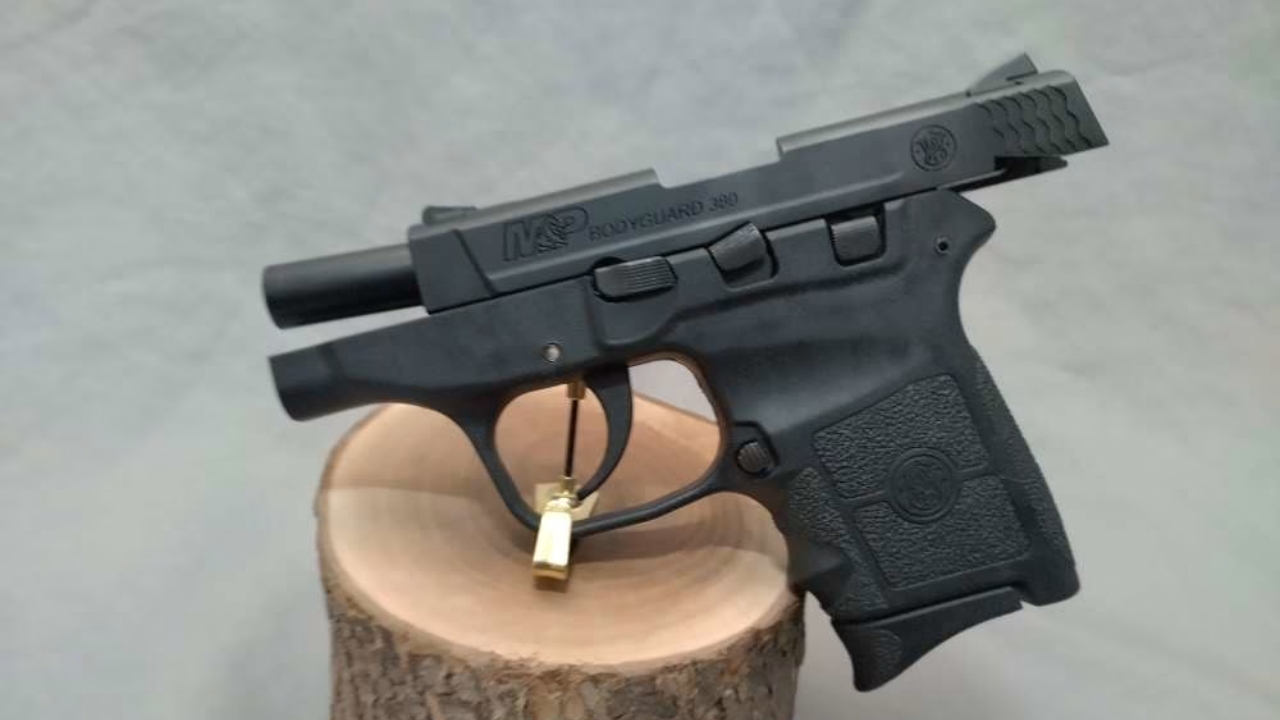
The Bodyguard is another pistol that can look fine up close, then fall apart at distance because of trigger feel and sight limitations. Many Bodyguards have a long, heavy pull that encourages the shooter to yank shots, and at 20–25 yards that becomes obvious. The grip is also small, so the gun doesn’t give you much stability for a clean press. If you’re honest, most owners aren’t buying a Bodyguard to print tight groups at 25. But when they try, they realize the gun doesn’t make precision easy at all.
SCCY CPX-2
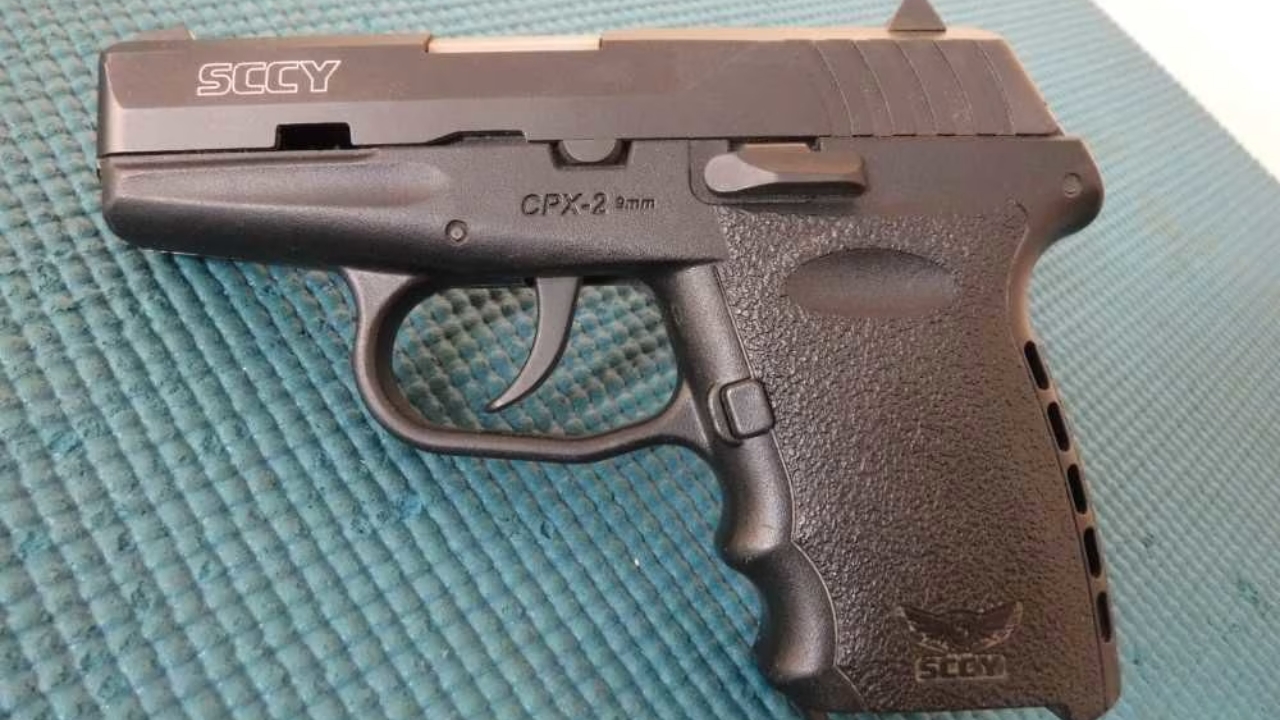
A heavy DAO trigger on a small pistol is a distance killer. At 7 yards, you can muscle through it and feel like the gun is fine. Past 15 yards, that long pull starts dragging shots low and off to the side because shooters can’t keep the sights steady through the entire press. It’s not that the pistol can’t hit—it’s that it makes hitting consistently harder than it should be. That’s why a lot of SCCY owners feel like the gun is “not accurate,” when what they’re really experiencing is trigger mechanics and a platform that punishes imperfections.
Taurus Spectrum

The Spectrum is one of those tiny pistols people want to love because it’s easy to carry. Up close, it can seem “accurate enough.” At distance, the small grip, short sight radius, and often mushy trigger feel combine into inconsistency. Shooters start chasing their groups because the gun doesn’t give them a clean, repeatable break. And because the gun is so light, recoil and grip pressure changes show up more than they would on a larger pistol. The Spectrum’s role is close-range carry. If you’re trying to shoot it like a compact 9mm at 25 yards, it will humble you.
Beretta Nano

The Nano’s snag-free, minimal-sight design is great for carry and rough for precision. At 10–15 yards, you can still keep it respectable. Past that, the trigger feel and sight picture make it hard to be consistent shot to shot. Many shooters end up “searching for the break,” and that searching moves the gun. The Nano can be mechanically accurate enough, but it isn’t an easy platform for the average shooter to wring out past 15 yards. The gun’s whole personality is “carry first,” and distance performance usually isn’t the thing owners love about it.
Kel-Tec PF-9
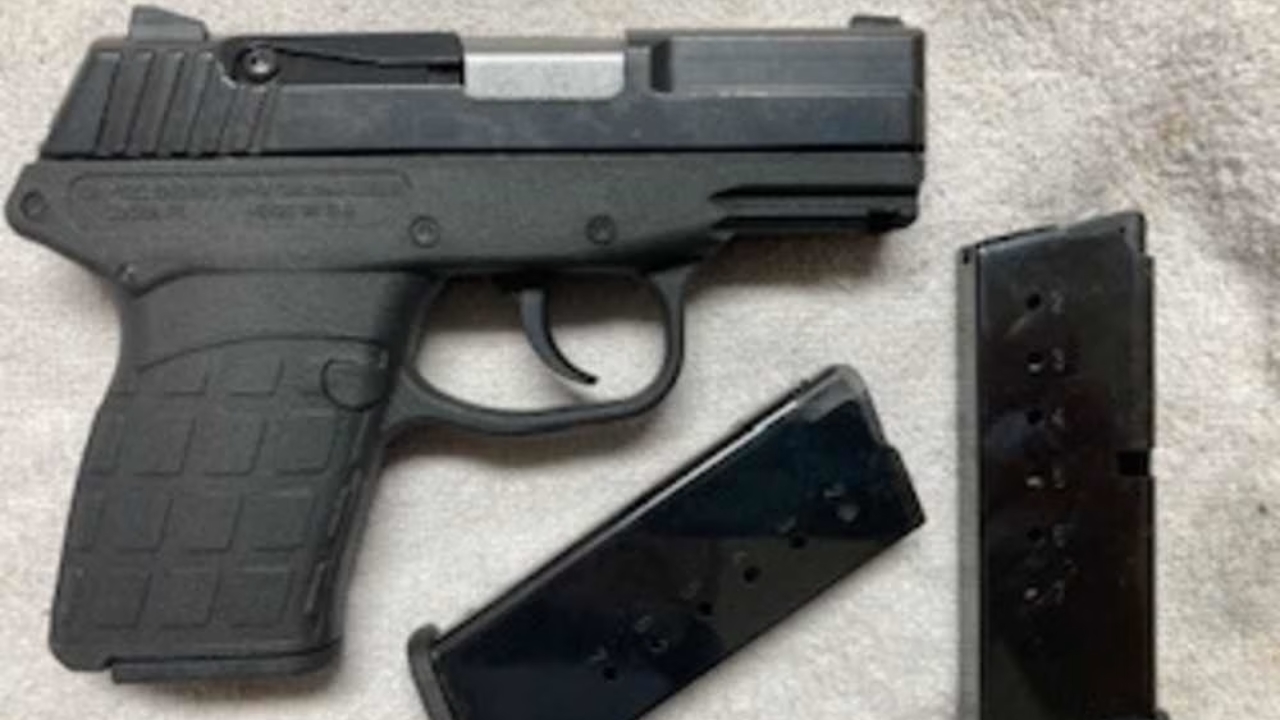
The PF-9 is light, thin, and easy to carry, which is why it sells. But light, thin guns can be unforgiving at distance, especially with a trigger that doesn’t help you. At close range, you can run it and feel okay. At 20–25 yards, every little inconsistency shows up—grip pressure, trigger slap, anticipation, all of it. Many shooters come away thinking the gun is inaccurate, when the truth is it’s just hard to shoot well at distance because it isn’t stable in the hand and it doesn’t reward fine trigger control easily.
Kahr CM9 / CW9
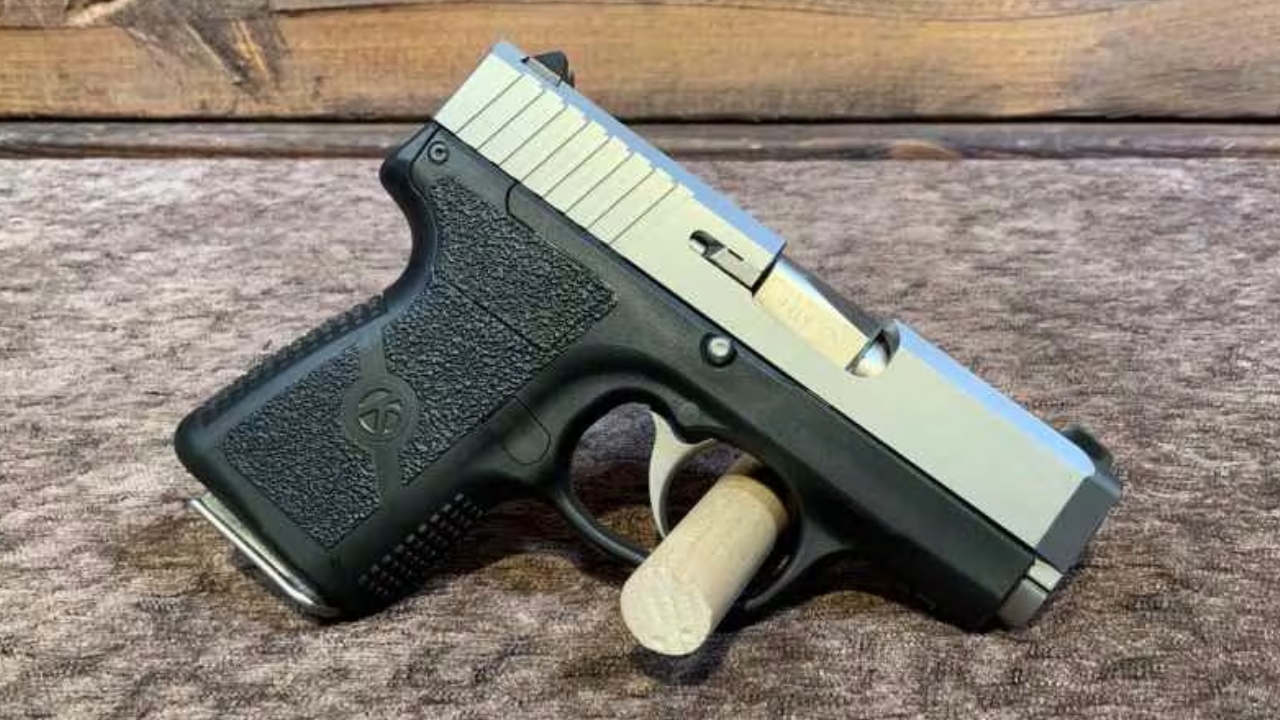
Kahr pistols can be accurate, but the long DAO-style trigger is what tricks people. At close distances, the smooth roll feels fine and shots land where you want. Past 15 yards, that long pull makes it harder to keep the sights perfectly aligned through the whole stroke. Shooters start speeding up the press, and groups open. If you’re patient and disciplined, a Kahr can shoot well. But most owners buy it as a carry gun and don’t put in enough slow-distance reps to master the trigger at 20–25 yards, so they assume the pistol just isn’t accurate.
SIG Sauer P365

The standard P365 is very capable, but its small size makes it less forgiving past 15 yards for many shooters. The short grip and snappy feel can cause subtle movement during the press, and the smaller sight radius punishes small alignment errors. Up close, it feels like a laser because you’re inside “normal carry distances.” At 20–25 yards, people often realize they’re working harder to keep groups tight than they would with a compact or full-size pistol. It’s not a knock on the gun—it’s the reality of small carry pistols.
Springfield Hellcat

Same concept as the P365: great carry gun, more demanding at distance. The Hellcat can feel super accurate at 7–15 yards because it’s easy to keep shots centered. Past 15 yards, the small grip and snappy recoil make it easier to introduce error, especially if you’re trying to shoot fast. Many shooters discover they have to slow down and press the trigger more deliberately to keep groups tight. If you’re used to shooting a compact like a Glock 19, the Hellcat will remind you that micro guns ask more of you at distance.
Glock 43

The Glock 43 is a simple, proven carry pistol, but it’s also a single-stack that doesn’t give you much grip. Up close, it’s easy to run. Past 15 yards, the limited grip and short sight radius demand more discipline. Shooters who clamp too hard or too loose will see groups open because the gun doesn’t sit as stable during the press as a thicker compact. The 43 can absolutely hit at distance—many shooters can prove that—but it doesn’t make it effortless. That’s why people feel like it “was accurate until…” when they stretch out.
Ruger LC9
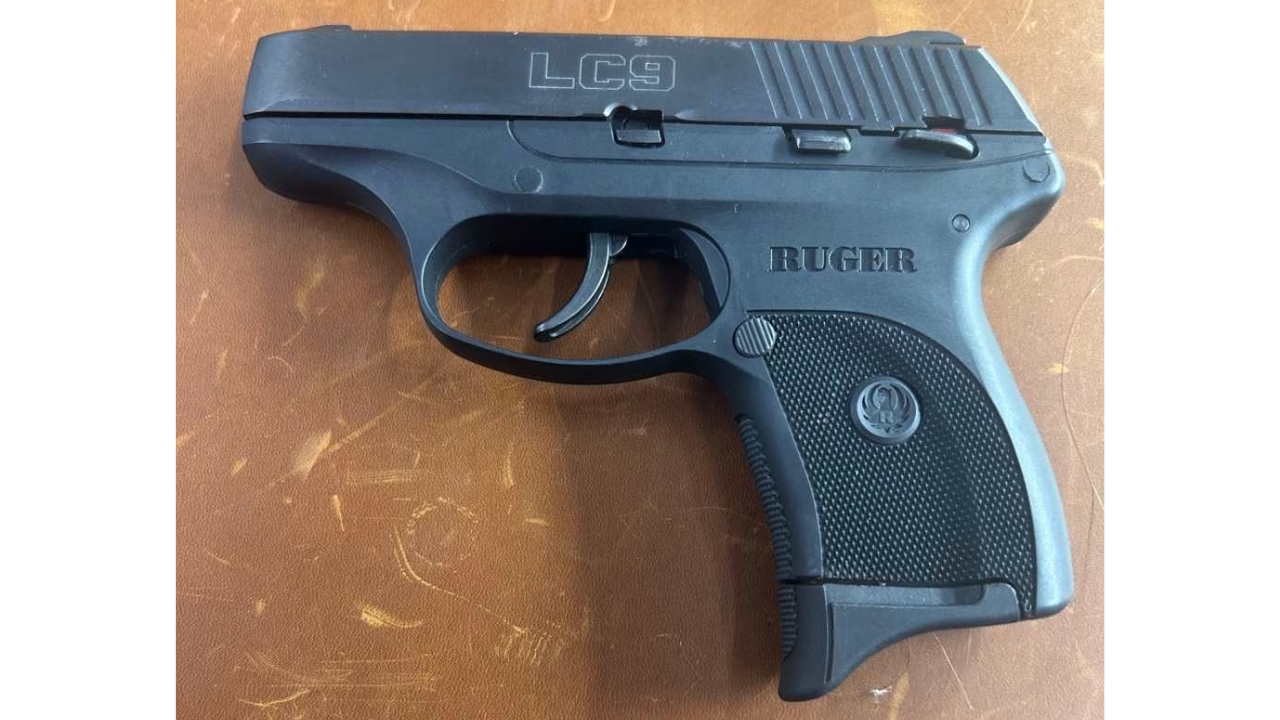
The original LC9 can feel fine at close distances, then get ugly at 20–25 yards because of trigger and grip realities. The long pull and small grip can make consistent sight alignment hard to maintain through the press. A lot of shooters end up pushing shots low or off to one side because they’re trying to speed up the trigger instead of pressing cleanly. In defensive terms, it’s not a useless gun. But if you’re judging it on distance accuracy and consistency, it can disappoint shooters who expected compact-9mm performance out of a slim carry gun.
Smith & Wesson Shield

The Shield is a classic carry gun, and plenty of them shoot well. The issue is that many shooters feel “accurate” at close range and then realize they have to work more at distance than they would with a thicker compact. The grip is slimmer, recoil feels sharper, and small alignment errors are easier to make. Early triggers on some models also didn’t help. Past 15 yards, the Shield doesn’t usually fail—it just stops being forgiving. If you don’t slow down and focus on fundamentals, your groups will show it.
Glock 26
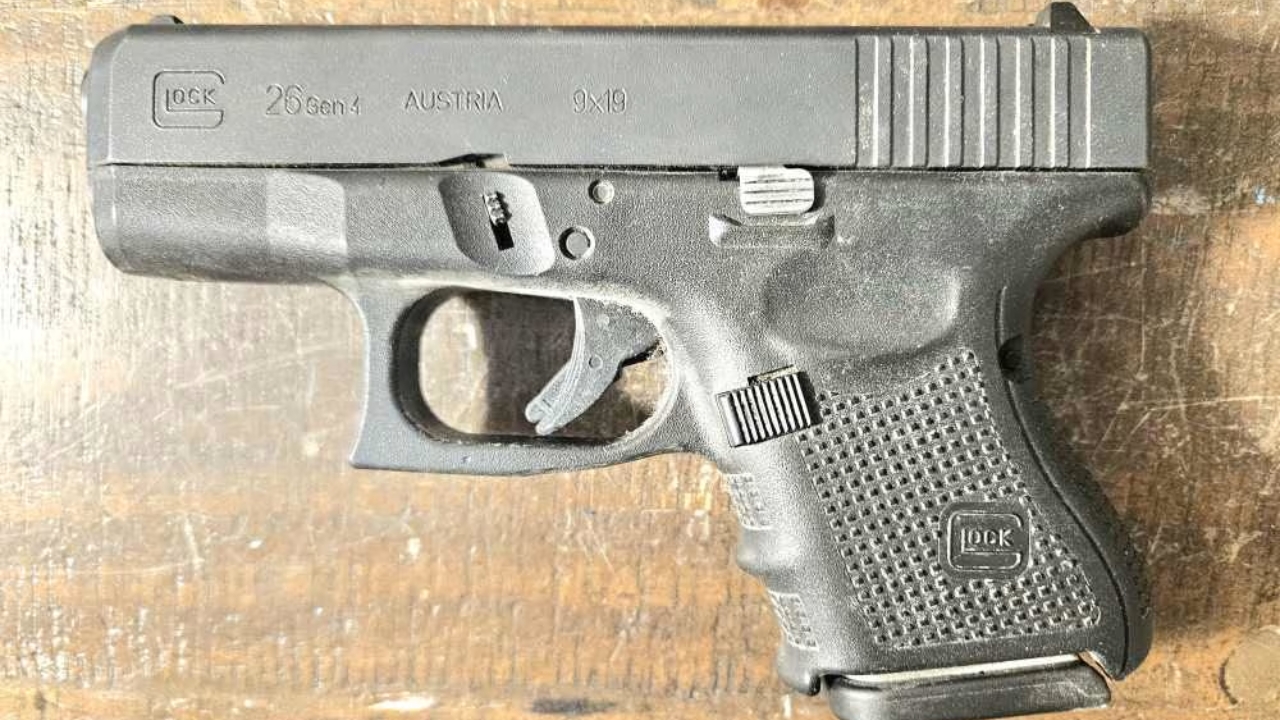
The Glock 26 is accurate mechanically, but it can feel less accurate past 15 yards for shooters who struggle with the short grip. If your pinky is floating or you’re using baseplates that don’t give you consistent support, the gun can shift slightly during the press and you’ll see it at distance. Up close, you can still keep it centered easily. Past 15 yards, people sometimes open groups and think the short barrel is the problem. It usually isn’t. It’s grip stability and repeatability. With the right setup and reps, the 26 will shoot fine, but it makes you earn it more than a 19 does.
North American Arms Mini Revolver (.22 LR / .22 Mag)

NAA minis are made for deep concealment and “always there,” not for shooting tight groups at 25 yards. Up close, you can keep hits on target if you’re careful. Past 15 yards, the tiny grip and tiny sights make consistent accuracy extremely difficult. The gun is so small that your hold is never as stable as it needs to be for distance work. It’s one of those handguns people call “surprisingly accurate” until they try to shoot it like a normal pistol. Then reality hits: the platform is inherently hard to shoot precisely.
Taurus 605 (snub .357)

Snub revolvers can hit, but they’re not easy to hit with at distance. The Taurus 605 can feel fine at 7–10 yards. Past 15 yards, the short sight radius and heavy trigger work show up quickly—especially if you’re shooting .357 loads and anticipating recoil. Even with .38s, many shooters find they can’t keep groups tight unless they slow way down and focus on a perfect press. The revolver isn’t necessarily inaccurate. It’s just a platform where your mistakes are magnified at distance, and the 605’s trigger feel can make that worse.
Like The Avid Outdoorsman’s content? Subscribe to our newsletter so you never miss an article.
Here’s more from us: