Photo credit: Texas Plinking Gear/YouTube
When you’re hiking above the tree line, every ounce starts to feel like a pound. Oxygen’s thinner, the trail gets steeper, and you’ll regret every extra bit of weight that felt fine back at the truck. Some guns might be solid at sea level, but once you’re grinding uphill, they become dead weight.
This list isn’t about junk guns—it’s about solid firearms that just don’t make sense when you’re carrying everything on your back at elevation. If you’re planning a backcountry hunt or mountain trip, these are the ones to leave behind.
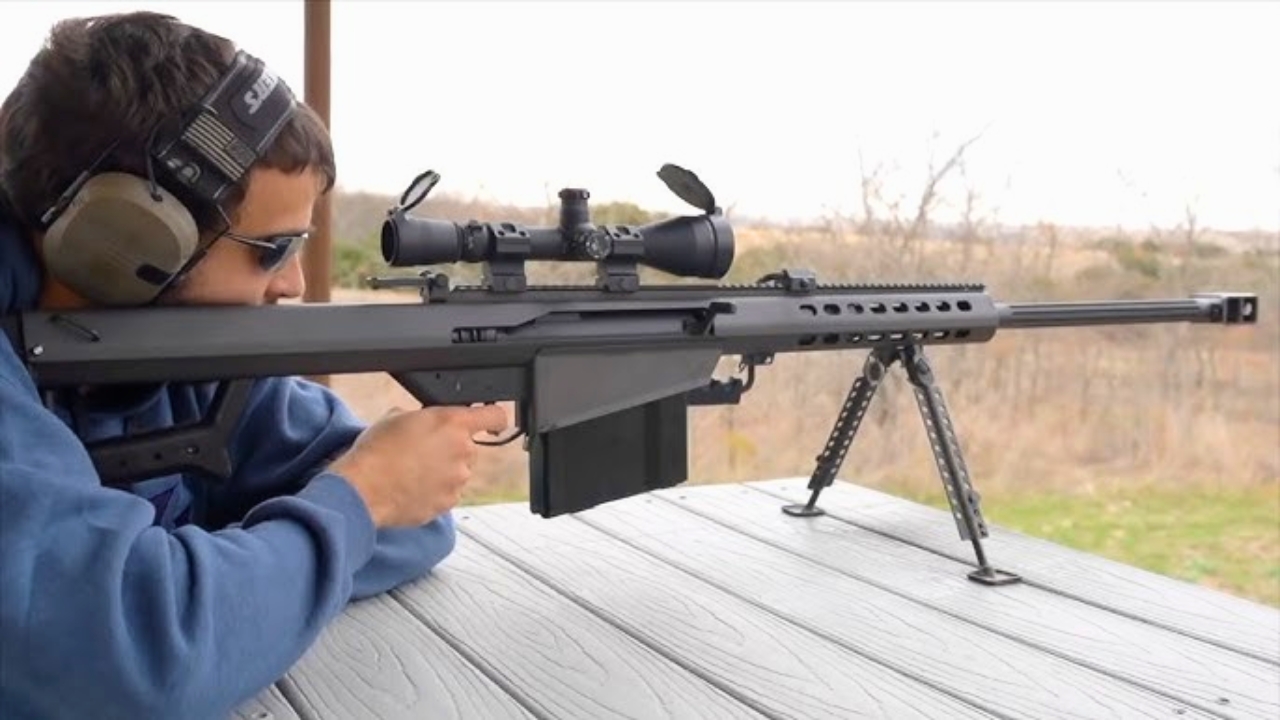
Barrett M82A1

There’s no denying the Barrett M82A1 is impressive. But at over 30 pounds fully loaded, it’s the last thing you want slung over your shoulder on a steep ridge. It’s big, bulky, and built for vehicle support—not backcountry scouting.
Even if you’re chasing large game or just want reach, there are lighter, more practical options. Lugging a .50 BMG up a mountain is a quick way to burn yourself out before you even see anything worth shooting.
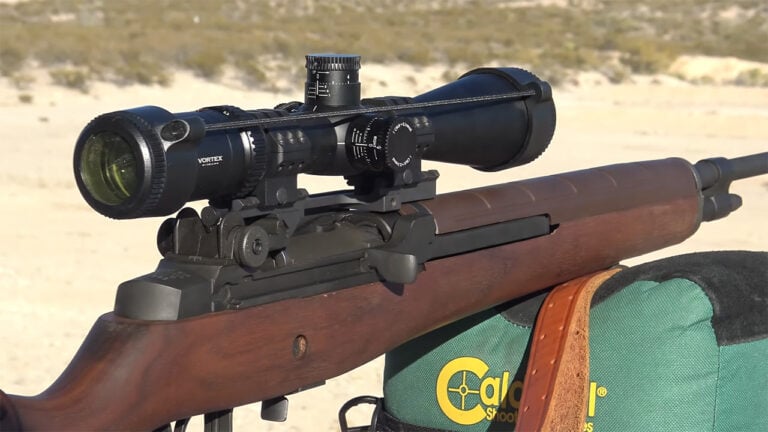
M1A Loaded
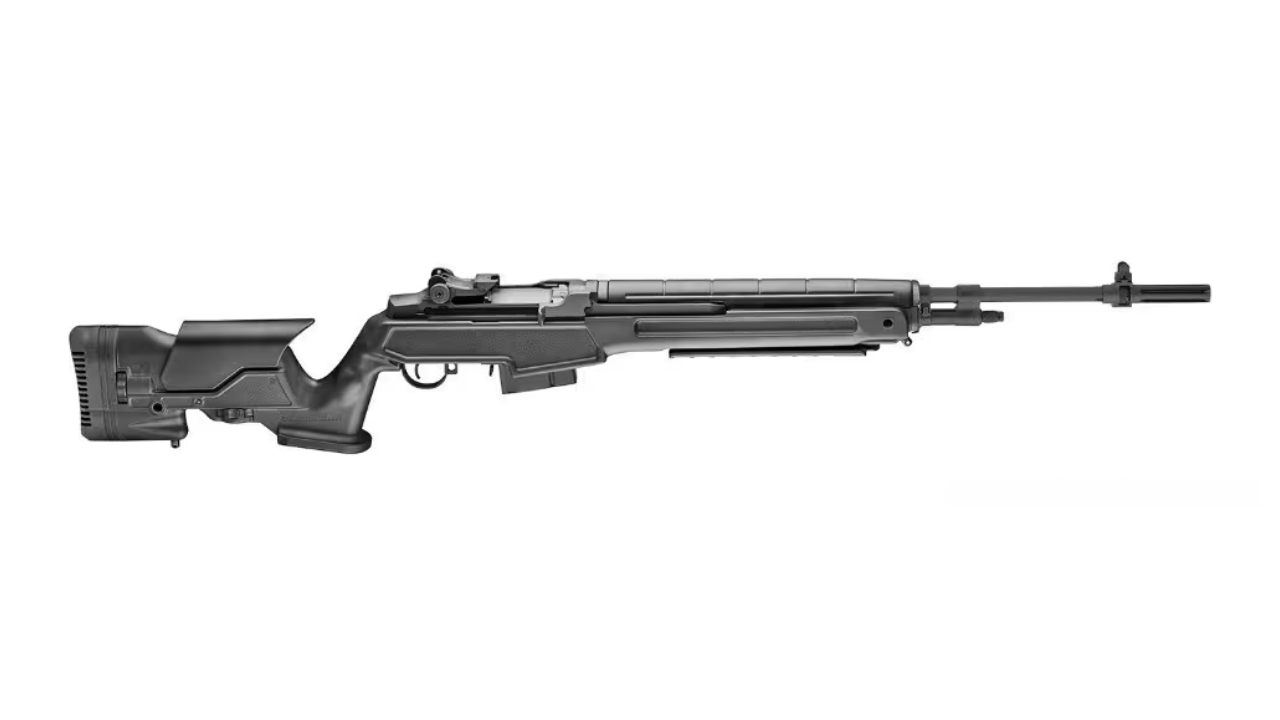
The M1A has power and history behind it, but it’s heavy—especially the Loaded models with longer barrels and full wooden stocks. They feel solid in hand, but once you’re a few miles into an uphill hike, they feel more like an anchor.
It’s also long, making it hard to navigate through brush or timber. The weight-to-performance ratio just doesn’t add up when you compare it to a modern lightweight hunting rifle or compact semi-auto.
Desert Eagle .50 AE

It’s one of the most recognizable pistols out there, but the Desert Eagle is massive—and not just for a handgun. It’s heavy, awkward to carry, and not the kind of sidearm you want bouncing around in a chest rig at altitude.
The recoil and ammo weight don’t help either. If you’re in bear country, a lighter .44 Mag or 10mm with better carry ergonomics is a smarter move. The Desert Eagle’s more of a range gun or showpiece than a trail companion.
FN MAG / M240

This one’s mostly for the sake of perspective. The M240 (or MAG) is a serious belt-fed machine gun used by military forces. It weighs around 27 pounds dry—and that’s before you add a belt of ammo or a tripod.
Obviously, no one’s hunting elk with one of these, but if you’ve ever had to lug one through the mountains, you know it earns its spot on this list. It’s a beast, and you feel every ounce of it at elevation.
Remington 700 Police/LTR with Bull Barrel

The Remington 700 Police models with heavy bull barrels are tack-drivers, but the weight builds up fast. Add a bipod, scope, and sling, and you’re carrying a setup that’s great for a bench but miserable for long hauls uphill.
There are lighter variants of the 700 that make way more sense for mountain use. The Police models are accurate, but you’ll be asking yourself if that extra half-MOA was worth the sore shoulders.
H&K G3 / CETME
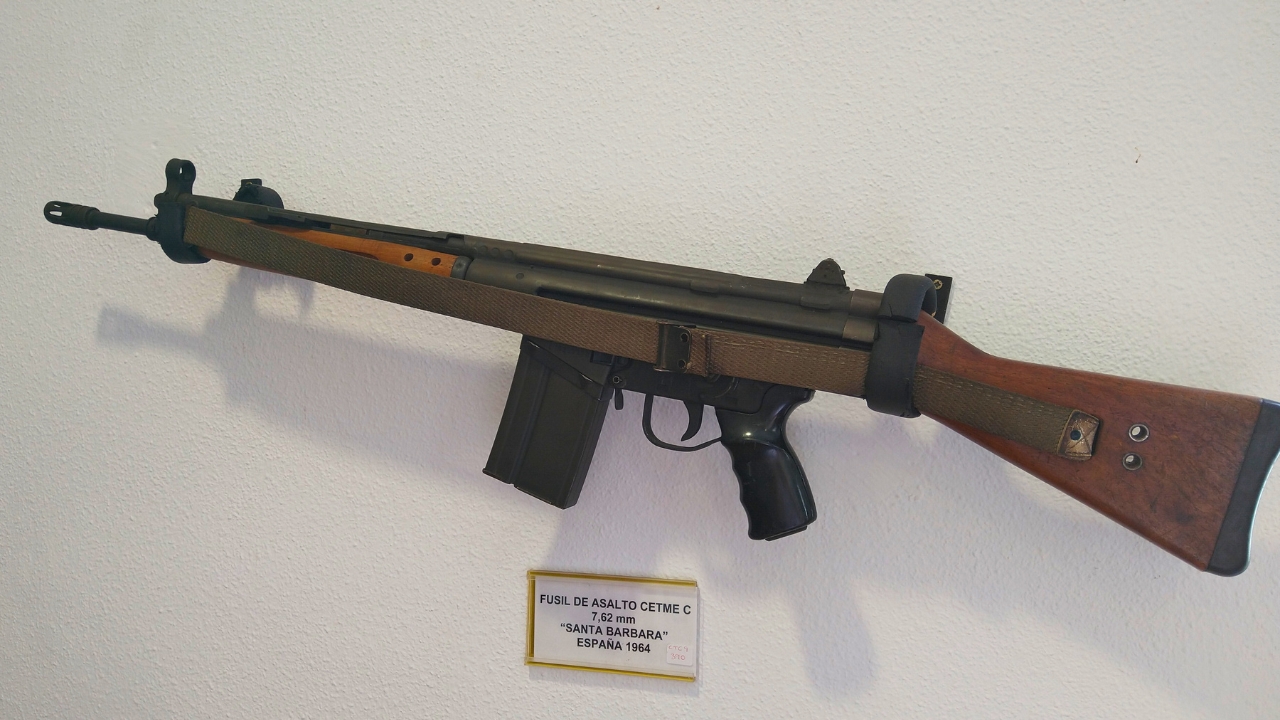
These old battle rifles hit hard and run well, but they’re heavy and long—and the recoil isn’t exactly mild. If you’re climbing elevation, a full steel 7.62 NATO battle rifle isn’t going to be your best friend after the first few miles.
The mags are bulky, the furniture’s not built for weight savings, and the ergonomics can be rough on longer treks. These rifles are fun to shoot but tough to live with on a backcountry hunt.
Winchester Model 1885 High Wall

The High Wall is a classic single-shot rifle that’s built like a tank. It’s accurate and has its place, but it’s not light—especially in longer barrel configurations. The balance makes it feel even heavier when you’re navigating uneven terrain.
It’s not just the weight—it’s the lack of a follow-up shot in tough country. When you’re winded, tired, and trying to make a shot count, that single-shot setup becomes a real limitation. There are better tools for mountain hunting.
Mosin-Nagant 91/30

Surplus rifles are fun, and the Mosin is tough—but it’s a heavy, long rifle with a sticky bolt and a dated design. At elevation, the weight and length become more than inconvenient—they start to feel like a mistake.
The recoil’s stout, the iron sights are limited, and it’s not a great fit for quick follow-up shots. Plenty of folks have hunted with them, but that doesn’t make them the best tool for the job when you’re on a steep trail.
Thompson M1A1

The Thompson submachine gun is iconic—but at over 10 pounds empty, it’s laughably heavy for its size. Originally built for trench warfare and close-quarters combat, it’s not meant for high-altitude hiking or wilderness carry.
Ammo weight is another killer. .45 ACP isn’t light, and carrying multiple stick mags only makes things worse. As cool as it is, the Thompson’s better left in the safe when you’re heading for elevation.
*This article was developed with AI-powered tools and has been carefully reviewed by our editors.