Photo credit: Sheepdog Marksmanship Training/YouTube
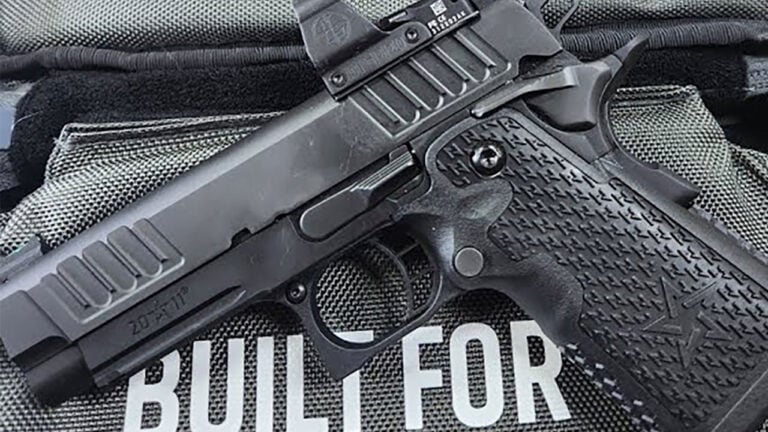
A pistol can seem like the perfect choice in its stock configuration—well-balanced, ergonomic, and easy to handle—but throw an optic on it, and suddenly everything changes. Adding an optic to a handgun changes the entire shooting experience. What was once intuitive and fluid may now feel front-heavy, out of balance, or even awkward. While optics on pistols can significantly enhance accuracy, especially at longer ranges, they can also introduce new challenges in terms of ergonomics and handling, especially if the gun wasn’t designed with optics in mind.
A lot of shooters quickly realize that a gun that felt great without an optic can suddenly feel top-heavy or unwieldy when you slap a red dot on top. This is especially true for pistols designed with compact, lightweight profiles that weren’t built with added bulk in mind. Whether you’re using a slide-mounted optic or a frame-mounted red dot, it’s important to recognize that the feel and handling of a pistol can change significantly once you start adding additional weight or altering its balance.
Glock 19
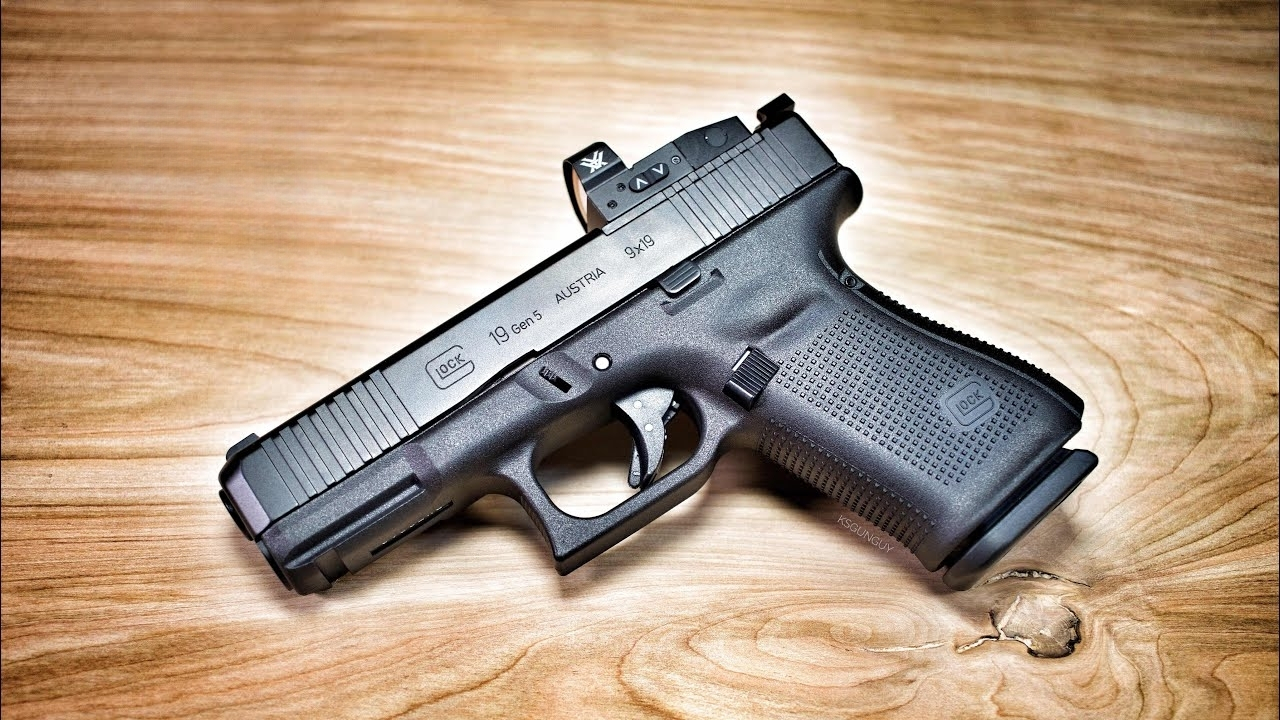
The Glock 19 is a classic for a reason. It’s a reliable, comfortable gun that works well for almost any shooter. But once you add an optic, the balance can shift significantly. Optics mount on the slide, which adds weight to the top of the gun, making it feel front-heavy. This might affect how it tracks during recoil or cause it to feel sluggish in fast-paced drills.
While the Glock 19 was designed with simplicity in mind, an optic makes it harder to maintain the natural balance it was originally designed with. While it still performs well with optics, the added weight can make it feel less agile, especially in faster drills or when you’re trying to keep things light and quick.
Springfield Armory XD-M Elite

The XD-M Elite is known for its excellent ergonomics and versatility, making it one of the go-to choices for competition and everyday carry. However, once you throw an optic on this gun, you’ll quickly notice a change in how it feels. The gun, already designed with a longer grip and slide for accuracy, may feel even more top-heavy with an optic, especially if the optic is larger or bulkier than expected.
Adding an optic to the XD-M Elite can throw off its previously perfect balance, making it feel slightly more cumbersome during faster drills. The lighter feel of the pistol can be overwhelmed by the top-heavy balance, which may make it less ideal for rapid follow-up shots or precision at speed.
Walther Q5 Match

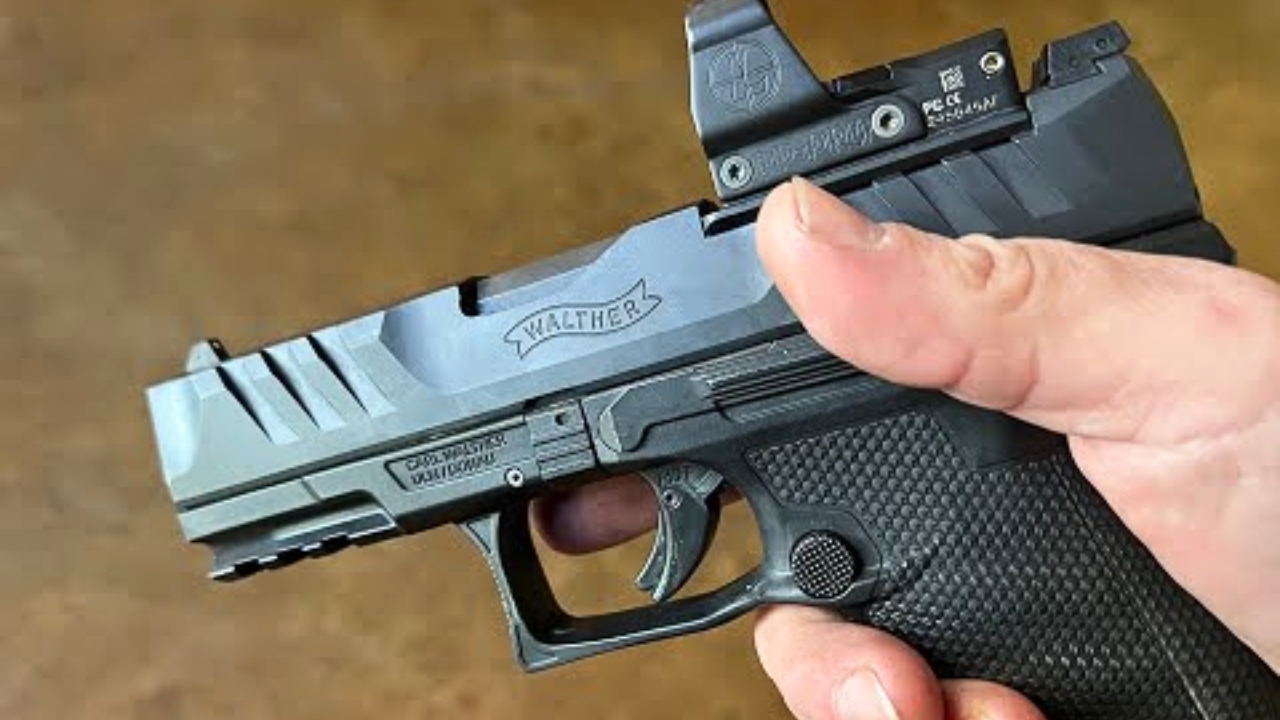
The Walther Q5 Match is a highly popular pistol for competition shooters, offering excellent accuracy, an outstanding trigger, and a comfortable grip. The balance of the Q5 is one of its greatest strengths, as it’s naturally designed for precision shooting. However, when you add an optic, you begin to feel a noticeable difference in handling. The added weight on the top of the slide can disrupt the gun’s originally perfect balance, making it feel more sluggish.
In high-speed situations, the shift in balance can make the Q5 harder to control, especially when trying to move quickly from target to target. While the optic certainly enhances target acquisition, it does change the overall feel of the pistol and requires adjustment, both in training and in handling.
FN 509
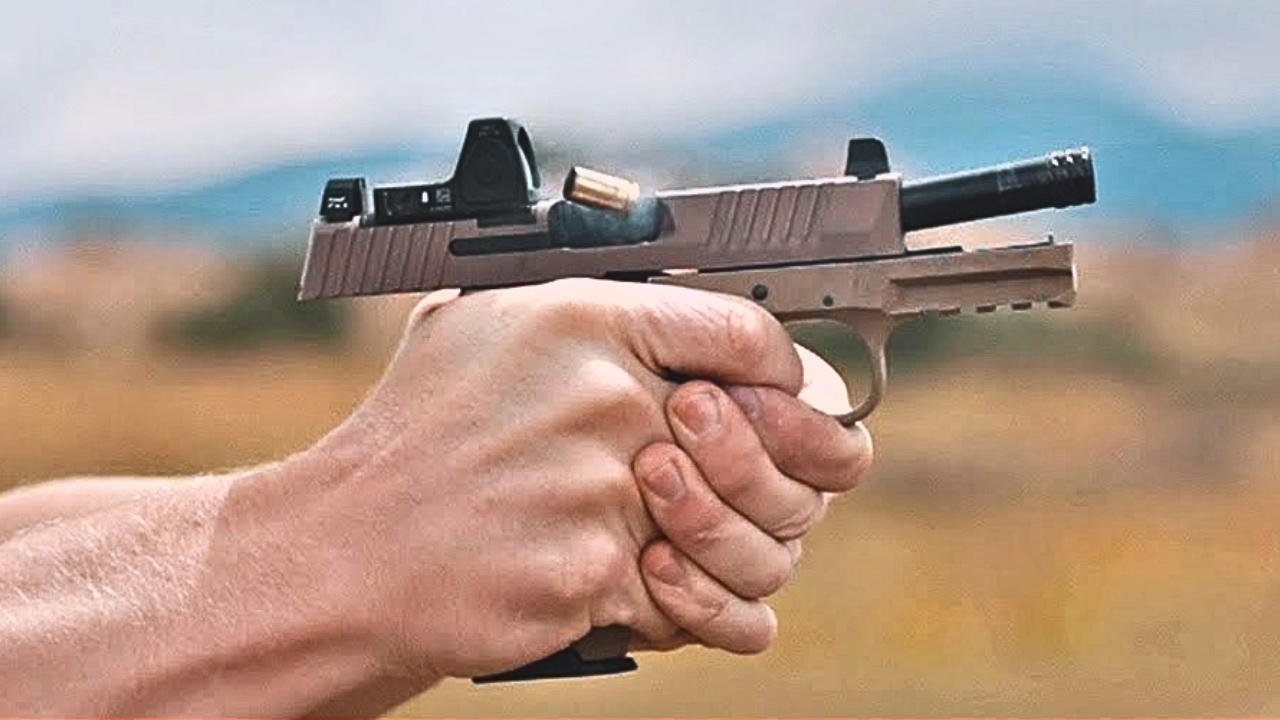
The FN 509 is a solid pistol known for its durability and reliable performance. It’s a popular choice for duty use and home defense, as well as a competitive option. But when you add an optic, things change. The top-heavy nature of the FN 509 when equipped with an optic can cause the gun to feel unbalanced, especially if you’re not accustomed to shooting with optics.
The additional weight on the slide can throw off the handling and make the gun feel bulkier than it was originally designed to be. While it’s still effective for its intended purpose, the optic can make it feel a bit clunkier during rapid-fire drills, reducing your ability to shoot as quickly and efficiently as you could without the optic.
CZ P-10 C

The CZ P-10 C is one of the most popular carry pistols out there due to its excellent ergonomics and lightweight profile. But as with many compact designs, adding an optic can drastically alter how it feels. The slide-mounted optics change the gun’s balance and can make it feel less nimble. Its light weight, which is an asset for carry, becomes a disadvantage once the weight of an optic is added.
In fast-paced situations, the P-10 C might feel slower to track or more cumbersome when performing follow-up shots. The addition of the optic forces you to adjust your grip and focus on technique even more, as the natural feel of the gun has been altered. While it remains a solid pistol, the optic makes it trickier to handle in some situations.
Glock 43X MOS

The Glock 43X MOS is an excellent choice for concealed carry due to its slim design and manageable size. However, once you add an optic, the lightweight nature of the pistol starts to affect its handling. The optic makes the slide top-heavy, which can lead to a shift in balance, especially when you’re transitioning between targets.
While the 43X MOS is a reliable option for everyday carry, it becomes more difficult to handle quickly and smoothly with an optic mounted. The smaller size of the gun, coupled with the added weight from the optic, makes it less agile during high-speed drills, making it trickier to shoot fast and accurately under pressure.
Ruger American Pistol

The Ruger American Pistol is known for its reliability, comfort, and user-friendly design. It performs well, whether you’re using it for defense or casual shooting. But when you add an optic, you might find the balance off. The added weight on top makes the pistol feel less stable and a little more cumbersome, which can hinder your ability to control it effectively during rapid shooting.
The smaller frame and the recoil spring system don’t always mesh well with an optic, which results in a gun that can feel sluggish. While it’s still an excellent pistol, it can take time to get used to the changes the optic introduces, especially when moving quickly between targets.
SIG Sauer P320 XCarry
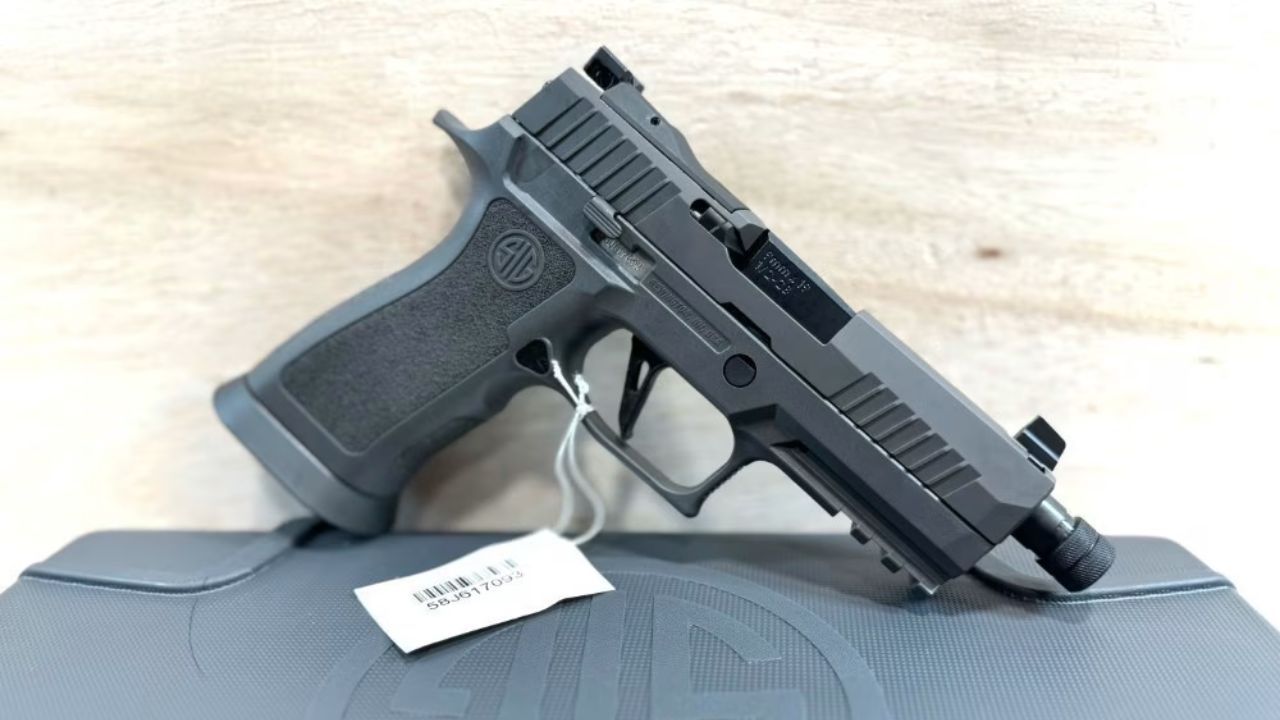
The P320 XCarry is a fantastic pistol that blends reliability, accuracy, and comfort. However, when you add an optic to the top, the balance shifts noticeably. The XCarry is already on the heavier side compared to compact pistols, and adding an optic can make it feel front-heavy and less agile during drills.
The extra weight on the slide can make it trickier to recover quickly between shots and can slow you down during rapid transitions. While the optic does help with accuracy, it’s a bit of a trade-off when it comes to handling. The P320 XCarry remains effective, but the balance and speed changes once the optic is attached.
Canik Mete MC9

The Canik Mete MC9 is known for its solid construction and accuracy. It’s one of the newer options on the market, offering great value for shooters who want a full-featured gun in a compact package. But once you add an optic, the change in handling is noticeable. The pistol becomes more top-heavy, which can slow down the shooting experience, especially when you’re trying to maintain speed.
The lighter frame of the MC9, which is great for everyday carry, becomes a disadvantage when you mount an optic. The added weight on top changes how the gun tracks, making follow-up shots less smooth and increasing recoil control challenges. Despite its accuracy and features, the addition of the optic requires some adjustment to make it truly run as intended.
Walther PDP Compact
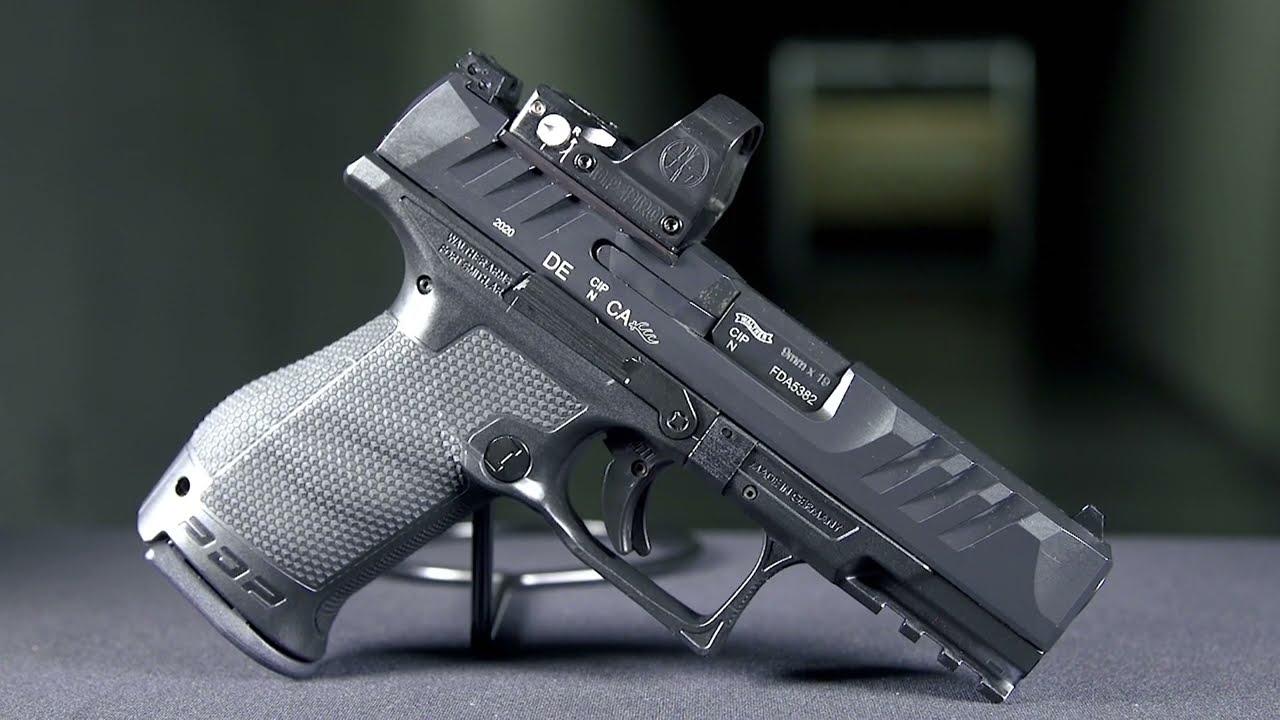
The Walther PDP Compact is a well-rounded pistol, offering excellent ergonomics and impressive accuracy. But, as with many modern handguns, adding an optic changes its feel. The PDP is already a little more front-heavy, and the added optic only increases that imbalance.
Although the optics improve accuracy, they also make the gun feel more sluggish, particularly when trying to run drills or transition between targets quickly. The combination of the optic and the front-heavy feel makes it harder to control during fast, high-volume shooting. It’s a trade-off for the benefit of an enhanced sight picture, but it’s not always the easiest pistol to manage at speed once the optic is added.
Smith & Wesson M&P9 M2.0 Compact
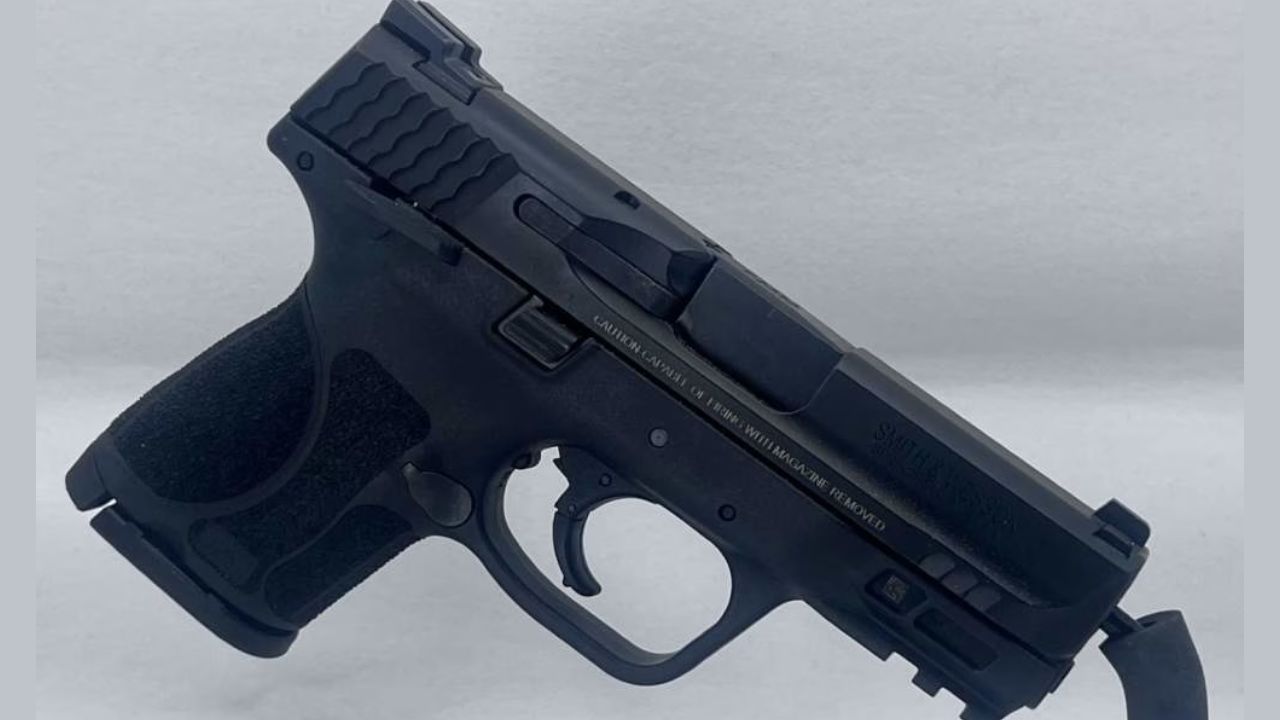
The M&P9 M2.0 Compact is a well-known pistol, offering superb ergonomics and reliability for concealed carry and self-defense. Adding an optic to the M&P9 M2.0 Compact changes the balance significantly. The weight of the optic mounted on the slide can make it feel less nimble and harder to control.
The added weight forces you to adjust your shooting technique, and it’s no longer as smooth or intuitive as it once was. The front-heavy feel is common with optics, and the M&P9 M2.0 Compact is no exception. While the optic improves accuracy, the overall handling takes a hit, especially in rapid drills. It’s still a great pistol, but the addition of the optic requires some adjustment to its handling.
FN 509 Tactical

The FN 509 Tactical is a well-rounded, versatile pistol built for performance and duty use. However, when you add an optic, the extra weight on the slide makes it more top-heavy and slightly less responsive. The gun’s balance becomes a little more difficult to manage, especially during fast-paced drills.
While the 509 Tactical is still a great option for anyone looking to add an optic for improved accuracy, the added weight can make it feel less nimble. You’ll notice that the recoil feels a little more pronounced, and the pistol takes longer to return to target. Despite these changes, it remains a solid and reliable option, but it’s a good idea to spend some time adjusting to the added optic weight for optimal handling.
Like The Avid Outdoorsman’s content? Subscribe to our newsletter so you never miss an article.
Here’s more from us: