

Photo credit: Kaboompics.com/Pexels
Some guns sound great on paper and look even better in the store, but the first range trip can be a reality check. Poor ergonomics, unreliable cycling, heavy recoil, or frustrating controls can turn what you thought was a keeper into something you’re already thinking about trading. Every shooter has been there—spending hard-earned money on something you were excited about, only to find out it’s not what you hoped. Here are the ones that tend to get pushed to the back of the safe after their debut.
Kel-Tec Sub-2000
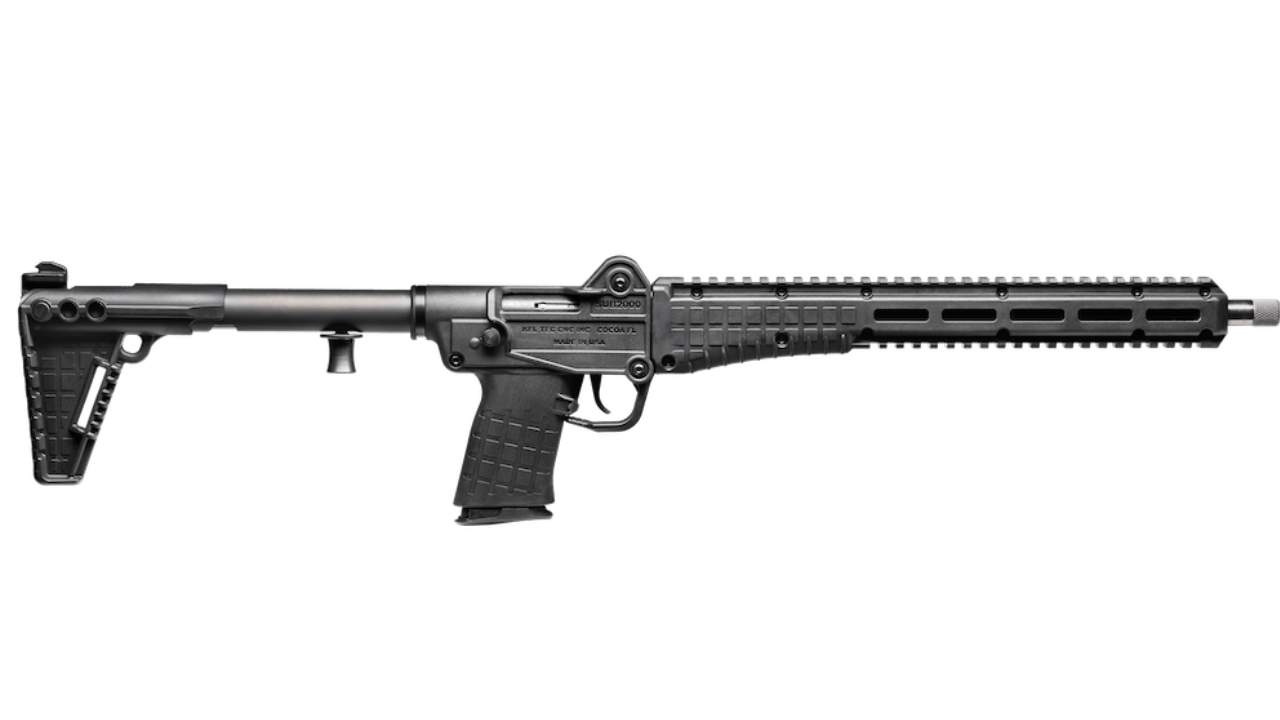
On paper, a folding pistol-caliber carbine that takes common mags seems perfect. But once you start shooting, the awkward cheek weld, stiff charging handle, and heavy trigger can kill the fun quick. Accuracy is serviceable, but the ergonomics leave a lot to be desired. If you’re running it for a couple of mags at the range, it’s fine. Spend a whole afternoon with it, and you’ll see why it often ends up for sale before it’s broken in.
Desert Eagle .50 AE

The Desert Eagle gets bought for the brag factor, not for practical shooting. The recoil is sharp, it’s heavy, and it costs a fortune to feed. Magazines are small, and the gas system needs to stay clean to run reliably. It’s a gun you’ll fire a few times for the experience, but most owners quickly tire of lugging it around and paying for ammo that costs as much as some budget rifles per box.
Taurus Judge

The idea of a revolver that can shoot .410 shells and .45 Colt sounds versatile, but in reality, it underperforms at both. The rifling is shallow, so accuracy with .45 Colt isn’t impressive, and .410 buckshot patterns poorly out of the short barrel. It’s fun to try, but once you see the limited effective range, you’re left wondering when you’d actually use it. Most end up sitting in the safe as a novelty rather than a regular carry option.
Kel-Tec PMR-30

A .22 Magnum pistol that holds 30 rounds grabs attention, but the PMR-30 has a history of finicky feeding and ammo sensitivity. If you don’t use the right ammunition, you’re likely to run into malfunctions. The polymer build keeps it light, but the recoil impulse feels odd, and the muzzle blast is excessive for the caliber. It’s a neat range toy, but many shooters lose patience with its picky nature and move it out of their lineup.
Chiappa Rhino

The Chiappa Rhino’s unique low-bore axis design looks cool and feels different, but the heavy double-action trigger and unconventional grip angle take getting used to. The recoil feels different—not necessarily softer—than traditional revolvers, and finding holsters can be a chore. For some, it’s an interesting collector’s piece. For others, it’s a gun they shoot once, decide it’s not for them, and trade it for something more conventional.
Hi-Point Carbine

The Hi-Point Carbine is affordable and often surprisingly reliable, but its chunky ergonomics, heavy trigger, and limited mag capacity keep it from sticking around in many collections. It works, but after the novelty wears off, most shooters want something with better handling and more capacity. It’s not a bad gun for the price, but it’s rarely anyone’s long-term favorite once they’ve tried other options.
S&W M&P 15-22 Pistol

The M&P 15-22 rifle is well-liked, but the pistol version tends to be less practical. The short barrel robs it of velocity, and the balance can feel awkward without a stock. While it’s still fun for plinking, many shooters find that they prefer the rifle configuration or a different .22 platform entirely. After a few trips to the range, it often becomes something you grab less and less.
Rossi Circuit Judge

Like the Taurus Judge, the Rossi Circuit Judge tries to be both a shotgun and a rifle, but the compromise is obvious. It’s fun for the first few outings, but accuracy is mediocre with slugs, and shot patterns are underwhelming. It’s also heavier than it looks. Many owners find themselves questioning its role in their collection and eventually swap it for something more specialized.
Remington R51

The original R51 had a rocky launch, with reports of feeding issues, harsh recoil, and a long, gritty trigger pull. Even after improvements, its reputation stuck. While it has a unique design and a slim profile for carry, many who bought the first run were left disappointed. Those bad first impressions still make it a hard sell, and plenty ended up on the resale rack after a single range day.
Beretta U22 Neos

The Neos is reliable enough, but its futuristic design and grip angle don’t suit everyone. The trigger is heavier than you’d expect for a target pistol, and the balance can feel off. Accuracy is fine for plinking, but there are smoother, more comfortable .22 pistols out there. Many buyers end up trading it for something with a better trigger and a more natural point of aim.
*This article was developed with AI-powered tools and has been carefully reviewed by our editors.


