Photo credit: Jordan Bergendahl/Pexels
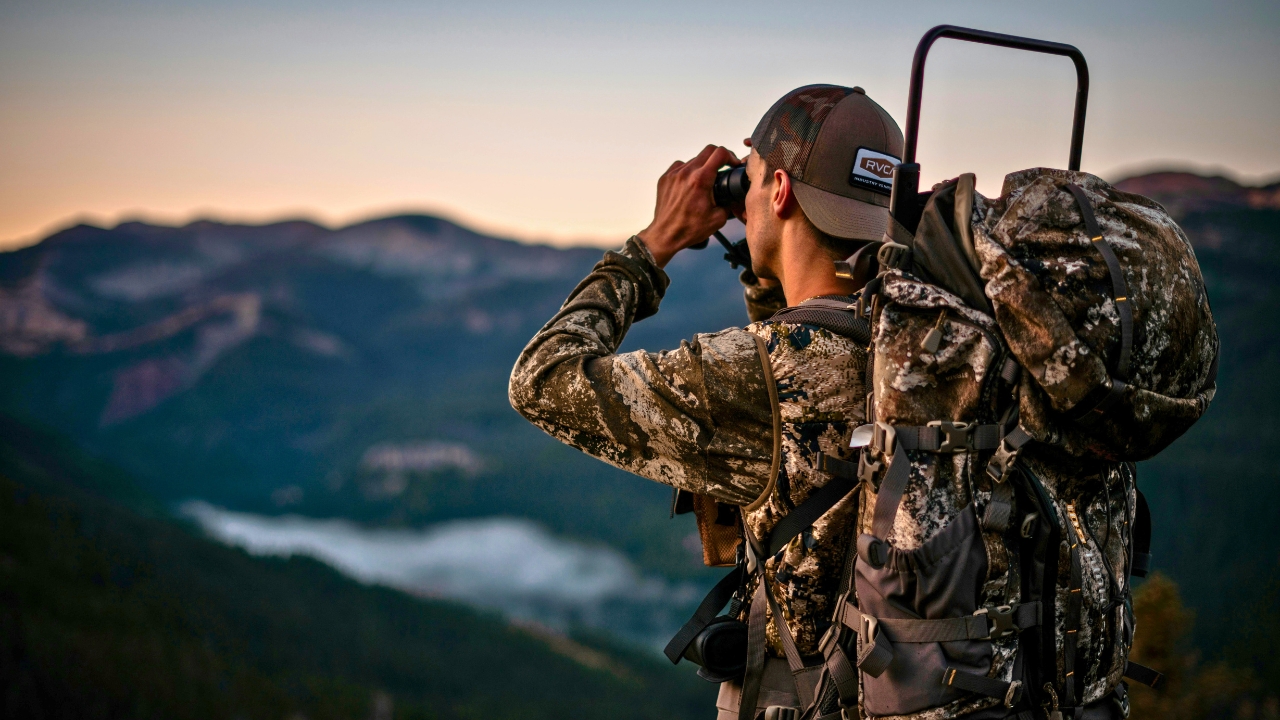
When you’re loading your pack at 4 a.m., everything feels like it might come in handy. By mid-afternoon, that thinking changes fast. Ounces turn into pounds after a few miles, and gear you swore you’d use ends up being nothing more than dead weight. A heavy pack can slow you down, make you noisier, and flat wear you out before you even get a chance at a shot. The first step to hunting smarter is cutting the stuff you’ll end up cursing later.
Too much water for a short hunt

Hydration is important, but packing a full three-liter bladder for a quick half-day hunt is overkill. All that weight rides high and shifts with every step. If you’re not burning through it, you’re hauling it for no reason. For shorter hunts, carry one bottle and plan your route where you can refill if needed. You’ll still have enough to stay hydrated without feeling like you’re lugging a concrete block on your shoulders.
Multiple heavy knives

You don’t need three fixed blades and a couple of folders for a deer hunt. One solid field knife and maybe a backup is plenty. Those extra blades add up in weight and usually never leave the sheath. Plus, keeping them all sharp takes time you could spend scouting. Stick with one reliable knife you’ve tested in the field and leave the rest at home. Your back—and your sharpening kit—will thank you.
Full boxes of ammo

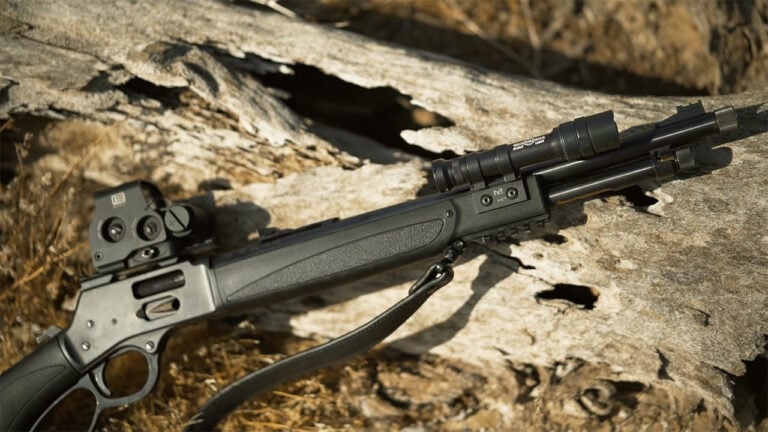
Carrying 40 rounds of rifle ammo might make sense at the range, but not in the field. The reality is you’ll only fire a few shots in most hunting situations, and the rest will just weigh you down. Instead, keep 10 to 12 rounds in your pack or stock sleeve. That’s more than enough for follow-ups and any unexpected opportunities, without hauling extra brass all day.
Oversized optics

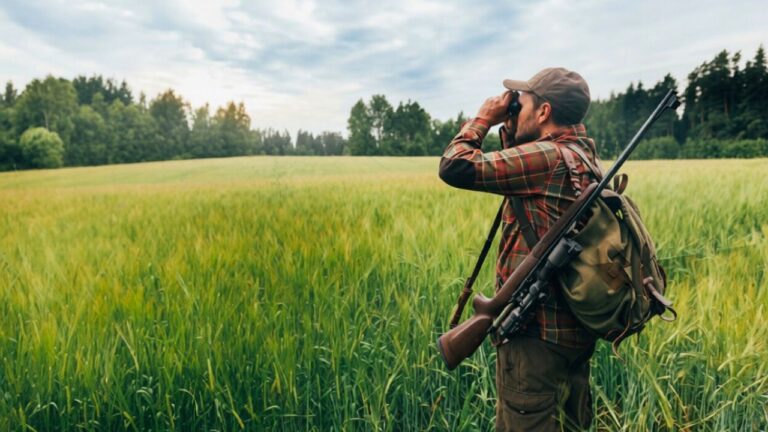
Big binoculars or a massive spotting scope sound great until you’ve hiked for hours with them pulling down your neck or pack. Unless you’re glassing wide-open country where they’re truly needed, they’ll probably sit unused. For tighter terrain or thick cover, go with lighter, more compact glass. You’ll save space, cut weight, and still have the clarity you need to pick out game.
Too much food

Packing like you’re going on a week-long expedition for a single-day hunt is a rookie mistake. All that extra food takes up space, adds weight, and rarely gets eaten. A couple of protein bars, jerky, and maybe a sandwich will get you through most hunts. You can always eat more back at camp or the truck instead of carrying an entire pantry through the woods.
Duplicate clothing layers

Extra layers can be a lifesaver if the weather turns, but stuffing your pack with multiples of everything is a waste. You don’t need two spare jackets or three pairs of gloves. Check the forecast, dress in a smart layering system, and pack only one backup for critical items. The less fabric you’re hauling, the more energy you’ll have when it’s time to climb that last ridge.
Bulky, unused gadgets

Every hunter has been guilty of tossing in some “might be useful” gadget they’ve never actually tried. GPS units, solar chargers, and multi-tools all have their place, but carrying ones you won’t realistically use is pointless. Test your gear ahead of time, and if it didn’t earn its spot during practice, it doesn’t belong in your pack. The lighter your load, the longer you can stay in the field without feeling it.
*This article was developed with AI-powered tools and has been carefully reviewed by our editors.