Photo credit: LFRabanedo/Shutterstock.com
Tracking jobs get ugly for one reason above all others: the wrong caliber paired with the wrong expectations. Hunters love to brag about dropping deer “right there,” but the truth is plenty of marginal cartridges send animals off into the thickest, nastiest cover within sight. When a bullet doesn’t penetrate well, doesn’t break bone, or doesn’t leave a clear blood trail, you end up crawling through briars wondering why you didn’t bring something with more authority.
You’ve probably watched buddies swear by these calibers every fall. They can work, but they also turn clean kills into long, miserable tracking jobs when anything less than a perfect shot happens.
.22 Magnum
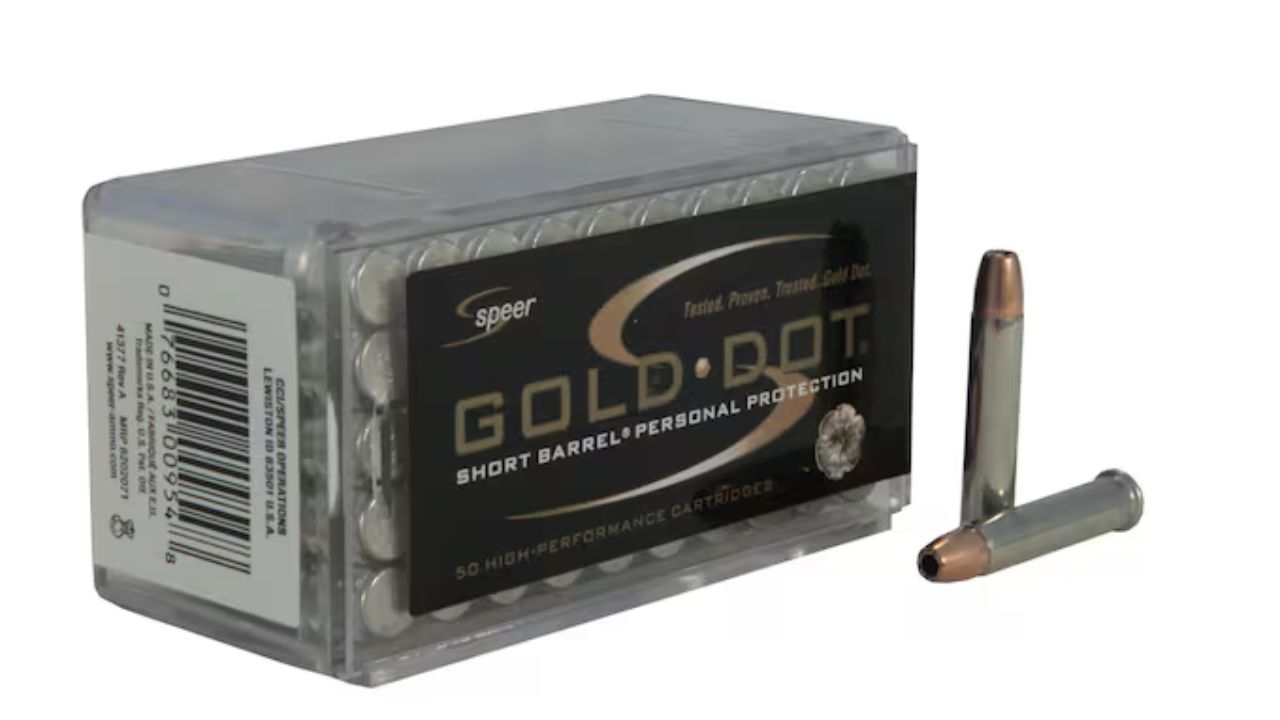
The .22 Magnum has taken deer under tightly controlled circumstances, but it’s nowhere near consistent enough for ethical use. Its light bullets don’t create the penetration or tissue damage required for quick kills, especially on quartering shots. Deer hit with .22 Mag often run far before showing any sign of slowing down.
What makes tracking so difficult is the minimal blood trail. The small exit—or lack of one—means thin, easily lost drops in thick cover. Hunters who rely on it usually end up trailing for hours, wishing they’d carried something with more authority.
.17 HMR

The .17 HMR is wildly accurate on small game, but pushing it into deer-sized animals is a recipe for suffering. Its tiny bullet fragments quickly on bone, leading to shallow wounds and almost no penetration. Even perfect broadside hits can leave deer running hundreds of yards before bedding down.
That fragile bullet creates almost zero blood sign to follow. Most deer hit with .17 HMR bleed internally, making the job nearly impossible unless you saw exactly where they ran. It’s simply not built for anything bigger than varmints.
.223 Remington (with varmint bullets)

The .223 Remington can be effective on deer—with heavy, tough bullets. But hunters who load varmint rounds see a very different outcome. Lightweight, thin-jacketed bullets explode on impact, producing shallow wounds that don’t break bone or reach vital organs. Deer often sprint deep into cover before anyone realizes something went wrong.
Tracking a hit from a varmint .223 load becomes guesswork. The lack of penetration means little blood on the ground, and impacts rarely produce an exit wound. Shot placement must be flawless, and few hunters maintain that standard under real-world pressure.
.30 Carbine

The .30 Carbine sits in an awkward spot—larger than a pistol round, yet far weaker than traditional deer calibers. Its round-nose bullets often fail to penetrate heavy muscle or bone, leading to long chases across ridges and hollows. Many deer hit with .30 Carbine run hard before showing signs of slowing.
Blood trails are usually faint, especially when there’s no exit wound. Hunters keep trying it because of nostalgia or because they love the M1 Carbine, but the performance simply isn’t reliable on larger game.
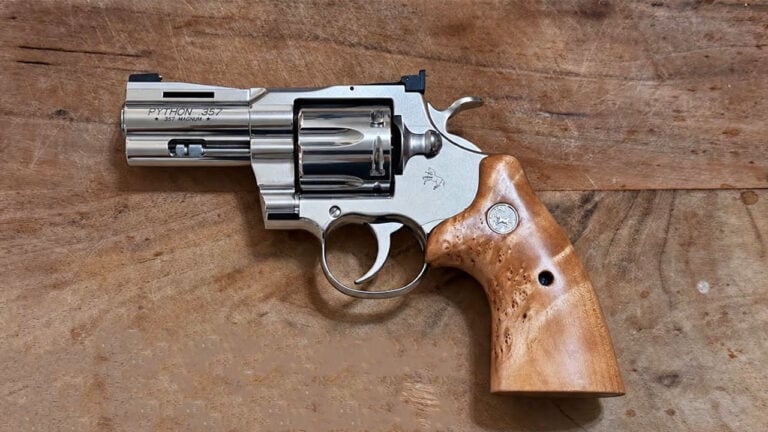
.357 Magnum (from short barrels)
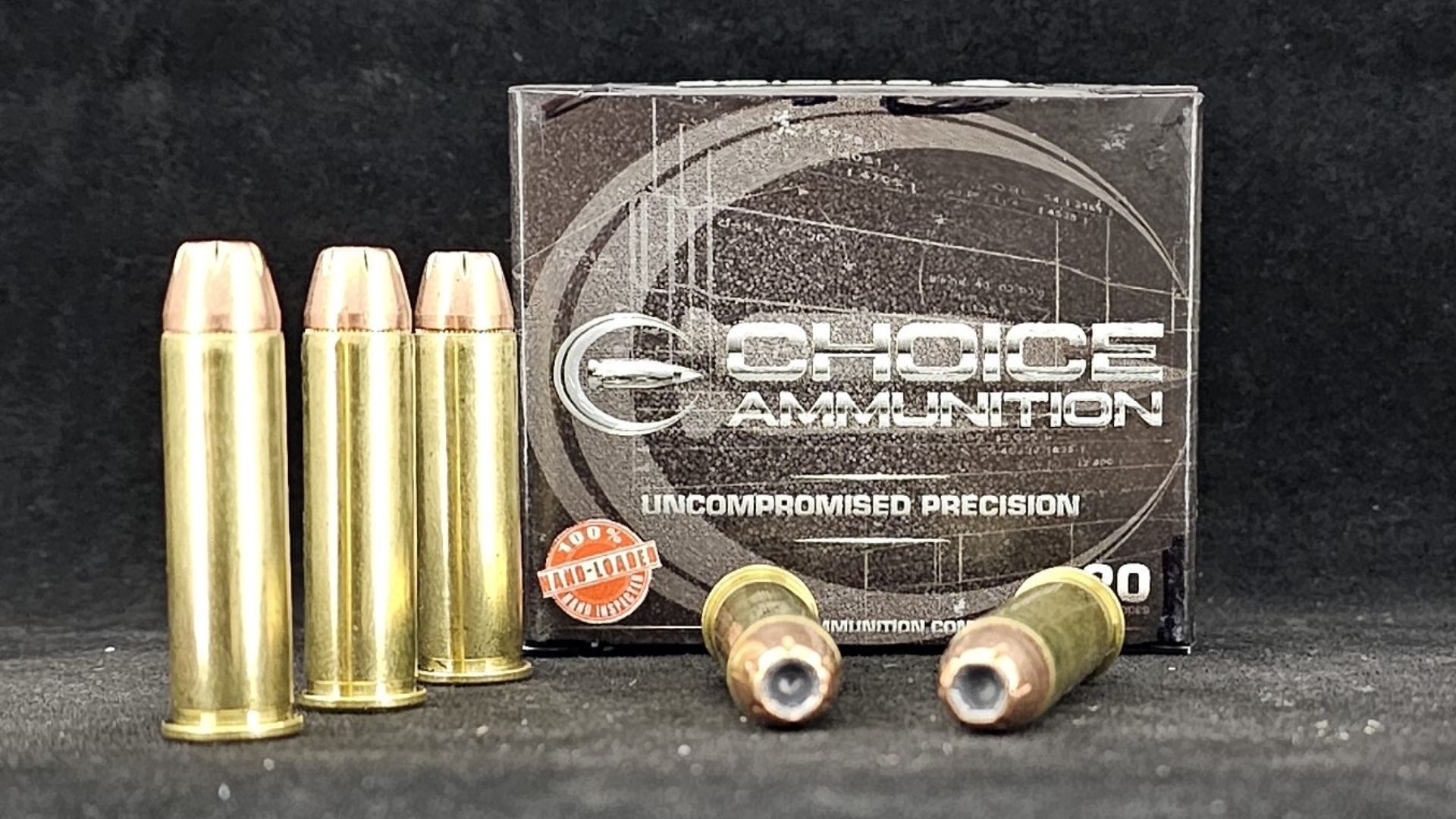
A .357 Magnum from a long revolver or rifle can be effective, but hunters using snub or compact barrels lose the velocity needed for deep penetration. The bullet may expand too early or not at all, depending on impact speed, leaving inconsistent wound channels that don’t produce strong blood trails.
Deer hit at odd angles with short-barrel .357s often travel far before bedding. Tracking becomes a grind because the sign is sporadic and usually interrupted by internal bleeding.
.44 Special
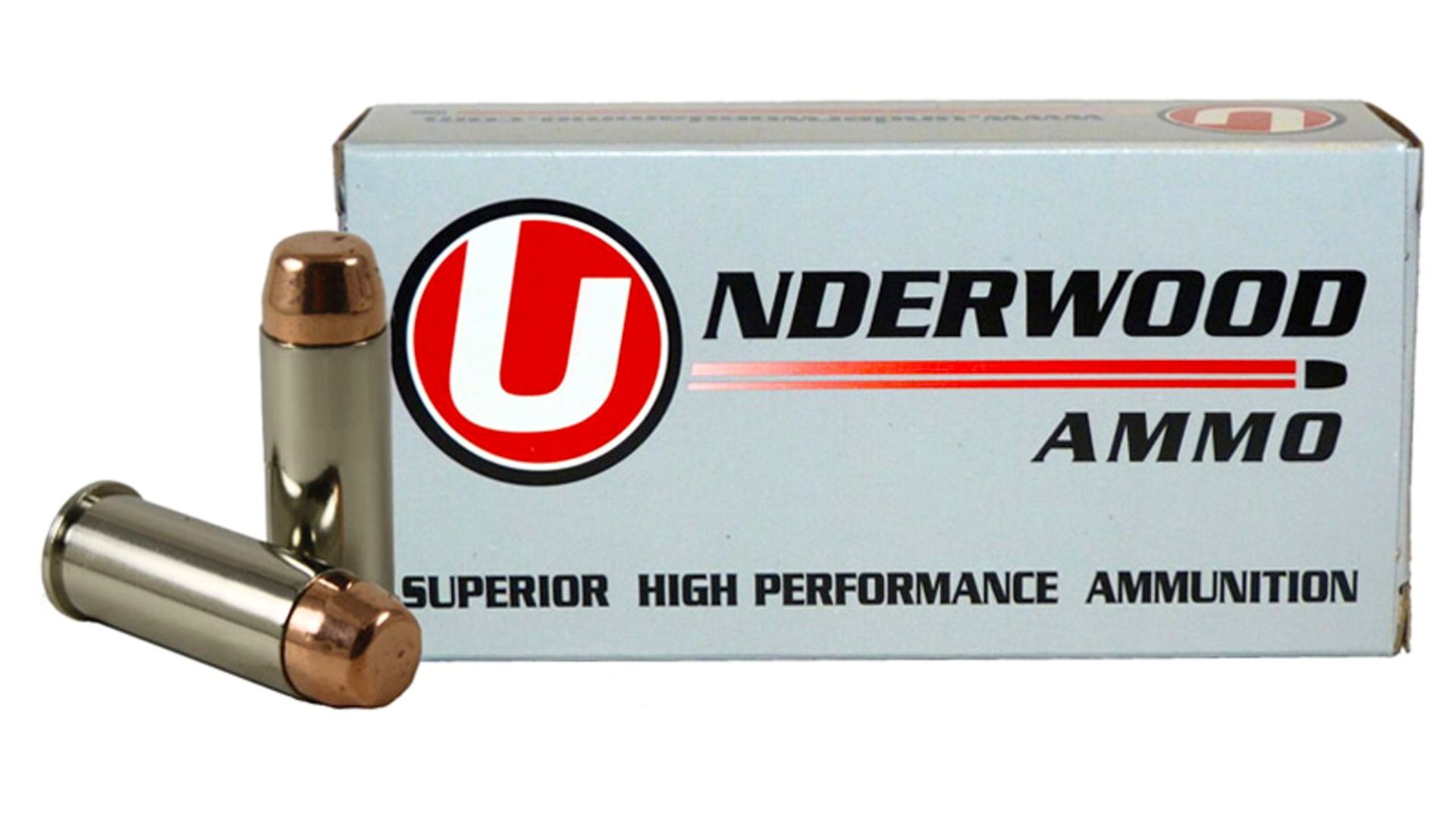
The .44 Special is slow, soft, and prone to underpenetration on anything larger than small deer. Many bullets intended for defensive use expand too early and don’t reach both lungs, especially on broad-shouldered whitetails. A deer hit with .44 Special often runs long and far before stopping.
Tracking isn’t easy because the wound channel tends to be small, with little external blood. Hunters often convince themselves it’s “close enough” to .44 Magnum—until they’re two miles into a swamp with a weak trail to follow.
.45 ACP

Plenty of hunters carry .45 ACP for backup, but some try using it as a primary deer round. Its slow-moving bullets simply don’t produce the necessary penetration unless everything lines up perfectly. Quartering shots are especially problematic, leading to shallow wounds and long tracking jobs.
The large bullet doesn’t guarantee a large blood trail. Without an exit wound, blood often pools inside the chest cavity, leaving almost nothing to follow. It’s a capable cartridge in other roles—not this one.
.410 Slugs
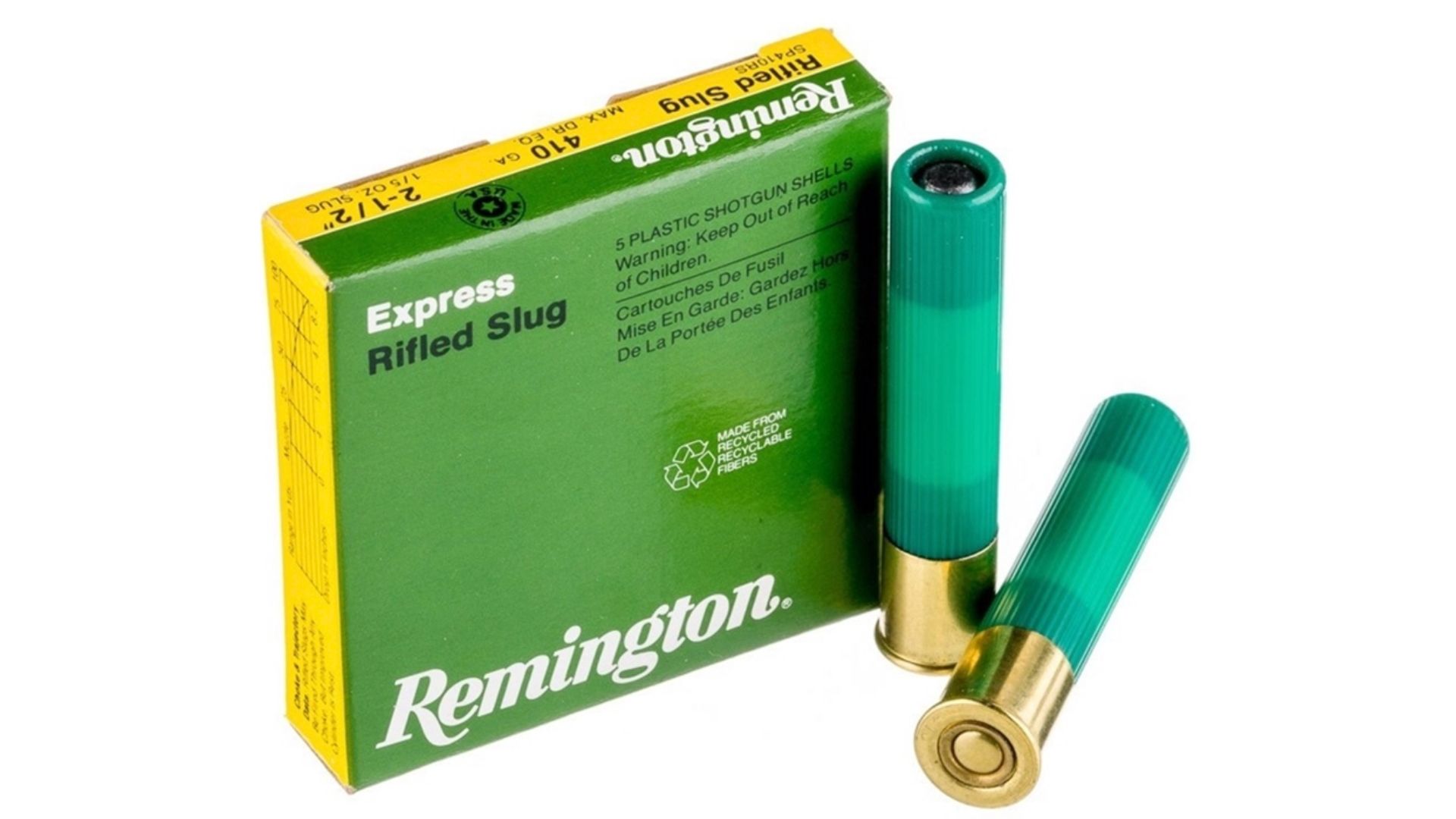
A .410 slug carries very little mass and relies heavily on perfect placement. Hunters often underestimate how limited its penetration truly is. The slug may enter cleanly but fail to reach vitals depending on angle and range. Many deer run out of sight almost instantly.
Blood trails are spotty at best. The small diameter and inconsistent energy transfer make external bleeding minimal. You can recover deer with a .410, but you’re also signing up for the kind of tracking job nobody enjoys.
.300 Blackout (supersonic on marginal shots)

The .300 Blackout can work with well-chosen bullets, but many hunters use loads that don’t perform well on deer. Some lightweight supersonic rounds fail to penetrate deeply, especially when hitting shoulder or thick ribs. The deer may appear unphased at first, then disappear into the timber.
Tracking becomes frustrating because wound channels vary wildly depending on the specific bullet used. With poor expansion, blood trails dry up fast, forcing hunters into long grid searches.
.32 Winchester Special

The .32 Special has history behind it, but performance varies significantly depending on bullet construction and shot angle. Expansion can be unpredictable at longer distances, and marginal hits don’t produce reliable blood trails. Deer hit poorly often keep moving well beyond eyesight.
Following one hit with .32 Special usually means thin, inconsistent sign. Hunters who swear by it typically grew up with it—those who track behind it know its limitations.
.222 Remington
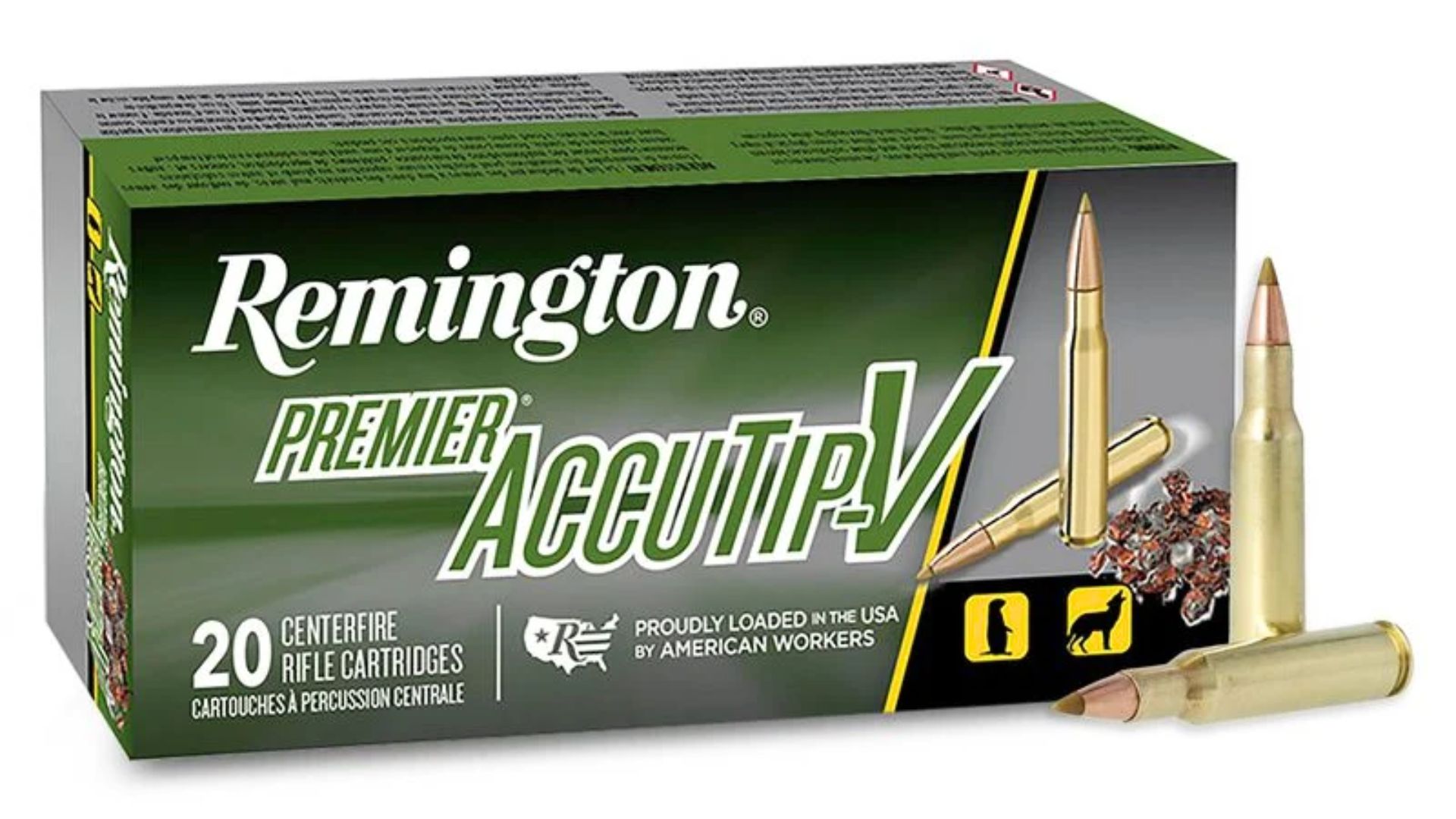
The .222 Remington is wonderfully accurate but simply too light for consistent deer performance. Fragile bullets break up before reaching vital organs, especially on adult whitetails. Even with perfect shot placement, deer rarely drop quickly.
Tracking becomes tedious because most wounds don’t produce exits. Light drops of blood scattered through brush make following the trail more art than science.
7mm-08 Remington (with lightly constructed bullets)

The 7mm-08 is excellent—when paired with proper bullets. Hunters using thin-jacketed, rapid-expansion loads often see shallow penetration and erratic blood trails. Deer may run far before leaving meaningful sign, especially on quartering shots.
The caliber isn’t the issue—it’s the pairing of bullet type with shot angle. When the combination is wrong, tracking becomes a long, frustrating chore.
.270 Winchester (with varmint-style bullets)

Like the 7mm-08, the .270 shines when used with tough game bullets. But some hunters mistakenly load light, high-fragmentation bullets meant for coyotes. Those rounds disintegrate on impact, failing to penetrate deeply enough for consistent kills.
Blood trails are weak, and animals often make it into thick country before slowing down. When the wrong bullet is in the chamber, the .270 turns tracking into guesswork.
6.5 Grendel

The 6.5 Grendel performs well inside its limitations, but some hunters push it past reasonable distances and expect dramatic results. At lower velocities, expansion suffers and penetration drops. Deer hit at longer ranges may leave almost no trail and travel much farther than expected.
The Grendel can be effective, but misuse leads to lengthy tracking jobs, especially when hunters assume it performs like its bigger 6.5 cousins.
.30-30 Winchester (with outdated soft points)

The .30-30 is legendary, but not all ammo is created equal. Old-style soft points often expand too early, shredding energy without driving deeply. Quartering shots are especially troublesome, leaving shallow wounds that bleed internally.
Tracking these hits becomes time-consuming because the blood trail disappears quickly. The caliber itself is fully capable—but relying on outdated ammunition makes recovery much harder than it needs to be.
Like The Avid Outdoorsman’s content? Subscribe to our newsletter so you never miss an article.
Here’s more from us: