Photo credit: MaxShutter/Shutterstock.com
A lot of guns sell themselves on a “nothing to it” vibe. Plain controls. Classic looks. Proven designs. You pick one up and think, How hard can this be? Then you get it home and realize the rifle or pistol might run fine… once you’ve done the little fixes nobody mentions. A polish here. A spring there. A magazine that needs tuning. Screws that won’t stay put unless you torque them the same way every time.
Some of that is normal ownership. But some guns have a track record of turning routine range time into a running checklist. If you like tinkering, you’ll survive. If you want something you can clean, load, and trust without drama, these are the types that can wear you out.
Ruger 10/22

The 10/22 looks like the definition of an easy .22. And it can be—right up until you start chasing reliability and tight groups with bulk ammo. You’ll often find yourself testing magazines, cleaning the extractor area more than expected, and learning that one ammo brand runs while another turns into stovepipes and flyers.
A lot of owners end up “fixing” the same handful of things: better magazines, a sharper extractor, a different recoil spring setup, and sometimes a barrel band or stock fit that isn’t helping consistency. None of that is required for every rifle. But it’s common enough that the 10/22 becomes a gateway into parts swapping. It’s a great platform, but it can turn into a project faster than you planned.
Remington 597

The 597 has a clean look and a familiar feel, and plenty of them shoot well when everything is lined up. The catch is that many owners end up fiddling with magazines, feed lips, and ammo selection to keep the gun running the same way every outing.
When problems show up, they’re often the annoying kind—intermittent feeding issues that don’t appear on demand. That’s when you start polishing contact points, trying different mags, and keeping the rifle cleaner than you’d expect for a .22. If you get a good one, it can be a solid shooter. If you get a finicky one, you’ll spend more time diagnosing than shooting. It’s a rifle that looks straightforward, then tests your patience in small, repeated ways.
Henry U.S. Survival AR-7

The AR-7 is about as plain as a rifle gets, and the whole idea is portability and storage. That’s exactly why it sells. But a lot of owners learn quickly that small, lightweight .22 semi-autos can be picky, especially when you mix ammo types and run the gun dirty.
The AR-7 can make you chase reliability with magazine fit, feed angle, and ammo choice. Some examples run best with higher-velocity loads, and some don’t like certain bullet shapes at all. You also end up paying attention to how the rifle is assembled each time, because consistency matters when everything is compact and tight. It can be a handy tool, but it’s not always the “grab it and go” experience people picture. It often asks for tinkering to stay dependable.
Ruger Mini-14

An older Mini-14 looks like the kind of rifle you can ignore and it’ll still work. Then you start trying to tighten groups, keep your zero steady, and run different ammo. That’s where the Mini can turn into a constant tuning exercise—especially as the barrel heats and the rifle’s point of impact starts wandering.
Owners often end up experimenting with ammo weights, adding stabilizers or upgrades, and checking mounts and rings more often than they’d like. Even if the rifle runs reliably, accuracy and consistency can feel like a moving target. You can get a Mini to behave, but it may require more attention than a rifle with a heavier barrel and a more modern setup. It’s a classic, but it can make you earn every improvement.
Century Arms WASR-10

The WASR-10 is loved because it’s an AK you can actually find, and the AK pattern has a reputation for shrugging off abuse. The part people don’t mention is that many WASRs come with little quirks that turn into ongoing tinkering—mag fit, sight alignment, and furniture fitment being the big three.
You might end up sorting magazines that lock up properly, dealing with a front sight that isn’t perfectly centered, or chasing small accuracy and handling upgrades that add up over time. None of this means the rifle can’t be reliable. It means the “AKs are effortless” story can fall apart when your specific rifle needs small corrections to feel right. If you want a rifle that’s plug-and-play, a WASR can feel like it’s always asking for another adjustment.
SKS (surplus rifles)

The SKS looks like a sturdy, old-school semi-auto that should be easy to live with. In reality, surplus SKSs can require steady attention because you’re dealing with decades of storage history, unknown maintenance, and parts that aren’t always in perfect shape anymore.
A big one is the firing pin channel—cosmoline and grime can create real safety and reliability issues if you don’t stay on top of cleaning. Then you get into ammo sensitivity, inconsistent accuracy with different loads, and the temptation to add aftermarket parts that don’t always improve anything. Even the “it still works” rifles often need you to manage expectations and keep the gun clean and properly lubricated. The SKS can be a great shooter, but it can also become a regular maintenance project if you want it running at its best.
Mosin-Nagant 91/30

A Mosin looks like a basic bolt gun—no detachable mags, no complicated controls, nothing fancy. Then you actually start shooting one and discover how quickly “basic” turns into a list of chores. Sticky bolt lift is common, especially with certain surplus ammo, and that leads to chamber polishing conversations whether you wanted them or not.
Accuracy can also be a chase. You may find the rifle prints fine with one load and throws wild groups with another. Add in bedding quirks, worn crowns, and sights that weren’t designed for modern precision expectations, and you’ll end up doing more experimenting than you planned. The Mosin can be fun, but it often demands constant attention: cleaning aggressively after corrosive ammo, checking screws, and accepting that consistency takes effort. It’s a rifle that looks straightforward and then keeps asking for work.
Marlin Model 60

The Model 60 is a classic .22 that feels like it should run forever with minimal fuss. Plenty of them do, but plenty also turn into “it runs great… until it doesn’t.” Tube-fed rimfires can get sensitive when they’re dirty, and rimfire ammo itself brings enough variability to keep you guessing.
Owners often end up cleaning more frequently than expected, testing loads to find the ones the rifle likes, and paying attention to small feeding issues that come and go. When a Model 60 starts acting up, it’s usually not catastrophic—it’s the slow drip of minor stoppages that make you distrust it. You’ll hear guys say, “Mine runs perfect,” right next to another guy who has to baby his. That split is exactly what makes it feel like a tinkering gun.
Walther P22

The P22 looks like the ideal little rimfire trainer. Compact, light, familiar controls, and it feels good in the hand. Then you start running bulk .22 through it and the pistol can turn into a stoppage machine—especially if you don’t feed it the loads it prefers.
A lot of owners end up doing the same routine: try different ammo until the gun settles down, clean more often than they want, and keep an eye on magazines and springs. Even when it runs, the pistol can be inconsistent enough that you’re always waiting for the next hiccup. That makes it tough as a trainer, because you want repetition, not interruptions. The P22 can be enjoyable, but it’s one of those guns that often asks for constant attention to stay reliable.
SIG Sauer Mosquito

The Mosquito has the name and the look that makes you expect an easy rimfire experience. In practice, it’s known for being finicky with ammo and sensitive to cleanliness. You can get one running well, but it usually means you’re feeding it what it likes and maintaining it more carefully than a casual .22.
A lot of owners report that the pistol behaves best with hotter loads, and it can stumble when you try to shoot the cheap stuff you bought by the brick. That’s where the tinkering starts—ammo testing, magazine tuning, and frequent cleaning to keep extraction consistent. If you’re trying to use it as a low-cost trainer, that defeats the purpose. You want a .22 that eats everything and lets you work fundamentals. The Mosquito often turns that into a troubleshooting session.
Remington 870 Express

An 870 looks like a pump gun you can trust with your eyes closed. The Express versions, especially from certain eras, have a reputation for occasional rough chambers that can make shells stick after firing. That’s not a fun problem when you’re running the gun hard, and it’s exactly the kind of issue that turns into a home garage fix.
Owners often end up polishing the chamber, swapping extractors, and paying attention to how the gun cycles as it breaks in. Once it’s sorted, many run well. The issue is that you shouldn’t have to “sort” a pump gun to begin with. Add in small fit-and-finish quirks and the temptation to upgrade everything, and the Express can become a steady tinkering project. It’s still an 870, but it doesn’t always arrive ready to work the way you expect.
Remington 700 (factory stock setups)

The Model 700 looks like the straightforward bolt gun: buy it, mount a scope, sight in, hunt. Then you start chasing consistency and realize how many variables can creep in—stock flex, action screw torque, bedding contact, and triggers that may or may not be set up the way you want.
A lot of owners end up doing the same dance: retorque screws, experiment with loads, and eventually swap stocks or bed the action to stabilize accuracy. Some rifles shoot great out of the box. Others feel like they’re one small change away from coming alive, and that “one change” turns into three more. It’s not that the 700 can’t be excellent. It’s that certain setups invite tinkering if you want repeatable performance. If you’re the type who wants set-and-forget, the 700 can test your discipline.
Budget 1911s in 9mm

A 1911 looks like a straightforward pistol: steel, single-action, classic controls. In 9mm—especially in lower-cost versions—it can become a surprisingly frequent tuning project. The platform was born around .45 ACP, and some 9mm 1911s are more magazine- and extractor-sensitive than people expect.
That’s where the tinkering starts: trying different magazines, adjusting extractor tension, sorting recoil springs, and chasing feed reliability with certain hollow points. You can absolutely get a 9mm 1911 running great. But you often have to prove it with your carry load and your mags, not with whatever ball ammo happened to be available. When it’s right, it’s a joy to shoot. When it’s off, it turns into a pistol that demands attention every few range trips.
Kel-Tec Sub-2000

The Sub-2000 is one of the most “obvious” guns out there: fold it, carry it, unfold it, shoot it. The reality is that many owners end up doing a steady stream of little tweaks to make it feel right and run smoothly. Folding designs can magnify small alignment and comfort issues, and this one is no exception.
Common complaints push people toward upgrades—better sights, improved charging handles, recoil buffers, and tweaks that make the gun more comfortable and easier to shoot well. Some owners also end up sorting magazine fit or feeding behavior depending on the variant. None of this means the Sub-2000 can’t work. It means the platform invites tinkering because it starts as a compromise gun by design. You buy it for portability, then you keep modifying it until it feels less compromised.
Direct-blowback 9mm AR carbines

A 9mm AR carbine in direct blowback form looks like the easiest thing in the world. No gas system, fewer moving parts, familiar controls. Then you start running different ammo, different mags, and different buffer setups, and you realize the platform can be picky about timing.
A lot of owners end up chasing bolt speed and recoil behavior with heavier buffers, different springs, and specific magazine choices. If the setup isn’t balanced, you can see feeding issues, harsh recoil impulse, and parts wear that shows up faster than you’d expect. The gun might run with one load and stumble with another. It might run clean, then get cranky when dirty. When you get it tuned, it can be excellent. But many people learn the hard way that “fewer parts” doesn’t always mean “less fiddling.”
Rimfire ARs (conversion kits and dedicated .22 uppers)
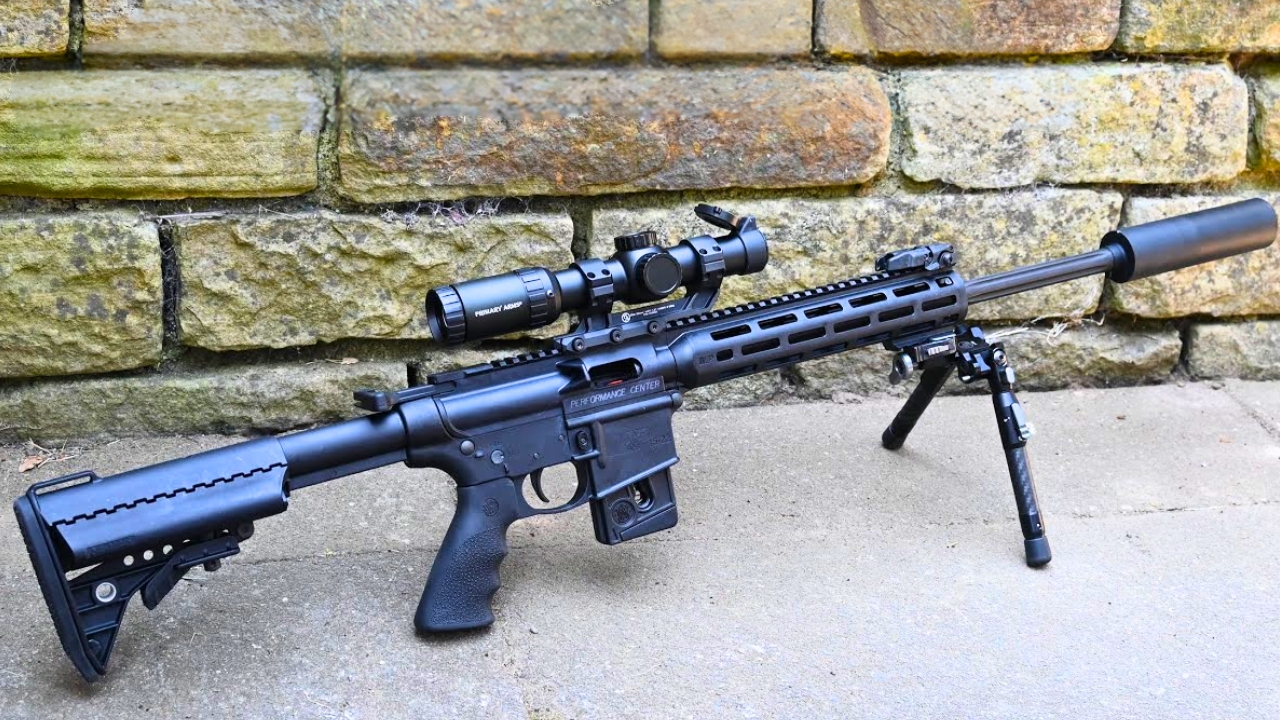
A .22 AR looks like a training cheat code. Same manual of arms, cheap ammo, lots of reps. The catch is that rimfire AR setups can be surprisingly maintenance-heavy, and they often demand specific ammo to stay reliable. Rimfire crud builds fast, and the little bolt assemblies can get sluggish if you don’t stay ahead of cleaning.
You also end up paying attention to magazines, feed angle, and the way your particular unit handles different bullet shapes and velocities. Some run great with high-velocity plated ammo and choke on softer stuff. Others do the opposite. If you’re expecting it to behave like a centerfire AR, you’ll be frustrated. If you treat it like a rimfire that needs regular cleaning and a preferred load, you’ll have a better time. It’s a great training tool that often requires more tinkering than people expect.
Like The Avid Outdoorsman’s content? Subscribe to our newsletter so you never miss an article.
Here’s more from us: