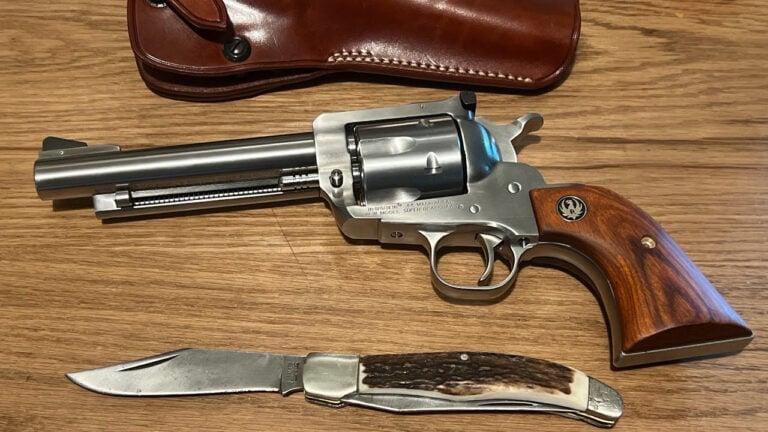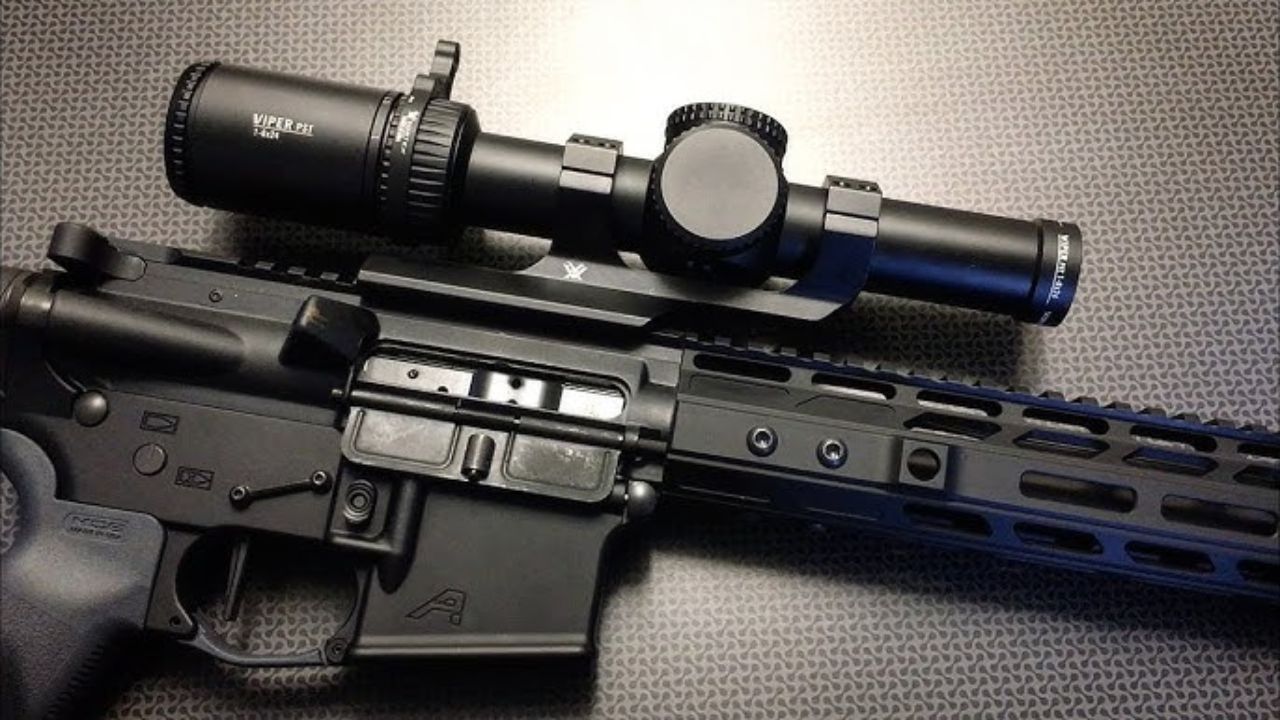
Photo credit: 704 TACTICAL/YouTube
When you spend real time behind an AR, you learn quickly which optics can handle recoil, rough handling, and unpredictable weather—and which ones tap out early. A good AR optic isn’t just clear or lightweight. It has to hold zero when the rifle gets banged around in a truck, stay functional after a few hard drops, and keep the reticle crisp when the temperature swings twenty degrees in an afternoon. Plenty of optics look good on the counter, but only a handful stay reliable once you’re training, hunting, or working in conditions that don’t care how expensive your gear was.
This list focuses on optics with real track records. These are the sights shooters keep using because they’ve already survived the kind of abuse that retires lesser glass. When you’re picking gear for an AR that’s going to get used instead of admired, these are the models that keep showing up.
Aimpoint PRO
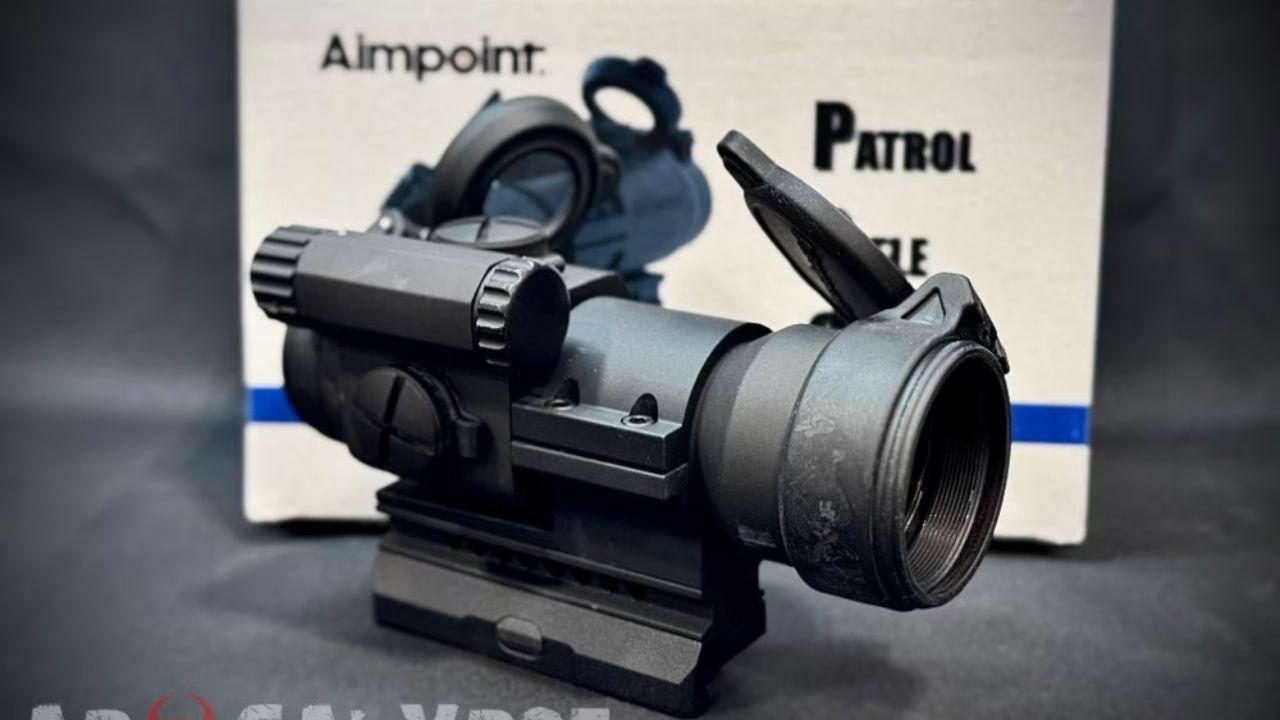
The Aimpoint PRO stays on rifles year after year because it’s built to take punishment without losing zero. You can drop it, bang it against a barricade, or leave it mounted through rough weather and it continues to run. The PRO’s battery life is practically set-it-and-forget-it, which helps a lot when you’re busy or constantly switching rifles.
Shooters stick with this optic because it remains reliable in cold, heat, and rain. The housing doesn’t flex, and the glass stays usable even when it’s dusty or streaked with mud. You also get a clean dot that stays consistent under recoil. It’s not flashy, but it might be the most trustworthy entry-level duty optic out there.
Aimpoint Micro T-2
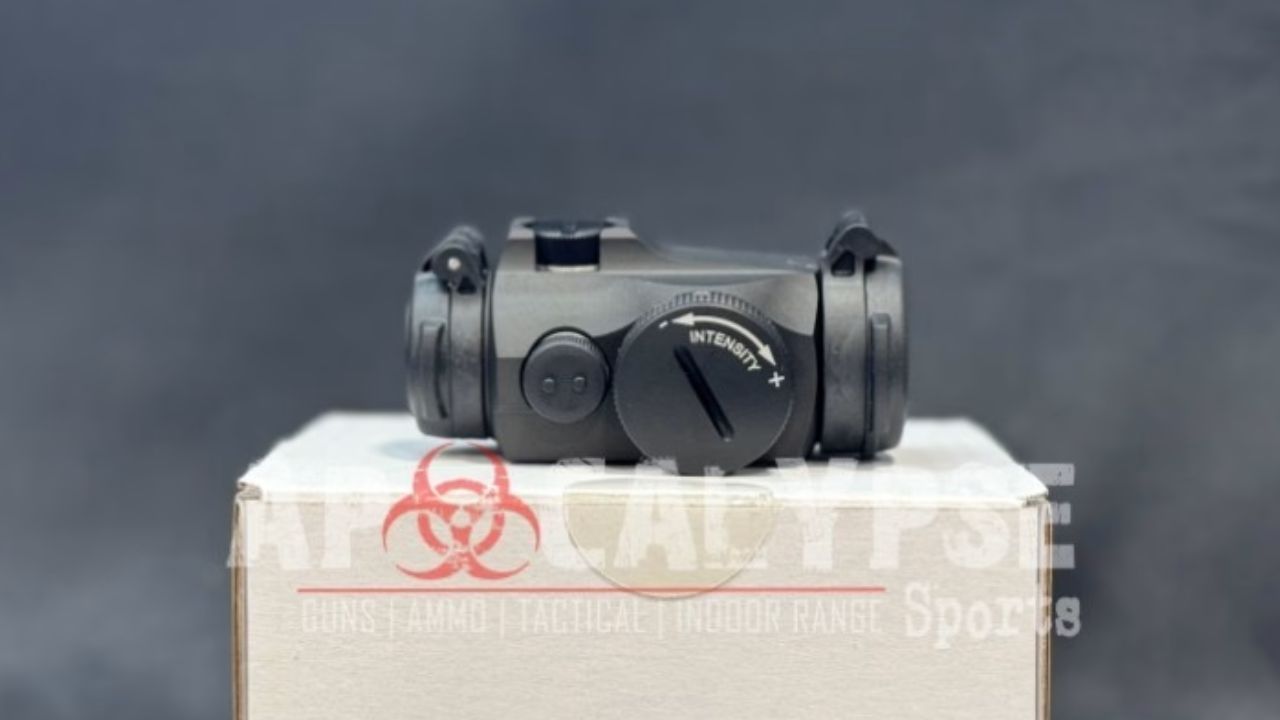
The T-2 is one of those optics you stop thinking about once it’s mounted, and that’s a compliment. It shrugs off recoil from any AR, handles drops far better than its size suggests, and stays bright and crisp under harsh lighting. The sealed construction keeps out water, dirt, and dust in a way cheaper micro dots can’t match.
What keeps shooters coming back is how it holds zero through real abuse. The T-2 doesn’t drift when the rifle rides in a bouncing side-by-side or gets knocked into trees while you’re moving fast. It’s also light enough that it never throws off the rifle’s balance, making it easy to run in tight cover or long range sessions.
EOTech EXPS3
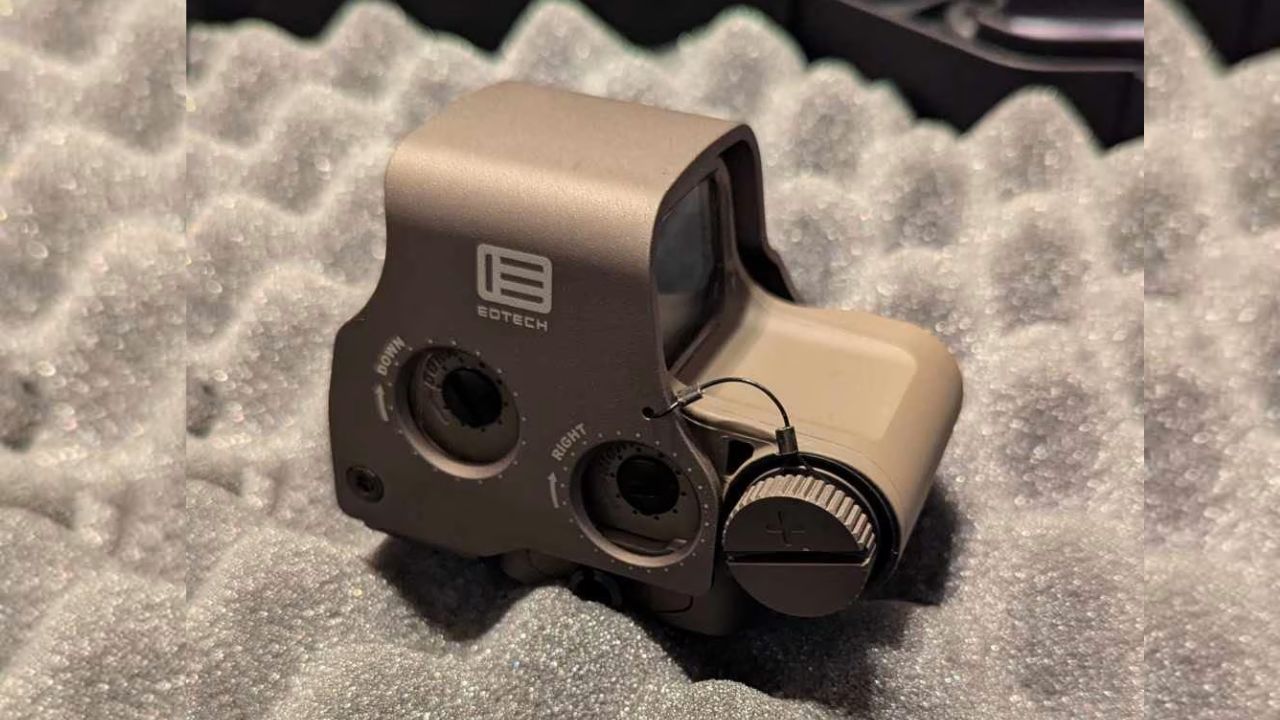
The EXPS3 remains a favorite for shooters who want a holographic sight that stays functional under stress. You get a reticle that’s easy to pick up fast, even when you’re shooting from odd angles or wearing gloves. The sight picture stays clear even when the window gets dirty, fogged, or splattered with rain.
The durability comes from its rugged housing and internal design. It holds zero even after repeated recoil from high-round-count days, and it can take hits without failing. Operators and hunters like the EXPS3 because it keeps working in cold, wet conditions where lesser optics start flickering or fading. It’s built for real use, not range-only weekends.
Trijicon MRO
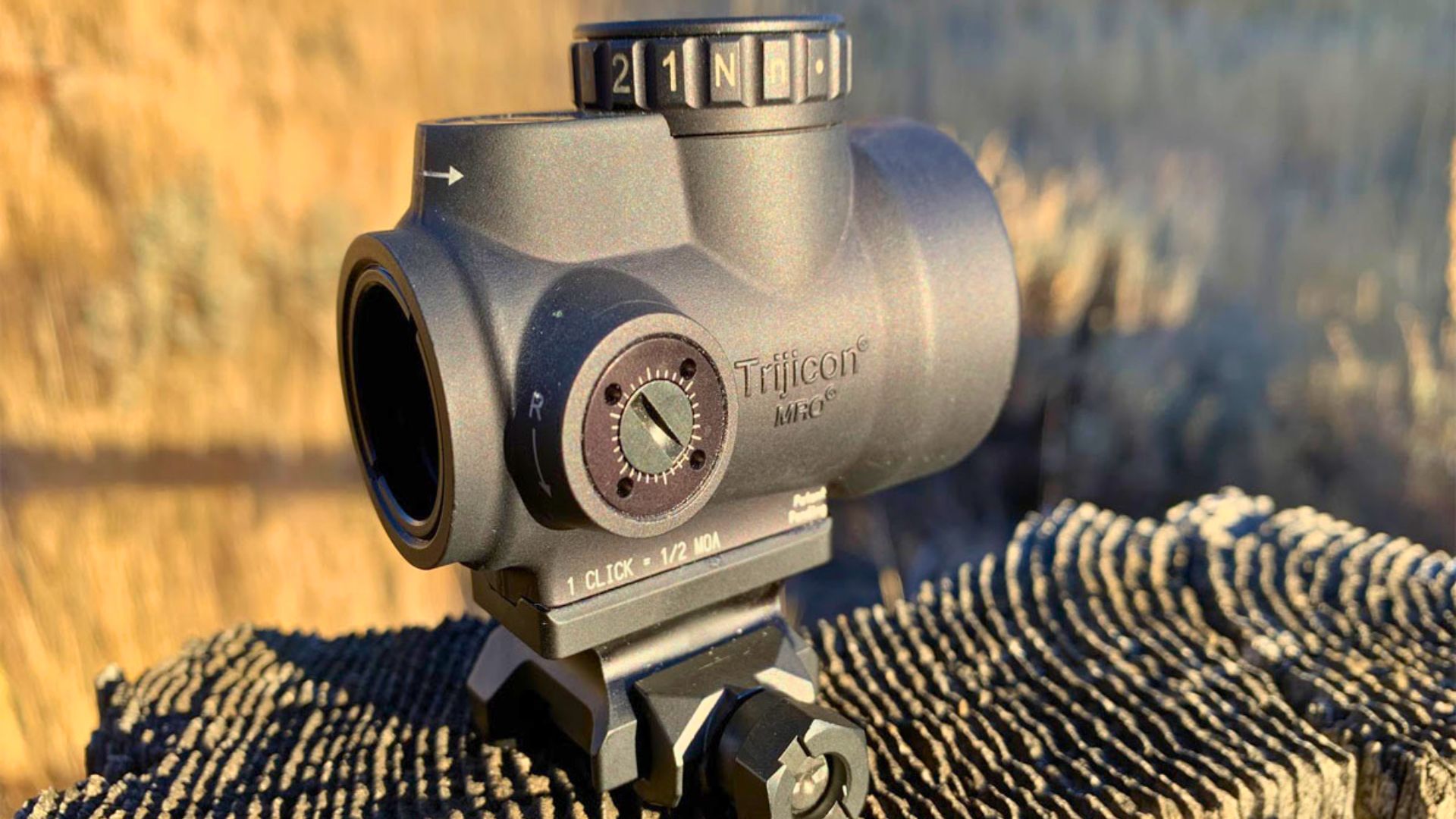
The MRO has become a go-to optic for shooters who want a wide field of view in a compact package. Its forged housing gives it the strength to take drops and impacts without shifting zero. Even after rough handling, the dot stays bright, crisp, and centered.
What makes the MRO stick is how reliably it handles recoil and weather. Whether you’re running drills in heavy rain or dealing with dust and heat, the sight keeps functioning without any drama. The battery life is long enough that you don’t worry about it dying at the wrong time, and the optic’s weight never throws off your rifle’s handling.
Trijicon ACOG TA31
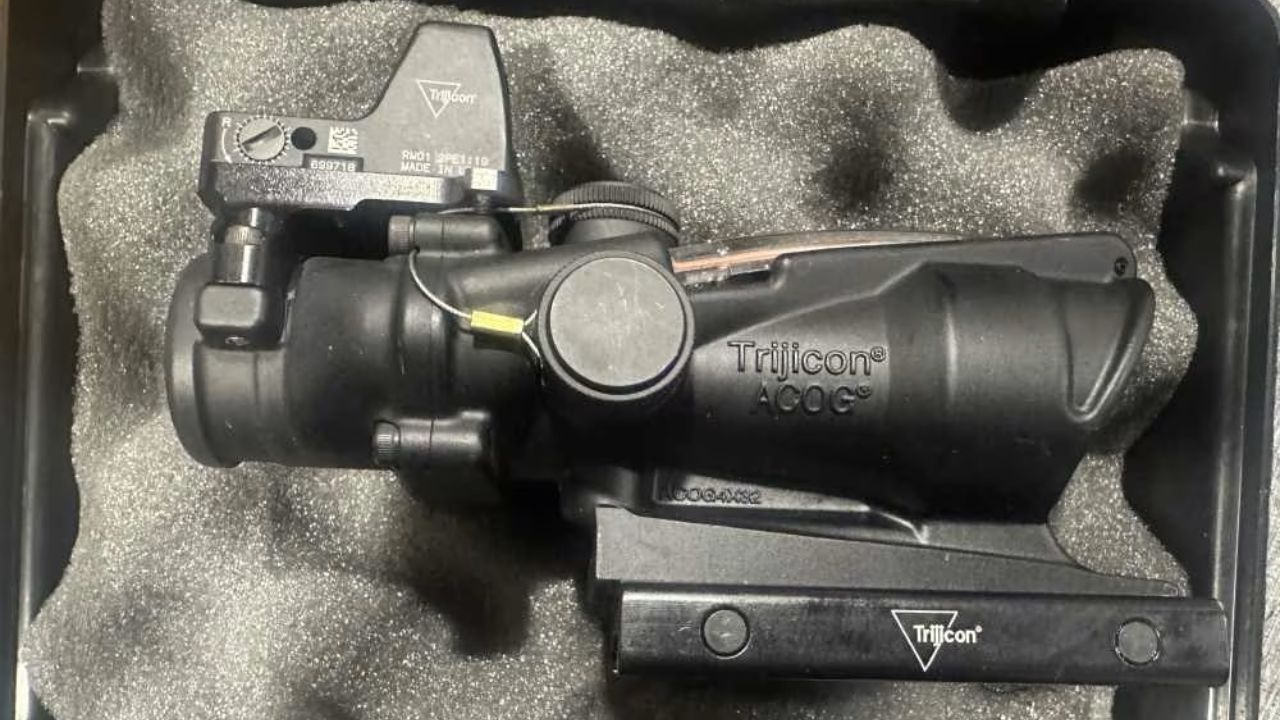
The TA31 is known for one thing above all else: durability. It handles recoil like it’s nothing, and many shooters report ACOGs that have survived falls, hard impacts, and years of neglect without losing zero. The fixed magnification keeps the internal design simple and nearly bombproof.
The fiber-optic and tritium illumination system works in almost every kind of light. While it’s not a lightweight optic, the ACOG stays in service because it always works, even when the rifle has been tossed around in trucks or slammed against barricades. When you mount one, you’re not wondering whether it’ll make it through the day—you know it will.
Primary Arms SLx Prism 3X
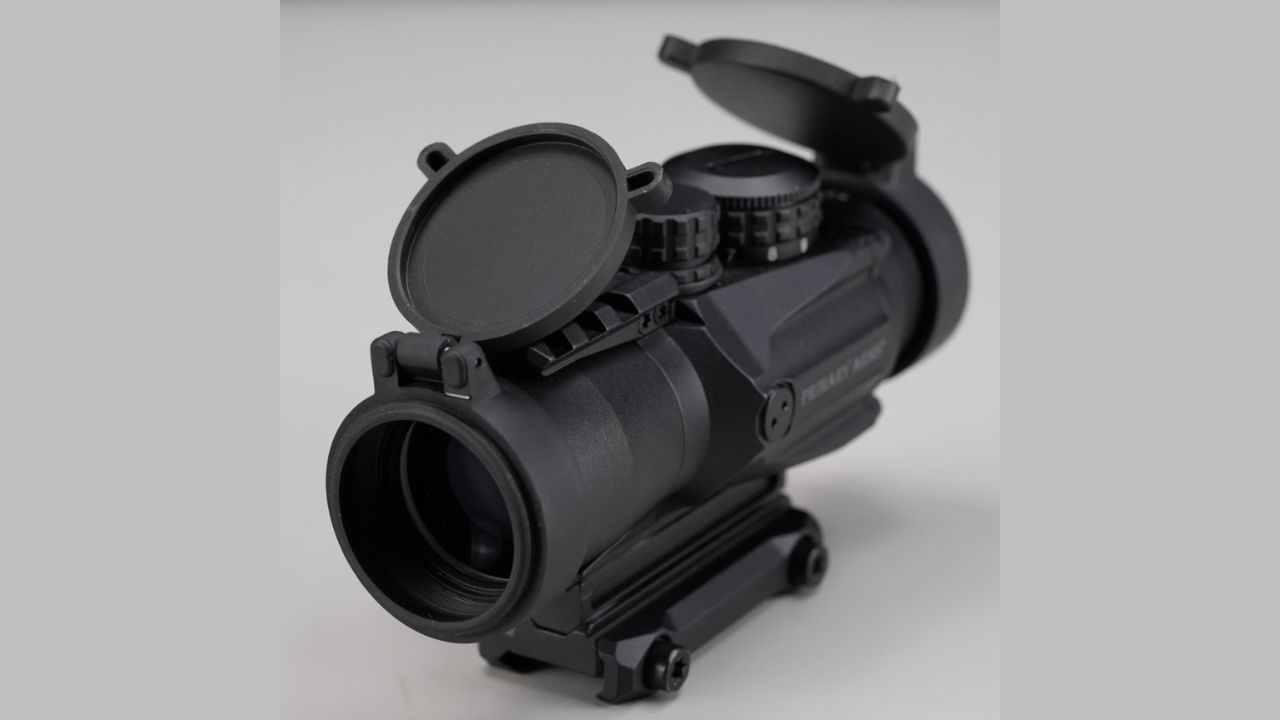
The SLx 3X prism sight gained a loyal following because it can take abuse that would sideline many budget optics. The etched reticle remains visible even if the illumination dies, which gives you a dependable sight picture in rough conditions. The housing can withstand recoil from larger calibers, so an AR won’t faze it.
Shooters like it because it rarely shifts zero, even with repeated bumps and temperature swings. The glass stays clear, and the sight performs well for those who struggle with dot astigmatism. It’s a tough optic that punches above its price tag and survives the kind of treatment most affordable optics can’t.
Vortex Razor UH-1 Gen II
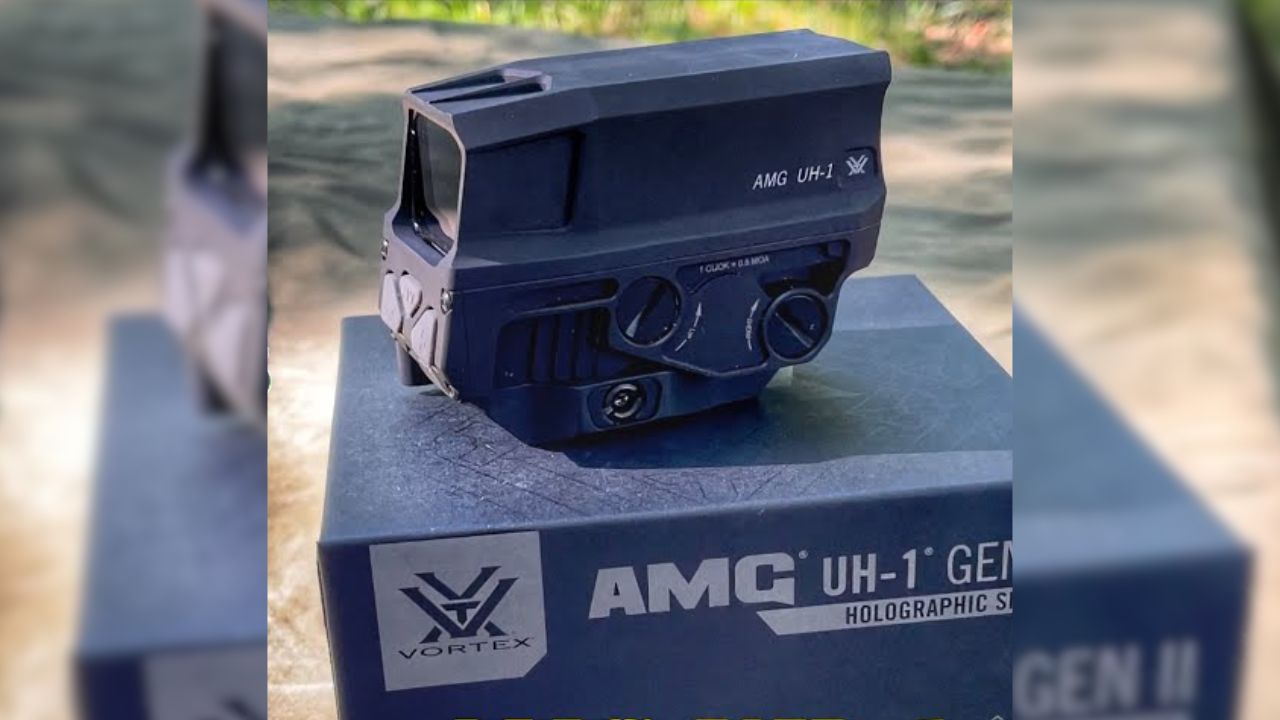
The UH-1 Gen II is built like a tank, with a solid housing that protects the internals from recoil and blunt impacts. The holographic-style reticle stays crisp and easy to track during rapid-fire strings, even when the rifle is moving fast between positions.
Its reliability comes from how well it resists moisture, dirt, and hard knocks. Shooters who run their rifles aggressively appreciate how the UH-1 holds zero through drops, barricade pressure, and long days in rough weather. It’s heavier than some options, but the durability more than makes up for it when you need an optic that won’t fail.
Holosun 515GM
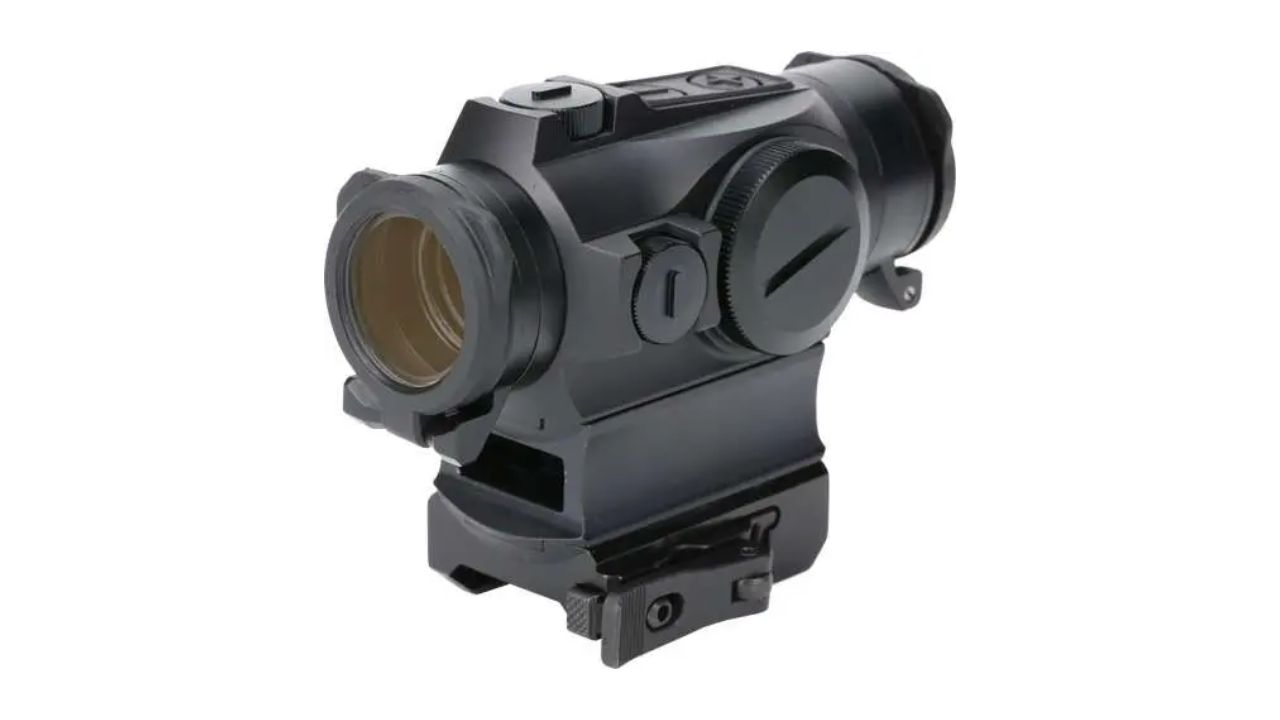
The 515GM is one of the toughest red dots Holosun makes, and it shows when you put it through hard use. The titanium housing absorbs impacts without shifting zero, and the optic stays sealed when you’re dealing with rain, snow, or mud.
The reticle options and long battery life give it flexibility, but the real value is how it handles recoil. Even on rifles that get hammered over long sessions, the dot remains stable and true. Shooters who need a durable optic without jumping to top-tier pricing often stick with the 515GM because it rarely gives them a reason to switch.
Steiner P4Xi
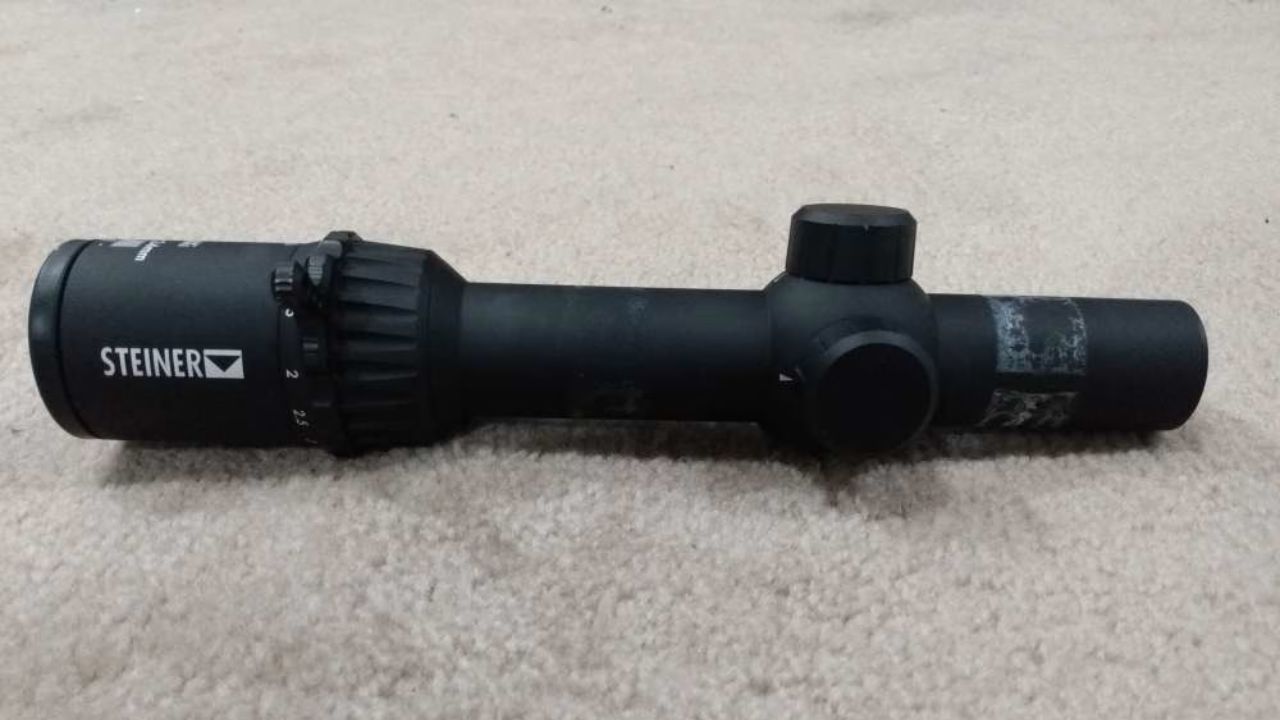
The P4Xi is a well-built LPVO that stays reliable through heavy recoil and constant adjustments. The magnification ring remains smooth even when the optic has been exposed to dust and grit. The illumination stays consistent, and the glass stays clear in bad weather.
What keeps shooters using it is how well it holds zero under rough conditions. The P4Xi handles drops, bumps, and hard transitions without drifting off point. It’s a dependable optic for those who want a rugged variable scope without stepping into the cost of premium European glass.
Leupold Mark 6 1-6×
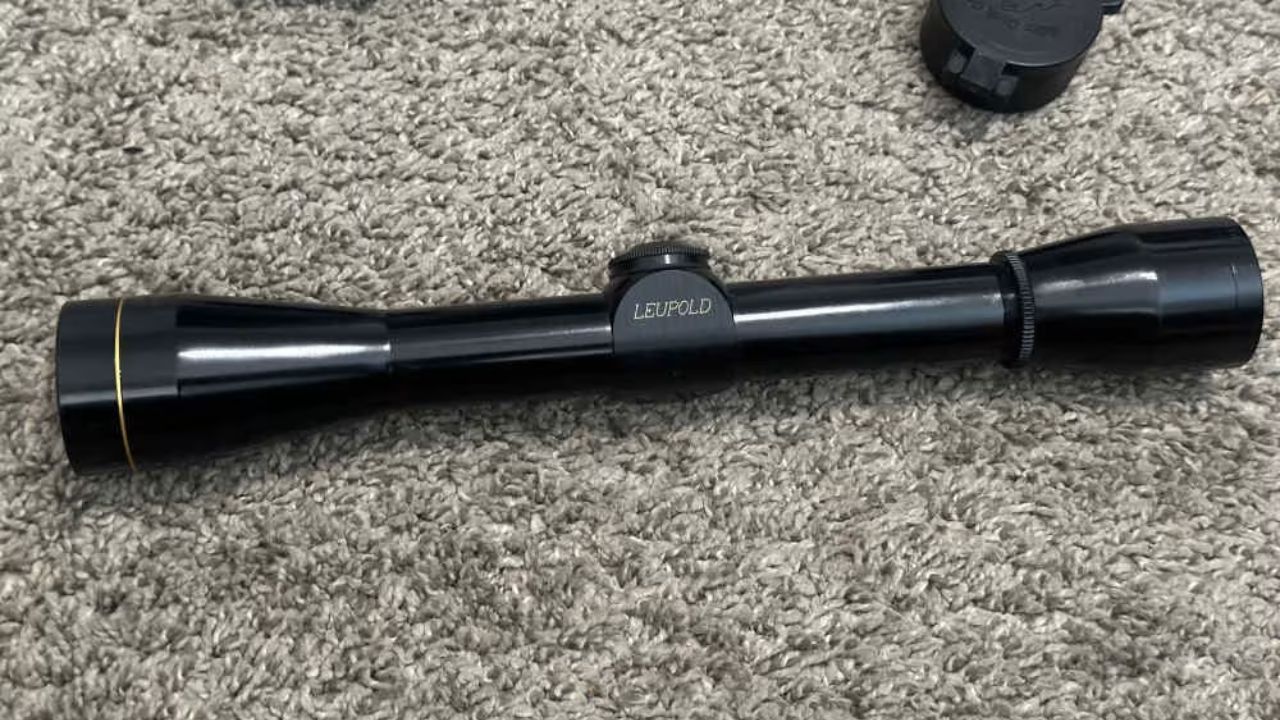
The Mark 6 stays in service because it combines lightweight construction with serious durability. The housing resists flex, and the internal mechanics hold zero even after rough recoil cycles and repeated impacts. The reticle remains sharp across magnification settings, making it reliable for both close and mid-range work.
Shooters stick with it because, despite the lighter weight, it doesn’t behave like a fragile optic. It handles weather extremes easily and stays fog-free in cold conditions. When you’re moving through timber or climbing in and out of vehicles, the Mark 6 holds up without complaint.
Nightforce ATACR 1-8×
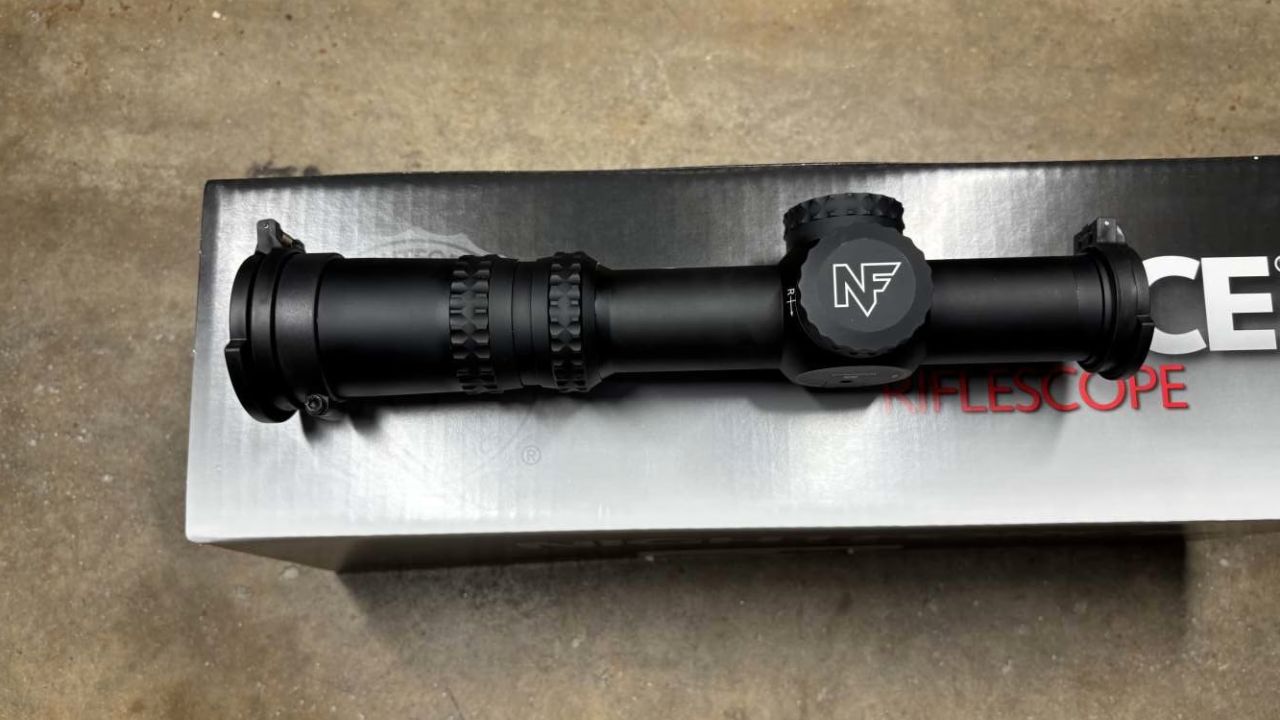
The ATACR is one of the toughest LPVOs you can put on an AR. Nightforce built it to handle hard recoil, abuse, and environmental extremes, and it shows the first time you run it through a rough training day. The turrets track consistently, and the reticle stays sharp even under low light.
Shooters keep choosing the ATACR because it refuses to lose zero. It performs the same whether you drop your rifle on rocks or drag it through mud. When you want an optic that can take punishment without missing a beat, the ATACR is near the top of the list.
Vortex Viper PST Gen II 1-6×
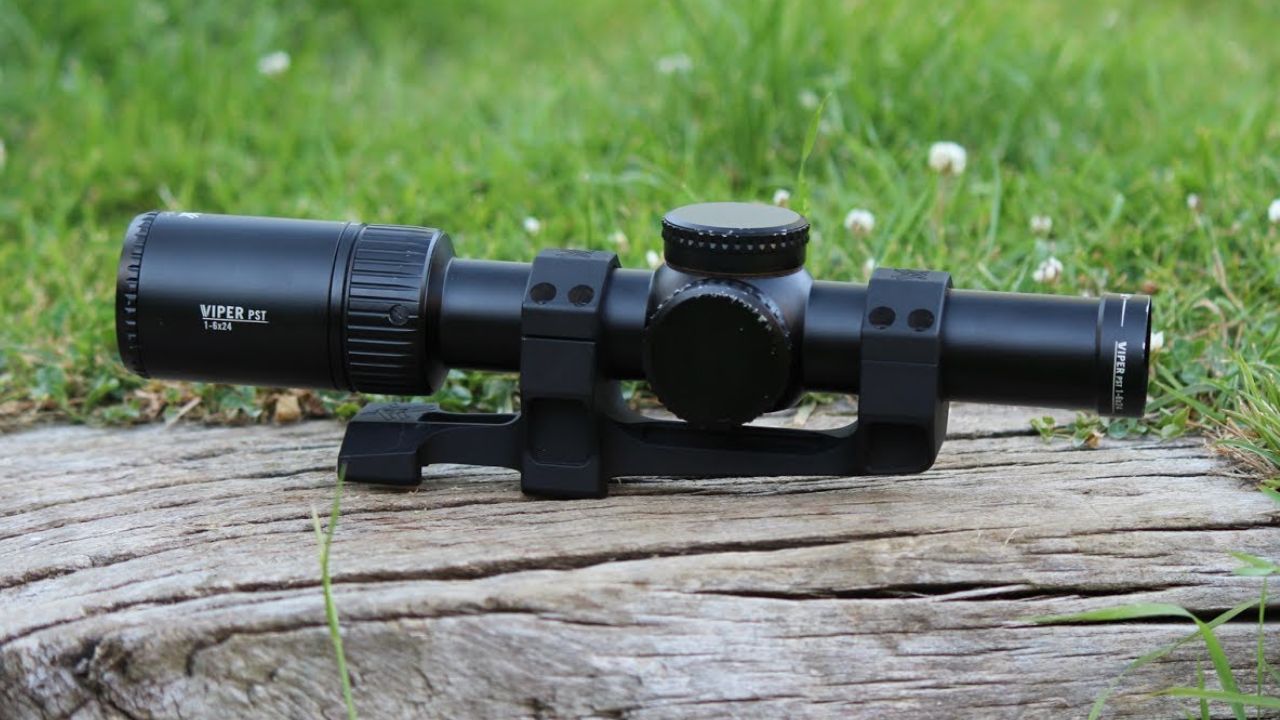
The PST Gen II has become a favorite for shooters who want durability without breaking into top-tier pricing. The housing stays strong under recoil, and the turrets maintain their tracking after long-term use. The illumination works well in changing light, and the optic stays fog-free in cold conditions.
What keeps people coming back is consistency. The PST Gen II holds zero through drops, bumps, and regular handling that would shift many mid-tier scopes. It’s a workhorse LPVO that punches above its cost and survives the kind of abuse ARs often see.
Primary Arms PLxC 1-8×
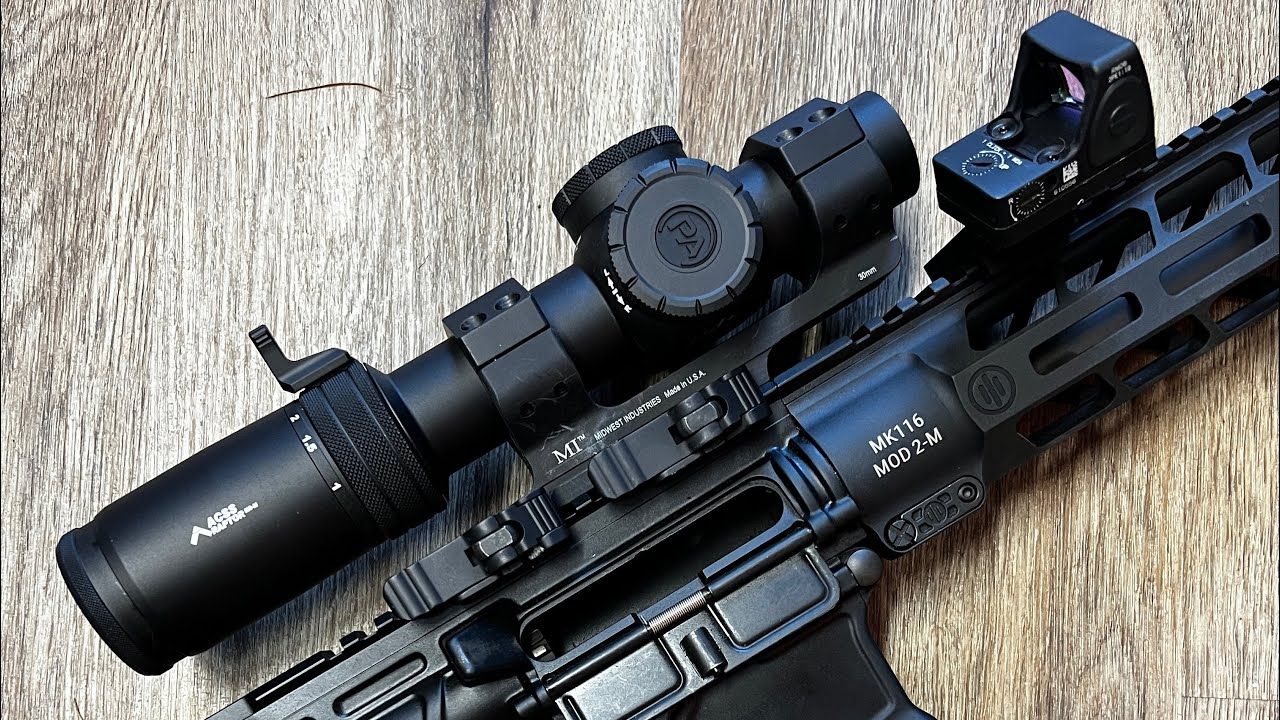
The PLxC sits at the upper end of Primary Arms’ lineup, and it’s built tough enough for duty-level use. The lightweight housing doesn’t flex, and the internal components stay aligned even during rapid-fire recoil cycles. The reticle remains crisp through all magnification levels.
Shooters like it because it handles rough weather, constant transitions, and accidental impacts without losing accuracy. Many find it performs close to premium LPVOs while offering durability that makes it suitable for serious field use.
Holosun AEMS
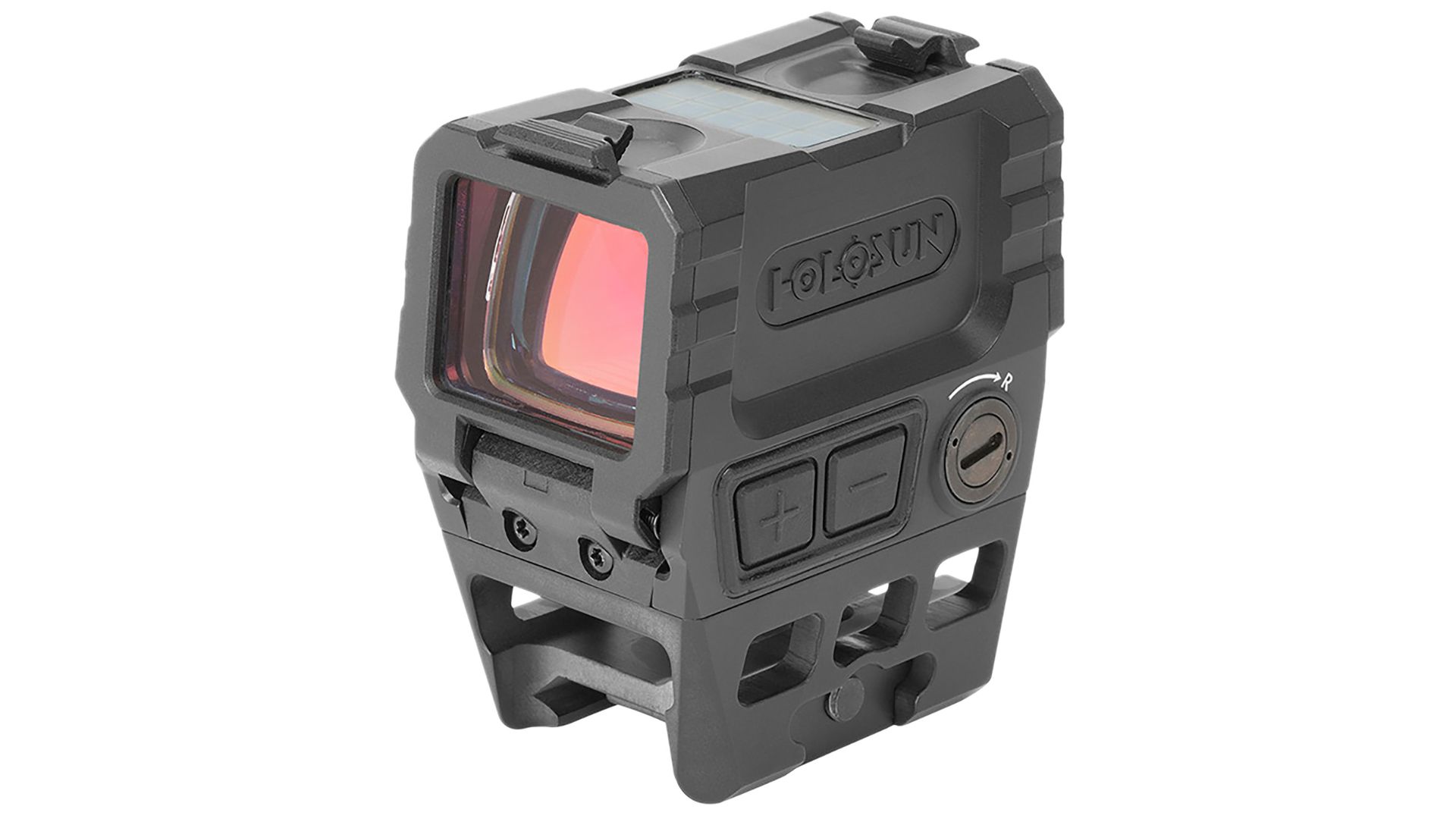
The AEMS provides a strong balance of toughness, clarity, and compact size. The housing protects the optic from side impacts, drops, and rough handling. Despite its small footprint, it holds zero well and keeps the reticle sharp during rapid shooting.
Its sealed construction keeps it running through rain and snow, and the multi-reticle system allows versatility. Shooters who push their rifles hard appreciate how well it resists recoil and temperature swings. The AEMS keeps proving it can take hits and stay functional.
EOTech Vudu 1-6×
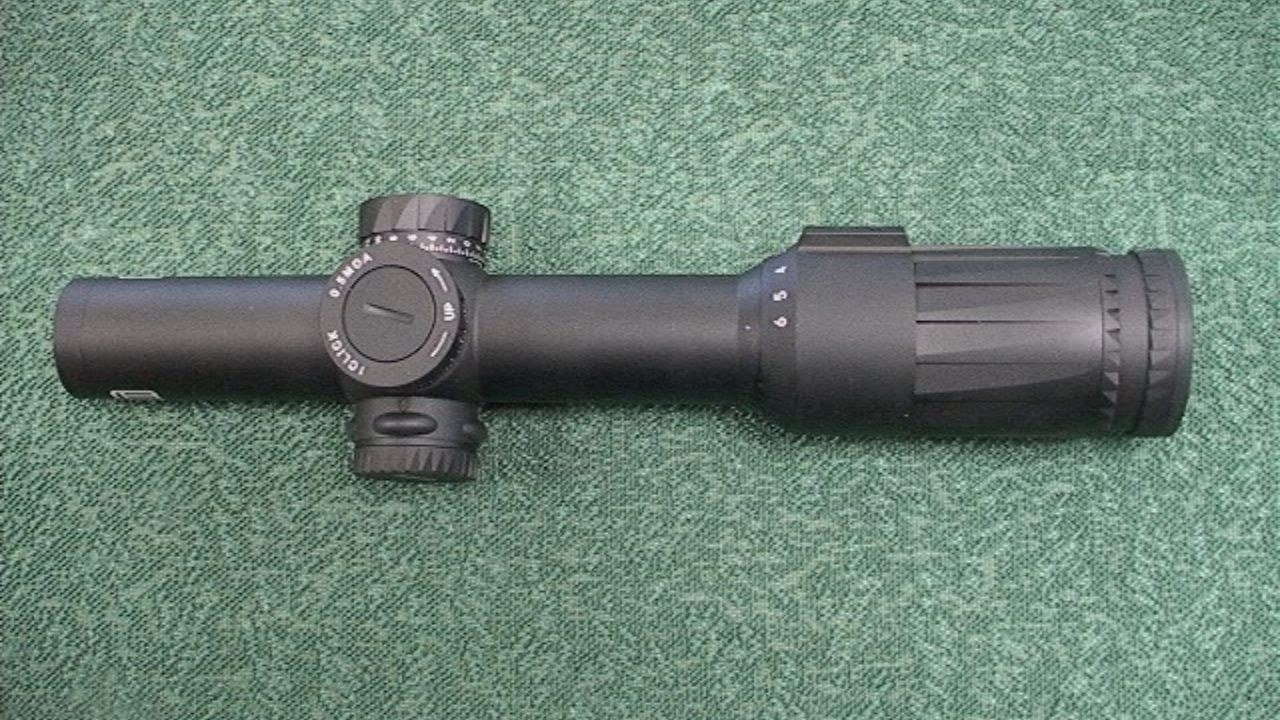
The Vudu 1-6× blends solid construction with excellent optical performance. The housing is strong enough to support rough handling, and the internal components stay aligned after repeated recoil cycles. The reticle remains clean and usable at any magnification.
Shooters stick with the Vudu because of how well it handles hard field use. It resists fogging, moisture, and blunt impacts without losing zero. Whether you’re running a carbine in fast drills or carrying it through rough country, the Vudu stays reliable in ways cheaper LPVOs can’t match.
Like The Avid Outdoorsman’s content? Be sure to follow us.
Here’s more from us:
The worst deer rifles money can buy
Sidearms That Belong in the Safe — Not Your Belt
*This article was developed with AI-powered tools and has been carefully reviewed by our editors.