Photo credit: Blackcat Outdoors/YouTube
When you carry a handgun every day, you start to notice which ones stay tight and which ones loosen up faster than they should. Holster wear is normal, but when the pistol itself starts showing play in the slide, failing springs, or worn locking surfaces long before you’d expect, confidence drops fast.
Some of these guns look fine on the counter, but extended use exposes where corners were cut. These are the handguns known for aging quicker than the gear meant to hold them.
KelTec PF-9

The KelTec PF-9 is lightweight, but that weight savings comes from thin materials that don’t always hold up to steady shooting. The frame rails show wear early, and many owners notice increasing slide play within the first thousand rounds.
The recoil impulse is snappy, which accelerates wear on the locking surfaces and small internal parts. Even the magazine catch starts to soften over time. It can serve as a basic carry option, but it ages noticeably faster than comparable pistols in the same role.
SCCY CPX-1

The SCCY CPX-1 offers affordability, but long-term durability isn’t its strongest trait. The trigger system relies heavily on polymer components that tend to develop slop with regular use. Some shooters report the feel changing dramatically as the miles add up.
Holster time also exposes the finish’s limitations. Edges wear down quickly, and the slide coating can thin out after a year of daily carry. It’s capable for casual range use, but it doesn’t stay tight or crisp under sustained training.
Taurus PT111 G2
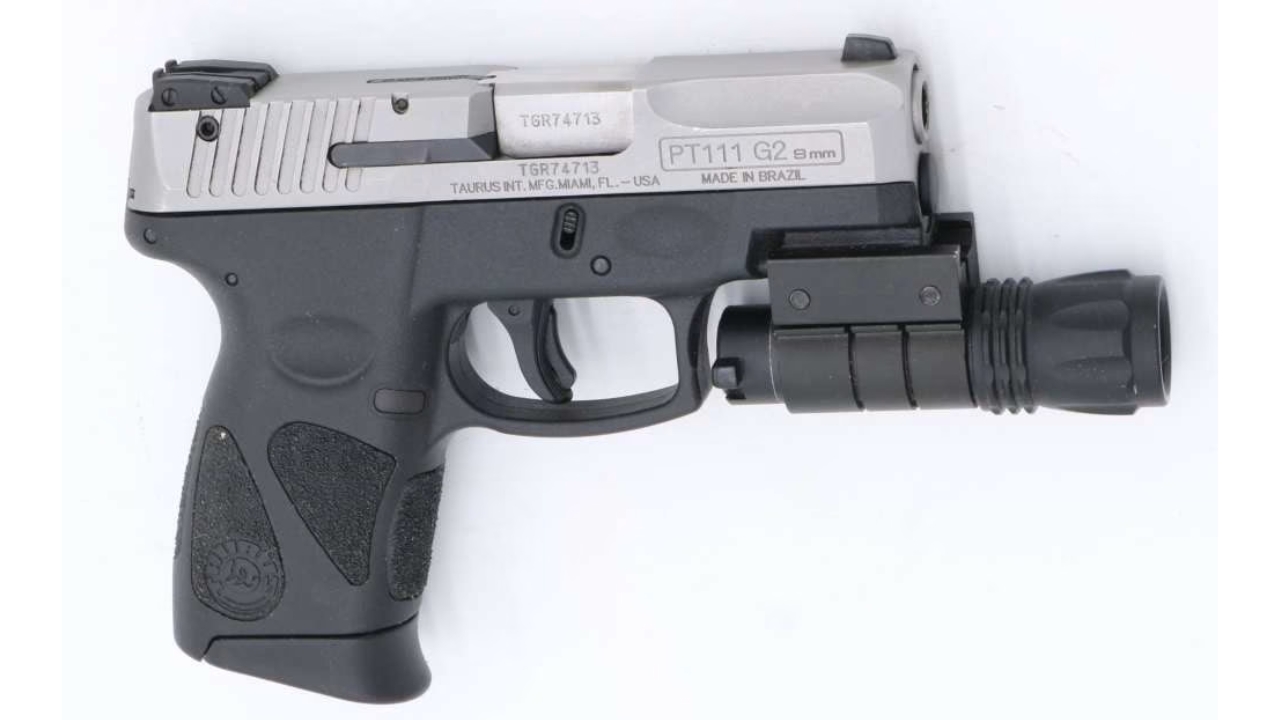
The PT111 G2 has plenty of fans, but heavy use reveals weak spots in the long-term build. The slide finish tends to chip early, and the trigger reset can become mushier with round count. You also start to see more noticeable play between the frame and slide.
Magazine springs often weaken faster than expected, especially if you keep them loaded. None of these issues make the pistol unusable, but they show that the gun simply ages quicker than many modern compact designs.
Bersa Thunder .380

The Thunder .380 is a comfortable little pistol, but its alloy frame shows wear sooner than many carry guns. The rails polish down quickly, and you may see peening around the locking areas with hard use.
Frequent holster carry also takes a toll on the slide finish. Even mild abrasions cut through the coating faster than most shooters expect. It runs fine for light duty, but it’s not built to stay tight after thousands of rounds or daily draw practice.
Ruger LCP (1st Gen)

The original Ruger LCP helped define pocket carry, but its construction wasn’t designed for heavy training schedules. The lightweight frame flexes more over time, leading to increased slide play and visible wear on the internal rails.
Shooters pushing high round counts often report loosening pins or widening takedown areas. The gun still functions, but you can feel it aging. Daily carry doesn’t help, as the finish wears quickly around the muzzle and edges.
Walther PK380

The PK380’s polymer frame and external hammer design create more moving contact points than most compact pistols. Over time, those points wear faster than many shooters expect, especially if the gun sees regular range sessions.
The slide finish also tends to show scraping and thinning early in its life. Add in the relatively soft recoil spring, which often needs early replacement, and the pistol simply shows its age sooner than others in Walther’s lineup.
Firestar M43

The old Firestar M43 has a loyal following, but these pistols weren’t built with modern metallurgy. Many examples exhibit frame and slide wear earlier than expected when you run hotter 9mm loads.
The compact steel frame also develops looseness around the hammer and sear components with age. The gun remains shootable, but recoil stresses take a toll that’s obvious by today’s standards. Holster wear only accelerates the cosmetic aging.
ATI FXH-45

The FXH-45 blends polymer framing with a 1911 pattern, but the hybrid design tends to show premature wear. The slide-to-frame fit loosens quickly, and shooters often notice more rattle after only a few hundred rounds.
The lightweight construction also increases stress on locking lugs, which don’t always hold up to steady .45 ACP firing. Daily carry continues the trend, as the finish rubs off rapidly along the sharp edges.
Charter Arms Pitbull

The Pitbull’s semi-rimless cartridge extraction system is clever, but the internal components wear faster than many expect. The ejector setup relies on small parts that don’t stay tight, and timing can drift with regular shooting.
Holster carry also exposes the frame’s softness. You’ll often see scuffs, dents, and premature finish wear, especially along the cylinder edges. It works for light use, but it doesn’t stand up to years of daily carry or high round counts.
Kimber Solo
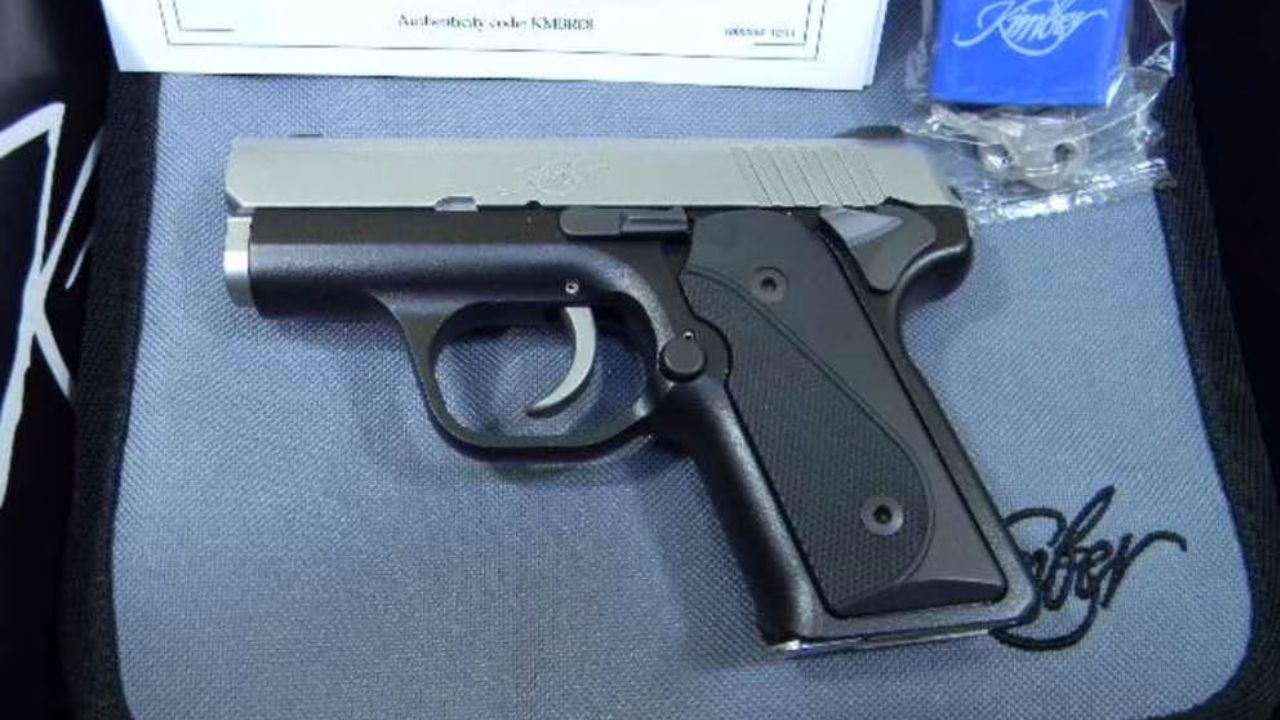
The Kimber Solo is known for its sensitivity to ammo, but its wear patterns raise more concerns. The aluminum frame can show peening around the locking areas early, and even moderate use leads to noticeable slide wear.
Because the pistol relies on specific loads, many shooters test several types — and that added cycling increases stress on delicate internal parts. Daily carry only speeds up the cosmetic aging. It’s a sharp-looking gun that unfortunately ages quicker than its peers.
Remington R51 (2nd Gen)
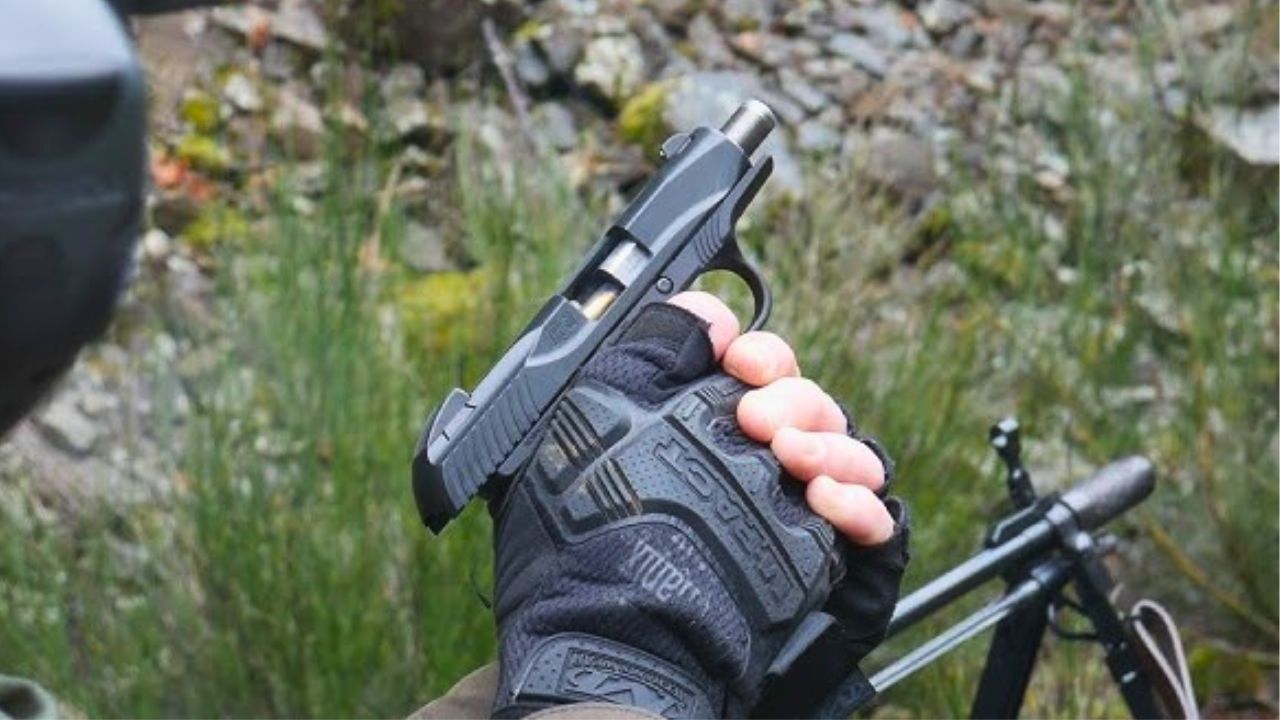
The second-generation R51 improved some issues, but it still suffers from accelerated wear. The hesitation-lock system puts unusual stress on internal surfaces, and those surfaces polish down quickly.
Many shooters report slide finish thinning and frame wear after only a handful of training sessions. The pistol remains controllable, but longevity isn’t one of its strengths. Once the internals start wearing unevenly, reliability trends downward.
Kahr CW380

The CW380 is easy to carry, but lightweight materials don’t always withstand long-term shooting. The slide stop area is particularly vulnerable, and the frame can show scuffing from the barrel cam early in its life.
Recoil springs also tend to fatigue quicker than on larger pistols. Combine that with frequent holster time, and you get a gun that looks and feels older long before it reaches a high round count.
Sig Sauer Mosquito

The Mosquito was designed around .22 LR, but its zinc-alloy slide shows wear early when paired with hotter loads or extended use. The slide rails smooth down faster than most rimfires, and some shooters report widening tolerances.
Finish wear is also common, especially on the forward edges. While it’s a fun plinker, it ages noticeably faster than modern .22 pistols built with stronger materials.
Hi-Point C9
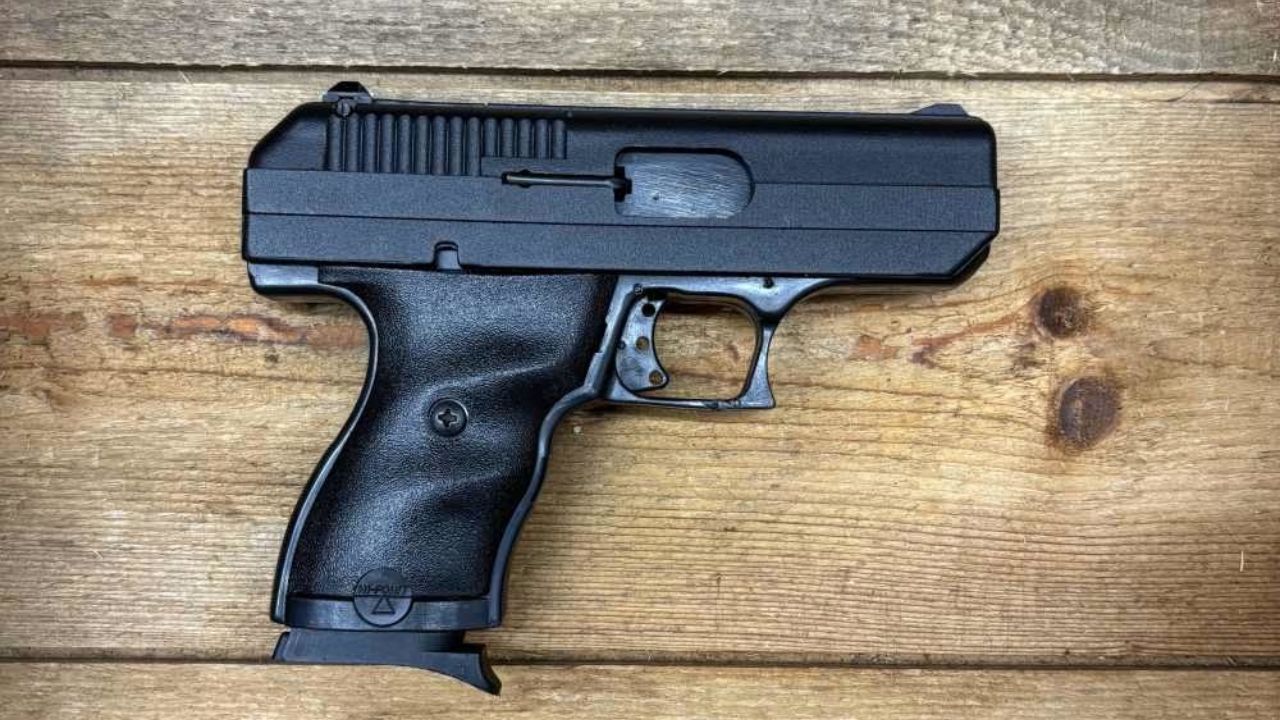
The Hi-Point C9 functions reliably, but the pot-metal slide and polymer frame don’t resist wear like higher-end guns. The slide develops scratches, dings, and finish scuffs almost immediately under holster use.
Internally, the simple blowback system creates heavy recoil forces that accelerate wear on small parts. Springs and pins often need early replacement. It keeps running, but it certainly doesn’t age gracefully.
Jimenez Arms J.A. Nine

The J.A. Nine is inexpensive, but the zinc-based construction has limited lifespan. Slide rails wear quickly, and the frame can develop cracks around stress points with extended shooting.
Holster time also takes a serious toll on the finish, which scratches off easily. Most examples loosen up noticeably within the first few hundred rounds. It’s a budget option that simply isn’t built for long-term reliability or durability.
Like The Avid Outdoorsman’s content? Be sure to follow us.
Here’s more from us: