Photo credit: New & Used Product Reviews/YouTube
Some handguns are interesting in a collector case, fun for one magazine, or tempting because they are strange enough to remember. That does not mean they hold up when you start treating them like working guns. Real use exposes things quickly: parts support, magazine quality, recoil management, heat, dirt, holster wear, ammo sensitivity, and whether the gun can survive regular practice without becoming a project.
These are not all worthless. Some are collectible. Some are clever. Some were ahead of their time in one way or another. But if you are judging them as handguns to carry, train with, or depend on through steady use, the shine comes off fast.
Hudson H9

The Hudson H9 looked like it had all the right ingredients when it showed up. It had a low bore axis, 1911-ish trigger feel, striking looks, and enough originality to make people pay attention in a market full of polymer copies.
The problem is ownership after the excitement. The company folded, parts support became a serious concern, and the pistol never had enough time to prove itself over years of hard use. A gun can shoot nicely and still be a poor real-use choice if every broken part turns into a scavenger hunt. The H9 is interesting, but interesting does not keep a pistol running.
Boberg XR9-S
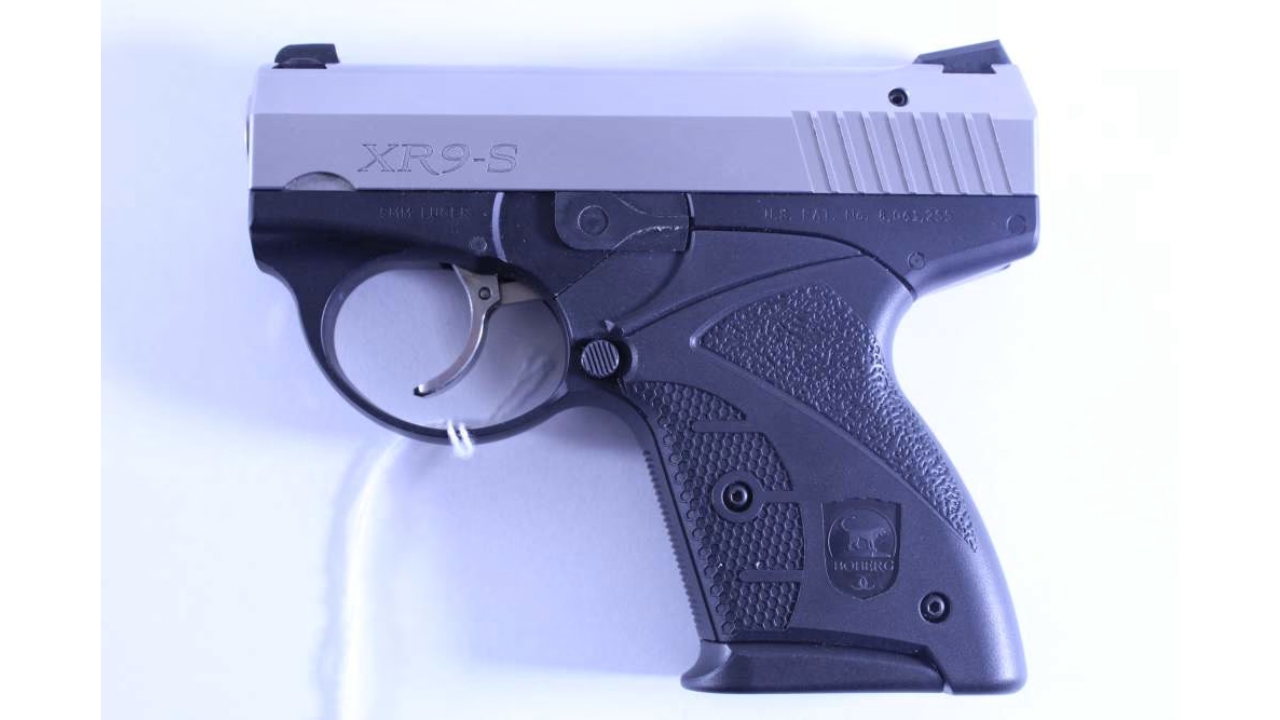
The Boberg XR9-S was clever, but clever can become exhausting when you want a normal carry pistol. Its unusual feed system pulled cartridges backward from the magazine before chambering them, which helped create a compact gun with a longer barrel than expected.
That design also made ammunition choice more important than many owners wanted. Some loads could cause bullet pull, and that is not the kind of thing most people want to think about in a defensive handgun. The XR9-S is mechanically fascinating, but real use rewards simple, proven systems. This one always felt like a gun for tinkerers more than daily carriers.
Bond Arms Bullpup9
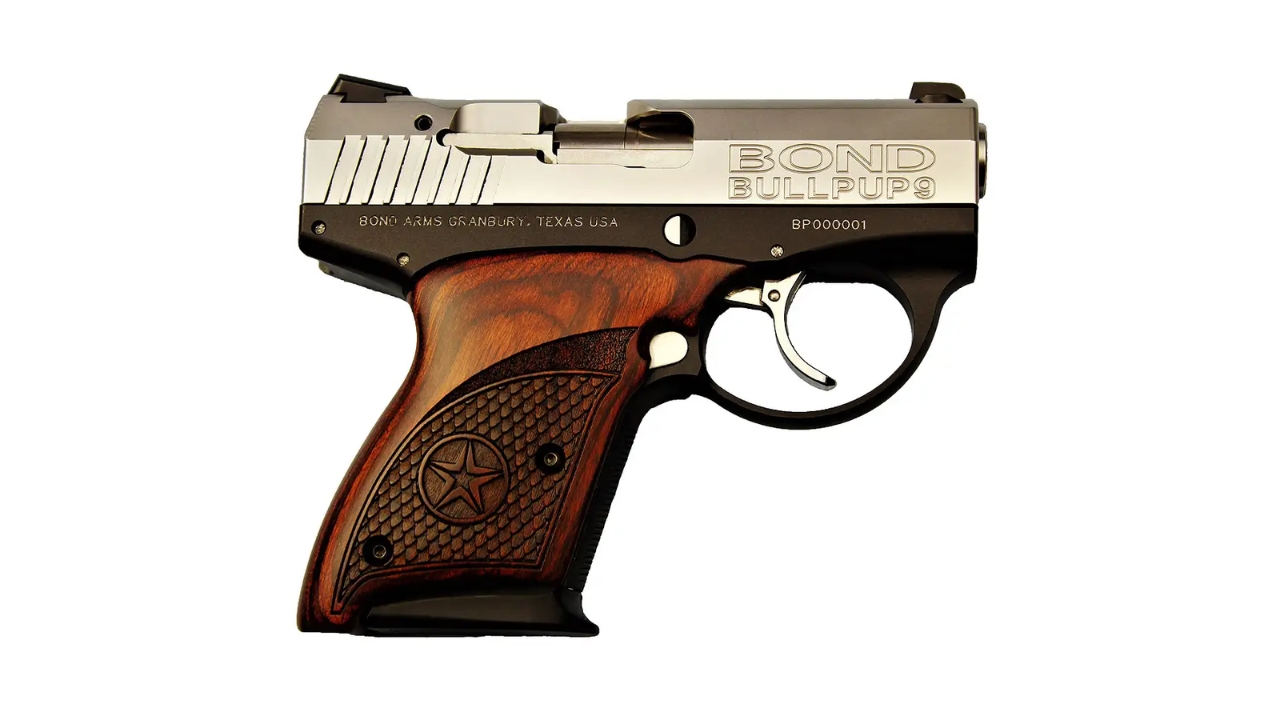
The Bond Arms Bullpup9 carried the Boberg idea forward, and it still has the same basic issue: the design is more interesting than it is easy to recommend. It gives you a compact pistol with a long barrel for its size, which sounds useful on paper.
But real use is not just paper. Ammunition compatibility, unusual handling, limited market support, and a manual of arms that does not feel as familiar as mainstream carry guns all work against it. Some owners like them, but most shooters are better served by a boring compact 9mm with common magazines, normal feeding, and easier support.
Detonics Pocket 9

The Detonics Pocket 9 had a serious-looking idea behind it: a compact double-action 9mm built for concealment before the modern micro-compact market existed. That sounds better in theory than it feels in practice.
The pistol is heavy, awkward, and not especially pleasant to shoot. The trigger can feel punishing, and the gun never developed the kind of broad support that makes long-term ownership easy. It is a cool piece of concealed-carry history, but if you are trying to train hard and carry confidently, modern compact pistols make it feel more like a lesson than a solution.
COP .357 Derringer
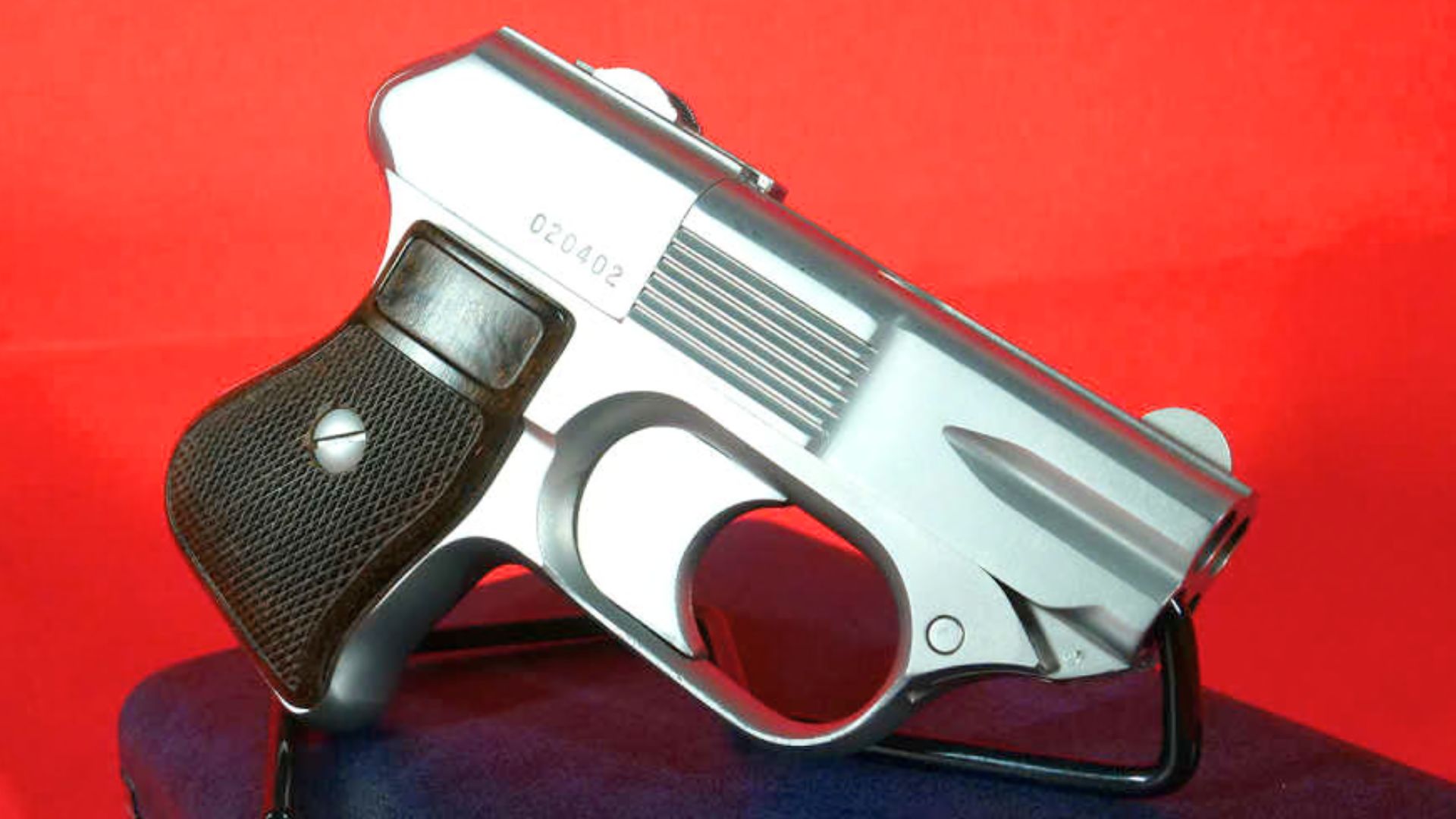
The COP .357 looks tough, and that is part of the trap. Four barrels of .357 Magnum in a compact stainless package sounds intimidating until you actually deal with the thing. It is heavy, bulky for what it offers, and saddled with a brutal trigger.
Real use makes the flaws obvious. You get only four shots, slow reloading, hard recoil, poor practical shootability, and a trigger that makes accurate hits harder than they need to be. It is a memorable oddball, but as a working defensive handgun, it proves that looking serious and being useful are not the same thing.
AMT Backup
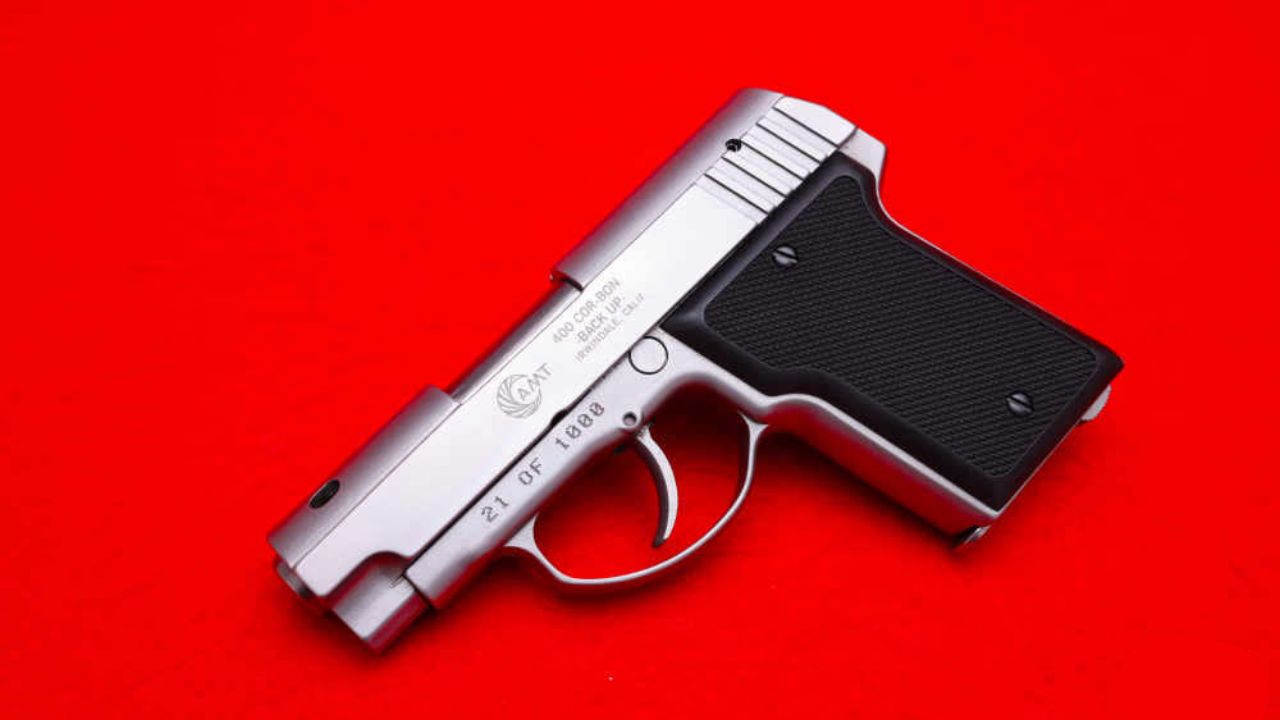
The AMT Backup appealed to people who wanted a small, solid pocket pistol in serious chamberings. It was stainless, compact, and simple enough to look dependable at first glance. That made it tempting in a time when small defensive pistols were more limited.
The longer you live with one, the less friendly it feels. Heavy triggers, sharp recoil in the larger calibers, small sights, and spotty reliability reports all work against it. The Backup may have filled a need years ago, but real practice shows how much better small defensive handguns have become since then.
AMT AutoMag II

The AMT AutoMag II is one of those pistols that people want to like because the idea is so cool. A semi-auto .22 Magnum handgun sounds like a perfect range toy, small-game gun, or oddball conversation starter.
Then the rimfire reality shows up. .22 Magnum can be tricky in semi-autos, and the AutoMag II developed a reputation for being ammunition-sensitive and temperamental. When it runs, it is fun. When it does not, it becomes another reminder that rimfire magnum pistols can be more trouble than they look. Real use favors guns that do not need constant load experiments.
Iver Johnson TP22

The Iver Johnson TP22 has the look of a handy little pocket pistol, and the tip-up barrel gives it a useful feature for people who struggle with slide manipulation. For casual handling, it seems simple and clever.
But as a real-use gun, it has too many limitations. The .22 LR chambering is already marginal for defense, and small rimfire pistols can be finicky with ammunition and maintenance. Add tiny controls, limited sights, and age-related wear on many examples, and it becomes a gun better understood as a curiosity than a pistol to run hard.
Jennings Nine
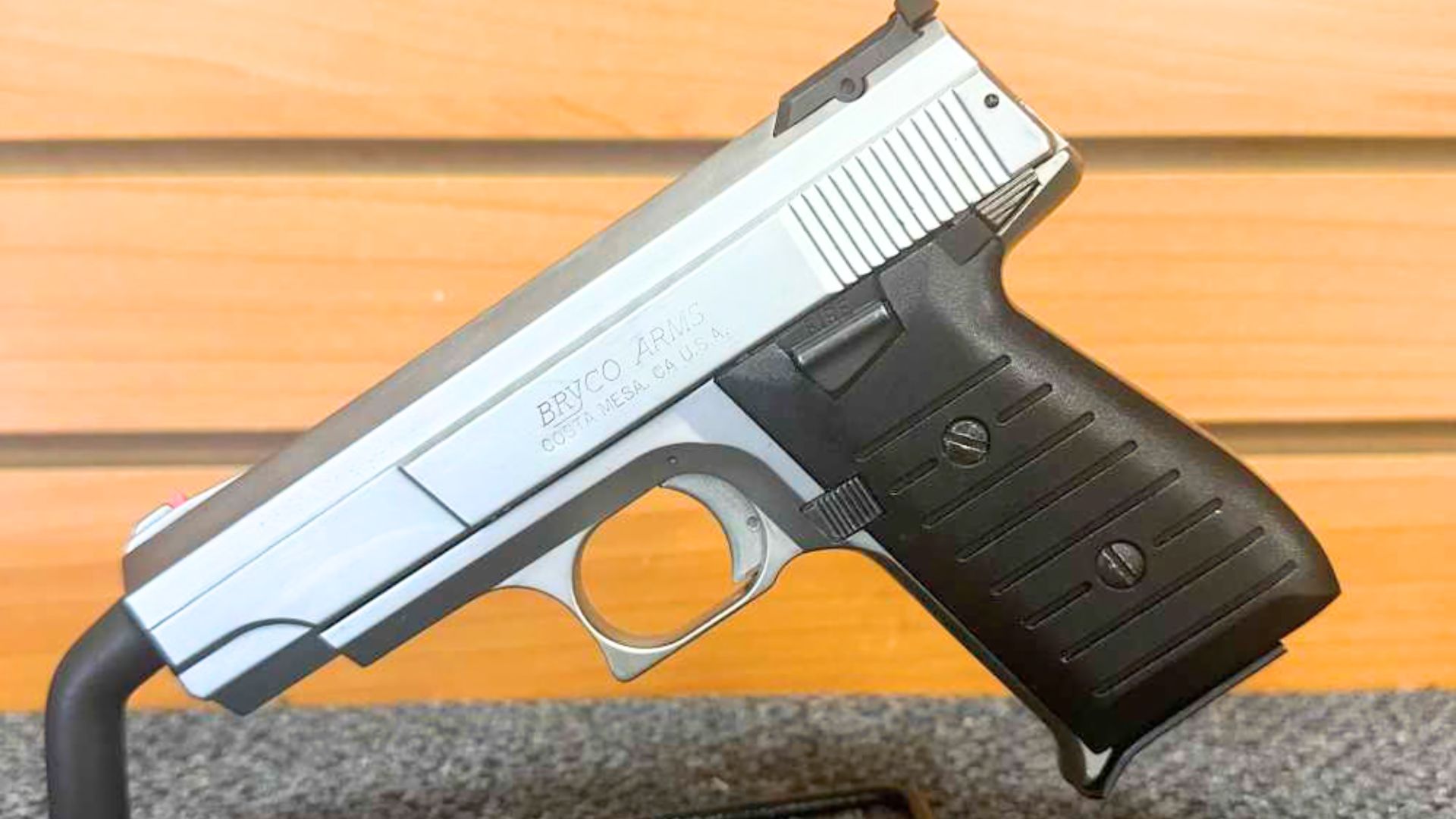
The Jennings Nine tried to bring a bargain-basement approach into a more serious 9mm package, and that is where the problem starts. Cheap pocket pistols are one thing. A rough, low-cost 9mm that you expect to train with and trust is another.
Real use exposes the difference between affordable and crude. The Jennings Nine was heavy, rough, and never known for the kind of reliability or durability serious shooters look for. It may have a place in cheap-gun history, but there are too many better used 9mms out there to treat this as a practical choice.
Davis P-380
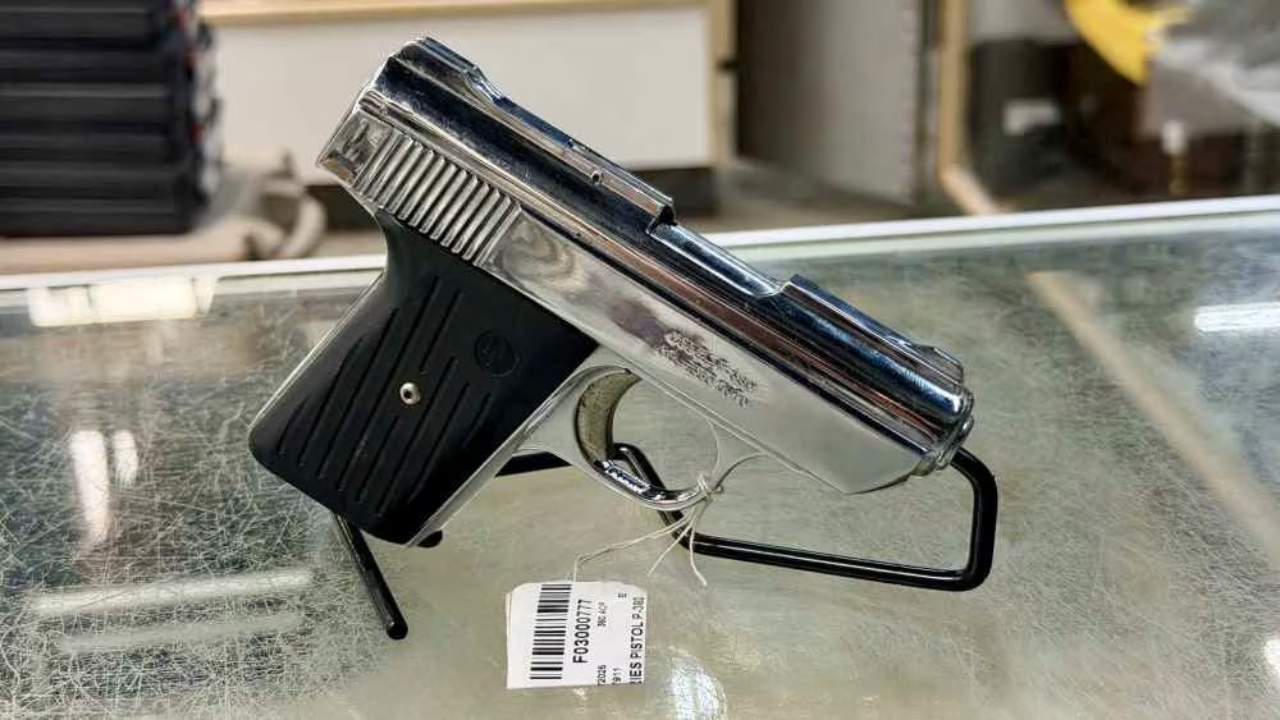
The Davis P-380 is another handgun that shows why “small and cheap” is not enough. It was easy to buy, easy to hide, and simple in the way many low-cost pocket pistols were simple. That does not mean it was built for steady use.
The trigger, sights, materials, and general shooting experience all remind you quickly what kind of gun it is. It was not designed for heavy training or long-term confidence. A pistol that makes you avoid practice is already failing the real-use test. The P-380 is better left as a cheap-gun artifact than a working handgun.
Grendel P-10
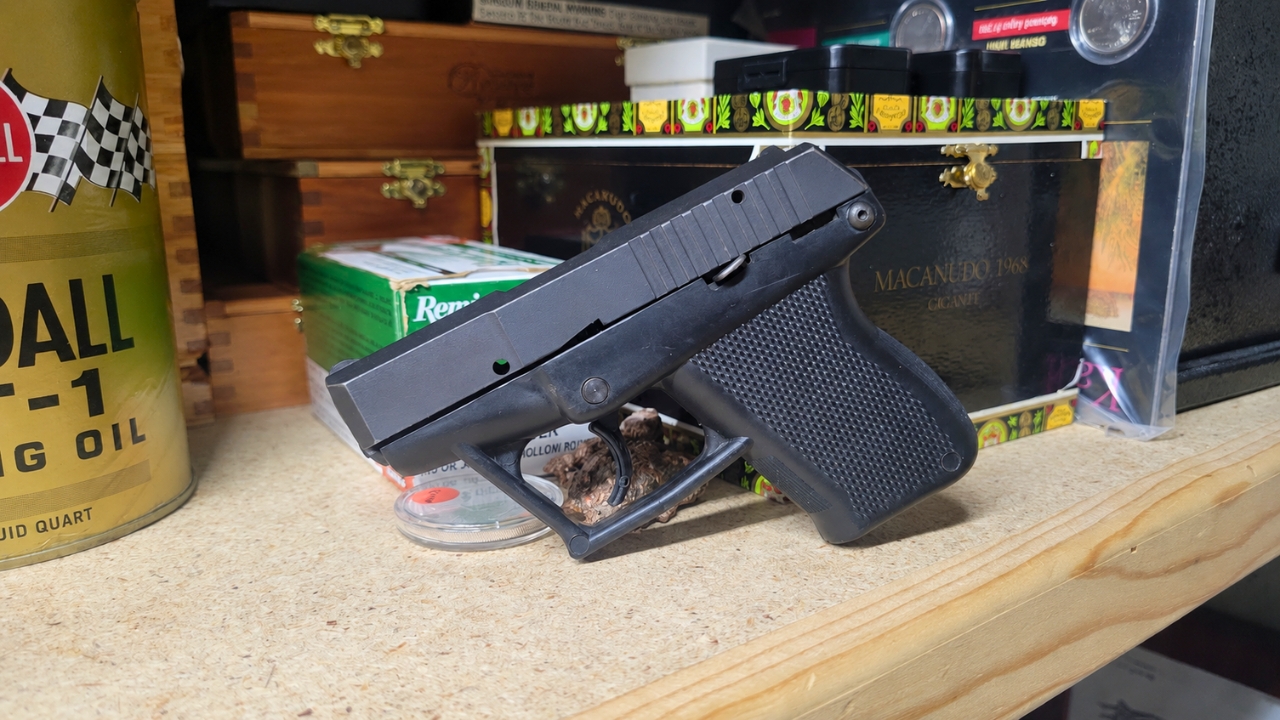
The Grendel P-10 had an interesting idea: a lightweight .380 with a top-loading internal magazine. It was different, compact, and tied to the kind of experimentation that later became KelTec’s territory. Different can be good when it solves a problem.
Here, it created plenty of its own. The fixed internal magazine limits reload practicality, the sights and trigger are not confidence-building, and long-term support is not exactly comforting. As an oddball, it is worth knowing about. As a handgun for real carry, training, and repeated use, it is awkward from the start.
Intratec TEC-9

The Intratec TEC-9 has a reputation built more on appearance and controversy than practical usefulness. It looks dramatic, holds a lot of rounds, and has plenty of pop-culture baggage. None of that makes it a good working handgun.
As a real-use pistol, it is bulky, awkward, crude, and not something most shooters can run well under pressure. The ergonomics are poor, the sights are not impressive, and reliability can be a mixed bag depending on magazines and condition. It is collectible because of what it represents, not because it handles hard use well.
Calico M950
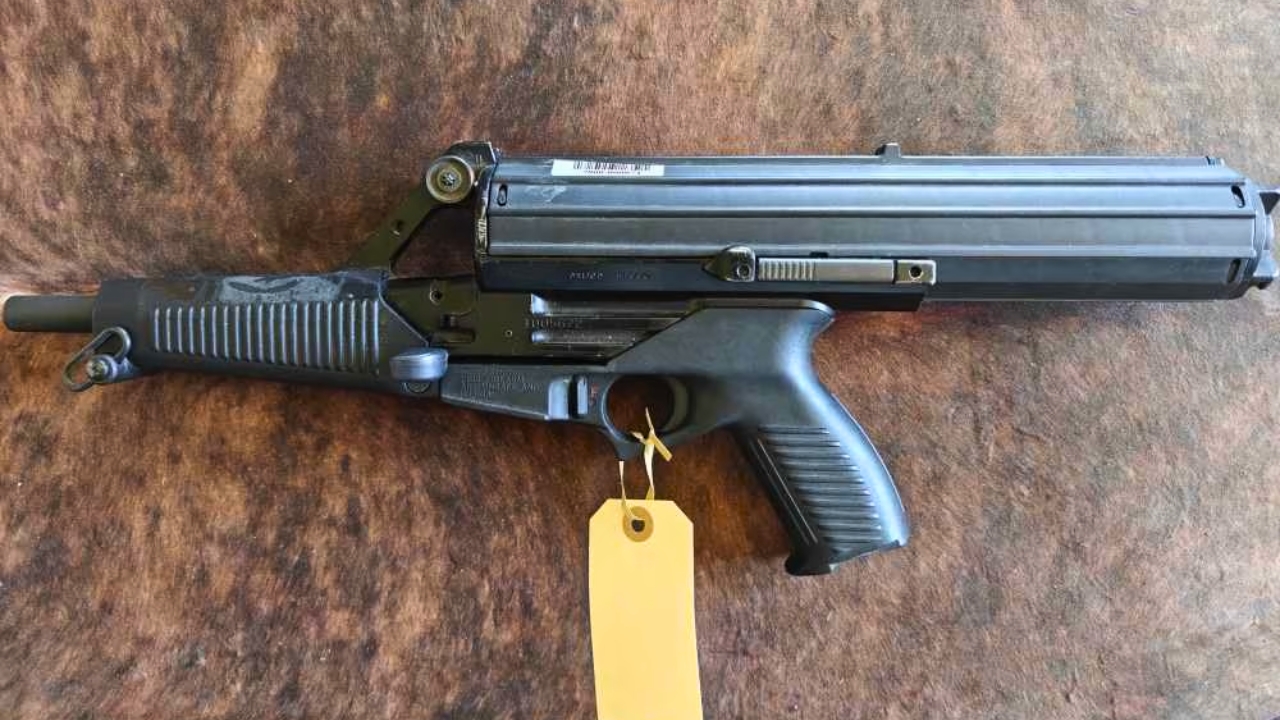
The Calico M950 is another pistol that wins attention with the magazine before anything else. A helical top-mounted magazine with high capacity sounds wild, and it absolutely looks different from the usual handgun layout.
The problem is that real use does not reward complexity for its own sake. The balance is odd, the magazine system is bulky, and the whole setup feels more like a range curiosity than a serious pistol. When a handgun’s most interesting feature also makes it harder to carry, store, reload, and support, the novelty starts wearing off fast.
Semmerling LM4
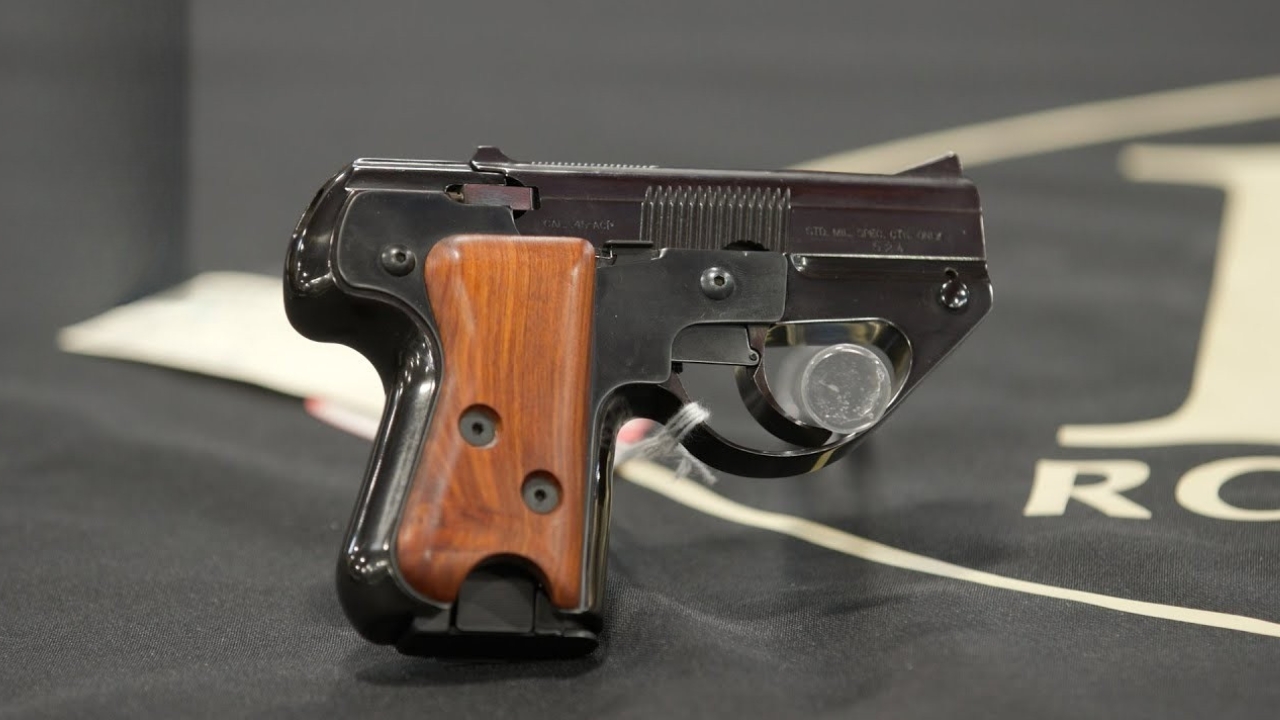
The Semmerling LM4 is beautifully strange, and that is why it still gets talked about. It was an extremely compact manually operated .45 ACP pistol, built with serious craftsmanship and a very specific purpose in mind.
But real use for most shooters is another story. It is manually cycled, low-capacity, expensive, uncommon, and not something you train with casually. It belongs in the category of fascinating engineering rather than practical fighting pistol. The LM4 is impressive, but if you need a handgun that holds up to normal defensive practice, it is the wrong kind of impressive.
Whitney Wolverine
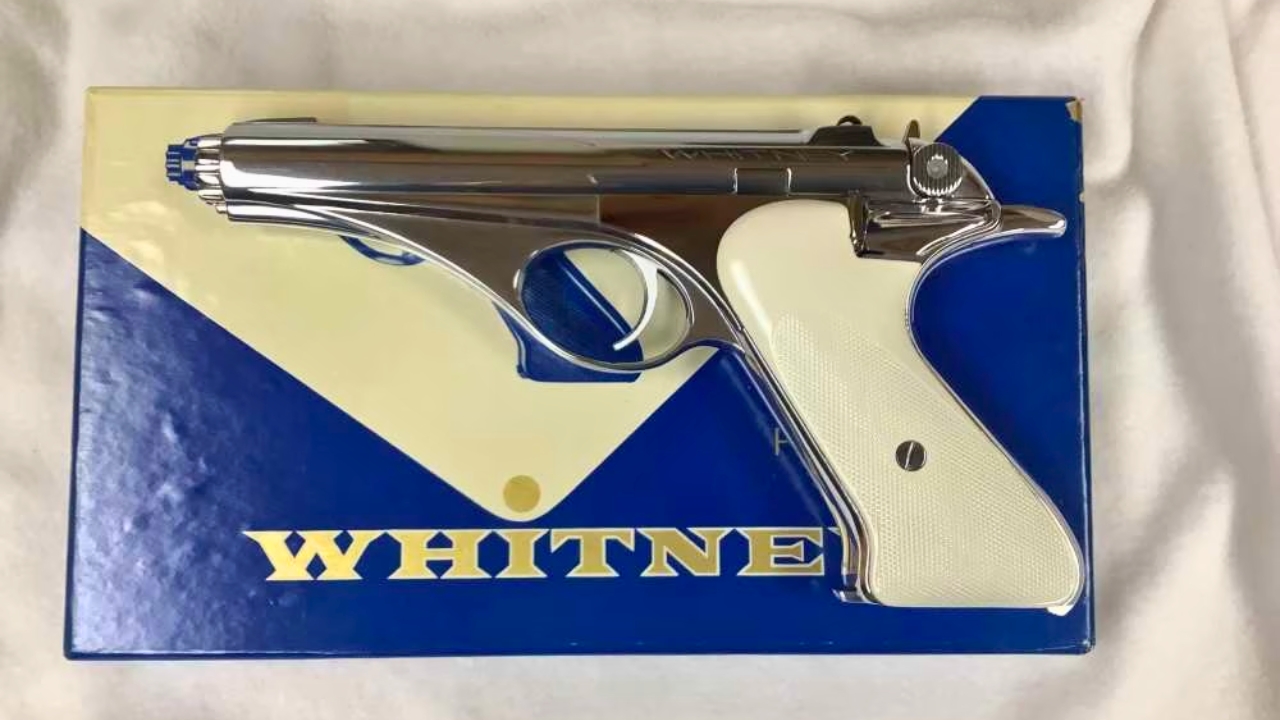
The Whitney Wolverine looks fantastic, and that is a big reason people still remember it. The space-age profile, light frame, and rimfire chambering make it one of the coolest-looking .22 pistols of its era.
But cool does not always age into hard-use value. Original examples are collectible, parts are not as casual as modern rimfire pistols, and the gun’s real appeal is more historical than practical. It is the kind of pistol you bring out carefully, not something you run hard every weekend. For steady range use, plenty of newer .22s make more sense.
Like The Avid Outdoorsman’s content? Subscribe to our newsletter so you never miss an article.
Here’s more from us: