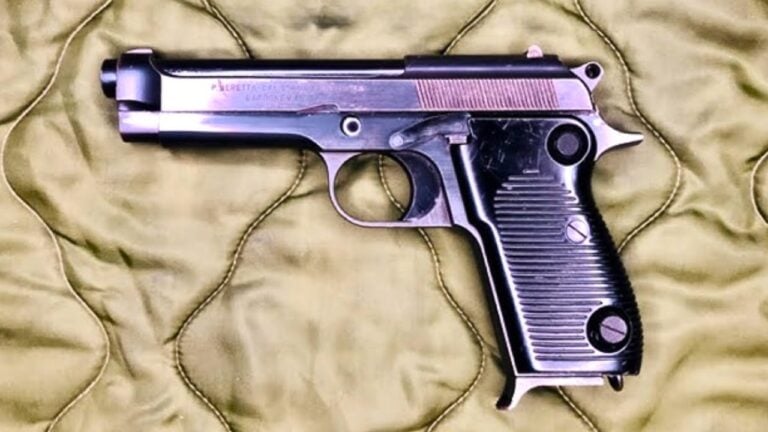
Photo credit: Fieldsports Channel/YouTube
Airline cases, truck beds, scabbards, rough roads, and baggage handlers can beat a rifle up in ways a normal season never will. When you’re traveling hard, “keeps its zero” usually comes down to boring fundamentals: a stiff action, solid bedding, consistent torque, a stock that doesn’t flex, and a mounting setup that won’t shift when it gets bumped. If any one of those pieces is marginal, travel finds it.
The rifles below have reputations for holding point of impact because their designs don’t rely on delicate parts or wishful thinking. That doesn’t mean you skip a confirmation shot when you arrive. It means you’re starting with a rifle that’s less likely to move on you after a long drive, a week in a case, or a hard ride in a side-by-side. If you want a travel gun you can trust, these are the kinds of models that tend to stay put when the miles stack up.
Tikka T3x Lite

The Tikka T3x Lite earns trust as a travel rifle because the action is stiff, the bolt locks up consistently, and the platform tends to be mechanically repeatable. You can bang around in a case, then pull it out and the rifle usually feels the same as it did at home. That consistency matters more than fancy features when you’re trying to keep a zero.
The other reason it travels well is that it’s not finicky to set up. With quality rings and a scope mounted correctly, the T3x typically holds point of impact through normal bumps and long drives. The stock isn’t the heaviest thing in the world, but the system works if you keep your torque consistent and don’t let loose hardware creep in. It’s a practical rifle that stays predictable when your schedule isn’t.
Sako 85 Finnlight

The Sako 85 Finnlight has a reputation for holding zero because the action and barrel fit are built to a high standard, and the overall rifle feels tight without feeling fragile. When you travel, that kind of precise, consistent lockup helps keep the rifle shooting where it did before the trip.
You also tend to get a stock and bedding arrangement that behaves in changing conditions. Temperature swings and humidity changes can move some rifles around, especially if the stock is inconsistent. The Finnlight usually stays steadier than most in that scenario. It’s not a budget pick, but it’s a rifle you can pack, fly with, and hunt with confidence—provided you mount the optic correctly and avoid swapping gear right before you leave.
Bergara B-14 Ridge

The Bergara B-14 Ridge is a strong choice for travel because it’s built around a proven action footprint and a straightforward, solid setup. That matters when you’re getting bounced in a truck or riding in a hard case. The rifle tends to keep its point of impact because there’s not much “mystery engineering” to loosen up.
The Ridge also gives you a little extra stability thanks to its overall feel and barrel contour. It’s not a featherweight, which can help when you’re trying to avoid point-of-impact shifts that show up when a rifle is ultra-light and sensitive to small changes. If you torque the action screws consistently and use quality scope mounts, the B-14 Ridge is the kind of rifle that usually shows up ready to hunt after hard travel.
Winchester Model 70 Extreme Weather SS

The Model 70 Extreme Weather SS is built for rough use, and it carries that reputation into travel. A rigid action, controlled-round feed, and a stock meant for real weather all help it stay consistent after long miles and hard handling. It’s the kind of rifle that feels like it was designed with scabbards and baggage conveyors in mind.
The stainless construction and practical stock choice matter because travel often means wet cases, temperature swings, and condensation you can’t control. A rifle that shrugs off that kind of abuse tends to hold its zero better over time. Set up with good rings and a scope that can take impact, the Extreme Weather usually stays steady. It’s still smart to verify at camp, but you’re starting with a rifle that’s built to keep its attitude.
Ruger Hawkeye Alaskan
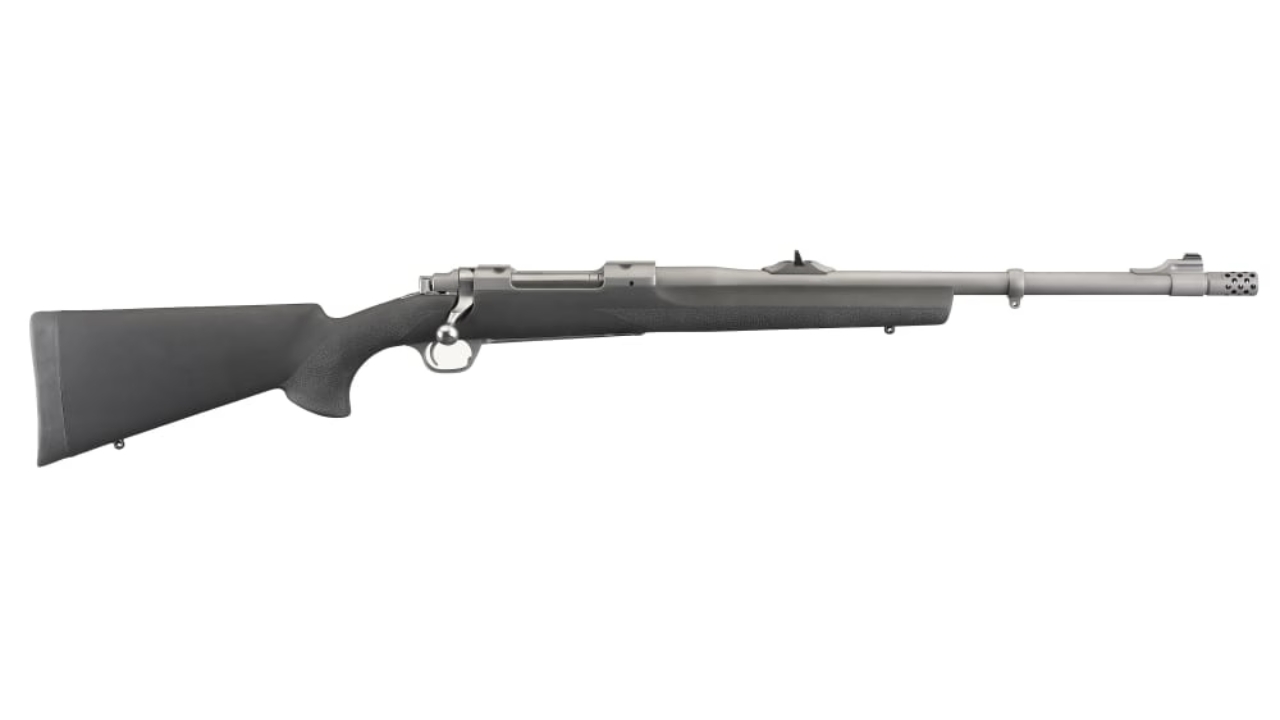
The Ruger Hawkeye Alaskan is a travel rifle because it’s built like one. The action is stout, the rifle is meant to handle rough conditions, and the overall setup is less likely to feel delicate when it gets knocked around. When you’re covering ground and your gun is riding in vehicles all day, that durability becomes a real advantage.
The Alaskan also tends to forgive less-than-perfect handling. You can strap it down, haul it through brush, and deal with rain and grit without feeling like you’re babysitting a precision instrument. A stable stock and a straightforward bedding setup help it keep point of impact consistent if the mounts stay tight. It’s not a benchrest rig. It’s a rifle that’s comfortable being treated like a working tool.
Howa 1500 Hogue

The Howa 1500 has been keeping hunters happy for a long time because it’s simple, solid, and consistent. As a travel rifle, that matters. The action is known for smooth function and sturdy lockup, and the rifle tends to hold zero well when it’s been set up correctly and left alone.
The Hogue OverMolded stock isn’t glamorous, but it’s forgiving in the real world. It handles bumps and moisture without acting fussy, and it gives you a solid, repeatable feel when you shoulder the rifle after a long ride. Pair it with quality rings, keep your fasteners torqued properly, and the Howa tends to show up shooting where you last confirmed it. It’s a practical choice that doesn’t punish you for traveling hard.
Weatherby Vanguard Series 2

The Weatherby Vanguard Series 2 has a reputation for being dependable and consistent, which is exactly what you want when you’re traveling. The action is solid, the rifle is generally stable, and it tends to keep point of impact from wandering if you’re not constantly changing parts or chasing tweaks.
For hard travel, the Vanguard’s strength is that it’s built around a straightforward system that doesn’t require special handling. With a good scope mount setup and consistent action screw torque, it usually holds zero through the kind of bumps that happen in trucks, ATV scabbards, and baggage lines. It’s also a rifle that many hunters shoot enough to really know, and that familiarity helps. When you’re far from home, “predictable” beats “fancy” every time.
Savage 110 Ultralite
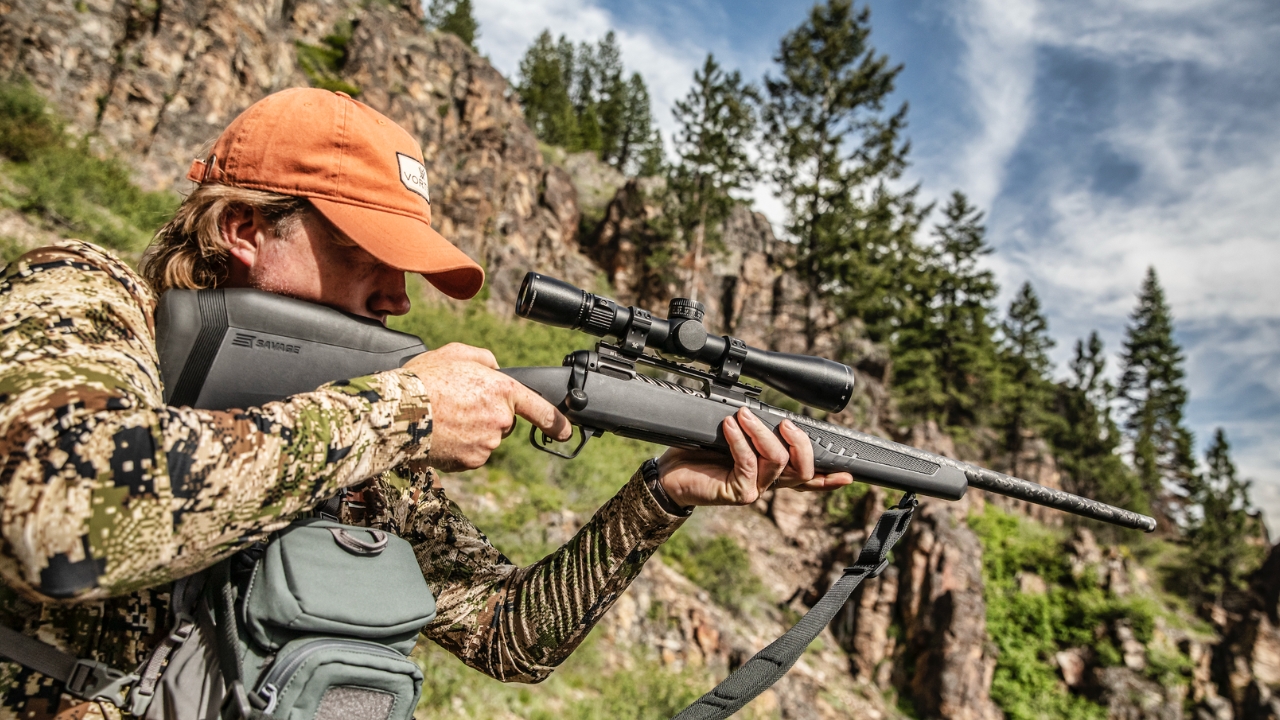
The Savage 110 Ultralite is a rifle that can travel well because the design gives you a stable action and a setup meant for backcountry use. It’s light enough to carry anywhere, but it still has the kind of functional, practical build that tends to hold together under real hunting abuse.
With lightweight rifles, the key is consistency. You want the optic mounted right, the screws torqued right, and the rifle left alone. When you do that, the 110 Ultralite often stays true even after rough rides and long trips. It’s not immune to the laws of physics—ultra-light guns can be sensitive—but this model is built to be carried hard. Treat it like a serious tool and it usually behaves like one.
Remington 700 SPS Stainless

The Remington 700 SPS Stainless is a travel-friendly rifle because it’s a simple, proven layout with a huge support ecosystem and a straightforward action. That matters when you’re relying on the rifle to hold zero through transport, temperature swings, and normal impacts that come with hard travel.
The stainless construction helps you deal with the wet reality of travel—condensation in cases, rain on the road, and humidity changes that would rust a blued rifle if you ignore it. The SPS stock isn’t everyone’s favorite, but many of these rifles hold point of impact well when the bedding and torque are consistent and the scope mount setup is solid. It’s not a status symbol. It’s a dependable platform that can take miles without getting weird.
CZ 600 Alpha

The CZ 600 Alpha is built as a practical hunting rifle, and its travel strength is that it’s not trying to be delicate. The action and stock setup are designed to be stable in the field, and that usually translates well to travel, where bumps and temperature swings expose weak systems quickly.
A rifle like this earns trust when it stays consistent after being packed and hauled. If you mount the optic properly and keep your fasteners torqued the same way every time, the 600 Alpha tends to keep its point of impact from wandering. It’s also a rifle you can actually use hard without feeling like you’re going to regret every scratch. When you’re traveling to hunt, that peace of mind is worth a lot.
Browning X-Bolt Hell’s Canyon Speed
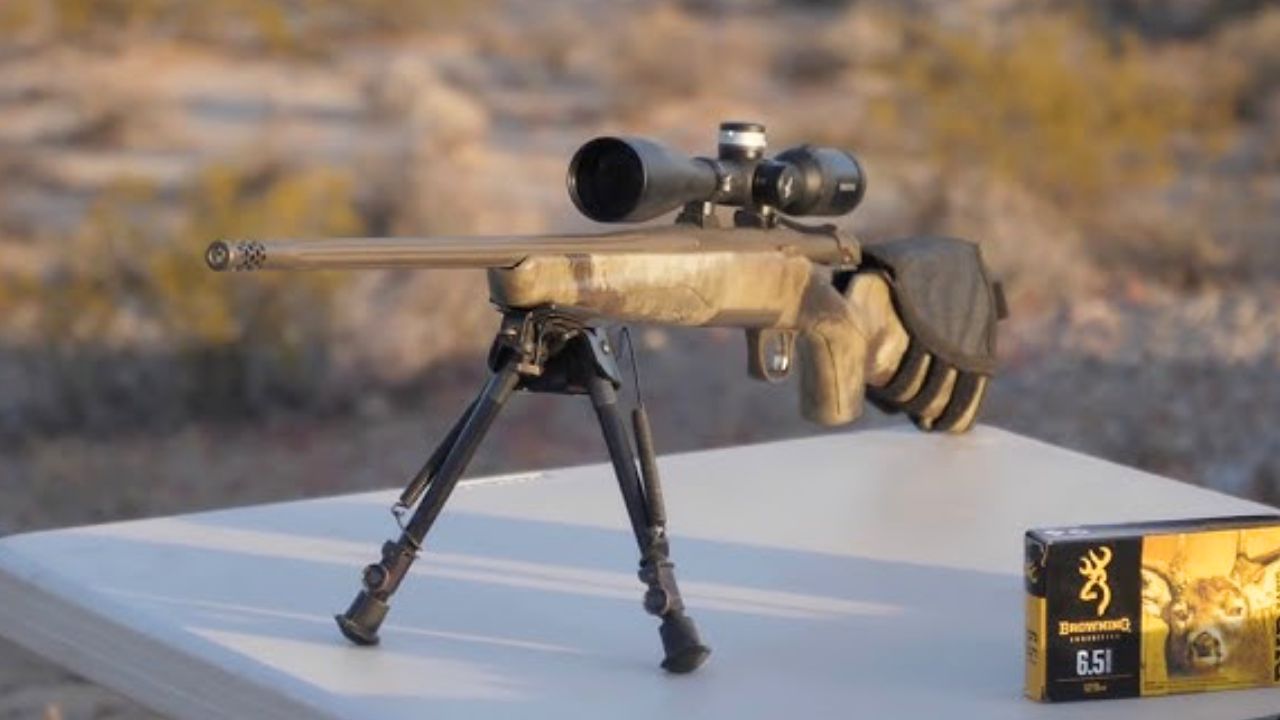
The X-Bolt Hell’s Canyon Speed is a popular travel rifle because it’s built for hunting, not pampering. The action is smooth, the system is generally consistent, and the rifle tends to hold up when it lives in cases, scabbards, and truck racks. That’s the life most hunting rifles actually live.
The cerakote-style finish and weather-oriented design help it resist the wet, dirty side of travel. Rain on day one, dust on day two, and a cold case on day three can do a number on rifles that aren’t prepared for it. The X-Bolt tends to keep chugging and keep its zero, assuming your scope mounts are quality and installed correctly. It’s a rifle that feels built to arrive ready.
Kimber Montana

The Kimber Montana is a classic “carry a long way” rifle, and when it’s set up right, it can hold zero through hard travel because the whole point is rugged portability. It’s light, it’s meant for real hunts, and it’s not designed to be babied. That’s why so many mountain hunters stick with it.
Light rifles demand disciplined setup. With a Montana, you want solid mounts, correct torque, and a scope that can handle impact. Do that, and the rifle often stays consistent even after long miles and rough handling. The stock is built for weather, and that helps when travel throws temperature and humidity changes at you. It’s the kind of rifle you can pack into hard country and still feel confident on opening morning.
Ruger American Ranch (Gen 2)

The Ruger American Ranch Gen 2 travels well because it’s simple and practical. It’s not a fragile rifle, and it’s not set up with a bunch of delicate moving pieces that can loosen up on a long trip. When you want a rifle that you can throw in a case and not obsess over, this is the kind of platform that makes sense.
The other advantage is that it’s easy to validate. You can confirm zero, pack it, travel, and confirm again without feeling like you’re chasing ghosts. With decent rings and consistent torque, many Ranch rifles keep their point of impact through normal hard travel. It’s also a rifle you won’t be afraid to actually use, which matters. A rifle that’s too precious becomes a rifle you don’t train with.
Springfield Armory Waypoint 2020
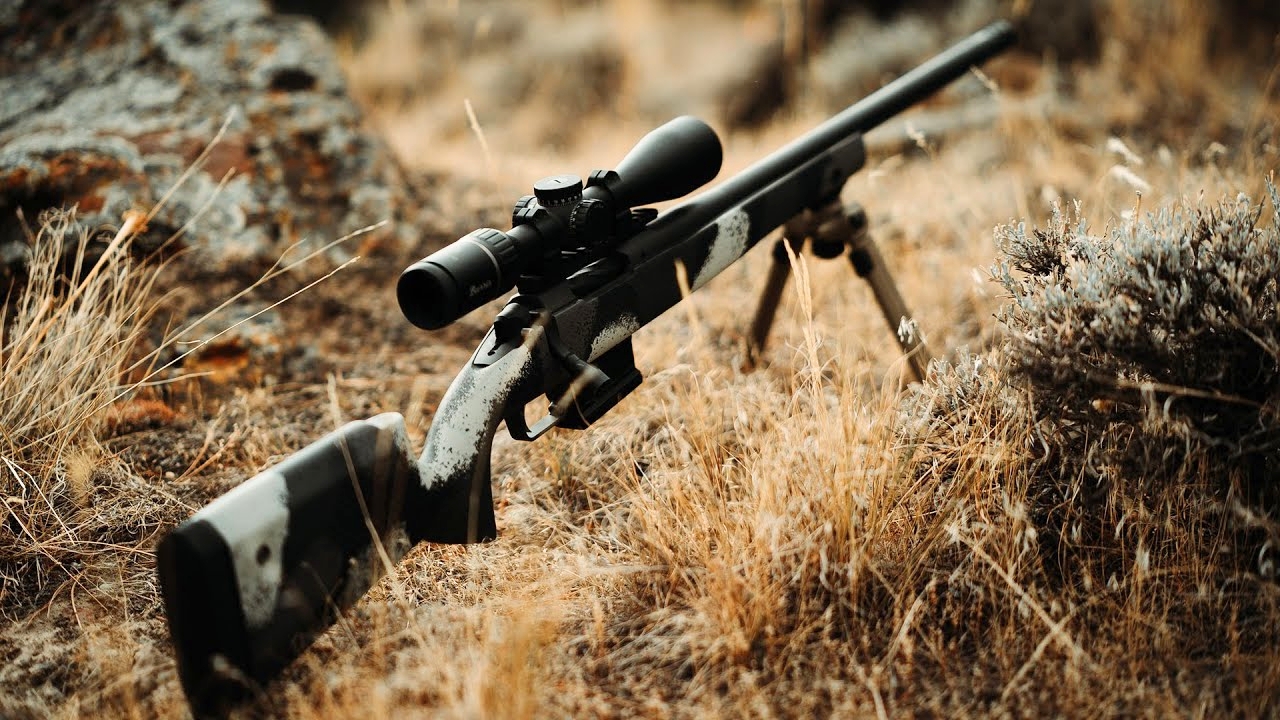
The Waypoint 2020 is designed around stability and repeatability, which is why it fits this travel theme. A rigid action, quality barrel work, and a stock that’s meant to resist environmental changes help it hold point of impact when you’re bouncing between climates and terrain.
Travel exposes rifles that shift with temperature, humidity, or rough handling. The Waypoint is built to reduce those issues, especially if you keep your mounting setup clean and torqued correctly. It’s not a budget rifle, but it’s aimed at hunters who actually travel and want predictable performance when they get there. If you’re flying west for a hunt or riding rough roads for days, that kind of consistency is what you’re paying for.
Seekins Precision Havak PH2
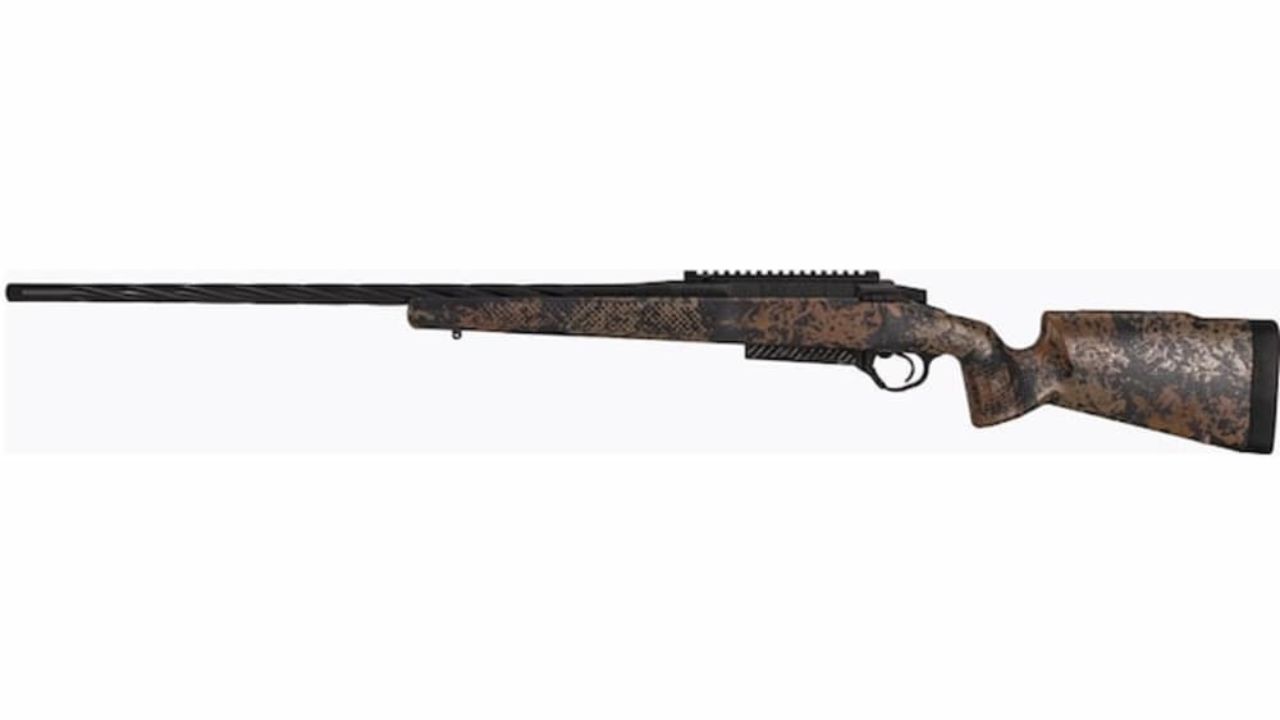
The Seekins Havak PH2 is built with the kind of tight, consistent machining that helps a rifle hold zero when it gets knocked around. It’s a hunting rifle with a precision backbone, and that combination tends to travel well because the system isn’t relying on flimsy parts or soft stocks to stay aligned.
Where it shines is repeatability. When you shoulder it after travel, the rifle feels the same, cycles the same, and tends to shoot the same if nothing loosened. That’s what you want. Pair it with quality rings, keep your fasteners torqued, and the Havak usually rewards you with a stable point of impact. It’s a rifle for hunters who shoot enough to care about consistency, especially when the trip is long and the hunt is expensive.
Christensen Arms Ridgeline (FFT or standard)

A Ridgeline is popular with traveling hunters because it’s light enough to carry anywhere, but it’s built with a focus on keeping the platform stiff and stable for hunting. When you travel, weight matters, but stability matters more. The Ridgeline aims to give you both in a package that’s comfortable to haul through airports and up mountains.
The key with any lightweight rifle is resisting the urge to constantly tinker. Set it up with good mounts, confirm your zero, and leave it alone. When you do that, many Ridgelines hold point of impact well through the bumps and handling that come with travel. It’s still smart to confirm when you arrive, but the rifle is designed for the kind of hunting where “travel hard, shoot once” is the reality.
Like The Avid Outdoorsman’s content? Subscribe to our newsletter so you never miss an article.
Here’s more from us: