Photo credit: Gts/Shutterstock.com
When someone sells a cartridge as “plenty” for hunting everything, pay attention to the fine print. A lot of rounds look impressive on paper—speed, flat trajectory, or military pedigree—but what matters at the stand is energy on bone, reliable penetration, and real-world wounding potential. You want a cartridge that does the honest work, not one that fills a spec sheet and leaves you chasing blood trails. Below are calibers that get talked up more than they earn it when the job is heavy and the game is real. I’m calling out where they fall short and what that actually means for you in the field.
.223 Remington / 5.56 NATO

On paper the .223/5.56 looks like a hot rod: light bullet, high velocity. That combo works great on paper targets and varmint work, but it’s an overpromise for anything larger than coyotes or small deer at close range. Those light projectiles tend to fragment or push straight through without the tissue disruption and retained mass you need on heavier game.
If you only hunt small varmints or need a low-recoil trainer, fine. But when people tout it as a do-everything hunting caliber, they’re ignoring real-world terminal performance and penetration limits. For anything over small deer, you should be skeptical of grand claims.
.22-250 Remington

The .22-250 is a flat-shooting varmint round that racks up speed and tiny group sizes at long range. It’s excellent for prairie dogs and ground squirrels, but not for deer-sized animals. The very light bullets that make it lethal on small critters lack the sectional density and mass retention to reach vitals reliably through hide, bone, and thicker muscle on big game.
If you try to extend its use beyond what the cartridge was designed for, you’ll likely get pass-throughs or shallow wound channels that don’t drop animals quickly. Treat this one as a dedicated varmint tool, not a general hunting caliber.
.204 Ruger

The .204 Ruger sells on velocity and flat trajectory, and on a prairie dog field it’s a dream. For anything tougher it shows its limits fast. The small projectile depends on speed to create effect, and when you meet heavier muscle, hide, or bone that speed alone doesn’t equate to stopping power. Fragmentation is common, and fragmented bullets often fail to produce the deep penetration needed for ethical shots on larger animals.
If you’re chasing deer or hogs, trust a cartridge with more mass and penetration rather than hoping velocity will make up for thin bullets.
.17 Remington

People love talking about numbers, and the .17 Remington posts some eye-widening ones. In practice it’s a hyper-velocity glass cannon meant for varmints and paper—not anything that wears a shoulder. The bullets are tiny and fragile; they shred on impact and rarely carry enough retained mass to secure a clean, fast kill on larger critters.
Use it where it belongs: prairie dogs, varmints, and target work. If you try to stretch it into deer country, you’re banking on luck, and you don’t want to make that call at dusk.
5.7x28mm

The 5.7×28 began life as a personal defense and military-style cartridge, prized for penetration against body armor with certain bullets. That role doesn’t translate to hunting. The projectiles are light and engineered for specific barrier performance, not consistent tissue disruption or weight retention on game. You’ll get shallow wound channels and limited knockdown on anything bigger than small predators.
For defense against soft targets it has a place. For hunting layered muscle and bone, pick a cartridge with more mass and proven terminal performance.
.30 Carbine
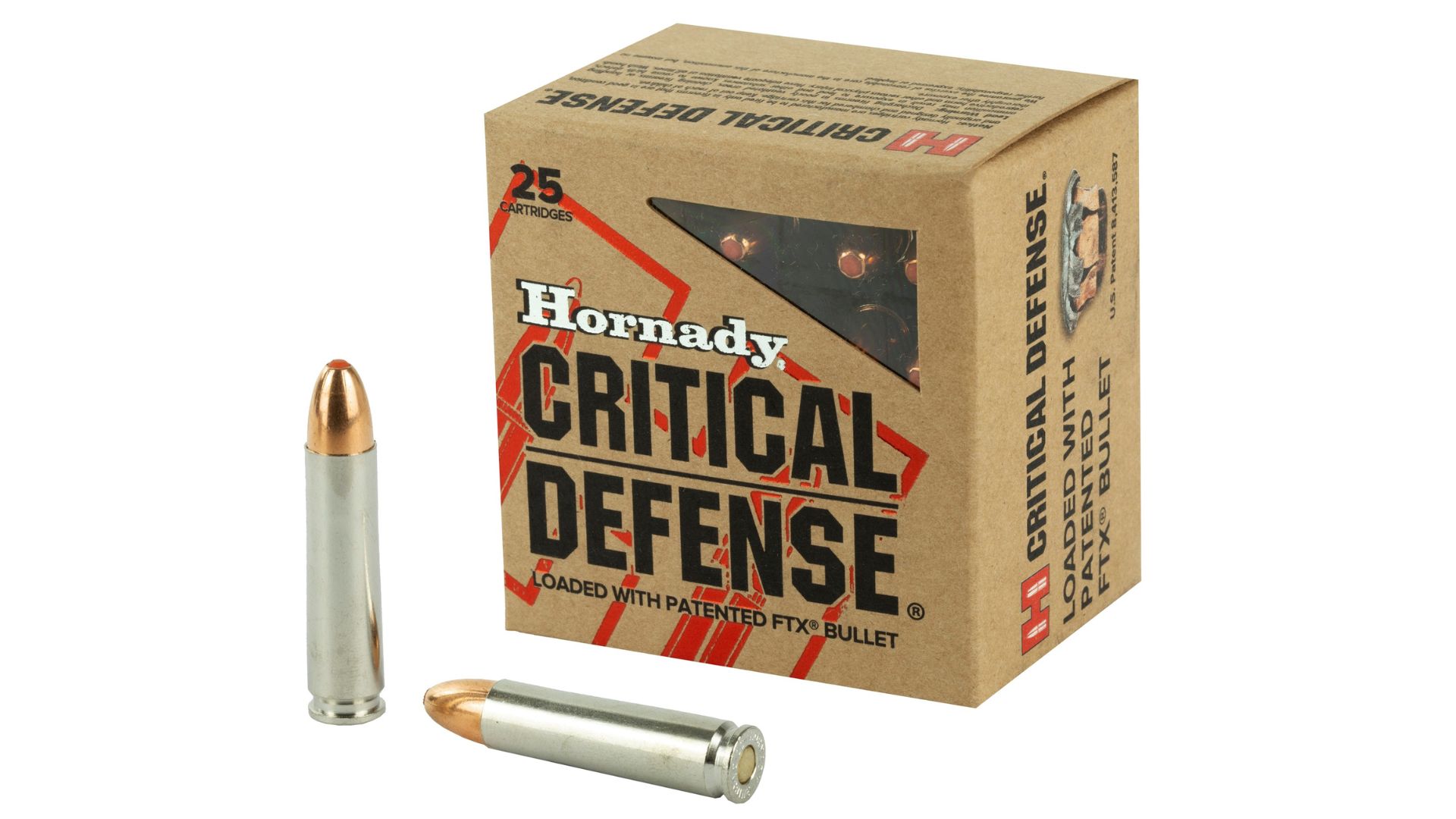
The .30 Carbine sounds tough because of old war movies and a history of use in light carbines. In modern hunting terms it’s underwhelming on medium game. It throws a lightish projectile at moderate velocity, which can work on small deer at very close range but fails to offer reliable penetration on heavier shoulders or through bone.
If you stumble into brush country and try to make a long shot, the .30 Carbine will disappoint. Treat it as a short-range emergency round, not a primary hunting chambering for anything larger than small deer at close quarters.
.300 AAC Blackout

The .300 BLK has a lot going for it in short-barrel, suppressed platforms, especially when you want heavy subsonic bullets. But that subsonic setup trades velocity for stealth, and in many hunting setups you lose the energy or consistent expansion that makes a big, ethical hit. People who assume any .30-caliber means guaranteed knockout forget that subsonic impact energy can be marginal for hogs or elk.
If you run supersonic loads and understand the range limits, it can work. Just don’t assume every .300 BLK load equals long-range or bone-crushing performance.
7.62x39mm
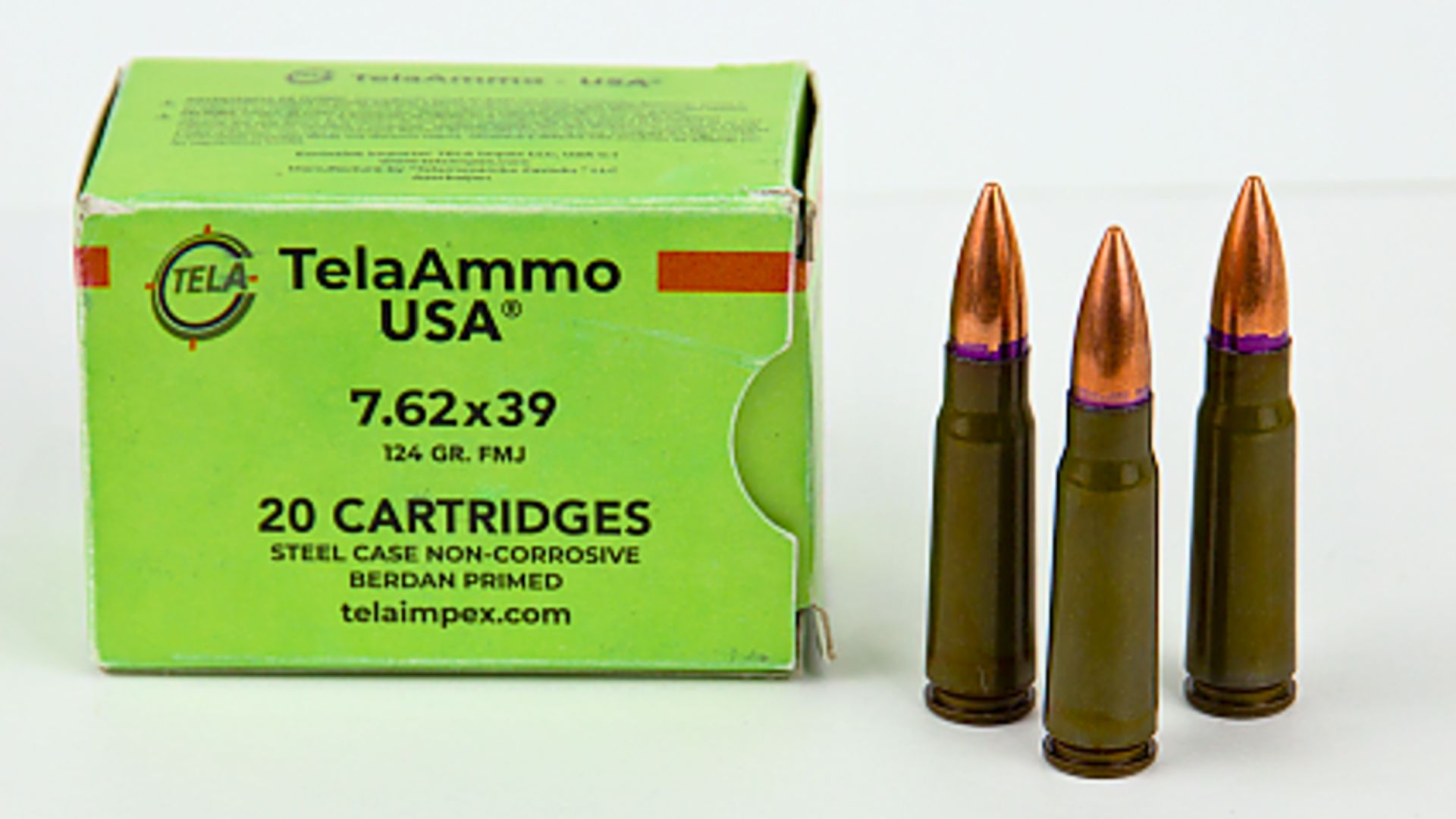
The 7.62×39 is a famously serviceable cartridge, and it does a lot more than critics admit—especially at short ranges. Still, some folks hype it as an all-around big-game solution, and that’s stretching it. The typical bullet shapes and velocities can be soft on long shots or heavy shoulders; they’re workable on medium game at reasonable ranges but lack the flat trajectory and retained energy of larger, modern hunting cartridges.
If you rely on it, respect its limits: keep shots close, pick the right bullet, and know when a bigger caliber is the safer, more ethical option.
9.3x62mm

The 9.3×62 is a storied hunting cartridge when loaded to proper levels. But some hunters see the case and assume every 9.3 setup equals heavy-hitting power—then they run lighter, mild loads in lightweight rifles and are disappointed. In softer loadings the bullet may not carry the momentum you need for dense muscle and bone at extended ranges.
Don’t judge a caliber by name alone; load selection and bullet choice matter. A properly loaded 9.3×62 is lethal, but half-measured packages can underdeliver on large game.
.30-30 Winchester

The .30-30 has legendary status and does work inside brush ranges where it was designed to operate. Trouble comes when people expect it to be effective at distances or on heavier-bodied game outside its comfort zone. Its round-nose bullets and moderate velocities produce energy enough for short-range deer work, but at longer ranges or on big shoulders it lacks the sectional density and retained mass to be consistently effective.
Use it where it belongs: close, wooded country with deliberate shot placement. Don’t expect it to perform like modern long-range cartridges and you’ll avoid disappointment.
6.5 Creedmoor

The 6.5 Creedmoor got a reputation as both a precision round and a do-it-all hunting solution. It’s exceptional for long-range accuracy and paired with the right bullets it kills clean. But people sometimes assume that precision alone equals brute stopping power on heavy animals; that’s not always so. Lighter, long, high-BC bullets can pass through tissue with less immediate disruption than a heavier, blunt projectile at similar energy.
If you hunt elk or big boar, choose bullets built for deep penetration and controlled expansion. Don’t rely solely on trajectory praise.
.257 Roberts

The .257 Roberts is a classic and is perfectly capable on deer with the right loads, yet its reputation sometimes outpaces reality when folks expect magnum-level terminal performance. It’s a medium-bore cartridge that rewards correct bullet choice and range discipline. Load it light for pleasant recoil, and you’ll be surprised when it struggles on heavier shoulders.
Respect its role: excellent for medium game inside the effective range, but don’t push it into long shots on big-bodied animals without premium bullets and careful shot placement.
Like The Avid Outdoorsman’s content? Be sure to follow us.
Here’s more from us:
The worst deer rifles money can buy
Sidearms That Belong in the Safe — Not Your Belt
*This article was developed with AI-powered tools and has been carefully reviewed by our editors.