Photo credit: The Avid Outdoorsman
The hunter knew something was off.
That is usually how these problems start. You may not see the cause right away, but you can feel the pattern changing. Deer that used to show up regularly stop moving the same way. Trails go cold. Camera activity drops. A spot that looked promising starts feeling dead.
Then the trail cameras start telling the story.
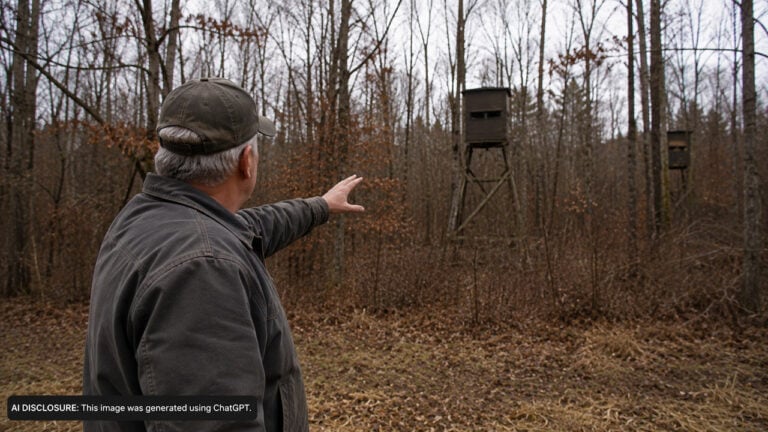
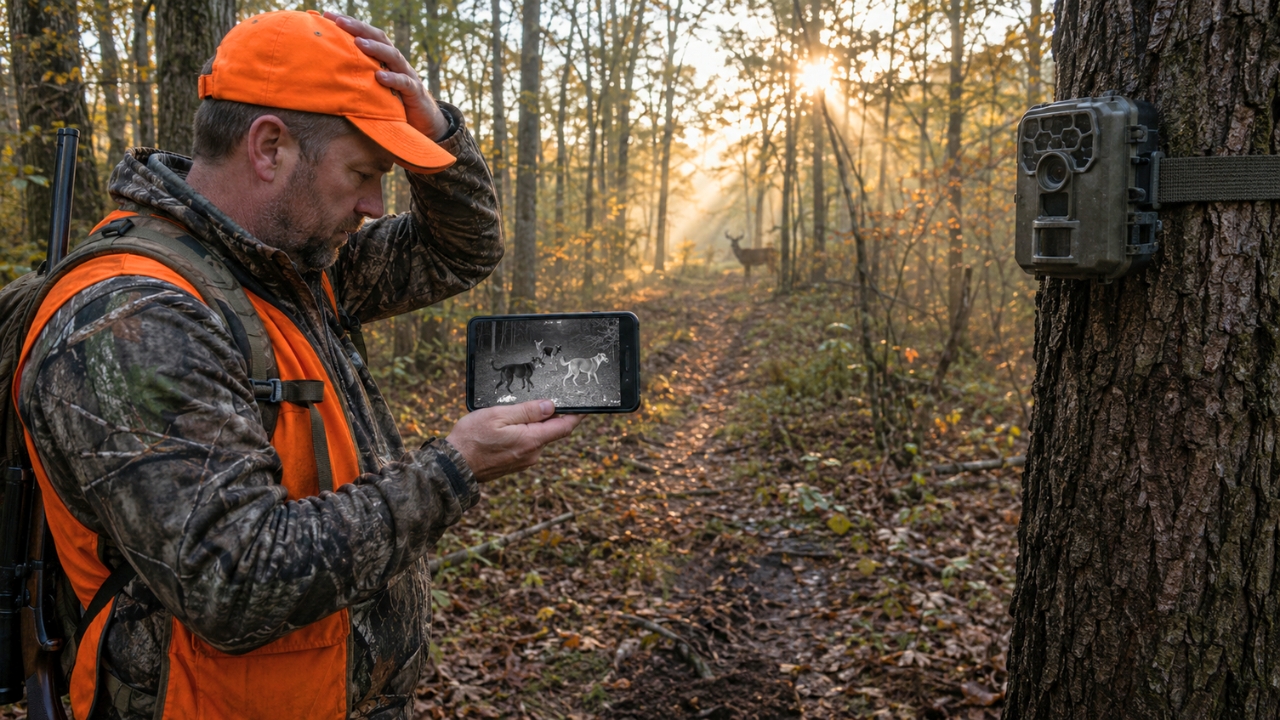
In a Reddit post, the hunter said he was hunting private land and dealing with neighbor dogs running through the property. The cameras showed the dogs moving through, and that raised the obvious question every hunter hates having to ask: what do you do when someone else’s animals keep blowing up your hunting ground?
That is a rough spot because dogs are not like a random trespasser you can simply tell to leave.
They belong to somebody. Maybe a neighbor. Maybe someone nearby who lets them roam. Maybe someone who thinks country dogs should be free to run wherever they want. And depending on where you live, local laws can get messy fast when dogs are chasing wildlife, harassing livestock, or crossing private property.
From the hunter’s side, though, the frustration is pretty clear. He is on private land. He is trying to hunt. He has trail camera proof that dogs are running through the area. And if those dogs are moving deer, chasing deer, leaving scent, barking, or just constantly disturbing the woods, they can wreck a property in a hurry.
A deer does not need a court case to change its pattern.
If dogs are running a trail, deer will notice. If they come through often enough, deer may shift to another bedding area, feed somewhere else, move at different times, or avoid that part of the property altogether. A hunter may spend weeks trying to figure out why a good spot went quiet, only to find out the neighbor’s dogs are treating the place like their personal playground.
That is maddening.
It is also not always easy to fix. Nobody wants to start a neighbor war over dogs if a conversation will solve it. Sometimes the owner genuinely does not know the dogs are going that far. Trail camera pictures can make the problem clear. A calm conversation can work: “Hey, your dogs are coming through my property and chasing off deer. Can you keep them up during hunting season?”
That is the hopeful version.
The less hopeful version is the neighbor already knows and does not care.
That is when the situation gets complicated. If the dogs keep coming after a warning, the hunter has to decide how far to push it. Call animal control? Call the game warden? Talk to the landowner if the hunter is not the owner? Put up fencing or gates? Use non-lethal deterrents? Document every visit?
And then there is the question nobody wants to touch casually: when, if ever, is shooting a dog legal?
That question came up because the post itself referenced the issue. But it is one of those topics where every hunter needs to slow down. Laws vary a lot. Some places have specific rules about dogs chasing livestock or wildlife. Some treat pets very differently. Some require immediate threat. Some may involve animal control or law enforcement before anything else. And even if something is technically legal in a narrow situation, that does not mean it is the smartest first move.
Shooting a neighbor’s dog can turn a hunting problem into a full-blown feud overnight.
That is why proof matters. Trail camera photos are useful because they show the dogs are actually there, not just suspected. Dates and times matter too. If the dogs are coming through every morning, before peak deer movement, or during legal hunting hours, that builds a stronger case. If they are chasing deer on camera, that is even more serious.
The hunter’s issue was not just that dogs existed nearby. It was that they were on private land and affecting the hunt. There is a big difference between hearing a dog bark on the next property and seeing dogs repeatedly run across your setup.
One is annoying. The other is a pattern.
A lot of rural folks have strong feelings about dogs roaming. Some think it is normal. Others think if you own a dog, you keep it on your own property. Hunters tend to fall hard into the second camp once dogs start running deer. It is not because they hate dogs. Plenty of hunters love dogs. It is because loose dogs can undo months of scouting and create real problems for wildlife, livestock, and neighbors.
The cleanest path is usually documentation first, conversation second, authorities third if needed. Get clear photos. Talk to the dog owner if you can do it calmly. Let them know the dogs are crossing private land and disturbing a hunting area. If it continues, contact the landowner, game warden, sheriff, or animal control depending on the local setup.
That may feel slow, but it gives the hunter a better position than acting out of anger.
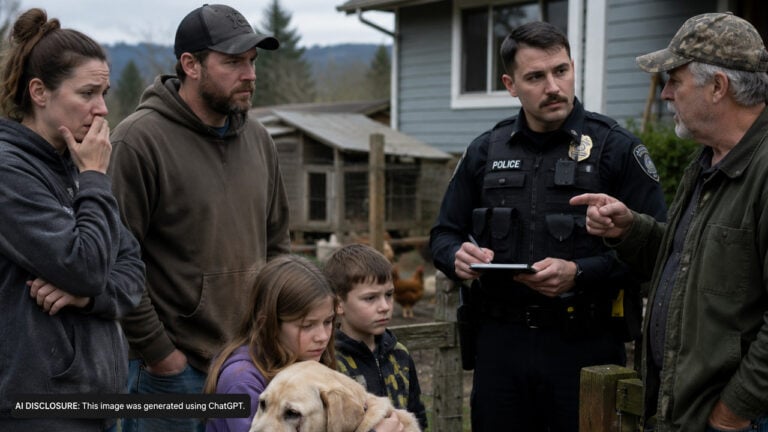
Because once a dog is involved, emotion takes over fast. The dog owner may see a beloved pet. The hunter sees repeated trespass, ruined deer movement, and an animal chasing game. Both can be true in their own way, and that is exactly why the situation has to be handled carefully.
For this hunter, the trail cameras answered the mystery. The deer were not just vanishing for no reason. The neighbor dogs were moving through the property, and now he had to decide how to stop the problem without making everything worse.
Commenters mostly told him to slow down and document the problem before doing anything drastic.
Several people said the first move should be talking to the dog owner, if he knew whose dogs they were. A lot of neighbors do not realize how far their dogs roam, especially in rural areas. Trail camera photos can make the conversation less personal and more factual.
Others said to contact the landowner if the hunter was using someone else’s private property. The landowner may already know the neighbor, understand the local history, or have stronger authority to deal with trespassing animals.
A lot of commenters warned about the legal risk of shooting a dog. Even in places where dogs chasing livestock or wildlife can be handled forcefully, the details matter. A dog simply walking across camera is not the same as a dog actively attacking livestock or chasing deer in front of you. Several people said he needed to know local law before even thinking about that route.
Some suggested calling animal control, the sheriff, or the game warden if the dogs kept coming. If the cameras showed repeated trespass or dogs chasing game, authorities might be able to warn the owner or explain the legal consequences.
Others focused on prevention. More fencing, better gates, posted signs, and cameras near the property edge could help show where the dogs were entering. If the owner refused to control them, the hunter would at least have a record of the repeated problem.
The main advice was clear: do not let anger make the decision. Loose dogs can absolutely ruin a hunting spot, but the wrong response can create a bigger mess than the dogs did. Document it, talk if possible, and get the right local authority involved if the neighbor will not keep them home.