Photo credit: Mt McCoy Auctions/GunBroker
Weatherby is one of those names a lot of hunters recognize before they really understand it. Some people hear it and think high-gloss wood, high-velocity magnums, and expensive rifles. Others think of the Vanguard as a practical working gun that quietly gave regular hunters a way into the brand without Mark V money.
But there is more to Weatherby than speed and shine. The company’s story is tied to Roy Weatherby’s obsession with velocity, the Mark V action, long-range hunting before it was trendy, and a rifle identity that stood apart from the usual Remington, Winchester, and Savage conversation. These are the things many shooters do not know about Weatherby.
Weatherby started before the Mark V existed
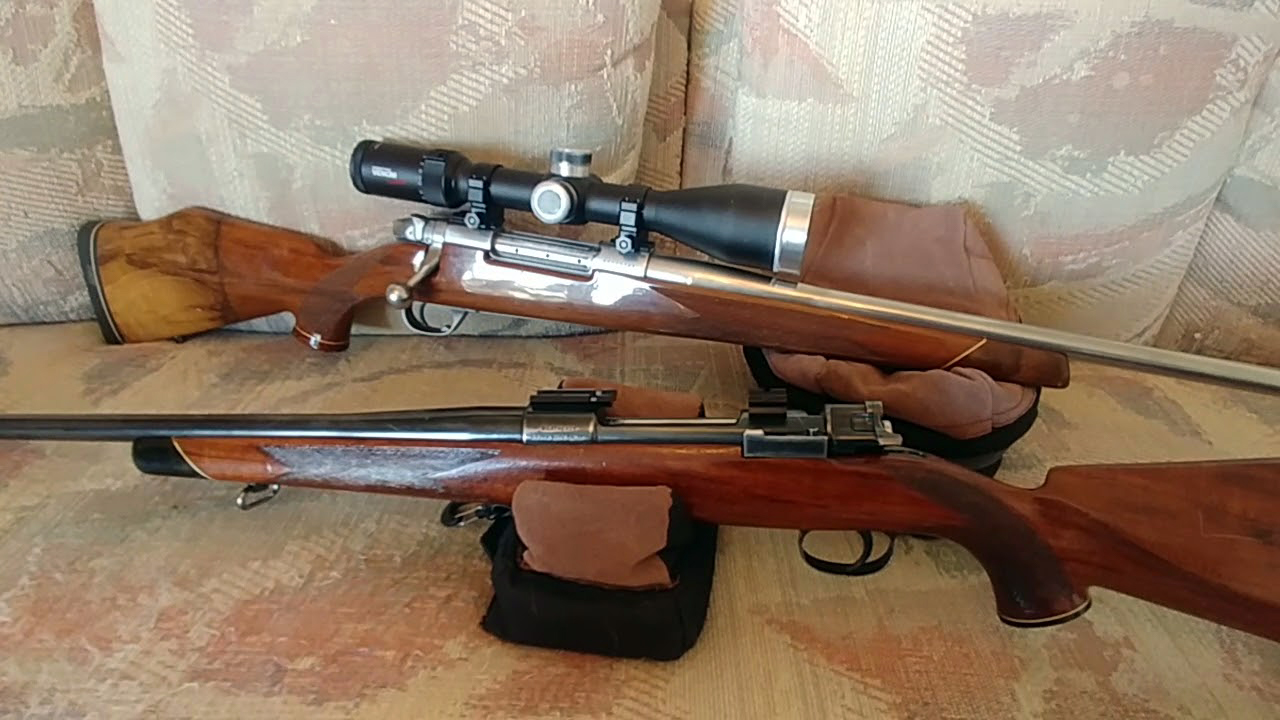
A lot of shooters think Weatherby and the Mark V are inseparable, but the company started before that flagship rifle existed. Roy Weatherby began building rifles in 1945, and the early guns were often built on other strong commercial actions before Weatherby developed its own bolt-action system.
That matters because Weatherby’s identity started with cartridges and performance first. Roy was chasing velocity and flat trajectories before he had the proprietary rifle most people now associate with the brand. The Mark V became the icon later, but the Weatherby idea was already alive before the action arrived.
Roy Weatherby sold speed before speed was common
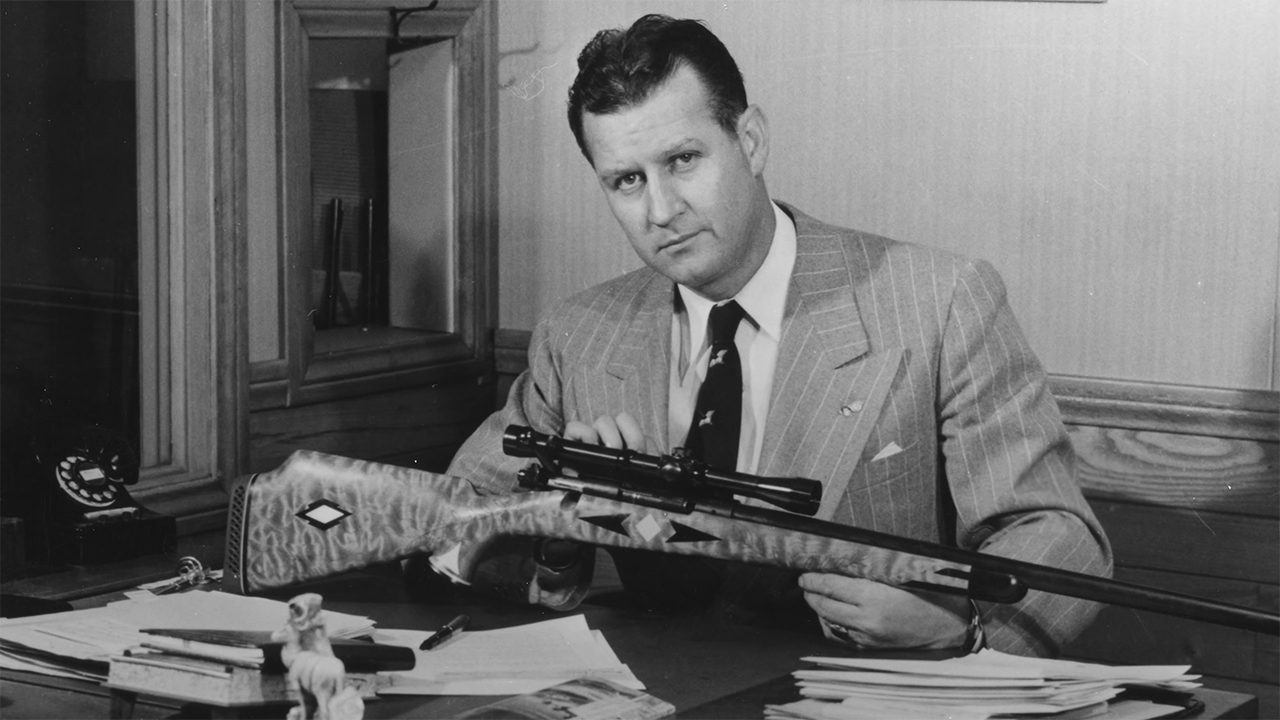
Weatherby became famous because Roy Weatherby believed velocity solved real hunting problems. His cartridges pushed bullets faster than many hunters were used to, and that gave the brand a clear identity in a crowded rifle market.
Today, flat-shooting cartridges are everywhere, but Weatherby was selling that idea long before modern long-range marketing took over. The brand’s whole personality came from speed, energy, and confidence at distance. Whether you love or question that approach, it gave Weatherby a lane nobody else owned quite the same way.
The Mark V action was built around strength

The Mark V was not just a fancy rifle action with a famous name. It was designed to handle Weatherby’s high-pressure, high-velocity magnum cartridges with a major focus on strength and safety. Weatherby still describes the Mark V as the company’s first bolt-action rifle platform and says Roy wanted an action that could handle his powerful cartridges.
That explains the action’s reputation. The Mark V was not created because Weatherby needed another ordinary bolt gun. It was created because the cartridges demanded a rifle action that matched the brand’s performance goals. That is why the Mark V still carries so much weight in Weatherby history.
The nine-lug Mark V bolt is part of the legend

One of the most recognizable Mark V features is the nine-lug bolt used on magnum actions. Instead of the two-lug system many bolt rifles use, Weatherby built the Mark V magnum action around multiple locking lugs arranged in rows.
That design also gave the rifle a short bolt lift, which helps with scope clearance and fast cycling. A lot of hunters may know the Mark V is strong, but they do not always know how much of that reputation is tied to the bolt design itself. The action is part of why the rifle feels different from more conventional bolt guns.
Weatherby was not always made in the same place
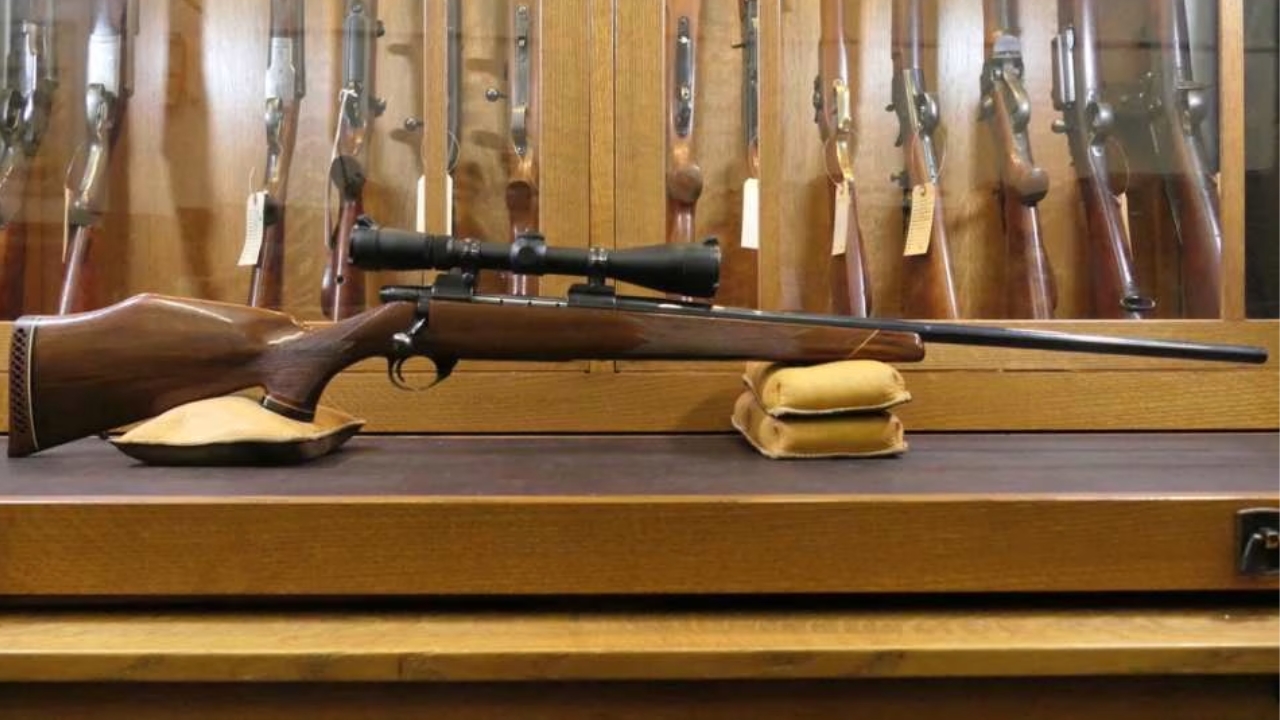
Weatherby has a more international manufacturing history than many casual buyers realize. Over the years, Weatherby rifles have been connected to production in places like Germany, Japan, and the United States, depending on the model and era.
That is one reason Weatherby collectors pay attention to production details. A German-made Mark V, a Japanese-made Mark V, a U.S.-made Mark V, and a Vanguard all carry different context. The name on the barrel may say Weatherby, but the story behind where and how it was made can change how collectors and hunters look at it.
The Vanguard was Weatherby’s practical gateway rifle
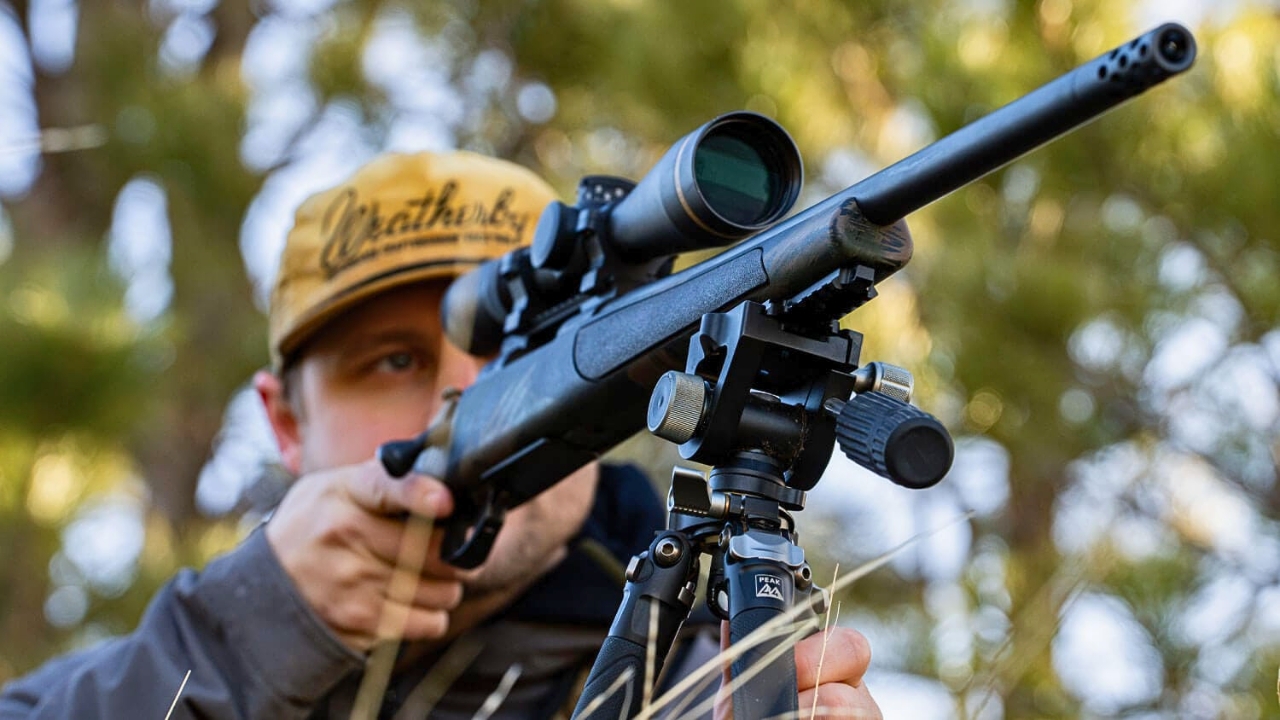
Not every Weatherby was meant to be a high-dollar Mark V. The Vanguard was introduced to give hunters a more affordable way into the Weatherby world. It was built through Weatherby’s long relationship with Howa in Japan and became the company’s practical bolt-action workhorse.
That is why the Vanguard matters so much. It helped Weatherby reach hunters who liked the brand but could not justify Mark V pricing. The Vanguard gave them accuracy, useful chamberings, and Weatherby identity in a rifle they could actually take hunting without feeling like they were carrying a showpiece.
Howa played a huge role in Weatherby history

A lot of shooters know the Vanguard is connected to Howa, but they may not realize how deep that relationship goes. Howa produced Vanguard rifles and also had a long connection with Weatherby manufacturing. American Rifleman notes that Howa began producing the Vanguard in 1970 and had also produced Mark V rifles for Weatherby.
That partnership matters because it helped Weatherby offer a reliable, more affordable rifle while keeping the Mark V positioned as the premium flagship. The Vanguard’s reputation is tied closely to Howa’s ability to build strong, accurate bolt actions.
Weatherby was chasing long-range confidence before it was fashionable

Long-range hunting is everywhere now, but Weatherby was talking about flat trajectories decades earlier. The whole Weatherby magnum idea was built around giving hunters more reach, less holdover, and more confidence when shots stretched beyond normal woods distances.
That does not mean every hunter needs a Weatherby magnum. Many do not. But Weatherby helped normalize the idea that cartridge speed could make field shooting easier at distance. Before rangefinders, dial-up scopes, ballistic apps, and modern long-range gear, Roy Weatherby was already selling hunters on the advantage of speed.
Weatherby rifles became status symbols for a reason
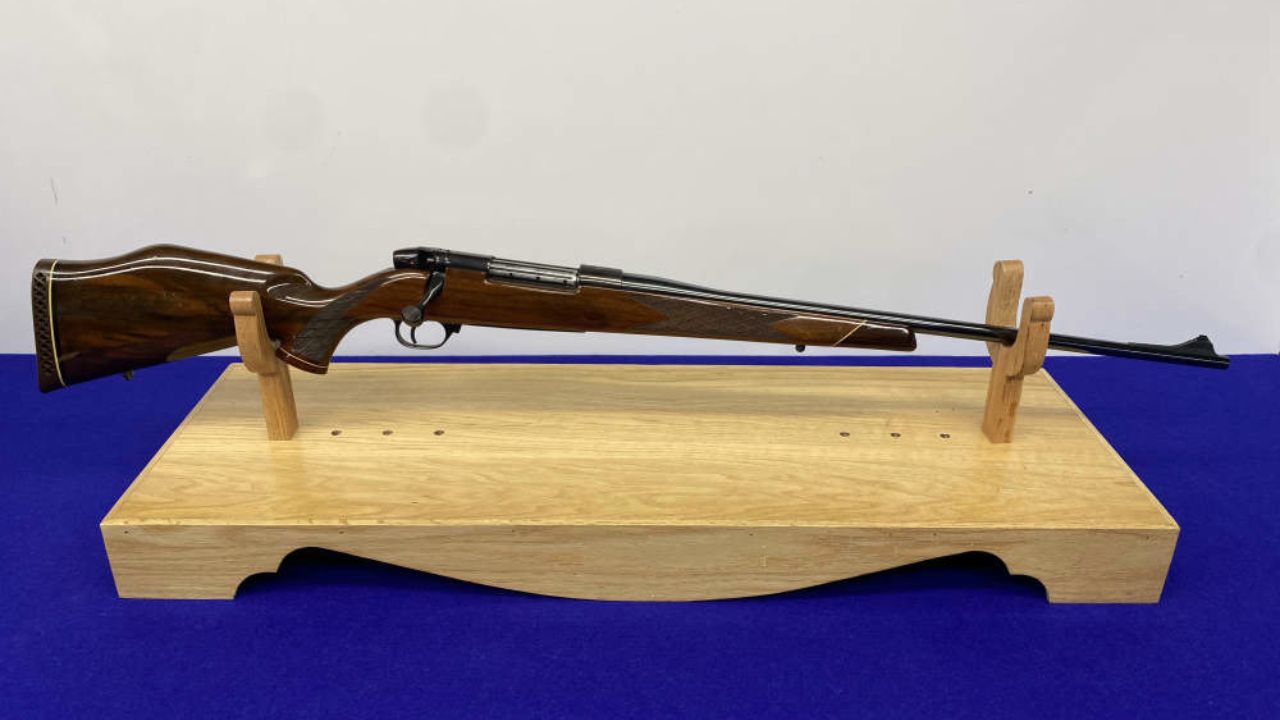
A high-gloss Mark V Deluxe was never just a hunting rifle to many buyers. It was a statement. The shiny wood, skip-line checkering, dramatic stock shape, and high-polish metal gave Weatherby a look that stood apart from plainer working rifles.
That style is not for everyone, and some hunters prefer dull, synthetic, weatherproof rifles. But Weatherby’s visual identity helped make the brand memorable. You could spot one across a room. For decades, owning a Weatherby meant something beyond owning another bolt-action deer rifle.
The Weatherby stock style was intentionally different
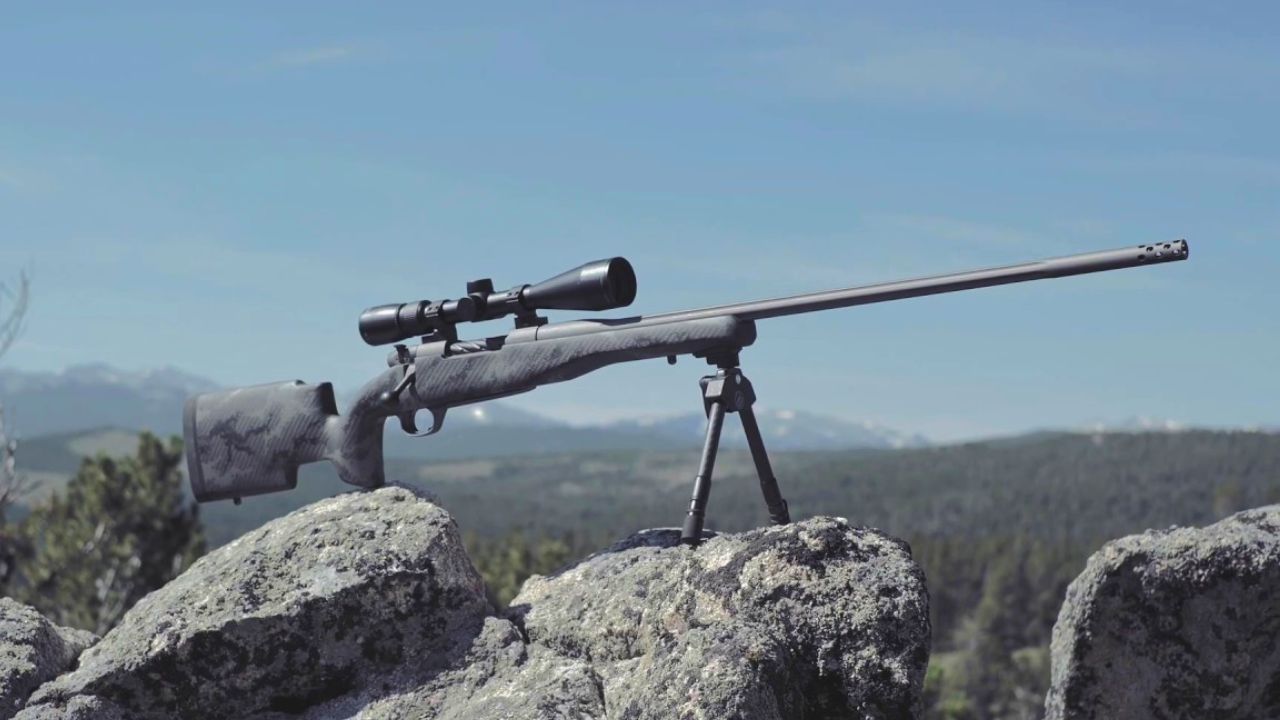
Weatherby stocks have often had a distinctive look, especially the classic Monte Carlo shape with raised comb and bold lines. That was not accidental. The stock design helped manage recoil, fit scoped shooting, and give Weatherby rifles their recognizable profile.
Some shooters love the look. Others think it is too flashy or dated. Either way, it became part of the brand. Weatherby rifles did not look like Model 70s or Model 700s, and that helped them stand apart. The shape was part function, part identity, and part marketing genius.
Weatherby magnums are not only about power
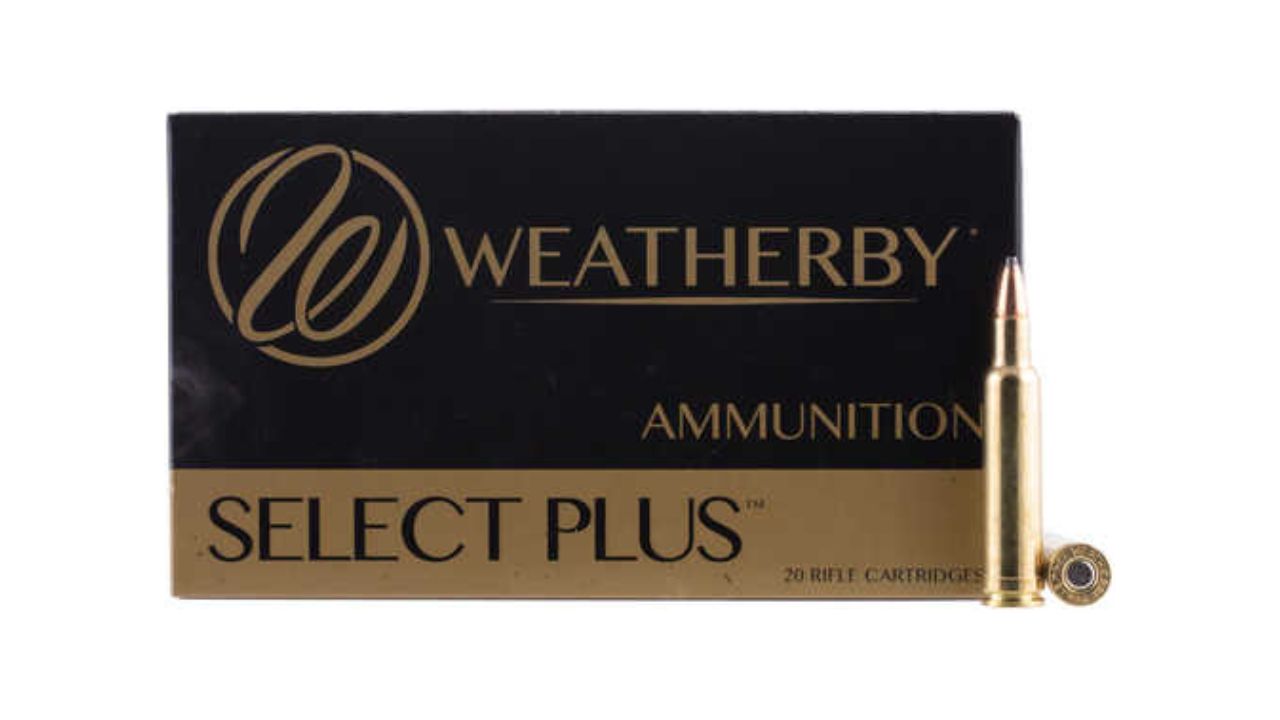
People often talk about Weatherby cartridges like they are only about raw horsepower. Power is part of the story, but the bigger point was trajectory. Roy Weatherby wanted bullets moving fast enough to reduce drop and make field shooting more forgiving at longer ranges.
That is why cartridges like the .257 Weatherby Magnum and .300 Weatherby Magnum built such loyal followings. They were not just loud, hard-kicking rounds for bragging rights. In the right hands, they offered real hunting advantages. Weatherby’s best cartridges earned loyalty because they did something useful, not because they were merely extreme.
The .257 Weatherby Magnum has a cult following
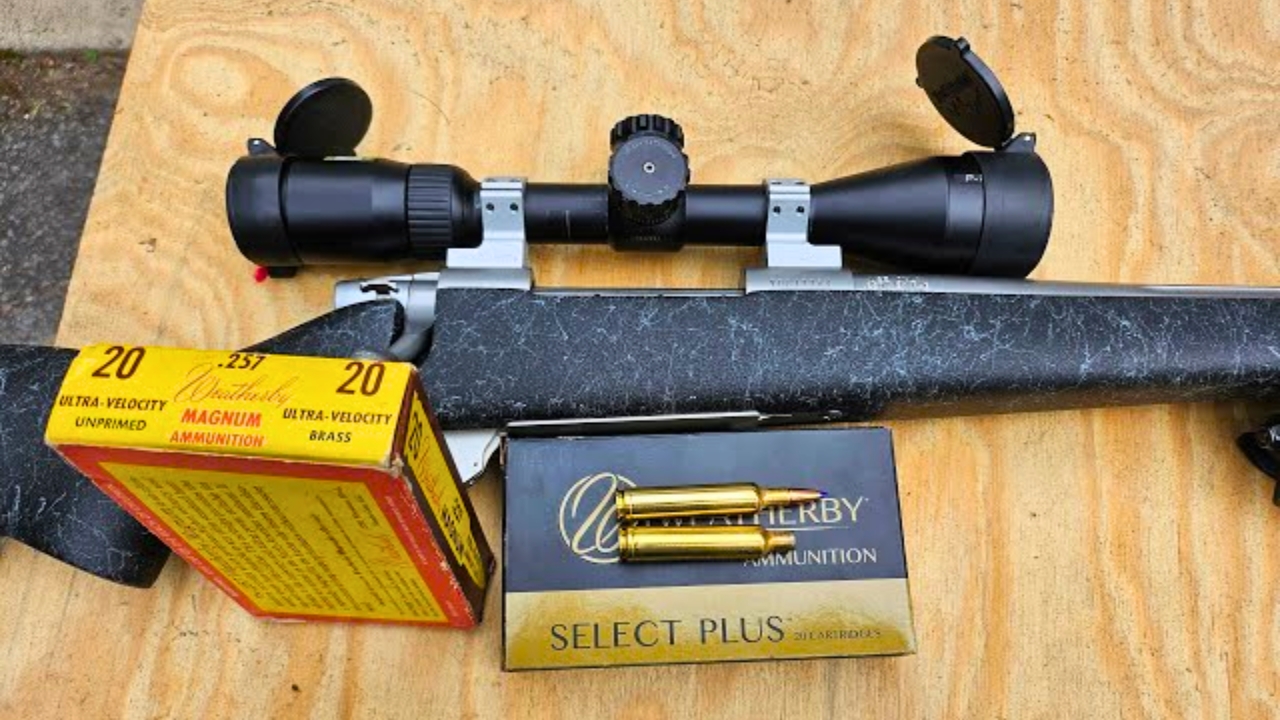
The .257 Weatherby Magnum may not be the biggest or most intimidating Weatherby cartridge, but plenty of hunters love it fiercely. It is fast, flat, and extremely effective on deer-sized game when matched with the right bullets.
That cartridge shows Weatherby at its best. It is not about carrying the largest rifle in camp. It is about speed used intelligently. For antelope, deer, and open-country hunting, the .257 Weatherby gives hunters a laser-like feel that still wins fans. It is one of those rounds people understand better after seeing it work.
Weatherby helped make premium factory rifles feel aspirational
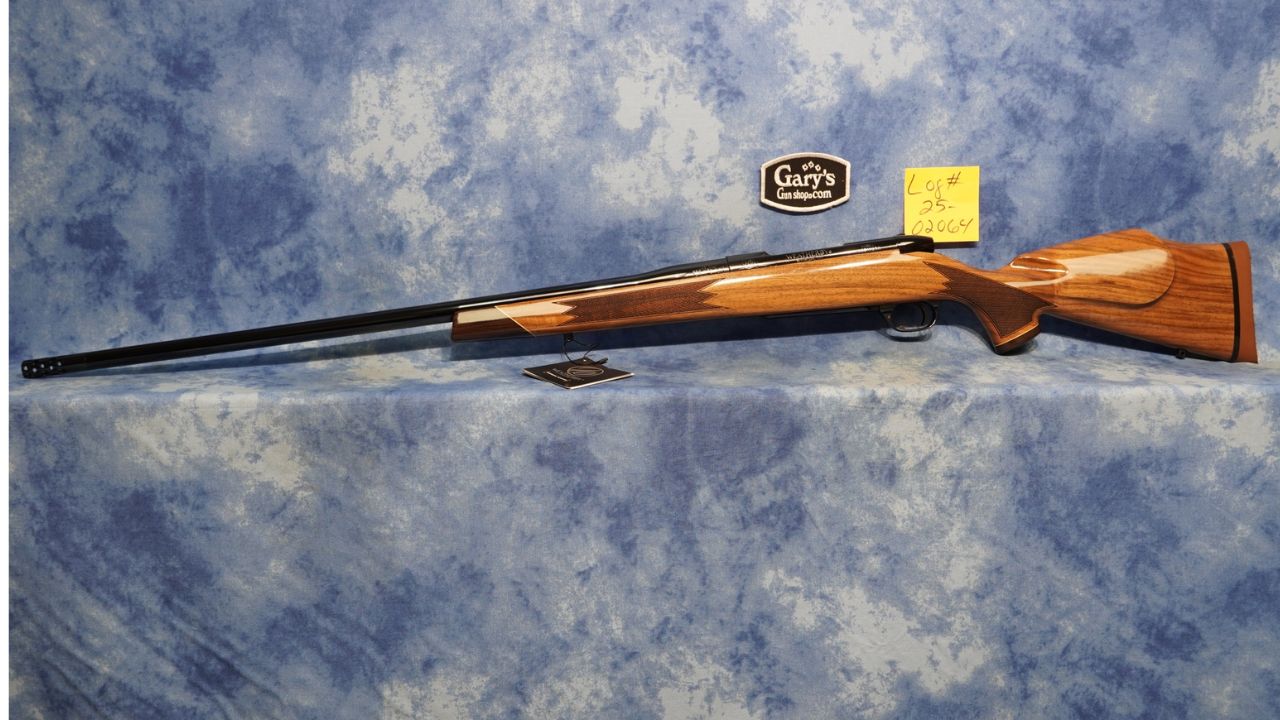
Before today’s crowded premium rifle market, Weatherby already knew how to make a factory rifle feel special. A Mark V Deluxe was not a custom rifle in the same sense as a one-off gunsmith build, but it gave buyers a high-end factory option with serious visual appeal.
That mattered. Weatherby helped sell the idea that a production rifle could still feel aspirational. You did not have to order a full custom gun to own something with flash, speed, and identity. That approach helped shape how hunters viewed premium factory rifles for decades.
The move to Wyoming changed the brand’s modern identity
Weatherby’s move to Sheridan, Wyoming gave the company a fresh chapter. For a brand built around hunting, rifles, and Western identity, Wyoming made sense in a way that helped reconnect the company image with the country many of its rifles were built to hunt.
That move also gave Weatherby a cleaner modern story. The company still carries California history, German and Japanese manufacturing history, and classic Mark V nostalgia, but Wyoming fits the current brand image strongly. It made Weatherby feel more rooted in hunting culture again.
Weatherby still has to balance tradition and modern hunters

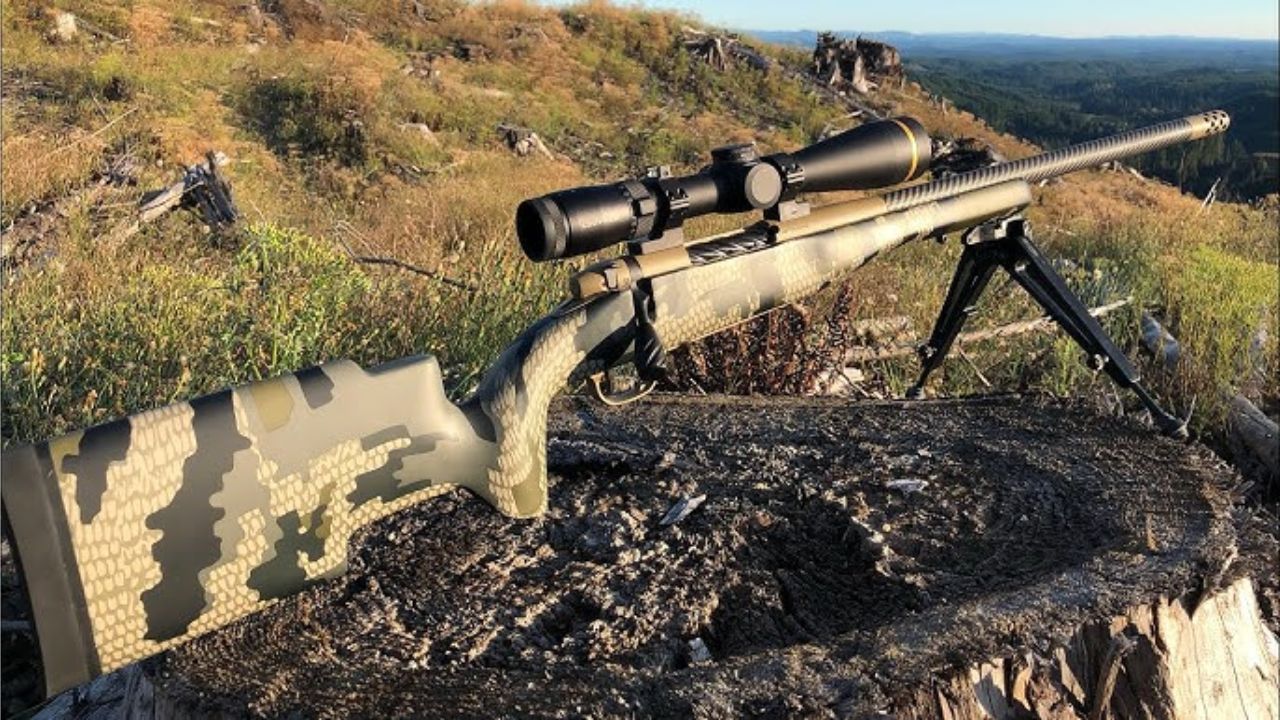
Weatherby’s challenge today is balancing two different audiences. Some buyers still want glossy wood, classic Mark V lines, and magnum romance. Others want lighter rifles, synthetic stocks, Cerakote, carbon fiber, and practical weatherproof tools.
That balance is what makes the brand interesting. Weatherby cannot abandon its old identity, because that is what made it famous. But it also cannot live only on nostalgia. The best modern Weatherbys work because they carry the speed-and-confidence DNA while adapting to how hunters actually use rifles now.
Like The Avid Outdoorsman’s content? Subscribe to our newsletter so you never miss an article.
Here’s more from us: