Photo credit: Siriluk ok/Shutterstock.com
You can learn a lot by watching what shows up in the used case “like new in box.” A lot of those guns aren’t broken. They’re just the kind of carry pistol people think they want until they live with it for a week. Maybe it prints more than expected. Maybe it’s snappier than they can stand. Maybe the trigger annoys them, the grip chews them up, the controls fight their hands, or it’s just too heavy once you carry it all day doing normal life.
This list isn’t about dunking on guns. It’s about the models that regularly get bought on hype, carried briefly, and then quietly replaced by something the owner actually likes living with.
Here are 15 handguns that fit that pattern, and why it happens.
Glock 43
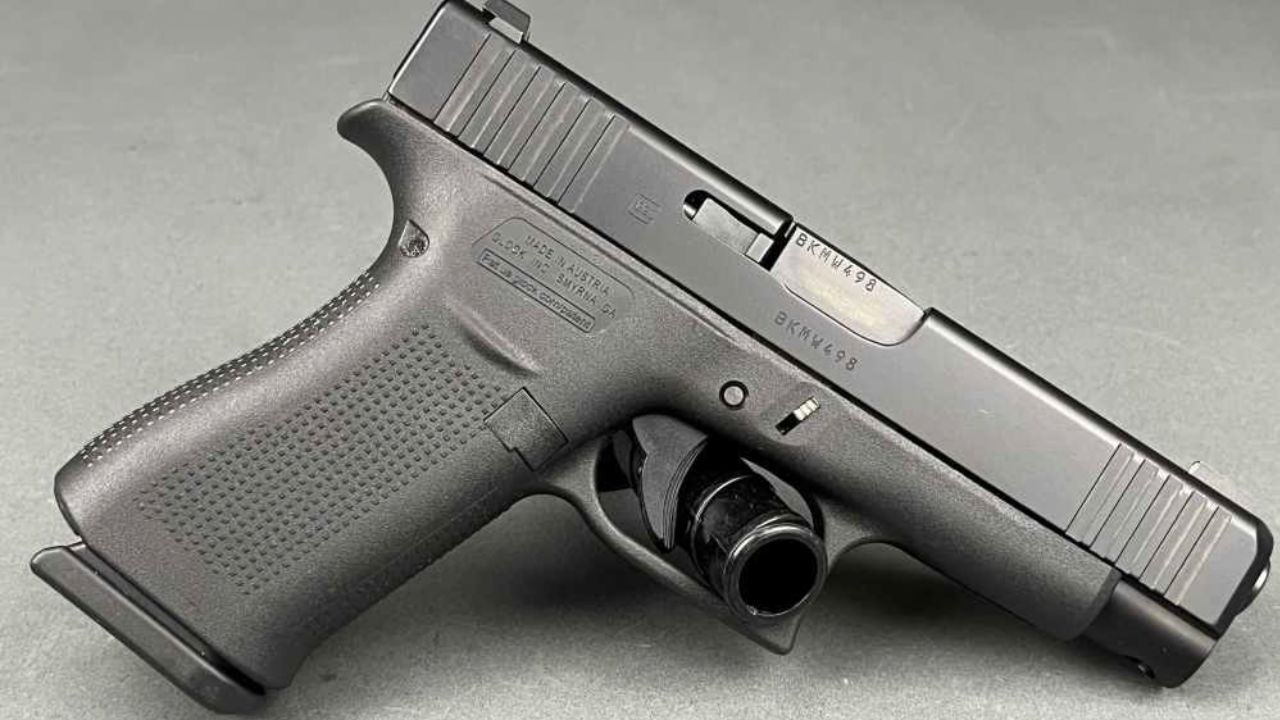
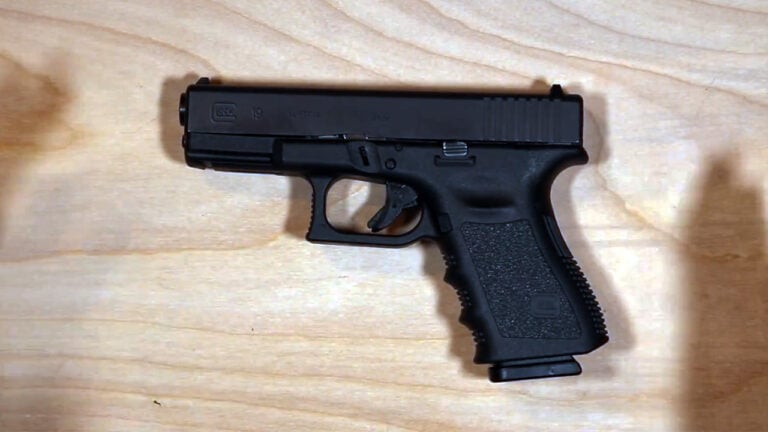
The G43 sells itself: slim, simple, easy to conceal. Then people carry it and realize “easy to carry” isn’t the same as “easy to shoot.” A lot of shooters find it snappy, especially if they’re used to a Glock 19 or a compact with more grip. After a couple practice sessions, they start dreading range time, and that’s when the gun becomes a “carry only” gun—which is a fast path to selling it.
Another reason it gets moved along is capacity and shootability compared to newer options. Guys carry it for a week, then handle a 43X or Shield Plus and realize they can get more grip and more rounds without giving up much concealment. The G43 isn’t bad. It just gets outclassed for a lot of people once they stop romanticizing “smallest possible.”
Glock 26

The G26 is legendary, but it has a very specific vibe: short grip, thick slide, and it can feel like a brick in certain carry positions. People buy it because it’s “the baby Glock” and assume it will disappear like a single-stack. Then they carry it and realize the thickness matters, especially in waistband carry. It can print in ways they didn’t expect and feel bulky sitting in a vehicle.
The other part is the grip. Some shooters love it. Others never get consistent speed because they don’t like the short grip with flush mags. So they add extensions…then the whole point of the short grip starts disappearing. That’s why you see them get carried briefly and sold. It’s a great gun if it fits your body and your grip. If it doesn’t, people move on fast.
SIG Sauer P365 (standard micro)
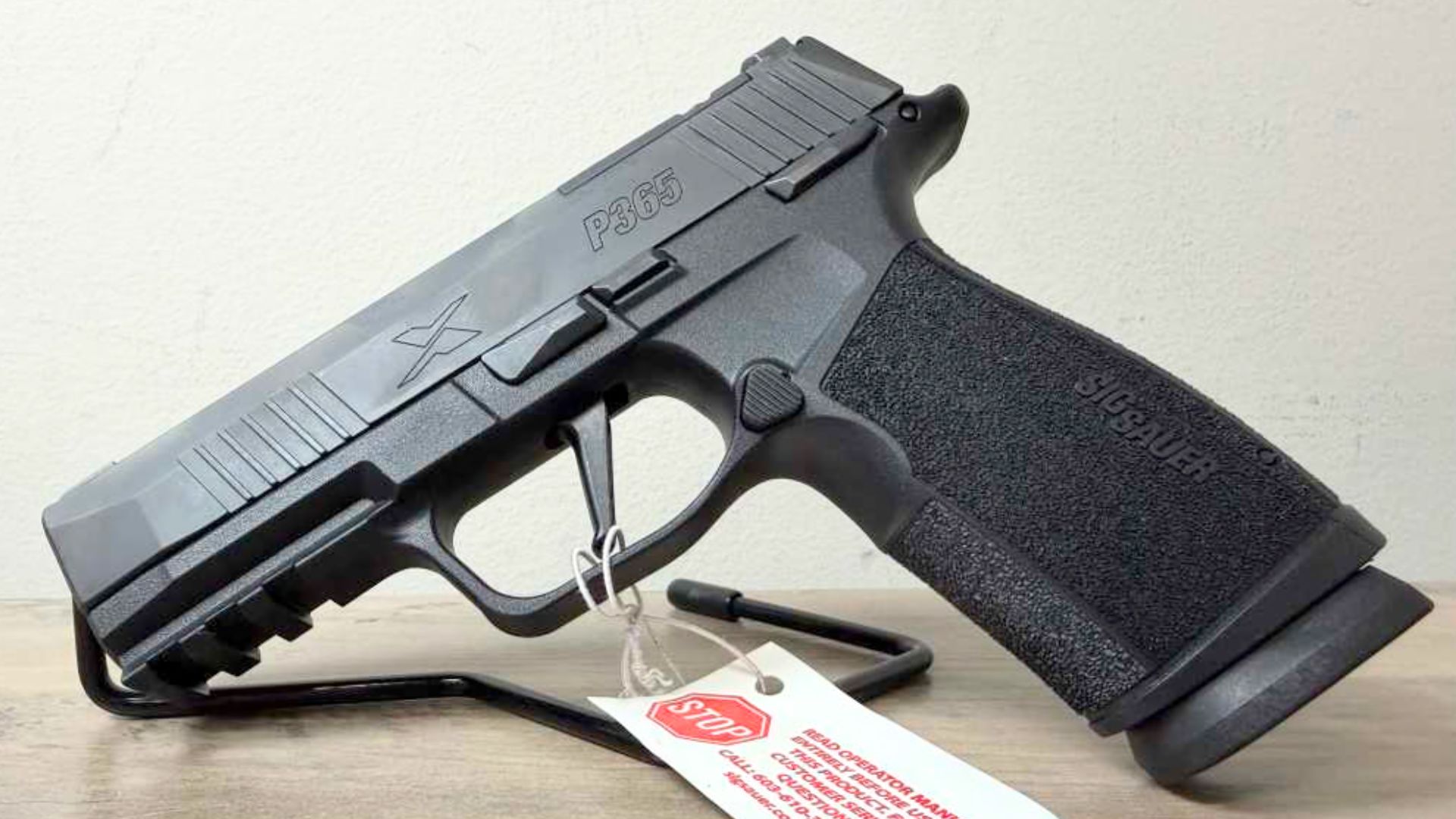
The P365 gets bought constantly because it’s the default recommendation. A lot of people do great with it. But the ones who sell it quickly often do it for the same reasons: it feels snappier than expected, the grip feels too small, or they can’t get consistent hits once they speed up. Micro guns punish inconsistent grip pressure, and not everybody wants to wrestle a carry gun every practice session.
Another reason is “variant creep.” Someone buys the base P365, carries it a week, and then realizes the XL or XMacro fits their hands way better and shoots flatter. So the base gun gets posted for sale, usually looking brand new. It’s not that the P365 is wrong. It’s that the exact size matters more than people expect.
Springfield Hellcat
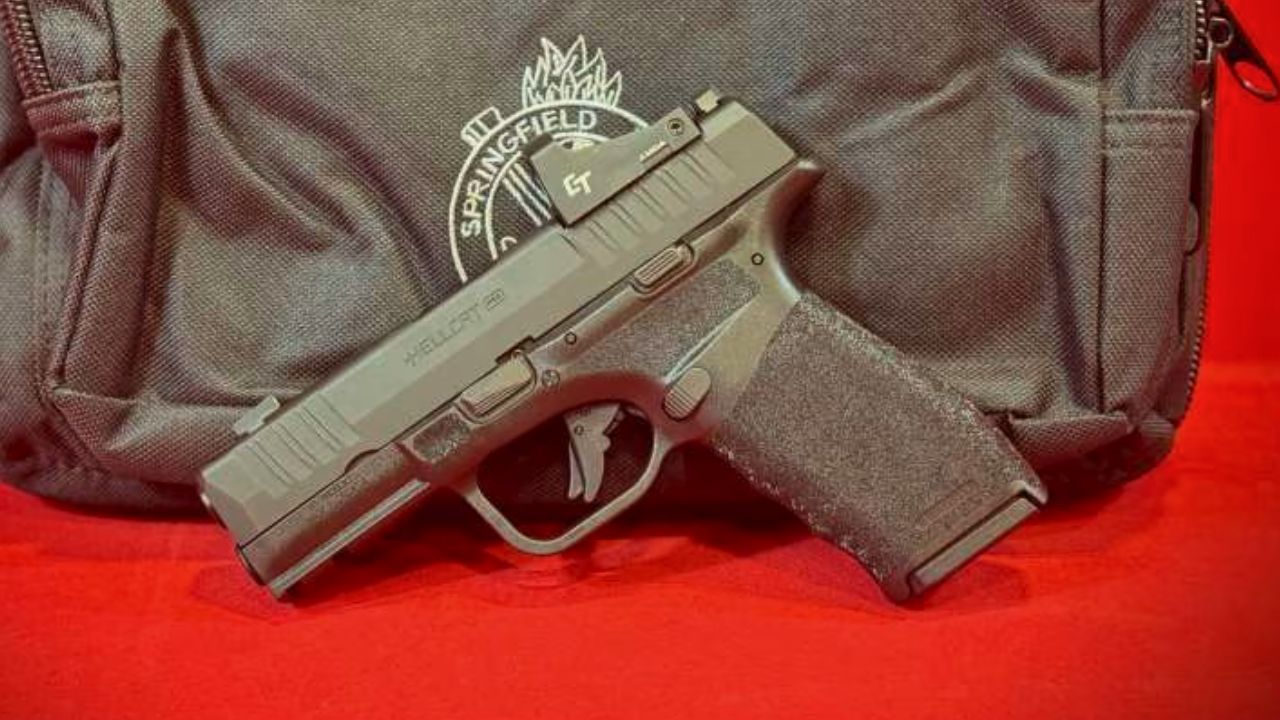
Hellcats sell fast because they’re compact and well-known. They also get sold fast because the grip texture and recoil feel aren’t universal. Some shooters love how locked-in the texture feels. Others feel like it’s chewing them up during carry and practice. Add in micro-gun recoil and you’ve got a pistol that a lot of people respect—but don’t enjoy.
The other quiet seller category is people who never fully adapt to the way it tracks. They’ll shoot it fine slow, then feel like it gets jumpy at speed compared to something like a Shield Plus or a P365 XL. That’s enough for a lot of folks to list it quietly and move to a gun that feels more natural.
S&W Bodyguard .380 (older model)

The Bodyguard .380 gets bought because it’s small and seems like the perfect “always gun.” Then people actually shoot it. The trigger is long, the sights are small, and the gun can feel unpleasant in extended practice. So it ends up carried for a few days, then the owner realizes they’re not going to practice with it like they should.
A lot of these end up getting sold “like new” because the owner never shot it enough to even wear it in. That’s the red flag: a gun that discourages practice tends to get replaced quickly. Pocket guns have a place, but the Bodyguard is one that a lot of people try and then quietly abandon.
Ruger LCP (and sometimes LCP Max)

The LCP is a classic “buy it for convenience” pistol. People carry it because it disappears. Then they shoot it and realize it’s not fun, and it’s not forgiving. The original LCP especially can make people feel like they’re doing more work than they want to do for the results they’re getting. That’s why they carry it a week and then start looking at slightly bigger options.
Even the LCP Max, which improves capacity and sights, still lives in pocket-gun reality: snappy recoil, tiny grip, and high sensitivity to grip and maintenance. A lot of folks buy it thinking it’ll be a painless solution, then realize pocket pistols demand discipline. If they don’t want that, it gets sold.
Kimber Micro 9
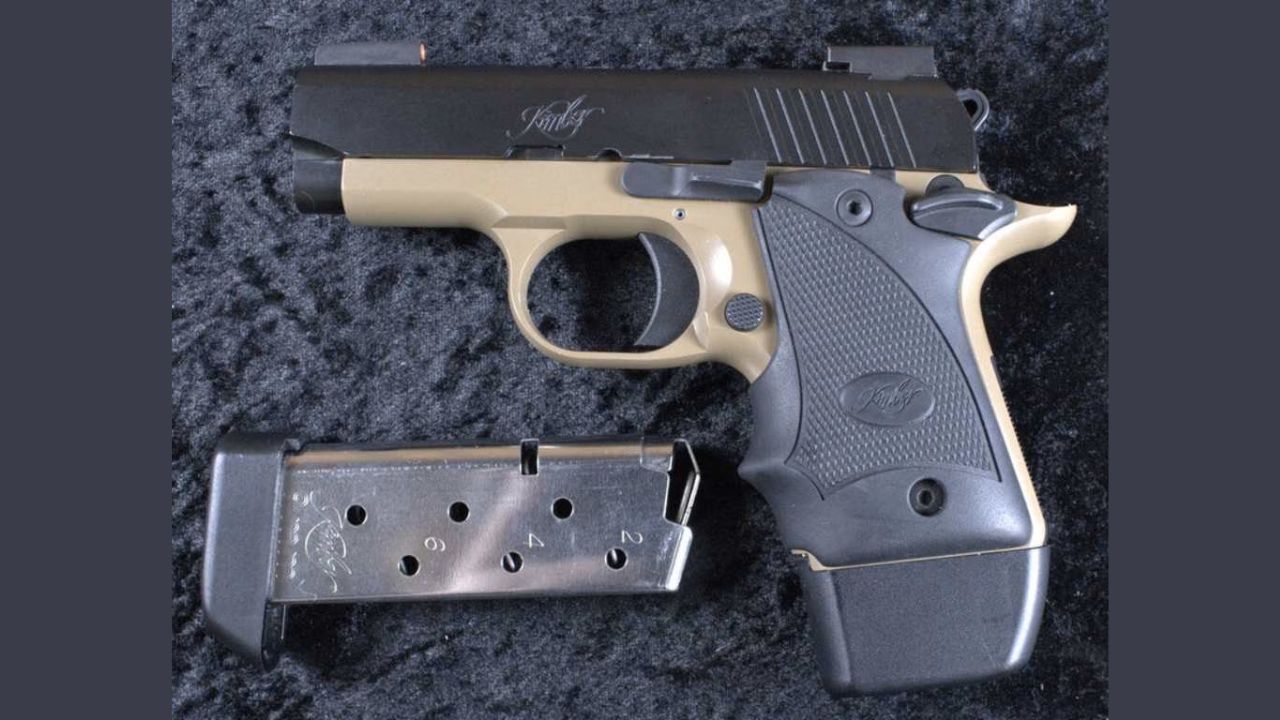
The Micro 9 gets sold quickly because it’s attractive, feels solid, and scratches the “mini 1911” itch. Then the owner starts dealing with small-gun quirks: ammo preference, magazine sensitivity, and the reality that tiny metal pistols can feel sharp in recoil. Some folks love them. Many carry it for a short period, then decide they want something more boring and less particular.
Also, manual safeties are a dealbreaker for some people once they carry daily. They like the idea, but they don’t like managing it under stress or during constant on/off carry. So it ends up sold quietly, usually with the box and everything, because it was carried more than it was shot.
SIG Sauer P238

Same story as the Micro 9, just in .380. People love the look and the feel. Then they realize they’re carrying a smaller gun that still needs real practice, and the ammo cost/availability and performance tradeoffs don’t always feel worth it compared to modern micro 9s. Some also don’t love relying on a manual safety on a tiny pistol, especially if they don’t train a lot.
The P238 can be a great carry gun for the right person. But “right person” usually means someone who actually enjoys shooting it and is consistent with the manual of arms. The ones who aren’t? They sell it fast and quietly.
Taurus G2C / G3C
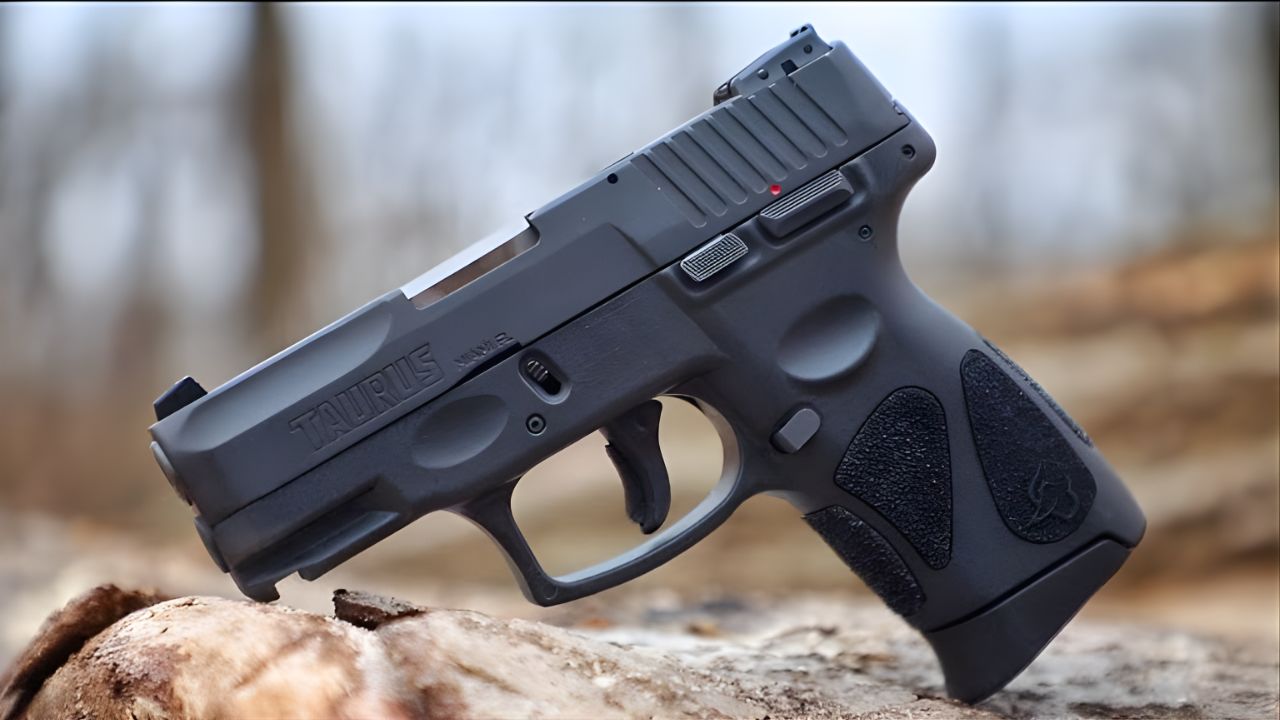
These get carried a week and sold quietly for a different reason: people buy them because they’re affordable and “seem fine,” then they start comparing them to other guns they can shoot better. Sometimes it’s trigger feel. Sometimes it’s grip comfort. Sometimes it’s confidence. Even if the gun runs, it can feel like something you’re settling for instead of something you trust.
A lot of owners move on once they realize the cost difference to a more mainstream option isn’t as huge as they thought—especially when you factor in holsters, magazines, and ammo. These Taurus compacts aren’t automatic failures, but they’re common “starter carries” that get replaced quickly when the owner upgrades.
Ruger Security-9
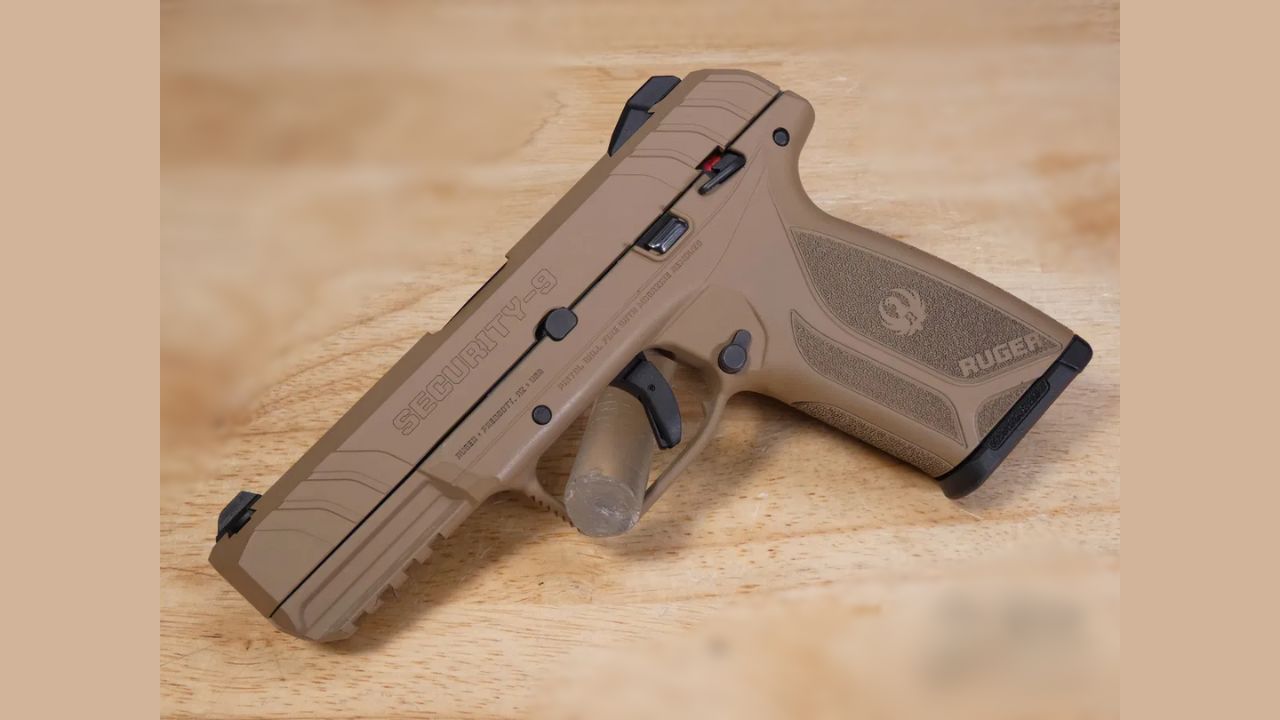
The Security-9 is another “good on paper” buy that some people don’t fall in love with once they carry it. It’s lightweight for its size, and the feel can be a little different than the mainstream striker guns. Some shooters don’t love the trigger. Some don’t love how it fits their hand. Some just don’t feel like it shoots as smoothly as they expected.
Because it’s an affordable gun, it also gets bought by people who are still figuring out what they like. After a week of carry, they realize they want a different grip angle, a different trigger feel, or a different size. So the Security-9 ends up being a stepping stone—quietly sold to fund the next experiment.
Beretta Nano

The Nano shows up in the “carried briefly” category because it’s sleek and snag-free, but a lot of shooters never truly click with it. The trigger feel and overall shootability can feel behind the curve compared to newer compacts. People buy it because it looks like a perfect carry gun, then they shoot it and realize they don’t enjoy it.
Another factor is that it’s not as common as the mainstream options, so holster and parts support isn’t always as effortless as a Glock or Shield. That matters when you’re carrying every day. If the owner has to work harder to make the gun fit their life, they often just switch guns.
Walther PPS (single-stack)

The PPS is a good pistol, but single-stacks have been squeezed by the new wave of high-capacity micros. People buy a PPS because it’s slim and proven, then carry it for a week and realize they can get more rounds in a similar footprint with a different platform. Capacity is not everything, but it’s enough to make people second-guess quickly.
Also, some shooters love the PPS trigger rhythm and ergonomics, while others don’t. If it doesn’t feel natural, there’s no reason to force it when the market has so many options. That’s how the PPS ends up getting sold quietly even though it’s not “bad.”
1911 Officer-size pistols (category)
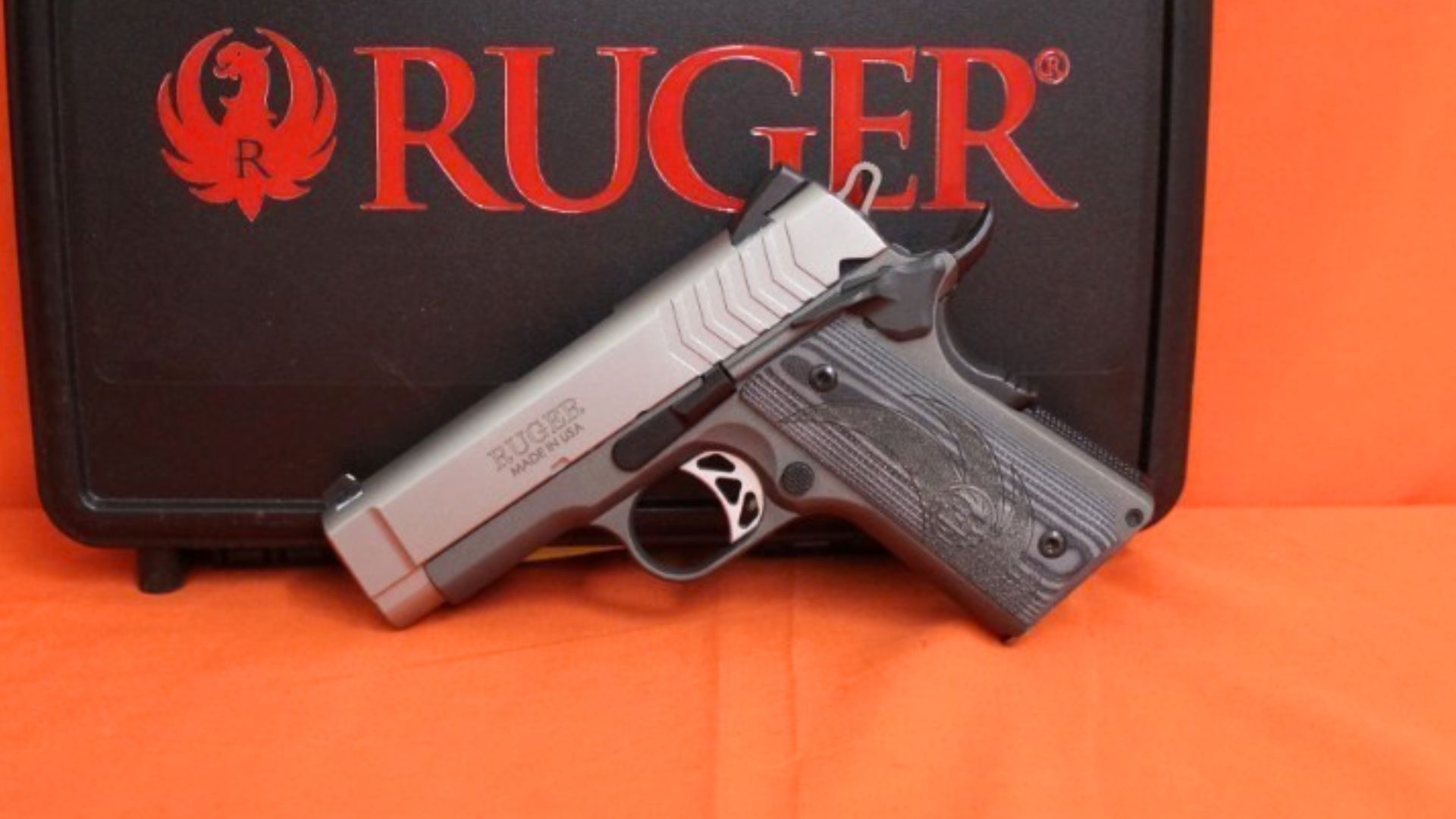
Short 1911s get sold quietly because people want the 1911 feel in a carry size, then discover the reality: more maintenance discipline, more sensitivity to magazines, and more “you need to stay on top of springs.” Some run great. Many require more attention than the average carrier wants to give.
There’s also the weight issue. A steel-framed Officer-size pistol can feel fine in the hand and horrible on the belt after 10 hours. People carry it for a week, get tired of the weight and the effort, and quietly move back to a boring polymer gun that disappears and runs.
S&W J-Frame (642/442)
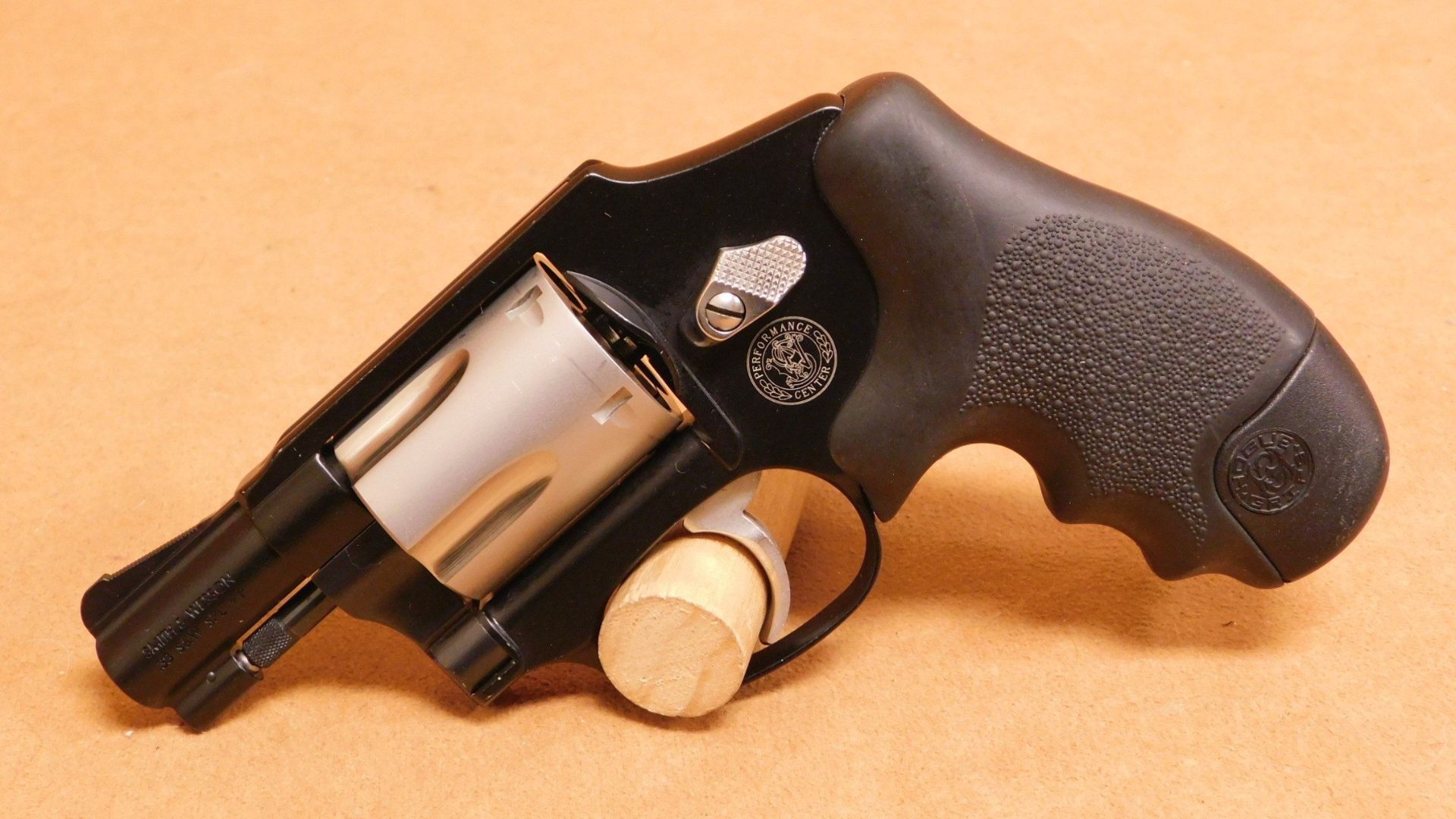
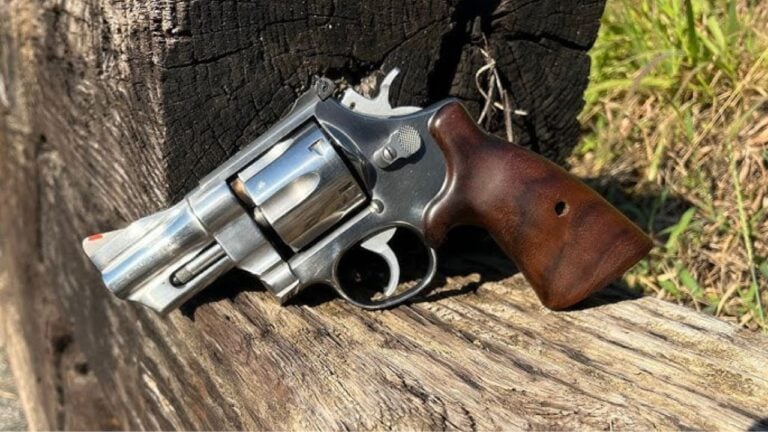
This one surprises people. They buy a J-frame because it’s small, simple, and “revolver reliable.” Then they actually shoot it and realize it’s hard to shoot well under speed. Heavy trigger, small sights, and real recoil. A lot of owners carry it for a short stretch, then lose confidence because they don’t like how they shoot it.
The J-frame is a legit tool, but it requires practice. If the owner isn’t willing to practice, they sell it. That’s why you see so many that look brand new. The gun didn’t fail—the owner realized the tool demands more skill than they expected.
Glock 44 (.22)

The Glock 44 gets bought as a trainer, then sold because rimfire reality hits. If it’s ammo picky, if it gets dirty and starts acting up, or if the shooter expected it to run like a 9mm Glock, disappointment sets in quickly. Some folks don’t want to deal with rimfire quirks and they move on to a different .22 that’s more forgiving.
Also, some people realize they don’t actually train as much as they thought they would. They buy a .22 to save money, shoot it twice, and then it sits. Eventually it gets sold “barely used.” That’s not really the gun’s fault, but it’s a common pattern.
“Micro 9s” in general when the buyer should’ve bought a compact

This is the big truth that explains half the used-case carry guns. People buy the smallest possible pistol because concealment is the main goal. Then they realize shootability matters more than they expected. Micro 9s can be excellent, but they demand more from the shooter. If you don’t enjoy shooting it, you won’t practice. If you don’t practice, confidence drops. Then the gun gets sold.
A lot of guys end up happier with a slightly larger compact—something they can shoot fast and accurately without effort. The micro gets carried for a week and then replaced. That’s not a failure. That’s the learning curve of figuring out what you can actually run well, not just what you can hide.
Like The Avid Outdoorsman’s content? Be sure to follow us.
Here’s more from us: