
Photo credit: Buckeye Ballistics/YouTube
Some handguns go home with a new owner full of promise, only to show their true colors within the first box of ammo. You’ve probably seen them stacked in the used case—“like new,” “barely fired,” “original box included.” That usually means the gun frustrated someone fast enough that they never even bothered wiping it down before handing it back.
Whether it’s awkward recoil, stubborn controls, spotty reliability, or a trigger that ruins accuracy, certain pistols have a track record of getting traded in almost as quickly as they’re carried out. If you spend enough time around ranges and gun counters, you start recognizing the same repeat offenders.
Taurus PT140 Millennium G2

The PT140 Millennium G2 looks appealing because it’s affordable and carries well, but a lot of new owners get frustrated early. The snappy recoil in a lightweight .40 frame makes the gun tough to control, especially for newer shooters. When every shot feels like the gun is trying to escape your hands, enthusiasm fades fast.
Reliability also varies from pistol to pistol. Some run fine, others struggle with certain loads or magazine-fed issues right out of the box. Most shooters give it one or two range sessions before deciding the learning curve isn’t worth the hassle, and the gun ends up back in the trade-in pile.
KelTec PF9
The PF9 is one of those guns you want to like because it’s easy to carry and extremely light. But the shooting experience can turn people off quickly. The recoil is sharp, the grip is thin, and the trigger feels long and rough. Together, they make accuracy a real challenge, especially for beginners.
Many new owners walk away from their first range session surprised by how unpleasant it is to shoot more than a magazine or two. Once the excitement wears off, the pistol often ends up boxed up with the receipt still inside and traded for something that’s more comfortable and predictable.
Taurus Spectrum
The Spectrum’s soft edges and compact shape get attention in the display case, but the appeal drops once you actually shoot it. The trigger is mushy, reset feels vague, and reliability across different ammo can be inconsistent. That combination shakes confidence quickly.
For many new owners, the lack of control and the spotty accuracy make the gun feel more like a novelty than a dependable carry piece. After a short trial run at the range, a lot of shooters decide they’d rather put their money toward a pistol that offers better consistency, and the Spectrum quietly returns to the used shelf.
Remington R51 (Gen 2 included)

Even after improvements, the R51 still carries the weight of its early reputation. Shooters expect something smooth and refined, but they often run into feeding issues, odd recoil behavior, or machining that doesn’t feel dialed in. It doesn’t take long for disappointment to set in.
And because many owners buy it as a carry gun, reliability concerns hit harder. If a pistol acts unpredictable within the first hundred rounds, most people don’t stick around to “see if it gets better.” It’s one of the most common pistols to show up “almost unfired” in gun shop trade-in bins.
SCCY CPX-1
The SCCY CPX-1 sells well because of its price, but the honeymoon ends quickly once shooters try the long, heavy trigger. It slows down follow-up shots and makes the gun feel harder to run consistently. New shooters especially find it tiring after a few magazines.
Add in occasional issues with the thumb safety accidentally engaging under recoil, and confidence drops even faster. It’s a small gun with a big onboarding curve, and many owners decide early on that the frustration outweighs the value. The used market is full of CPX-1s that never made it past their first cleaning.
Glock 42
The Glock name alone gets people excited, but the 42 doesn’t always meet expectations. Many shooters think they’re getting a tiny pocket pistol, only to realize it’s larger than other .380 options and doesn’t always offer the control or accuracy they hoped for.
Early reliability problems also linger in the gun’s reputation, even if later models improved. For shooters expecting the classic “Glock experience,” the 42 often feels underwhelming. Plenty of owners trade it in shortly after purchase, still clean enough to pass for unused.
Beretta Nano

On paper, the Nano should shine as a compact 9mm. In practice, shooters run into ammo sensitivity and a trigger that feels dull and hard to master. The lack of external controls also limits manipulation options, and newer shooters sometimes struggle with that.
When accuracy doesn’t land where you want and reliability varies by brand of ammo, the frustration builds. Many buyers give the Nano a chance, shoot it once, and realize it’s not the straightforward carry pistol they were expecting. It often returns to store shelves without so much as a field-strip.
SIG Sauer P290
The P290 had a wave of excitement behind it because of the SIG name, but it never lived up to it. The heavy trigger, combined with the gun’s weight and compact size, turns accurate shooting into a chore. A lot of shooters walk away from their first outing wondering why it feels so clunky.
The recoil feels sharper than expected, and the ergonomics don’t flow for everyone. Because shooters expect more refinement from SIG, disappointment comes fast—and so do trade-ins. P290s in used cases are often spotless, with barely a mark on the barrel hood.
Springfield XD-S 9mm (1.0)
The original XD-S had a strong launch, but early recalls and stiff recoil left many new owners second-guessing their purchase. Even reliable models feel snappy for their size, and the trigger doesn’t have the smooth break many shooters want in a carry gun.
When a pistol feels punishing after only a few magazines, most people stop enjoying it. The XD-S is one of those guns that gets carried more than it gets shot—and frequently gets traded before the first real cleaning ever happens.
H&K VP70

The VP70 draws interest because of its unusual design and historical appeal. But once people shoot it, the charm fades. The trigger is notoriously heavy, making accurate shooting feel almost impossible, even for experienced hands.
The grip angle and controls also feel odd compared to modern handguns. After a single range trip, many owners realize they bought more of a curiosity than a practical shooter. It’s a frequent trade-in—not because it’s broken, but because people lose interest immediately.
Kahr CW380
The CW380 looks like a great deep-concealment pistol, but reliability can be hit-or-miss depending on ammo and break-in. Many new owners don’t realize how much patience the gun requires. If it stumbles during the first hundred rounds, confidence takes a sharp hit.
Because of its small size and light weight, recoil feels more abrupt than people expect. Combined with the long trigger pull, a lot of shooters give up quickly. Many CW380s return to gun shops looking like they were fired only once.
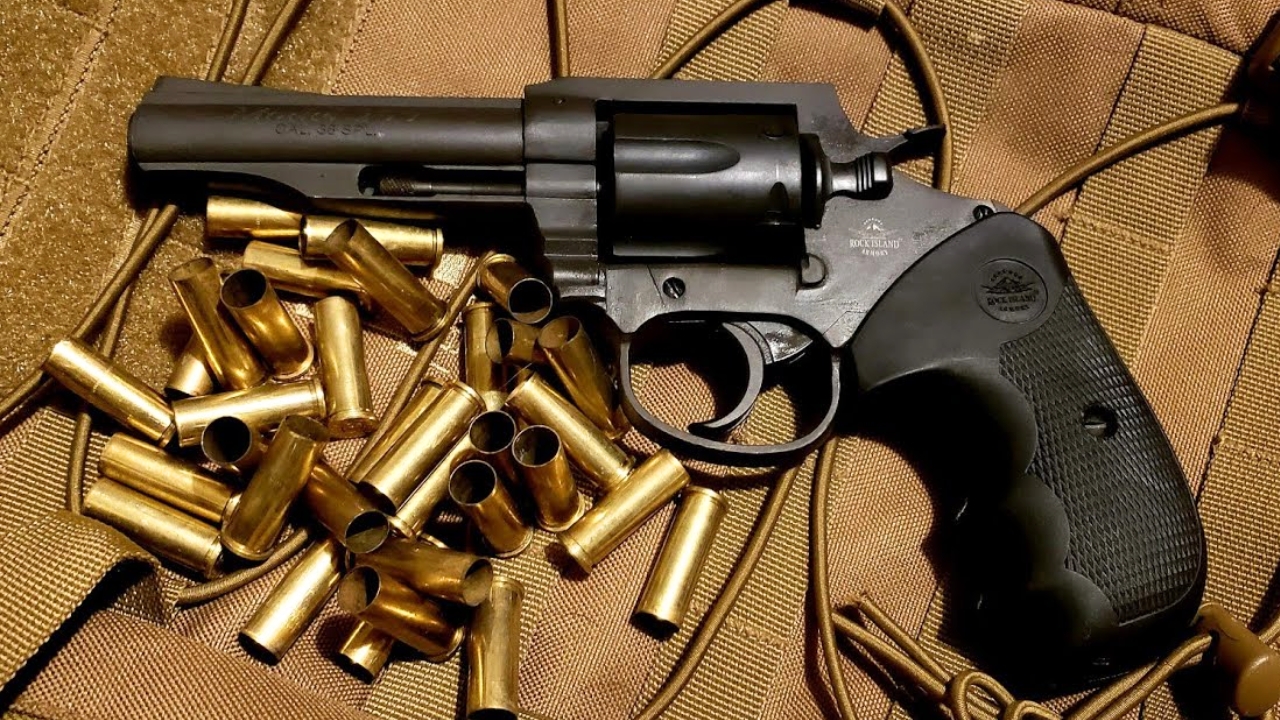
Rock Island M200
The M200 revolver has an attractive price, but the rough trigger and inconsistent lock-up turn off new shooters quickly. Expectations are usually high because of the classic styling, but the gun doesn’t always deliver the smooth operation people want from a revolver.
Accuracy can feel unpredictable, especially with the heavy double-action pull. After an initial range session, many owners realize they’d rather save up for something with tighter machining. The M200 is a regular in the trade-in racks, often still coated with factory oil.
Jimenez JA Nine

The JA Nine pulls in first-time buyers due to cost alone, but the honeymoon ends fast. The gun is heavy, awkward to shoot, and known for inconsistent reliability. Malfunctions in the first range session aren’t uncommon, and that ruins trust immediately.
Because it doesn’t feel comfortable or predictable, many owners cut their losses early and trade it toward something sturdier. It’s one of those pistols that often sees fewer than fifty rounds before being boxed back up.
Bersa Thunder .380 (for newer shooters)
The Thunder has fans, but a lot of newer shooters buy it expecting a soft-shooting .380 and are surprised by the recoil and blowback snap. The slide bite risk also turns off people with larger hands.
When the first range day leaves someone with a sore thumb from the safety lever and a few erratic groups on paper, they often rethink the purchase. Many Thunder pistols get traded in early—not because they’re “bad,” but because they’re less forgiving than buyers expect.
Walther CCP (original model)
The CCP’s gas-delayed system had people excited, but early models struggled with reliability and an overcomplicated takedown process. Shooting it isn’t terrible, but malfunctions or sluggish cycling ruin confidence quickly.
Once owners realize maintenance requires more effort than most pistols in its class, many lose interest fast. The used market stays full of CCPs with barely any finish wear, a clear sign they never made it beyond the first cleaning.
Like The Avid Outdoorsman’s content? Subscribe to our newsletter so you never miss an article.
Here’s more from us:


