Photo credit: NRApubs/YouTube
Hype can make a gun feel like a sure thing before you ever shoot it. Everybody talks it up, the reviews sound excited, the marketing looks strong, and the gun counter stories make it seem like you are missing out if you do not buy one.
Then reality shows up. Maybe the gun is fine, but not amazing. Maybe it needs too much tuning. Maybe cheaper guns do the same job better. Some firearms survive hype because they truly deliver. Others get exposed once shooters stop repeating what they heard and start paying attention to what the gun actually does.
SIG Sauer P320 X-Five Legion
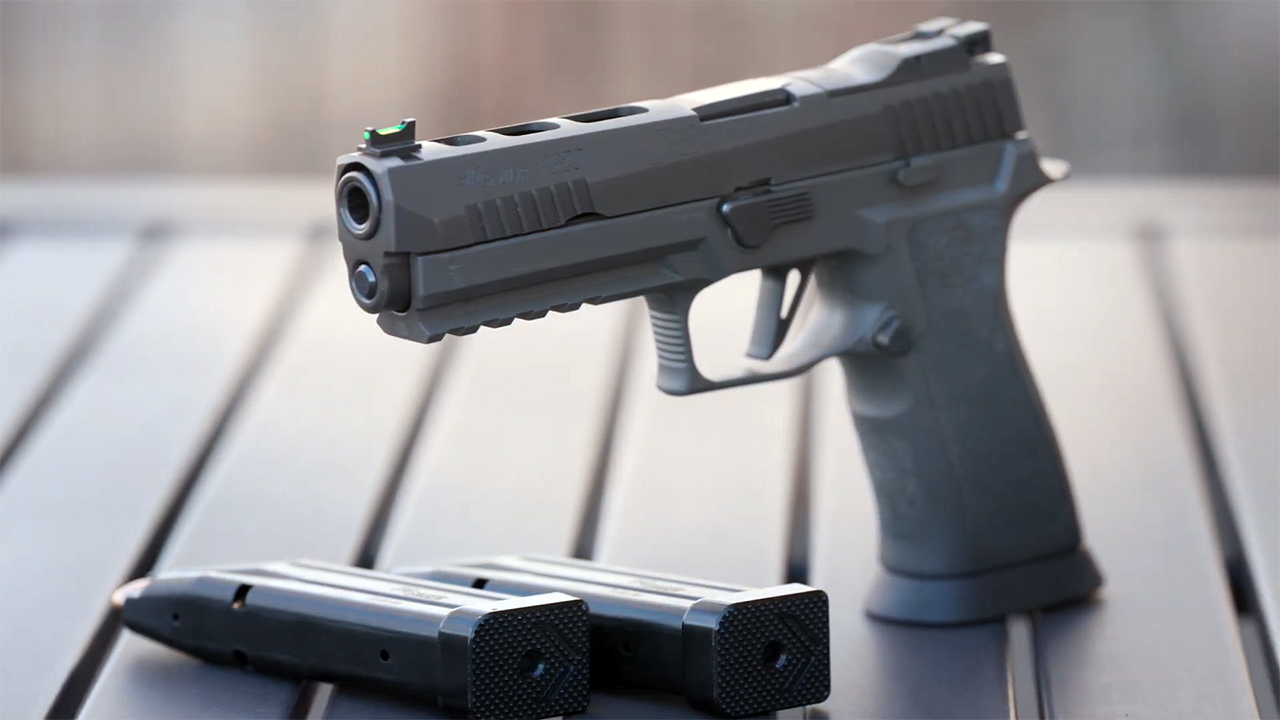
The P320 X-Five Legion has a lot going for it, and that is exactly why the hype got so loud. It has weight, capacity, a good trigger for the platform, and a competition-ready look that makes regular striker-fired pistols feel plain beside it.
But not every shooter finds magic there. The grip angle, bore height, and overall feel still come back to personal fit. Some people shoot a cheaper Glock, Canik, or M&P just as well, or better. When a pistol costs more and still does not give you cleaner hits under speed, the hype starts sounding bigger than the real advantage.
Kimber Rapide
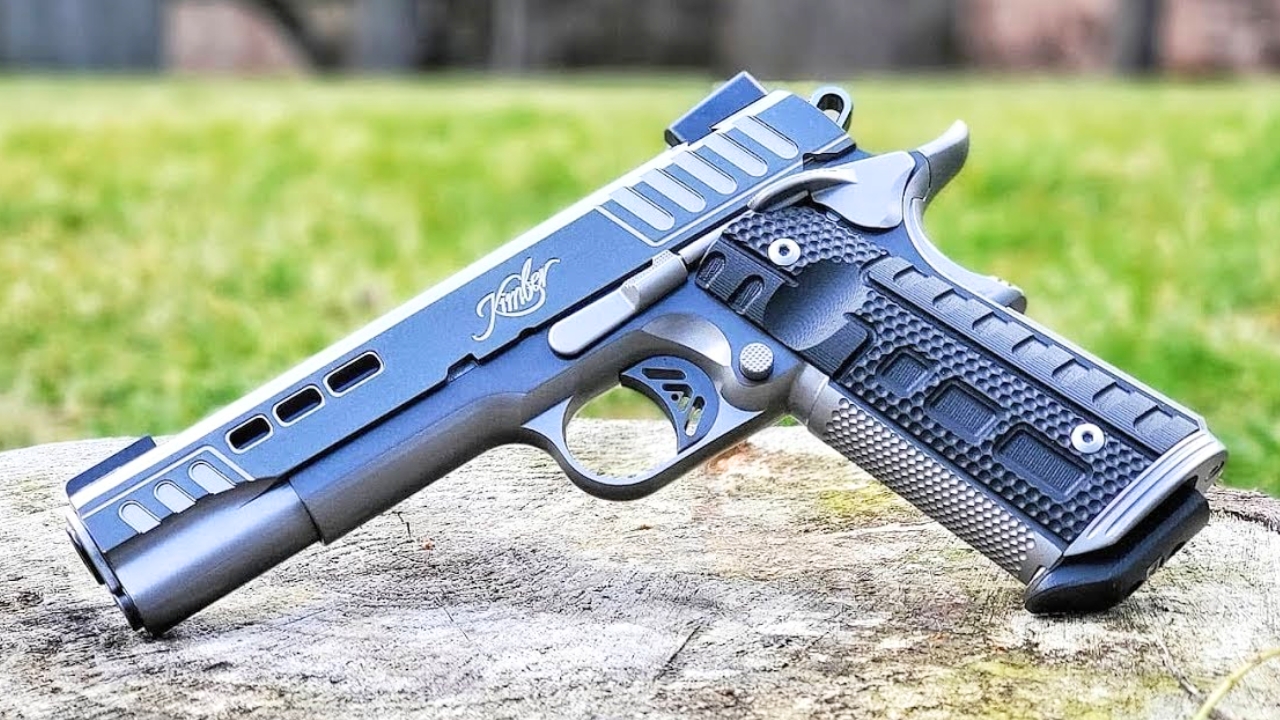
The Kimber Rapide looks like it should be fast, refined, and ready to impress. The cuts, colors, grips, and 1911 styling all work hard to sell the idea that you are getting something special. It is the kind of pistol that catches eyes before it ever fires.
The shooting experience does not always match the showroom drama. Some shooters find it runs fine, while others feel like the looks are doing more work than the performance. At that price, a 1911 needs to be more than attractive. If a plainer Springfield, Colt, or Tisas gives similar range results, the Rapide starts feeling like style over substance.
Springfield Armory Saint Victor
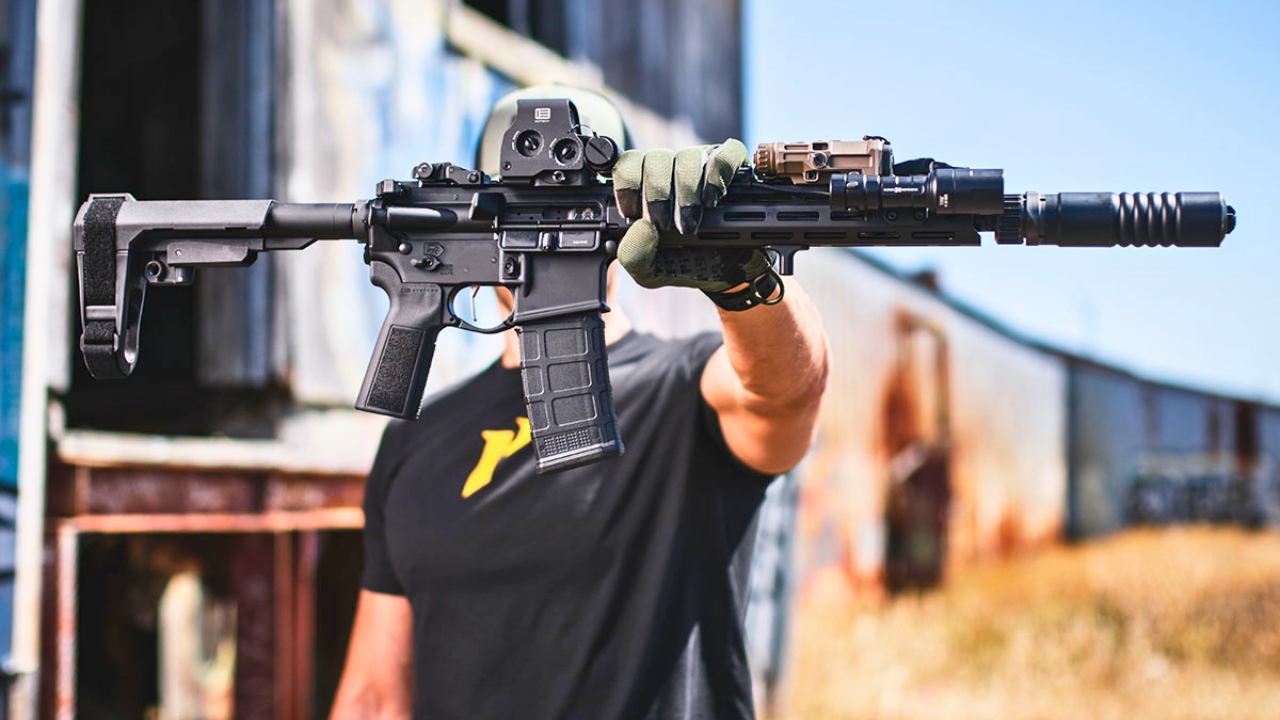
The Saint Victor gets talked up as a step above a basic entry-level AR, and on paper, it makes sense. You get upgraded furniture, a free-float handguard, decent weight, and a rifle that looks ready to train with right out of the box.
The problem is that the AR market is crowded with good options. Once you compare parts, triggers, barrels, and actual accuracy, the Saint Victor does not always feel as far ahead as the marketing suggests. It is not a bad rifle. It just lives in a world where a lot of rifles run well, shoot fine, and cost similar or less.
Ruger PC Carbine
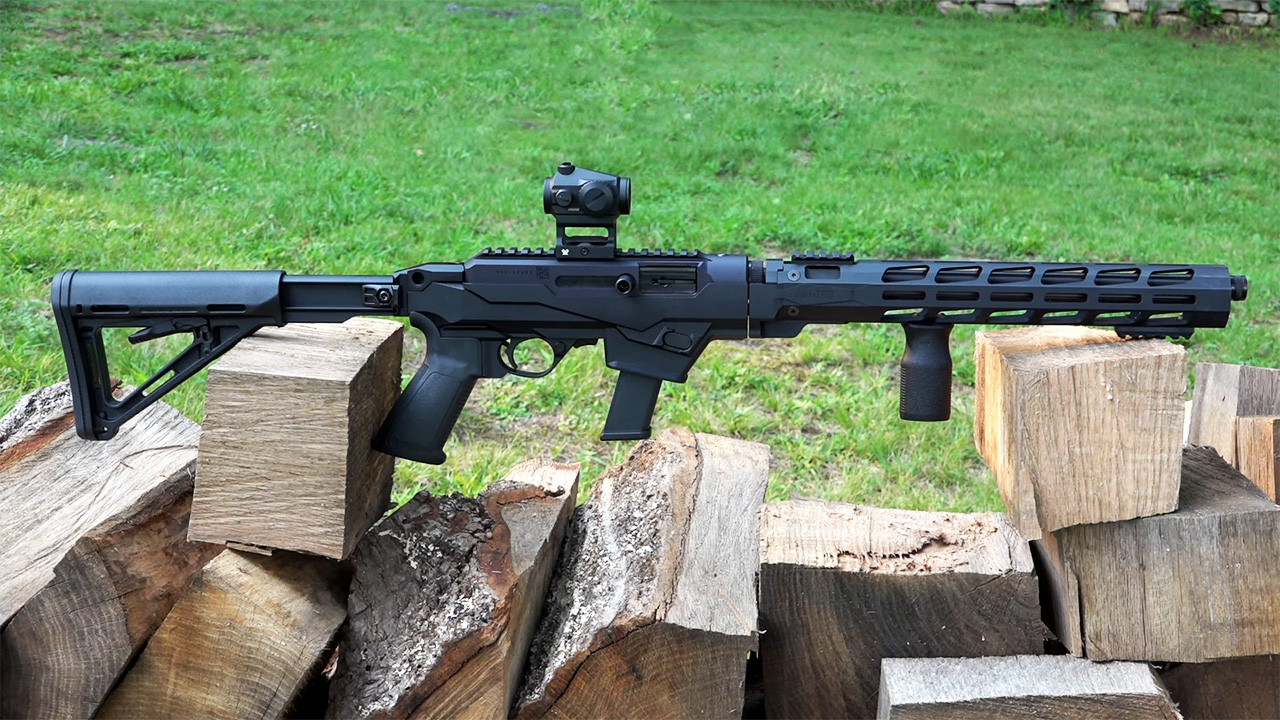
The Ruger PC Carbine had real buzz because it was practical, takedown-capable, and accepted common pistol magazines with the right magwell. For shooters who wanted a useful 9mm carbine without getting weird, it seemed like an easy win.
Then people started carrying and shooting it enough to notice the weight. For a 9mm carbine, it can feel heavier and clunkier than expected. It is reliable and handy in some roles, but it does not always feel lively. When lighter PCCs and braced-style platforms entered the conversation, the Ruger started feeling more practical than exciting.
Smith & Wesson M&P 5.7

The M&P 5.7 showed up with a lot of interest because it offered a more affordable, modern-looking way into the 5.7 world. Capacity, low recoil, and Smith & Wesson branding made it sound like a pistol that could challenge the usual names.
The hype gets weaker when shooters look at cost and purpose. The ammo is still expensive compared with 9mm, and the pistol does not replace a normal defensive handgun for most people. It is fun and flat-shooting, but not automatically useful enough to justify the whole setup. For many owners, the cartridge is more interesting than necessary.
Mossberg 940 Pro Tactical
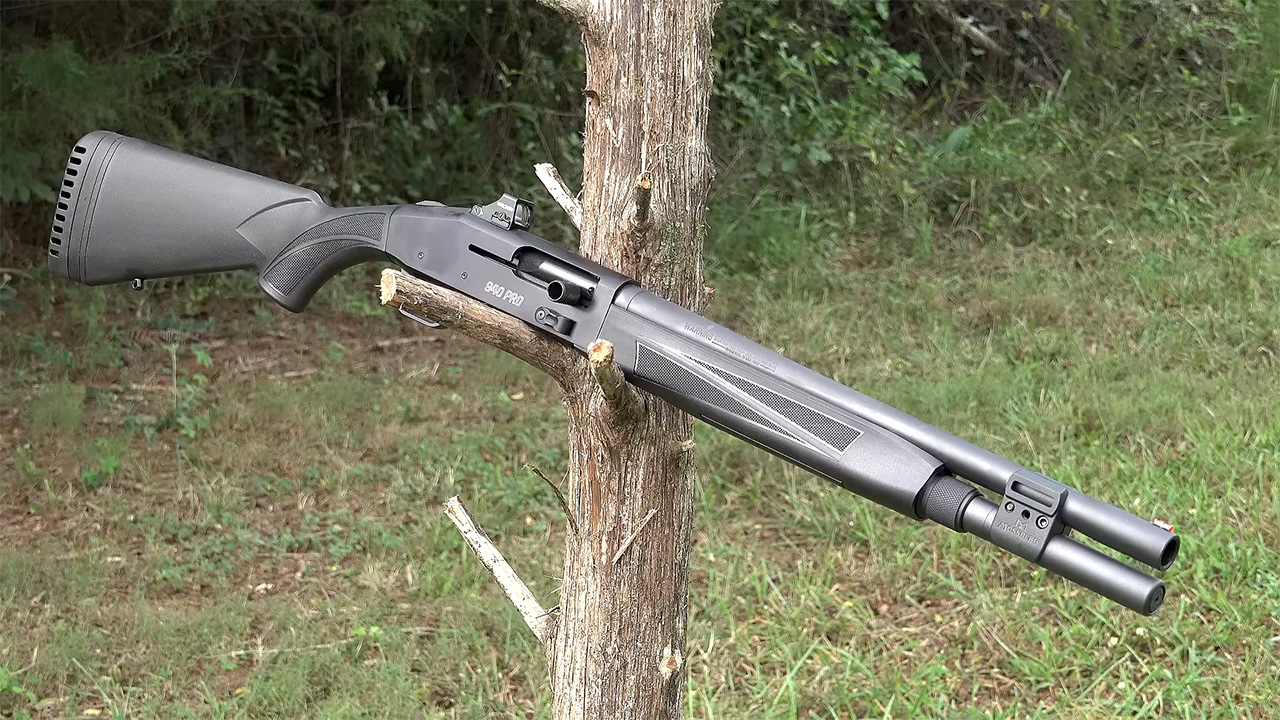
The 940 Pro Tactical got a lot of attention because people wanted a semi-auto defensive shotgun that cost less than the high-end European options but felt more modern than older designs. Optics-ready features and Mossberg’s shotgun reputation helped fuel the interest.
It works for plenty of shooters, but the hype can oversell what it is. A semi-auto shotgun still needs proper ammo, maintenance, and real testing. It is also not as cheap as a basic pump and not as proven as some long-established premium semi-autos. For some buyers, it lands in an awkward middle ground where expectations get ahead of experience.
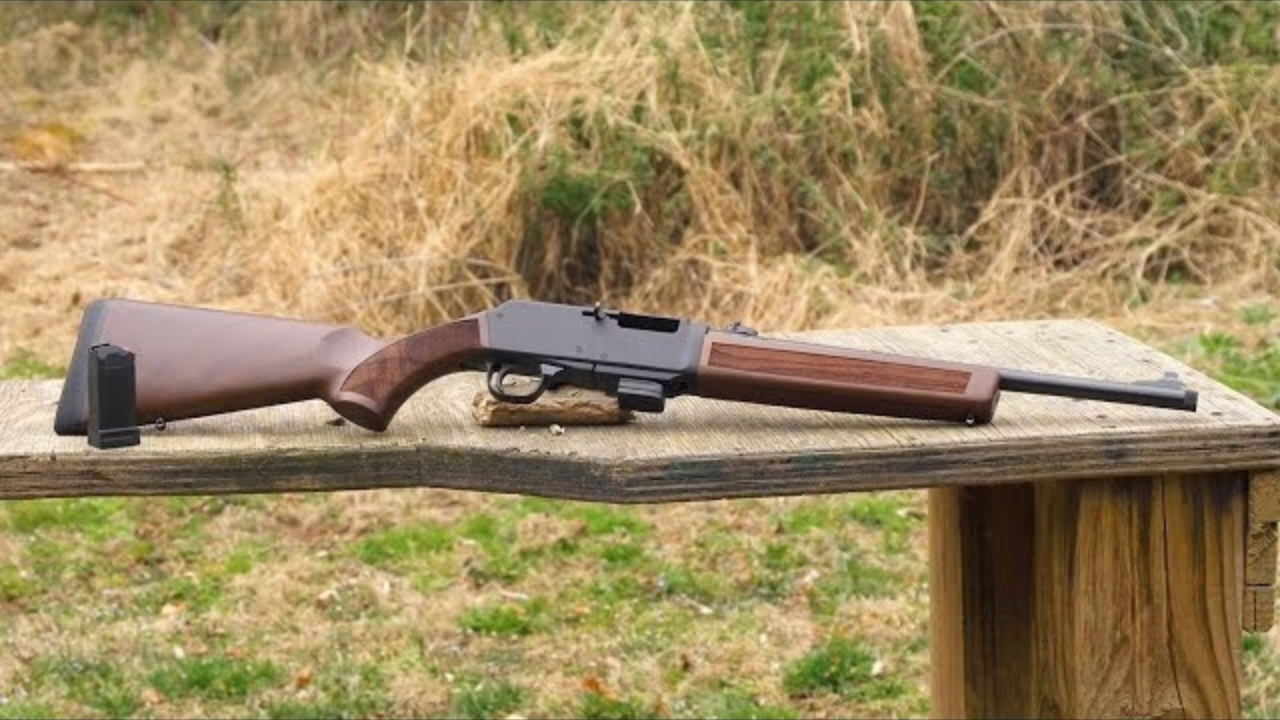
Henry Homesteader

The Henry Homesteader looked like a smart, American-made pistol-caliber carbine with classic lines. It had wood furniture, 9mm practicality, and magazine compatibility options that made shooters pay attention. It sounded like a useful camp, range, or home gun.
The issue is that PCC buyers often want either modern modularity or bargain utility, and the Homesteader does not fully own either lane. It is charming, but it can feel expensive for a simple blowback 9mm carbine. Once the newness wears off, some shooters wonder whether the old-school look carried more of the hype than the actual performance.
Colt King Cobra Target
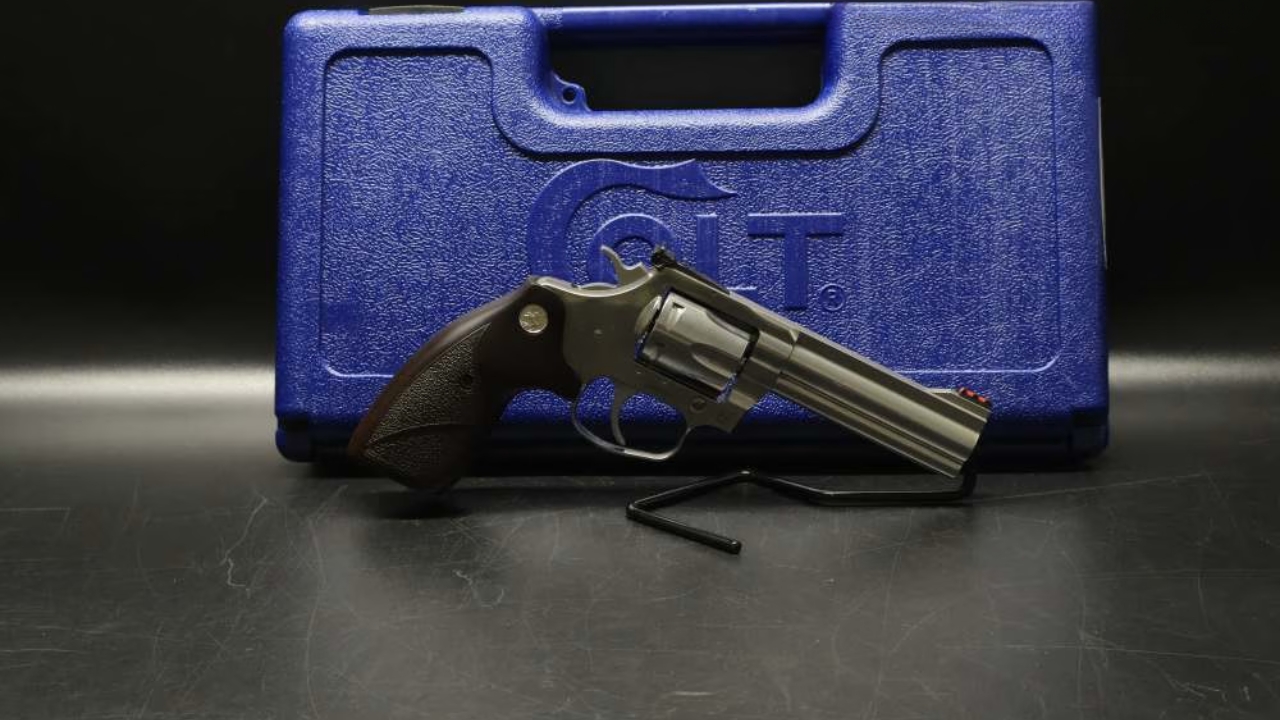
The King Cobra Target benefits from the Colt revolver name, and that alone creates expectations. Shooters see the ventilated rib, stainless finish, and classic Colt rollmark and expect something that feels clearly above ordinary wheelguns.
The revolver can shoot well, but the price puts it up against serious competition. Ruger and Smith & Wesson both offer strong .357 options that are easier to find, easier to service, and often cheaper. When the Colt does not feel dramatically better on the firing line, the hype starts looking like brand nostalgia wearing a target sight.
FN 545 Tactical
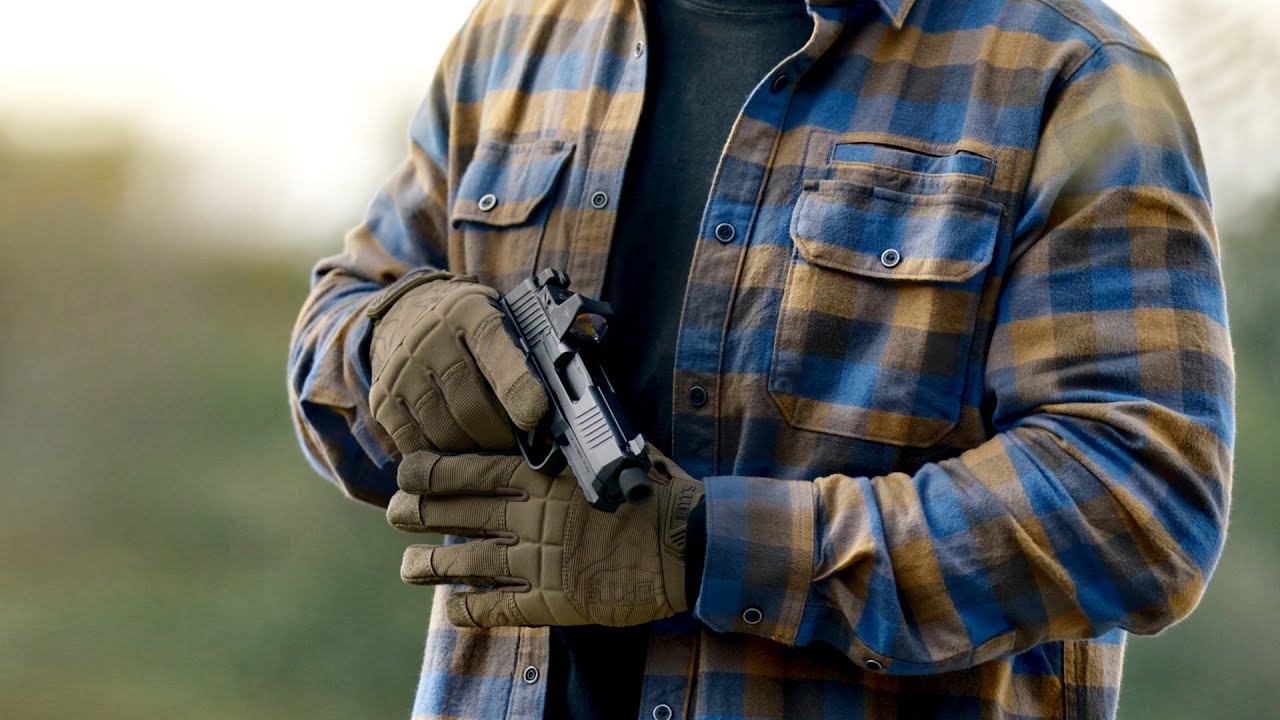
The FN 545 Tactical sounds like a powerhouse. Big capacity for .45 ACP, threaded barrel, optics-ready slide, tall sights, and FN’s duty-gun reputation make it feel like a serious modern fighting pistol. On paper, it checks nearly every box.
In practice, it is a lot of gun for a cartridge many shooters already moved away from. It is large, expensive, and not cheap to feed. If you are not committed to .45 ACP, a 9mm duty pistol gives you more affordable practice and less bulk. The FN is capable, but the hype depends on wanting the biggest version of everything.
Savage Impulse

The Savage Impulse got attention because straight-pull rifles are still unusual in the American hunting market. The idea of faster cycling, modern styling, and Savage accuracy sounded like a fresh answer for hunters tired of normal bolt guns.
The problem is that the advantage is not always obvious in the field. Most hunters do not need lightning-fast follow-up shots from a hunting rifle, and the Impulse can feel bulky compared with traditional bolt guns. If the speed does not matter to your hunting, the extra weight, cost, and unusual system start feeling like hype around a problem you did not have.
Walther PDP F-Series
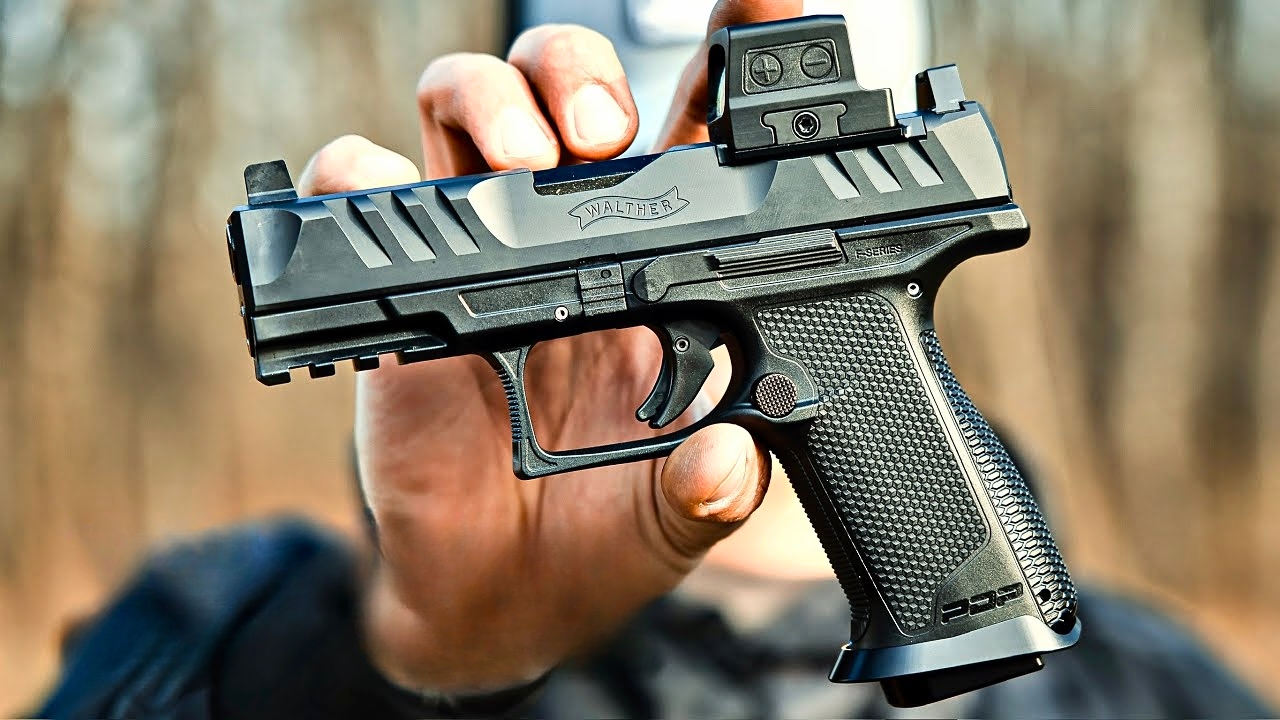
The PDP F-Series came in with a strong pitch: easier slide manipulation, a shorter trigger reach, and ergonomics aimed at shooters who struggle with larger pistols. That is a real need, and Walther deserves credit for addressing it directly.
Still, the hype can get ahead of the fit. Not every shooter who wants an easier pistol will prefer the PDP’s recoil feel, grip shape, or slide height. Like the standard PDP, it can feel snappier than expected for some hands. It may be a great fit for the right shooter, but it is not a universal shortcut to better shooting.
Taurus Judge
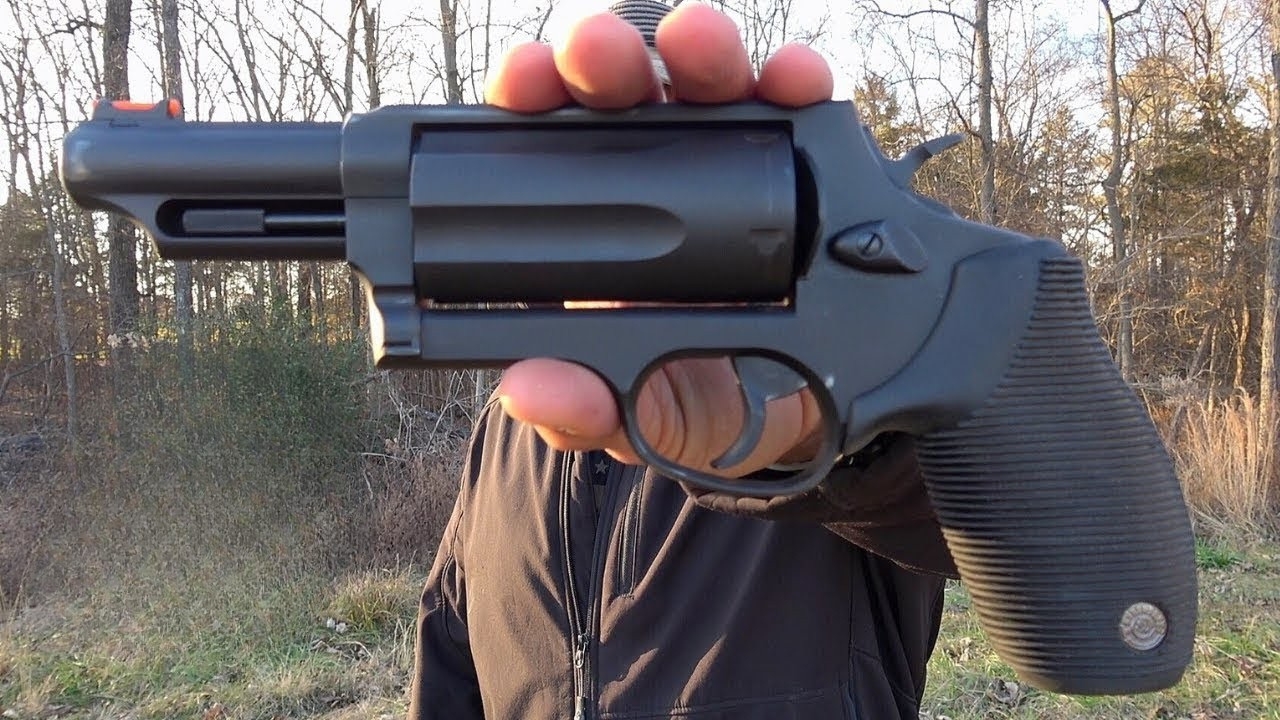
The Taurus Judge has lived on hype for years because the concept sounds powerful. A revolver that fires .410 shotshells and .45 Colt makes people imagine a do-everything defensive, trail, and truck gun. The marketing practically writes itself.
The range tells a more complicated story. The gun is bulky, .410 performance from a short barrel is limited, and .45 Colt recoil can be stout in some loads. It can be fun, and it has uses, but it is not the fight-stopping magic wand people sometimes describe. Much of the hype comes from the idea, not the results.
CZ Scorpion 3 Plus
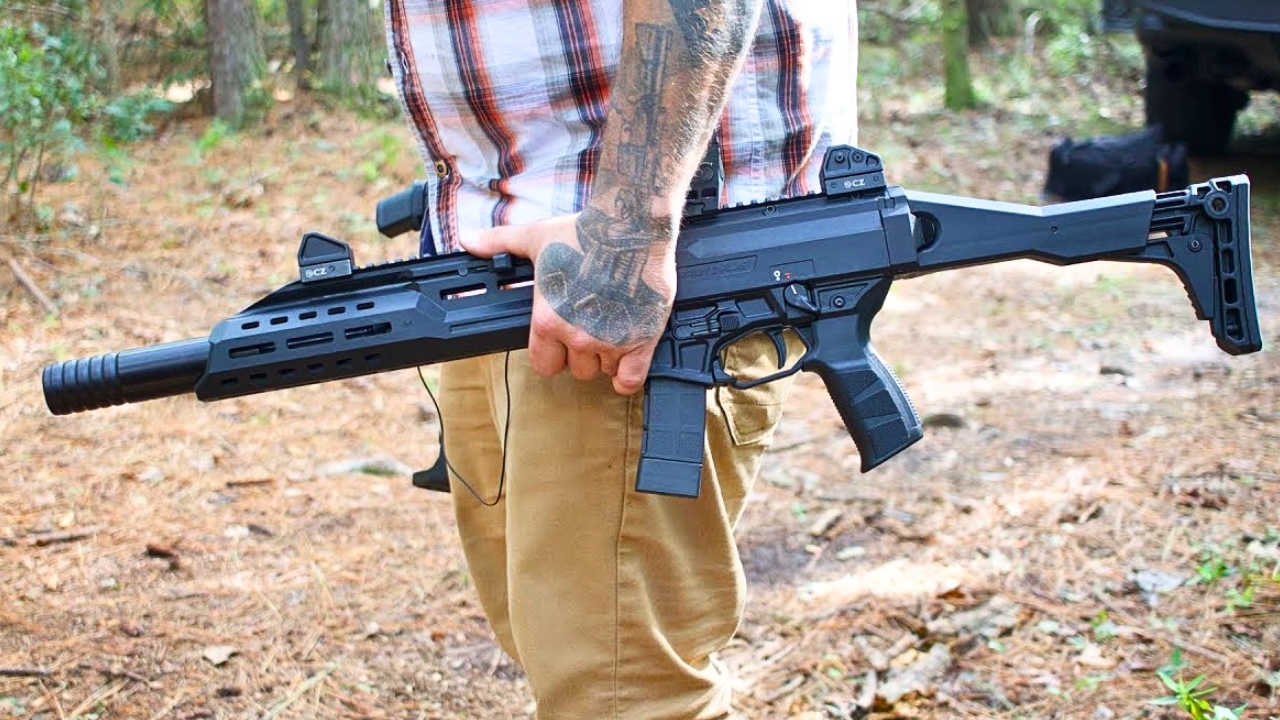
The CZ Scorpion built a huge following because it was affordable, reliable, and easy to customize. The 3 Plus tried to update the platform with improved controls and a more modern setup. Shooters expected it to feel like the better Scorpion everyone wanted.
The problem is that the PCC world changed fast. By the time updated Scorpions hit the market, buyers had more refined options, softer-shooting options, and better triggers elsewhere. The Scorpion is still fun, but its blowback recoil, trigger feel, and polymer-heavy build do not always feel as special as the fan base makes it sound.
Winchester Wildcat
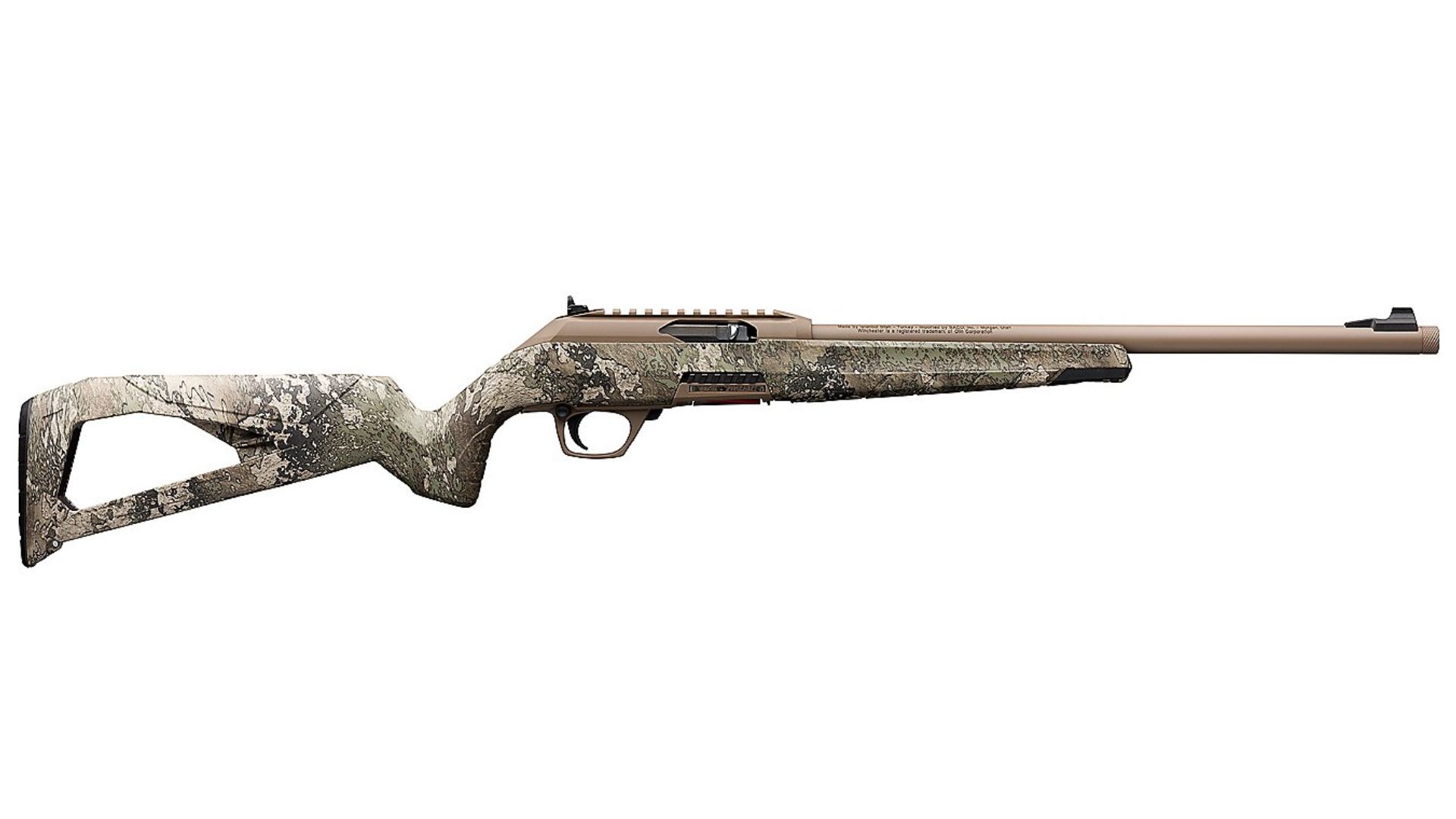
The Winchester Wildcat got attention because it tried to modernize the basic .22 rifle. It was light, affordable, easy to clean, and compatible with common 10/22-style magazines. That sounds like a smart way to challenge the rimfire king.
But hype fades when a rifle has to compete with decades of Ruger 10/22 support. The Wildcat can be handy, but it does not have the same aftermarket, reputation, or long-term confidence behind it. For a lot of shooters, it feels like a clever alternative that still has to explain why you should skip the proven choice.
Beretta APX A1
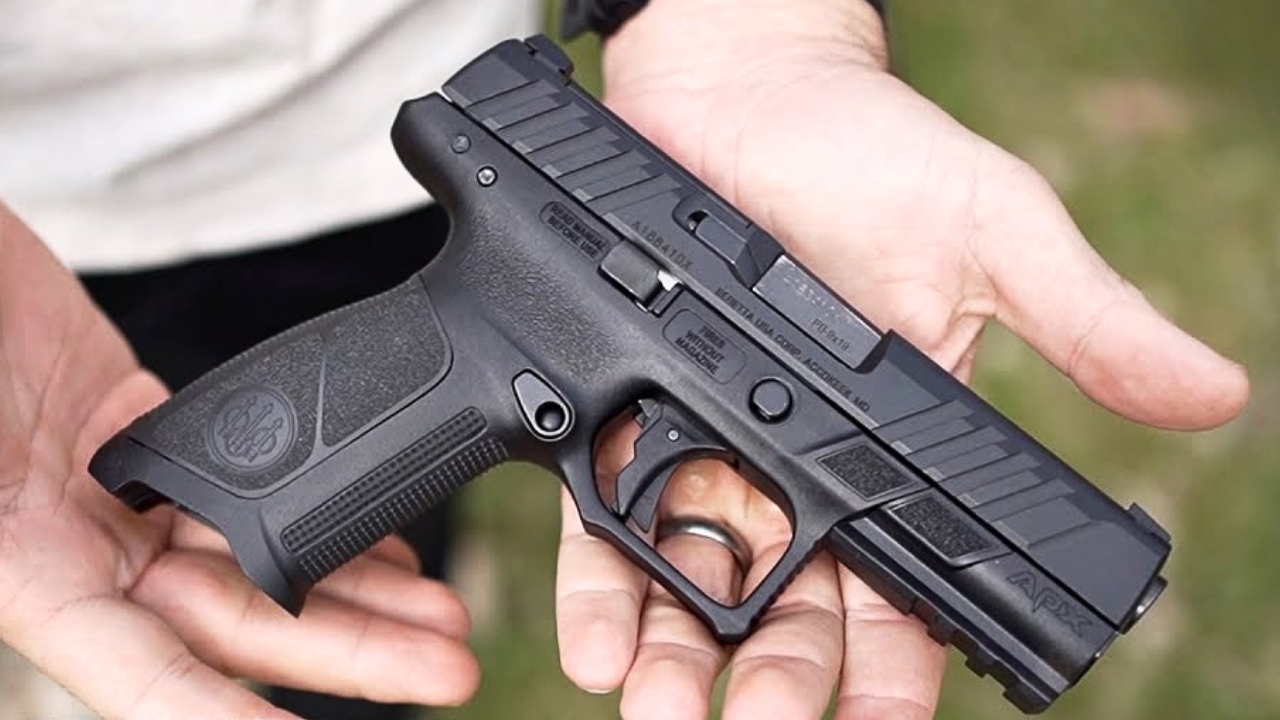
The Beretta APX A1 looks like Beretta corrected the original APX and gave shooters a more modern striker-fired pistol. Better styling, optics-ready options, and aggressive pricing made it seem like a serious comeback in a crowded market.
The problem is that “better than before” is not the same as best in class. The striker-fired 9mm world is brutal, and shooters already have Glocks, M&Ps, PDPs, P-10s, and Caniks fighting for space. The APX A1 is usable, but it does not always give buyers a strong reason to switch. The hype runs into a crowded wall fast.
Like The Avid Outdoorsman’s content? Be sure to follow us.
Here’s more from us: