Photo credit: TheFirearmGuy/YouTube
A handgun can look like a high-end watch and still run on the same reality as every other machine: friction, heat, springs, and small parts taking a beating. “Premium” often means tight fit, fancy finishes, light triggers, or compact dimensions—all things that feel great in the hand. The trade is that some of those features can shorten the service life of certain parts, especially if you shoot a lot, run hotter ammo, or skip routine spring changes.
None of this means the guns below are junk. It means you need to treat them like performance equipment. If you’re the type who shoots hard and trains often, you’ll learn quickly which pistols burn through recoil springs, extractors, slide stops, magazines, and tiny pins faster than your buddy’s plain duty gun. These are handguns that can look premium up front, yet surprise you with how soon they ask for maintenance.
Kimber Ultra Carry II

The Ultra Carry II looks sharp, carries easy, and scratches that “small 1911” itch in a way a polymer gun never will. The problem is that shortening a 1911 changes timing and spring demands. That short slide runs fast, and recoil springs become a wear item you don’t ignore if you want it to stay happy.
When parts start wearing, it often shows up as feeding quirks, inconsistent lockup, or the gun feeling “off” sooner than you’d expect from the price tag and finish. Small 1911s can run well, but they tend to be less forgiving when springs get tired or magazines get slightly out of spec. If you want one, plan on regular recoil spring swaps and keep your mags in good shape.
Kimber Micro 9

The Micro 9 looks upscale, feels slick in the hand, and sells the promise of 1911-style controls in a tiny package. Tiny 9mms, though, are hard on parts. The slide velocity is quick, the gun is light, and everything inside is working harder than it would in a larger pistol.
That often means springs and small components become maintenance items sooner than new owners expect. You may notice it through changing ejection patterns, sluggish return to battery, or the gun becoming pickier as round count climbs. That doesn’t make it unusable. It means you treat it like a high-strung carry tool and stay ahead on recoil springs and magazines. A small, fancy pistol can still be a small pistol.
SIG Sauer P938

The P938 looks like a refined little carry pistol and it carries that way too. It’s compact, metal-framed, and has a premium feel that makes people trust it immediately. The reality is that a micro 9mm runs with a fast cycle, and fast cycle means springs and small parts get worked hard.
Over time, that can show up in recoil spring fatigue, magazine wear, and occasional extractor-related drama if you’re pushing cheap ammo and long sessions. It’s not a fragile gun, but it’s a gun you keep maintained. If you buy it thinking it will behave like a full-size steel pistol forever without attention, you’ll be surprised. Stay on top of recoil spring changes and keep fresh mags, and it usually stays solid.
SIG Sauer P238

The P238 is one of the nicer-feeling .380s ever made. It looks polished, it points naturally, and it’s easy to carry. It also runs on a small slide and small springs, and small springs are consumables when you shoot a lot.
Most issues that pop up over time trace back to wear items: recoil springs weakening, magazines getting tired, and small parts needing inspection sooner than you’d expect from something that looks so “finished.” The P238 can be extremely dependable, but it rewards owners who treat it like a tiny machine that needs periodic refresh. If your plan is frequent practice, you’ll want spare recoil springs and at least a couple extra magazines you rotate instead of abusing one until it fails.
Walther PPK

The PPK looks like classic premium steel, and it carries flat and elegant. The catch is that many PPK variants are straight blowback, and blowback designs send more recoil energy into the gun’s frame and slide for the caliber. That doesn’t automatically break parts, but it can accelerate wear compared to locked-breech micro pistols.
You often see the effects in springs and small components over time, especially if the pistol is shot frequently. Recoil springs and magazine springs matter more than people think on blowback guns, and a tired spring can make the pistol feel harsher and less consistent. If you want a PPK to remain a reliable shooter, you keep up with spring maintenance and don’t ignore the “feel” changing as the round count grows.
Colt Mustang

The Mustang has that classic Colt appeal and a clean, premium carry profile. It’s small, metal, and feels like a “real” gun instead of a plastic tool. Like other tiny locked-breech pistols, it runs with small springs and compact geometry, and that tends to shorten the interval between spring refreshes if you practice heavily.
Wear often shows up as the pistol getting more sensitive to magazine condition or ammo shape. That’s a common pattern with small guns: the smaller the margins, the more quickly wear items make themselves known. A Mustang can be a great carry piece, but it’s not a “shoot 500 a weekend and never touch it” platform. Keep spare recoil springs, keep magazines fresh, and you’ll avoid most surprises.
Springfield Armory EMP

The EMP looks and feels premium because it is a scaled 1911 concept with a lot of attention to fit. That same scaled-and-tight approach can mean the gun runs best when it’s kept within its maintenance window. Small 1911-style pistols often demand more from springs, magazines, and timing than full-size versions.
As parts wear, you may see the gun become less tolerant of certain ammo or less forgiving of marginal magazines. That doesn’t mean the design can’t run. It means you treat recoil springs as routine service and you keep an eye on small pins and extractor tension if you shoot it hard. The EMP rewards careful ownership, but it can surprise owners who expected “premium look” to equal “ignore maintenance forever.”
Les Baer 1911

A Les Baer 1911 often feels like it was built with a micrometer. Tight fit is part of the brand’s identity, and it can deliver excellent accuracy and a very refined feel. Tight fit also means parts are working with less slop, and less slop can translate into more sensitivity as wear items age.
That shows up in spring schedules and small parts inspection. Recoil springs, firing pin springs, and extractor tuning matter more when the pistol is set up as a performance piece. If you shoot high volume, you may find you’re swapping springs and keeping a closer eye on the gun than you would with a looser duty-style 1911. The payoff is a superb shooter. The cost is treating it like performance gear, not a forever-neglect tool.
Wilson Combat 1911

Wilson Combat pistols look premium because they are—fit, finish, and trigger work tend to be top-tier. The surprise for some owners is that high-end 1911s still use wear parts, and they can eat them faster when you run the gun hard with tight tolerances and strong springs.
Most of what “wears out early” in this world isn’t dramatic failure. It’s springs getting tired, extractors needing attention, and magazines becoming the weak link if you don’t maintain them. If you shoot classes and burn ammo, you’ll eventually learn the maintenance rhythm. The pistol will keep performing, but it expects you to keep up your side of the bargain. A premium 1911 is rarely a set-and-forget pistol.
Nighthawk Custom 1911

Nighthawk 1911s have that hand-built look that makes you want to baby them, but they’re also often bought to be shot. When you shoot them a lot, the same pattern shows up as other tight 1911s: springs, magazines, and extractor tension become the “keep it perfect” list.
Owners sometimes get surprised by how quickly they’re thinking about recoil spring intervals and small parts inspection compared to a basic duty pistol. That’s not a knock. It’s the nature of high-performance fit. The gun is tuned to feel great and shoot great, and high performance usually means you stay proactive. If you want a Nighthawk as a high-round-count trainer, you plan for maintenance like you would with a competition car.
Staccato XC

The Staccato XC looks like a premium race-ready pistol, and it feels that way from the first magazine. It’s flat, fast, and designed to run hard. The “surprise wear” piece often comes from how quickly high-volume shooting can chew through consumables on a fast, compensated 9mm platform.
Recoil springs, magazine springs, and small ignition parts can end up on your radar earlier than they would on a plain service pistol, especially if you’re pushing high round counts and shooting hot practice loads. The gun can stay very reliable, but it’s not a casual ownership experience if you shoot it a lot. You treat it like a high-output machine: keep springs fresh, keep mags healthy, and it will keep doing what you bought it to do.
Beretta 92X Performance

The 92X Performance looks like a premium steel pistol because it is, and it shoots like a heavy, smooth range machine. The surprise for some owners is that Beretta’s locking block system is a known wear component across the 92 family. It can last a long time, but it’s still a part you monitor if you shoot often.
High round counts put stress on the locking block, recoil spring, and related components. If you ignore maintenance, you can turn a great shooter into a downtime gun. The fix is straightforward: keep a maintenance schedule and treat the locking block and springs as items that eventually get replaced. The 92X Performance can run for ages when cared for. The “surprise” is mostly that a premium-looking pistol still has a few parts that are meant to be watched.
Desert Eagle Mark XIX

The Desert Eagle looks like peak premium, and it has the price tag to match. It also runs on a gas-operated system with its own set of demands. The pistol can be reliable, but it tends to be more sensitive to ammo choice and cleanliness than most handguns, and it can wear springs and small parts sooner if you run it like a normal range pistol.
Owners often get surprised by how quickly maintenance matters: keeping the gas system clean, watching springs, and understanding that “one size fits all” ammo behavior isn’t the reality here. It’s a specialized machine, not a casual blaster. If you treat it like a high-end performance item and feed it appropriately, it holds up well. If you treat it like a duty 9mm, it will teach you expensive lessons.
HK P7

The HK P7 looks premium because it was built premium, and it has a cult following for good reasons. The surprise is that it’s an older, specialized design with limited parts support compared to modern duty pistols. When wear items show up—springs, small pins, unique components—you don’t always fix it with a quick trip to any gun shop.
Even when the gun is in great shape, heavy shooting can bring heat and accelerated wear in ways that make owners back off. It’s a pistol you can shoot, but many people treat it like something to preserve because replacing certain parts is not as easy as it is with current-production guns. The P7 isn’t fragile. It’s simply less supported and more specialized, which makes normal wear feel more stressful.
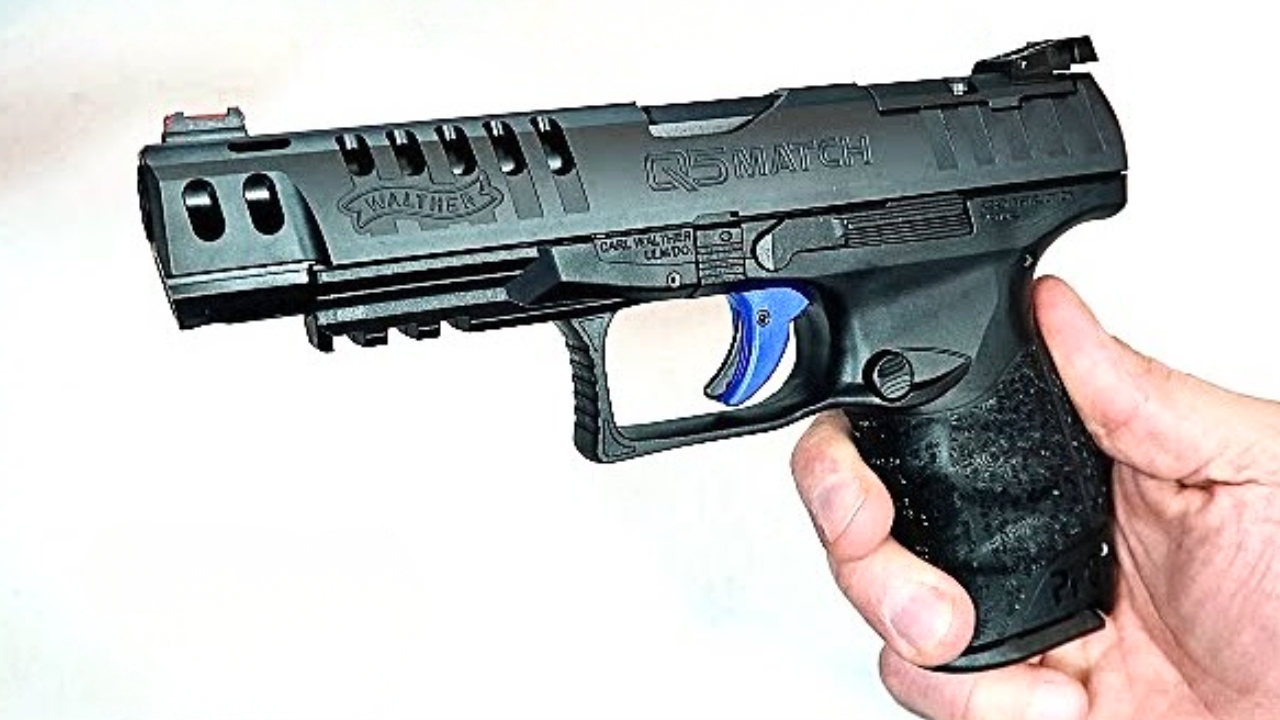
Walther Q5 Match

The Q5 Match looks like a premium competition pistol, and it can shoot like one. That match orientation also means it often gets fed a steady diet of high round counts, which is the fastest way to reveal wear. Springs, magazines, and small striker-fired parts can hit their service interval sooner than casual owners expect.
The pistol itself can remain very dependable, but the maintenance rhythm is real. If you’re running drills and matches, you’ll eventually treat recoil springs and magazine springs like routine items, and you’ll pay attention to striker channel cleanliness and extractor behavior. None of that is scandalous. It’s simply what happens when a “premium” pistol gets used like it was designed to be used. The surprise is only for owners who expected match performance without match-level upkeep.
Like The Avid Outdoorsman’s content? Subscribe to our newsletter so you never miss an article.
Here’s more from us: