Photo credit: Petronelka/Shutterstock.com
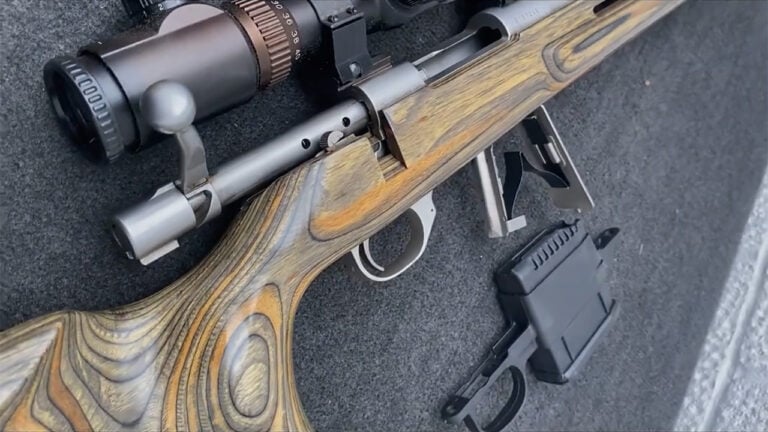
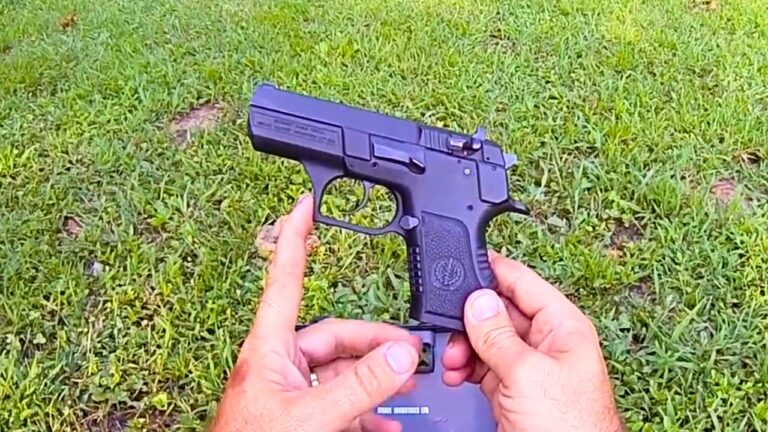
Familiar calibers don’t stay popular by accident. They get handed down, stocked everywhere, and talked about like they’re the default answer. When you walk into a small-town gun shop, these are the boxes you see in the most rows, and that availability becomes its own kind of performance. The problem is that familiarity can quietly replace honest evaluation.
A caliber can be “good enough” for a long time and still not be the best choice for how you actually hunt or shoot today. Better bullets, better optics, and better suppressor use have changed what matters. So has the reality that most folks don’t shoot as much as they think they do. These are popular rounds that often get picked because they’re known, not because they’re the cleanest solution.
.30-06 Springfield
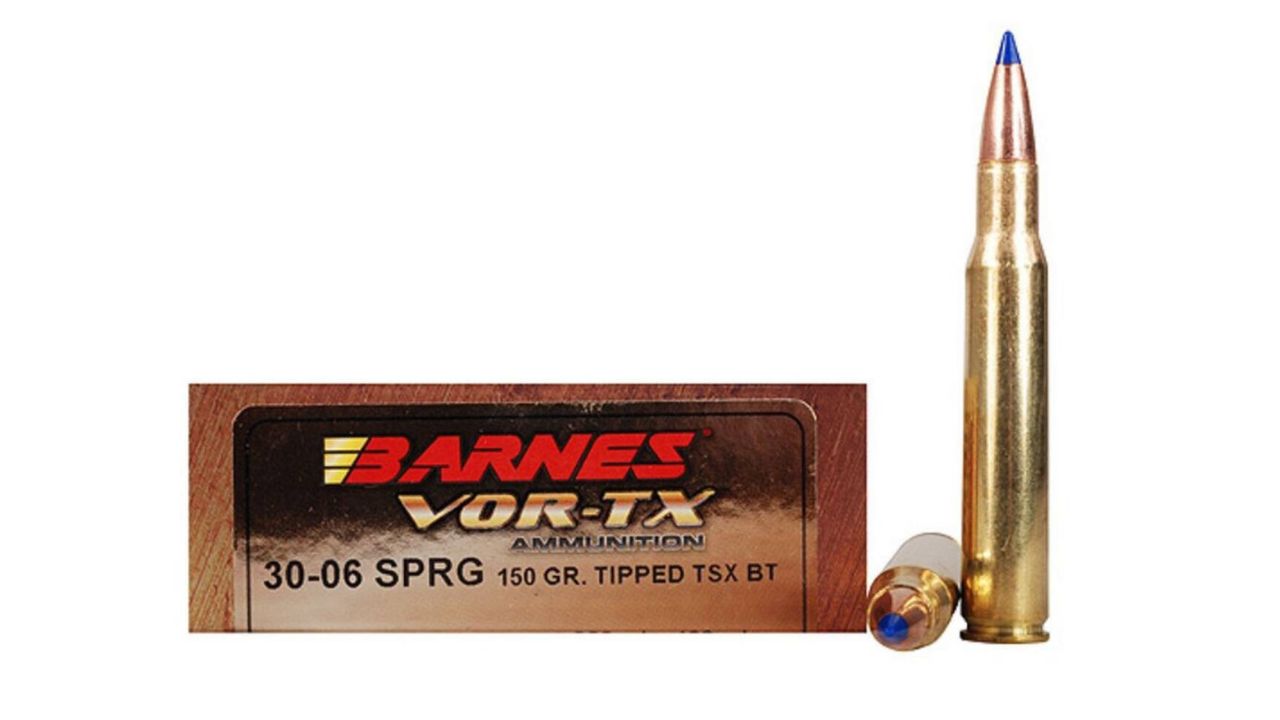
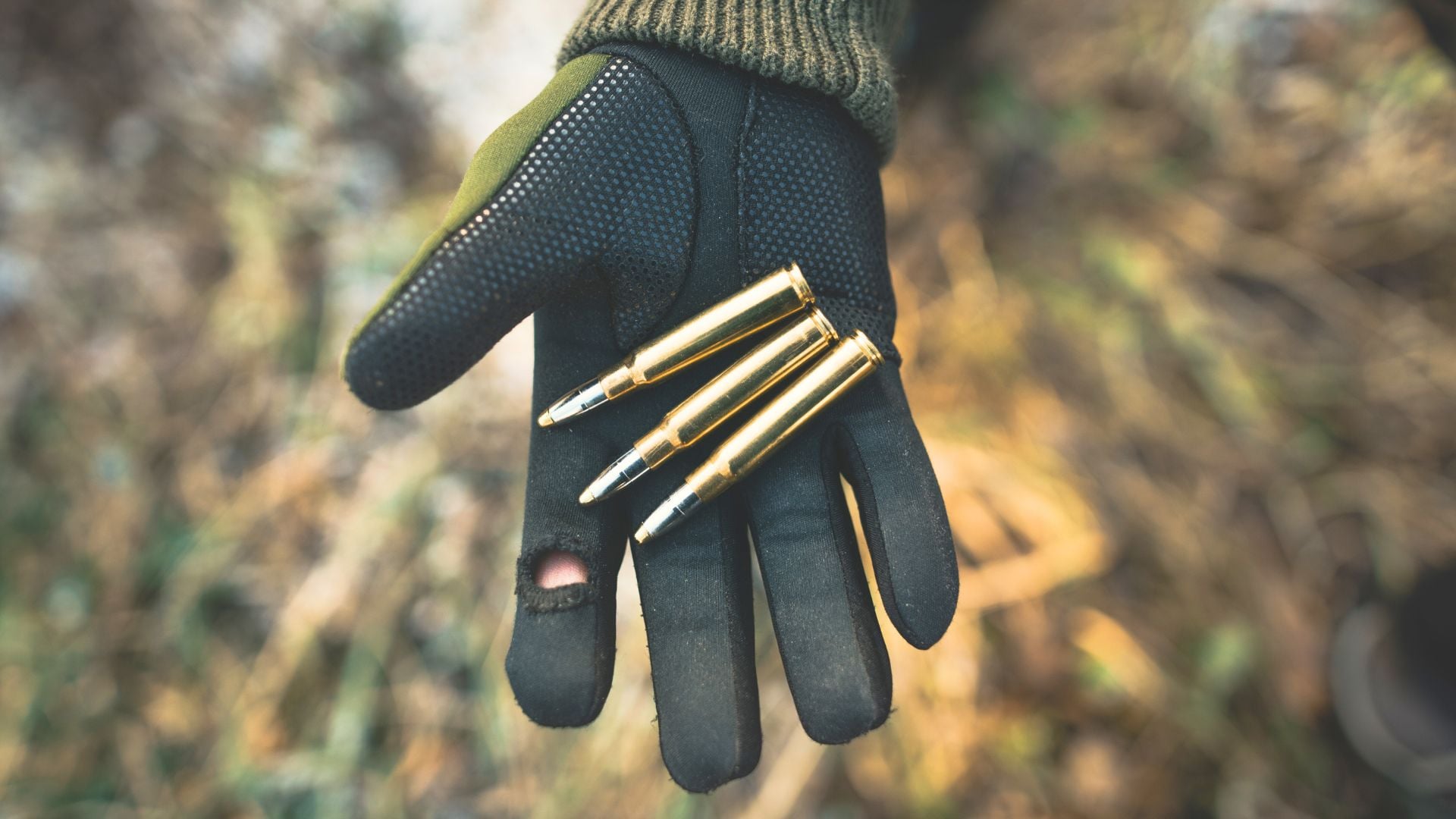
The .30-06 is the classic American answer, and it’s still effective on everything from deer to elk with the right bullet. It became familiar because it worked, and because generations learned on it. You can buy it anywhere, find data for it anywhere, and get a rifle chambered in it from almost every major manufacturer.
But familiarity also makes people overlook its downsides. Recoil is real in lighter rifles, and many hunters don’t need the extra case capacity for the distances they actually shoot. With modern bullets, a .308 Winchester or a 6.5 Creedmoor can cover a lot of the same real-world ground with less punishment and often better shootability. The .30-06 isn’t “bad.” It’s simply not always the smartest default anymore.
.270 Winchester
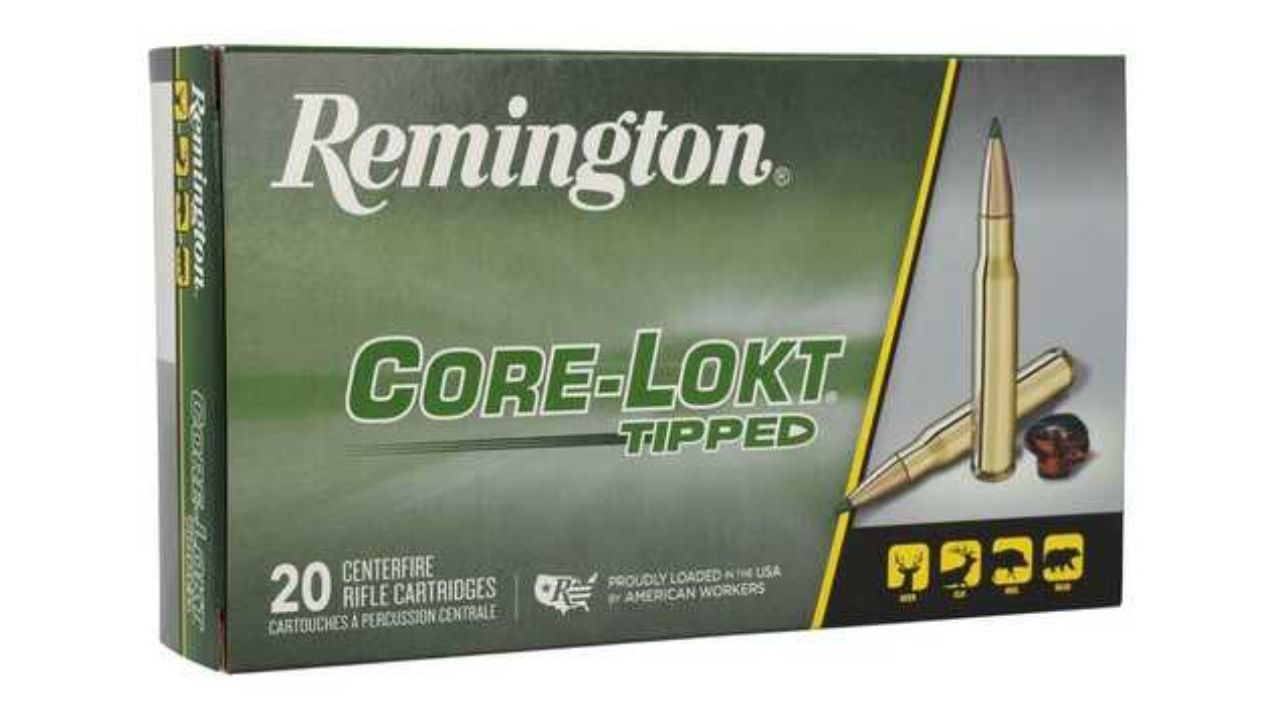
The .270 Winchester became popular because it shoots flat, kills deer cleanly, and feels like a proper hunting round without being a magnum. It’s a camp staple in a lot of places, and once a round gets that kind of cultural momentum, it stays on the shelf forever. Plenty of hunters carry a .270 because their dad did, and their dad’s rifle filled freezers.
The trade is that the .270 lives in a narrower bullet-weight lane than some modern choices. You can absolutely hunt elk with it, but you’re usually doing it with careful bullet selection and realistic distances. A 6.5 Creedmoor and .308 have broader modern bullet offerings and often better suppressor friendliness. The .270 still works, but a lot of people buy it because it feels like the “right” answer, not because they compared it honestly.
.243 Winchester

The .243 Winchester is familiar because it’s been the starter deer rifle for decades. Low recoil, good accuracy, and enough speed to flatten a trajectory inside normal deer distances makes it easy to like. It also became a default “youth” caliber, which keeps it in constant rotation as rifles get handed down and new shooters get started.
Where familiarity gets you in trouble is when people pretend it’s more flexible than it really is. It can kill deer cleanly, but it asks for careful shot placement and bullet choice, especially on bigger-bodied animals or at steep angles. Many hunters would be better served by stepping up slightly to something like a 6.5 Creedmoor, which keeps recoil reasonable but adds bullet weight and penetration options. The .243 isn’t weak—it’s simply less forgiving than its reputation suggests.
.308 Winchester
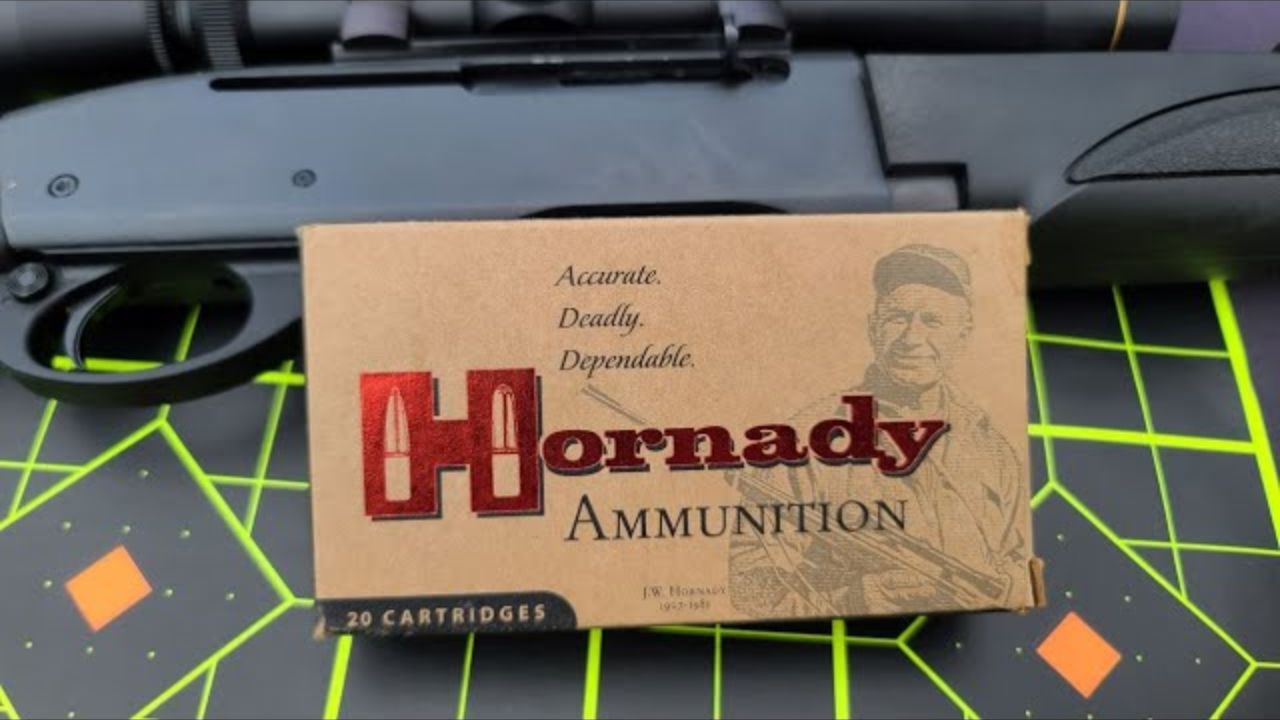
The .308 Winchester is popular because it’s everywhere and it does a lot of jobs well. Military and law enforcement history built its reputation, and the rifle options are endless. It’s accurate, it’s efficient, and it tends to shoot well in shorter barrels, which makes it a practical hunting and general-purpose cartridge.
But the .308 also gets chosen by habit. For many hunters, a modern 6.5 Creedmoor will shoot flatter and drift less in wind with similar real-world effectiveness on deer, while feeling easier to shoot well. The .308’s advantage is versatility and availability, not magic. It can also be a little more punishing than people admit in light rifles, especially when they load heavier bullets. The .308 is still a strong choice. It just doesn’t need to be the automatic choice.
.30-30 Winchester

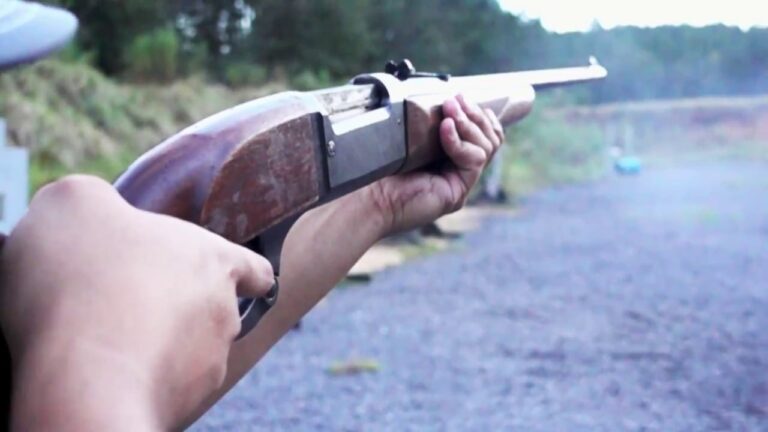
The .30-30 Winchester is familiar because lever guns are familiar. It’s the deer-camp cartridge that taught generations what a “woods rifle” should be. Inside its lane, it works extremely well. With good bullets and realistic distances, it drops deer cleanly and doesn’t demand a long barrel or heavy rifle.
The issue is when familiarity becomes overconfidence. The .30-30 has real drop at distance, and it doesn’t forgive sloppy range estimation. Plenty of hunters use it past where it makes sense because the cartridge feels comforting, not because it’s the right tool. Modern lever-gun cartridges and modern optics help, but physics still applies. If your hunting is often across fields, you might be better served with a flatter cartridge and a bolt gun. The .30-30 is excellent. It’s just not universal.
.270 WSM

The .270 WSM got popular because it offered “magnum” energy in a short action and carried the familiar .270 name. A lot of hunters bought it because it felt like the next logical step up from the .270 Winchester without changing calibers in their head. On paper, it’s fast, flat, and effective.
In practice, many hunters never use what it offers. Recoil and blast jump up compared to the standard .270, and that can reduce practice time. Ammo availability also varies, depending on where you live, which matters when you’re trying to stay consistent. If your shots are normal deer ranges, the real-world payoff can be small. Familiarity sells the idea of “more,” but more isn’t always better if it makes you shoot worse. The .270 WSM can be great, but it often gets picked because it sounds like a familiar upgrade.
7mm Remington Magnum

The 7mm Rem Mag is familiar because it was the do-it-all magnum for a long time. It shoots flat, it hits hard enough for elk, and it became the standard answer for hunters who wanted one rifle to cover wide-open country. Most gun shops stock it. Most camps have at least one.
The downside is that it’s often more recoil than the average hunter needs. If you’re mostly shooting deer inside 300 yards, you can get the same results with less punishment and often better accuracy with cartridges like 6.5 Creedmoor or .308. The 7mm Rem Mag’s advantages show up when you’re pushing distance and managing wind, and when you can actually shoot it well. Familiarity makes it feel like the “serious” choice. The serious choice is the one you shoot best under field pressure.
.300 Winchester Magnum

The .300 Win Mag is familiar because it’s the magnum everyone knows. It’s been the “elk rifle” answer in a lot of camps, and it has enough horsepower to make people feel covered for anything. It also became popular in long-range circles, which keeps it in the conversation even when you’re not shooting long range.
The problem is how often it gets chosen as a default when a .30-06 or .308 would do the job with less recoil. The .300 Win Mag gives you real downrange energy, but you only benefit if you place the shot well and practice enough to stay confident. Many hunters don’t, because recoil and blast wear them out. Familiarity makes it feel like a safe bet. In reality, a calmer cartridge that you’ll shoot more might be the safer bet.
.45 ACP

The .45 ACP stays popular because it’s part of American gun culture. People know the name, they know the feel, and they know someone who swears it’s the only serious pistol caliber. It’s also a genuinely effective round with good defensive loads, and it’s very shootable in full-size pistols.
Where familiarity shows is when people treat it as automatically superior. Capacity, recoil management in compact pistols, and modern 9mm defensive performance have changed the conversation, but habit keeps the .45 at the top of many recommendation lists. In smaller carry guns, .45 can be snappy, slower for follow-up shots, and harder on shooters who don’t train much. The .45 isn’t outdated. It’s just not automatically the best choice for most modern carry situations, especially when 9mm gives you easier speed and more rounds.
9mm Luger

9mm is familiar because it’s everywhere and it works. It’s the default duty caliber, the default training caliber, and the default “first handgun” caliber. Ammo is usually easier to find, recoil is manageable, and modern defensive loads perform very well. It deserves its popularity.
But familiarity can still trick you. People sometimes buy tiny 9mms that are miserable to shoot and then wonder why they don’t practice. Or they choose cheap training ammo and never test their carry load. The caliber is forgiving, but the gun and the shooter still matter. A 9mm in a compact pistol can be snappy, and a lot of shooters would run a heavier gun better, even if it’s still 9mm. 9mm is a great default. You just don’t let “default” replace smart selection.
.40 S&W

The .40 S&W is familiar because it had a long era as the duty standard and a reputation for being “more” than 9mm. A whole generation of shooters learned on .40, agencies stocked it, and used police trade-ins kept it alive on the civilian market. Plenty of pistols were designed around it, and some run it very well.
The problem is that a lot of shooters don’t shoot it well. Recoil is sharper, follow-up shots slow down, and many people end up flinching without realizing it. Modern 9mm performance has also reduced the practical need for .40’s trade-offs for most defensive roles. The .40 isn’t useless—it’s still effective—but it’s often carried out of habit. If you’re not training regularly and you want fast, accurate shots, 9mm tends to give you more real-world performance.
.357 Magnum

The .357 Magnum is familiar because it’s the classic “serious revolver” round. It has a long record in law enforcement history and hunting, and it still hits hard. In a full-size revolver, it can be very controllable, and it’s capable with the right loads and barrel length.
But familiarity keeps it popular even when the shooter and gun combo doesn’t match the round. In small revolvers, .357 can be brutal, loud, and slow for follow-up shots, which makes many people carry .38 Special anyway. That’s not a knock—it’s just reality. The .357’s value shows up when you have enough gun to manage it and you actually need the performance. If you’re buying it because it “sounds tough,” you may end up with recoil and blast you don’t enjoy, and training you avoid.
.44 Magnum

The .44 Magnum is familiar because it’s legendary. People know it from hunting, from culture, and from the idea that it’s the top of the mountain for revolver power. It’s capable on game, and it does deliver serious energy with the right loads. In the right revolver, it can be a strong woods choice.
Familiarity becomes a trap when people buy it for everyday use or self-defense without realizing how hard it is to shoot well under stress. The recoil and blast can be rough, and a lot of shooters don’t practice enough toůnas to truly master it. Many end up carrying .44 Special-level loads, which can be smart, but it makes you wonder why you needed the Magnum label in the first place. The .44 Magnum gives you a lot—when you use it for what it’s built for.
12 Gauge

The 12 gauge is familiar because it’s the default shotgun answer for nearly everything. Home defense, deer, turkey, ducks, clays—you name it, people will recommend a 12. Ammo is everywhere, gun options are endless, and it can be extremely effective across roles with the right loads.
The downside is that a 12 gauge can beat you up, especially in lighter pumps and short defensive setups. Recoil fatigue can ruin training, and training is the whole point if you want to run a shotgun well. Many shooters would actually do better with a 20 gauge for hunting or defensive work because they’d practice more and shoot cleaner. The 12 gauge is powerful, but power isn’t the same as performance. Familiarity keeps it on top. Honest shooting keeps you safe and effective.
.22 LR

The .22 LR is familiar because it’s the round most shooters start with. It’s cheap, it’s quiet compared to centerfire, and it’s fun. It’s also incredibly useful for practice, small game, and building skills without recoil interfering. It belongs in every shooter’s lineup for those reasons alone.
Where familiarity becomes a problem is when people treat it as a serious defensive substitute or pretend it’s enough for jobs it wasn’t designed for. Rimfire reliability can be inconsistent compared to centerfire, and terminal performance is limited. It’s excellent for training and small game, and it can teach you more about trigger control than anything else. But it’s still a .22. The caliber’s popularity is deserved in its lane. The mistake is forgetting where that lane ends.
Like The Avid Outdoorsman’s content? Subscribe to our newsletter so you never miss an article.
Here’s more from us: