

Photo credit: Buckeye Ballistics/YouTube
Some handguns carry an aggressive, tactical look that turns heads in the gun shop. They’ve got serrations, flashy coatings, accessory rails, and marketing claims that make them sound like they were built for elite teams. But once you take them to an actual training class, the story changes fast. You start to notice the shortcuts in their design, the controls that don’t work under pressure, and the reliability problems that only show up when you’re shooting hard and fast.
Training exposes flaws that casual range sessions never reveal. The guns on this list may look ready for serious work, but their performance falls apart the moment you start pushing them.
Kimber Solo

The Kimber Solo has the sleek, tactical look people love, but in training it struggles with reliability. It’s extremely finicky with ammunition and often requires hotter defensive loads just to cycle properly. When you’re firing rapidly or dealing with imperfect grips, the cycling issues become even more noticeable.
Its short grip and aggressive slide design also make malfunction clearing harder than it should be. Under stress, you want a pistol that behaves consistently, and the Solo simply doesn’t. The gun’s appearance suggests readiness, but the performance rarely holds up beyond slow, controlled shooting.
Springfield XD-S 3.3
The XD-S looks streamlined and capable, but extended training sessions reveal its weaknesses. Its narrow grip can feel good in the hand at first, but the small surface area makes it hard to maintain control when you’re running multiple strings quickly. That leads to more muzzle rise and more grip adjustments between shots.
The trigger is another issue. While usable, it doesn’t break as cleanly as competing pistols, and that inconsistency shows up during speed drills. The gun isn’t unreliable, but it doesn’t stay settled or predictable when you’re pushing your pace. It excels at carry, not at high-volume training.
Taurus PT111 G2
The PT111 G2 sells well because of its price and tactical styling, but heavy training quickly reveals where corners were cut. The trigger develops grit over time, and the break becomes inconsistent with high round counts. That alone makes it tough to run accurately when speed matters.
The recoil impulse is snappy for its size, and the grip texture can feel abrasive during long sessions. As the gun heats up, the cycling becomes less consistent, especially with lower-powered ammo. It’s a decent budget carry option, but it doesn’t hold up under the demands of realistic training.
Walther CCP (Original Model)

The Walther CCP has a clean, modern look, but its gas-delayed system creates real headaches during training. The mechanism heats up fast, and once it does, the slide becomes difficult to manipulate. That’s a serious problem when you’re clearing stoppages or running malfunction drills.
It also has a mushy trigger that doesn’t inspire confidence when you’re firing quickly. While the CCP is comfortable for light range use, the system simply wasn’t built for high-volume courses. Many shooters who try to run it hard end up switching to something more dependable.
Century Canik Shark-FC
The Shark-FC’s CZ-inspired appearance and metal frame make it look like a serious training pistol, but reliability isn’t consistent across models. Some run fine, while others start choking when exposed to rapid fire or mixed ammunition. That unpredictability is a major issue for training.
Its slide serrations are shallow and slick, making manipulations harder once your hands get sweaty or dirty. The gun points well, but during extended sessions you’ll feel the difference between a polished design and one that’s simply styled to look tactical. Its looks don’t make up for its inconsistencies.
SCCY CPX-2
The SCCY CPX-2 has an aggressive frame design and bright, tactical aesthetics, but it can’t maintain reliability during long sessions. The lightweight frame amplifies recoil, causing more muzzle jump and grip disruption than you’d expect. That leads to slower follow-up shots and more fatigue over time.
The long, heavy trigger pull also becomes a problem during multi-hour courses. It’s hard to maintain consistency when the trigger feels more like a double-action revolver. While the CPX-2 works for casual shooting, it doesn’t stay stable or predictable in real training.
SIG SP2022

The SP2022 has the classic tactical SIG profile, but in training the limitations become clear. The polymer frame combined with the heavier slide creates a recoil rhythm that some shooters find uneven, especially during fast shooting. It doesn’t track as smoothly as metal-frame SIGs.
The DA/SA trigger system works, but it requires more practice to run efficiently under stress. In long classes, the transition between modes can slow you down, particularly if you’re not used to it. The gun performs fine but doesn’t behave like the heavily marketed “duty-ready” pistol its looks suggest.
Glock 42
The Glock 42 looks like a sleek, scaled-down tactical pistol, but its size works against it during training. The small frame doesn’t give you enough leverage to manage recoil once you start firing quickly. It flips more than you expect and requires constant grip adjustment.
It’s accurate and reliable with quality ammo, but the tiny controls slow down reloads and manipulations. In a class where you’re pushing speed and repetition, the Glock 42 simply isn’t built for that level of intensity. It’s a carry gun, not a training gun.
Remington RP9
The RP9 was marketed with a bold, tactical image, but training sessions highlight its shortcomings immediately. The ergonomics are bulky, making it tough for many shooters to get a secure, repeatable grip. That inconsistency shows up in recoil control and accuracy.
The trigger can also feel spongy and unpredictable when you’re firing quickly. Combine that with reliability issues reported by high-volume shooters, and the RP9 becomes a gun that looks capable but falls short the moment you start putting it through serious work.
Taurus G3 Tactical
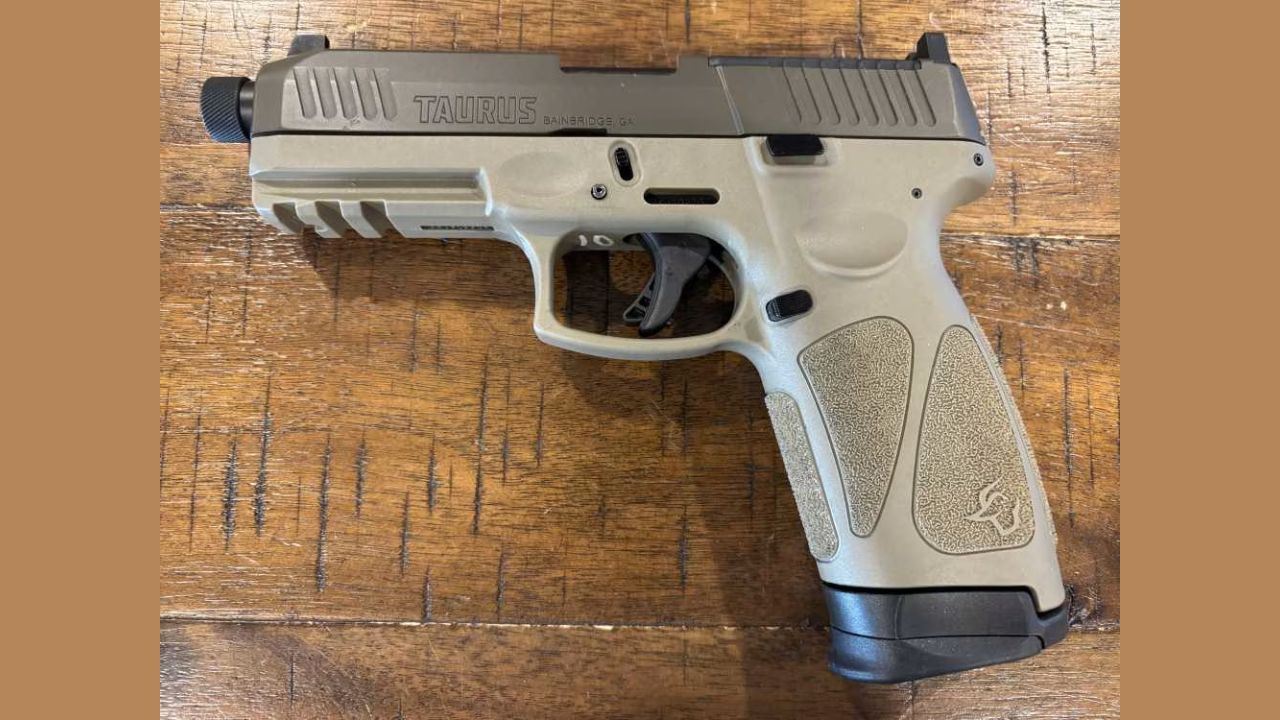
The G3 Tactical has all the visual cues of a duty-ready pistol, from the threaded barrel to the optic-cut slide. But under repeated fire in a training class, the trigger inconsistency becomes a real issue. The break feels different as the gun heats up, and the reset can feel vague.
Add in the occasional cycling hiccups with varied ammunition, and you get a gun that performs differently from magazine to magazine. It’s fun at the range and appealing for the price, but it doesn’t offer the consistency needed for hard training days.
KelTec P11
The KelTec P11 looks tactical enough with its compact design and rough-edged grip, but it’s one of the toughest pistols to run well in training. The trigger is extremely long and heavy, making rapid fire more like a chore than a drill.
Recoil is sharp for its size, and the grip doesn’t offer enough control for repeatable, fast strings. When you’re working with instructors who demand speed and consistency, the P11 becomes frustrating fast. It simply wasn’t designed for that environment.
IWI Masada (Early Production)
Early production Masada pistols had cycling inconsistencies that didn’t show up until shooters pushed them hard. The gun looks modern and tactical, but those reliability hiccups became obvious during longer courses. Some shooters experienced failures with certain hollow points or when the gun heated up.
The ergonomics are good, but the trigger lacked the crispness needed for fast-paced work. Later models improved, but the early versions struggled in training settings where consistency is everything.
Honor Guard HG9

The Honor Guard HG9 carried a strong tactical look, but real training exposed several weak points. Some early models had drop-safety concerns, and beyond that, shooters often complained about harsh recoil for such a small gun. That made maintaining control during fast strings tough.
The slide serrations also weren’t deep enough for confident manipulations, especially when things got sweaty. While the gun looks the part, it simply didn’t offer the durability or reliability needed for actual training environments.
FN FNS-9
The FNS-9 has the appearance of a serious duty pistol, but early reliability issues—including drop-fire concerns—hurt its reputation. Even after updates, some shooters still experienced occasional feed issues during high-volume sessions.
The trigger can also feel inconsistent under speed, especially as the gun heats up. It’s a capable firearm in controlled environments, but when instructors push you to pick up the pace, the FNS-9 doesn’t always behave the way a gun with its tactical styling should.
SAR B6P
The SAR B6P resembles a slimmed-down CZ and looks like a capable tactical handgun, but in training it doesn’t track as smoothly as true CZ-pattern pistols. The lightweight frame and slide combination lead to more muzzle rise and less stability during fast strings.
Some shooters also report inconsistent reliability with different ammunition types, especially cheap range ammo used in classes. The gun works fine for casual use, but once you start pushing speed and repetition, you’ll feel those shortcomings fast.
Like The Avid Outdoorsman’s content? Subscribe to our newsletter so you never miss an article.
Here’s more from us:


