Photo credit: Elliott Delp/YouTube
Cold fingers, wet gloves, a pack strap cutting into your shoulder, and the kind of mud that tries to steal your boot—those are the days a rifle shows you what it really is. Not on a sunny range bench. Not in a carpeted gun shop. In the real world, when your bolt feels like it’s full of sand, your magazine won’t lock in, or your scope turns into a fogged-up aquarium.
This isn’t a list of “bad rifles” across the board. A couple of these can be made to run, and some run fine if you baby them. But if you’re the kind of hunter who ends up in sleet, crawls into a blind, rides a rifle in an ATV scabbard, or gets one dunked crossing a beaver ditch, these are the ones I’ve seen get stubborn when conditions turn ugly. Ask me how I know.
1. Remington 770
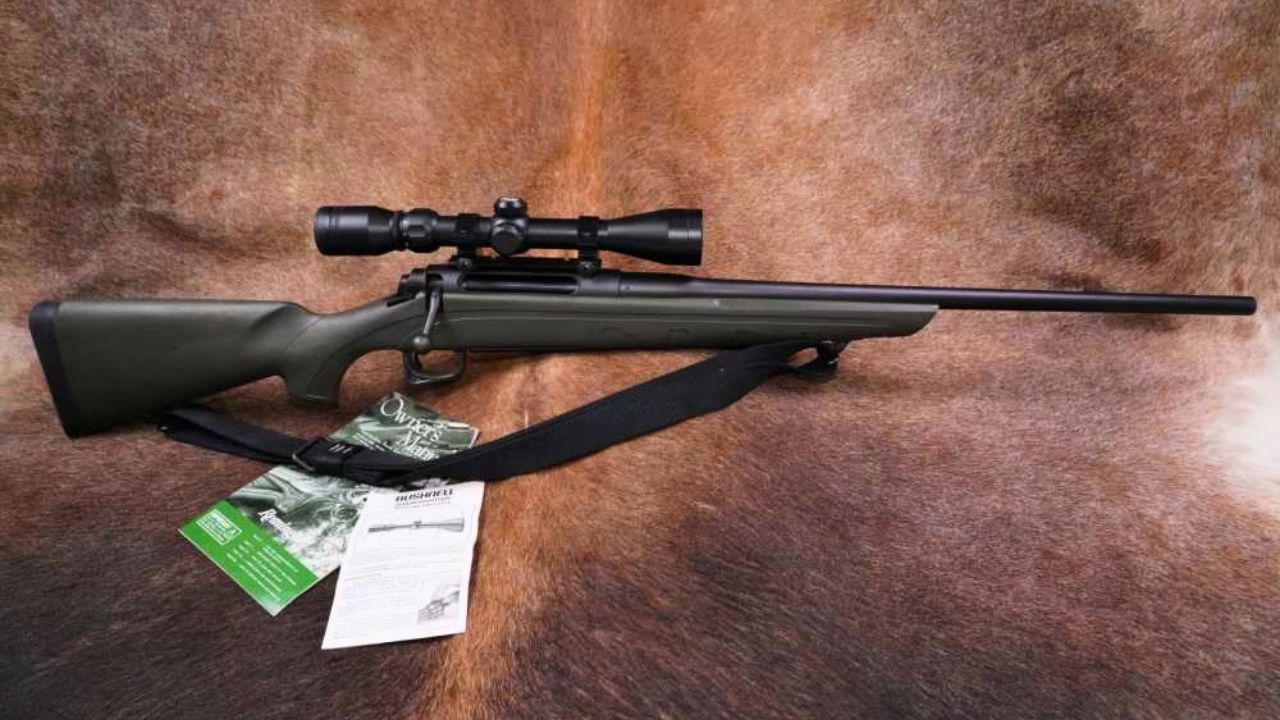
I’ve watched more than one of these start out “good enough” and end up as a headache once the weather got sloppy. The action can feel gritty even clean, and when you add blown-in dust or wet grit, it’s not exactly confidence-inspiring.
The detachable magazine is also a sore spot. When it’s cold and you’re trying to seat it with gloves on, that little bit of fiddly fit can cost you time you don’t have.
2. Remington 710
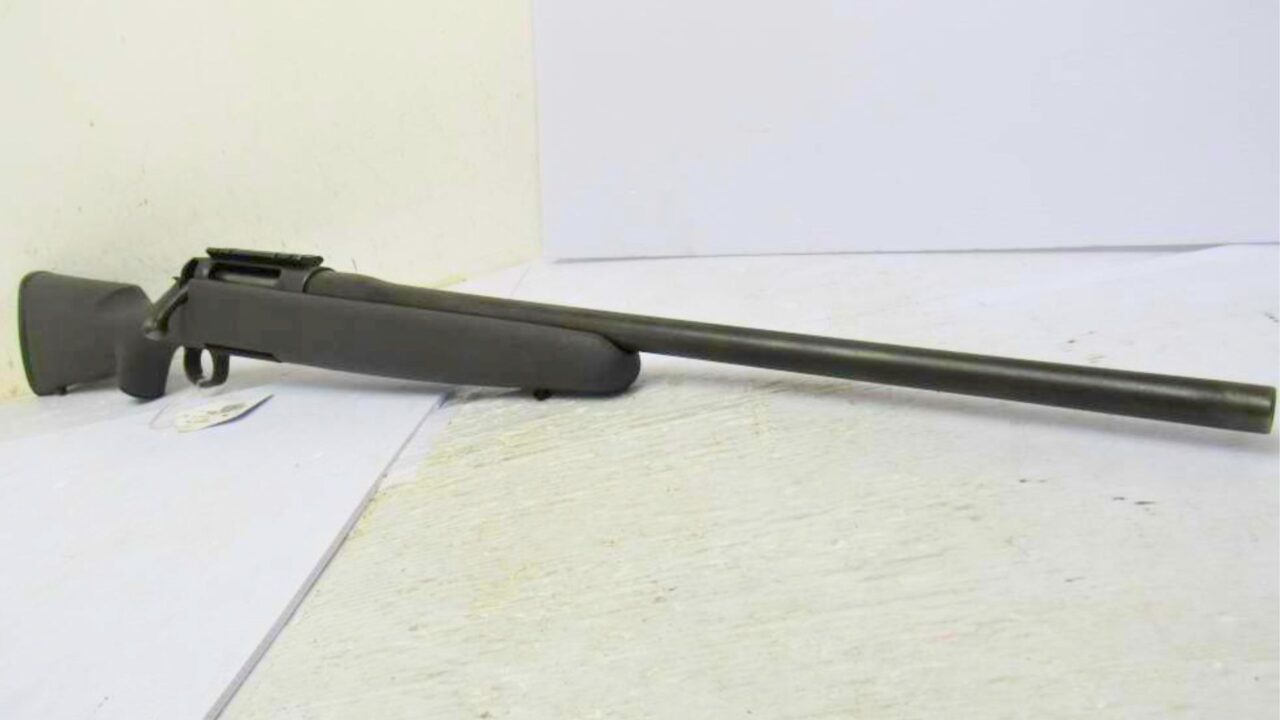
The 710 has been letting hunters down for a long time, and it tends to show it faster when things get wet. The bolt can bind, and the whole rifle feels like it was designed around a price point, not a hard season.
It’s not that every one of them fails. It’s that when something starts going sideways, you don’t have much margin.
3. Mossberg ATR 100
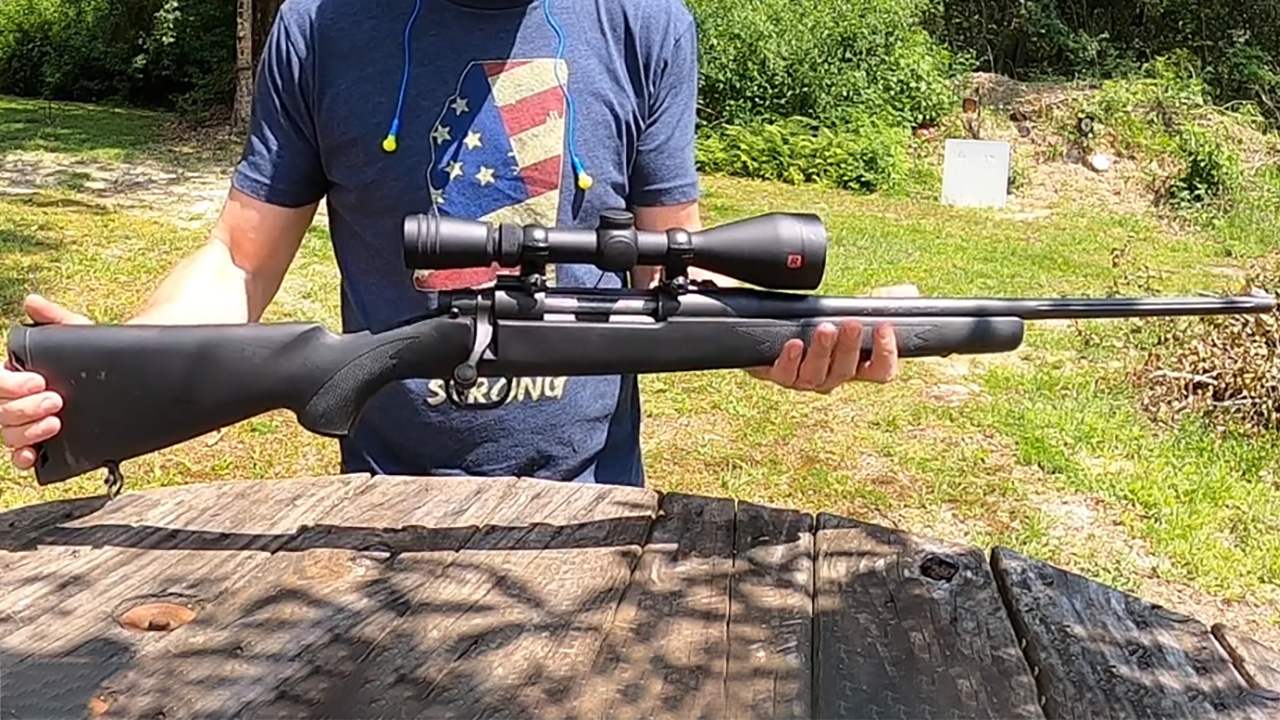
The ATR line got plenty of deer over the years, but foul weather is where you notice the shortcuts. The bolt lift can feel rough, and the trigger feel isn’t helping you when you’re shivering and trying to break a clean shot.
If you keep it clean and dry, it can do fine. But the whole appeal was “cheap and simple,” and those rifles often end up riding behind a truck seat with zero attention until opening morning.
4. Mossberg 4×4 (older models)
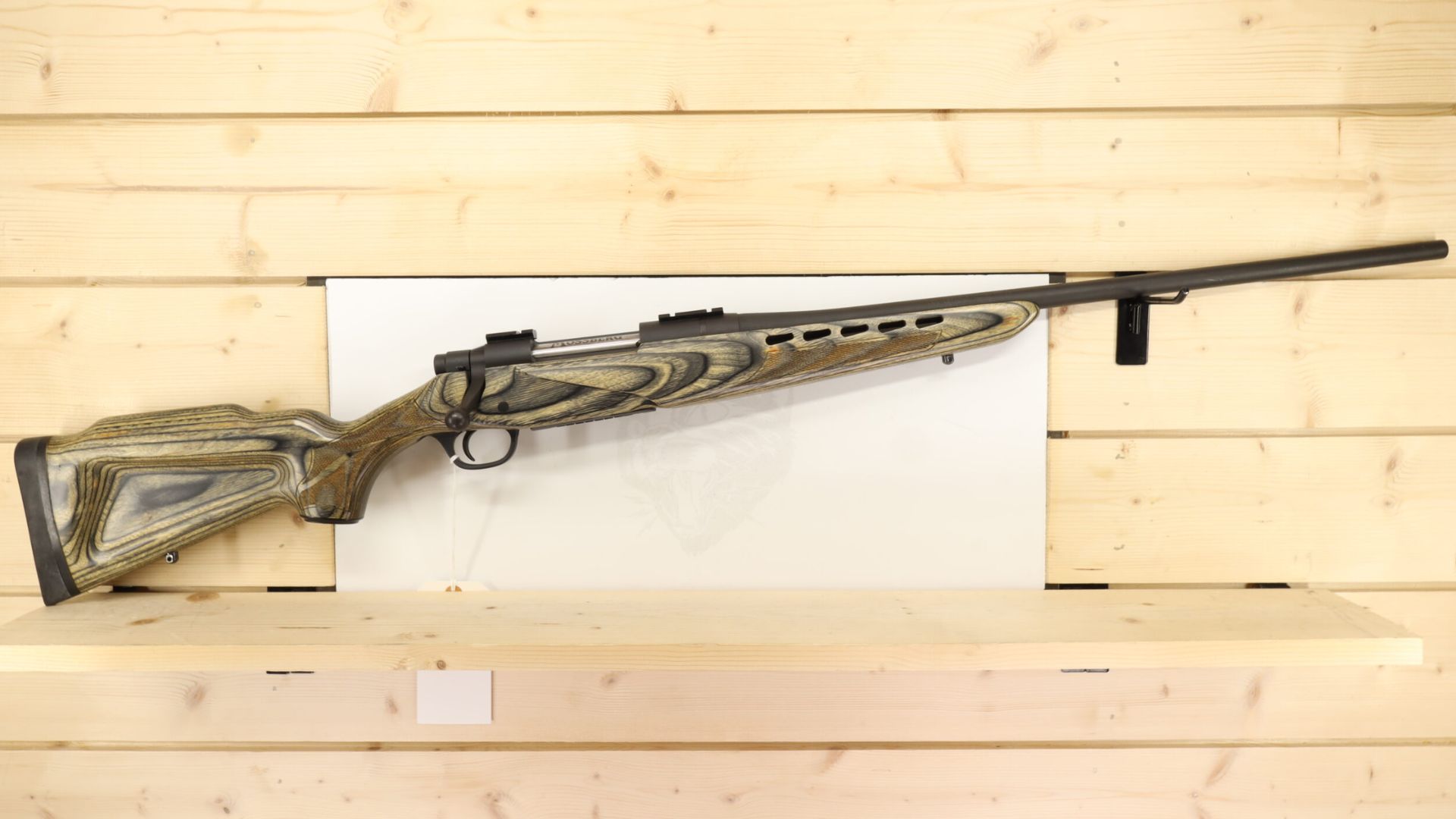
These can be accurate enough, but the feeding and magazine setup has a reputation for being a little touchy. Add mud around the mag well or a little ice in the wrong spot and you’ll learn fast why controlled, boring designs still rule hunting camps.
I’ve also seen more than a few with scope base screws that needed a serious once-over. Wet recoil cycles and loose screws don’t mix.
5. Savage Axis (early generation)

The Axis is one of those rifles that can shoot better than it feels, which is both impressive and annoying. The issue in nasty weather is the cheap stock flex and the general “loose” feel when you’re working the bolt fast.
Early magazines were another pain point. When it’s cold and you’re trying to run the rifle without looking at it, that little bit of awkwardness matters.
6. Ruger American Rifle (early rotary-mag and bedding quirks)
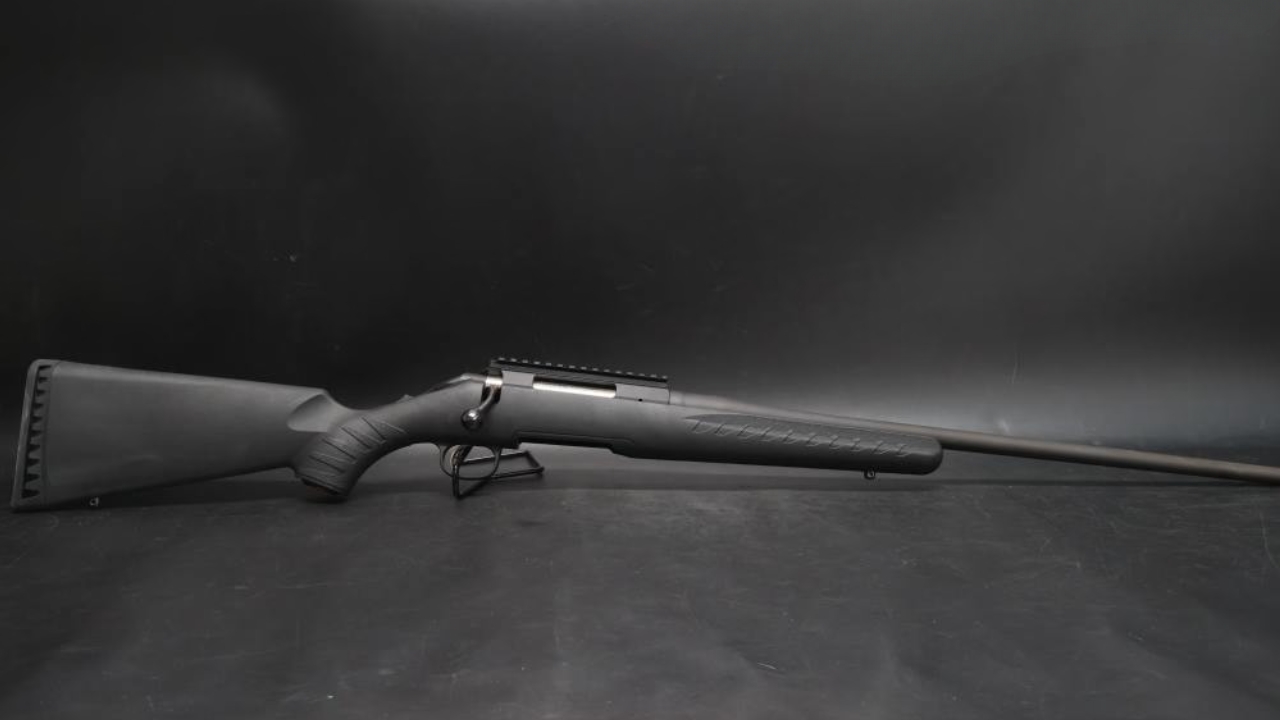
I like a lot of Ruger Americans, but the early ones had enough variation that you’d see a few that didn’t love getting soaked and then thrown into a case. Water finds its way into everything, and some of these would start showing rust freckles faster than they should.
The rotary magazine setup is usually fine, but mud and pine needles around the latch area can turn it into a “why won’t you click in” moment at the worst time.
7. Marlin XL7 / XS7
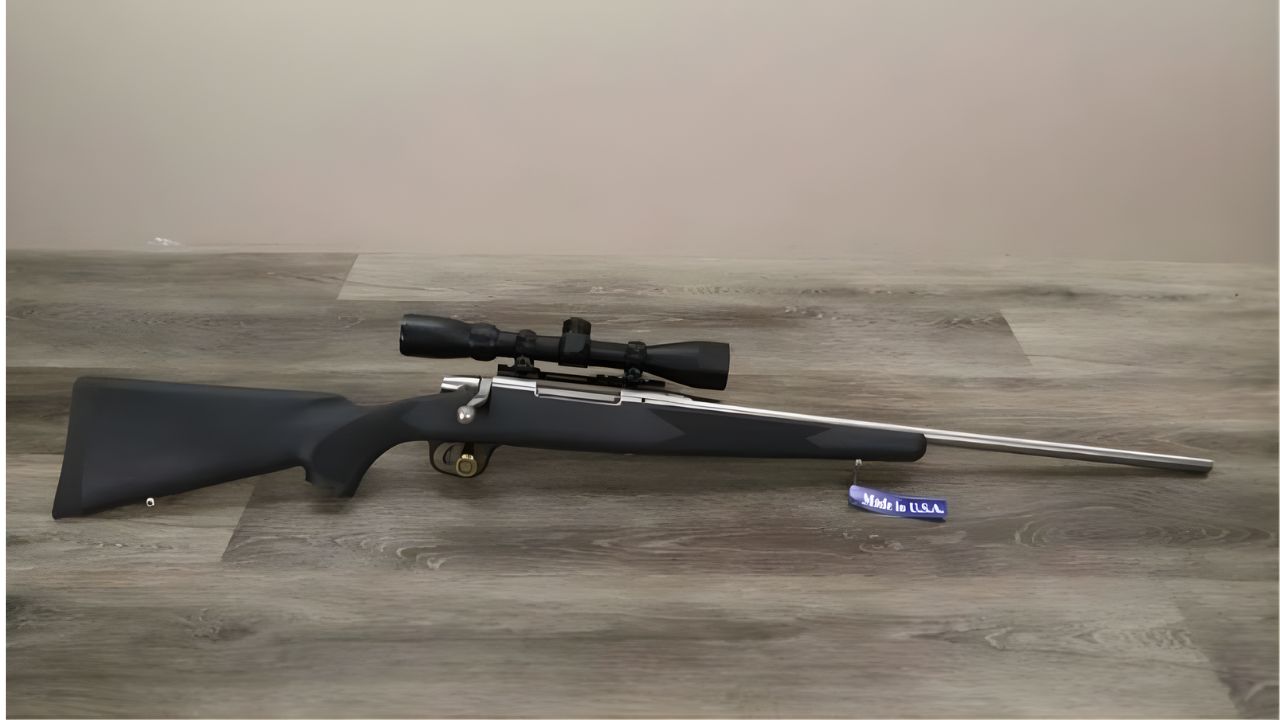
These were sleepers—good triggers, decent accuracy, fair price. But the finishes on a lot of them were nothing to brag about, and rain plus neglect equals orange spots in a hurry.
If you’re meticulous with oil and wiping down, you’ll be okay. If you’re not, you’ll be staring at surface rust before the season’s even over.
8. Winchester XPR (first-year growing pains)
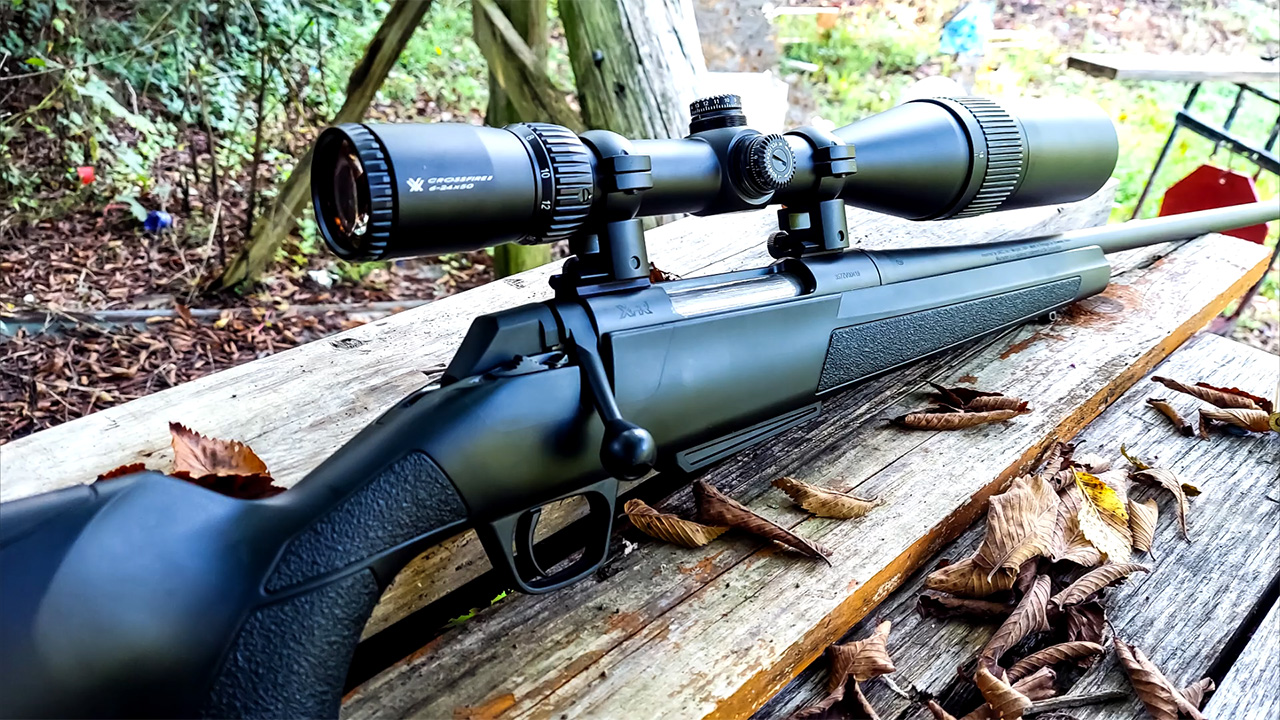
The XPR can be a solid rifle, but the early ones I’ve handled felt “tight” in a way that didn’t always play nice with grit. In clean conditions, tight is fine. With mud, it can turn into sticky.
Also, the trigger and bolt feel are not what I’d call forgiving when you’re trying to run the rifle with cold hands and a fast heartbeat.
9. Thompson/Center Compass (early production)
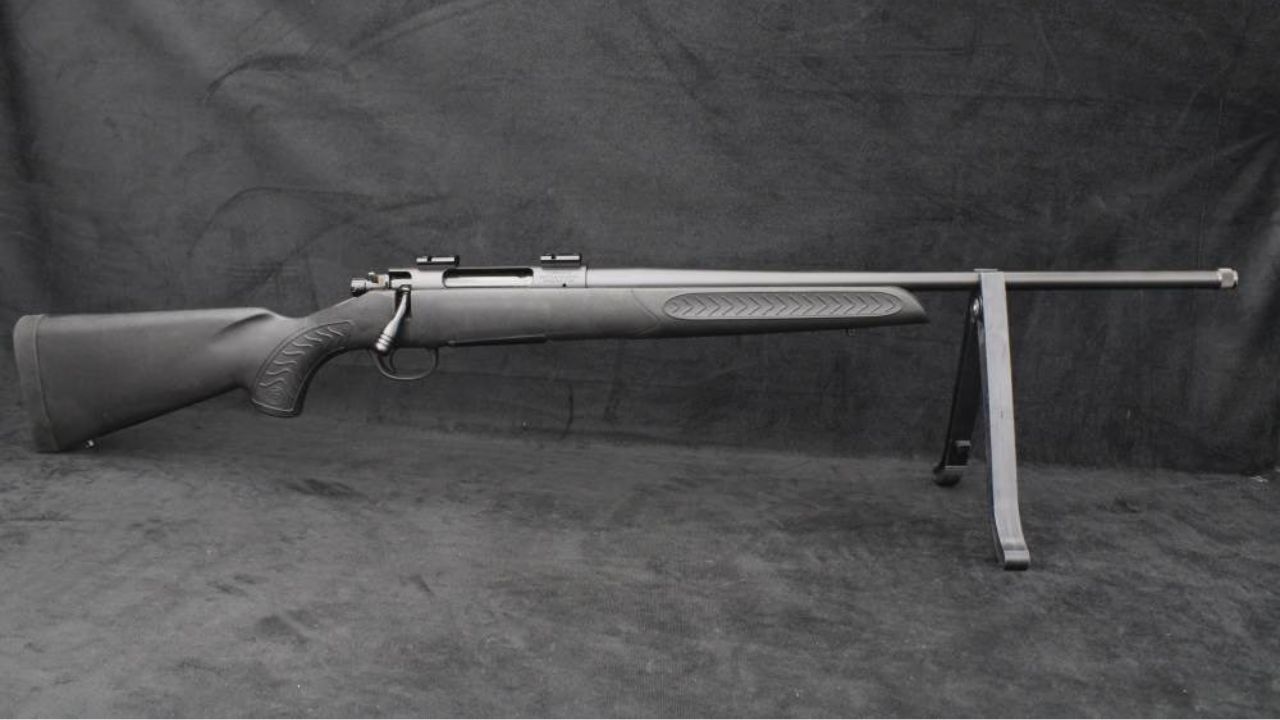
I’ve seen Compass rifles that shot great for the money, and I’ve seen a few that felt like they were assembled on a Friday afternoon. In wet weather, a rough bolt and a budget finish can turn into a lot of scrubbing later.
The rifle’s main strength is the price tag. But if you actually hunt hard in bad weather, you start wishing you’d paid for a little more refinement.
10. Howa 1500 in Hogue OverMolded stock (spongy fore-end issue)

The Howa action is generally tough, but that soft Hogue stock can be a problem when it’s wet and you’re loading into a bipod, pack, or shooting rail. The fore-end can flex enough to change point of impact, especially if you’re bearing down while shivering in the cold.
It won’t “break” the rifle, but it’ll make you doubt it. Doubt is poison when a buck steps out and you’ve got one chance.
11. Browning AB3 (magazine and latch sensitivity)

The AB3 carries nice and shoots fine, but the magazine and latch setup can be more finicky than a plain internal box. In muddy conditions, little bits of grit end up where you don’t want them.
I’ve watched hunters fight that mag when they should’ve been watching the edge of a cut cornfield. Not a deal breaker, but it’s a real-world annoyance.
12. Weatherby Vanguard (older slick finishes and wet hands)
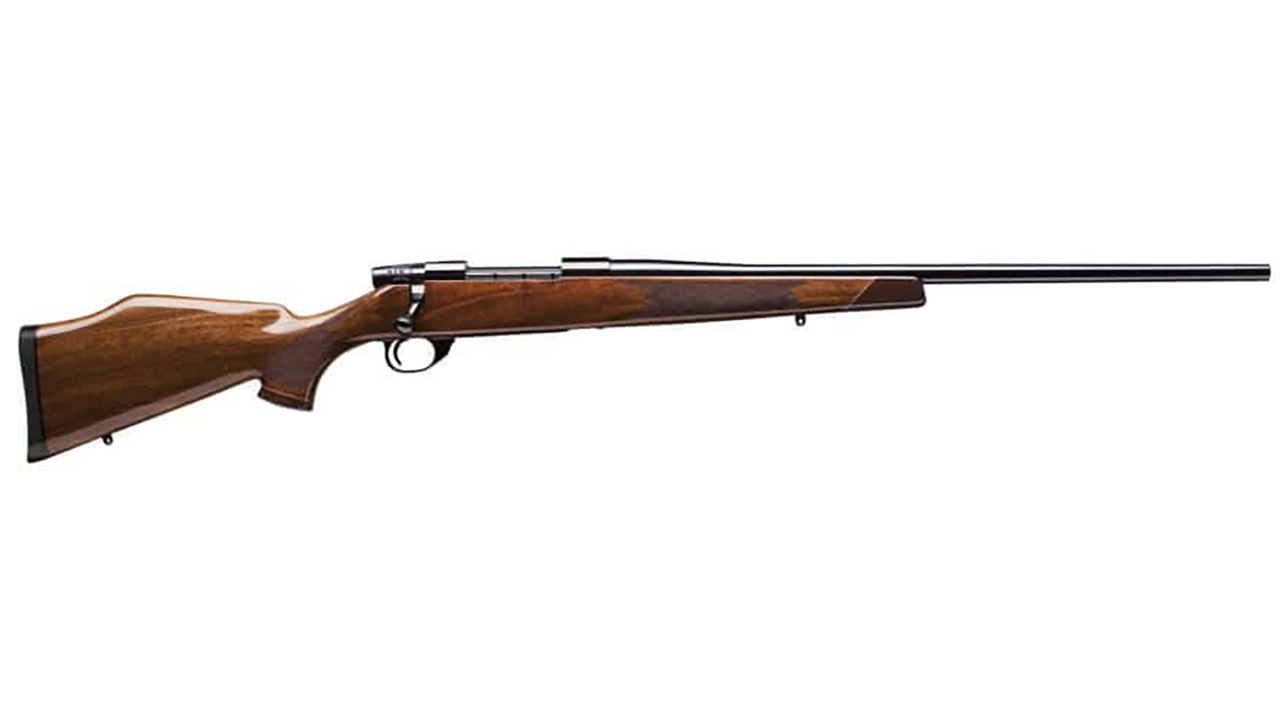
The Vanguard is usually a tank, so this one might surprise you. The issue isn’t that it stops working—it’s that some of the older high-gloss stocks and slick finishes turn into a bar of soap in freezing rain.
When your cheek weld is sliding and your support hand can’t keep a consistent grip, accuracy starts wandering. Cold doesn’t forgive sloppy contact points.
13. Ruger Mini-14 (older Ranch Rifles with loose tolerances)
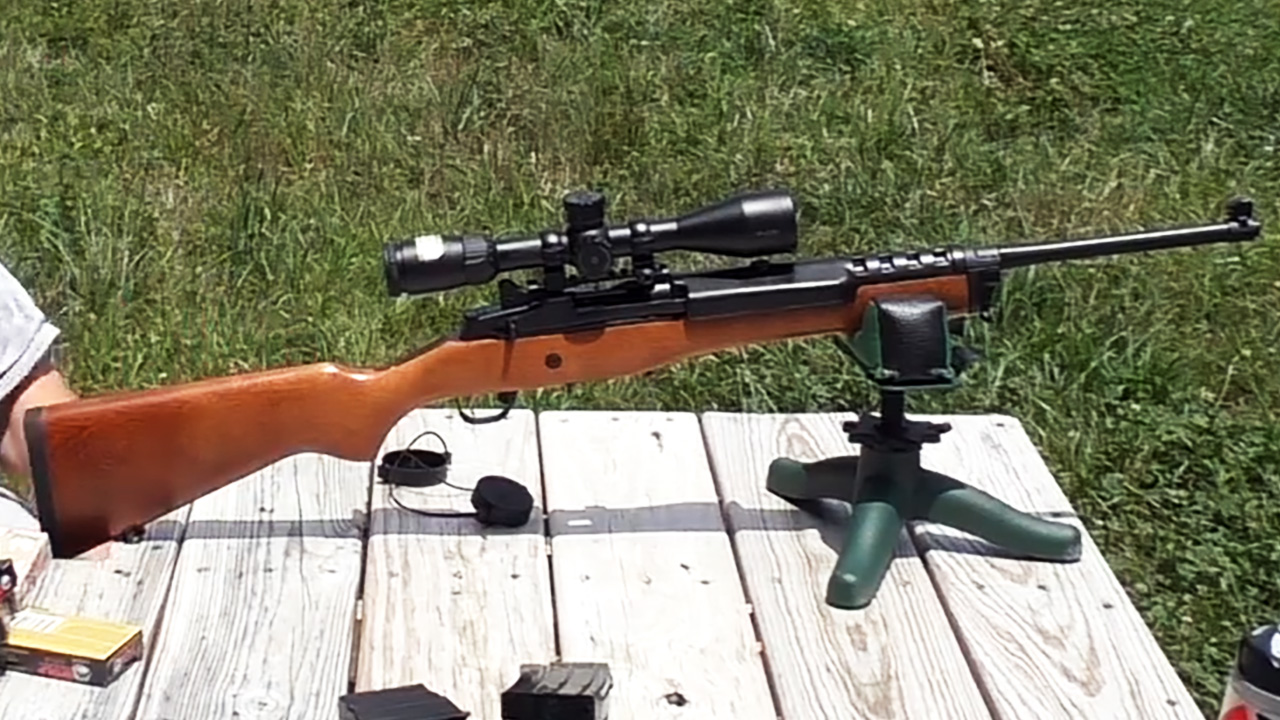
The Mini-14 is handy, and it points quick, but older ones can be picky about magazines and can feel like they’re running on a mix of grit and hope after a day in the muck. The action is open enough that it’ll inhale debris if you set it down wrong.
Also, good magazines are the whole game with these. In wet conditions, a marginal mag becomes a problem fast.
14. Century Arms C39 (milled AK, inconsistent build quality)

An AK-pattern rifle should laugh at mud. The problem is, not every rifle wearing the AK costume is built like one. Some of the C39 rifles developed enough issues over time that hard use in rain and grime just sped up the disappointment.
When you buy an AK, you’re usually buying it for reliability. A rifle that makes you question that defeats the whole purpose.
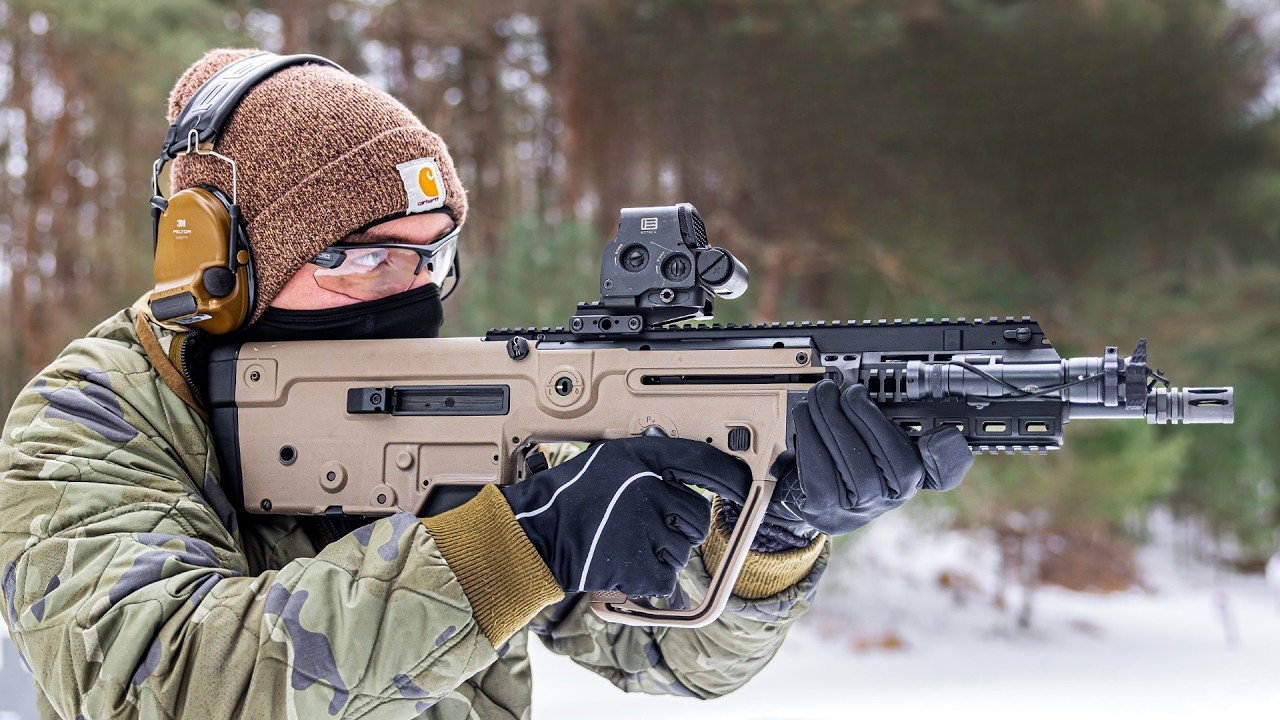
15. IWI Tavor X95 (trigger feel with gloves and cold stress)
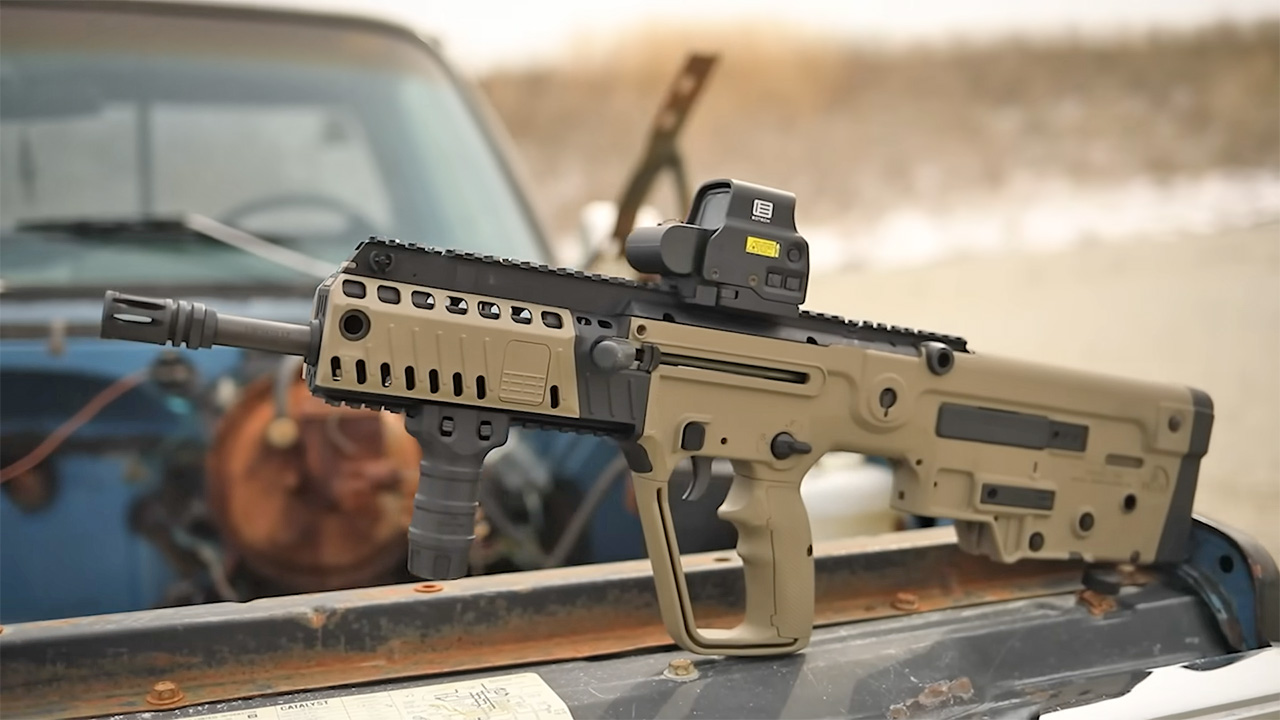
The X95 is compact and handy, and it’s not fragile, but cold-weather shooting exposes its biggest problem: the trigger feel and the way it interacts with heavy gloves. It’s a bullpup reality, and you either accept it or you don’t.
In a muddy deer camp, you also notice how much you don’t want to field-clean a bullpup the way you would a simple bolt gun. It’s doable, it’s just not fun.
16. Springfield Armory M1A (tight match-style setups in grit)

M1As can run well, but the tighter and more “match” the setup, the more you’re asking it to stay perfect in imperfect conditions. Mud and fine grit don’t care about nostalgia.
They’re also not light, and when you’re slipping around wet rocks or climbing into a stand, weight becomes its own kind of problem.
17. Remington Model 742 Woodsmaster

This one hurts, because plenty of hunters grew up with one. But if you’ve ever watched a 742 start to choke after a steady diet of damp deer seasons, you don’t forget it.
The action can get finicky, and when something goes wrong, it’s not the kind of rifle most folks can easily diagnose or fix at camp. It’s a “works until it doesn’t” gun.
18. Ruger 10/22 (standard carbine, exposed action in nasty weather)

Everybody loves a 10/22, and I’m not here to pick a fight. But if you’re trapping, riding a sled, or squirrel hunting in wet snow, the open action and rotary mag area can pack with crud faster than you’d think.
When it’s clean, it runs. When it’s full of slush and pine needles because it took a spill, you’re doing a field strip with cold hands. Not ideal.
19. Henry AR-7 U.S. Survival Rifle

The AR-7 is a neat idea: packable, floats, stows in the stock. In real-world wet and muddy use, it can be picky about ammo and magazines, and the whole package feels more “emergency tool” than “go hunt in a storm.”
If your plan involves crawling through brush or bouncing in a canoe, understand what you’re carrying. Convenience is not the same thing as rugged.
20. Rossi RS22

The RS22 is an affordable rimfire that a lot of folks grab for plinking and the occasional small-game walk. The problem is, budget rimfires can get real sensitive to dirt and moisture, and this one isn’t the exception.
If it lives in a dry cabinet and comes out on nice days, fine. If it rides in a tractor or sees wet gloves and sloppy maintenance, you’ll start seeing misfeeds and light strikes that make you wish you brought the old beater bolt gun instead.
Cold, rain, and mud don’t just test rifles—they test habits. Wipe the gun down, keep the muzzle out of the muck, don’t toss a soaked rifle into a case and forget it for a week, and run magazines that are actually worth owning. Still, there’s no denying some rifles are more forgiving than others. When the weather turns mean, “good enough” is usually the first thing to quit.
Like The Avid Outdoorsman’s content? Subscribe to our newsletter so you never miss an article.
Here’s more from us: