Photo credit: Justin Opinion/YouTube
Some handguns sell themselves before you ever load a magazine. They feel good at the counter, look sharp in photos, and check the right boxes on a spec sheet. Then the range gets involved, and all that paper confidence starts getting tested. A bad trigger feels worse after 200 rounds. A slick grip gets annoying when your hands sweat. A tiny carry pistol starts feeling a lot less clever once recoil and follow-up shots become part of the conversation.
That is where certain handguns start to make more sense. Not always because they are the newest, prettiest, or most expensive, but because they hold up when you actually shoot them. This list mixes proven models with some newer pistols that fit the way people are shooting now, especially as optics-ready setups, better grip designs, and softer-shooting carry guns keep becoming more common. Several newer 2025 releases leaned hard into that trend, including models like the Springfield Echelon 4.0C, Ruger RXM, CZ P-09 C Nocturne, Canik Mete MC9 L/LS, and Springfield Prodigy Compact.
Ruger RXM
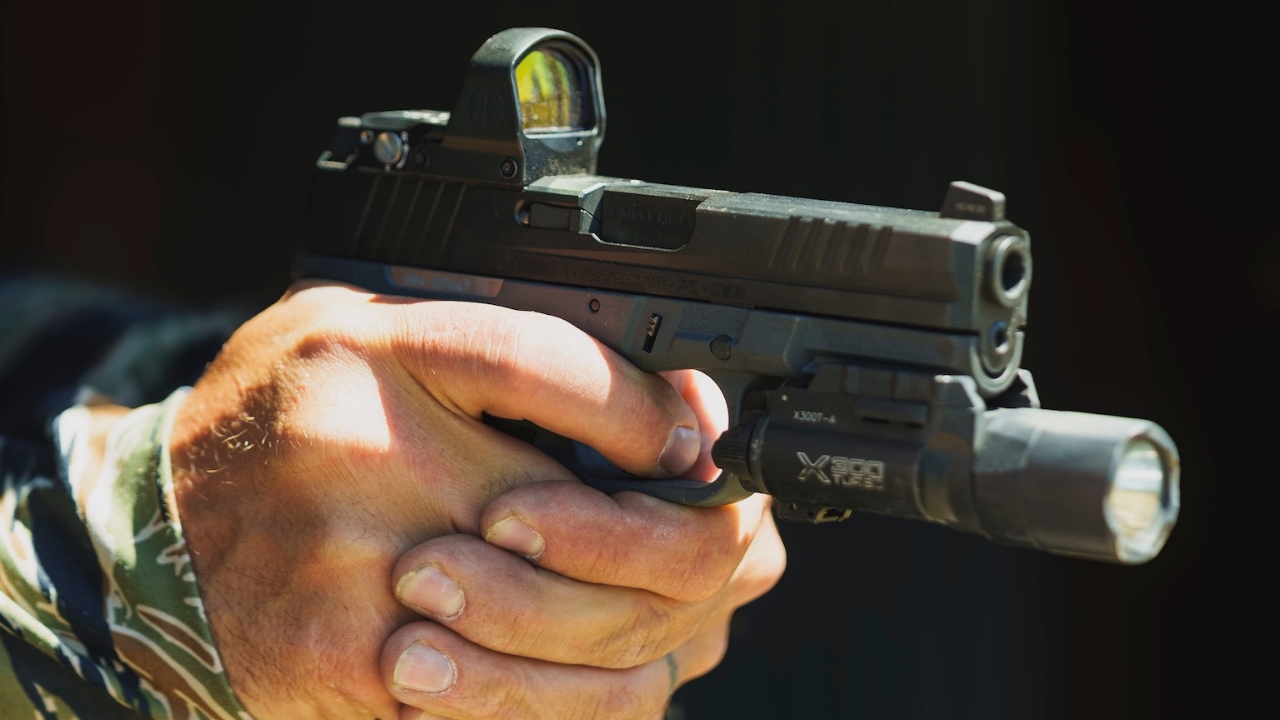
The Ruger RXM makes a lot more sense after you spend time around compact striker-fired pistols that are either too plain, too expensive, or too locked into one setup. Ruger and Magpul teaming up on a modular compact 9mm was one of the more interesting handgun moves because it gives shooters something familiar enough to run easily, but different enough to feel current. It is built around the kind of practical upgrades people are already chasing: better grip feel, optics readiness, and a setup that does not feel stuck ten years behind.
At the range, the RXM’s appeal is less about being flashy and more about being useful. A compact pistol has to do a lot of things well. It needs to carry reasonably, shoot well enough for serious practice, and not feel like a compromise every time you draw or reload. The RXM fits that lane. After shooting pistols that need grip work, sight upgrades, or an immediate trip to the parts bin, this one makes sense as a gun that starts closer to where modern shooters actually want to end up.
Springfield Armory Echelon 4.0C
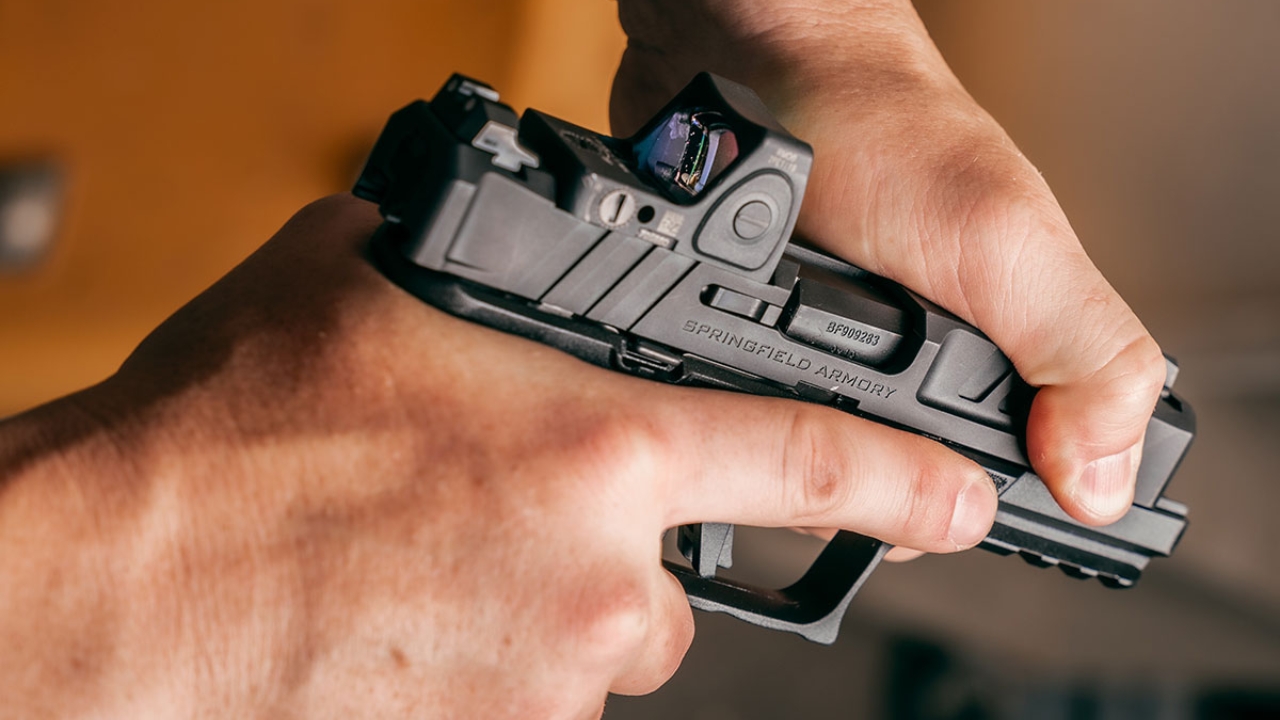
The Springfield Armory Echelon 4.0C makes sense after the range reminds you that “compact” does not have to mean cramped. Springfield took the full-size Echelon idea and trimmed it into a more carry-friendly package while keeping the features that made the original stand out. The shorter barrel and grip make it easier to carry, but it still keeps the strong optics-mounting system and modern duty-pistol feel that gave the Echelon line its reputation.
On the range, the 4.0C feels like the kind of compact that was designed for real shooting, not just concealed-carry marketing. The grip gives you enough control, the gun tracks well, and the optics setup matters if you plan to run a dot without stacking plates or chasing odd hardware. After shooting smaller pistols that get jumpy fast, the 4.0C feels like a better balance. It is still practical for carry, but it does not punish you for training with it.
Smith & Wesson Bodyguard 2.0
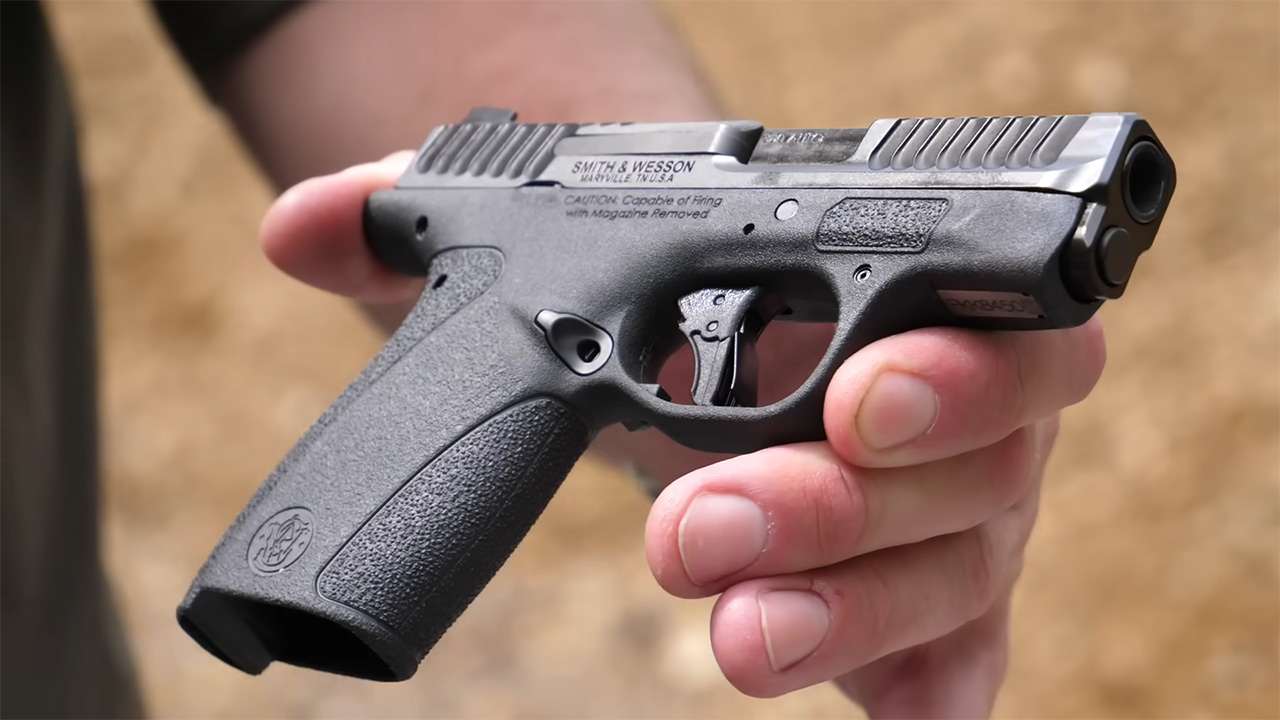
The Smith & Wesson Bodyguard 2.0 makes more sense after you shoot older pocket pistols and remember how rough that category used to be. Tiny defensive handguns have always been easy to carry and hard to shoot well. The old tradeoff was simple: you could have a gun that disappeared in a pocket, but you usually paid for it with poor sights, stiff controls, a rough trigger, and recoil that felt worse than it should.
The Bodyguard 2.0 is still a small pistol, so nobody should expect it to feel like a full-size range gun. But compared with the older style of pocket .380s, it feels much more useful. The grip, sights, and control layout are easier to live with, and that matters once you start shooting drills instead of slow-fire groups from seven yards. After the range exposes how bad some tiny pistols are under pressure, the Bodyguard 2.0 starts looking like a pocket gun that finally learned from years of complaints.
SIG Sauer P365 Fuse

The SIG P365 Fuse makes more sense after you shoot the smaller P365 variants and realize there is a limit to how much tiny guns can do comfortably. The Fuse stretches the P365 idea into a longer, more shootable package while still staying slim compared with traditional duty-size pistols. It is not the smallest option in the family, but that is the point. It gives you more sight radius, more grip, and more control without making the gun feel bulky for no reason.
On the range, the Fuse is easier to appreciate than it is to explain on a spec sheet. It feels like a pistol built for people who like the P365 system but want something they can shoot harder and longer. The extra size helps calm the gun down, and the slim frame keeps it from feeling oversized. After running micro-compacts that get tiring fast, the Fuse makes sense as the version you would rather practice with, not just carry because it is convenient.
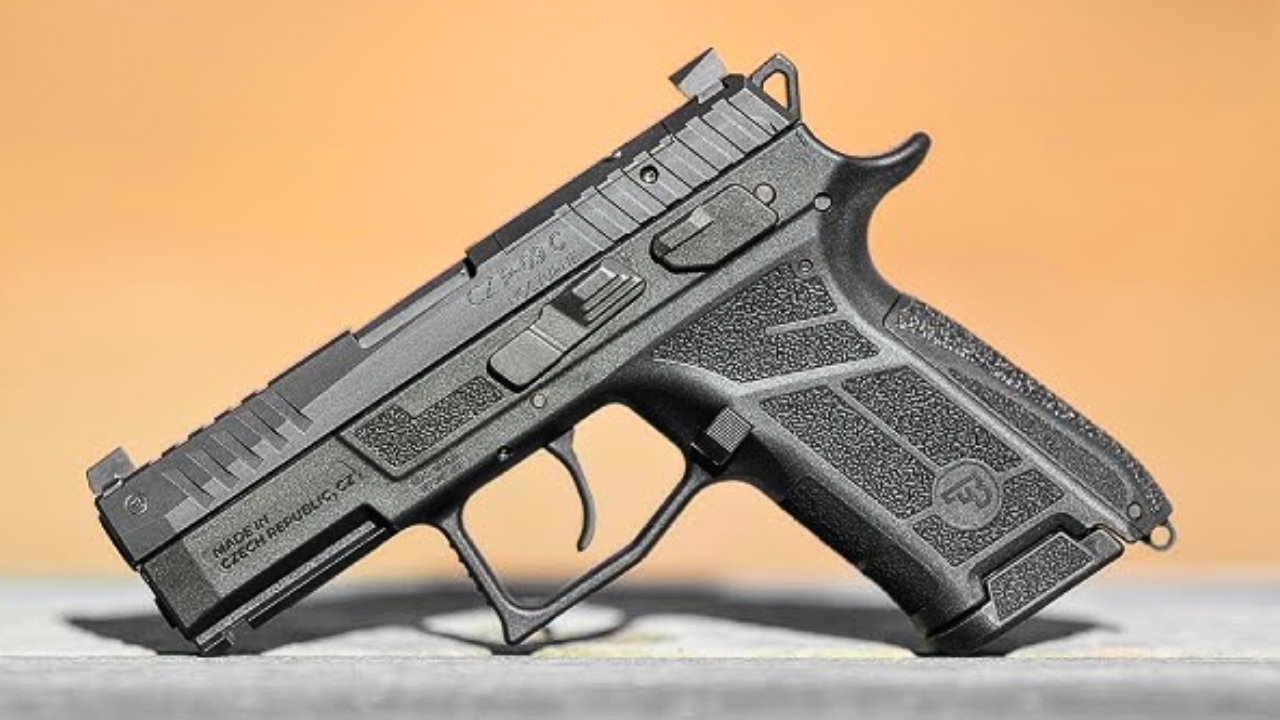
CZ P-09 C Nocturne

The CZ P-09 C Nocturne makes sense after you shoot a bunch of striker-fired compacts and remember that hammer-fired pistols still have a place. CZ has always had a strong following among shooters who care about grip shape and shootability, and the Nocturne line brings that feel into a more modern setup. The compact model gives you a practical size with updated features, while still keeping the double-action/single-action character that makes CZ pistols feel different from the usual polymer crowd.
At the range, the P-09 C Nocturne rewards shooters who are willing to learn the trigger system instead of expecting every pistol to feel the same. The first double-action pull takes practice, but the follow-up shots can be clean and controlled once you settle in. The grip shape helps the gun point naturally, and the added modern touches make it easier to justify next to newer striker guns. After range time exposes how similar many compact pistols feel, the CZ stands out for good reasons.
Walther PDP F-Series

The Walther PDP F-Series makes more sense once you shoot handguns that technically fit your hand but still feel like they were designed around somebody else. A lot of pistols claim to work for a wide range of shooters, but grip circumference, trigger reach, and slide manipulation matter more than people admit. The PDP F-Series was built around easier handling and a more accessible grip size, which makes it a better fit for shooters who struggle with larger-framed pistols.
At the range, the difference shows up quickly. The trigger is still very much a Walther strength, but the real win is how manageable the pistol feels. The grip lets more shooters get a proper hold, and the controls do not feel like a reach. That helps with recoil control, accuracy, and confidence. After shooting pistols that force you to adjust your grip or fight the trigger reach, the PDP F-Series makes sense as a gun that meets the shooter halfway instead of making them adapt to everything.
Heckler & Koch CC9

The HK CC9 makes more sense after you shoot a few carry guns that feel like they were built to meet a size goal first and everything else second. HK took its time getting into the slim micro-compact carry lane, which frustrated plenty of people, but the result is a pistol aimed at practical concealed carry rather than internet noise. It is small enough to fit the role, but it still has the kind of solid feel people expect from HK.
On the range, the CC9 has to prove itself against a crowded field, and that is not easy. The micro-compact category is stacked now. What helps the HK is that it feels controlled and purposeful instead of rushed. The grip texture, sights, and overall build quality matter once you start putting rounds through it. After shooting small carry pistols that feel cheap, snappy, or underbuilt, the CC9 starts making sense for shooters who want a serious compact carry gun without feeling like they settled.
Staccato HD P4

The Staccato HD P4 makes sense after you spend time with pistols that look duty-ready but do not shoot like it. Staccato’s older models already built a reputation among shooters who wanted 2011-style performance, but the HD line pushes toward a harder-use role. The P4 brings that flatter-shooting, high-control feel into a more practical format for people who want performance without carrying a full-blown competition pistol.
At the range, the difference is obvious. A good 2011-style pistol can make fast shooting feel easier because the trigger, grip, weight, and recoil behavior all work together. The HD P4 is not a budget pistol, and nobody should pretend otherwise. But after shooting cheaper guns that need upgrades before they feel serious, the Staccato starts making sense as a buy-once option for someone who values speed, control, and confidence under recoil. The range has a way of making that price tag easier to understand.
Springfield Armory 1911 DS Prodigy Compact
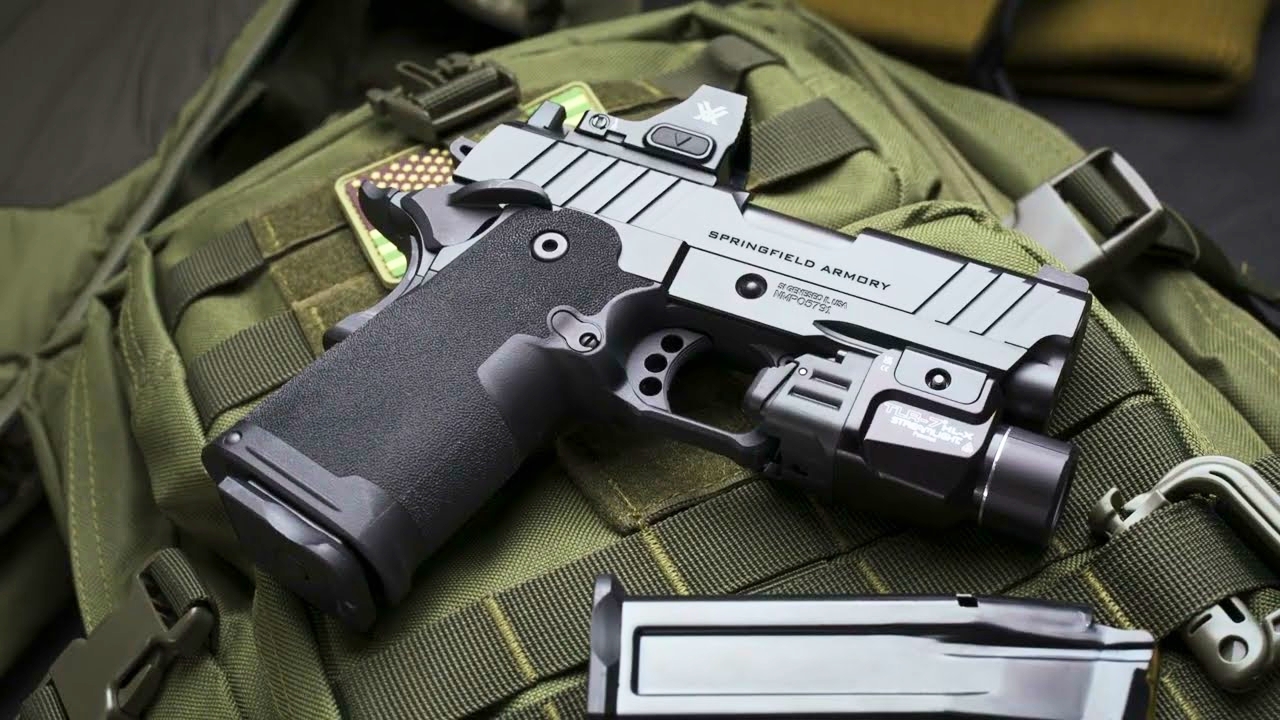
The Springfield Armory 1911 DS Prodigy Compact makes more sense after you shoot both classic 1911s and modern polymer carry guns and wish you could steal the good parts from each. Springfield’s compact Prodigy brought the double-stack 1911-style platform into a smaller, more carry-friendly size, with a 3.5-inch barrel and flush-fit 15-round magazines in the 2025 compact version.
On the range, the Prodigy Compact has the kind of trigger and grip angle that makes 1911-style guns so easy to like. It gives you more capacity than a traditional single-stack 1911, but it does not feel like another plain striker-fired compact. The shorter size means it has more snap than a full-size steel gun, but it is still very shootable when your grip is right. After range time exposes how ordinary some carry pistols feel, the Prodigy Compact makes sense for someone who wants something sharper and more rewarding to shoot.
Beretta 80X Cheetah

The Beretta 80X Cheetah makes more sense after you shoot tiny .380 pistols that are easy to carry but miserable to train with. The Cheetah is not trying to be the smallest .380 on the market. That is exactly why it works. It gives you a real grip, usable sights, soft recoil, and the kind of handling that makes range time enjoyable instead of something you suffer through because the gun is convenient.
At the range, the 80X feels refined in a way most pocket .380s do not. The added size makes it easier to control, and the pistol points naturally for a lot of shooters. Some people will look at it and say a .380 that size does not make sense when 9mm options exist. Then they shoot it and understand the appeal. It is not about winning a caliber argument. It is about having a small defensive pistol that people will actually practice with because it is comfortable, accurate, and easy to run.
Taurus GX4 Carry

The Taurus GX4 Carry makes more sense after you shoot tiny micro-compacts and wish they had just a little more grip and control. The regular GX4 helped Taurus earn more attention in the carry market, but the Carry version gives shooters a longer grip, more capacity, and better shootability without jumping into a much larger pistol. That is the kind of change that sounds minor until you actually run the gun.
On the range, extra grip length matters immediately. It gives your support hand more to work with, helps control muzzle rise, and makes reloads less awkward. The GX4 Carry is still priced in a way that keeps it approachable, but it does not feel like a throwaway budget gun. After shooting small pistols that are technically concealable but annoying to practice with, the GX4 Carry makes sense as a more realistic everyday option. It gives up a little concealment to gain a lot of control.
Shadow Systems CR920P
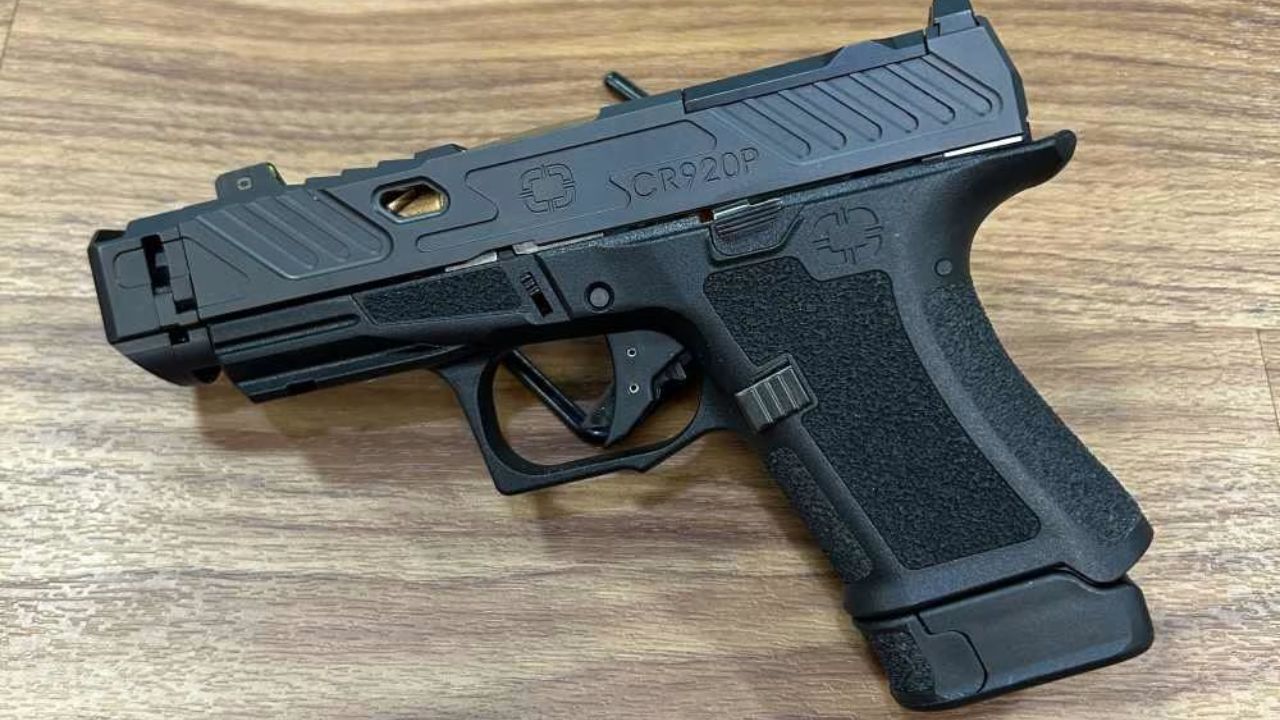
The Shadow Systems CR920P makes sense after you shoot small carry guns that feel too sharp under recoil. The built-in compensator is the feature most people notice first, and that is fair because it changes how the gun behaves. A compensated micro-compact can sound like overkill until you start shooting faster strings and realize how much flatter the gun returns compared with a similar-sized pistol without help up front.
At the range, the CR920P is built around control. The grip texture, optic-ready setup, sights, and compensated slide all point toward a small pistol that is meant to be shot seriously. It still takes good technique, because no comp turns a tiny pistol into a full-size steel gun. But it does make the gun more manageable. After shooting small 9mms that jump hard and slow down follow-up shots, the CR920P makes sense for someone who wants concealability without giving up as much performance.
Smith & Wesson M&P9 Metal Carry Comp
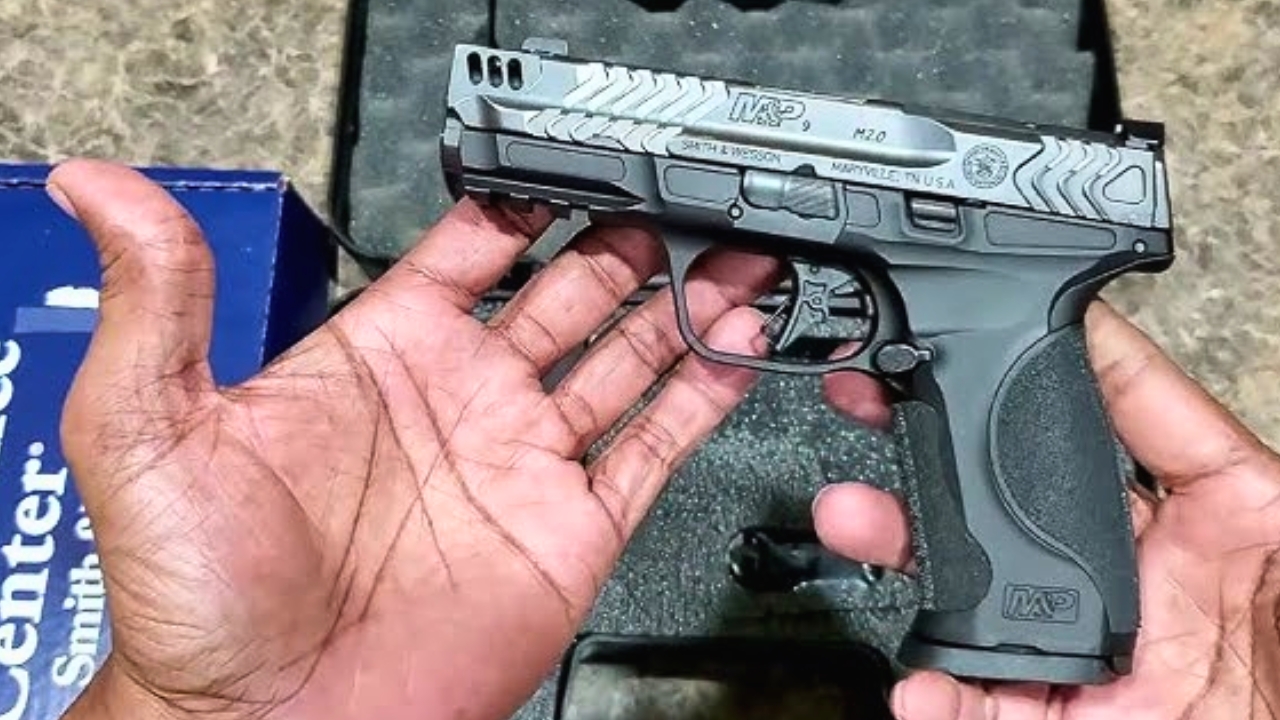
The Smith & Wesson M&P9 Metal Carry Comp makes sense after you shoot lightweight pistols that feel convenient at first and tiring later. Smith & Wesson’s metal-frame M&P pistols bring extra weight and a more planted feel to a platform a lot of shooters already understand. Add the compensator, and you get a pistol that is clearly built around control rather than shaving every possible ounce.
On the range, that control is the whole point. The metal frame helps settle the gun in the hand, and the compensated setup helps keep the muzzle flatter during quicker strings. It is not the lightest carry option, and some shooters will still prefer a standard polymer pistol for daily use. But after you shoot enough snappy carry guns, the logic behind the Metal Carry Comp gets pretty obvious. It is for the shooter who would rather carry a little more weight and gain a pistol that shoots noticeably better.
Colt Python

The Colt Python makes more sense after you shoot cheaper revolvers that look fine until the trigger and balance start telling on them. The Python has always had a reputation, and some of that comes from collector interest, but the gun still has real shooting appeal. The modern versions give revolver fans a way to enjoy that smooth, heavy, accurate feel without chasing older examples that may be too valuable or worn to use hard.
At the range, the Python reminds you why good revolvers still matter. The weight helps manage .357 Magnum, the trigger is the main attraction, and the balance makes slow, accurate shooting feel almost effortless. It is not the revolver most people are going to carry every day, and it is not priced like a basic woods gun. But after shooting rougher double-actions that stack, drag, or feel loose, the Python starts making sense as a revolver you buy because you actually enjoy shooting revolvers.
Smith & Wesson 632 Ultimate Carry
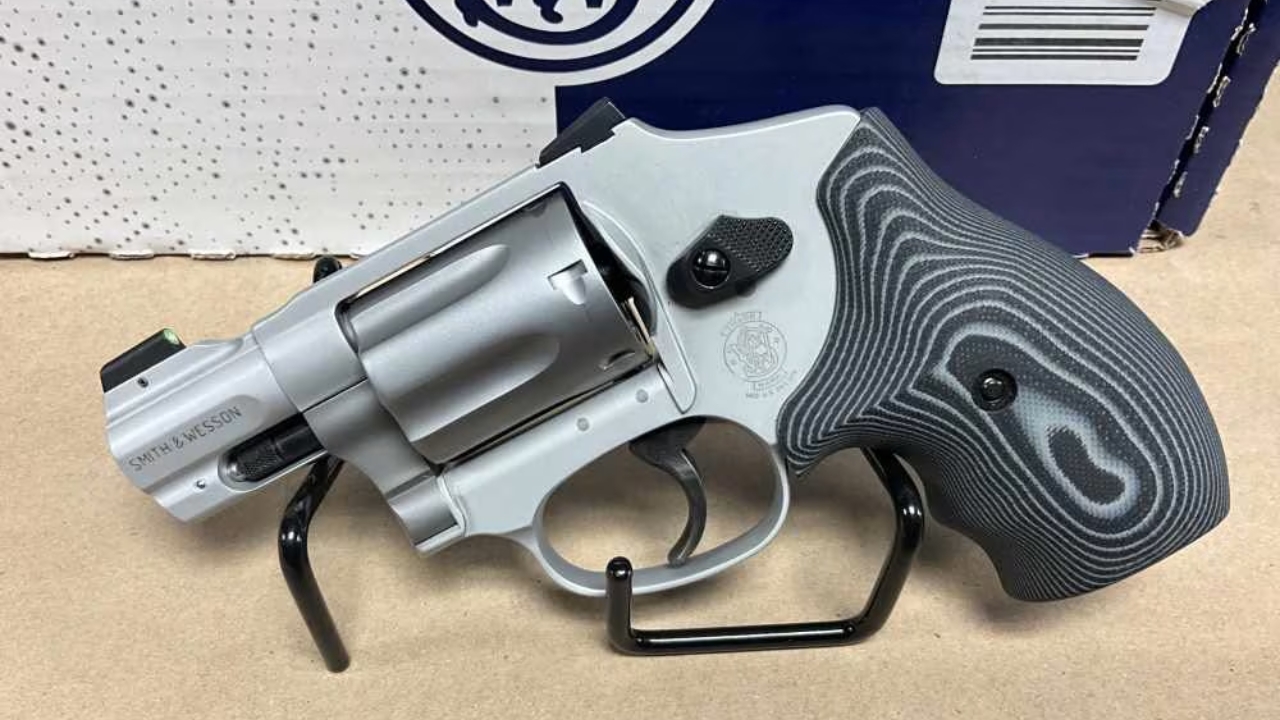
The Smith & Wesson 632 Ultimate Carry makes more sense after you shoot lightweight snub-nose revolvers in harsher calibers and remember how unpleasant they can be. This newer J-frame setup in .32 H&R Magnum gives shooters six rounds in a small revolver, and the 2025 Lipsey’s exclusive version was listed with an aluminum frame, titanium cylinder, XS front night sight, and dovetailed rear sight.
At the range, the appeal is practical. A small revolver only helps if you can actually shoot it well, and .32 H&R Magnum gives many shooters less punishment than lightweight .357 or stout .38 loads. Six shots instead of five also matters in a platform where capacity is already limited. The sights are better than what snub-nose shooters used to accept, and the overall package feels built around real carry instead of nostalgia. After shooting little revolvers that hurt more than they help, the 632 Ultimate Carry starts looking very smart.
Like The Avid Outdoorsman’s content? Subscribe to our newsletter so you never miss an article.
Here’s more from us: