Photo credit: The Avid Outdoorsman
Some firearms are easy to want before they are easy to live with. They look right, feel interesting, carry a famous name, or promise something that sounds useful. Then the problems show up. Maybe it is reliability. Maybe it is recoil. Maybe parts are a pain, magazines cost too much, the trigger is worse than expected, or the gun only makes sense under one very narrow set of conditions.
That is when the appeal starts fading. A gun does not have to be worthless to disappoint people. Sometimes the issue is that it takes too much explaining, too much fixing, or too much tolerance compared with better options sitting on the same shelf. These are the firearm models that can look tempting at first, then start losing buyers once the real ownership problems appear.
Remington R51
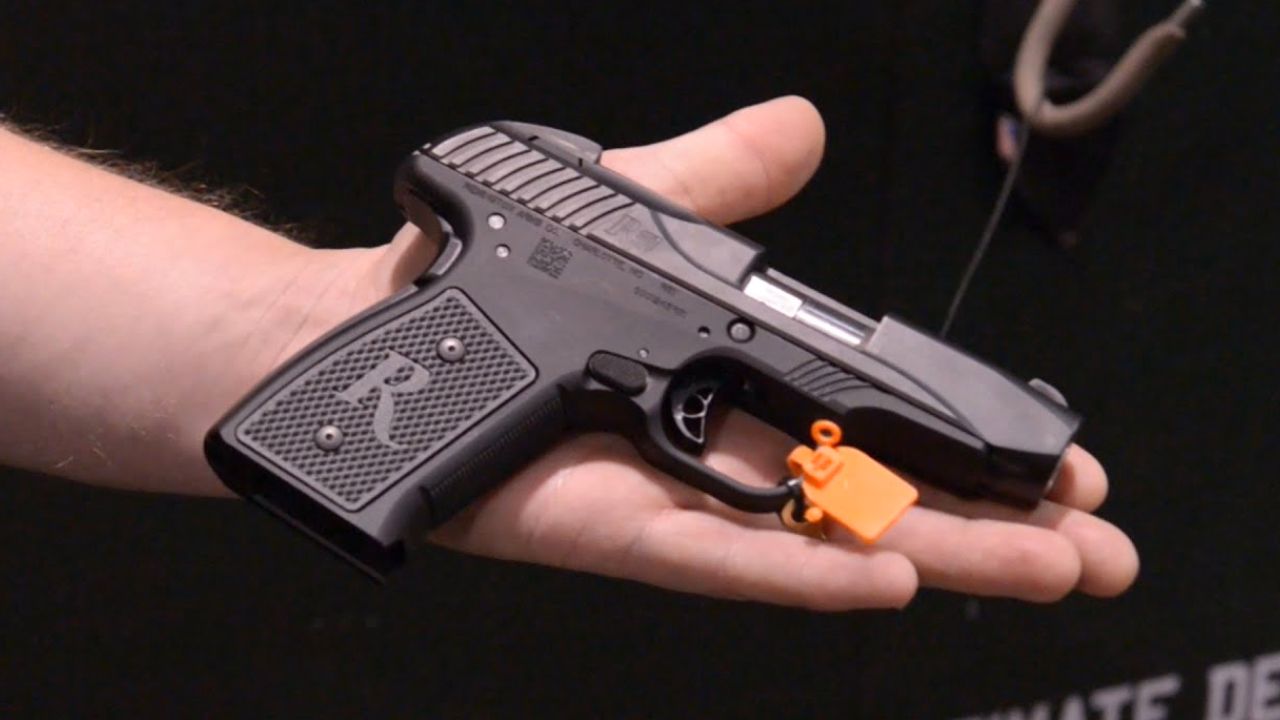
The Remington R51 had the kind of backstory that made people want it to work. It was slim, unusual, and tied to an older Remington design with a different operating system than the usual compact 9mm crowd. For buyers tired of seeing the same striker-fired pistols everywhere, the R51 looked like it might be a smart, original choice.
Then the problems became the story. Early R51 pistols developed a rough reputation for reliability issues, poor fit, awkward handling, and frustrating range sessions. That is deadly for a defensive handgun because trust has to come early. Even after attempts to improve it, the pistol never fully escaped the damage done by its launch. A compact carry gun can be plain and still succeed if it runs. The R51 was interesting, but interesting gets old fast when shooters start questioning every magazine.
SIG Sauer Mosquito
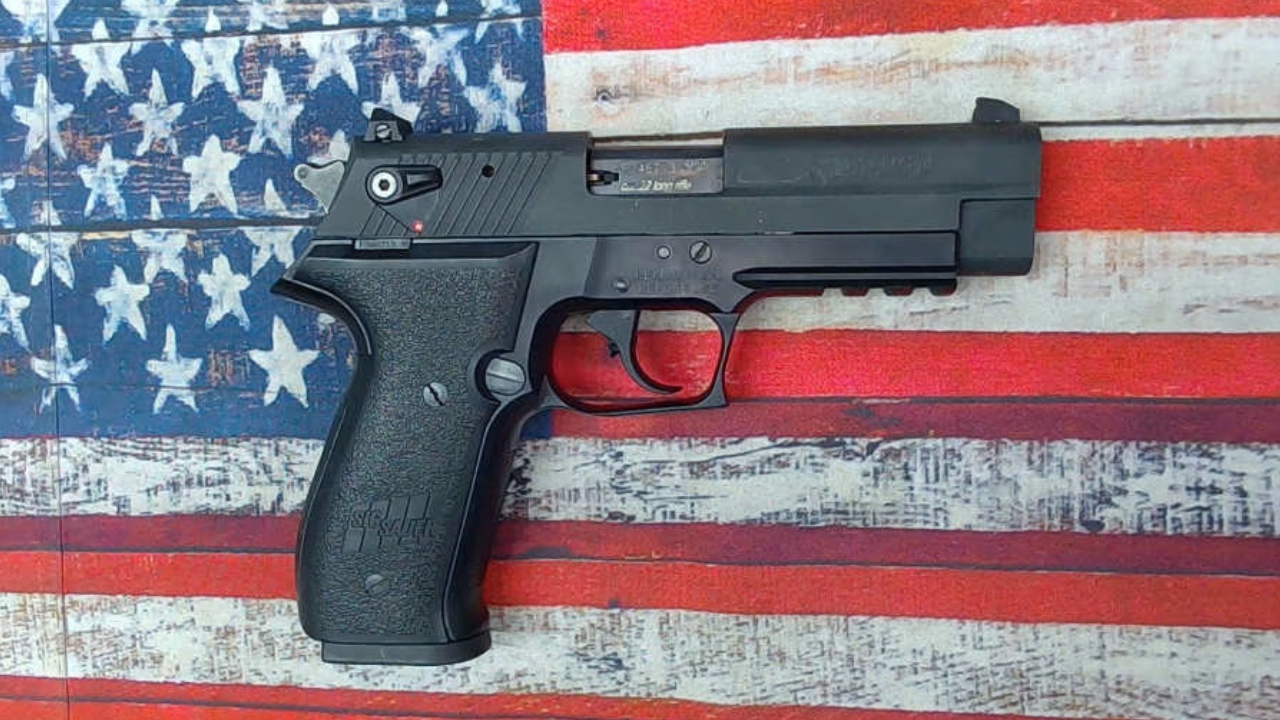
The SIG Sauer Mosquito looked like a perfect rimfire practice pistol to a lot of buyers. It had the SIG name, centerfire-style controls, and the promise of cheap .22 LR training. That pitch made sense, especially for shooters who wanted more trigger time without burning through expensive centerfire ammo.
The appeal faded when owners ran into the Mosquito’s reputation for being picky and inconsistent. Plenty of .22 pistols can be ammunition-sensitive, but the Mosquito frustrated people because it was supposed to be the easy practice gun. When a rimfire trainer turns into a constant test of which load it might like today, the fun disappears. Buyers expected the SIG name to bring confidence. Instead, many got a pistol that made cheap range time feel like troubleshooting.
Kimber Solo

The Kimber Solo had the look of a premium carry pistol. It was small, sleek, nicely styled, and chambered in 9mm at a time when tiny carry pistols were getting a lot of attention. It appealed to buyers who wanted something classier than a basic polymer pocket gun and were willing to pay for that polished feel.
The problem was that the Solo’s reputation never matched its looks. Many owners found it picky with ammunition and less forgiving than a defensive pistol should be. A small carry gun already asks the shooter to accept limited grip, sharper recoil, and less margin for error. Add reliability questions to that, and the shine wears off fast. A good carry pistol should feel boringly dependable. The Solo often felt like a gun that wanted the buyer to work around it.
Taurus Curve
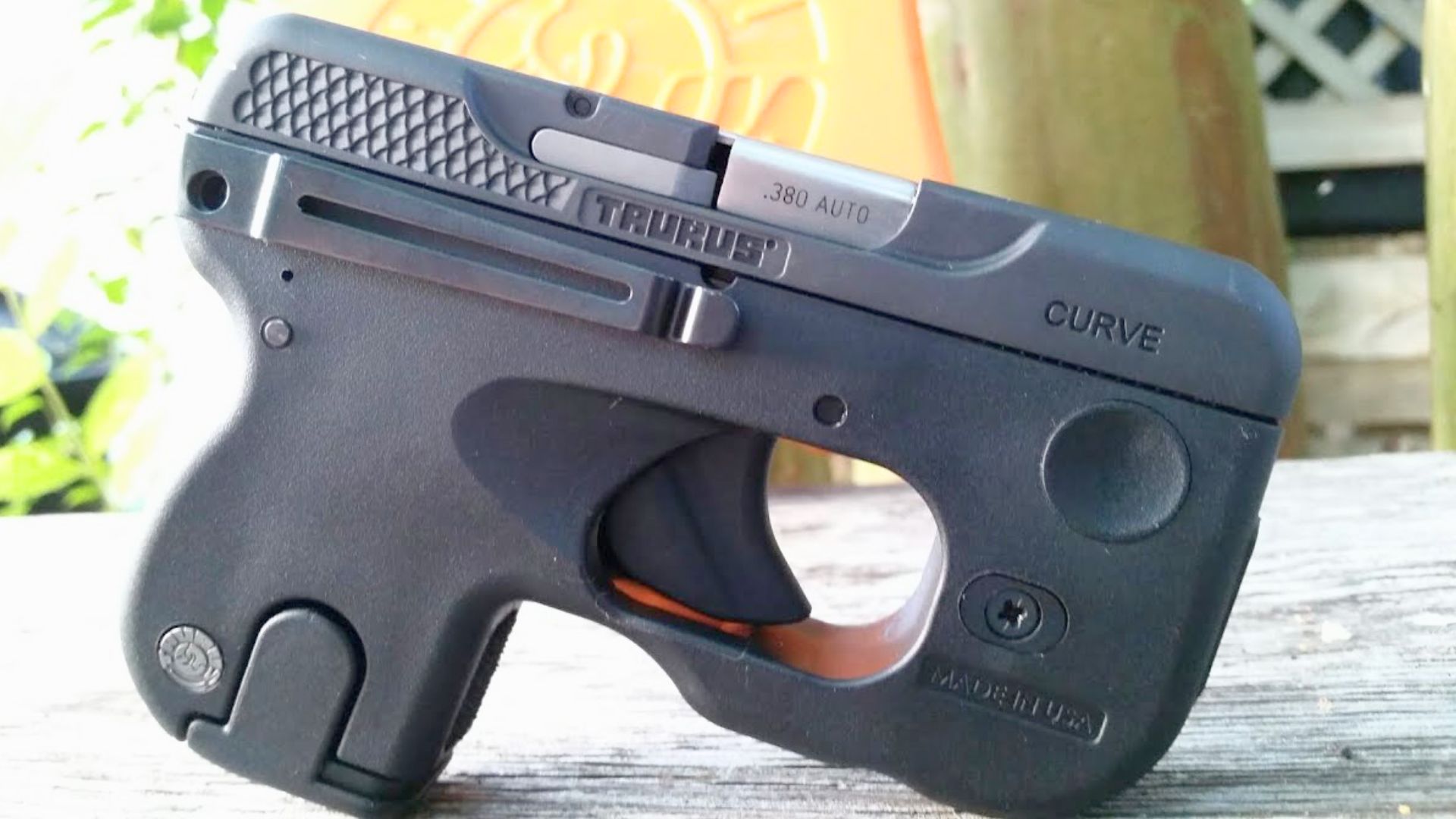
The Taurus Curve was designed to stand out, and it definitely did that. The curved frame, built-in light and laser, and pocket-carry concept made it one of the stranger defensive pistols to hit the market. For buyers who liked unusual ideas, it seemed clever. It looked like Taurus was trying to rethink how a concealed-carry pistol should ride against the body.
Once the novelty wore off, the practical problems became harder to ignore. The lack of traditional sights, odd shape, limited capacity, and unusual handling made it feel more like a conversation piece than a serious defensive pistol. A carry gun needs to be simple, repeatable, and easy to train with under stress. The Curve asked buyers to accept too many compromises for the sake of being different. It was memorable, but memorable is not the same thing as useful.
SCCY CPX-2
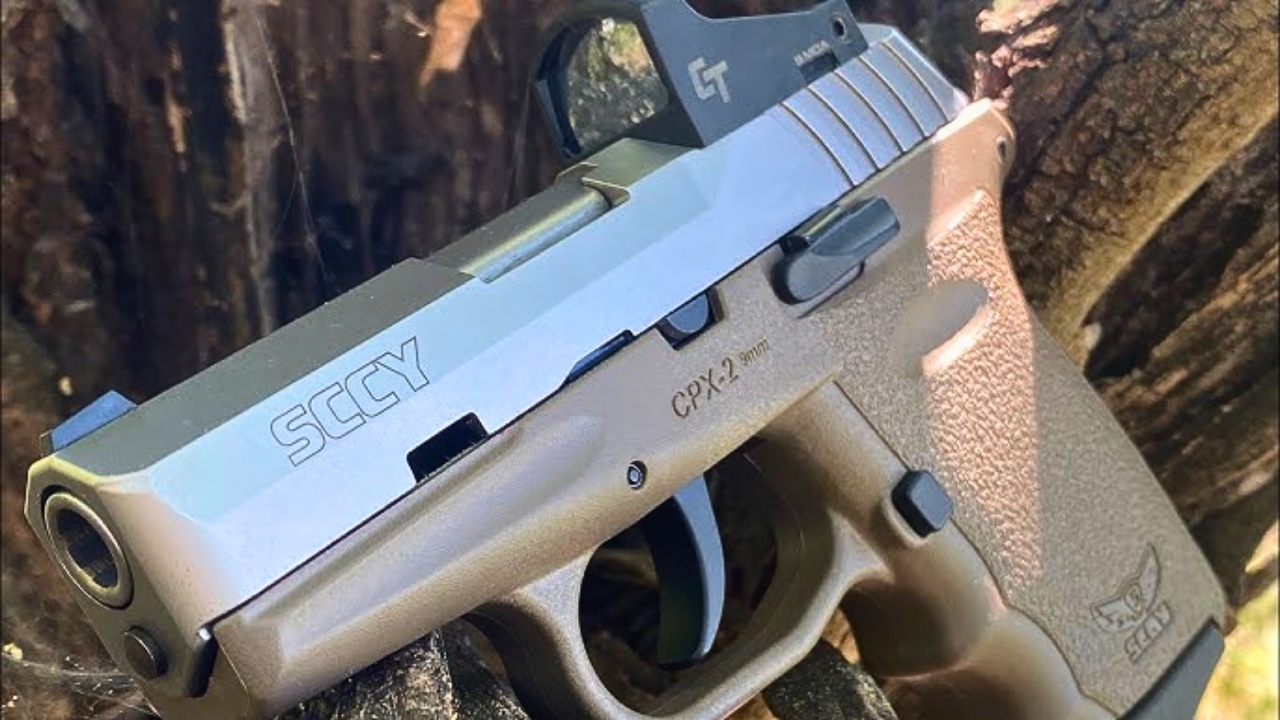
The SCCY CPX-2 draws buyers in with price. A compact 9mm that costs less than many of the big-name options can look like a smart buy, especially for someone shopping for a first carry pistol on a tight budget. It is small enough to conceal, simple to operate, and affordable enough to make the decision feel easy.
Then the trigger and shootability start wearing on people. The CPX-2’s long double-action pull is not friendly to everyone, especially new shooters trying to build confidence. Recoil can feel sharper than expected, and the overall range experience is not as forgiving as better budget pistols. Some owners make them work, but many buyers eventually realize that saving money up front did not buy them a gun they enjoy practicing with. For a defensive pistol, that is a serious problem.
KelTec PF9

The KelTec PF9 made sense when slim 9mm carry pistols were harder to find. It was light, flat, affordable, and easy to conceal. For buyers who wanted more punch than a .380 without carrying a larger pistol, the PF9 seemed like a practical answer.
The downside shows up as soon as the buyer starts shooting it much. The PF9 can be sharp under recoil, rough in trigger feel, and tiring during longer practice sessions. It is the kind of pistol that solves the carry problem but creates a training problem. Plenty of people bought one because it was easy to hide, then discovered they did not want to shoot it enough to stay sharp. A gun that is comfortable in the holster but unpleasant at the range starts losing its appeal quickly.
Diamondback DB9
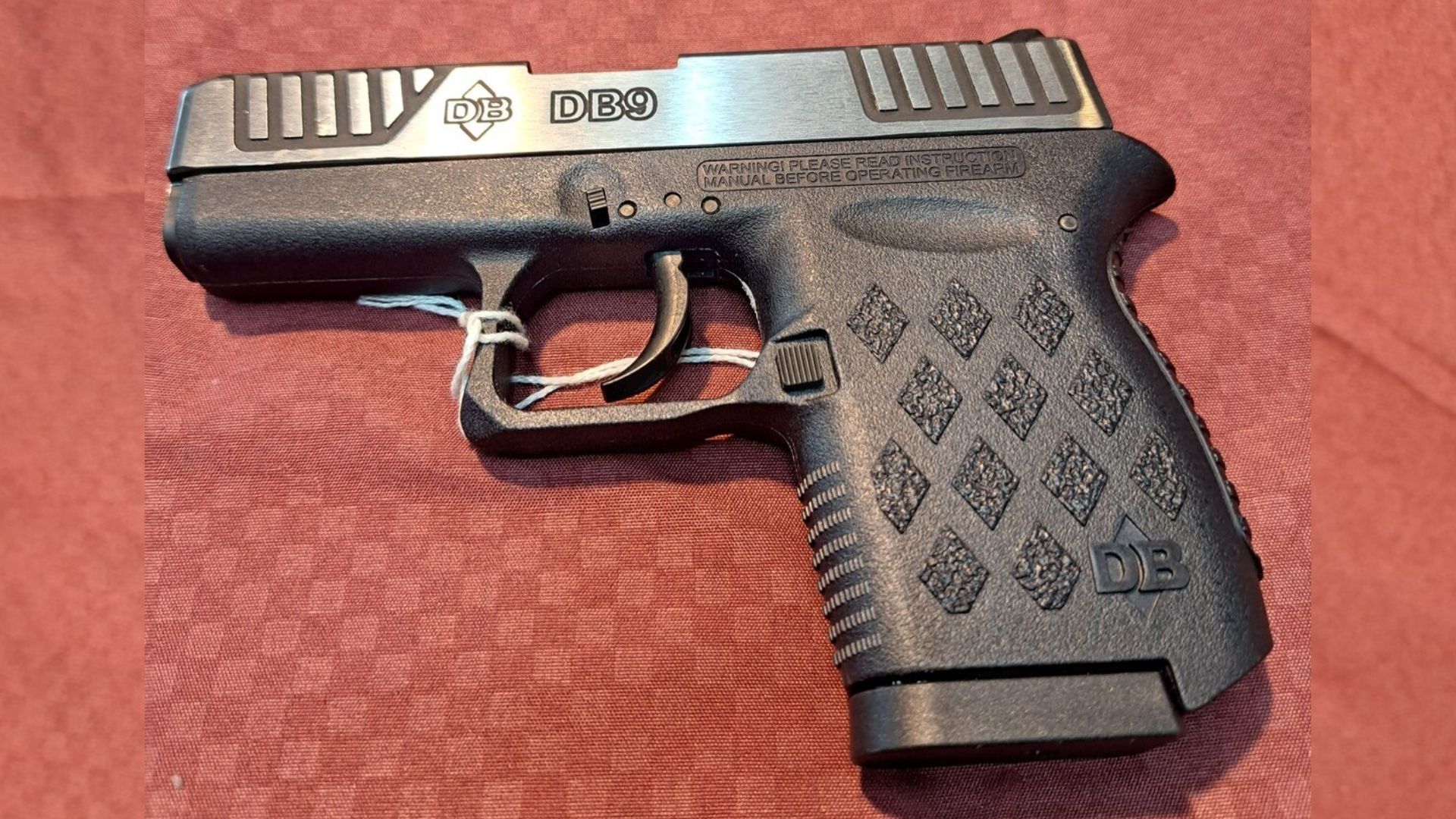
The Diamondback DB9 gets attention because of its size. A 9mm pistol that small and light has obvious appeal for deep concealment. It fits the role of a backup gun or hot-weather carry piece where larger pistols feel like too much. On paper, it sounds like a lot of capability in a tiny package.
The problem is that tiny 9mm pistols are rarely easy to shoot well. The DB9 gives the shooter very little grip to manage recoil, and that recoil can feel sharp fast. Follow-up shots take work, and range sessions are not exactly enjoyable. Some versions also carried reliability concerns that made buyers hesitant to trust them fully. The more someone trains with it, the more the tradeoff becomes obvious. It carries easily because it is tiny, and it shoots harshly for the same reason.
Beretta Nano

The Beretta Nano looked like a clean, serious carry pistol when single-stack 9mms were still the hot category. It had the Beretta name, a snag-free design, and a simple profile that seemed made for concealed carry. Buyers who wanted something minimal and sturdy had real reasons to consider it.
The appeal faded as people spent more time with the trigger, grip shape, and control layout. The lack of a traditional external slide stop bothered some shooters, and the pistol never felt as natural in the hand as many competitors. Then the carry market moved hard toward higher-capacity micro-compacts, and the Nano started feeling dated. It was not necessarily a terrible pistol, but it became one of those guns that made owners ask why they were accepting less capacity and less comfort when better options were becoming common.
Walther CCP M1

The Walther CCP M1 had a smart pitch. It was supposed to be a soft-shooting 9mm that was easier to rack and friendlier for recoil-sensitive shooters. That made it appealing to people who struggled with stiff slides or did not enjoy snappy compact pistols. Walther’s name helped, too, because shooters expected a polished design.
The gas-delayed system made the gun feel different, but it also brought complaints. Early recall issues, heat buildup, and a takedown process many owners disliked all chipped away at the pistol’s appeal. A softer-shooting carry gun sounds great until ownership becomes annoying. The CCP M1 had a good idea buried under enough frustration that many buyers looked elsewhere. When a defensive pistol needs extra patience to live with, people usually lose interest fast.
Remington RP9

The Remington RP9 should have been an easy sell. A full-size striker-fired 9mm from Remington, priced for regular shooters, sounded like a practical home-defense or range pistol. It offered capacity, a familiar type of action, and a famous American name.
Once people compared it with the rest of the market, the problems became obvious. The RP9 felt bulky, awkward, and less refined than the pistols it needed to beat. The trigger did not help, and the overall package failed to give buyers a strong reason to choose it over Glock, Smith & Wesson, Walther, CZ, Canik, SIG, or FN. A new striker-fired pistol has to do something well enough to stand out. The RP9 mostly reminded buyers that a famous brand is not enough when the gun feels behind the curve.
Colt All American 2000

The Colt All American 2000 had every chance to be important. Colt was trying to step into the modern 9mm service-pistol world, and buyers had reason to expect something serious. A polymer-framed Colt with a high-capacity 9mm setup sounded like it could compete with the changing handgun market.
The execution ruined the appeal. The All American 2000 became known for a poor trigger, disappointing accuracy, and a general sense that Colt had missed the moment. Instead of becoming the company’s modern pistol breakthrough, it turned into one of the most criticized handguns in Colt history. The gun is interesting today as a collector oddity, but that is different from being a satisfying purchase. For buyers who expected Colt quality in a forward-looking package, the problems showed up fast and never really went away.
SIG Sauer P250

The SIG Sauer P250 had an idea that made sense before the market fully caught up. Its modular fire-control unit allowed shooters to change sizes, grip frames, and calibers in a way that seemed flexible and practical. That concept later proved powerful with the P320, so the P250 was not wrong in theory.
The issue was the shooting experience. The long double-action-only trigger turned off a lot of buyers, especially as striker-fired pistols became easier to shoot well right out of the box. The modularity was clever, but clever does not make up for a trigger people do not enjoy. Shooters who bought the P250 expecting a flexible do-everything pistol often found themselves with a gun that felt harder to shoot than its competitors. The idea had appeal. The trigger drained a lot of it.
Smith & Wesson SW9VE Sigma
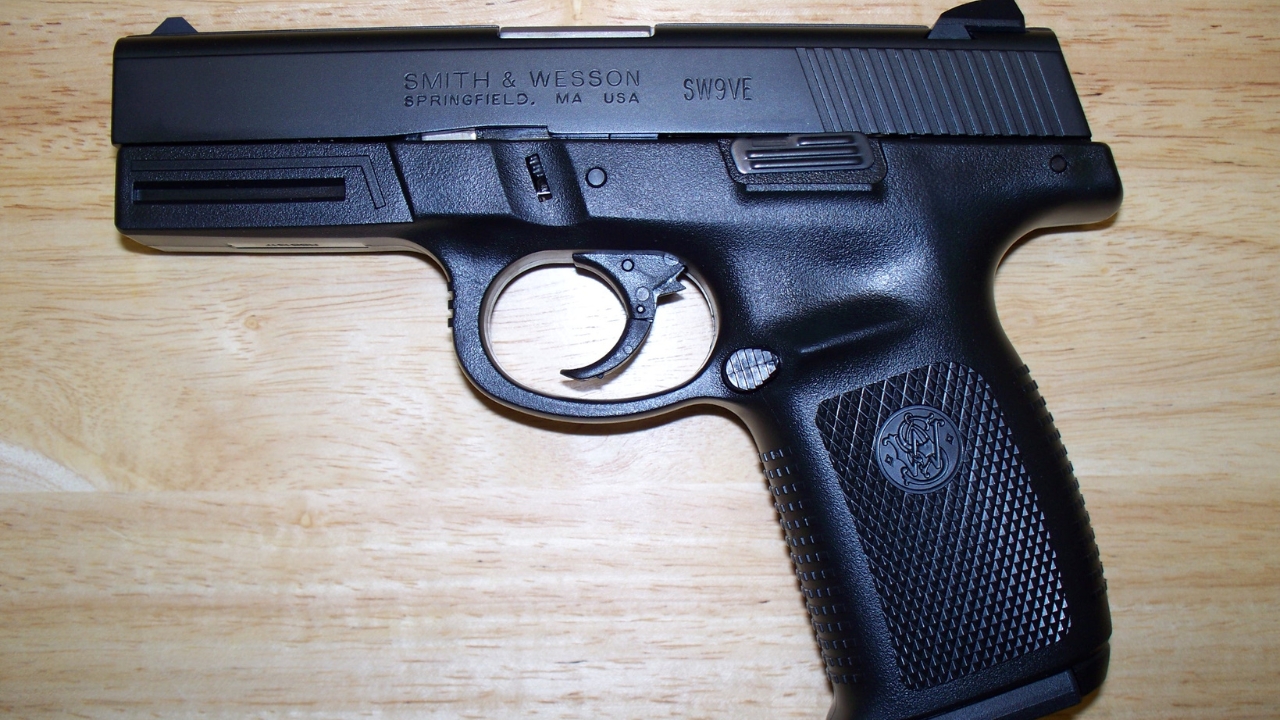
The Smith & Wesson SW9VE Sigma pulled buyers in with a low price and a respected brand name. It looked like an affordable way to get a basic 9mm defensive pistol without dipping into unknown bargain-bin territory. Plenty of them worked, and some owners still defend them because they did what they were supposed to do.
The problem was the trigger. Heavy, long, and not especially pleasant, it made the pistol harder to shoot well than it needed to be. Newer shooters often struggled with it, which is especially frustrating because budget defensive pistols are often bought by people who need confidence, not extra difficulty. Once the M&P line matured, the Sigma felt even more dated. A cheap gun can keep its appeal if it shoots well. The SW9VE often made buyers wish they had saved a little more.
Mossberg 464 SPX
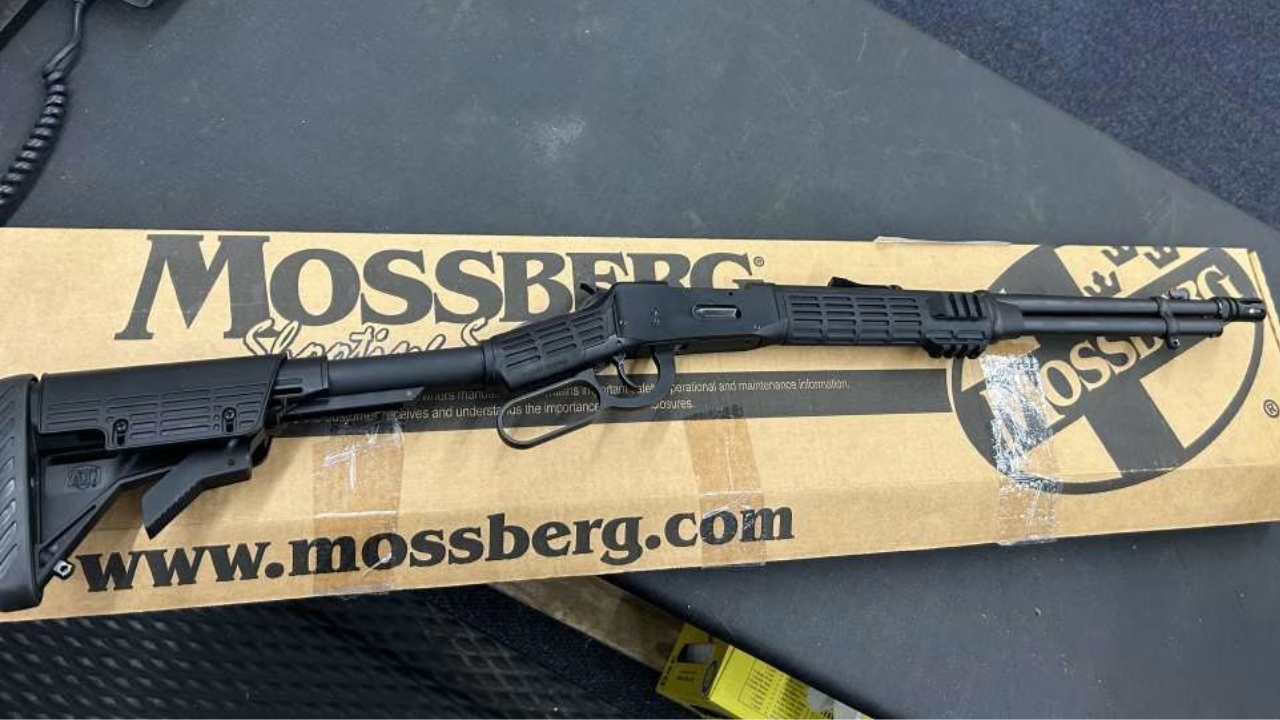
The Mossberg 464 SPX looked like someone tried to modernize a lever gun for a new crowd. It had tactical-style furniture, rails, and a look that definitely stood out from traditional walnut-and-blued-steel lever actions. For buyers who liked the idea of a lever gun with modern features, it had a certain odd appeal.
The problem was that the look did not land with everyone, and the practical advantages were limited. A lever-action rifle has its own strengths: handiness, balance, and quick shooting in close to moderate ranges. The SPX styling made the rifle heavier-looking, stranger-handling, and less appealing to many lever fans without truly making it competitive with modern tactical rifles. It was different enough to get attention, but not useful enough to win over many long-term owners. Once the novelty faded, the problems were hard to ignore.
Zip 22
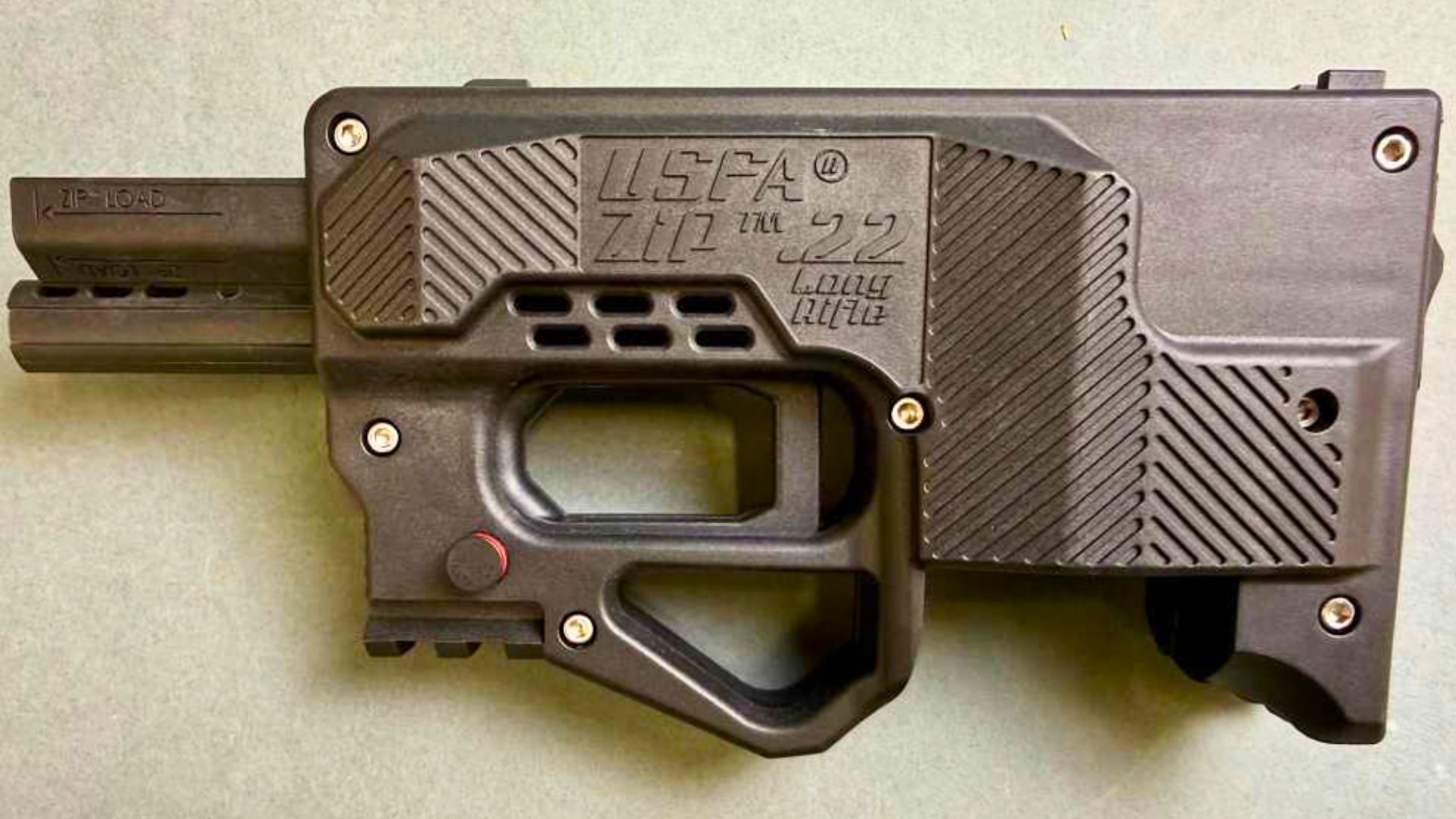
The Zip 22 is one of those guns that almost sells itself to people who enjoy weird firearm designs. It looked futuristic, strange, and unlike anything else on the shelf. A compact .22 LR pistol with an unconventional layout sounded like it might be fun, especially for buyers who already had normal guns and wanted something different.
Then people actually tried using it. The Zip 22 developed a brutal reputation for poor reliability, awkward ergonomics, and questionable practical value. The charging rods near the muzzle area made many shooters uncomfortable, and the gun’s handling never felt natural. Weird guns can still be enjoyable if they run well and make people smile at the range. The Zip 22 mostly became frustrating. Once the problems showed up, its appeal shrank to little more than curiosity value.
Bushmaster ACR

The Bushmaster ACR had enormous appeal when shooters first started paying attention to it. It looked modern, modular, and ready to challenge the AR-15’s dominance. The concept promised quick-change barrels, folding stock options, and a next-generation feel that made ordinary rifles look dated. Plenty of buyers wanted it to be the future.
The problems were not always about function as much as expectations. The ACR arrived expensive, heavier than many hoped, and without the level of support and development people expected from such a promising platform. The AR-15 kept improving, getting lighter, cheaper, and more modular while the ACR struggled to justify its price. Buyers who expected a revolution often got a rifle that was interesting but hard to support and harder to justify. The appeal was real. The follow-through never matched the promise.
Like The Avid Outdoorsman’s content? Subscribe to our newsletter so you never miss an article.
Here’s more from us: