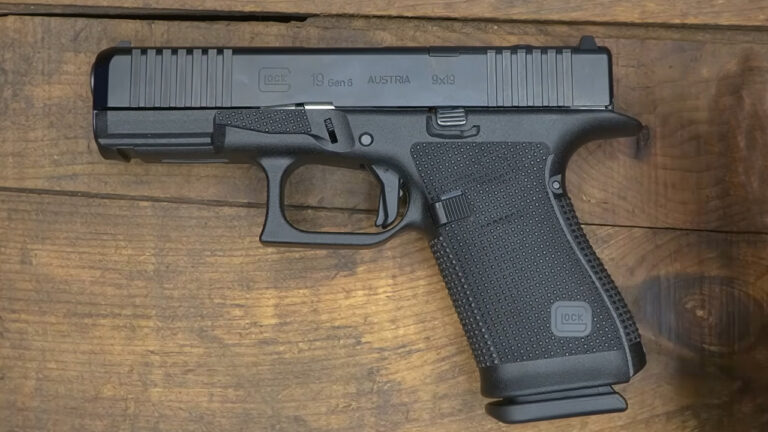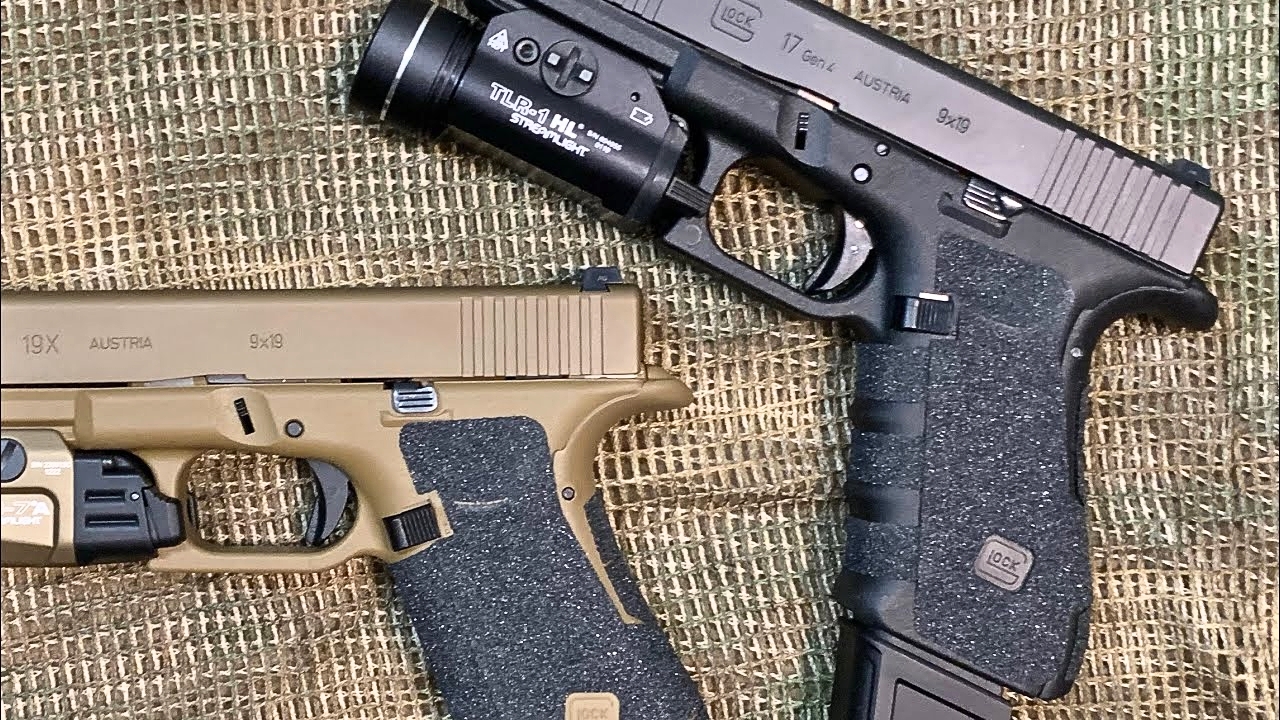
Photo credit: Armed Defender Research/YouTube
There’s a carry ammo trend a lot of Glock owners trust because it’s convenient, it’s widely available, and it’s easy to justify online: ultra-light, ultra-fast “screaming” defensive loads that chase velocity more than dependable penetration and consistency. You’ll see it marketed as flatter shooting, less recoil, higher energy numbers, and “more stopping power.” In real use, especially out of compact barrels, that trend doesn’t always hold up the way people assume. The problem isn’t that every light-for-caliber load is bad. The problem is the mindset: people start shopping by headline velocity and boutique claims instead of proven performance through common barriers, consistent penetration, and reliable function in their gun.
Glocks tend to run a lot of ammo well, so shooters get comfortable. They’ll fire a box, see it cycles, and call it good. But defensive ammo isn’t just about cycling. It’s about what it does when the shot isn’t perfect, when there’s heavy clothing, when angles are ugly, or when the barrel is shorter than the test platform the marketing was built around. A load that looks impressive on paper can under-deliver where it matters most.
Chasing velocity can trade away the thing you actually need
The thing you actually need from defensive ammo is repeatable performance: consistent penetration depth, consistent expansion (or at least consistent behavior), and a bullet that doesn’t do something weird when it hits something besides bare gel. Light, fast bullets can be more sensitive to real-world variables. They can expand too early, they can shed mass, or they can fail to penetrate enough after going through clothing or intermediate material. Again, not always, but often enough that you shouldn’t assume “fast = better” without evidence.
A lot of Glock owners also underestimate how much barrel length matters. The same load can behave differently out of a shorter carry gun compared to a full-size test barrel. That’s one of the reasons the marketing numbers can mislead people. If you’re carrying a compact or micro, you need to be honest about what your gun actually produces, not what the box brags about.
People confuse “energy” with effectiveness
Energy numbers are easy to sell because they’re simple. The bullet has X foot-pounds, therefore it’s “strong.” In real defensive use, what matters more is shot placement and consistent terminal performance. A bullet that expands too aggressively and doesn’t penetrate adequately can create a shallow wound that looks impressive but doesn’t reach what it needs to reach. The internet loves dramatic expansion photos. Real life rewards boring consistency.
This is where the trend goes off the rails: people pick ammo because it feels like an upgrade, not because it’s been proven to behave consistently across typical defensive scenarios. A Glock will still fire it, so the shooter thinks it’s validated. But firing isn’t the same as proving.
The other trap: “low recoil” loads that feel good but don’t perform like you think
Some of the light, fast loads also get bought because they feel softer and let people shoot tighter groups. That’s real, and comfort matters. But if a load is chosen primarily because it feels pleasant, you’re already starting from the wrong priority. A defensive load should first meet performance and reliability needs. Then you choose what you can shoot best among the loads that meet those needs. A lot of people invert that. They pick what’s easiest to shoot and assume the rest is fine.
That’s how a trend becomes a crutch. It becomes “my carry ammo” because it feels good and it’s available, not because it’s the best choice for the job.
What actually holds up better for most Glock owners
The boring answer is usually the best answer: a proven, mainstream defensive load in a common weight range that has a long track record and consistent testing data behind it. Not exotic. Not boutique. Not built around one flashy performance claim. The loads that hold up tend to be the ones built for consistent penetration and reliable expansion through realistic conditions, and that’s why you see serious trainers stick with boring options year after year. You don’t need to be trendy with carry ammo. You need it to be predictable.
And yes, you still have to verify function in your specific gun with your specific magazines. Even “good” ammo can show you something you didn’t expect, especially in small guns. If you’re grabbing mainstream defensive ammo locally, Bass Pro Shops is often a straightforward option because they stock common loads and weights more reliably than random gun-show tables.
The practical test you should actually run
Instead of believing the box, run a simple, realistic function check. Shoot enough of your carry load to confirm feeding, ejection pattern, slide lock, and recoil control in cold-start reps. Then shoot a few magazines after the gun has been carried for a while—not freshly cleaned. Pay attention to whether you’re getting consistent ejection, whether the gun feels “flat” enough to keep sights on target, and whether you can deliver accountable hits quickly. If the ammo is so snappy or so weird in impulse that your follow-ups degrade, that matters. If it produces inconsistent behavior, that matters.
You’re not trying to become a ballistic lab. You’re trying to avoid being fooled by a trend.
The carry ammo trend that doesn’t hold up is chasing ultra-light, ultra-fast loads based on marketing velocity and energy instead of consistent, proven performance. Glocks are forgiving and that forgiveness makes owners complacent. The smarter move is boring: pick a proven mainstream defensive load, verify it runs in your gun with your carry mags, and make sure you can shoot it cleanly when you’re cold. Trends are fun. Reliability is the whole point.
Like The Avid Outdoorsman’s content? Subscribe to our newsletter so you never miss an article.
Here’s more from us: