Photo credit: Grey Man Operations/YouTube
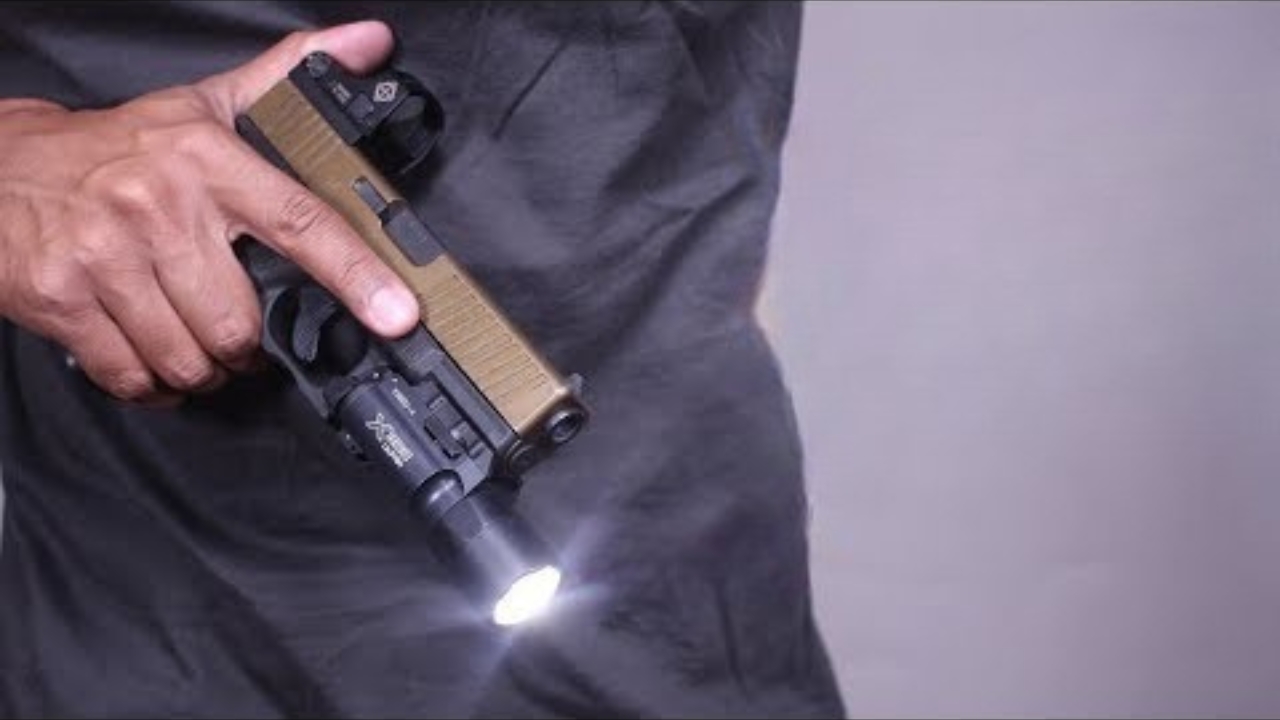
A weapon light can be a real advantage on the right carry pistol. It can also turn a handgun you liked into something wider, longer, harder to conceal, and far more irritating to live with every day. That is the part people often skip. They think only about output, switch placement, and the comfort of having light on the gun. Then they start carrying it, sit down in a truck, bend over, deal with a bulkier holster, and realize the setup changed more than expected.
That does not mean pistol lights are a bad idea. It means some carry guns wear them better than others. On certain pistols, the moment you add a light, the balance changes, concealment gets tougher, and the whole package starts feeling more like a duty rig than a daily companion. These are the carry pistols that often become annoying the second a light gets bolted on.
Glock 43

The Glock 43 makes sense because it is thin, light, and built around easy concealment. That is exactly why it gets annoying once you mount a light. The whole point of the pistol is that it stays trim and disappears easily. Add a light, and you suddenly have more bulk up front, fewer holster options, and a gun that no longer carries like the slim little single-stack people bought in the first place.
The problem is not that the pistol cannot wear a light. The problem is that the light changes the reason you chose the gun. The 43 starts life as a clean, minimal carry piece. Once the front end gets wider and the holster gets bulkier, the setup stops feeling elegant. You still have the small grip and small slide of a micro carry gun, but now you also have the extra hassle of a light-bearing rig hanging under it.
Glock 43X

The Glock 43X gives you more grip and better shootability than the 43, which is why many people think it will handle a weapon light more gracefully. In some ways it does, but the annoyance still shows up fast. The 43X is still a slim carry gun at heart, and once you hang a light on the rail, the front of the pistol starts feeling out of character. The top stays slim. The bottom no longer does.
That mismatch is what gets on people’s nerves. You lose some of the clean, easy concealment the pistol is known for, but you do not gain the steadiness or hand-filling feel of a larger compact. The holster gets larger, the dust-cover area feels busier, and the setup often starts printing more than buyers expected. It still works, but it stops feeling like the easy everyday gun that made the 43X so appealing to begin with.
Glock 48 MOS

The Glock 48 MOS is one of those pistols that looks like it should handle a light well because it has the length of a compact and the thinness of a single-stack. In actual carry, that can turn into a strange compromise. Add a light and the front end becomes wider and more awkward, while the long, slim slide still reminds you the gun was meant to carry flatter than a thicker double-stack.
That can make the setup feel more irritating than either a full compact or a true micro. The pistol gives up some of its clean concealment advantage, but it still is not a full-size working gun with extra weight to settle everything down. A light-bearing holster for a 48 MOS often feels larger than people expected, especially when seated. The whole package becomes more bothersome precisely because the base gun was so good at staying unobtrusive before the light went on.
SIG Sauer P365

The standard P365 is built around one idea: give you serious capability in a very small package. That is what makes it so attractive, and that is exactly what gets compromised when you mount a light. A micro pistol with a light usually becomes a gun with all the handling quirks of a tiny handgun and all the holster bulk of something larger. That is not always a great trade.
The annoyance shows up in daily carry more than at the range. The gun becomes less clean in the holster, less comfortable when seated, and more prone to feeling top-light and front-busy all at once. Switches and trigger guard space can feel tighter, and the light often sticks out in a way that reminds you how short the pistol really is. The P365 still conceals, but once the light goes on, it often stops feeling like the tidy little carry gun people originally loved.
SIG Sauer P365XL
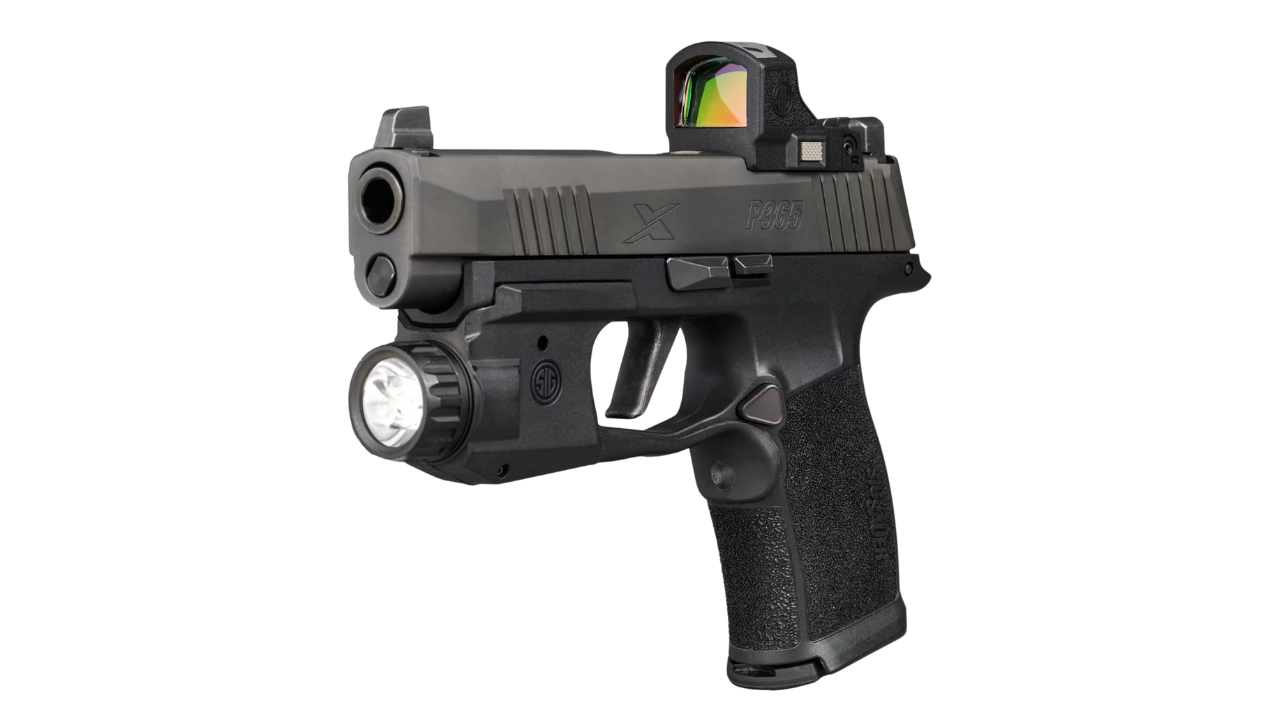
The P365XL handles a light better than the smaller P365 in some obvious ways. You have more slide, more sight radius, and a little more gun to hold onto. Even so, it can still become annoying once you commit to carrying it with a light every day. The XL works because it balances concealment and shootability well. Add a light, and that balance starts shifting toward bulk faster than many buyers expect.
What makes it irritating is that the pistol often stops feeling like the neat “middle ground” it was chosen for. The holster gets more noticeable, the front end gets busier, and the light adds width where the rest of the gun was trying to stay trim. That means the carry comfort often drops before the owner expected it to. It is still a strong setup on paper, but in daily life, the added front-end bulk can make the XL feel less clever and more cumbersome.
SIG Sauer P365 XMacro
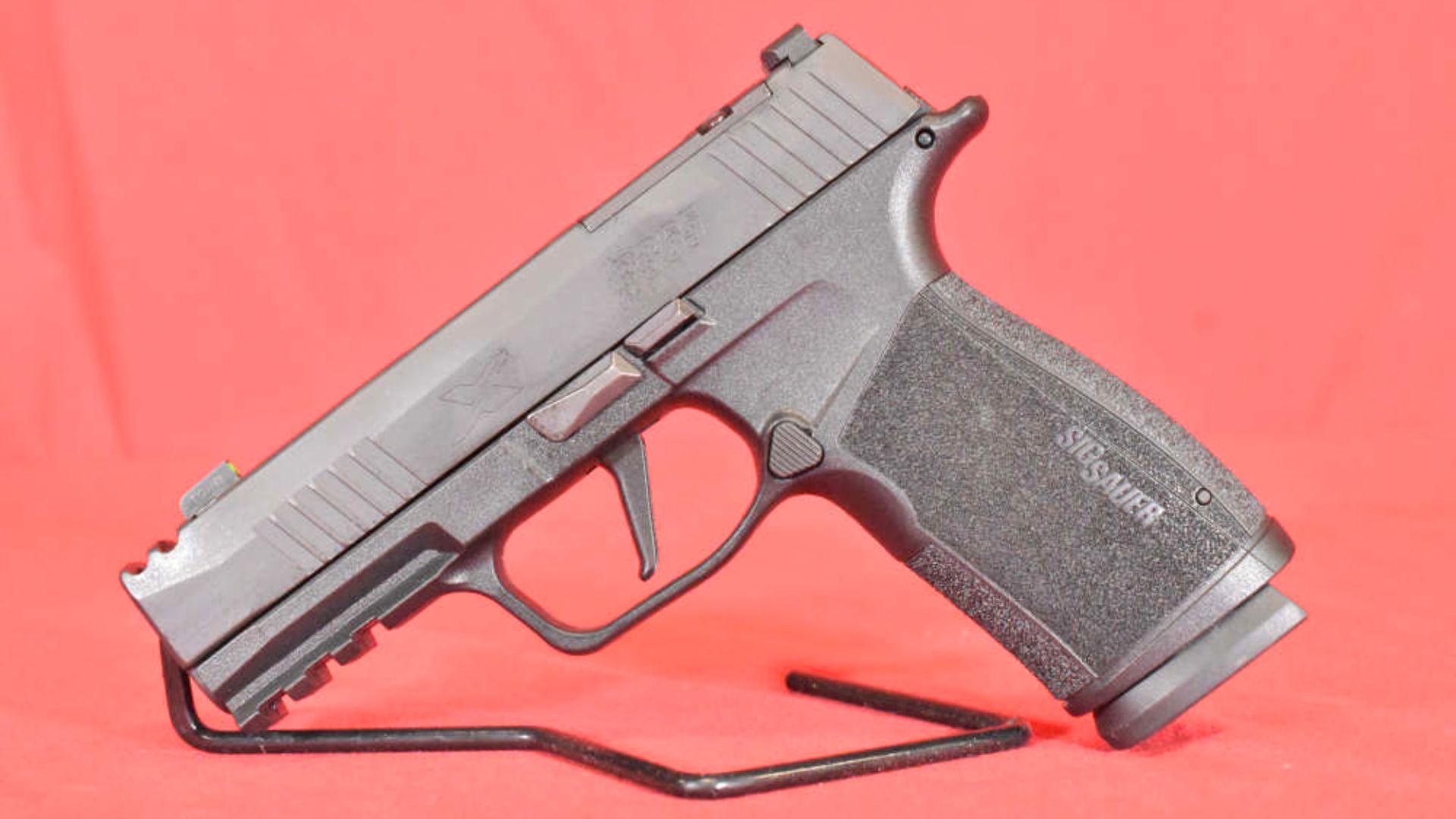
The XMacro already pushes the P365 line toward the larger end of practical carry, and that is why mounting a light can make it feel like it crossed a line. The gun starts as a high-capacity, shootable micro-turned-compact, which is a big part of its appeal. Once you add a light, the setup often stops feeling like a carry pistol with extra capacity and starts feeling like a cut-down duty pistol you are trying to pretend is still easy to conceal.
That difference matters over a full day. The XMacro can absolutely carry well, but the light adds enough bulk and holster size that the whole package starts demanding more wardrobe and more patience. The frame is already doing a lot. Once you bolt extra width and length under the dust cover, it can become the kind of gun people leave at home on days when they wanted something less noticeable. That is when the annoyance starts winning.
Springfield Hellcat

The Springfield Hellcat is built to be small, fast to conceal, and easier to live with than its capacity would suggest. Put a light on it, and you immediately start chipping away at that advantage. The frame stays short and compact, but the lower half of the gun becomes wider and more awkward. That makes the pistol feel less cohesive, especially if you bought it because you wanted the smallest serious 9mm package you could get.
A light on a Hellcat can also make the draw and reholster feel fussier than many buyers expected. The setup becomes more sensitive to holster choice, and the extra bulk near the muzzle and trigger guard can make a small pistol feel busier than it should. You still have the snappy feel and compact grip of a micro 9mm, but now you also have the front-end baggage of a light-bearing setup that changes the whole carry experience.
Springfield Hellcat Pro

The Hellcat Pro seems like it should solve the standard Hellcat problem by giving you a bit more slide and a more usable grip. In some ways, it does. But once you mount a light, the pistol often becomes one of those “in-between” carry guns that loses its clean identity. It is no longer the sleek, trim carry pistol people were drawn to. It becomes a broader, more involved setup that can feel bigger than it shoots.
That is where the annoyance comes from. The Pro was supposed to give you more comfort and control without making you jump all the way into compact-duty-gun bulk. A mounted light can undo a lot of that. The holster gets fatter, the front profile grows, and the carry comfort can drop enough that the pistol no longer feels as easy to live with. It remains capable, but the light often pushes it from “smart compromise” into “more trouble than expected.”
Smith & Wesson Shield Plus

The Shield Plus works because it keeps the classic Shield formula intact while giving you better capacity. It is flat, familiar, and easy to carry daily. Add a light, and the whole reason many people bought it starts getting diluted. The Shield line has always been about staying slim and clean. A mounted light changes that immediately, especially on a gun that still has the narrow, carry-first proportions of a single-stack-style pistol.
The result is a setup that often feels more awkward than the specs suggest. The pistol itself stays slim, but the light-bearing holster adds thickness in the exact area buyers were trying to keep minimal. That can make the Shield Plus feel less comfortable on the belt and more noticeable under ordinary clothing. It still works as a defensive setup, but the moment the light goes on, the easy, low-drama carry character that made the Shield attractive starts fading fast.
Glock 19
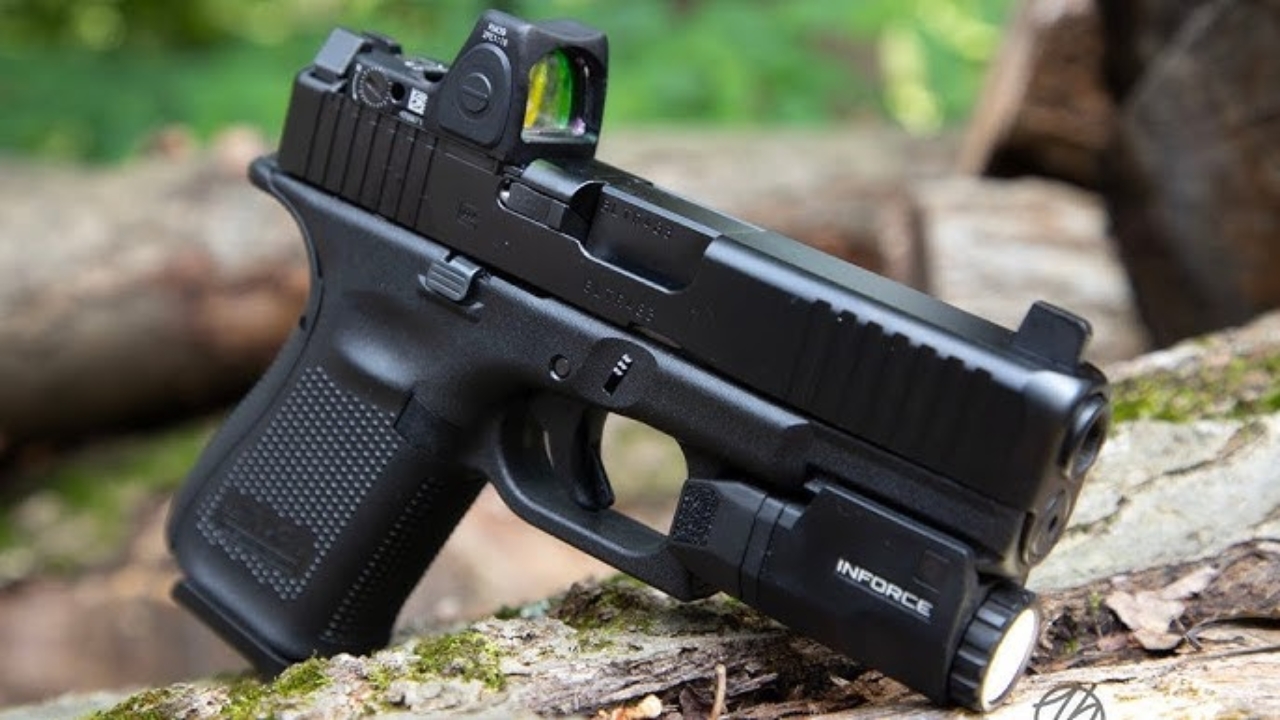
The Glock 19 can wear a light very well in a practical sense, but that does not mean it stays pleasant as an everyday concealed-carry gun once you add one. The G19 already sits at the edge of what many people consider effortless daily carry. With a light mounted, the holster grows, the front end feels bulkier, and the whole rig starts behaving more like a duty setup than the versatile “do everything” pistol people wanted.
That is what makes it annoying. The gun still shoots fine, and many people use this exact setup successfully. But carrying it all day becomes more of a commitment. Sitting, driving, bending, and dressing around it can start feeling noticeably less forgiving than with the plain pistol. The G19 with a light is often perfectly functional. It simply stops feeling like the easy all-around carry answer the second the lower half of the gun gets larger and harder to ignore.
Glock 26
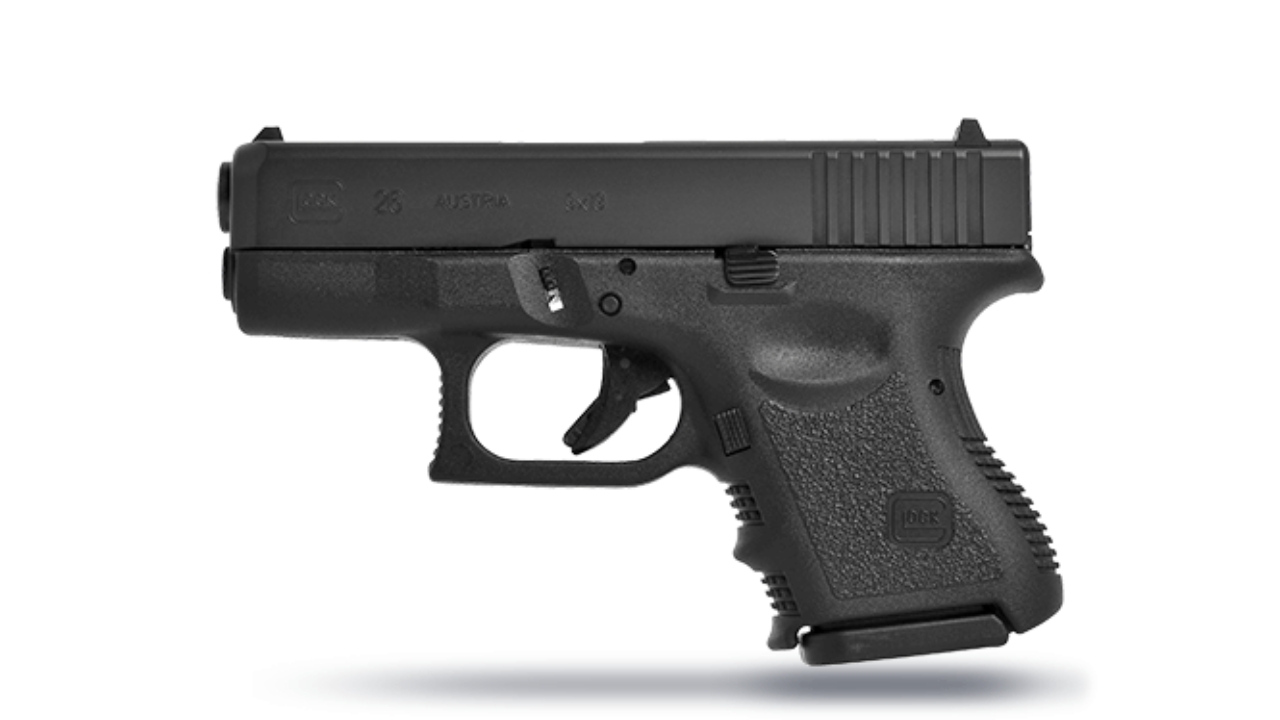
The Glock 26 is one of the clearest examples of a pistol that can feel slightly silly once you mount a light. The whole point of the gun is to give you compact dimensions with thicker, proven Glock reliability in a small package. Once you bolt a light to the rail area, you end up with a short pistol wearing extra front-end bulk that often defeats the reason people chose the little gun in the first place.
That mismatch makes the setup irritating. You still have a short grip and a compact slide, but now you also need a larger light-bearing holster that can feel closer in size to a holster for a bigger gun. That raises an obvious question: why accept the smaller shooting platform if the carry rig is no longer especially small? The G26 still works fine with a light, but for many owners, the carry experience starts feeling needlessly compromised the moment they do it.
SIG Sauer P320 Compact
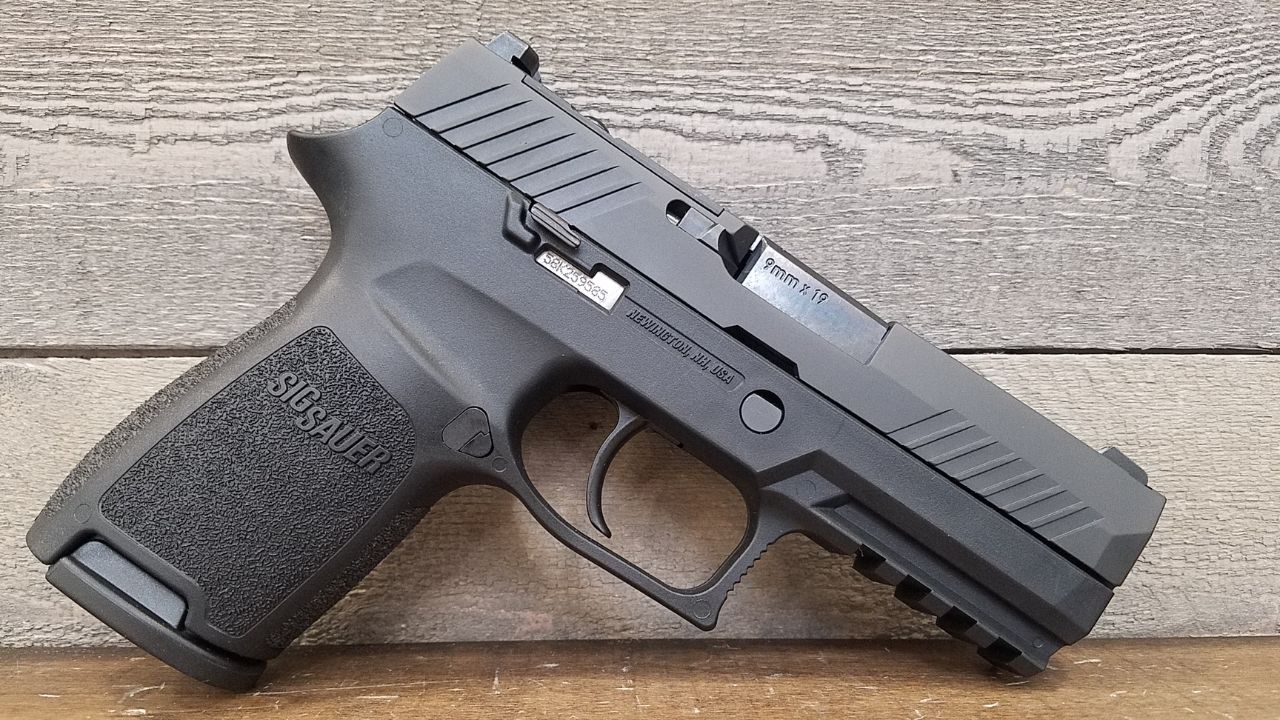
The P320 Compact already has more of a service-pistol feel than many dedicated concealed-carry guns, which means adding a light often pushes it farther in that direction than people really wanted. On paper, the setup looks smart: solid capacity, good shootability, and positive target identification. In daily carry, though, a compact P320 with a light starts behaving like a trimmed duty gun, not a comfortable all-day concealment piece.
The annoyance is not mysterious. The pistol grows in width and holster bulk, the lower front end becomes more noticeable, and the whole package starts demanding more belt support and more patience. If the owner was already carrying near the upper edge of what feels comfortable, the light can be the change that tips the setup into “leave it home” territory. It is a capable combination, but capability and comfort are not the same thing once the gun is on your waist all day.
Smith & Wesson M&P 2.0 Compact

The M&P 2.0 Compact handles a light in a practical sense about as well as many compact pistols do. It shoots well, balances reasonably, and can absolutely serve in that role. The problem is that it is already a fairly substantial carry gun for many people. Once a light goes on, the extra width and holster size can make the setup feel noticeably more annoying than the plain pistol ever did.
What changes most is the carry feel. The M&P 2.0 Compact without a light can ride close and feel manageable with a good holster. Add a light and the lower profile gets thicker, the drawstroke can feel a bit more involved, and the whole rig becomes more demanding in normal clothing. Nothing about that means the setup is bad. It means many owners discover that a pistol which was comfortably carryable before the light can become much less pleasant once the front end gets dressed up.
CZ P-10 C

The CZ P-10 C is a very shootable compact, which makes many buyers assume a light will be an easy addition. The pistol itself usually handles the change well enough mechanically, but carry comfort is where the irritation starts. The P-10 C is not a tiny gun to begin with, and once you add a light, the holster gets broader and the front half starts feeling more intrusive than many people expected from a “compact.”
That extra bulk matters because the P-10 C’s strength is that it already feels like a serious working pistol in a fairly manageable size. A light can push it past that sweet spot. The gun becomes more demanding to conceal, more noticeable when seated, and less forgiving in slimmer clothing. You still get the excellent grip and controllable shooting, but now you are living with a setup that often feels closer to a duty rig than the owner really intended for daily carry.
Heckler & Koch VP9SK

The VP9SK already asks you to accept a chunky subcompact format in exchange for strong shootability and HK build quality. Add a light, and that chunky feel becomes harder to ignore. The pistol is not especially thin, and once the front end grows wider with a mounted light, the setup can start feeling bulkier than many people think a subcompact should ever feel. That is where the annoyance shows up first.
The bigger issue is that you end up carrying a short pistol with a comparatively involved holster setup. That means you keep the shorter sight radius and shorter grip compromises while also taking on added lower-end bulk. For some owners, that math stops making sense quickly. If the gun is going to carry like something more substantial, many start wondering why they did not simply choose a slightly larger pistol that was easier to shoot cleanly in the first place.
Walther PDP Compact
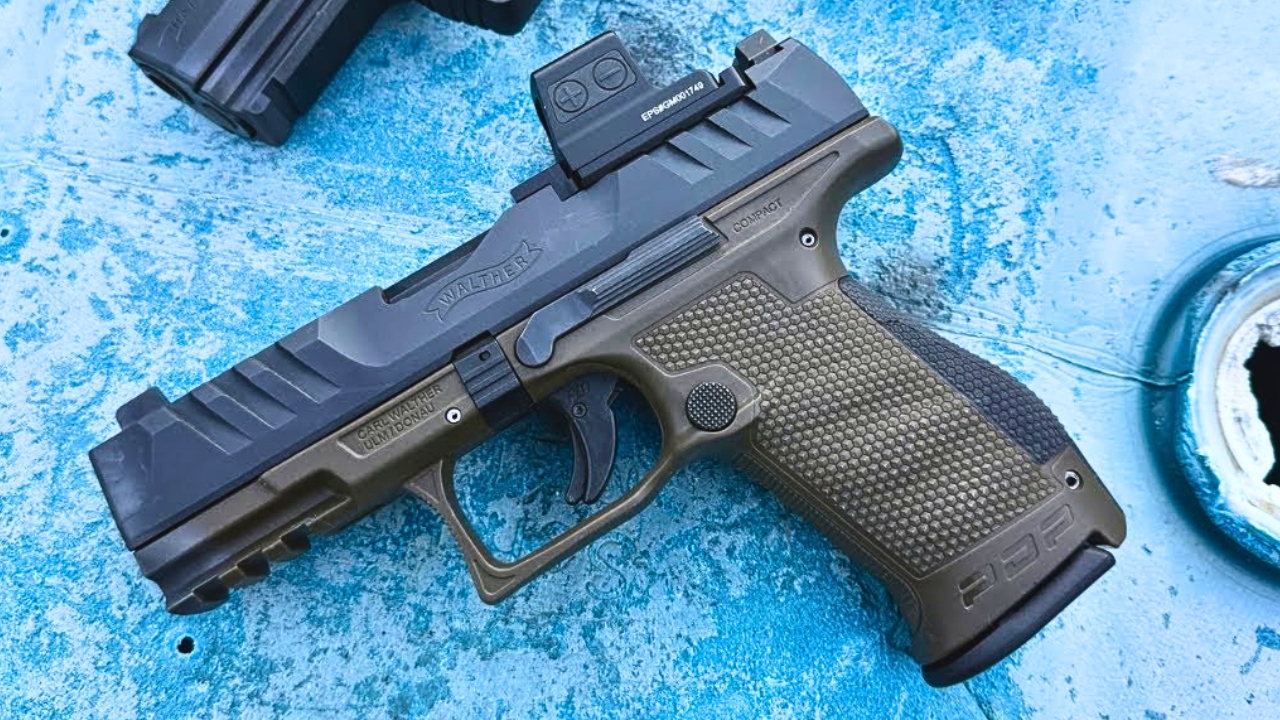
The Walther PDP Compact is already a robust compact pistol with a broad slide and a very duty-friendly overall feel. That makes it a strong shooter, but it also means it starts closer to the “large for carry” side than many buyers admit. Add a light, and it often crosses from “concealable with effort” into “noticeably irritating by midday,” especially for people trying to conceal it in ordinary clothes rather than dressing around it aggressively.
The reason is straightforward: the PDP Compact does not start as a featherweight, low-profile gun. It starts as a capable, substantial compact. Mount a light and the front end gets even wider, the holster gets more involved, and the package can begin to feel heavy and busy on the belt. It remains an excellent pistol. It simply becomes much easier to admire on paper than to enjoy carrying daily once the light goes on.
Like The Avid Outdoorsman’s content? Be sure to follow us.
Here’s more from us: