Photo credit: Thornfield Hall – CC BY-SA 4.0/Wiki Commons
Some handguns were built to last. Others just refused to go away. Whether due to budget, battlefield reliability, politics, or sheer familiarity, a few sidearms stayed in military or law enforcement use long after their replacements were announced. These weren’t always the most advanced pistols on the scene, but they earned reputations for being good enough to keep issuing year after year. If you’ve ever wondered why certain pistols keep showing up in photos long past their prime, here’s a look at the ones that stuck around way longer than anyone expected.
Colt M1911
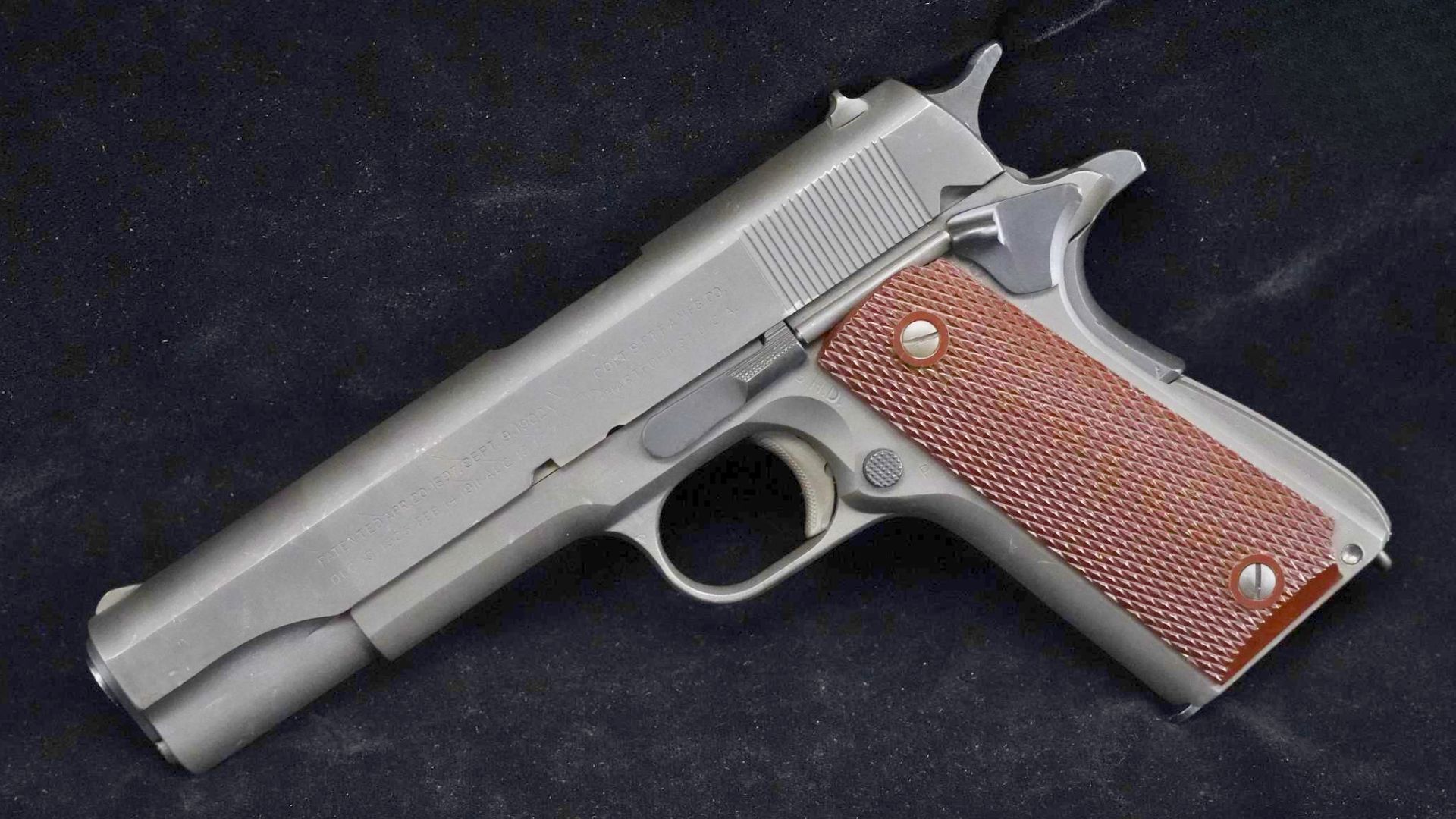
The M1911 was supposed to be replaced by the Beretta M9 in the 1980s, but it never fully left. Decades after the transition, it remained in use by Marine units, special operations, and even some military police units. Why? Because the 1911 still worked, and many shooters trusted its .45 ACP power and single-action trigger.
It took a long time to phase out every last one. Some were modernized with new parts, others kept old WWII frames. The 1911 proved that a well-made steel handgun could hold its own through multiple generations of conflict. Even now, it has a presence in competitive shooting and specialized military units.
Browning Hi-Power

Designed in the 1930s, the Browning Hi-Power served in dozens of countries well into the 2000s. Even after polymer pistols became the norm, many forces kept their Hi-Powers because of their reliability and combat-proven track record.
Canada used it as their standard sidearm until 2017. The British military kept theirs through multiple conflicts, from the Falklands to Iraq. It wasn’t fancy, but the all-steel construction, 13-round capacity, and simple controls made it a hard gun to retire. It took modern logistics and new procurement pushes to finally push it out of service.
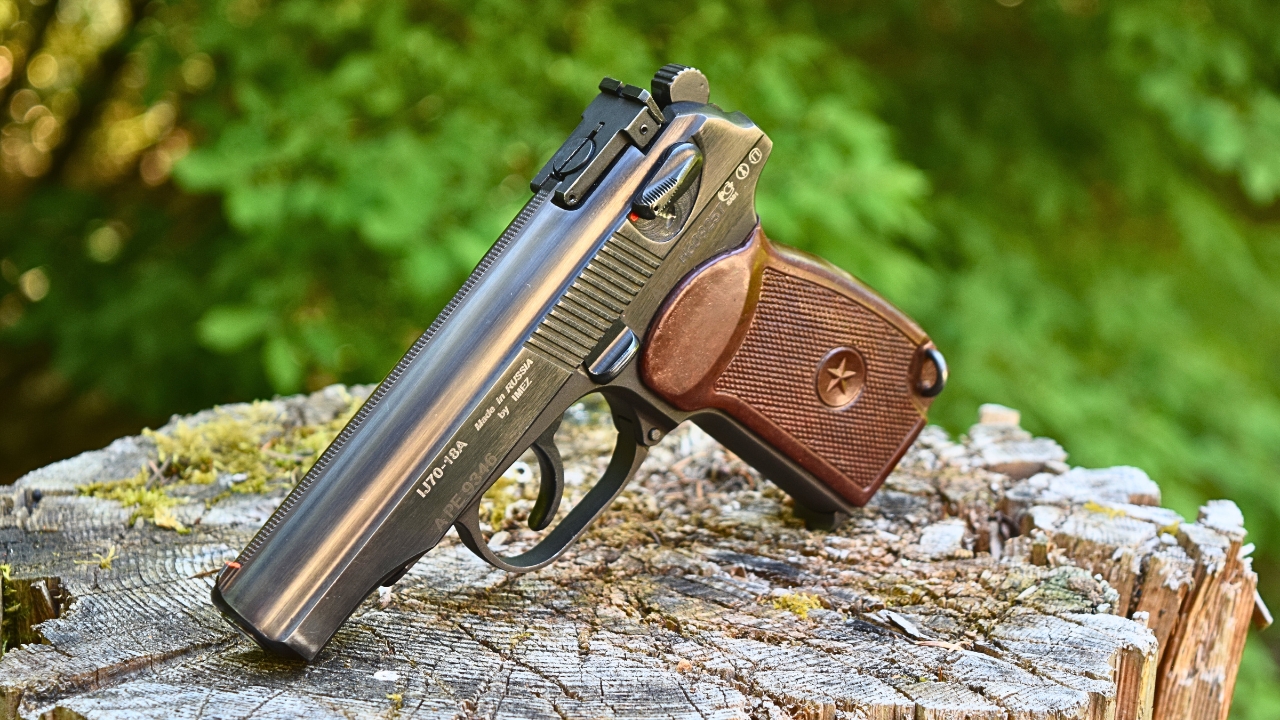
Makarov PM
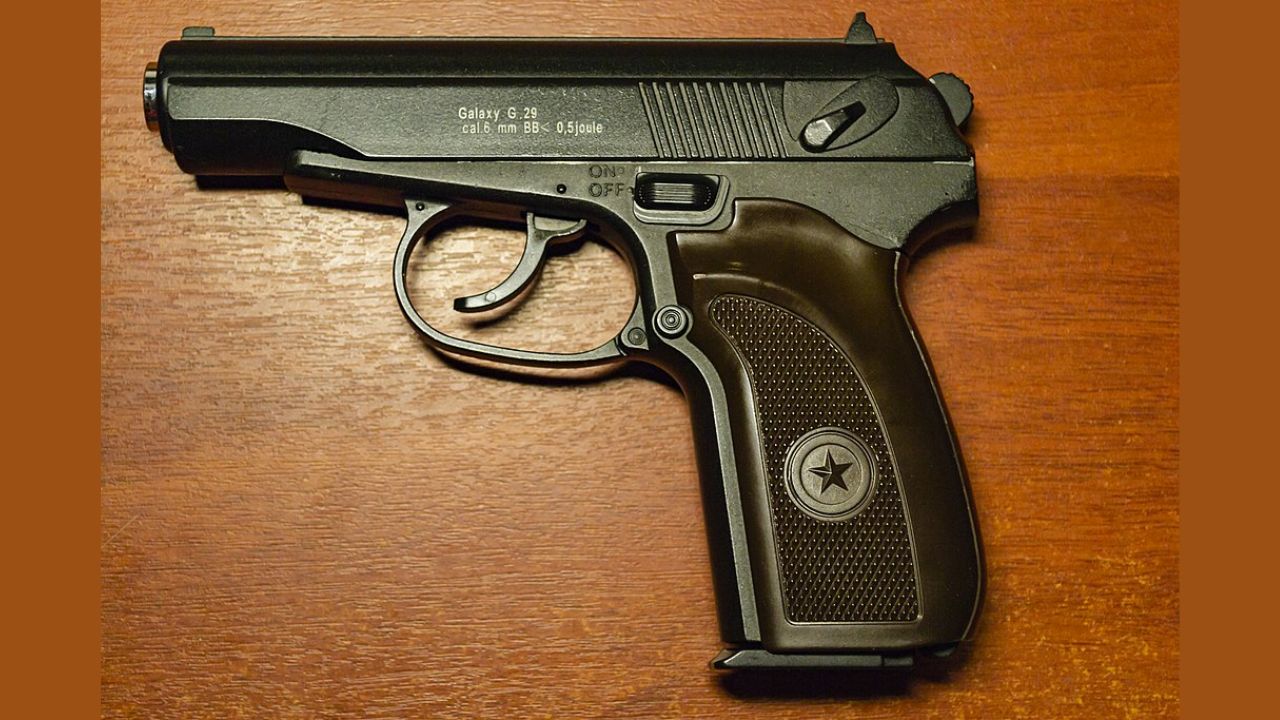
The Soviet-designed Makarov PM entered service in the 1950s and stuck around in former Eastern Bloc nations for decades. Compact, simple, and chambered in 9x18mm, it was issued widely across Warsaw Pact countries.
Even after newer designs were adopted, many police and military units kept their Makarovs in service due to cost and familiarity. It’s still in use today in some regions as a backup or ceremonial arm. It may not be high-capacity or modular, but the Makarov keeps running with minimal upkeep and has earned its spot in the long-haul club.
Smith & Wesson Model 10

The Model 10, chambered in .38 Special, was the standard issue revolver for many U.S. police departments from the early 20th century well into the 1990s. Even after semi-autos took over, some departments held onto the Model 10 for decades.
Why? Because it worked. It was easy to train with, simple to maintain, and built to last. Officers who carried it often did so for their entire careers. Even after agencies started issuing Glocks or SIGs, some cops preferred to keep their Model 10 as a backup or personal duty weapon.
Beretta M1951
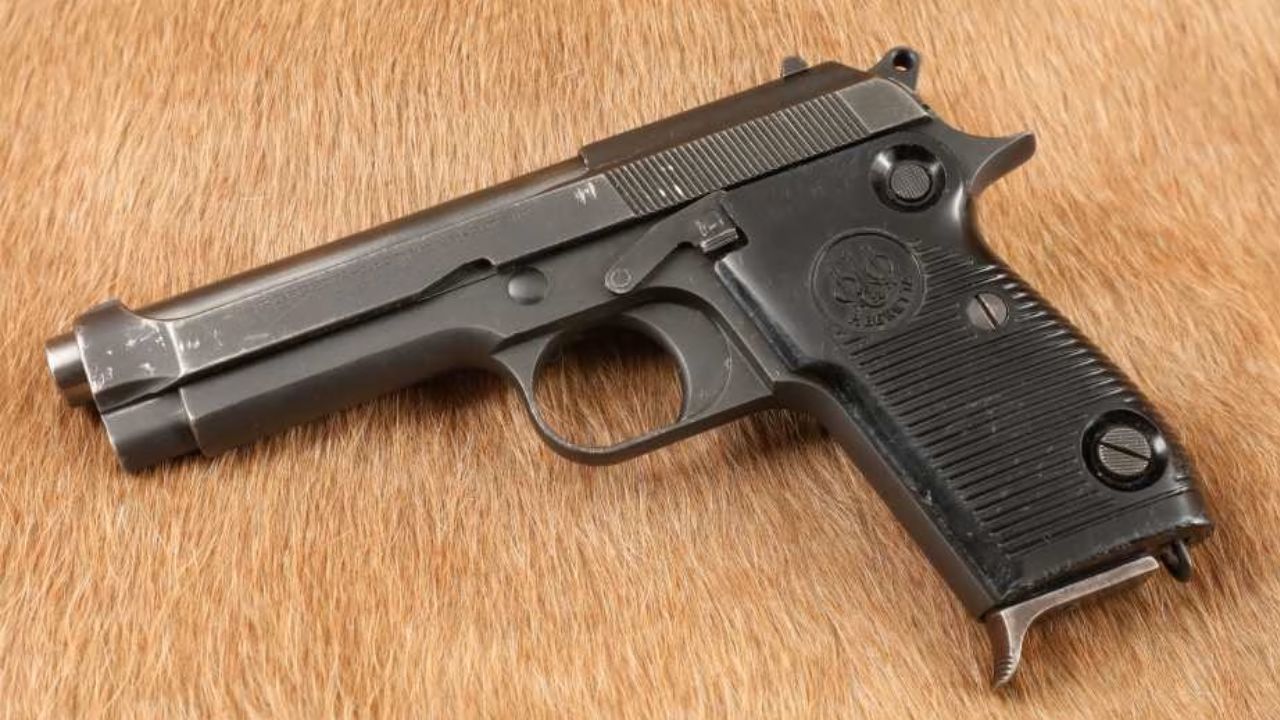
The Beretta M1951 was an early semi-auto from Italy that predated the famous 92 series. It served in Italian and Middle Eastern military forces for decades, particularly in Egypt and Iraq, well into the 2000s.
While eventually replaced on paper, the M1951 kept showing up in field photos and captured caches. It had quirks—like a single-stack mag and heel release—but it was rugged, accurate enough, and familiar to those who trained on it. In many parts of the world, it stayed in use because better options weren’t readily available.
CZ 75 (original and clones)

The CZ 75 wasn’t supposed to be a global duty pistol, but it found its way into police and military arsenals in Europe, Asia, and South America. And once it got there, it stuck around. Even after polymer striker-fired pistols became standard elsewhere, the CZ 75’s double-action trigger and steel frame kept it relevant.
Several countries kept issuing it or variants of it well into the 2010s. You still see it in holsters across various smaller agencies. The platform’s durability and shootability meant there was no rush to swap it out.
Tokarev TT-33

The Tokarev was the Soviet Union’s main sidearm from the 1930s until the Makarov replaced it. But it didn’t vanish. The TT-33 continued to see use in satellite states and conflict zones around the world for decades after its retirement.
Its ruggedness and high-velocity 7.62x25mm round gave it solid penetration. Some countries preferred it to the Makarov due to that flatter shooting, hotter cartridge. It wasn’t as safe or refined, but it worked—and stuck around in the hands of troops, insurgents, and law enforcement deep into the 21st century.
FN Model 1910/1922

This small FN pistol was originally meant for civilian and police use, but it ended up serving in multiple wars and with militaries throughout Europe. Despite being outdated almost immediately after WWII, it lingered in arsenals and police holsters into the 1970s and beyond.
Its blowback design, compact size, and modest recoil made it accessible to smaller-stature shooters. Countries with limited budgets found it easier to keep issuing old FN models than re-equip with more modern sidearms.
SIG P210

The P210 is one of the most accurate service pistols ever made, and the Swiss kept it in use far longer than most would expect. It was originally issued in the late 1940s and remained the standard sidearm for the Swiss military into the 2000s.
Its fit and finish were outstanding—almost too nice for a duty gun. But that build quality also made it incredibly consistent and long-lasting. Even after its official replacement, the P210 still found favor among special units and competitive shooters who valued precision over capacity.
Colt Detective Special

This snub-nose revolver was popular with detectives and plainclothes officers from the 1920s into the 1980s. Even after other small autos hit the market, many departments kept issuing or approving the Detective Special due to its size and reliability.
It was easy to conceal, easy to shoot, and hard to wear out. Cops who carried them trusted them. Long after automatics became the norm, the Detective Special was still showing up on belts and in shoulder rigs across the country.
Luger P08
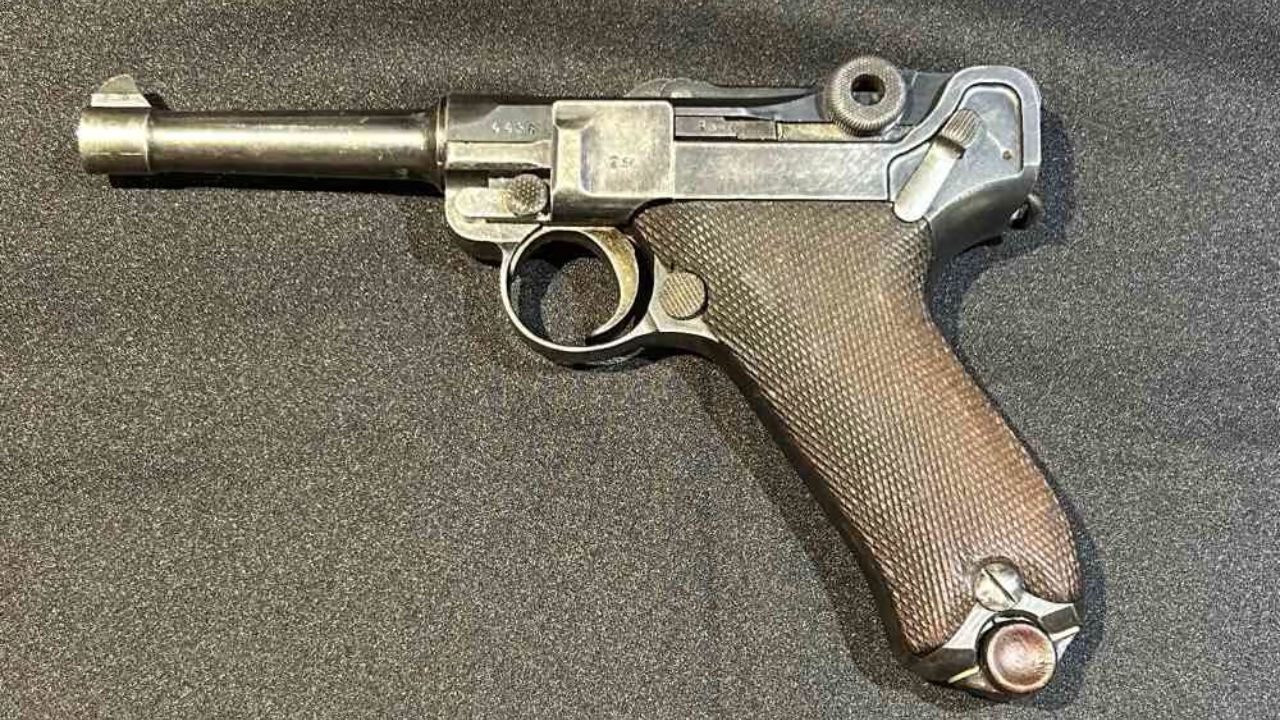
The Luger wasn’t known for reliability, but its iconic shape and unique toggle action kept it in use long past its prime. Officially retired by the German military in the late 1930s in favor of the Walther P38, the Luger still saw wide use through WWII and into the postwar years.
Captured Lugers ended up all over the world, especially in police forces and secondary units. Even when replacements were available, some forces kept using what they had on hand. For a pistol that was expensive to make and hard to maintain, it sure had staying power.
*This article was developed with AI-powered tools and has been carefully reviewed by our editors.