Photo credit: 704 TACTICAL/Youtube
Some guns don’t look like future money when they’re sitting on the rack. They look common, odd, outdated, or too plain to matter. People walk past them, trade them cheap, or assume they’ll always be easy to find.
Then the market catches up. Production ends, quality changes, collectors start paying attention, or shooters finally realize the gun filled a role nothing else handled quite the same way. These are the guns that got expensive before a lot of people understood why.
Marlin 1894C
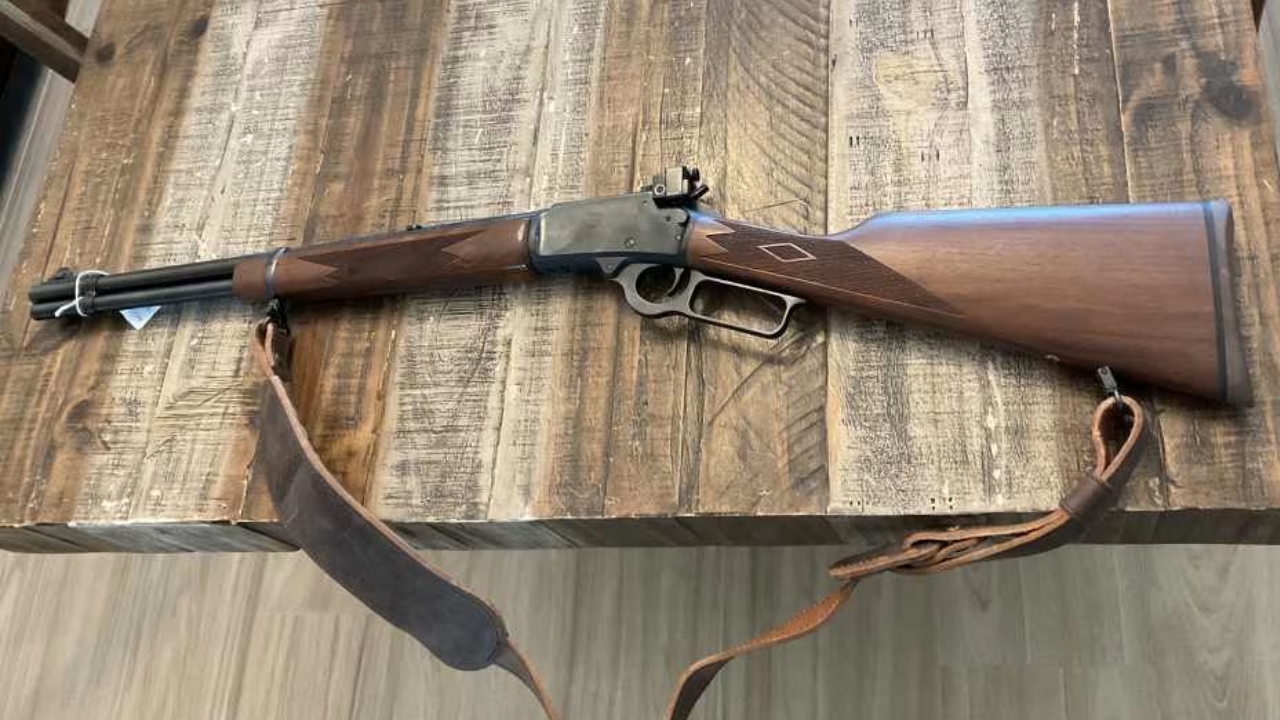
The Marlin 1894C was once easy to treat like a handy little .357 lever gun and nothing more. It didn’t look exotic. It didn’t have magnum-rifle drama. It was just a compact pistol-caliber carbine that shot .38 Special and .357 Magnum, carried well, and made sense around land or in short-range woods.
That usefulness is exactly why prices climbed. A .357 lever gun is cheap to practice with, mild to shoot, and more useful than it looks at first. Once older Marlins became more desirable and pistol-caliber lever guns got popular again, the 1894C stopped being casual rack filler. People realized it was one of the most practical little lever guns around.
Colt Detective Special
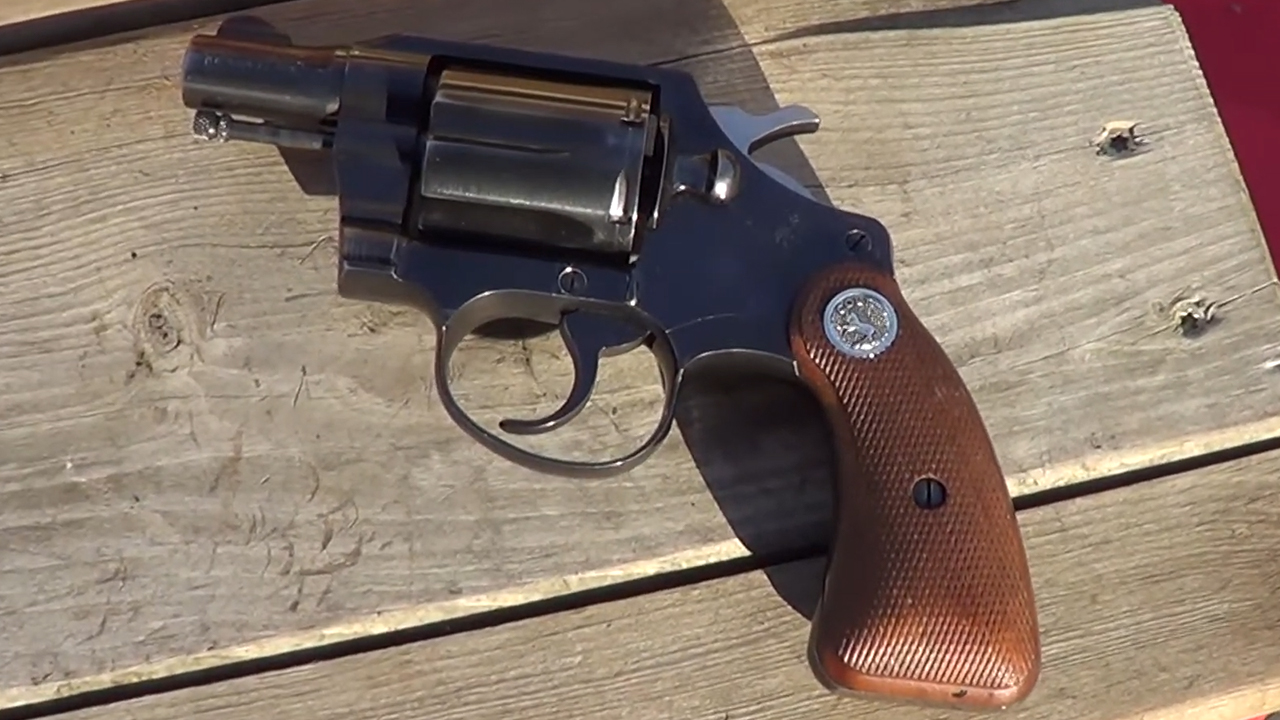
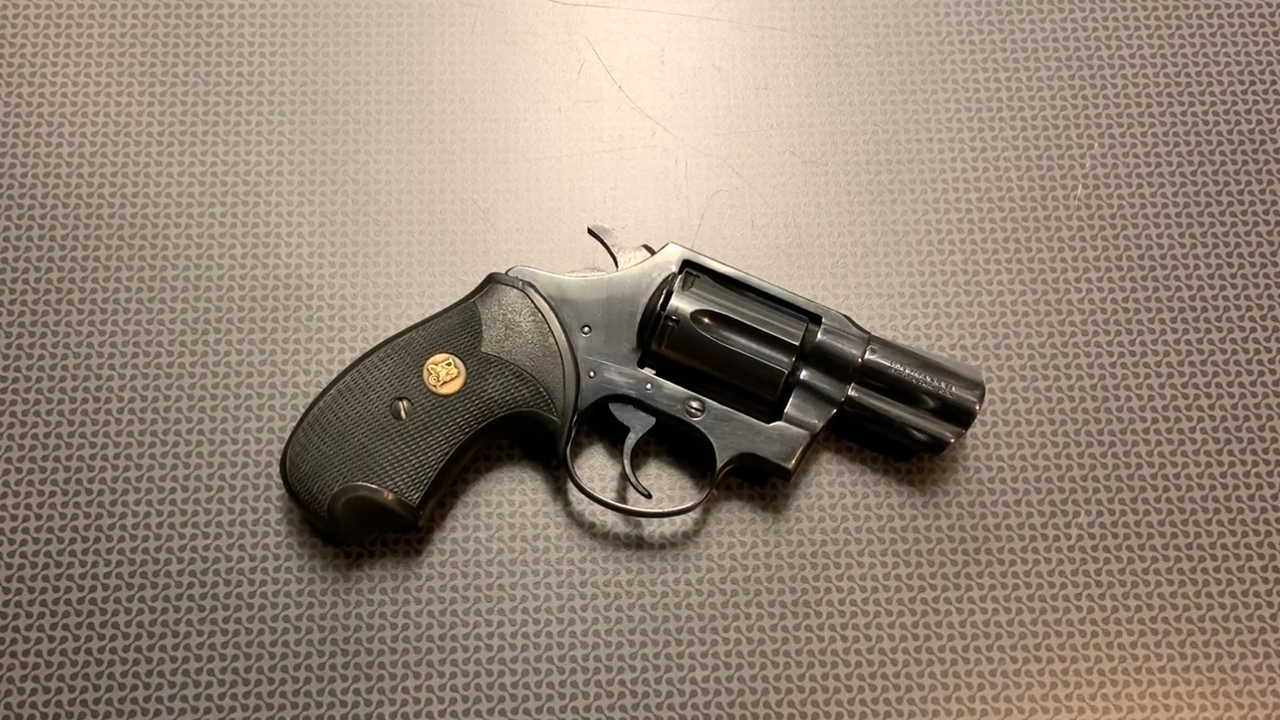
The Colt Detective Special spent a long time as a working snubnose revolver, not some untouchable collector piece. It had six rounds of .38 Special in a compact frame, classic Colt styling, and a reputation built through decades of real carry use. For years, plenty of them were simply old revolvers in used cases.
Then Colt revolvers started climbing, and the Detective Special came along for the ride. The six-shot capacity gives it an edge over many five-shot snubs, and the old Colt action has its own feel. Clean examples, especially earlier generations, now get attention fast. A lot of buyers didn’t realize until too late that compact Colt revolvers were never going to stay cheap forever.
Winchester Model 9422
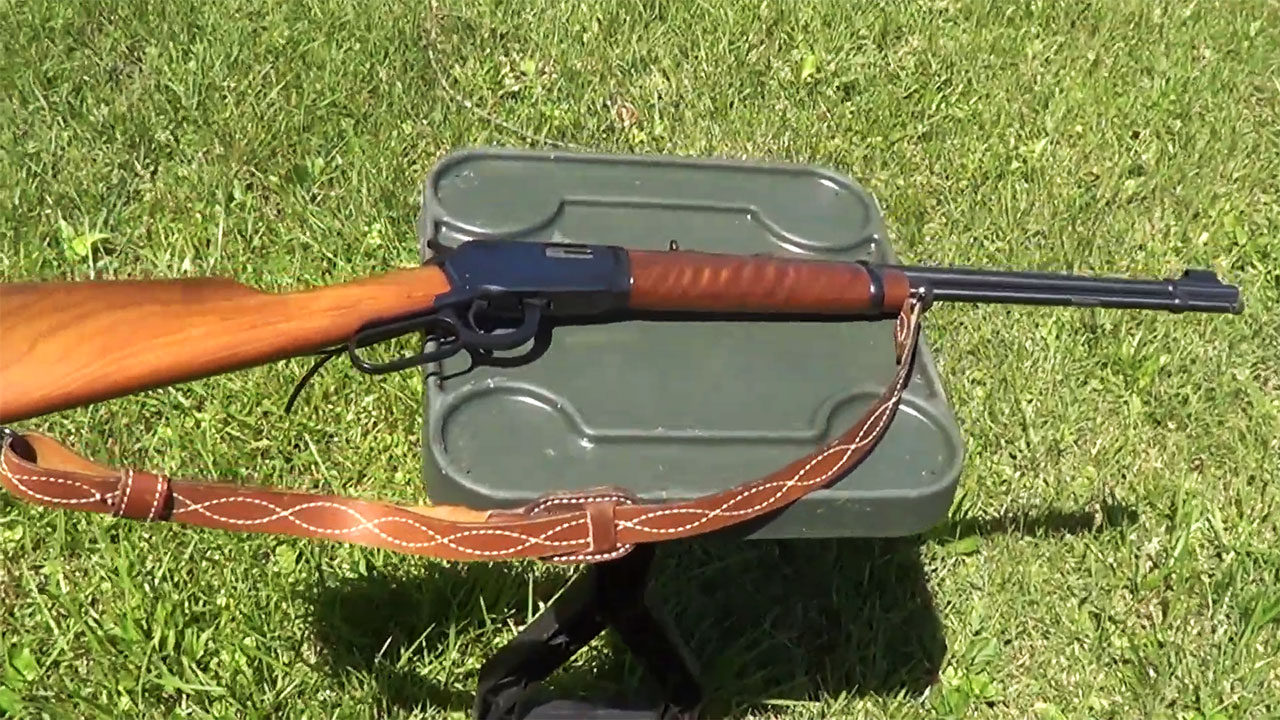
The Winchester Model 9422 became expensive because people eventually remembered that a good .22 lever-action is worth real money. For a long time, rimfires were treated as casual guns. Fun, useful, but not always something buyers wanted to spend much on. That made some folks pass on the 9422 when prices were friendlier.
Now it’s obvious why that was a mistake. The 9422 is smooth, well-built, and scaled right. It feels like a real rifle, not a toy wearing lever-action clothes. It works for small game, plinking, and teaching new shooters, but it has enough quality to satisfy experienced hands too. Once production ended and clean rifles dried up, the price made a lot more sense.
HK P7
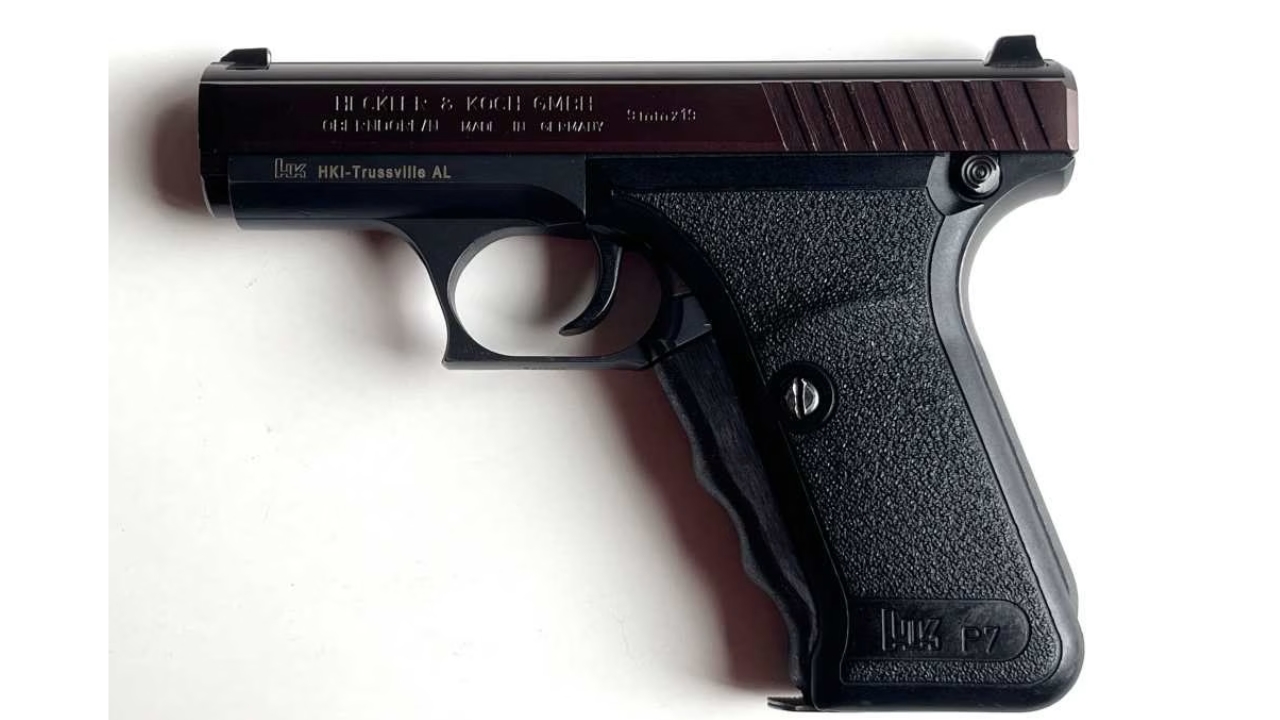
The HK P7 was strange enough that some shooters didn’t fully appreciate it while it was available. The squeeze-cocker system, gas-delayed action, fixed barrel, and slim profile made it unlike nearly anything else. It was never cheap, but it wasn’t always treated like the collector-grade pistol it became.
The reason prices climbed is simple: nobody really replaced it. The P7 is accurate, safe in its own unusual way, and brilliantly engineered. It also gets hot during extended shooting and can be expensive to maintain, so it isn’t perfect. But it represents a level of design effort that modern pistol makers rarely attempt. Once shooters realized how unique it was, the market moved fast.
Ruger 77/357
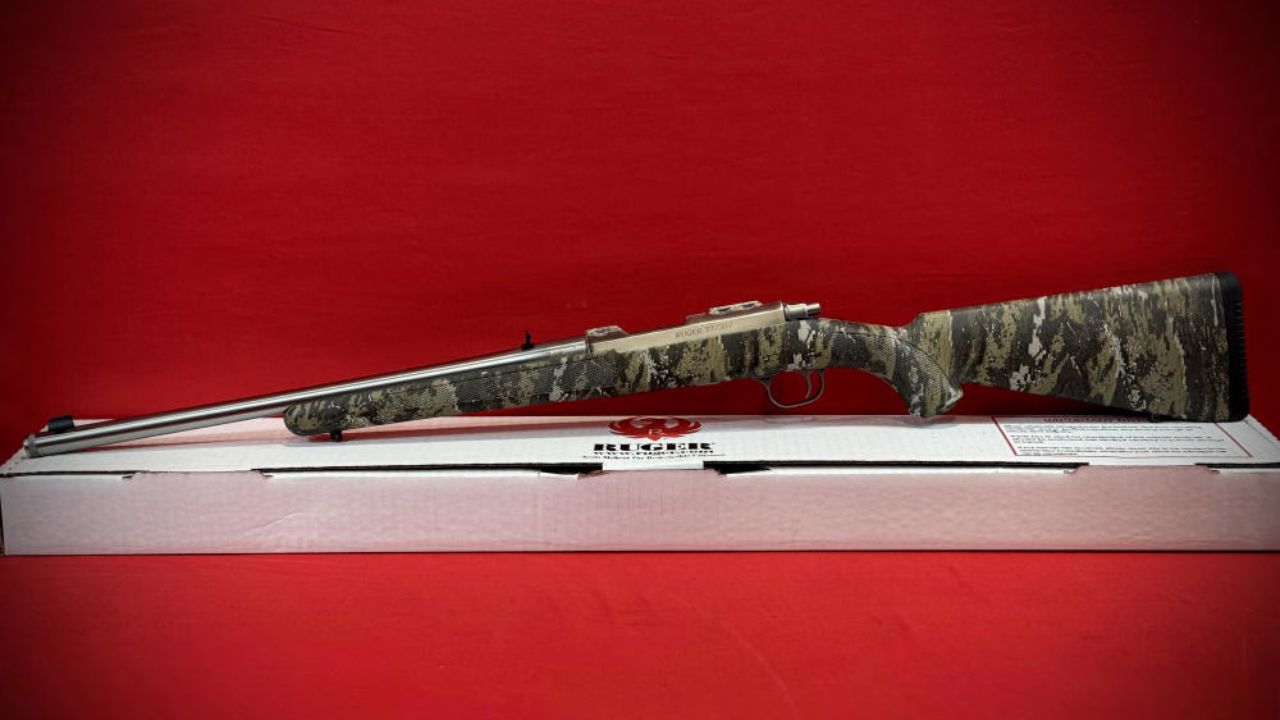
The Ruger 77/357 looked like a niche bolt-action when it was still around. A .357 Magnum bolt rifle doesn’t sound exciting to someone chasing long-range performance or big hunting cartridges. But people who understood it saw a light, compact, low-recoil rifle that could shoot .38 Special and .357 Magnum in a very handy package.
That niche became the whole reason it got expensive. There just aren’t many rifles like it. It makes sense for rural property use, short-range hunting where legal, quiet practice, and suppressor-friendly setups in the right configuration. Once production stopped and buyers realized how useful the rifle actually was, the 77/357 turned into one of those guns people wish they had bought sooner.
Smith & Wesson Model 41

The Smith & Wesson Model 41 became expensive for the right kind of reason: it’s a serious rimfire pistol. A lot of people look at .22 handguns as cheap range toys, but the Model 41 was built for accuracy, trigger quality, and target shooting. It never belonged in the bargain bin.
Shooters who spent real time with one understood the difference. The trigger is clean, the sights are useful, and the pistol has a balance that makes precision feel natural. As cheaper rimfire pistols flooded the market, the Model 41 stood out even more. It got expensive because people realized it wasn’t just a .22. It was a finely made target pistol that happened to shoot cheap ammo.
Browning B-92
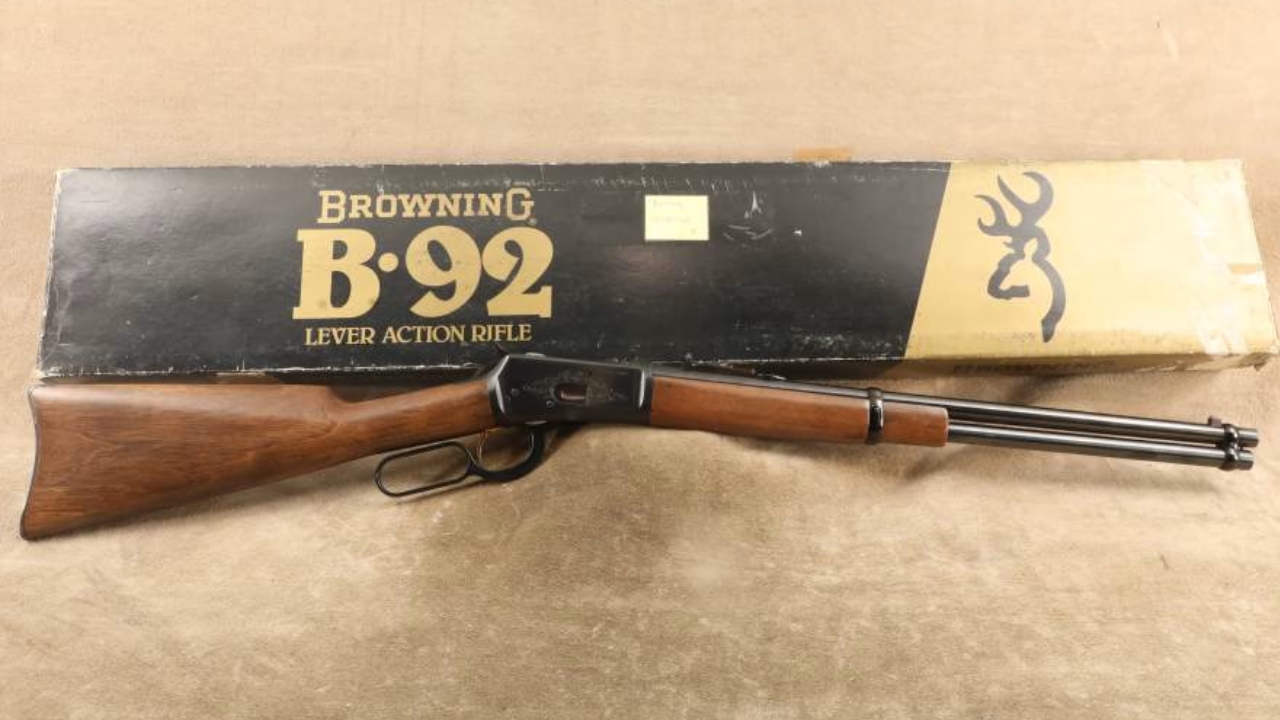
The Browning B-92 was easy to overlook when pistol-caliber lever guns weren’t as hot as they are now. It was a compact lever-action chambered in .357 Magnum or .44 Magnum, built by Miroku with excellent fit and finish. At the time, plenty of people saw it as a neat little rifle, not a future prize.
The market eventually figured it out. The B-92 gives shooters classic Winchester 1892-style handling with excellent Japanese build quality. The .357 version especially has become desirable because it is useful, soft-shooting, and hard to replace. A slick, compact lever gun in a practical revolver cartridge will never stay ignored once shooters start paying attention.
SIG Sauer P228
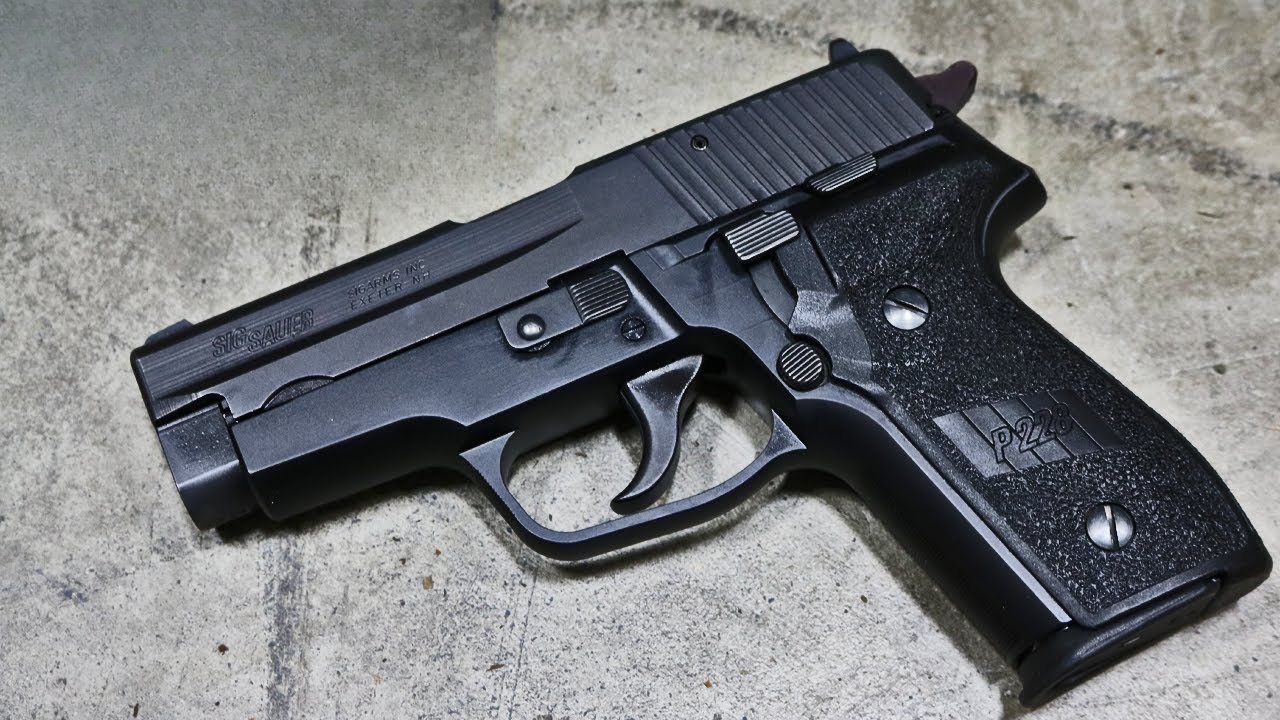
The SIG P228 became expensive because shooters eventually realized how well-balanced it was. It carried classic SIG quality in a compact 9mm package that felt easier to live with than the larger P226 while still shooting like a serious service pistol. For years, it was respected but not always chased the way it is now.
Clean older P228s, especially German-made examples, have become far more desirable. The pistol has a smooth recoil impulse, good balance, and that DA/SA feel SIG fans like. Modern compact pistols may be lighter and hold more rounds, but they don’t always feel as refined. Once shooters started missing that old SIG quality, P228 prices made more sense.
Marlin 39A
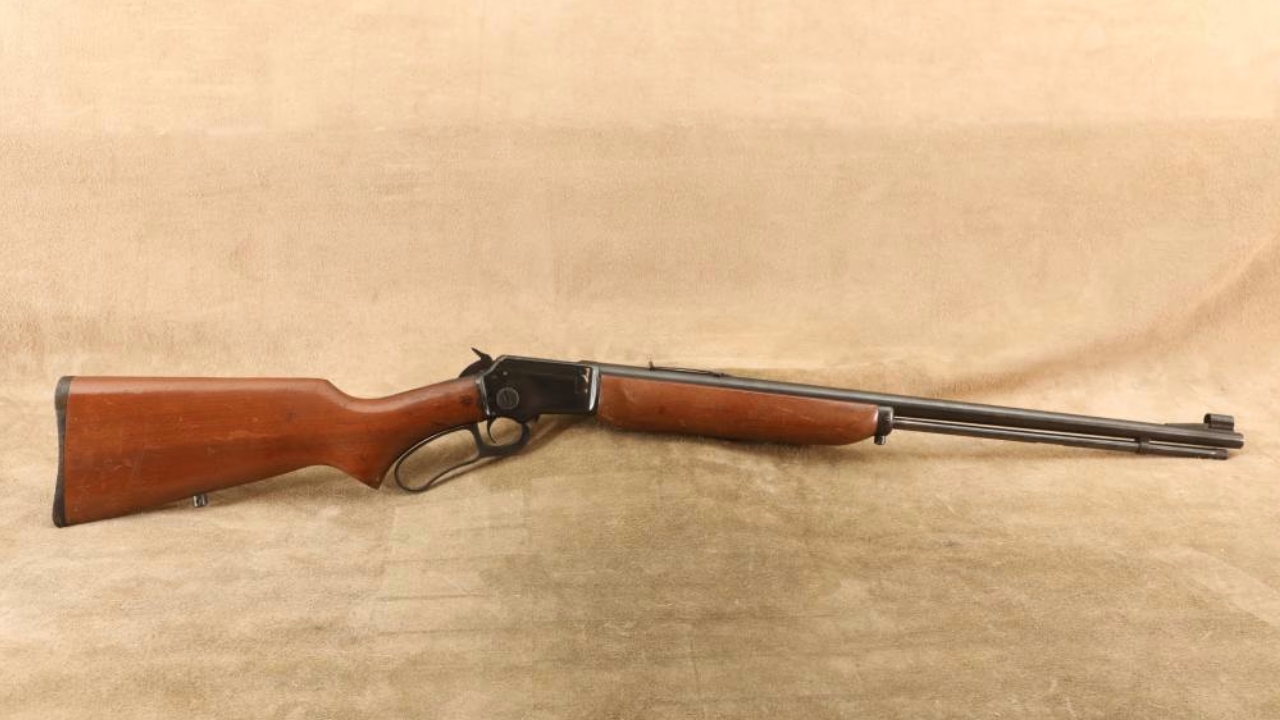
The Marlin 39A is one of the best examples of a gun people took for granted until it was gone. It was a lever-action .22 with a long history, solid construction, takedown design, and enough accuracy to be genuinely useful. For a long time, it was just a good old rimfire.
Now clean examples bring serious interest because quality rimfires are not as common as people assumed. The 39A feels like a rifle built to stay in a family. It’s fun, useful, and durable in a way cheaper .22s rarely match. Once production ended and lever guns became hotter across the board, the 39A turned into exactly the kind of rifle people regret passing up.
Colt Woodsman
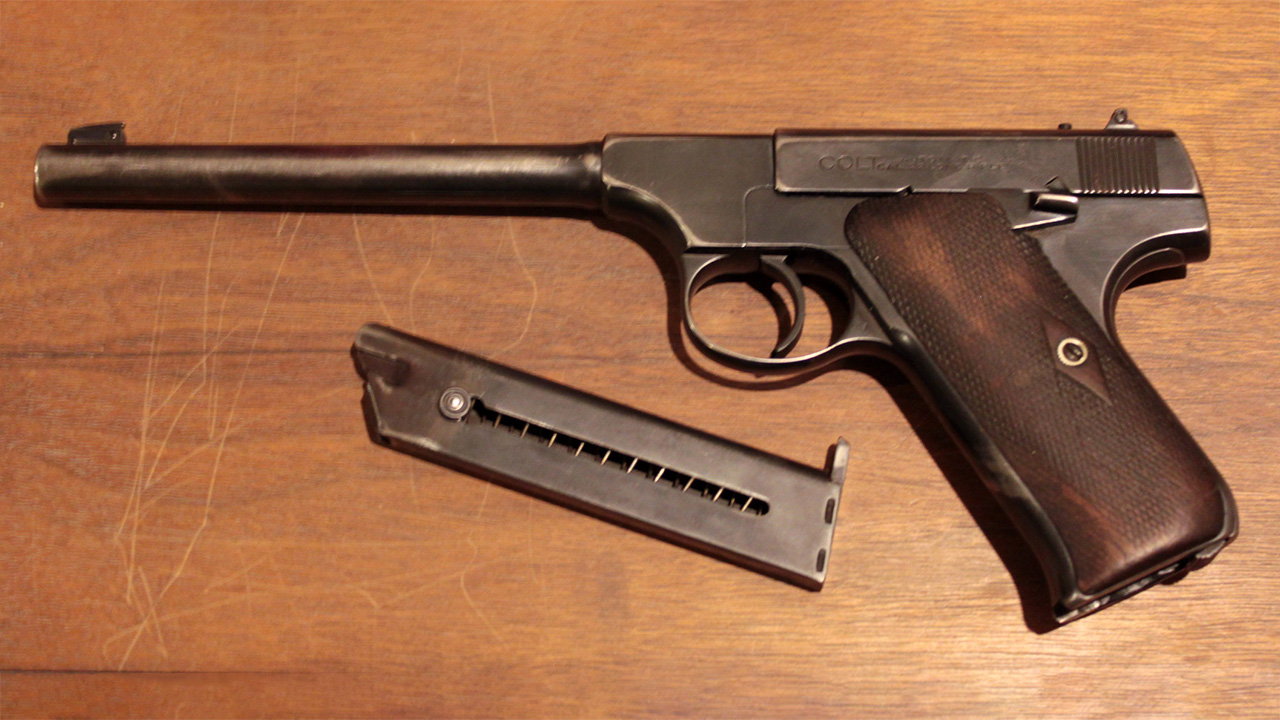
The Colt Woodsman became expensive because it offers something modern rimfire pistols rarely do: elegance. It’s slim, accurate, beautifully made, and tied to an era when Colt put real care into .22 pistols. For years, a lot of shooters simply used them as enjoyable range guns.
Then people started recognizing them as collectible shooters. A good Woodsman feels graceful in the hand and rewards careful shooting. It doesn’t need a rail, optic cut, or threaded barrel to justify itself. It has balance, history, and workmanship. As more owners locked them away and fewer clean examples hit the market, prices climbed for reasons that are pretty easy to understand now.
Remington Model 600

The Remington Model 600 looked odd enough that some hunters didn’t know what to do with it. The short barrel, dogleg bolt handle, ventilated rib on many versions, and compact size made it stand apart from normal bolt-action rifles. That strange look kept it from being universally loved when it was new.
Years later, the same oddness became part of the appeal. The Model 600 is handy, distinctive, and chambered in some very interesting rounds depending on version. The Magnum models especially draw attention. It was compact before compact rifles were common, and it had more personality than most modern bolt guns. The market eventually realized weird can be valuable when it also works.
Browning Auto-5
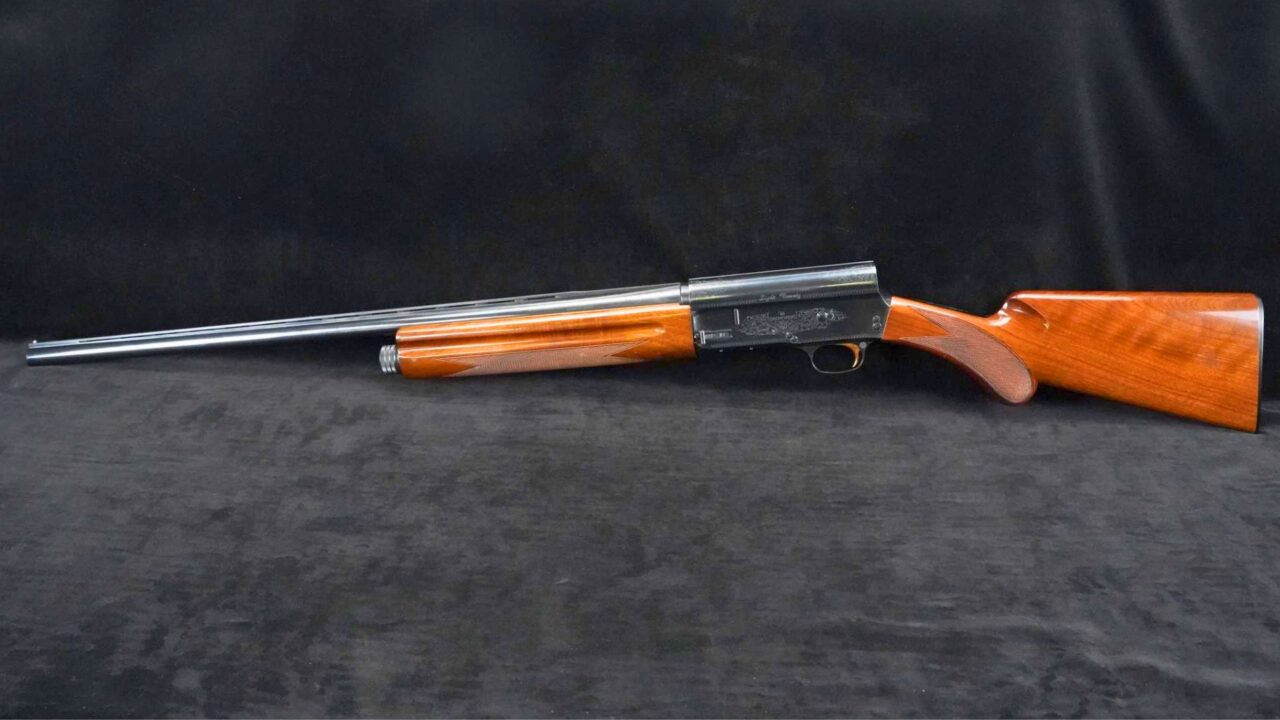
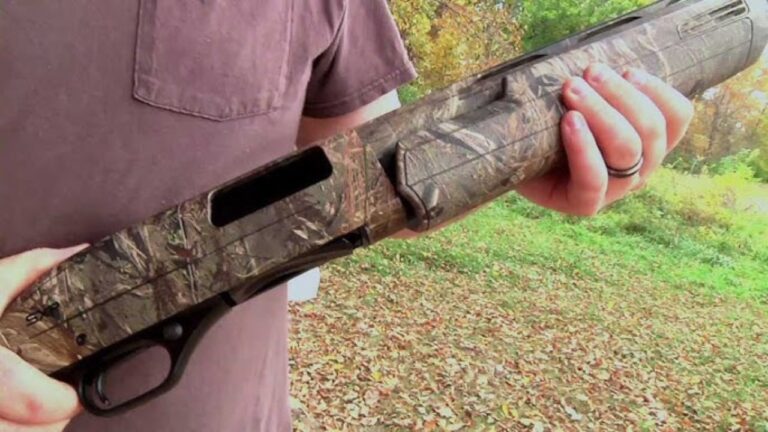
The Browning Auto-5 got expensive because shooters finally started treating old semi-auto shotguns with the respect they deserved. For decades, many Auto-5s were working guns. They hunted birds, sat in closets, rode in trucks, and got passed through families without being treated as especially rare.
Now, clean Belgian-made examples and desirable configurations can bring strong money. The long-recoil action, humpback receiver, and old Browning quality give the Auto-5 a feel newer shotguns don’t copy. It requires proper setup and maintenance, especially with the friction rings, but that mechanical character is part of the draw. It became expensive because it has history, function, and personality all in one shotgun.
Ruger Old Army
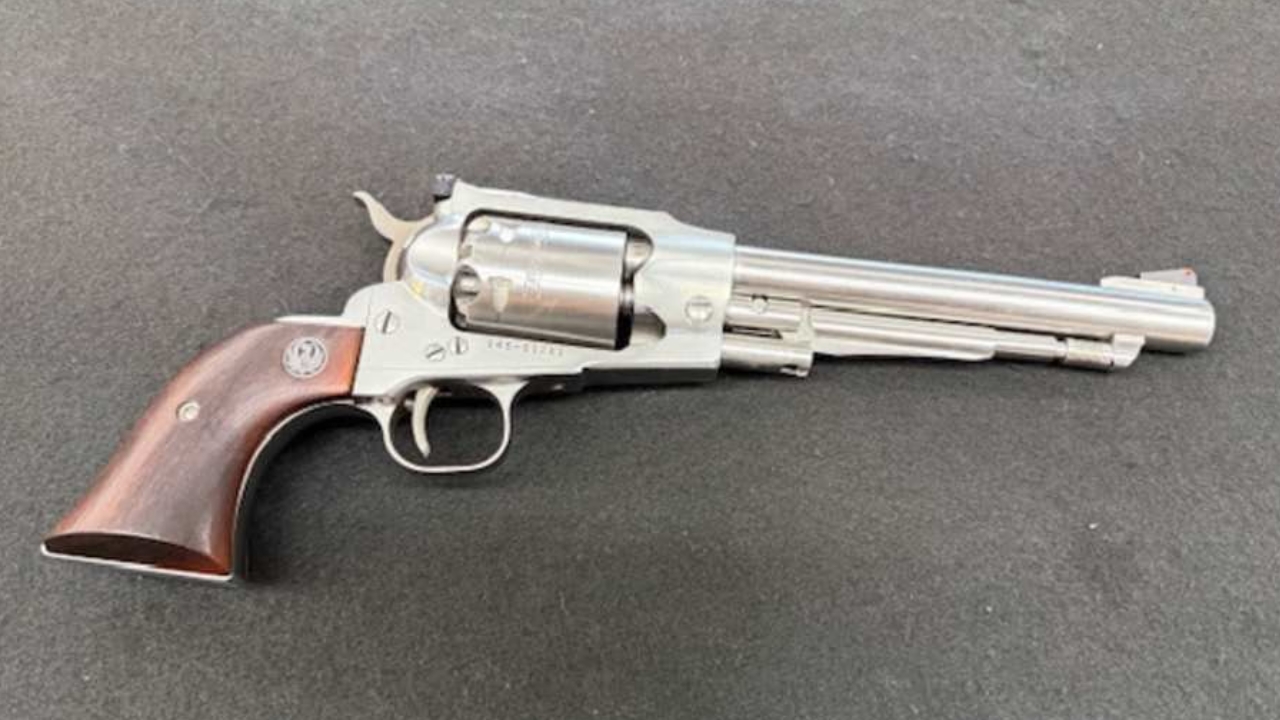
The Ruger Old Army was once a niche black-powder revolver. Not every shooter wanted to deal with caps, powder, cleaning, and slower loading. But the people who understood black-powder revolvers knew the Old Army was different. It was built with Ruger strength and modern manufacturing confidence.
Once it disappeared, demand grew fast. The Old Army is rugged, accurate in the right hands, and far stronger-feeling than many traditional cap-and-ball replicas. It’s not for casual shooters who hate cleaning guns, but it has become one of the black-powder revolvers people chase hardest. The price climbed because nothing else fills that exact role with the same trust.
Winchester Model 52 Sporter
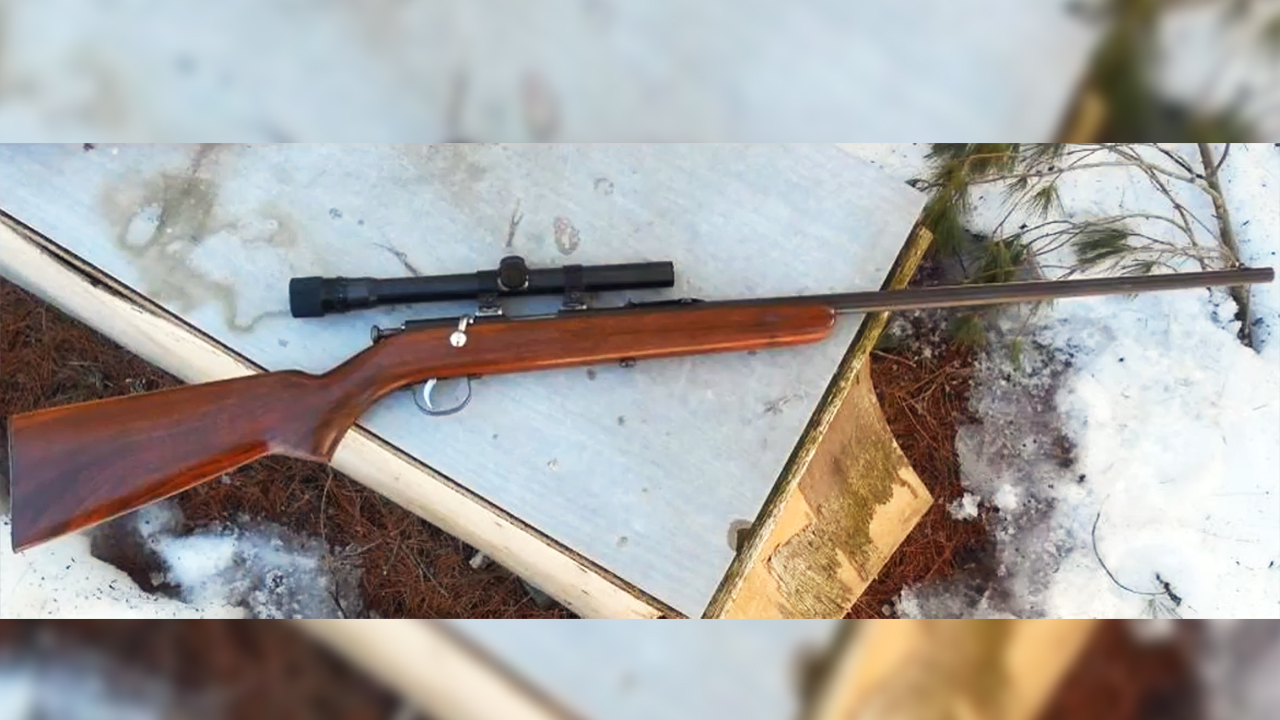
The Winchester Model 52 Sporter became expensive because it was never an ordinary .22. The Model 52 already had a major target-rifle reputation, and the sporter versions brought that quality into a field-friendly package. They were high-grade rimfires when they were made, even if some buyers didn’t understand how special they were.
Now everybody understands. The Model 52 Sporter has the trigger quality, accuracy potential, stock work, and old Winchester appeal that collectors and shooters both want. Modern precision rimfires are excellent in their own way, but they don’t feel like this. The 52 Sporter got expensive because premium rimfire rifles tend to become obvious once cheap rimfires start feeling disposable.
Smith & Wesson Model 3913
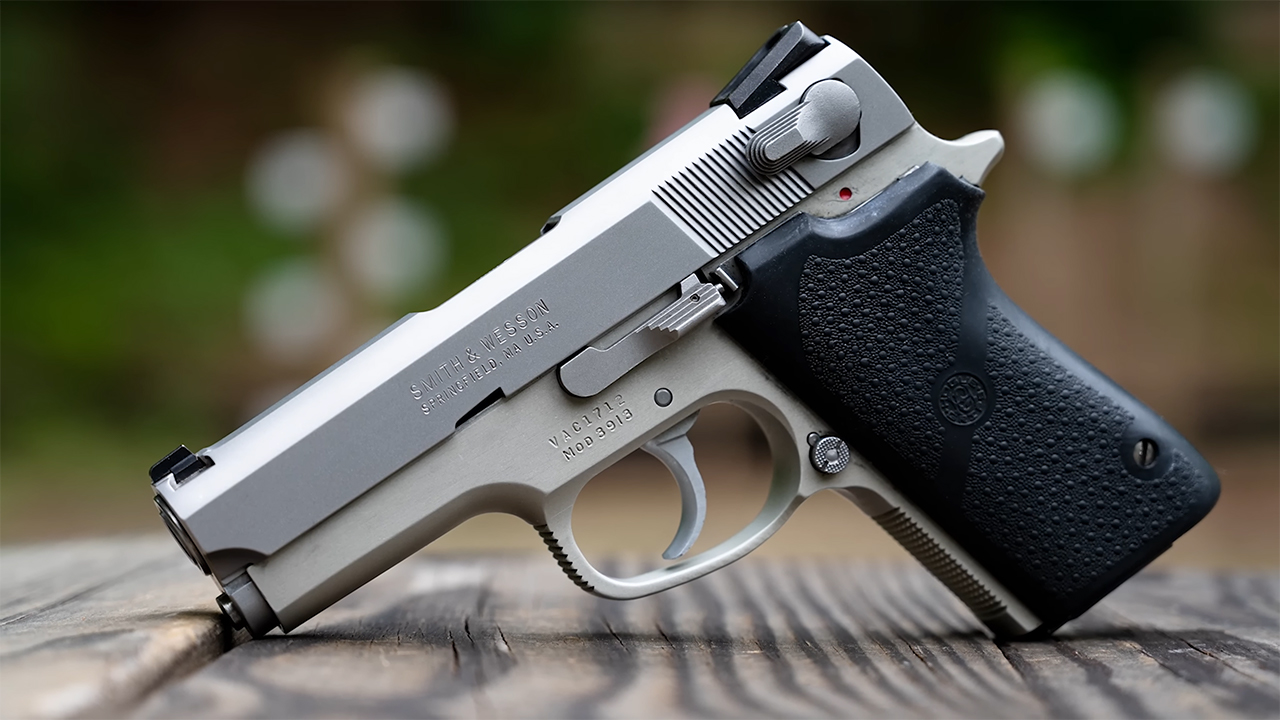
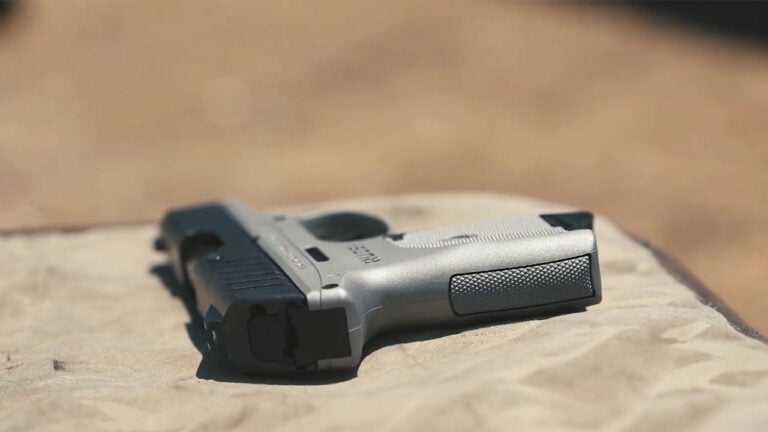
The Smith & Wesson Model 3913 became expensive after shooters started missing slim metal-frame carry pistols. For years, it was just an older single-stack 9mm from the third-generation Smith era. Then the carry market moved hard into polymer, and people realized the 3913 offered something different.
It carries flat, shoots better than many tiny pistols, and has a level of build quality that feels more refined than most bargain carry guns. Capacity is modest by current standards, but the pistol’s shape, balance, and reliability reputation keep it desirable. Once shooters realized nobody was really making the same kind of pistol anymore, prices started reflecting that.
Like The Avid Outdoorsman’s content? Subscribe to our newsletter so you never miss an article.
Here’s more from us: