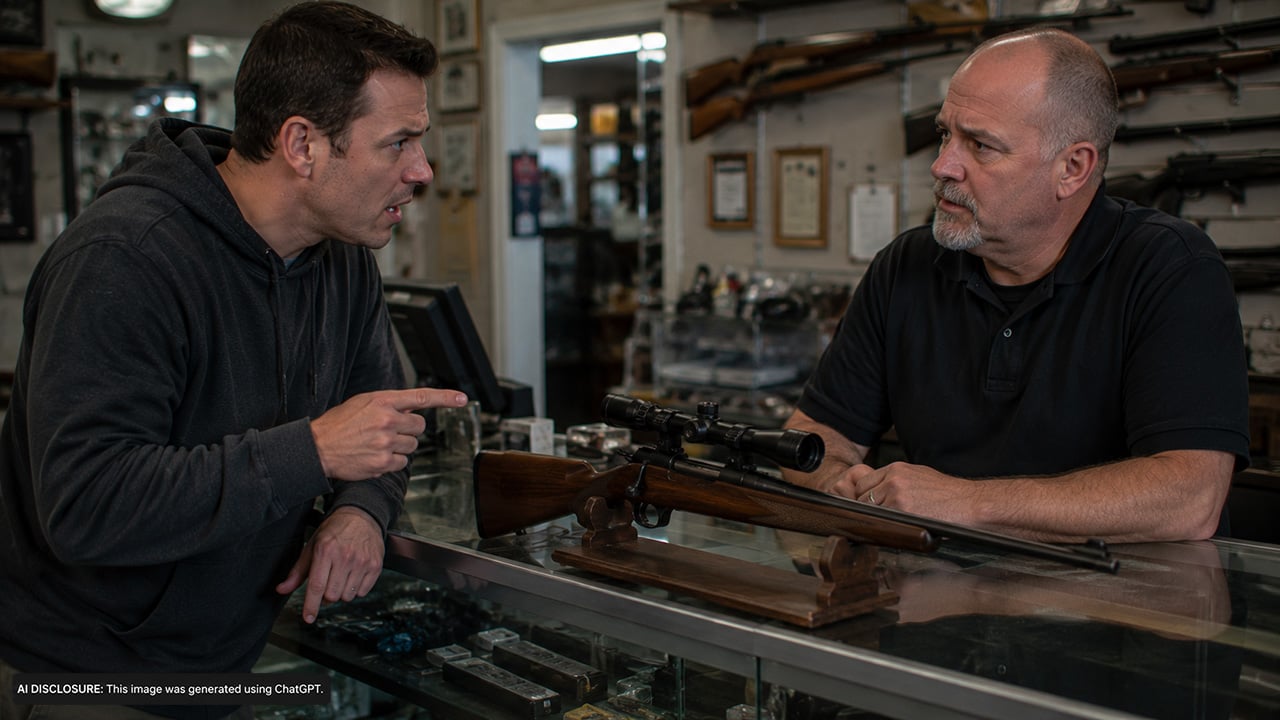
Photo credit: AI-generated image created using ChatGPT. Illustrative only
Getting your place broken into is bad enough. But finding out your stolen property is sitting right there at a local pawn shop—only to be told you’ve got to pay to get it back—adds a whole new layer of aggravation.
That’s the corner an Ohio resident found himself backed into after his Xbox One disappeared from his house. Months later, police called with a break in the case, and the details were laid out in the original post: the console had been pawned nearby, the serial number matched, and there was already a police report tying it to the theft.
From stolen out of the house to sitting on a pawn shop shelf
The timeline matters here. The Xbox One was stolen about four months before police made contact again. The owner had done one of the smartest things you can do with valuable gear—he had the serial number—and he filed a police report when it went missing.
That serial number is what turned a “good luck” situation into a real lead. When the Xbox surfaced at a nearby shop, police were able to connect it back to the report, and they placed a hold on it while they tried to build a case against the person who sold it to the shop.
The hold was good news—until the shop named its price
With the hold in place, it sounded like a clean win: stolen property located, documented owner identified, and the seller potentially facing consequences. But then the pawn shop laid down its position: they didn’t want to “eat” what they paid for the console, and they wanted the rightful owner to pay $140 to get it back.
That’s the kind of demand that makes a guy feel like he’s being robbed twice. In plain terms, the owner believed pawn shops accept the risk of buying stolen items as part of doing business, and he didn’t see why it should become his job to make the shop whole.
Why pawn shops dig in on “we paid for it”
Pawn shops aren’t clueless about stolen property. They deal in used goods all day, and they know there’s always a chance something walked in the door that shouldn’t have. That’s why many shops keep detailed records, log serial numbers where possible, and work with law enforcement when items get flagged.
But when a shop has money tied up in a stolen item, it’s common for them to resist taking a loss. Even if they’re sympathetic, they still see it as: “We paid cash to someone who looked legitimate, and now we’re being told we have to hand the item over.” That tension is exactly what showed up here.
The hard part is this: the rightful owner is thinking about fairness, while the pawn shop owner is thinking about reimbursement. Those two things don’t always line up neatly without some legal leverage.
When police “suggest” paying, it’s not always about who’s right
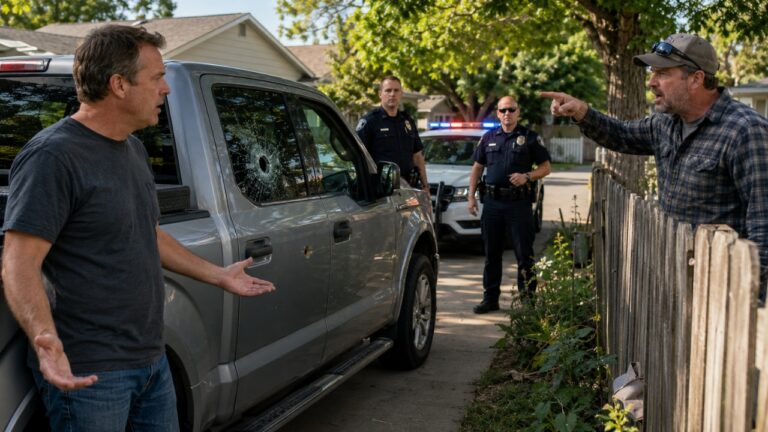
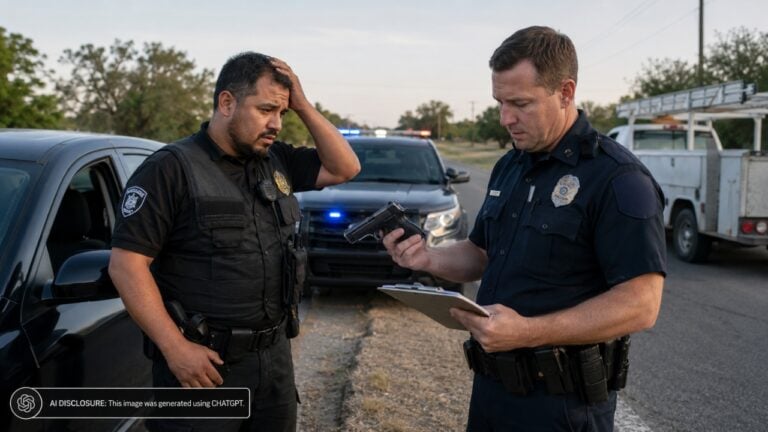
What really poured gas on the fire was the owner’s claim that even the police were encouraging him to just pay the shop to smooth things over. He described it as an attempt to avoid further conflict because police–pawn shop relations can be rough.
That’s an important detail for anyone who’s ever dealt with stolen guns, stolen trail cameras, or stolen tools in a small town. Sometimes an officer is trying to solve the immediate problem fast—get the property back in your hands—without getting pulled into a long civil back-and-forth with a business.
It doesn’t necessarily mean the officer believes the shop is legally entitled to a payout. It can also mean the officer knows how messy it can get when the criminal case isn’t airtight, or when the process for returning property runs through paperwork, evidence rules, and court schedules.
The real leverage usually comes from documentation and process
The owner had two things going for him that a lot of folks don’t: a serial number and a filed report. That’s the backbone of proving ownership when your stuff turns up somewhere else. Whether it’s an Xbox, a chainsaw, a generator, or an optic off a rifle, proof beats arguments every time.
From the way the situation was described, the Xbox was being held while police tried to convict the seller. That tells you it may have been treated like evidence or at least property tied to an ongoing case. If it’s evidence, police may not be able to just hand it over the moment it’s located, even if everyone knows it’s yours.
The other key piece is the shop’s insistence on a court order. In the real world, a court order is often what finally forces the clean handoff—especially when a business is worried about liability, repayment, or getting sued by the person who pawned the item if it’s released “too easily.”
The practical lesson for landowners and outdoorsmen
This whole mess isn’t really about video games. It’s about what happens when stolen property lands in a place that bought it “in good faith,” and the rightful owner has to fight through a process to reclaim what’s already his. Swap “Xbox” with a game camera, a bow, a power tool, or a spotting scope and you’ve got a situation plenty of outdoorsmen can picture.
There are a few field-tested habits that help before theft ever happens. Keep serial numbers and take photos of your high-dollar items. Save receipts when you can. Mark gear in a way you can explain and prove. And if something gets stolen, file the report and include the identifying info—even if you assume you’ll never see the item again.
Because when that unexpected call comes months later, the difference between “we found something that looks like yours” and “we can prove it’s yours” is what decides whether you’re negotiating with a shop owner—or picking up your property and walking out.
In this case, the owner wasn’t looking for a fight. He wanted his stolen property returned without paying a second time. And that’s a fair expectation. The frustrating part is that getting from “fair” to “done” can require the slow, official route—especially when a pawn shop refuses to move without a judge’s paperwork.
Like The Avid Outdoorsman’s content? Subscribe to our newsletter so you never miss an article.
Here’s more from us: