Photo credit: AI-generated image created using ChatGPT. Illustrative only
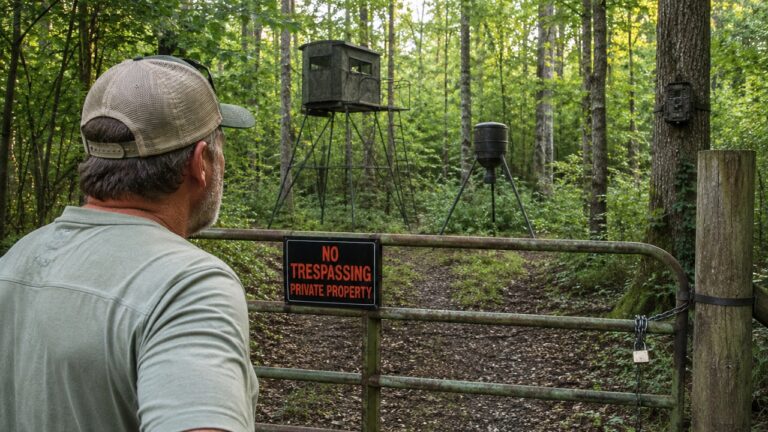
Every rural landowner knows the feeling: you look out across your place and see somebody where they don’t belong. Maybe it’s a guy cutting across the back hollow. Maybe it’s headlights creeping along a two-track at an odd hour. In Pennsylvania, that suspicion gets sharper because folks have long heard that game wardens can show up on private ground and start asking questions—and sometimes looking around—without the kind of warrant most people expect.
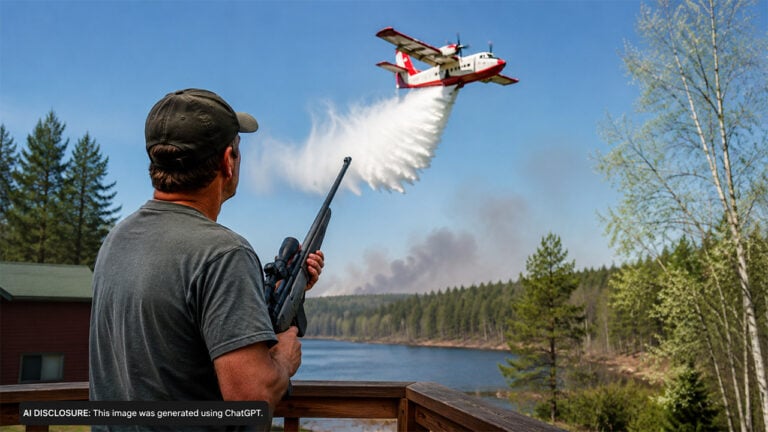
That’s the backdrop for a recent post from a hunter in rural Pennsylvania who was trying to get a straight answer about what happens if you encounter an unknown person on your property and react the way many country people would: you arm yourself because you don’t know who you’re dealing with. The question wasn’t about picking a fight. It was about staying alive and staying out of jail at the same time.
A rural PA landowner’s fear: “Who is that on my property?”
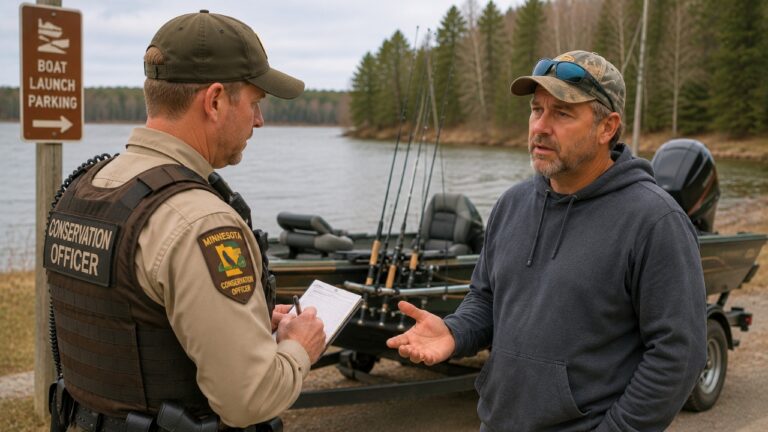
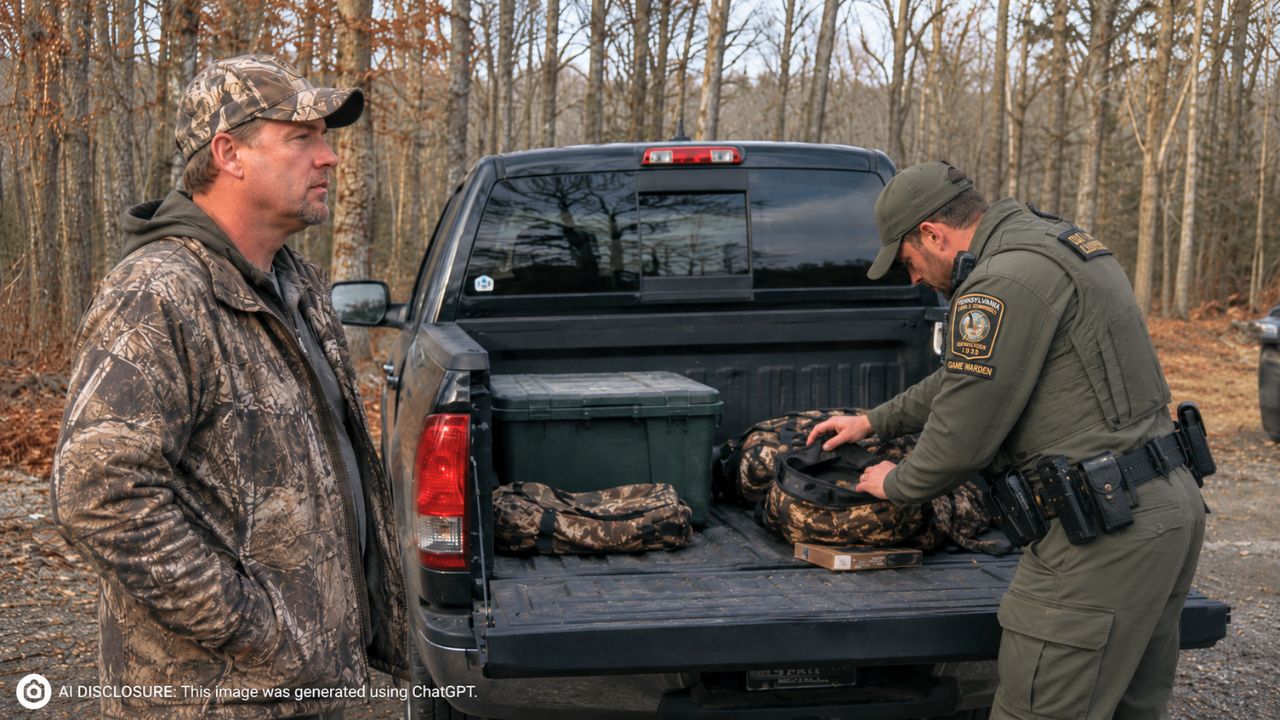
The poster explained that his brother owns several acres in rural Pennsylvania, and he’s heard “stories about the abilities of the PA Game Warden to come onto private property & to search without search warrants.” That’s a pretty common campfire topic in a lot of states—game wardens often have different authority than typical patrol cops, and hunters tend to swap stories about inspections and searches.
But the heart of the concern wasn’t really about paperwork. It was about an encounter that starts with confusion: someone “tramping through” private property “in the middle of the morning & or night.” When you live out where help isn’t around the corner, the brain goes to worst-case scenarios fast.
When uncertainty turns into a gun-in-hand moment
The poster’s hypothetical was blunt: seeing an unknown person on private property and “pulling a firearm on them NOT knowing who TF they are or WTF they’re doing” because you fear you’re being set up to be murdered and robbed. Strip out the emotion and that’s the reality a lot of rural folks run through in their head—especially if they’ve dealt with theft, trespassing, or shady activity around outbuildings and equipment.
He also made a key point that many people miss when they talk tough online: if the person identified himself as a Pennsylvania game warden, he’d put the firearm down. In other words, he wasn’t looking to intimidate an officer. He was worried about the few seconds before anyone knows who anyone is.
The tricky part: “Holding at gunpoint” versus protecting yourself
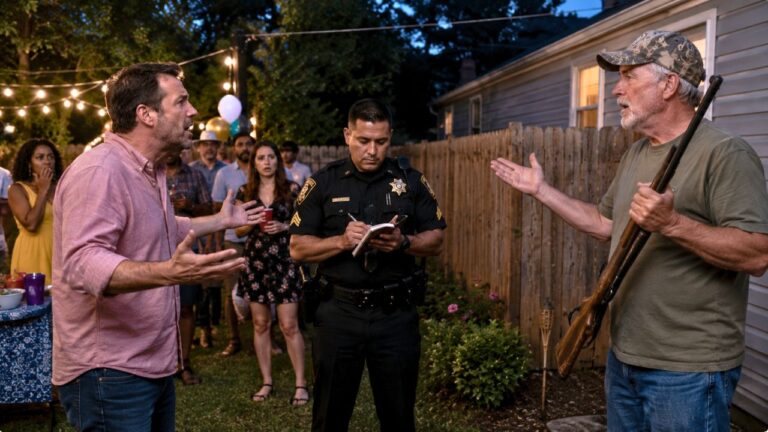
Out in the country, “I grabbed my gun” can mean a lot of different things. It could mean the gun stayed at low ready while you backed toward the house and called for help. Or it could mean the muzzle covered a person and the landowner tried to control them. Those are worlds apart in how they’re likely to be seen later, especially if the person on the other end turns out to be law enforcement.
The poster asked if he’d be “illegally doing” anything in that moment. That’s where real life gets uncomfortable: even if you’re on your own land and you’re genuinely scared, pointing a firearm at someone can create legal problems fast if it’s not clearly justified. And if the person is a warden or another officer—identified or not—everything gets more complicated.
Most experienced outdoorsmen will tell you the same thing: the safest path is creating distance, getting cover, turning lights on, and calling 911 rather than trying to “detain” anyone yourself. It’s not about being timid. It’s about not becoming the guy in handcuffs when you were the one who started out feeling threatened.
Game warden authority and the “search without a warrant” stories
The post leans into a belief that a lot of Pennsylvania hunters have heard—wardens can come onto private land and search without a warrant. Whether that’s true in every circumstance isn’t something you want to test in the dark with a rifle in your hands. The practical issue is that wardens often work odd hours, cover big rural areas, and investigate hunting-related complaints that don’t happen neatly from 9 to 5.
That means a landowner could, in theory, run into an officer in the back of the property when nobody expects company. Even if the officer is acting within his authority, the landowner doesn’t automatically know that. And if the officer doesn’t announce himself loudly and clearly, it’s easy to see how a regular guy could think he’s dealing with a trespasser or poacher.
The best thing about the post is that it highlights the real conflict: you can respect wildlife law enforcement and still worry about being surprised on your own ground. Those two things can exist at the same time.
What hunters and landowners can do to keep it from going sideways
There are a few common-sense steps that help, regardless of where Pennsylvania law lands on any specific search question. First, mark property lines and access points clearly. Posted signs don’t stop everyone, but they reduce the “I didn’t know” excuses and make it easier to articulate what’s happening if you end up calling it in.
Second, think about visibility and verification. Motion lights, cameras on gates, and trail cams aimed at access routes can give you information before you walk into a problem. If you see someone on a live camera feed, you can call law enforcement and describe what you’re seeing instead of approaching blind.
Third, if you do have to make contact, don’t rush it. From a safety standpoint, distance is your friend. From a legal standpoint, it’s also your friend, because it helps show you weren’t looking for a confrontation.
And finally, if the person claims to be a game warden, ask for identification—calmly—and consider calling the agency or 911 to verify, especially at night. Real officers understand that impersonators exist and that rural landowners don’t want surprises. You can be respectful without being reckless.
The “railroaded” fear and why documentation matters
The poster also mentioned hearing “horror stories” about wardens “screw[ing] things up” and “good people end up railroaded.” Whether those stories are fair or not, the fear is real in hunting communities, and it affects how people respond under stress.
That’s another reason to avoid a gunpoint-style interaction if you can help it. A tense, confusing moment with a firearm is hard to explain later, even if you felt justified at the time. Documentation—cameras, timestamps, phone calls, and a clear effort to de-escalate—tends to protect the landowner who’s simply trying to be safe.
The full scenario and the question were laid out in the original post, and it reads like something most rural property owners can picture without much imagination.
At the end of the day, the goal isn’t to “win” an encounter on your land. It’s to make sure everyone goes home and you don’t accidentally turn a trespassing problem into a life-changing legal mess. If you’re worried about how wildlife officers operate in your area, the smartest move is getting clarity ahead of time—through local contacts, posted regulations, and a plan for how you’ll handle unknown people on the property—so you’re not making decisions at the worst possible moment.
Like The Avid Outdoorsman’s content? Be sure to follow us.
Here’s more from us: