Photo credit: BockPew/Youtube
If you’ve spent any time behind a shotgun indoors—clearing it safe, checking a light switch, walking a hallway to lock up—you already know the truth: houses are tight, angles are weird, and there are always things you did not plan for. The old “just point it in the general direction” talk gets people in trouble, especially when a shotgun throws patterns that open up fast and unpredictable.
This is not an argument against shotguns for home defense. It’s an argument against sloppy setup, bargain-bin ammo choices, and certain “defense” models that tend to get used with the wrong choke, the wrong barrel, the wrong sights, or the wrong expectations. Pattern your gun with the load you’ll actually keep in it. If you cannot keep a tight, repeatable pattern at in-house distances, that’s not comforting—it’s a liability.
1. Mossberg 590 Shockwave
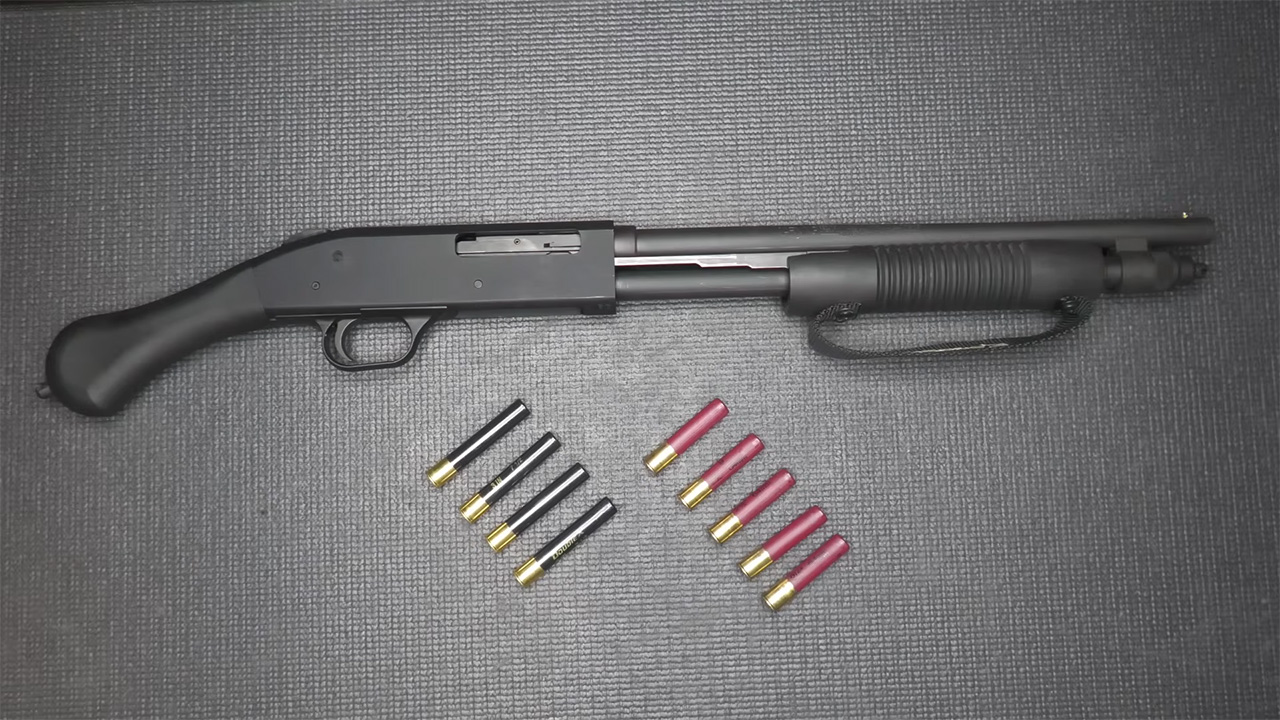
I get why these sell. They’re compact, they’re simple, and they look like they belong by the bed. The issue is how often they get run with no real sighting system and with ammo that patterns like a fistful of gravel at typical hallway distances.
It’s not that the platform can’t work; it’s that most owners never pattern it, and the short setup tends to exaggerate bad form. When the muzzle starts bouncing, patterns drift and open. In a real house with door frames and kids’ bedrooms, “close enough” is not close enough.
2. Remington Tac-14

Same idea as the Shockwave, different badge. These short birds-head guns are handy in the hand, but they encourage snap-shooting without sights, and snap-shooting is how you learn your pattern isn’t centered where your brain swears it is.
With certain bulk buckshot loads, the Tac-14 can throw a pattern that’s wider than you’d expect at 7–10 yards. If you never test it on paper, you won’t know you’re throwing flyers until you’re doing it where you can’t afford them.
3. Winchester SXP Defender (18-inch)
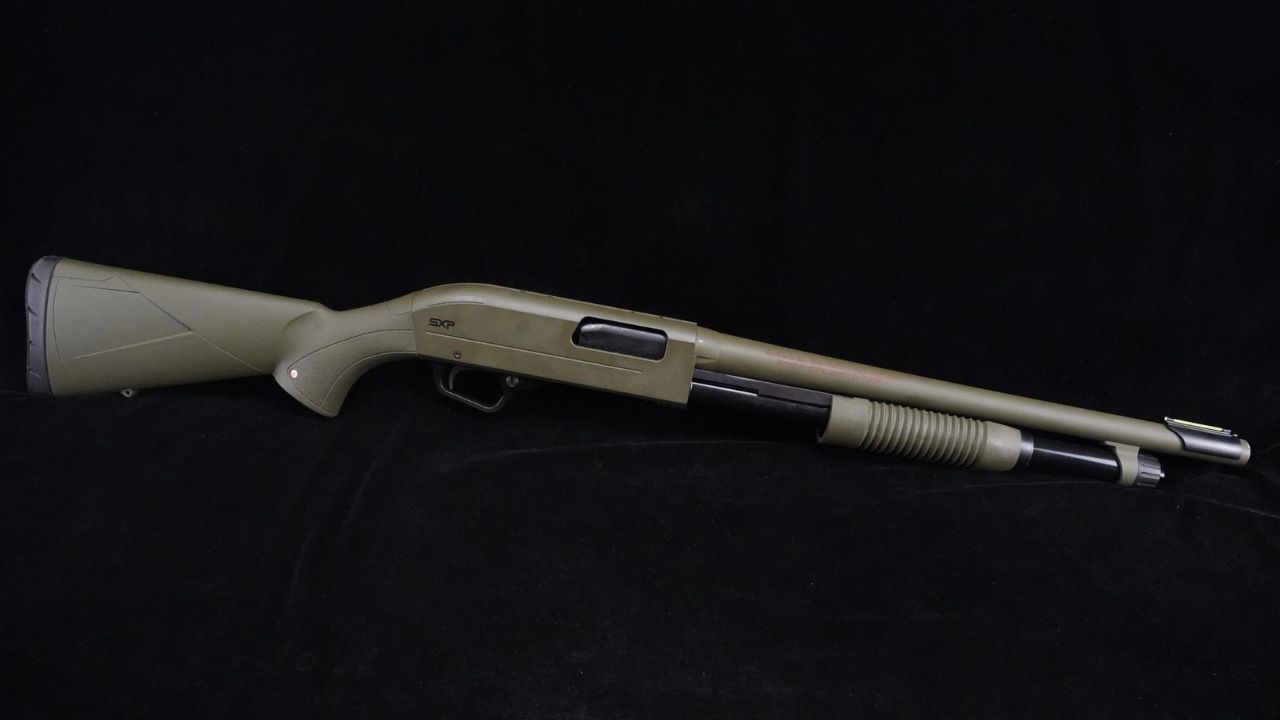
The SXP cycles fast and feels lighter than you think it should. That’s part of the problem for some shooters: light gun, brisk recoil, and a tendency to short-stroke if you’re new to pumps. When the gun is bouncing and the shooter is rushing, patterns look “wide” even when the load is the bigger culprit.
A lot of SXPs wear a plain bead. If that bead isn’t regulated for you and you’re not mounting consistently, your center of pattern can be off a surprising amount. In a living room, that matters.
4. Stevens 320 Security
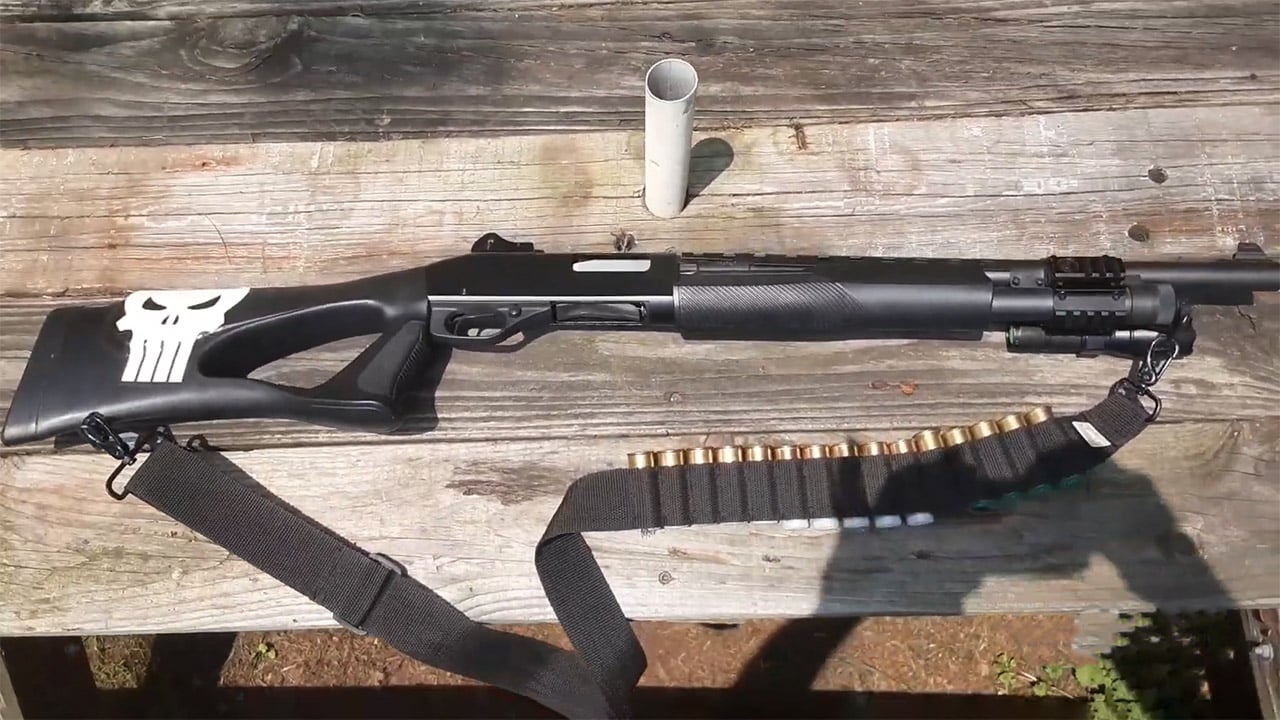
The 320 is one of those shotguns that feels like a deal until you run it hard. The action can be rough, and rough actions make people baby the gun or “half run” it. Then they chase the gun around and wonder why it won’t behave.
Pair that with cheap 00 buck and a cylinder bore, and you can end up with patterns that spread quickly and unevenly. It’s not automatically unsafe, but it demands more testing than most folks ever give it.
5. H&R Pardner Pump Protector
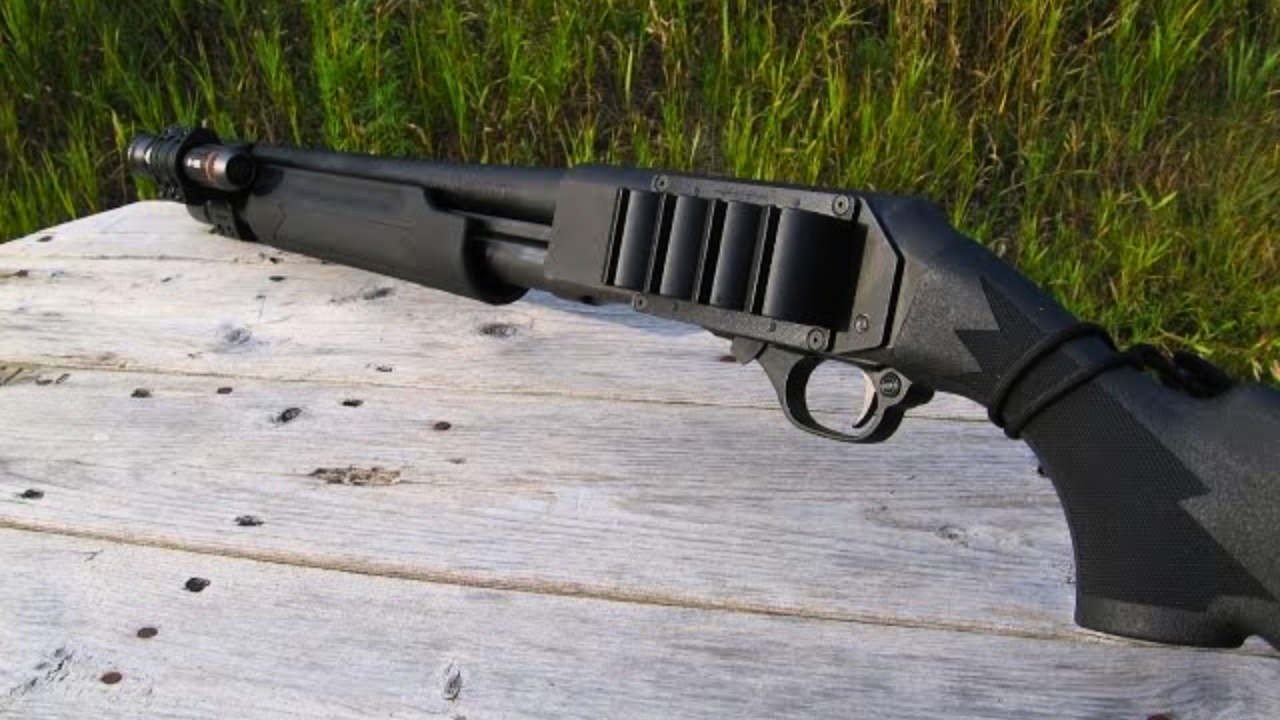
These have been in a lot of closets for a lot of years because they were affordable and they worked well enough. The downside is that “well enough” often meant “I fired a box of birdshot once.” That does not tell you anything about home-defense buckshot patterns.
With many Pardners, you’re looking at plain beads and basic barrels. Some shoot buckshot fine; some throw it wider than you’d think. The only way to know is to pattern it, and most owners never do.
6. Turkish-made Benelli M4 clones (various import marks)
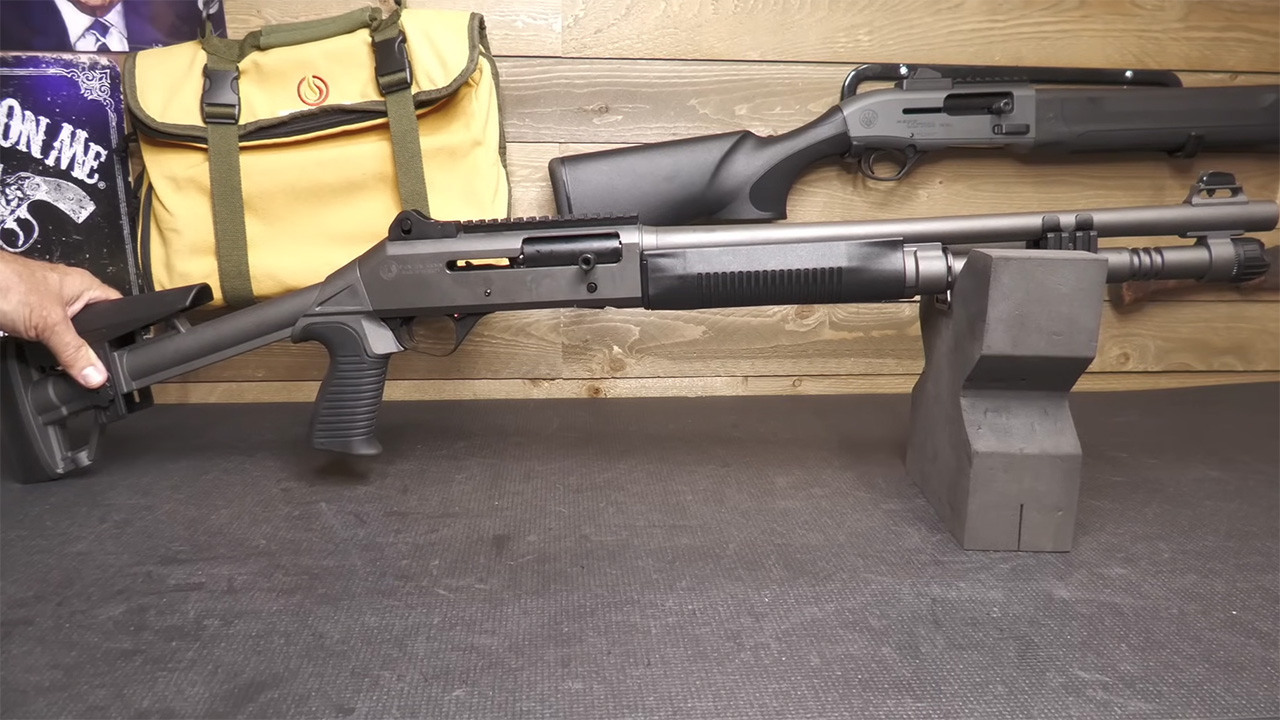
I’m not naming every roll mark because there are a bunch. Some run, some don’t, and a lot of them get dressed up with “tactical” furniture that adds weight in the wrong places. Reliability is one problem. Pattern consistency is another.
Barrel and choke quality can be all over the map. If you buy one because it looks like an M4, then feed it bargain buckshot and never test it, you can end up with patterns that are both wide and irregular. That irregular part is what worries me most.
7. Mossberg 500 Cruiser (pistol-grip-only)
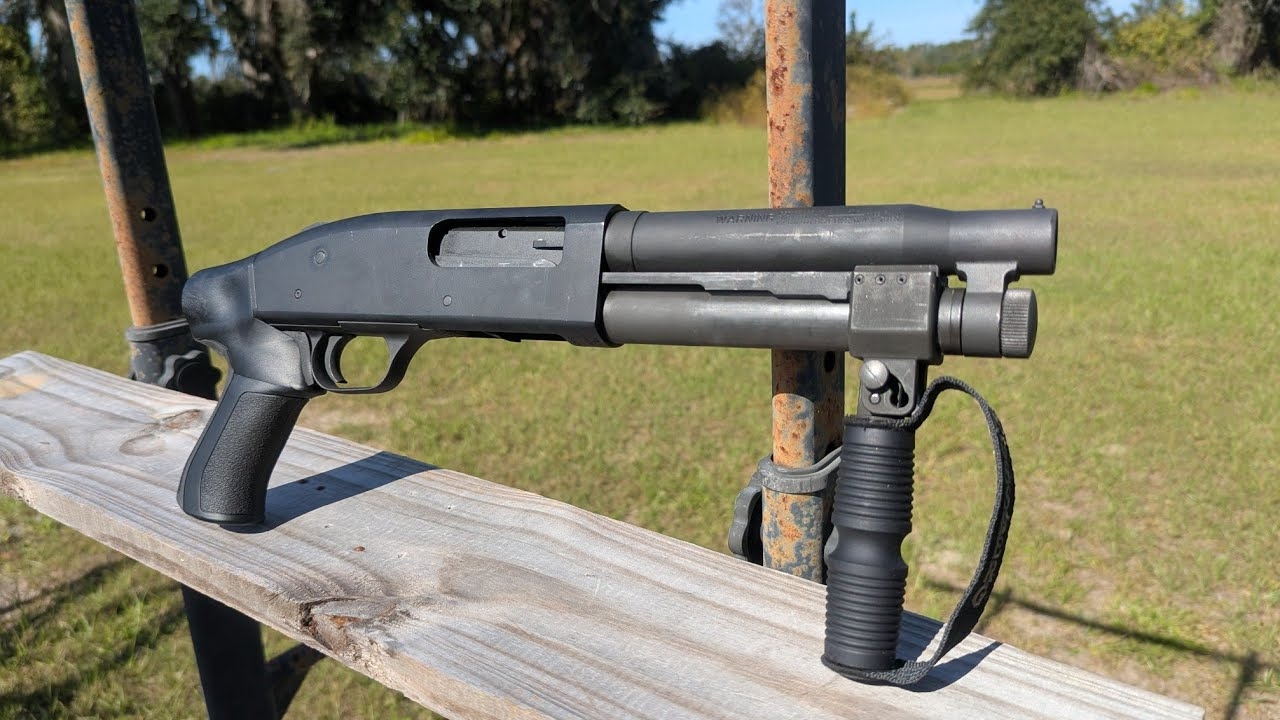
Pistol-grip-only pumps have been around forever, and they keep getting bought by folks who don’t like stocks. The problem is that most shooters cannot control them well enough to keep the pattern where it needs to be, especially under stress.
When the gun is not mounted, the muzzle rises and the pattern shifts. You can end up spraying pellets high, which is the last place you want them going in a house. A stock fixes a lot of this in a hurry.
8. Remington 870 Tactical (18-inch, bead sight versions)

The 870 is a classic, and I’m not here to disrespect it. But the “tactical” label has convinced plenty of buyers that any 870 with an 18-inch barrel is automatically dialed for defense. Not true.
Some barrels and loads just don’t agree, and bead-only guns can hide a point-of-impact issue until you put it on paper. If your 870 throws buckshot high and wide with the load you stash in it, you’re the one who has to fix that, not the internet.
9. Benelli Nova Tactical (18.5-inch, bead)
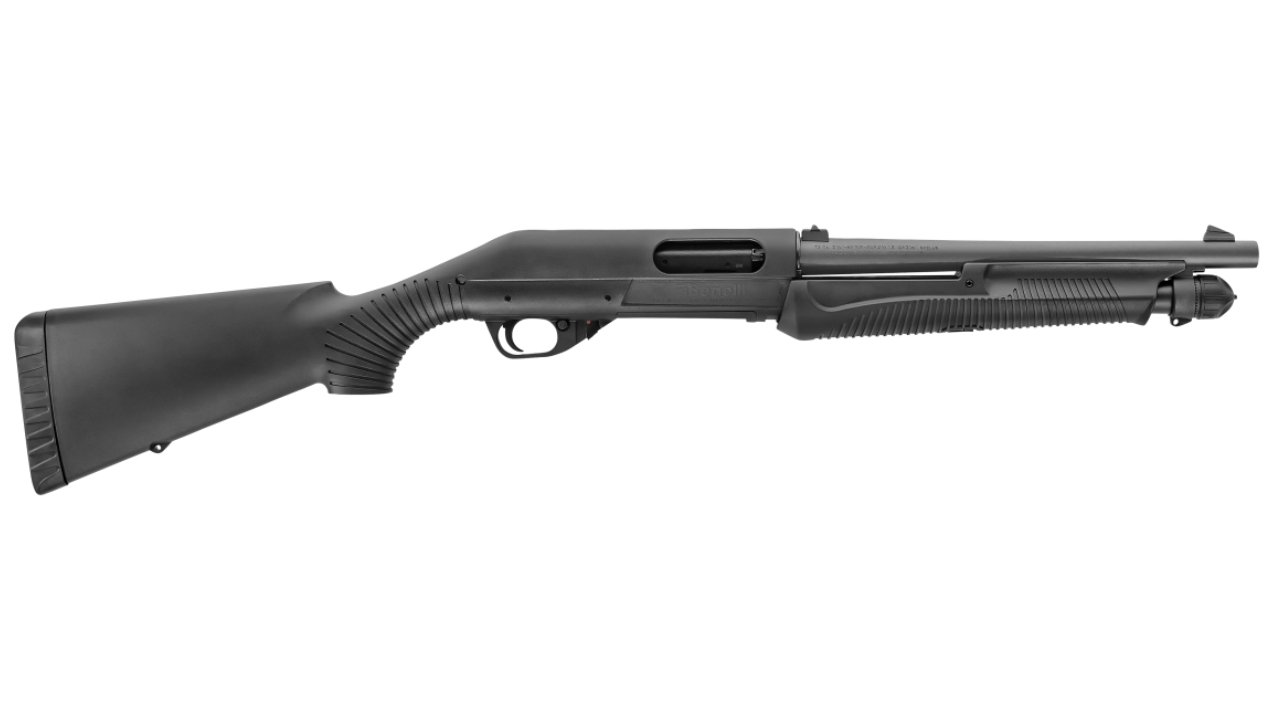
The Nova is tough as a fence post and about as pretty. It also has a slick, simple setup that makes it easy to ignore details like patterning and recoil management. With certain shells, you can see patterns open fast.
The gun is light for its size and it can slap you if you’re not mounting it right. When you’re getting slapped, you start lifting your head and floating the bead. That’s how you turn a tight pattern into a wide miss.
10. Benelli SuperNova Tactical (pistol grip stock)

The SuperNova is a good shotgun, but that pistol grip stock changes how some shooters mount and drive the gun. If your wrist angle is fighting you, your cheek weld gets sloppy. Sloppy cheek weld means inconsistent point of aim.
Inconsistency makes patterns look “wild,” even if the load isn’t terrible. If you insist on this setup, spend the time to pattern it and learn what it actually does at 5, 7, 10, and 15 yards.
11. Mossberg 930 SPX

The 930 SPX had a moment, and plenty of them still run fine. The issue I’ve seen is that owners treat it like a do-everything semi-auto and then never verify how it patterns with their preferred buckshot. Different gas guns can behave differently with different loads.
Also, a semi-auto that cycles soft can make you think everything is under control when the pattern is still opening up more than you expect. Comfort does not equal tight patterns.
12. Remington V3 Tactical
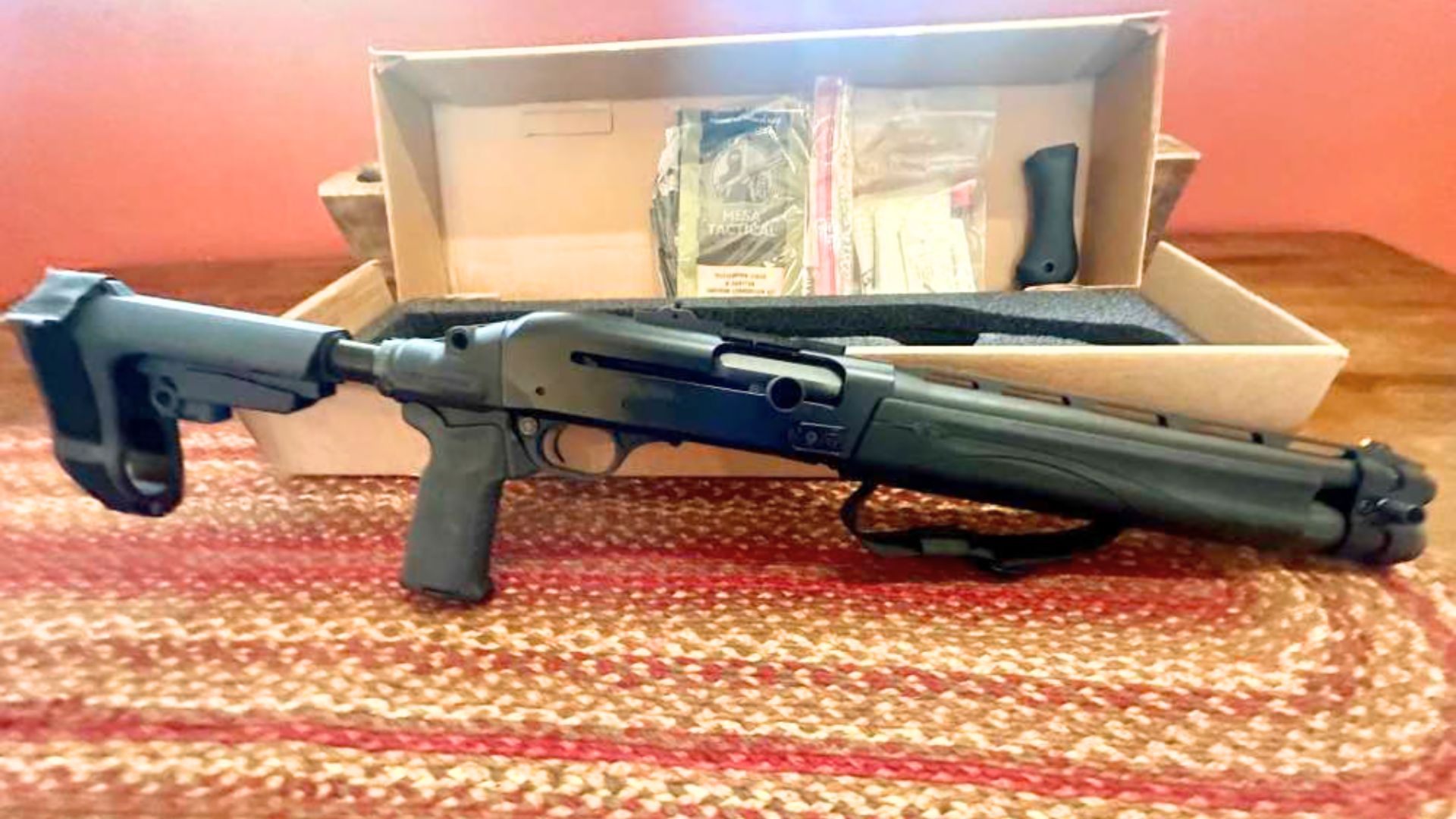
The V3 is a smooth shooter, and that’s a blessing and a curse. When recoil is mild, people get casual about testing and about keeping the same load in the gun year-round. Then they switch ammo and assume the pattern is the same. It often is not.
Some V3s with cylinder or improved cylinder setups will toss certain 00 buck loads wider than you’d like for indoor angles. Nothing wrong with the gun; the wrong assumption is the problem.
13. Mossberg 590A1 (with a true cylinder bore and cheap 9-pellet 00)

This one will annoy some readers because the 590A1 is as legit as it gets for a fighting pump. But here’s the deal: a cylinder bore with the wrong buckshot can open up fast, and the tougher the gun feels, the more people assume it’s automatically “safe.”
Run soft, unplated bargain 00 in a cylinder bore and you might get patterns that are wider than you want by the time you reach across a big room. The fix is usually ammo selection, sometimes choke selection if your barrel allows it.
14. Ithaca 37 Defense (older fixed-cylinder guns)
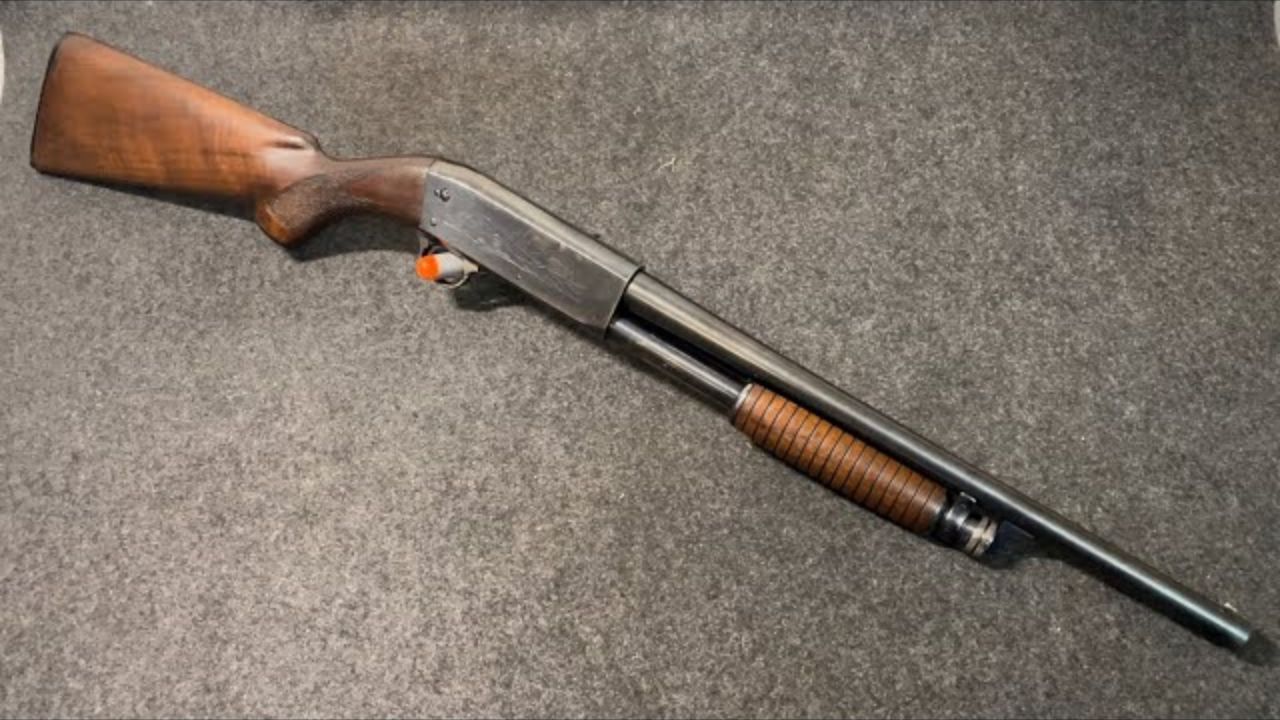
The old Ithaca 37 is a sweet-carrying pump with a slick bottom-eject design. A lot of the older “riot” style guns are fixed cylinder, and many of them have lived hard lives in trunks and closets.
With modern buckshot, some of these older barrels throw patterns that are both wide and a little lopsided. It’s not uncommon. If you’re betting your house on granddad’s riot gun, it deserves a pattern test and maybe a careful look from a competent smith.
15. Winchester Model 1897 Trench/Riot reproductions
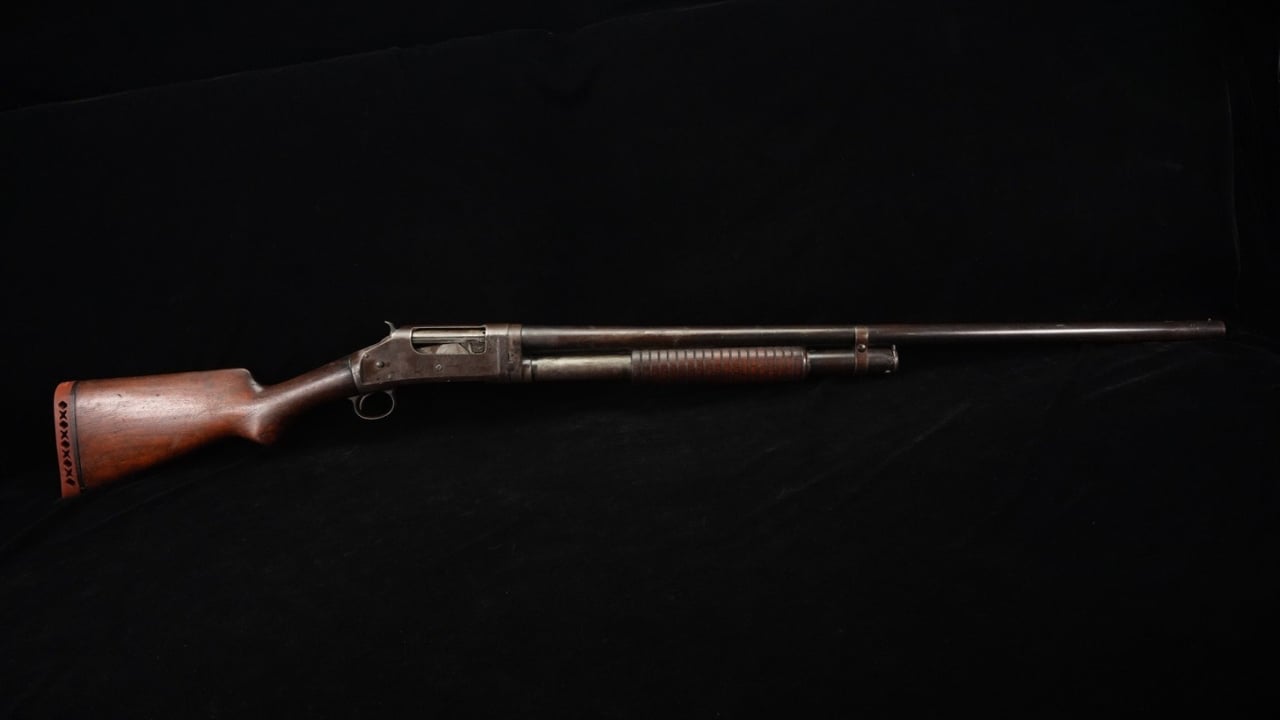
These are cool. They’re also old-school in a way that does not always translate to responsible home defense. Many are cylinder bore setups, and they tend to get shot with whatever is cheapest because folks don’t want to “waste good shells” on a fun gun.
Fun-gun ammo choices are how you end up with patterns that sprawl. Add the fact that these guns can be fussy if you don’t run them like you mean it, and you’ve got a setup that can get away from you quickly.
16. Stoeger P3000 Defense

Stoeger makes honest budget guns, and the P3000 is one of them. But budget pumps are where you see the most “I bought it and never tested it” behavior, and patterning gets skipped.
With cylinder bore and generic buckshot, patterns can be bigger than expected, especially if the shooter is new and not mounting consistently. If the gun fits you poorly, the pattern will show it.
17. Kel-Tec KSG (short barrel, tight spaces, big expectations)

The KSG is a hallway gun on paper. Two tubes, lots of capacity, short overall length. In practice, it’s a bullpup that can be awkward to run fast and clean, and awkward handling leads to rushed shots and poor indexing.
Wide patterns show up when you’re not actually aiming, and many KSGs wear optics or sights that aren’t properly confirmed with buckshot. If you don’t know where your pattern prints, you’re guessing in the dark.
18. UTAS UTS-15

These look futuristic and they promise a lot of ammo on board. What they tend to deliver is a learning curve. When you’re thinking about the gun instead of the situation, you’re not mounting it the same way every time.
And when your mount changes, your point of impact changes. If your buckshot load is already on the “loose” side, now you’ve got a wide pattern that’s also not landing where you expect.
19. Charles Daly Honcho
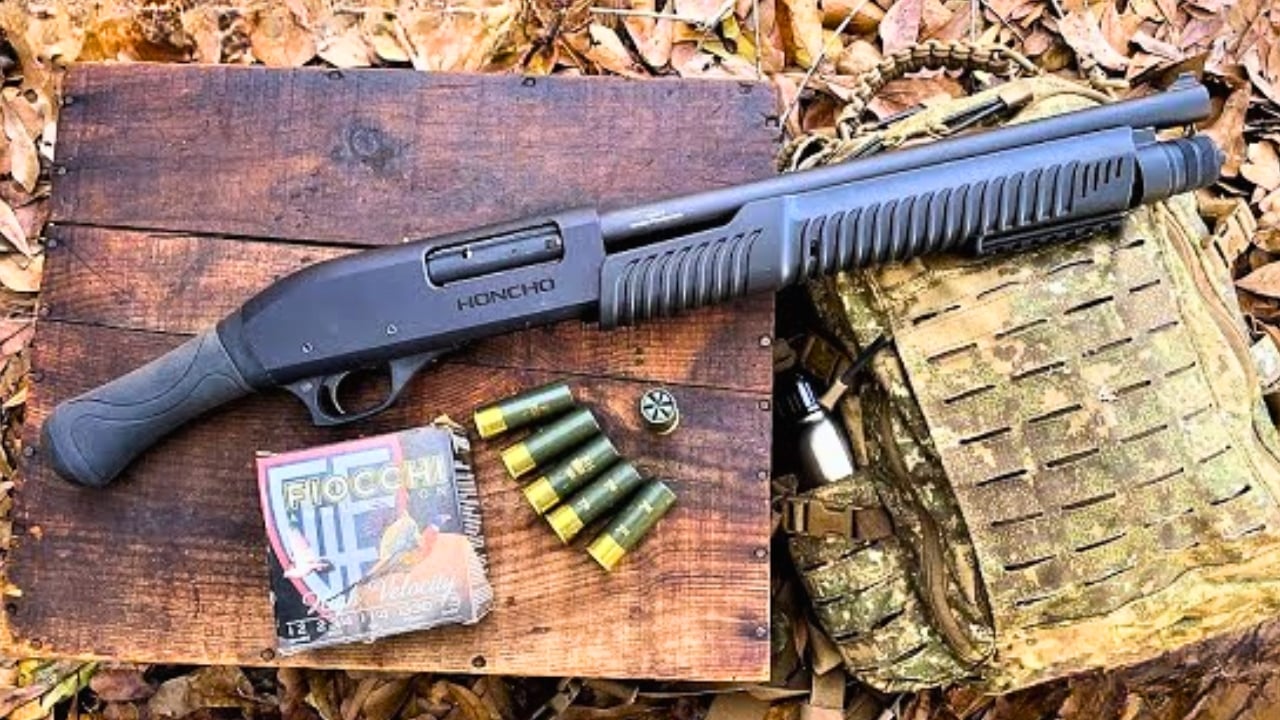
Small, simple, and affordable. It also encourages that same no-stock, no-sights style of use that makes patterns feel like a gamble. With a short barrel and bird’s-head grip, it’s easy to get lazy and start “pointing” instead of aiming.
If you insist on running a compact setup like this, it needs range time with your defensive load. Not one shell. Not a couple. Enough to know the pattern and keep it centered on demand.
20. Rossi Tuffy .410 (with defensive buckshot loads)
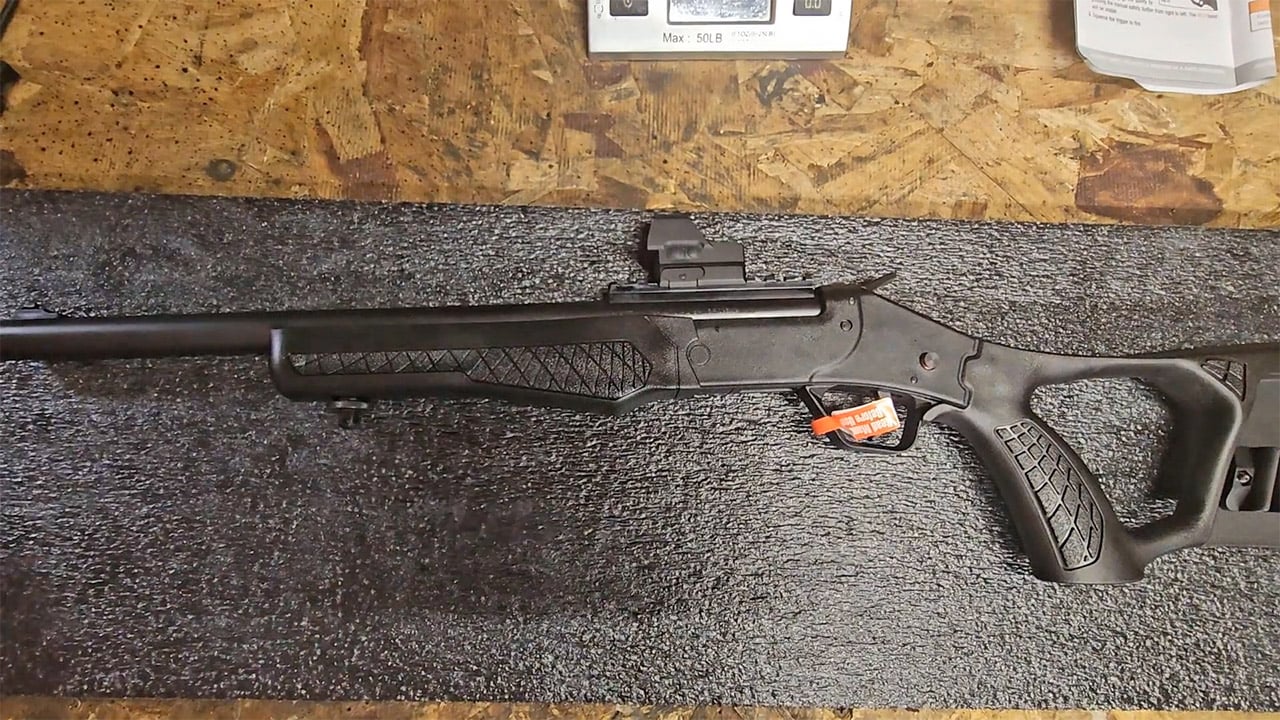
I’ve watched the .410 home-defense trend grow legs, and some of it is marketing. A light .410 can be handy, but it’s also easy to overestimate what it’s doing, especially with buckshot loads that don’t always pattern consistently out of small guns.
On top of that, the little guns are light, they move around in the hands, and they can be harder to aim well than folks admit. If the pattern opens up and drifts because you’re not steady, you’re not gaining safety—you’re losing it.
If there’s one takeaway here, it’s that “shotgun spreads” is not a plan. The gun, the barrel, the choke, and the exact buckshot load all matter, and the only honest answer is what your shotgun prints on paper at real distances inside your home. Do that homework, pick a load that stays together, and set the gun up so you can actually aim it under pressure. That’s what keeps pellets where they belong.
Like The Avid Outdoorsman’s content? Subscribe to our newsletter so you never miss an article.
Here’s more from us: