
Photo credit: Jordi Mora/Shutterstock.com
Deer hunting requires a blend of patience, strategy, and attention to detail. Even the slightest misstep can send a deer running and leave you empty-handed. Knowing how to enter the woods without alerting your prey is a skill that sets seasoned hunters apart. From understanding a deer’s sharp sense of smell to perfecting quiet movement, success starts with careful planning and execution.
Understand and Outsmart a Deer’s Nose

A deer’s sense of smell isn’t just impressive—it’s their ultimate defense mechanism. With nearly 300 million olfactory sensors (compared to our measly five million), they can dissect smells like a scientist. That means when they catch a whiff of you, it’s not just “human” they’re detecting—it’s your soap, your coffee, and maybe even the bacon you had for breakfast.
No scent eliminator can make you invisible to their nose, so don’t put all your faith in sprays. Instead, play the wind. Always move with the breeze in your favor, ensuring your scent blows away from their path. Combine that with scent control products, and you’ll have a better shot at staying undetected.
Move quietly in the Woods

Deer are experts at picking up on unnatural sounds. The snap of a twig or the crunch of leaves underfoot might as well be a siren to them. Their ears rotate independently, locking onto the faintest noises, so even your cautious steps can betray you.
When heading into the woods, slow down—way down. Take deliberate steps, placing your foot heel-to-toe to reduce noise. Use natural sounds, like wind rustling leaves or birds chirping, to mask your movements. And if you do make a noise, pause. Deer often stop to reassess after hearing something unusual, and staying still can make you less of a threat in their eyes.
Always Work With the Wind

The wind can make or break your hunt. When it’s blowing toward you, it carries your scent away from the deer, keeping you under the radar. But if the wind shifts or you don’t account for it, you might unknowingly alert every deer within a quarter mile. Deer rely heavily on their noses to detect danger, and once they catch your scent, they’ll be gone before you even know they’re there.
Before heading out, check the wind direction and plan your route carefully. Use apps or a simple wind checker to stay aware of shifts while you’re in the field. Entering the woods with the wind in your favor isn’t just smart—it’s essential for staying undetected.
Get There Early and Take Your Time

When it comes to entering the woods, patience pays off. Arriving early gives you the advantage of moving slowly and carefully, especially when the ground is covered with noisy leaves and twigs. The faster you go, the louder you’ll be—and that’s an instant red flag for any nearby deer.
Try the “six-by-six” method: take six slow, deliberate steps, then pause for six seconds. During each pause, listen and scan your surroundings for movement. This not only helps you avoid making noise but also keeps you alert to any nearby deer. The more deliberate you are, the better your chances of blending into the woods unnoticed.
Master the Art of Blending In

Scent control products are helpful tools, but they’re not a magic fix. They can dilute your scent, making it less alarming to a passing deer, but they won’t fool a deer that has time to investigate. That’s why combining scent control with careful wind management is non-negotiable. Deer process smells layer by layer—they’ll pick up on the human scent beneath any cover spray if you’re not careful.
Blending in doesn’t stop at scent. Your movements and sounds should mirror the natural flow of the woods. Slow, deliberate steps and pauses make you part of the environment rather than an intruder. The goal is to move in a way that feels as unremarkable as a breeze or a falling leaf.
Step Quietly

Your footsteps tell a story to every deer nearby. A snapping twig or crunching leaf can be a dead giveaway that something larger than a squirrel is nearby. Deer are masters at distinguishing natural forest sounds from anything out of place, and heavy footfalls might as well be a human calling card.
If you mess up and make a loud noise, don’t panic. Freezing or darting away only confirms their suspicion. Instead, keep your movements slow and steady. A single misstep won’t ruin your hunt, but acting unnaturally afterward can. Stay calm, reassess, and keep easing your way into position.
Know the Difference Between Bumping and Spooking

Startling a deer doesn’t always mean the hunt is over. When a deer hears you but doesn’t catch your scent, it might “bump,” meaning it moves off cautiously without fully identifying you as a threat. These deer often circle back or resume their activity once they feel the area is clear.
Spooking, on the other hand, is a different story. If a deer gets a solid whiff of your scent, it will likely associate the area with danger and steer clear for a long time. Recognizing the difference between these reactions helps you know when to adapt your strategy or call it a day.
Stay Still and Quiet in Your Stand

All the stealth in the world won’t matter if you get to your stand and start making noise. The key to a successful hunt is maintaining patience and composure once you’re in position. Settle in quietly, and take a moment to observe your surroundings before making any adjustments.
Deer can appear out of nowhere, so stay alert and resist the urge to fidget. The woods require a level of patience that can test even the most experienced hunters. But waiting for the perfect shot is part of what makes the experience so rewarding.
Use the Terrain to Stay Hidden

Knowing the lay of the land can make all the difference. Before the hunt, scout the area for features like creeks, ridges, or thick underbrush that can mask your movements. These natural barriers not only help you stay hidden but can also muffle the sound of your approach. Use them to your advantage as you plan the quietest route to your stand.
Every hunting spot is unique, so adapt your strategy to the specific terrain. The more you understand how to move with the landscape, the better your chances of slipping in undetected.
Keep Your Gear Quiet

Noise doesn’t just come from your footsteps—it can come from your gear, too. A rattling buckle or clinking metal can be as alarming to a deer as a snapping twig. Before heading out, double-check your pack, straps, and any other equipment for potential noise-makers. Tape loose parts, secure dangling items, and make sure everything is snug.
Packing light can also help. The fewer items you’re carrying, the less chance of something making noise. Silence is a hunter’s best ally, and small adjustments like these can make a big difference in staying undetected.
Respect the Process of the Hunt
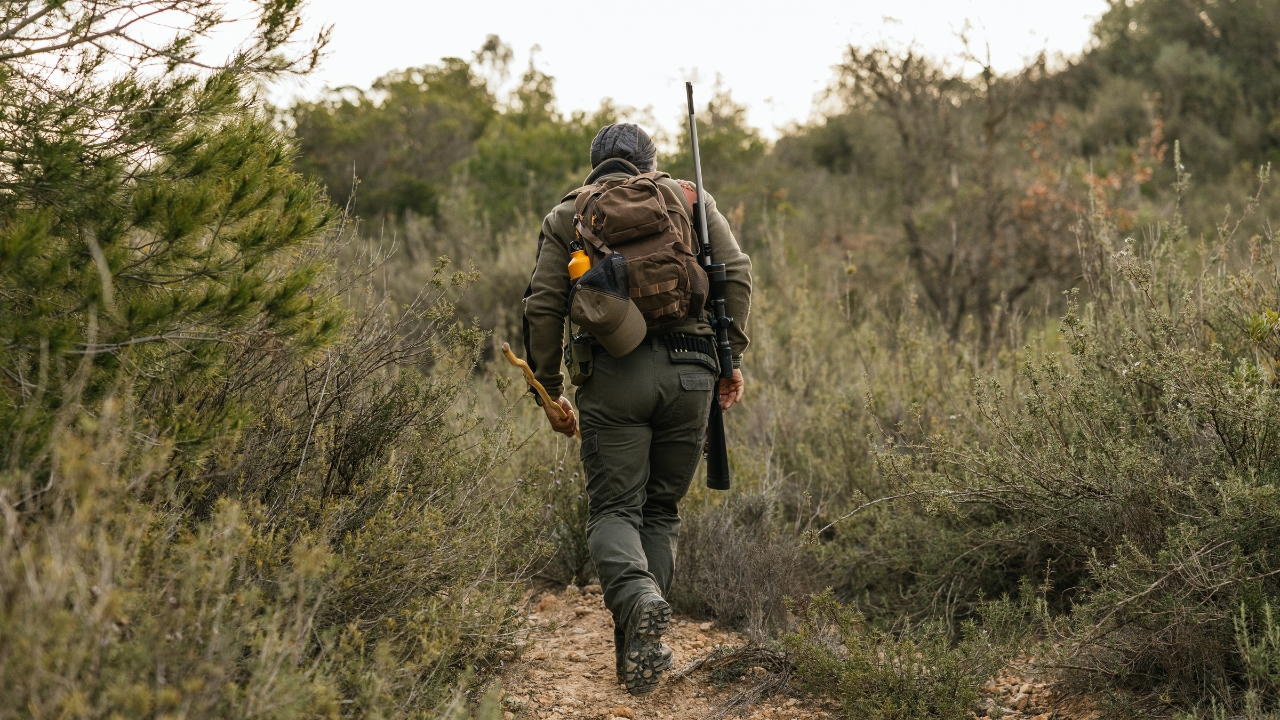
Hunting isn’t just about the outcome—it’s about the effort and respect you bring to the experience. Entering the woods thoughtfully not only increases your chances of success but also shows reverence for the deer’s natural instincts. Stealth is more than just a tactic; it’s about blending into the environment and moving with intention.
When you respect the process, you’re not just a hunter—you’re part of the landscape. The time you spend preparing and moving with care enhances the hunt, turning it into a truly immersive and rewarding experience.
*This article was created with the assistance of AI.


